
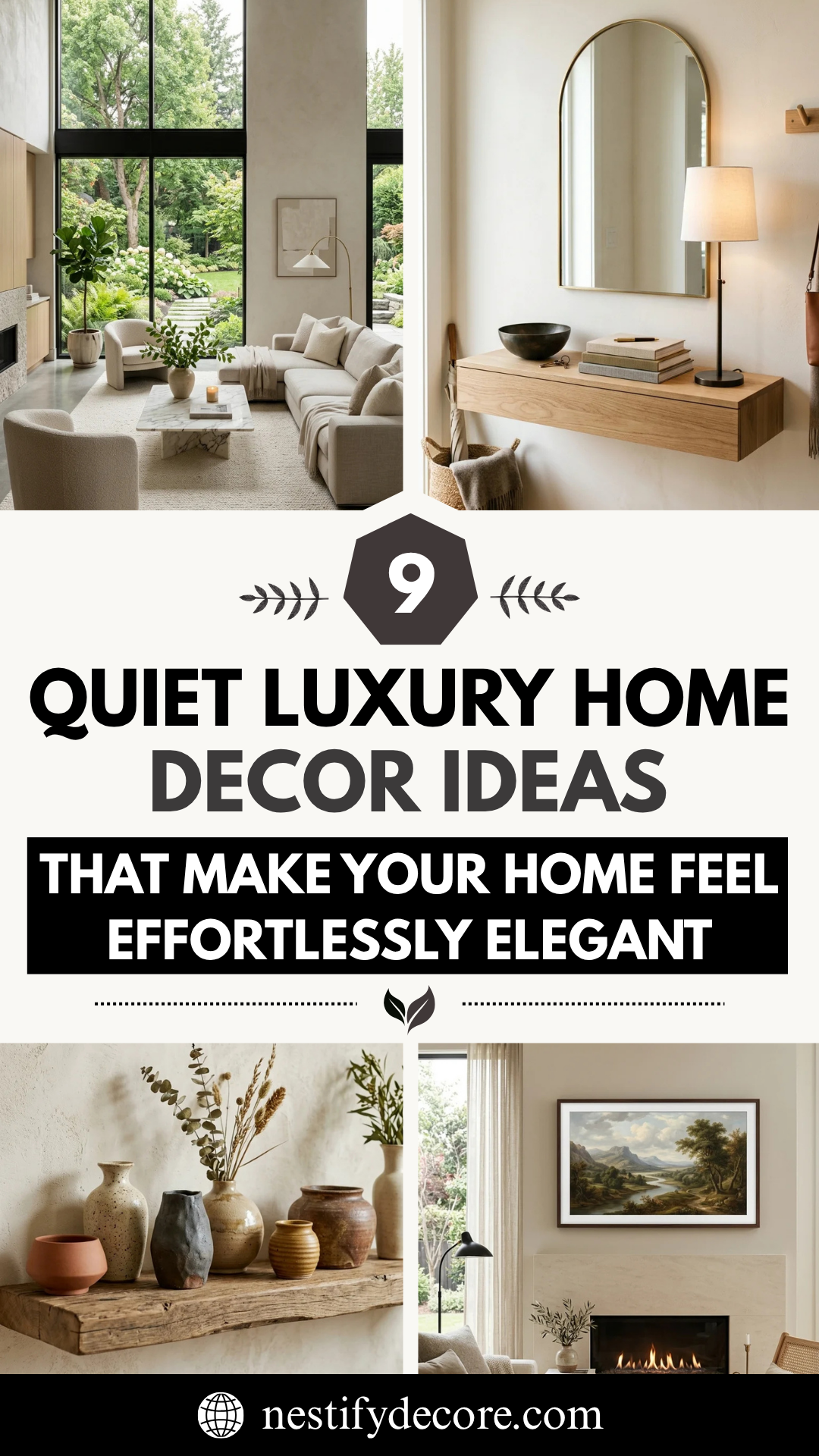
The “Quiet Luxury” movement, often referred to as “stealth wealth” or the “Old Money aesthetic,” has transitioned from the fashion runways into the very heart of our homes. Unlike traditional luxury, which often relies on bold logos, flashy gold accents, and recognizable brand patterns, quiet luxury is rooted in the understated. It is the art of investing in high-quality materials, timeless silhouettes, and a sensory experience that whispers rather than screams.
Achieving this look isn’t about how much money you spend, but rather how you curate your space. It’s about choosing pieces that feel intentional, curated, and built to last a lifetime. Here are nine quiet luxury home decor ideas to transform your living space into a sanctuary of effortless elegance.
1. Neutral Palettes
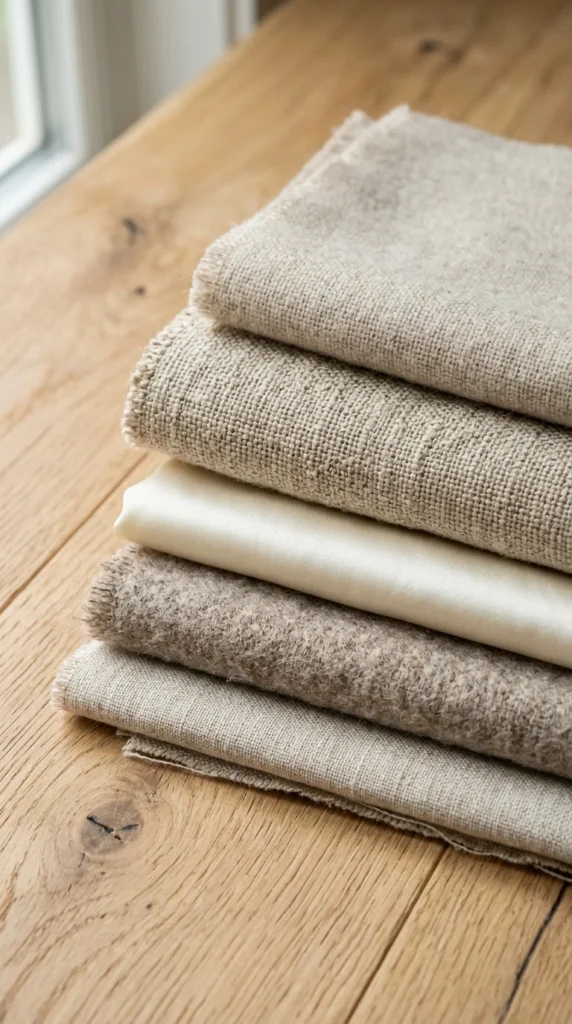
The foundation of any quiet luxury home is a sophisticated, monochromatic, or neutral color palette. This isn’t about a flat, boring white-on-white look; it’s about “warm” neutrals that create depth and comfort. Think shades of oatmeal, bisque, stone, and mushroom.
- Layering Tones: Instead of using one single color, layer different shades of the same family. A sand-colored sofa against a taupe wall with ivory pillows creates a visual richness that feels expensive.
- The Power of Off-White: Avoid clinical, blue-toned whites. Opt for “greige” or creamy whites that respond beautifully to natural light, making the room feel soft and inviting.
- Consistency: Keep the color story consistent throughout the home to create a seamless flow, which is a hallmark of high-end interior design.
2. Organic Marble
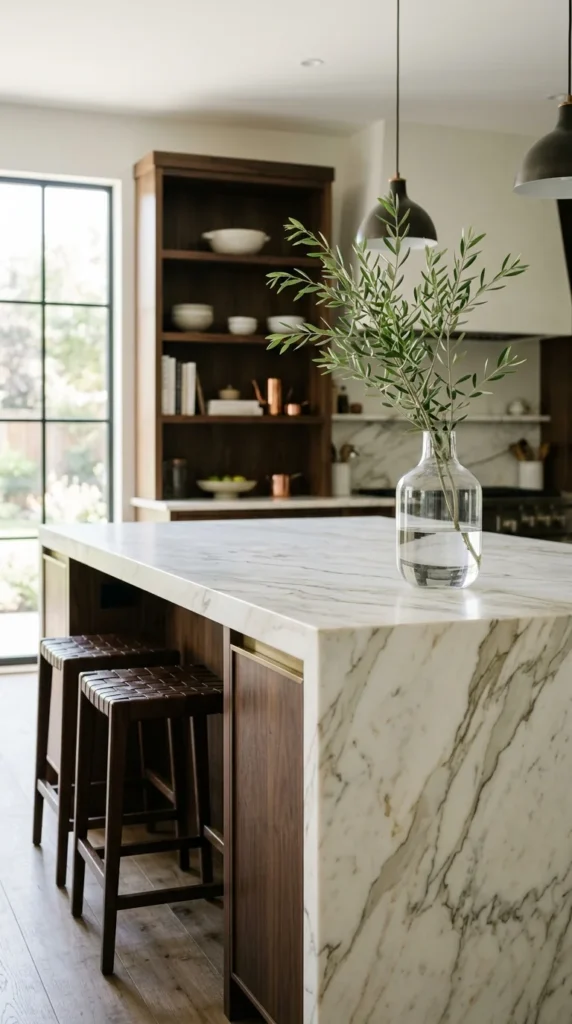
Nothing says quiet luxury quite like natural stone. Marble, particularly in honed or matte finishes rather than high-gloss, provides a grounded, organic feel that connects the home to the earth.
- Veining as Art: Look for slabs with unique, subtle veining. The imperfections in the stone are what make it feel authentic and bespoke.
- Small Scale Integration: You don’t need a full marble kitchen to capture this essence. A marble plinth, a heavy marble tray on a coffee table, or even marble bookends can elevate a room instantly.
- Matte Finishes: The quiet luxury aesthetic leans away from the “shiny” look of the early 2000s. A honed finish feels softer to the touch and looks more modern and refined.
3. Sculptural Lighting
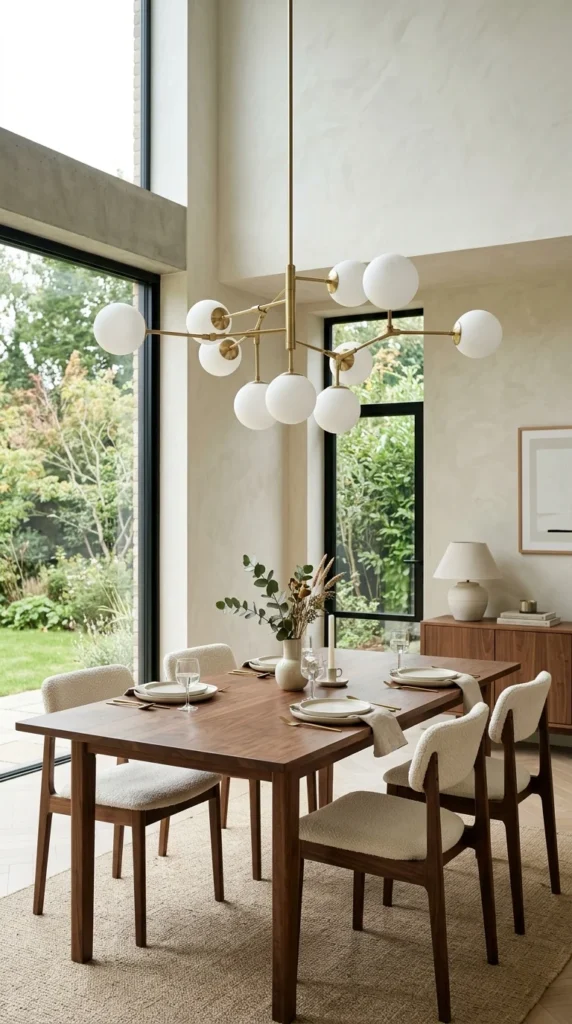
In a quiet luxury home, lighting is treated as functional sculpture. Instead of standard fixtures, look for pieces that have a unique silhouette and are made from high-quality materials like brass, alabaster, or hand-blown glass.
- The “No-Can” Rule: While recessed “can” lighting is practical, quiet luxury focuses on ambient lighting. Use floor lamps, table lamps, and wall sconces to create layers of light.
- Statement Pieces: One large, well-placed sculptural light fixture in a room can act as a focal point, eliminating the need for excessive decor.
- Warmth is Key: Always use warm-toned bulbs (2700K to 3000K) to ensure the space feels cozy and expensive, rather than cold and industrial.
4. Artisanal Ceramics
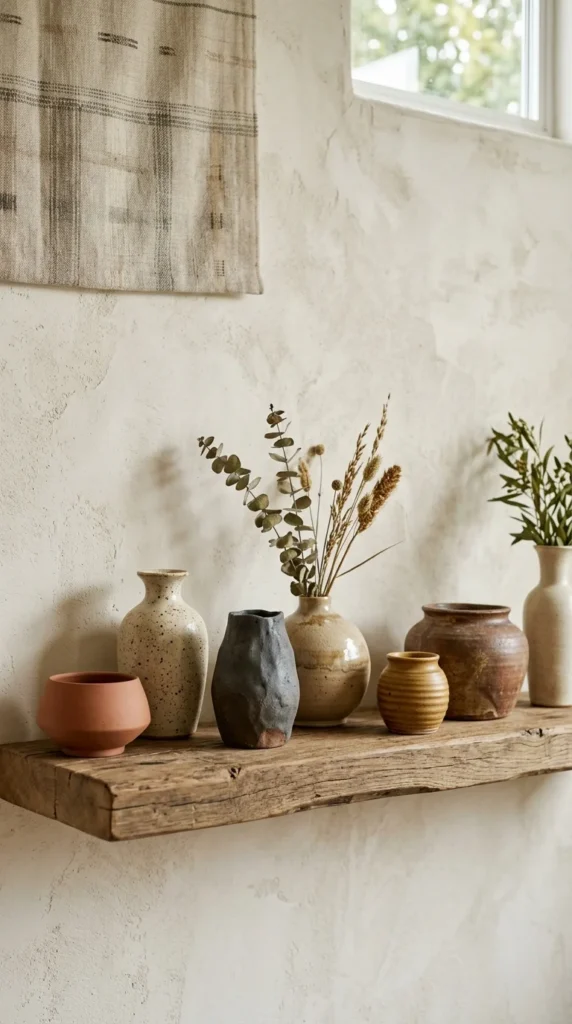
Quiet luxury values the hand of the maker over mass-produced items. Artisanal ceramics—with their slight asymmetries and tactile surfaces—bring a sense of soul and history to a space.
- Texture Over Pattern: Choose ceramics with interesting glazes or raw, sandy textures rather than those with busy painted patterns.
- Curation: Instead of a shelf full of “knick-knacks,” choose three to five high-quality ceramic pieces. Space them out to allow each object “room to breathe.”
- Functional Art: Use artisanal bowls for fruit or handmade mugs in the kitchen. When everyday objects are beautiful, the entire home feels elevated.
5. Rich Textures
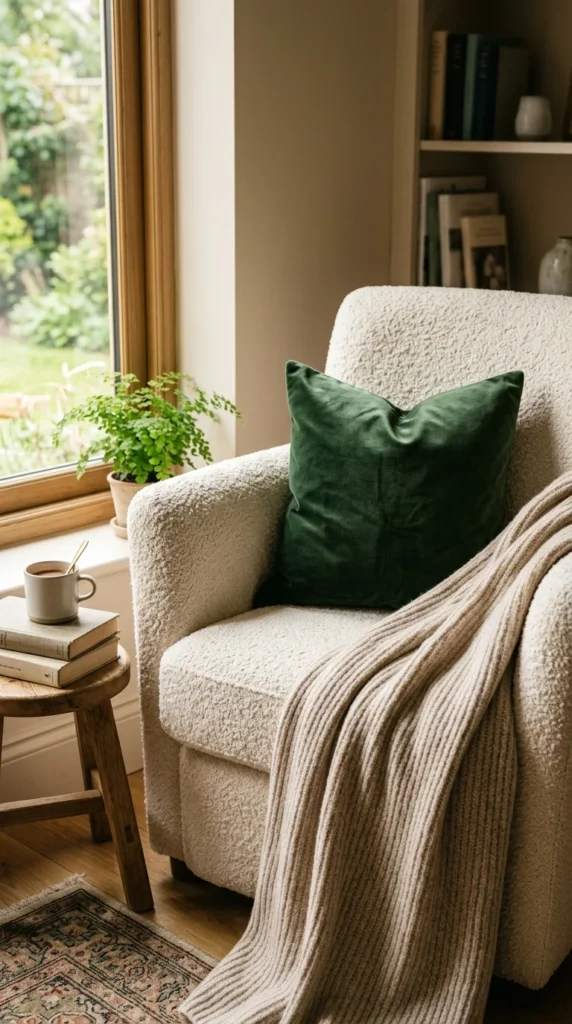
The “feel” of a room is just as important as the “look.” Quiet luxury is heavily reliant on tactile sensations. Mixing different high-end fabrics creates a sense of indulgence that is felt rather than seen.
- Bouclé and Wool: These materials add a cozy, architectural texture to furniture.
- Silk and Velvet: Use these sparingly for cushions or drapery to add a hint of shimmer and softness.
- Linen: For window treatments and bedding, high-weight linen provides a relaxed yet sophisticated drape that only gets better with age.
6. Minimalist Art
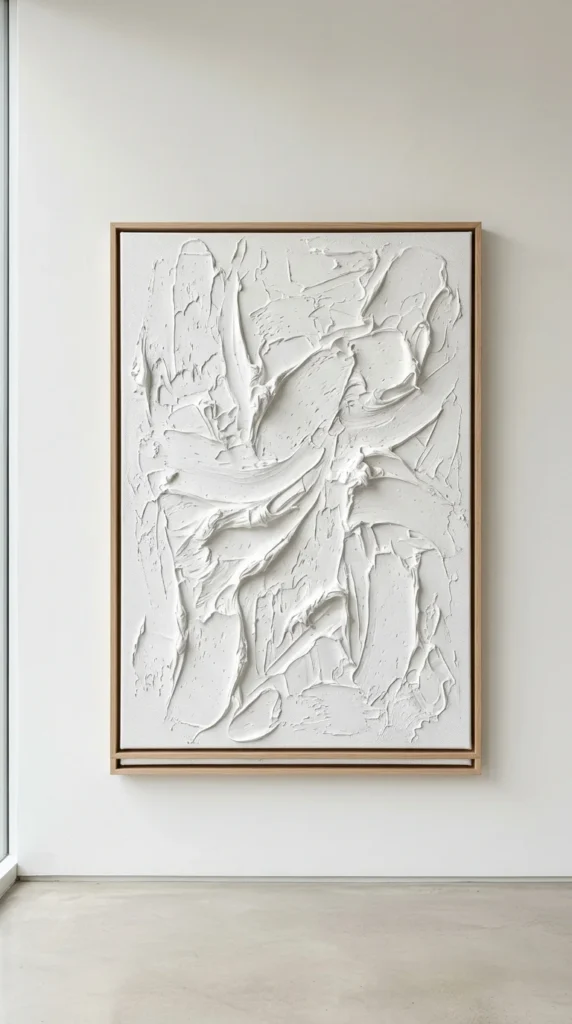
Large-scale, minimalist art is a staple of the quiet luxury aesthetic. It signals a confidence in design—the idea that you don’t need a gallery wall of small items to fill a space.
- Monochromatic Works: Look for abstract pieces that play with texture rather than color. Plaster art, line drawings, or textile art are excellent choices.
- Proper Framing: The frame is just as important as the art. Opt for thin, gallery-style frames in natural wood or black metal.
- Negative Space: Don’t feel the need to fill every wall. A single large piece on a primary wall creates a sense of museum-like grandeur.
7. Hidden Technology
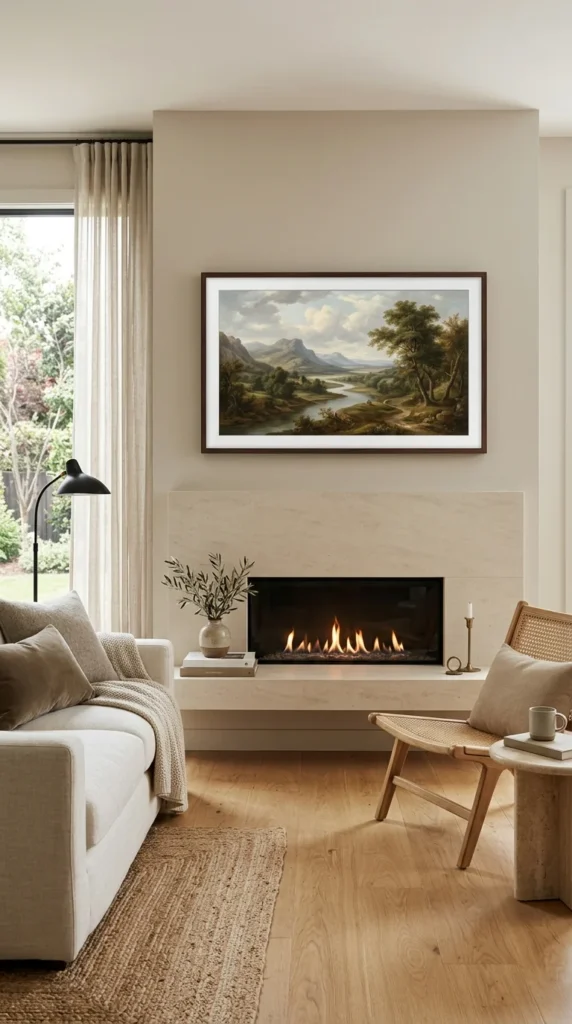
One of the biggest distractors from an elegant home is visible technology. Clunky speakers, tangled wires, and giant black TV screens can break the “quiet” spell.
- The Frame TV: TVs that display art when not in use are a hallmark of this trend.
- Integrated Speakers: Move toward invisible in-ceiling speakers or high-end wooden speakers that look like furniture.
- Cable Management: Ensure all cords are hidden within walls or furniture. A clutter-free space is a luxury in itself.
8. Scent Scaping
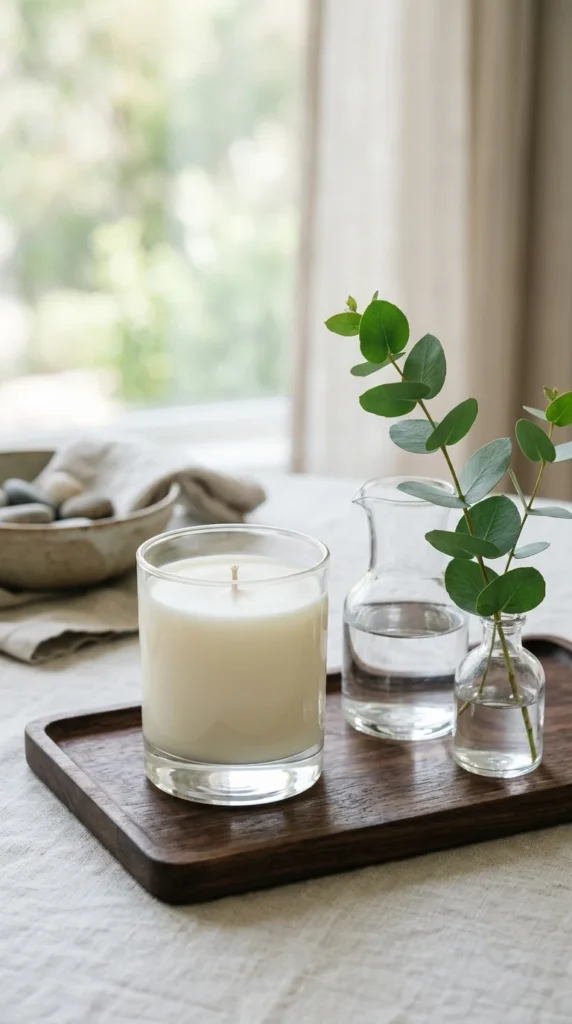
Quiet luxury is a multi-sensory experience, and scent is one of the most powerful tools for setting a mood. A home that smells like a high-end spa or a cedar forest feels instantly more expensive.
- Signature Scents: Choose a scent profile—like sandalwood, bergamot, or amber—and stick to it. This creates a “scent memory” for anyone who enters your home.
- Quality Over Quantity: Invest in one or two high-quality candles or reed diffusers from reputable fragrance houses rather than multiple cheap options.
- Natural Elements: Scent isn’t just about candles. Fresh eucalyptus in the shower or a bowl of dried citrus can provide a subtle, organic fragrance.
9. Functional Minimalism
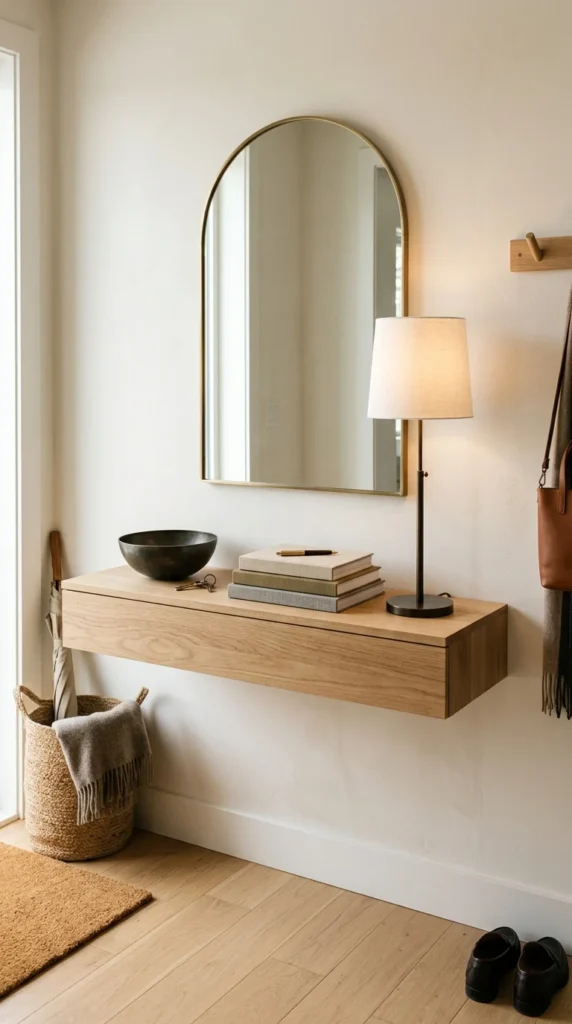
Finally, quiet luxury is defined by what is not there. It is the antithesis of clutter. However, it is not “cold” minimalism; it is “functional” minimalism where everything has a purpose and a place.
- Intentional Surfaces: Coffee tables and consoles should not be covered in magazines and remotes. Keep only a few curated items on display.
- Quality Furniture: Instead of buying a whole set of cheap furniture, save for one “hero” piece—like a perfectly crafted dining table or a designer lounge chair—and build the room around it.
- Hidden Storage: Use beautiful cabinetry or woven baskets to hide the “mess” of daily life, keeping the visual landscape of the room calm and orderly.