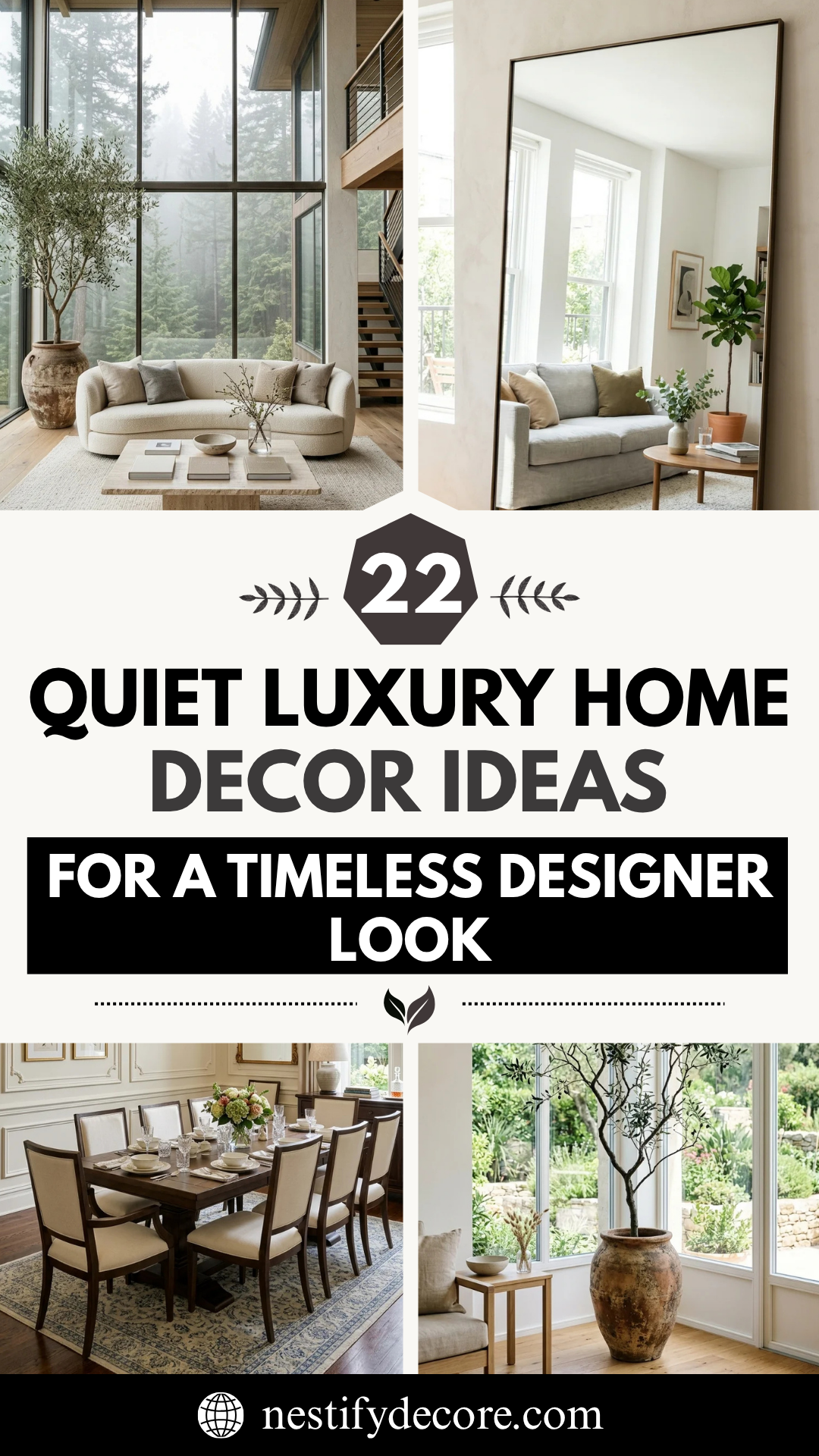
Quiet luxury is more than just a fleeting interior design trend; it is a philosophy rooted in the “stealth wealth” aesthetic. It prioritizes understated elegance, exceptional craftsmanship, and a rejection of overt branding or loud, flashy decor. To achieve this look, one must focus on the quality of materials, the harmony of a neutral palette, and the intentionality of every piece placed within a room. It is about creating a home that feels expensive not because of how much it shouts, but because of how deeply it breathes.
1. Natural Stone
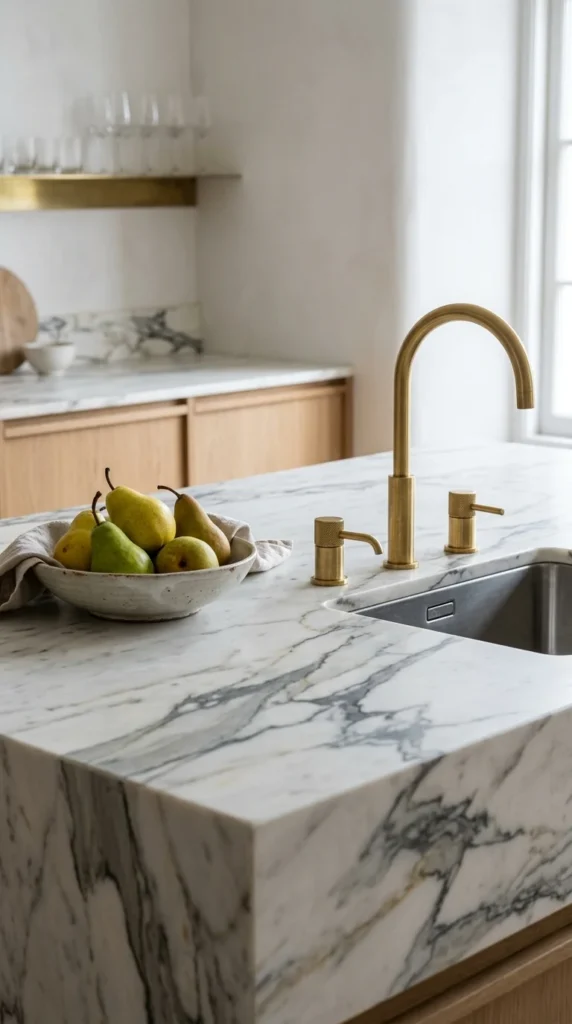
The foundation of quiet luxury often starts with natural stone. Whether it is marble, travertine, limestone, or soapstone, these materials bring an earthy, permanent quality to a space. Unlike high-gloss polished finishes which can feel dated, “honed” or “leathered” finishes provide a tactile, soft-to-the-touch experience that feels inherently sophisticated. Use stone not just for countertops, but for side tables, heavy bookends, or even integrated sinks to create a seamless, high-end architectural feel.
2. Neutral Palette
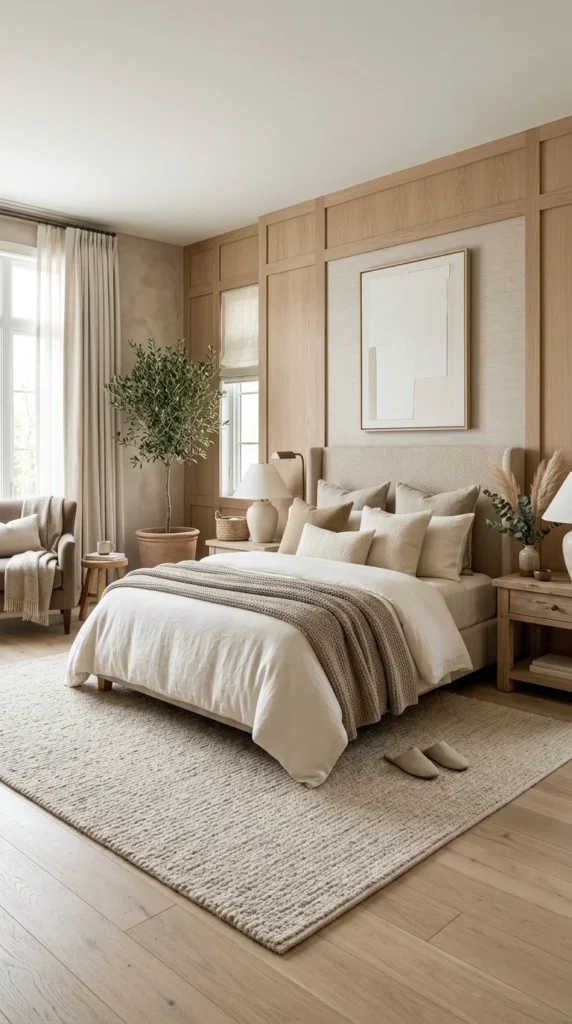
A quiet luxury home relies on a disciplined color story. Instead of bold primary colors, focus on a “tone-on-tone” approach using whites, creams, greys, and warm beiges. The key to preventing a neutral room from feeling flat is to vary the shades slightly. Use “bone” for the walls, “sand” for the upholstery, and “charcoal” for the accents. This creates a cohesive, calming atmosphere that allows the quality of your furniture to take center stage.
3. Tactile Textures
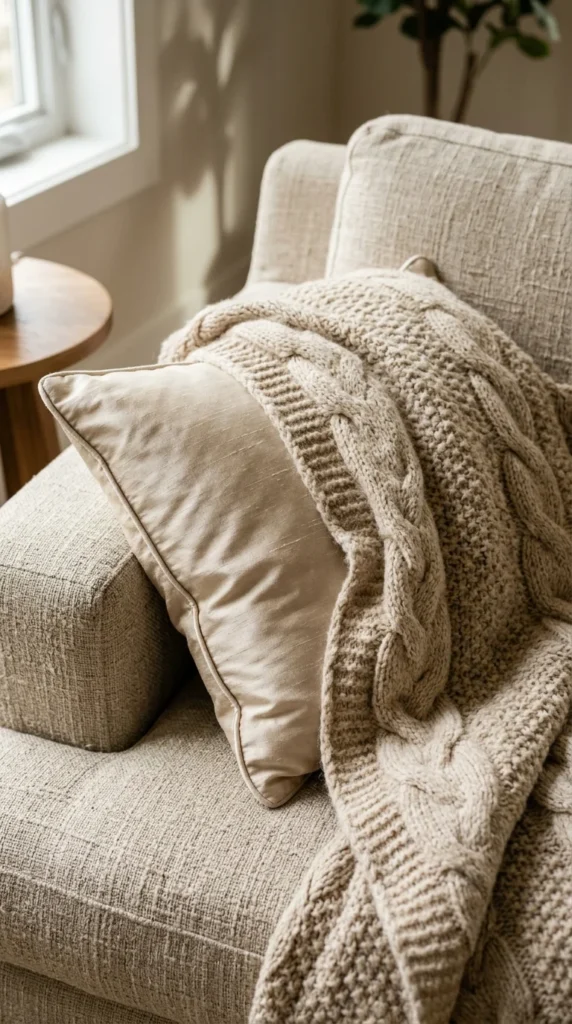
Since the color palette is restrained, texture becomes the “visual interest” of the room. Quiet luxury is deeply sensory. Incorporate materials that beg to be touched: bouclé chairs, heavy linen drapes, cashmere throws, and mohair cushions. Mixing these textures adds depth and warmth, ensuring the minimalist aesthetic feels cozy and lived-in rather than sterile or cold.
4. Bespoke Cabinetry
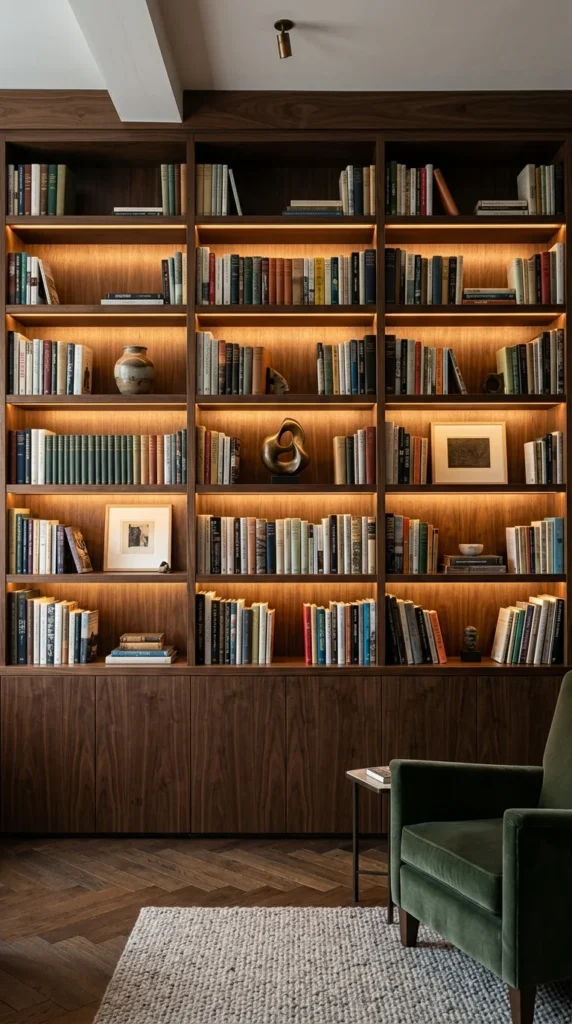
Custom millwork and bespoke cabinetry are hallmarks of a designer home. This involves moving away from flat-pack furniture and toward integrated storage solutions that feel like part of the home’s architecture. Floor-to-ceiling shelving, hidden “appliance garages” in the kitchen, and seamless wardrobes create a streamlined, clutter-free environment that exudes an air of organized opulence.
5. Sculptural Lighting
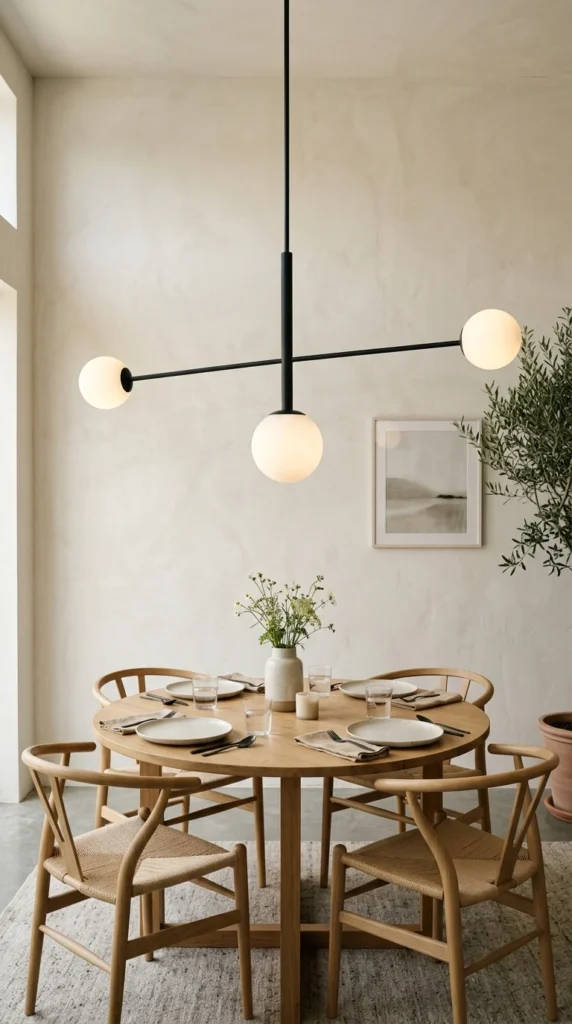
In quiet luxury, lighting is treated as functional art. Avoid generic fixtures and opt for pieces with interesting silhouettes and high-quality finishes like aged brass or hand-blown glass. A single, oversized sculptural pendant light can act as the focal point of a room, eliminating the need for excessive wall decor. The goal is to choose pieces that look as beautiful when they are turned off as they do when they are illuminated.
6. Statement Greenery
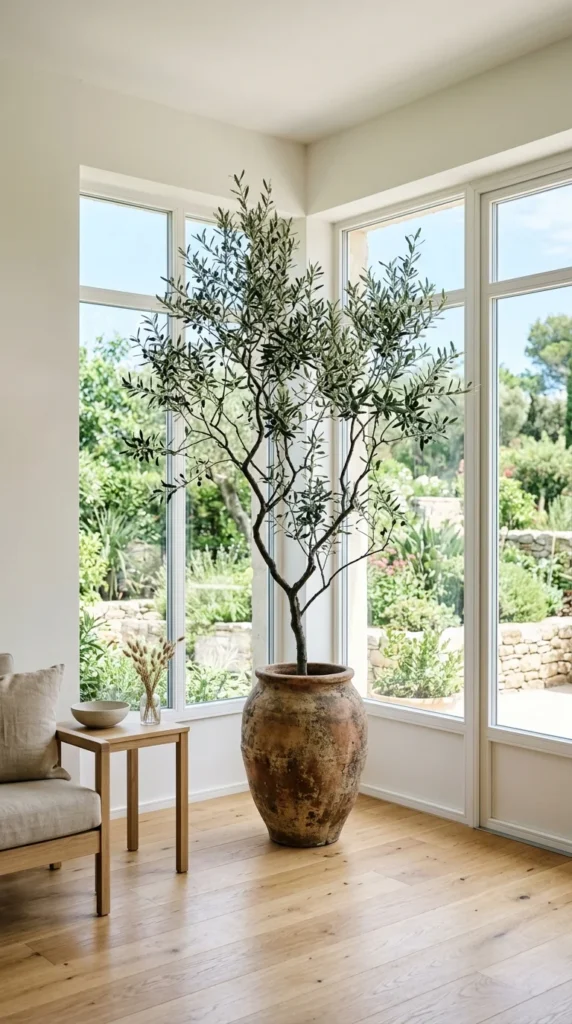
Forget small, cluttered plant collections. The quiet luxury aesthetic favors one or two large, “statement” plants. An indoor olive tree, a tall Fiddle Leaf Fig, or a large pot of architectural branches (like quince or cherry blossoms) adds a natural, organic element to the room. The vessel is just as important as the plant; choose oversized, handmade ceramic or stone pots to ground the space.
7. Vintage Accents
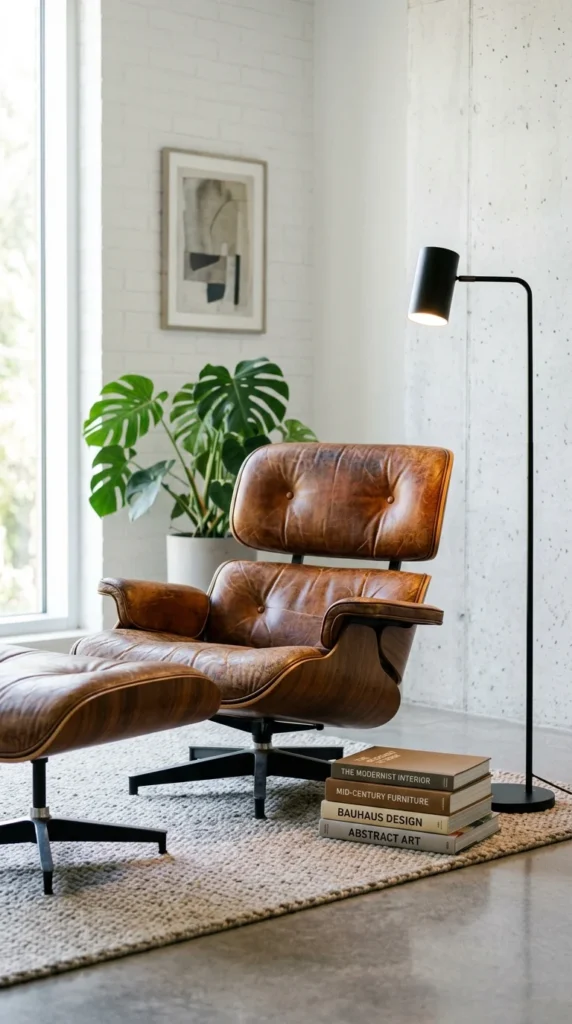
A home filled entirely with brand-new furniture can feel like a showroom. To achieve a “collected” designer look, integrate a few high-quality vintage or antique pieces. This could be a 19th-century French mirror, a mid-century modern side chair, or an antique Persian rug with a faded patina. These pieces add history, character, and a sense of “old money” timelessness that cannot be replicated with mass-produced items.
8. High-End Linens
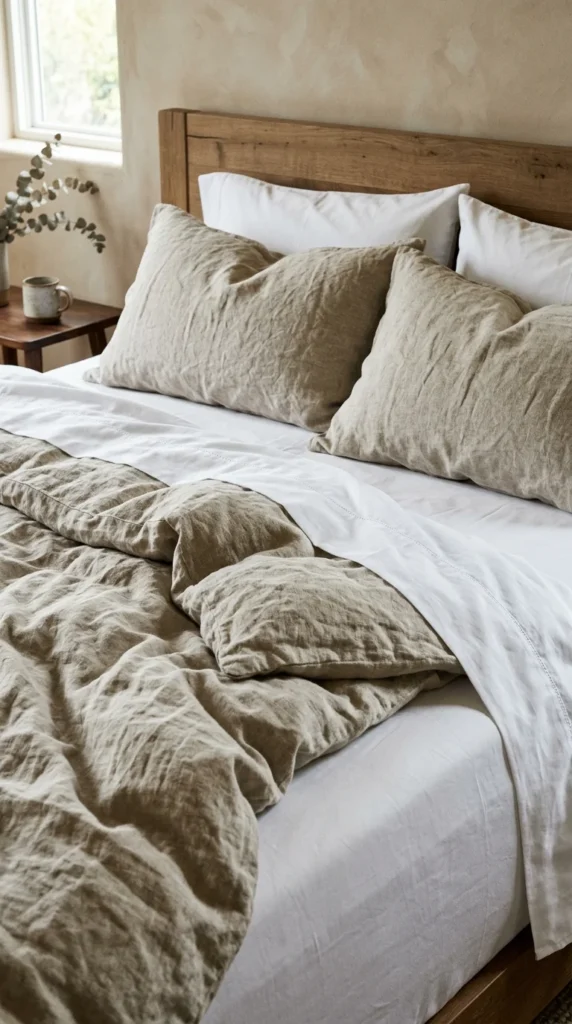
Quiet luxury extends to the most private corners of the home, especially the bedroom. Invest in the highest quality linens you can afford. Look for long-staple Egyptian cotton, pure Belgian linen, or silk. The drape of the fabric and the breathability of the material offer a level of comfort that defines true luxury. Keep the styling simple—no need for dozens of decorative pillows; just a few well-placed, high-quality shams will do.
9. Matte Finishes
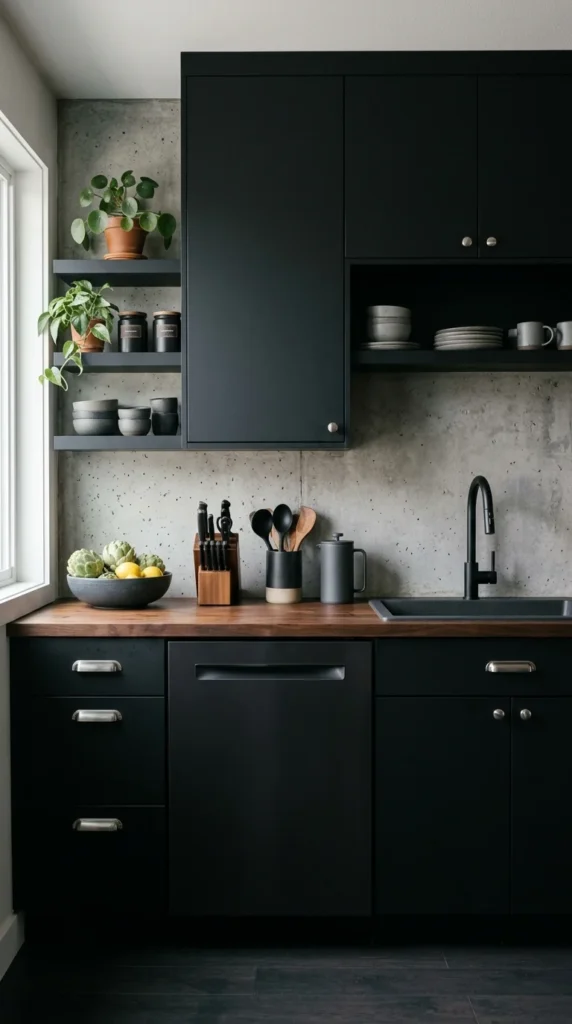
High-shine finishes can often look “cheap” or overly trendy. Quiet luxury leans heavily into matte and satin finishes. From the paint on the walls (choose “flat” or “eggshell”) to the metal hardware on your doors, matte finishes absorb light rather than reflecting it, creating a softer and more sophisticated visual environment. This applies to flooring as well; wide-plank oak floors with a matte oil finish are a staple of this look.
10. Mixed Metals
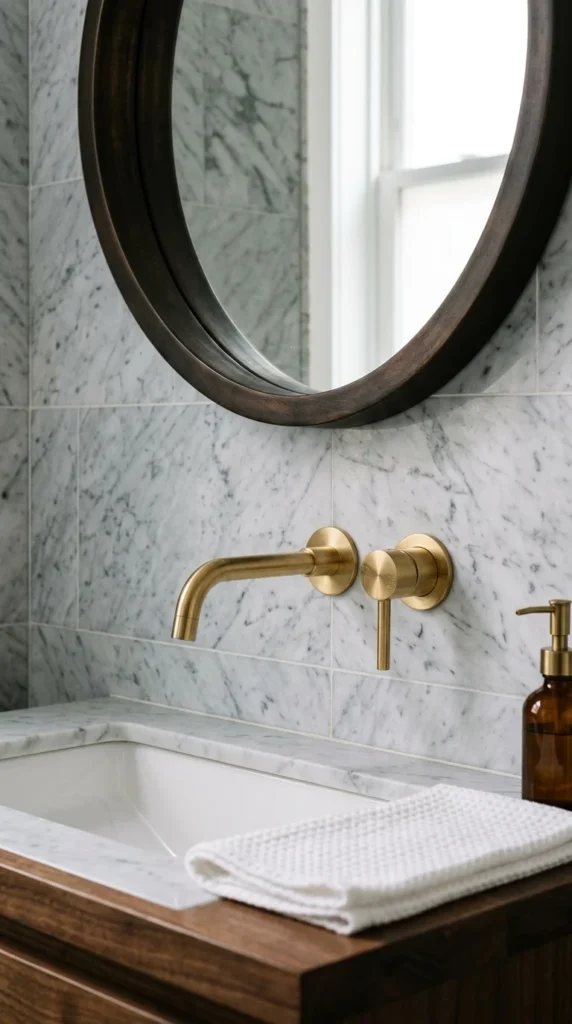
Matching every metal finish in a house (e.g., all chrome or all gold) can look forced. A designer’s touch involves mixing metals subtly. Pair aged brass with matte black, or polished nickel with antique bronze. The trick is to have one dominant metal and one or two accent metals. This creates a more organic, evolved look that suggests the home was curated over time rather than bought all at once.
11. Minimalist Art
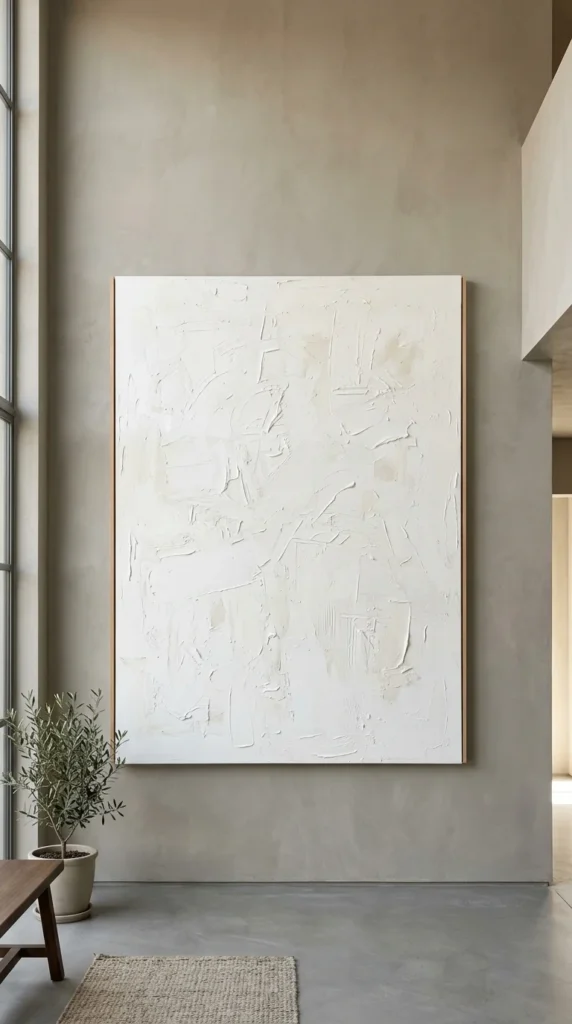
Large-scale, minimalist art is a key element of the quiet luxury aesthetic. Instead of a gallery wall with many small frames, opt for one massive piece of art that commands attention through its scale and simplicity. Abstract works, line drawings, or textured canvases in neutral tones work best. The goal is for the art to complement the room’s energy rather than compete with it for attention.
12. Architectural Moldings
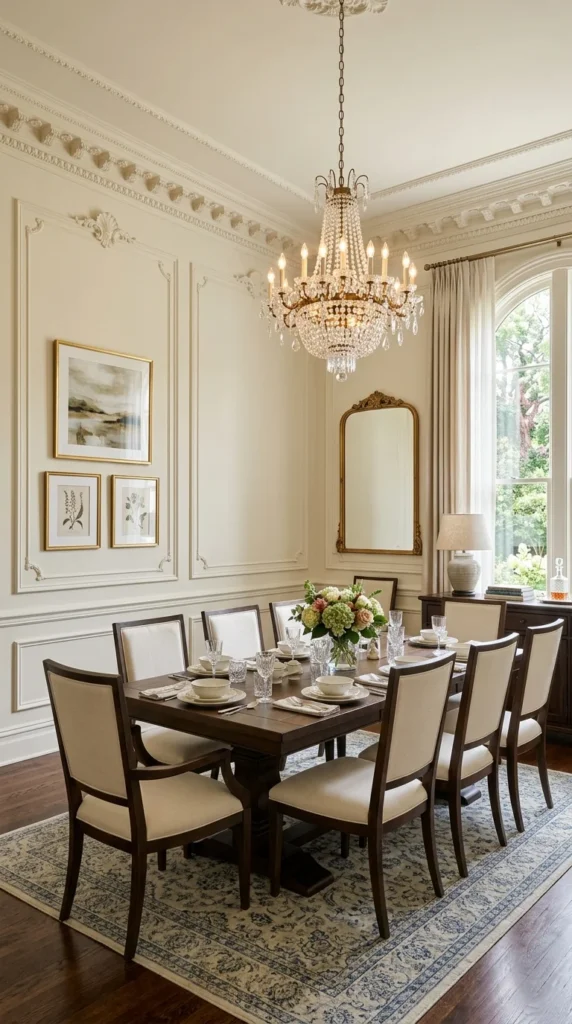
Quiet luxury often borrows from classical architecture. Adding crown molding, wainscoting, or “picture frame” wall molding can instantly elevate a standard room into something that feels like a historic estate. To keep it modern and “quiet,” paint the moldings the exact same color as the walls. This creates depth and shadow without the visual “noise” of contrasting trim.
13. Velvet Upholstery
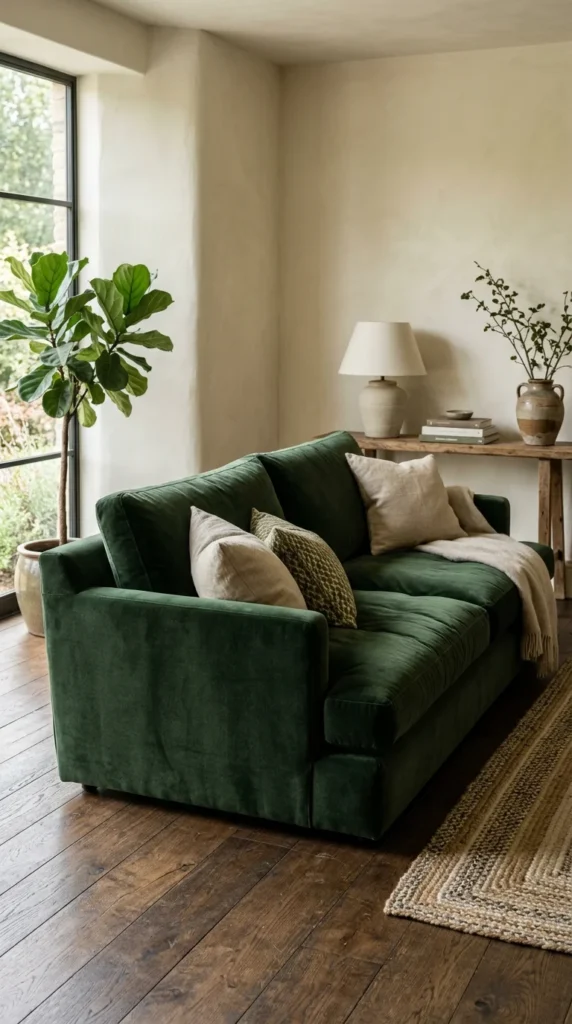
Velvet is a fabric that has symbolized luxury for centuries. However, for a modern look, choose “mohair” velvet or matte cotton velvet rather than the shiny, crushed varieties. A velvet sofa or a pair of velvet armchairs in a muted jewel tone (like moss green, navy, or dusty rose) adds a layer of sophisticated weight and incredible comfort to a living space.
14. Organic Shapes
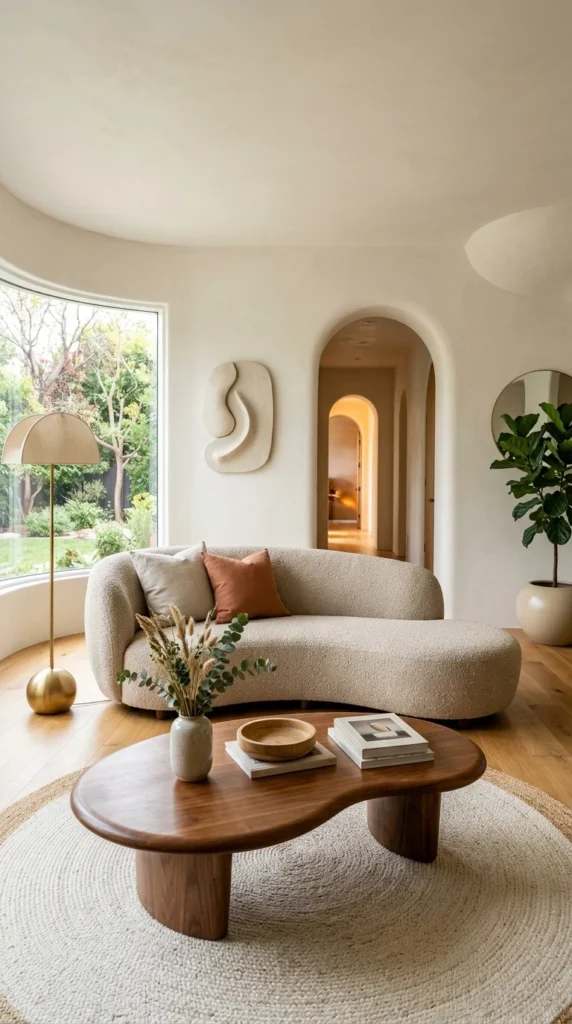
The quiet luxury aesthetic moves away from the sharp, rigid lines of traditional minimalism and toward softer, organic shapes. Look for furniture with rounded edges, arched mirrors, and circular tables. These “soft” geometries feel more inviting and human-centric, creating a flow within the home that feels natural and relaxed.
15. Smart Storage
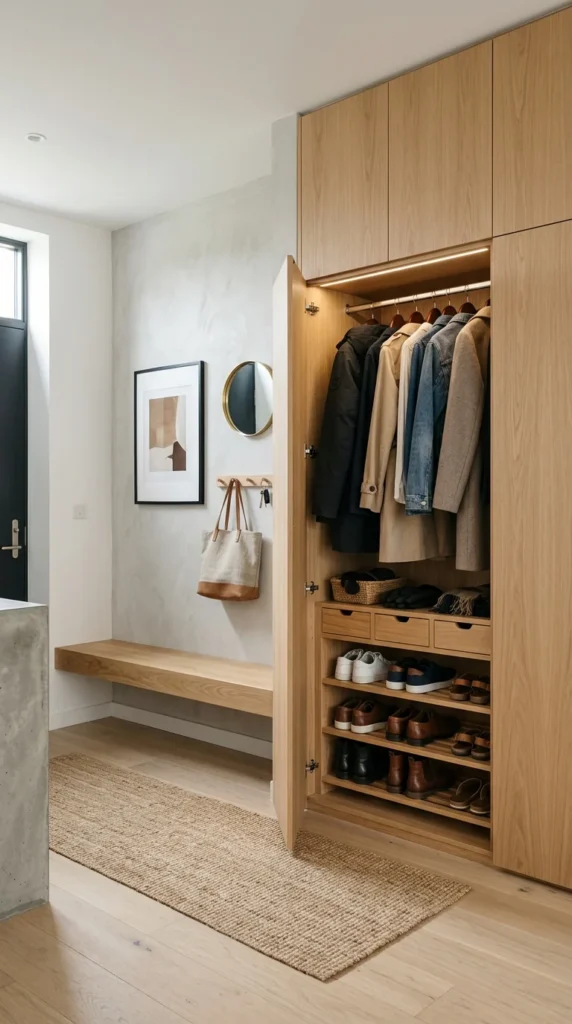
Clutter is the enemy of luxury. To maintain a designer look, every item must have a home. This means investing in smart storage solutions—integrated mudrooms, custom closet systems, and stylish baskets or bins. When surfaces are clear of daily clutter, the beauty of the architecture and the high-end furniture can truly shine.
16. Scent Layering
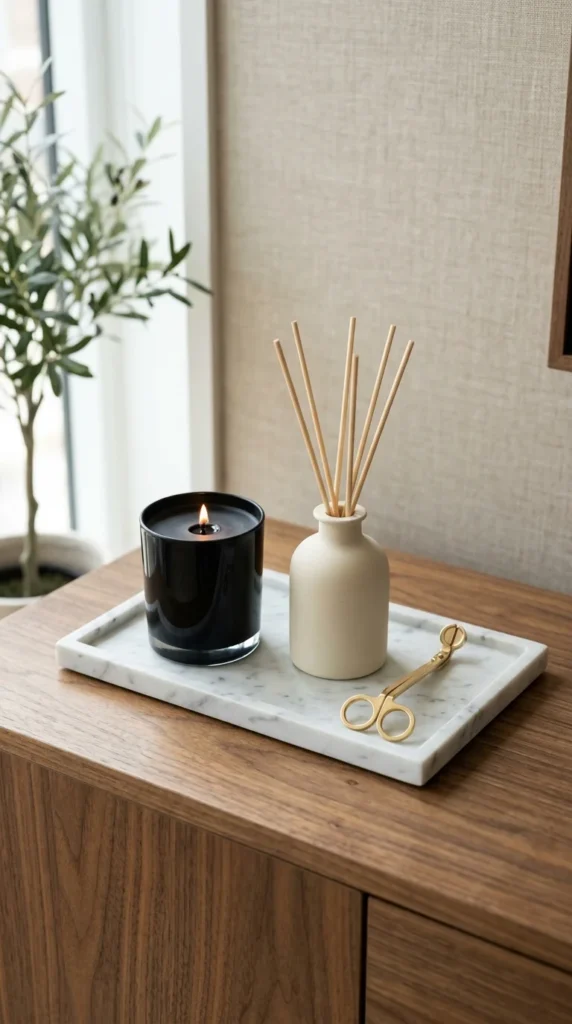
Luxury is an experience for all the senses, including smell. A “designer” home often has a signature scent. Achieve this through scent layering: use a combination of high-end candles, reed diffusers, and room sprays. Opt for sophisticated, “expensive” notes like sandalwood, oud, leather, fig, or bergamot. Avoid overly sweet or “artificial” smelling grocery-store scents.
17. Wool Rugs
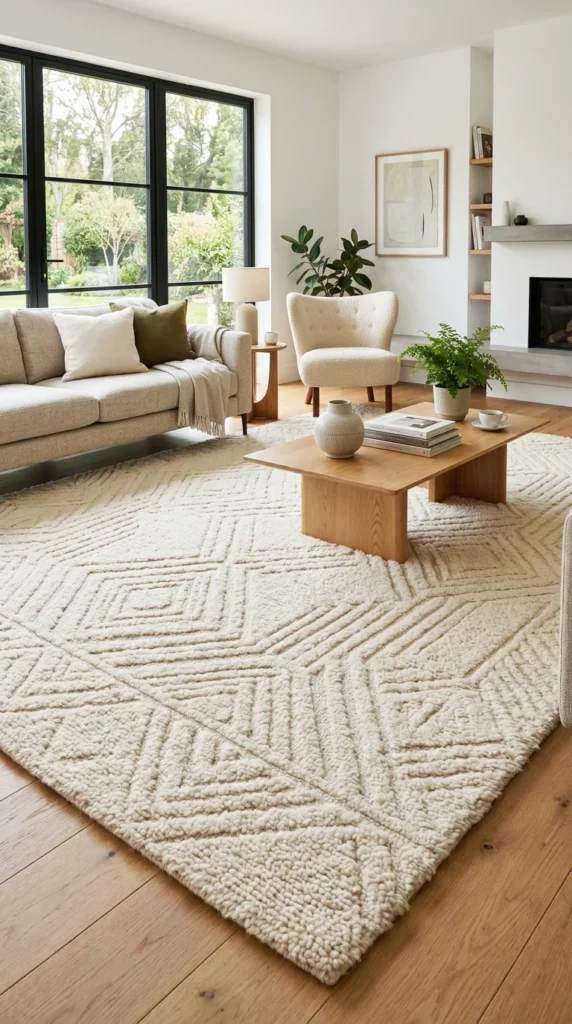
The floor is the largest surface area in a room, so the rug matters immensely. A hand-knotted wool or silk rug is a hallmark of quiet luxury. These materials are durable, sustainable, and have a natural luster that synthetic fibers cannot match. Choose oversized rugs that allow all furniture legs to sit on the rug, which creates a sense of abundance and “grounds” the seating arrangement.
18. Wood Accents
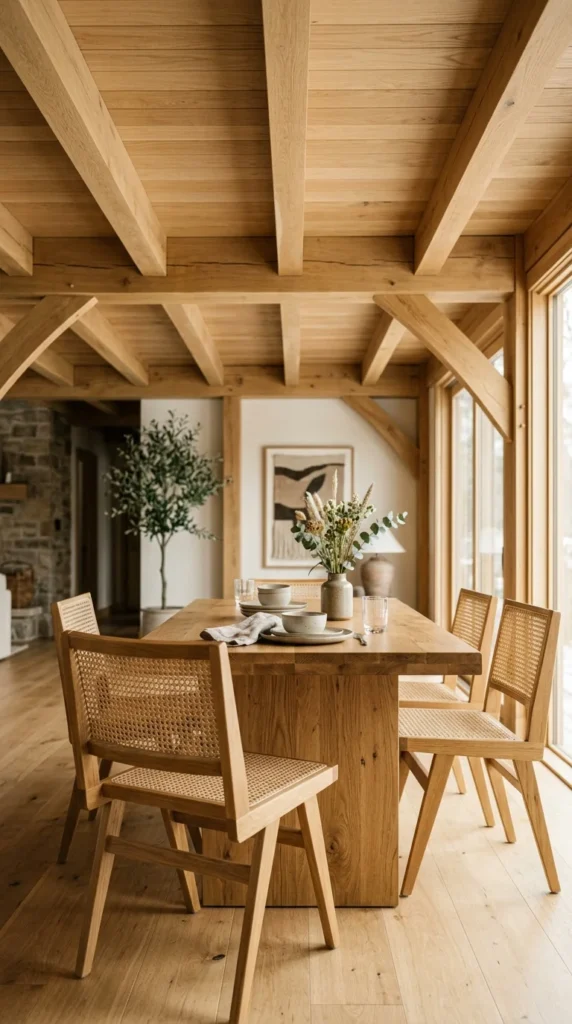
Wood brings warmth and a “living” element to a home. For a quiet luxury look, focus on light to medium woods like white oak, walnut, or ash. Avoid high-gloss orange or red stains. The beauty should come from the natural grain of the wood. Whether it is a wood-slat feature wall, a heavy dining table, or simple oak shelving, the wood should feel substantial and authentic.
19. Statement Mirrors
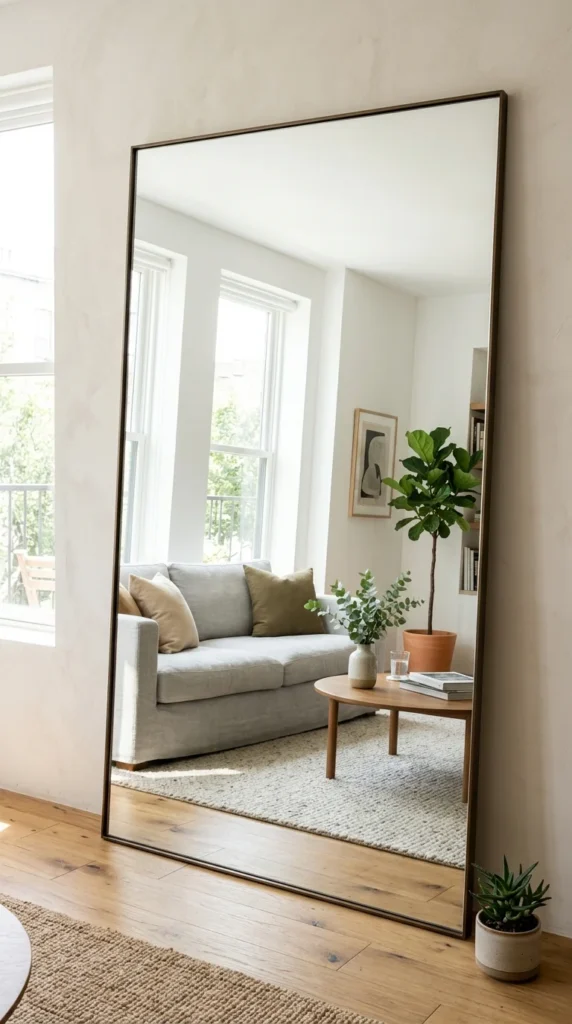
Mirrors are used in quiet luxury not just for checking one’s reflection, but to bounce light and create the illusion of even more space. A massive floor mirror or a uniquely shaped wall mirror acts as a “window” into another part of the room. Choose frames that are either extremely minimalist (thin metal) or deeply artisanal (carved wood or antique gilt).
20. Coffee Table Books
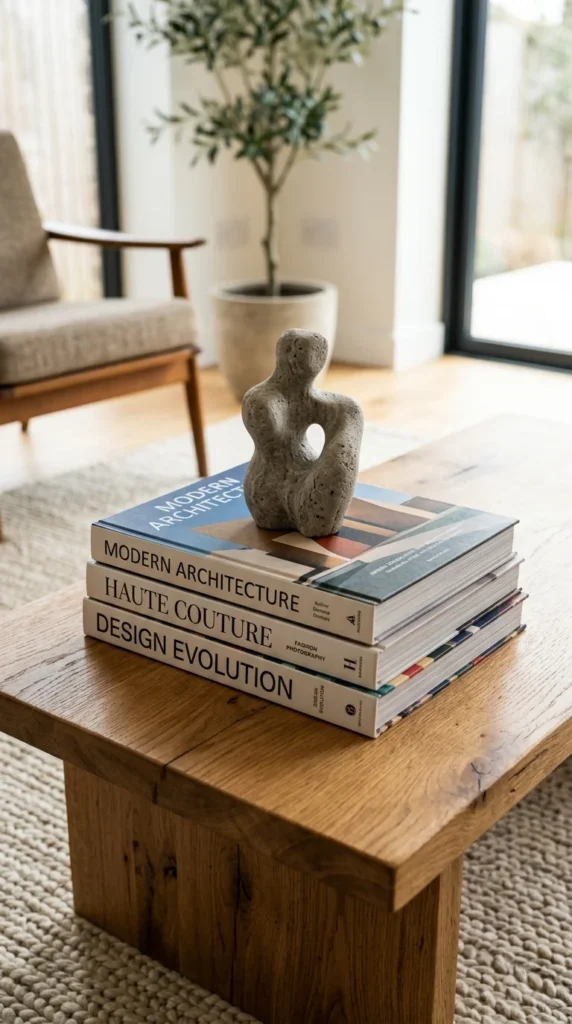
Decorating with books is a way to showcase personality and intellectual curiosity. In a quiet luxury home, coffee table books are curated by color and subject. Look for “oversized” books with high-quality linen bindings. Stack them neatly on coffee tables, sideboards, or nightstands, and use them as pedestals for smaller decorative objects like a brass bowl or a piece of coral.
21. Tapered Candles
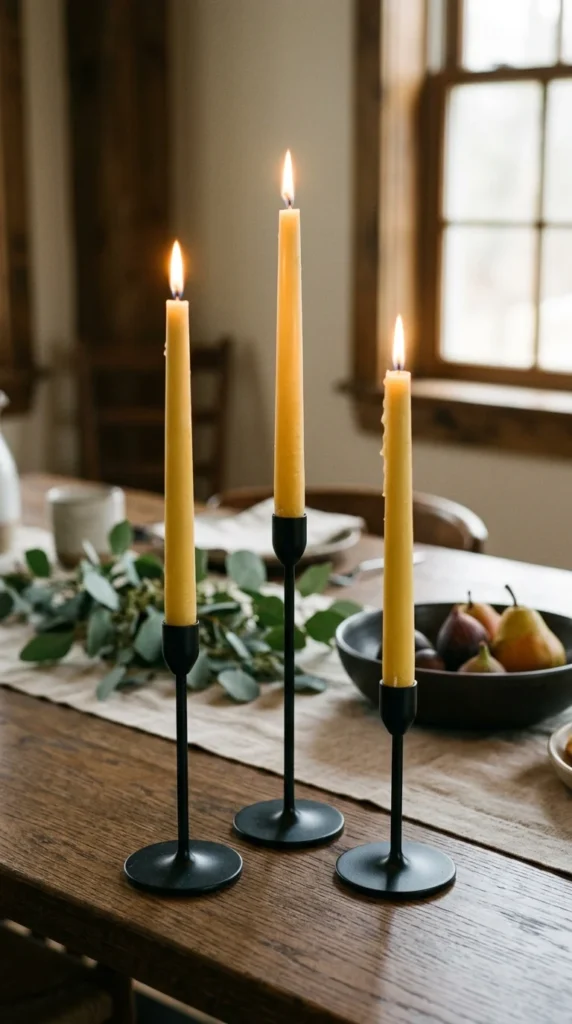
Lighting a fire or a candle is the ultimate way to create “mood.” Tapered candles, in particular, add an air of elegance and ceremony to a meal or an evening. Choose candles made from natural beeswax or soy in neutral colors like cream, taupe, or charcoal. The height of the tapers adds a vertical element to tablescapes, making the setting feel more “designed.”
22. Open Layouts
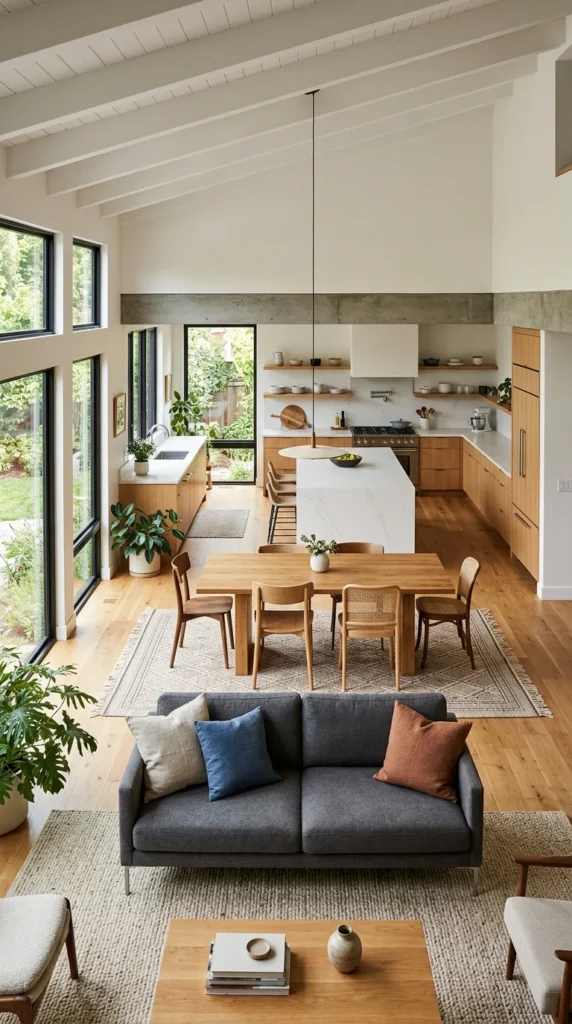
Finally, the luxury of space is the ultimate quiet luxury. Whenever possible, embrace an open layout that allows for “breathing room” between furniture pieces. Avoid overstuffing a room; instead, allow for wide walkways and empty corners. This sense of “negative space” makes a home feel larger, calmer, and more intentional—the very definition of a timeless designer look.