

Creating a home that exudes luxury and sophistication is less about the price tag on individual items and more about the deliberate choices made in design, texture, and arrangement. True luxury is felt through a sense of cohesion, quality, and attention to detail. Whether you are moving into a new space or looking to elevate your current residence, certain design principles can transform an ordinary room into a high-end sanctuary.
From the way light interacts with surfaces to the scale of the furniture in a room, “expensive” is often a synonym for “curated.” It is the transition from a cluttered environment to one where every piece serves a purpose, either functional or aesthetic. Here are nine luxury home decor ideas to help you achieve a high-end look that feels both timeless and opulent.
1. Monochromatic Palettes
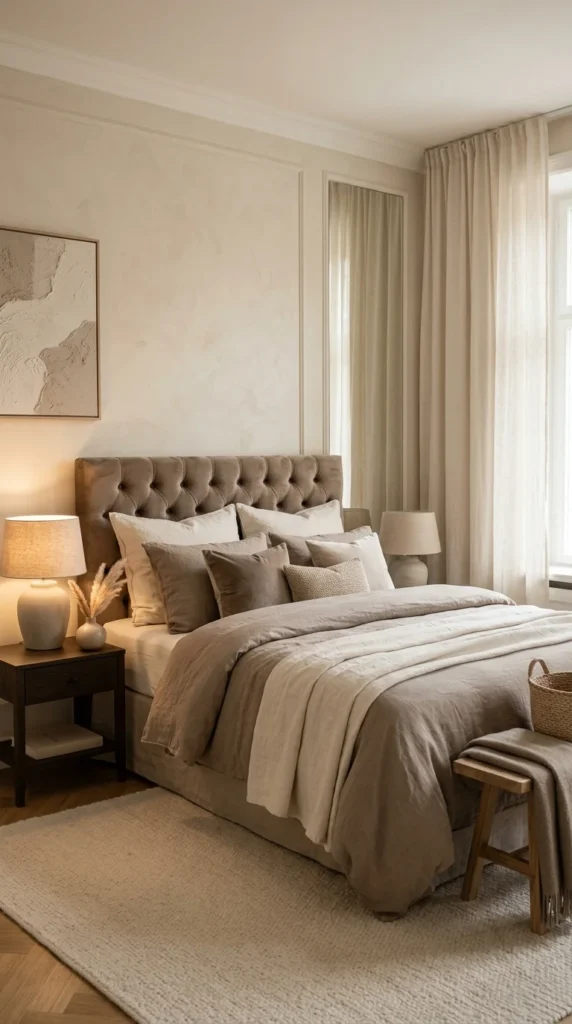
One of the quickest ways to make a home look expensive is to adopt a monochromatic or tonal color scheme. When a room is designed within a tight range of similar shades—such as varying tones of cream, beige, grey, or even deep navy—it creates a sense of intentionality and architectural flow.
The secret to a successful monochromatic room is the layering of textures. Without a variety of materials, a single-color room can feel flat. By mixing a matte wall finish with a silk rug, a velvet sofa, and linen drapes, you create visual depth that feels incredibly high-end. This approach removes the visual “noise” of clashing colors, allowing the eye to focus on the quality of the materials and the silhouette of the furniture.
2. Statement Lighting
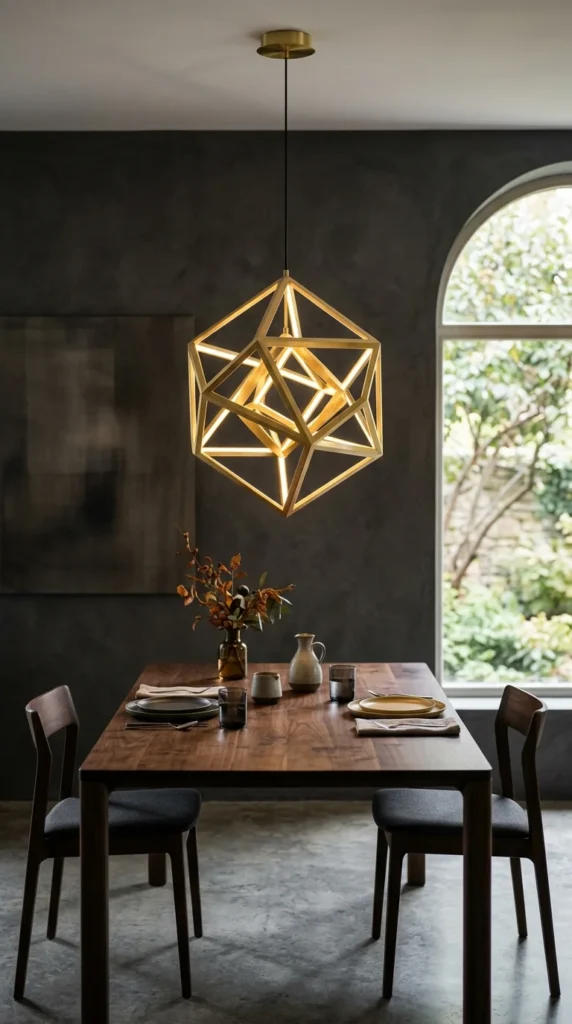
Lighting is often referred to as the “jewelry” of a room. Standard contractor-grade light fixtures can immediately make a space feel dated or cheap. To elevate your home, invest in statement lighting that acts as a focal point. Whether it is a grand crystal chandelier in the foyer, a mid-century modern mobile in the living room, or oversized pendant lights over the kitchen island, scale is vital.
Luxury homes often feature “layered lighting,” which includes ambient, task, and accent lights. Instead of relying on a single overhead source, use a combination of floor lamps, wall sconces, and art lights. Dimmer switches are also a hallmark of luxury, allowing you to control the mood and highlight specific architectural features or decor pieces at night.
3. Oversized Artwork
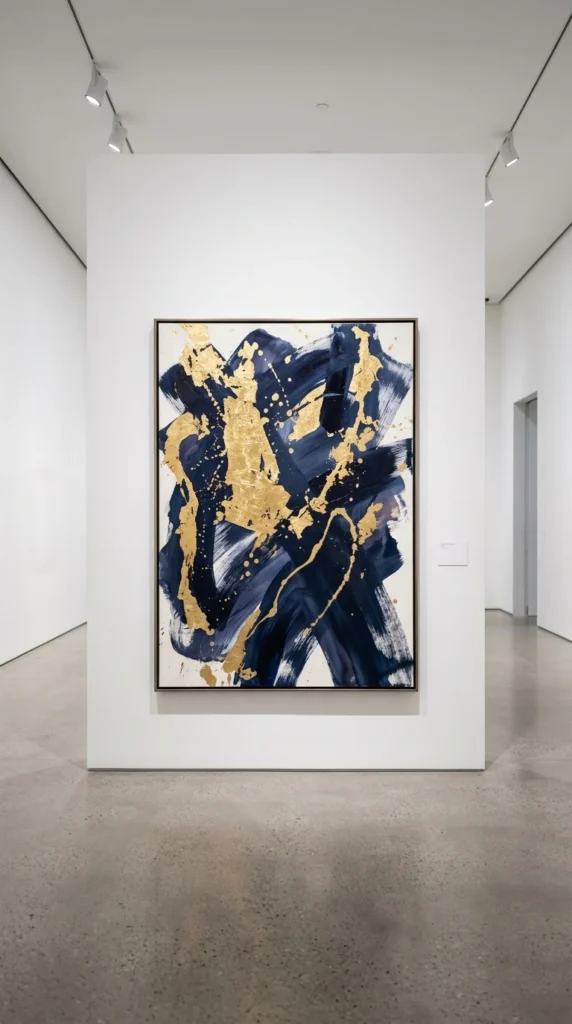
Nothing screams “mass-produced” like a collection of tiny, mismatched frames scattered across a large wall. To achieve an expensive look, opt for scale. One large, high-quality piece of art creates a much more significant impact than a gallery wall of smaller prints.
Oversized artwork commands attention and makes the ceilings feel higher and the room feel more expansive. If purchasing original fine art is out of your budget, look for high-quality canvas prints or even framed textiles. The key is the framing; a thick, high-quality frame with a wide mat can make even a simple sketch look like a museum-worthy acquisition.
4. High-End Textiles
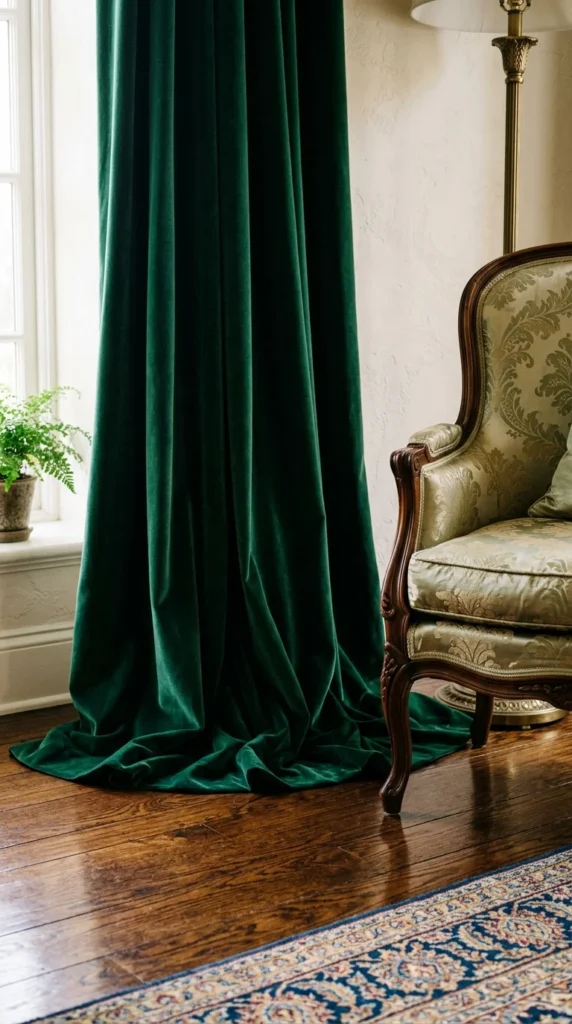
The tactile experience of a home is a major indicator of luxury. Replacing thin, synthetic fabrics with heavy-weight, natural textiles can instantly shift the atmosphere of a room. Look for materials like velvet, silk, Egyptian cotton, and high-quality wool.
Curtains are a prime area for this upgrade. Ensure your drapes are lined and made of a heavy fabric that “puddles” slightly on the floor. Hanging the curtain rod higher and wider than the window frame creates the illusion of larger windows and higher ceilings. Similarly, swapping out standard throw pillow covers for those made of heavy linen or velvet adds a layer of richness to your seating areas.
5. Metallic Accents
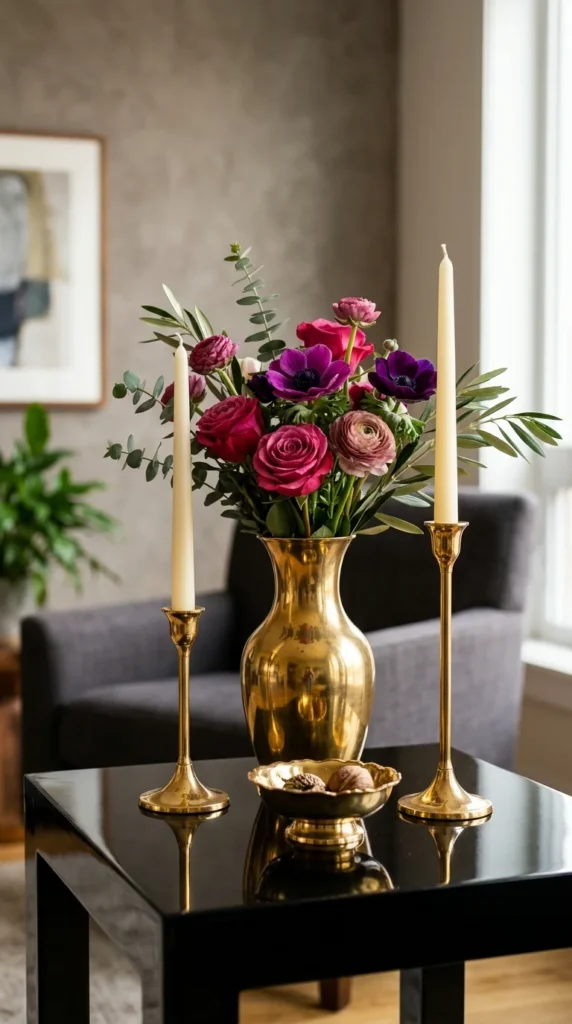
Incorporating metallics is a classic technique for adding a sense of opulence. Gold, brass, copper, and polished chrome reflect light and add a “sparkle” that draws the eye. The key to keeping it expensive rather than gaudy is moderation and consistency.
Brushed brass and antique gold are currently very popular in high-end design because they offer a warm, timeless glow. Use these finishes for hardware like cabinet pulls, faucets, and door handles. You can also introduce metallics through decorative objects, such as a gold-leafed mirror frame or a brass drink tray. Mixing metals is possible, but it should be done carefully—try to keep one dominant metal and use another as a subtle accent.
6. Built-in Features

Custom cabinetry and built-in features are hallmarks of expensive architecture. They suggest that the furniture was designed specifically for the home, rather than being squeezed into it. While true custom carpentry can be an investment, you can achieve a similar look with “faux built-ins” by lining up tall bookcases and adding crown molding to the top and baseboards to the bottom.
Built-ins provide a sense of permanence and organization. Whether it is a library wall, a built-in window seat, or a custom media center, these features eliminate the clutter of freestanding units and provide a sophisticated backdrop for your books and collectibles.
7. Natural Stone
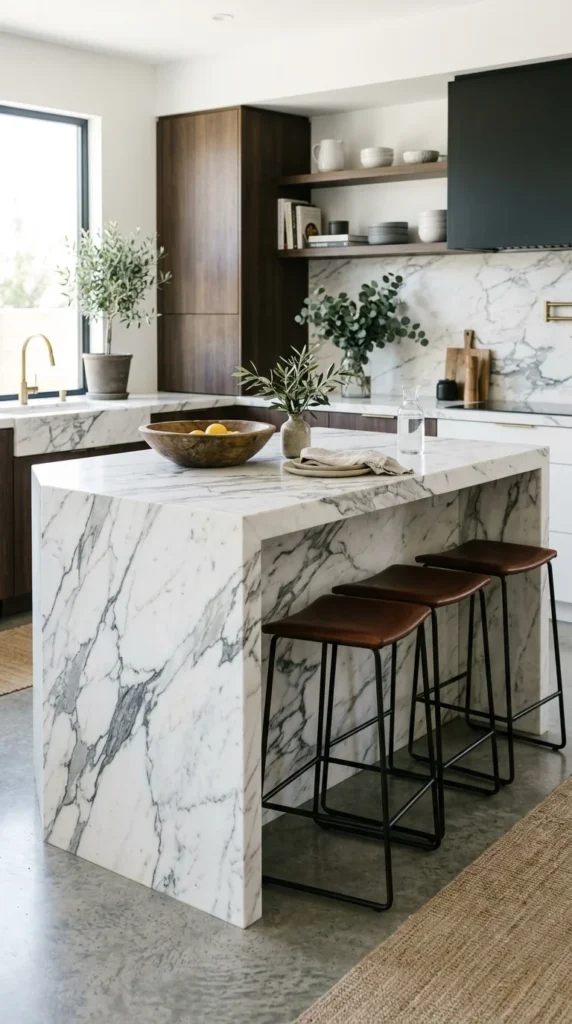
There is no substitute for the weight and beauty of natural stone. Marble, granite, quartz, and travertine carry an inherent luxury because of their unique veining and cool-to-the-touch surface. While replacing all your countertops is a major project, you can introduce natural stone in smaller, impactful ways.
Consider a marble-topped coffee table, a travertine side table, or even heavy stone coasters and trays. In the bathroom, a stone vessel sink or a marble backsplash can transform the space into a spa-like retreat. The imperfections in natural stone are what make it look expensive—they signify that the material is genuine and earth-born.
8. Sculptural Furniture
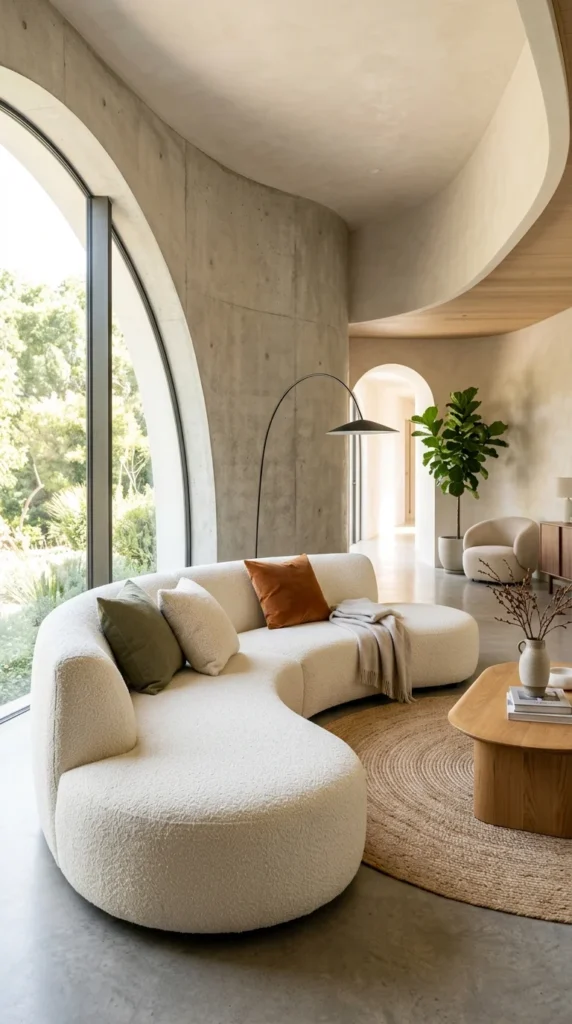
Luxury design often moves away from the “boxy” furniture found in standard retail stores. Instead, it embraces sculptural forms and organic shapes. A sofa with a soft curve, a chair with an interesting silhouette, or a coffee table with an asymmetrical base can act as a piece of functional art.
When choosing furniture, look for “statement” pieces that break the linear grid of a room. Bouclé fabrics, rounded edges, and unconventional legs add a designer touch. By having fewer pieces of furniture but ensuring each piece has a strong, unique shape, you create a space that feels curated by an interior designer.
9. Indoor Greenery
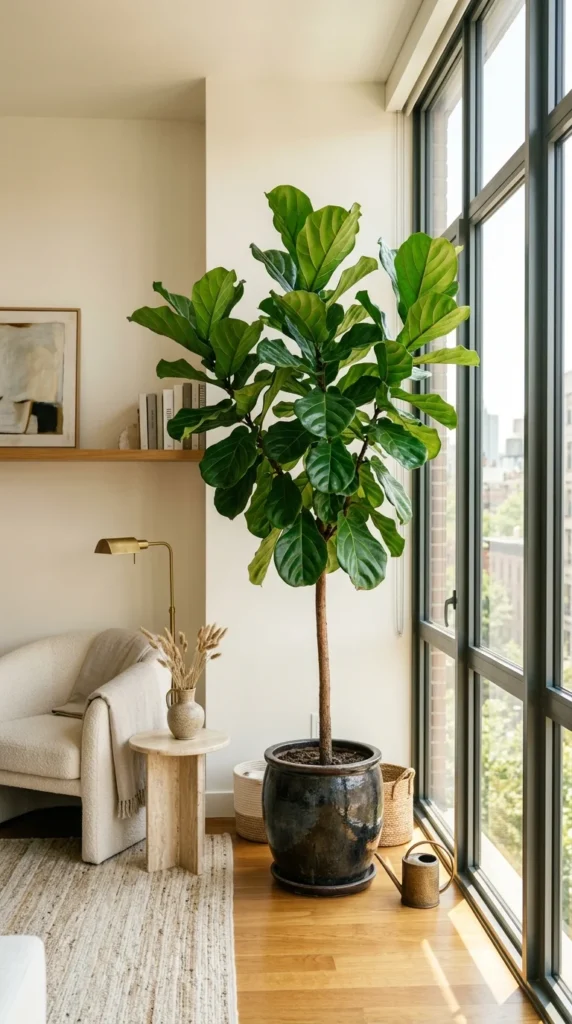
Finally, never underestimate the power of nature. Large-scale indoor plants add life, color, and a sense of freshness to a home. In high-end interiors, you rarely see small, plastic pots. Instead, look for large, architectural plants like Fiddle Leaf Figs, Olive Trees, or Monstera Deliciosa.
The “expensive” look comes from the vessel as much as the plant. House your greenery in oversized ceramic, stone, or concrete planters. A tall tree in the corner of a room draws the eye upward, highlighting the height of the space, while fresh-cut flowers in a glass vase on a dining table suggest a home that is well-maintained and cared for daily.