
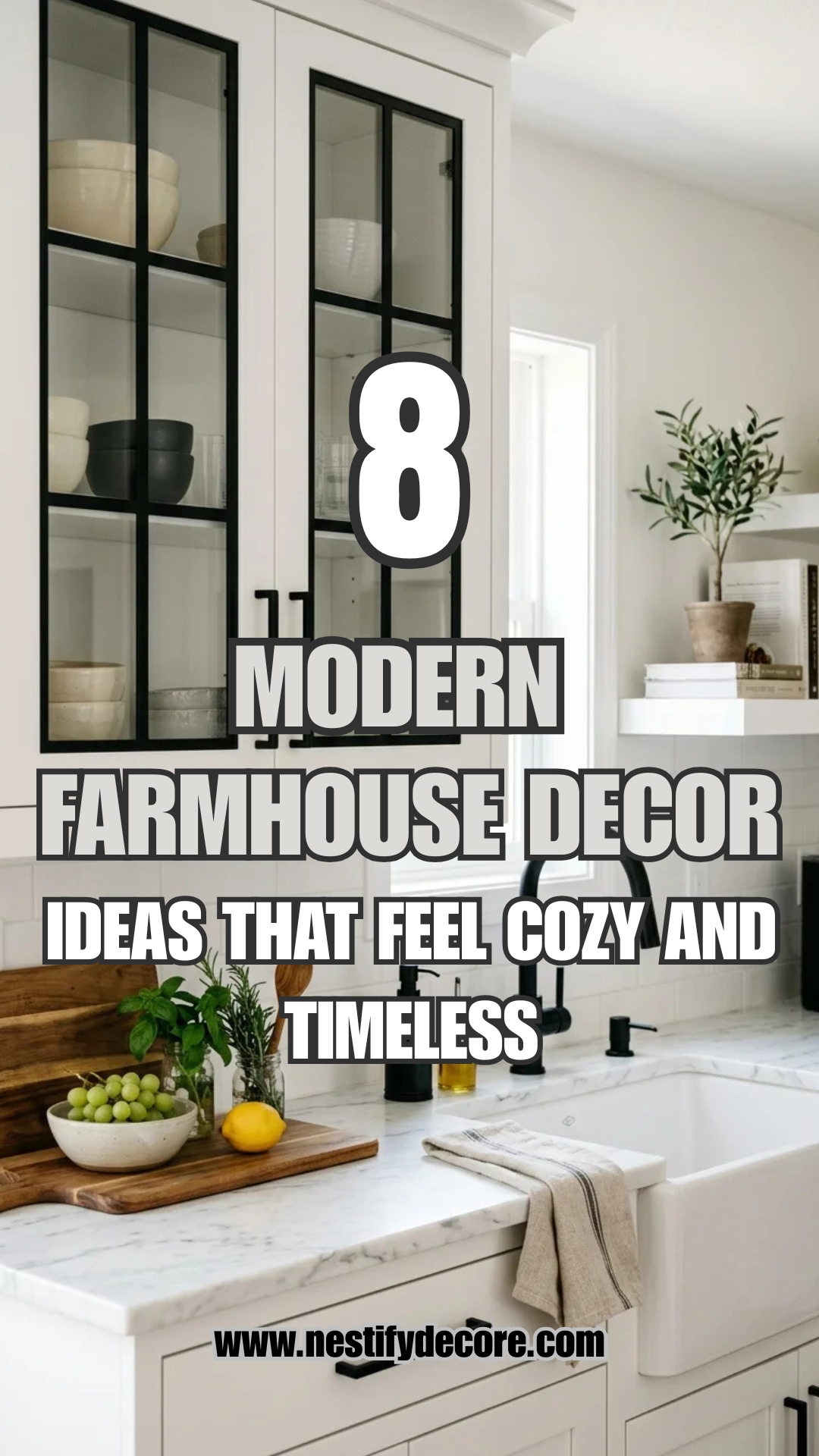
The modern farmhouse aesthetic has transcended being a mere trend to become a staple of contemporary interior design. It strikes a delicate balance between the rugged, utilitarian roots of country living and the sleek, clean lines of modern minimalism. The result is a home that feels curated yet lived-in, sophisticated yet unpretentious. Whether you are renovating an entire property or simply looking to refresh a single room, these eight modern farmhouse decor ideas will help you create a space that is both cozy and timeless.
1. Neutral Palettes
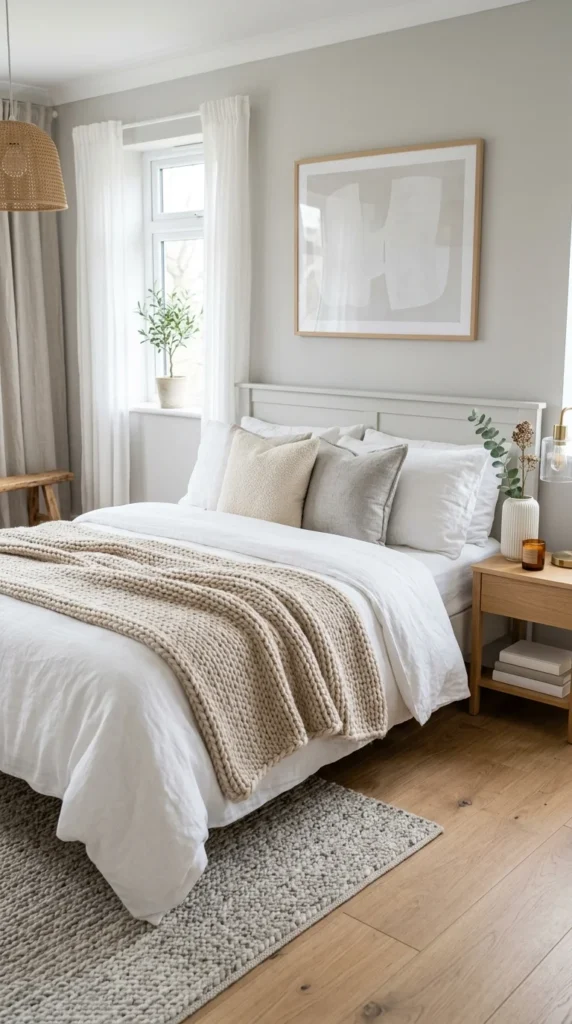
The foundation of any modern farmhouse home is a clean, neutral color palette. Unlike the traditional farmhouse style, which might lean into dusty blues or barn reds, the modern iteration favors whites, creams, beiges, and soft greys. This approach makes rooms feel larger, brighter, and more cohesive.
To prevent a neutral room from feeling cold, it is essential to use “warm” whites—those with yellow or brown undertones rather than blue. This creates a soft glow when hit by natural light. By keeping the walls and large furniture pieces neutral, you create a versatile canvas that allows architectural details and natural materials to take center stage. This palette also makes it easy to swap out seasonal decor without clashing with the existing room.
2. Reclaimed Wood
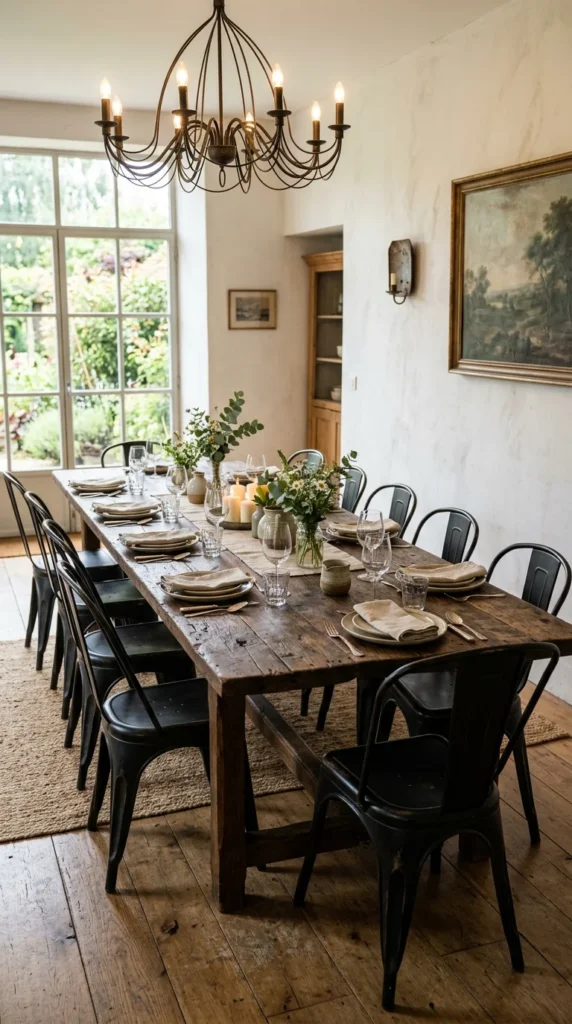
Nothing says “farmhouse” quite like the presence of natural wood. In a modern setting, wood provides the necessary organic warmth to balance out white walls and metal fixtures. Reclaimed wood is particularly prized because of its history and texture; the knots, nail holes, and weathered grain tell a story that mass-produced furniture cannot replicate.
Consider incorporating wood through structural elements like exposed ceiling beams or mantelpieces. If structural changes aren’t an option, look for “live-edge” shelving, a reclaimed wood dining table, or a sliding barn door. The key is to avoid overly glossy finishes. A matte or oil-rubbed finish allows the natural beauty of the grain to shine through, maintaining that “timeless” quality that is central to the aesthetic.
3. Black Accents
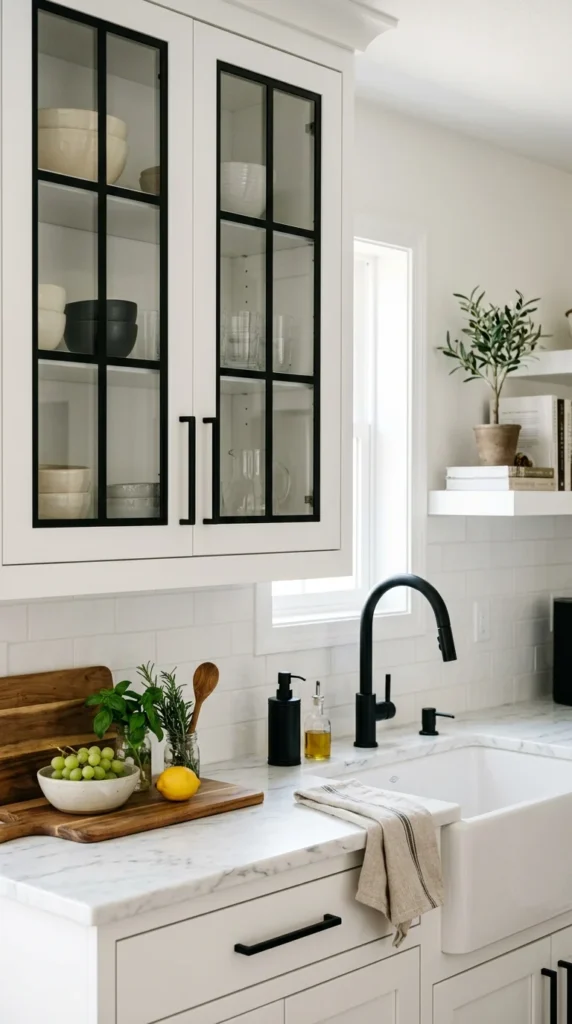
While the modern farmhouse style relies heavily on light colors, it needs high-contrast accents to feel truly “modern.” This is where black metal comes into play. Inspired by industrial forge-work, matte black hardware and fixtures provide a sharp, clean edge to the soft textures of the home.
You can introduce this through kitchen cabinet pulls, bathroom faucets, or window frames. Lighting is another fantastic way to utilize this trend—think black iron lanterns or “schoolhouse” style pendants. The dark lines act as a visual anchor, drawing the eye and giving the room a sense of structure. This contrast prevents the “shabby chic” look and pushes the design toward a more contemporary, sophisticated territory.
4. Layered Textiles
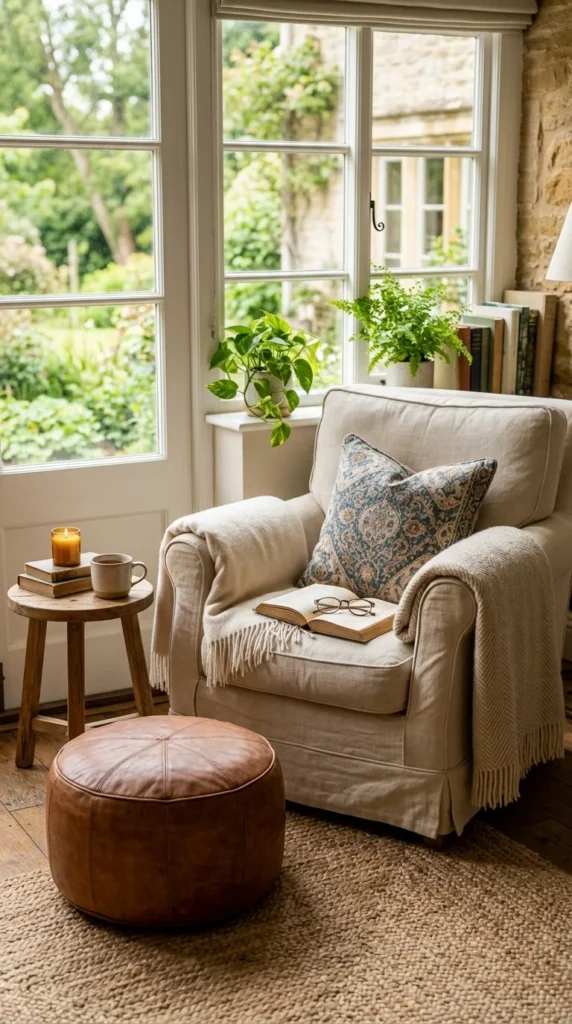
Cozy is a non-negotiable requirement for the farmhouse look. To achieve this without clutter, designers rely on layering textiles. This adds visual “weight” and physical comfort to a room. The modern farmhouse style often mixes different fabrics to create a sense of depth.
Start with a base layer, such as a large jute or sisal rug, which adds an earthy, scratchy texture. Layer a softer, patterned rug on top of it. On sofas and beds, mix linen, cotton, and wool. A chunky knit throw tossed over a leather armchair creates an immediate sense of warmth. Look for textiles in natural fibers and subtle patterns like windowpane checks, ticking stripes, or simple grain-sack motifs.
5. Wall Textures
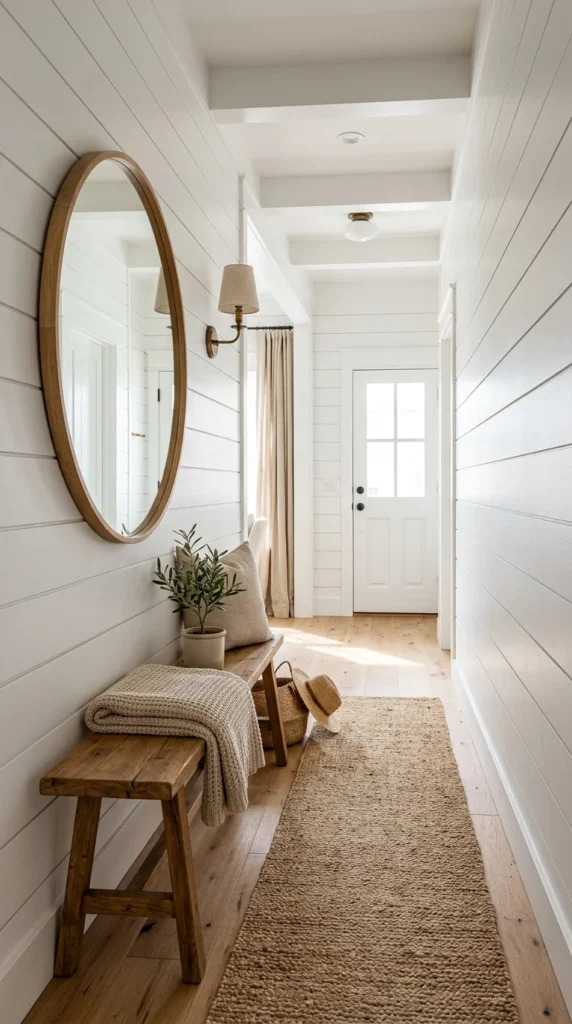
In a modern farmhouse, the walls are rarely just flat drywall. Texture is added through various forms of wood paneling. Shiplap—horizontal wooden slats—is perhaps the most famous element of this style, popularized by television designers for its ability to add instant character to a plain room.
However, shiplap isn’t the only option. Board and batten, wainscoting, or even beadboard can be used to add architectural interest. When painted the same color as the rest of the wall, these textures provide a subtle, sophisticated shadow line that makes a room feel more “custom.” For a truly timeless look, consider using these elements in entryways, mudrooms, or as a focal wall behind a bed.
6. Oversized Fixtures
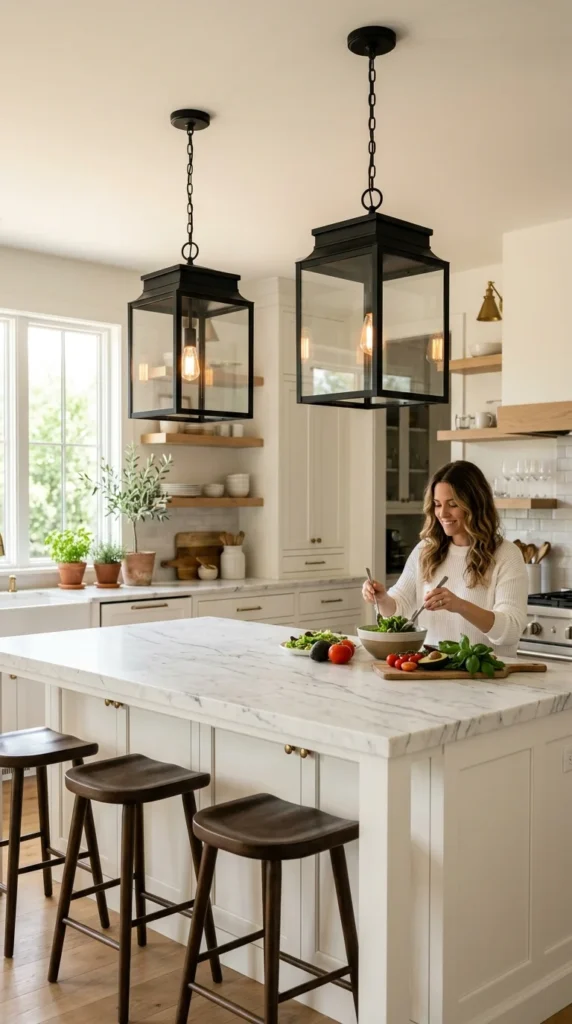
Lighting in a modern farmhouse is more than just a utility; it is a statement piece. Because the rest of the decor is often understated, the light fixtures are an opportunity to go big. Oversized pendants and chandeliers are hallmarks of this style, often drawing from vintage or industrial designs.
Wagon-wheel chandeliers, large glass cloches, and oversized lanterns are popular choices. The scale is important here—don’t be afraid to choose a fixture that feels slightly too large for the space. An oversized light over a dining table or kitchen island creates a clear focal point and adds a sense of grandeur to an otherwise simple room. Opt for warm-toned “Edison” bulbs to maintain that cozy, vintage ambiance.
7. Organic Life
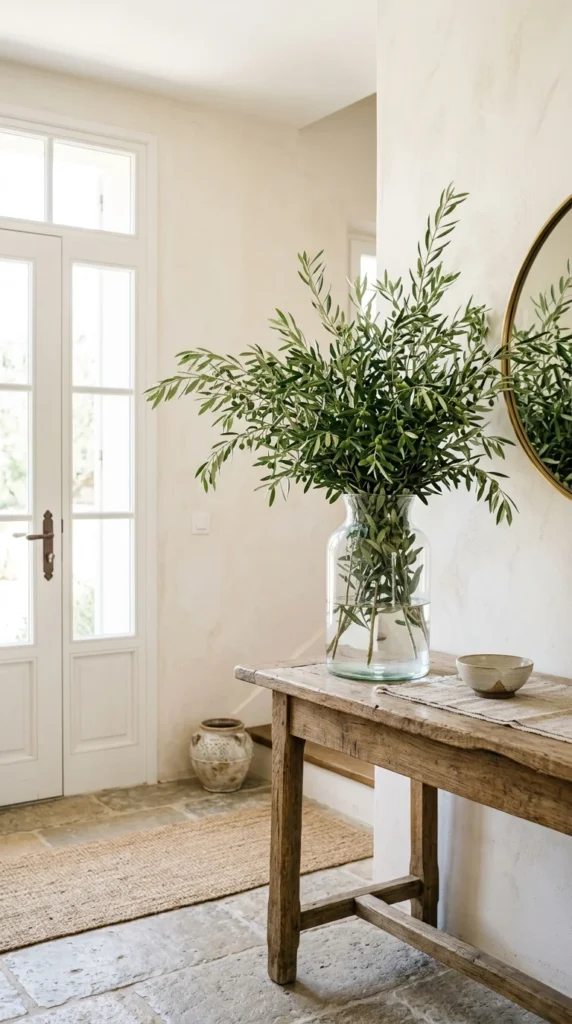
Bringing the outdoors in is a core tenet of farmhouse living. Modern farmhouse decor avoids the fussy, artificial floral arrangements of the past in favor of simple, organic greenery. This adds a “living” element to the room and provides a pop of color that feels natural rather than forced.
Large glass jars or stoneware crocks filled with tall branches—like olive, eucalyptus, or magnolia—are perfect for entryways or corners. In the kitchen, a row of potted herbs on the windowsill adds both beauty and function. The greenery should look effortless, as if you just stepped outside and clipped a few branches from the yard. This connection to nature is what makes the style feel so grounded and peaceful.
8. Open Shelving
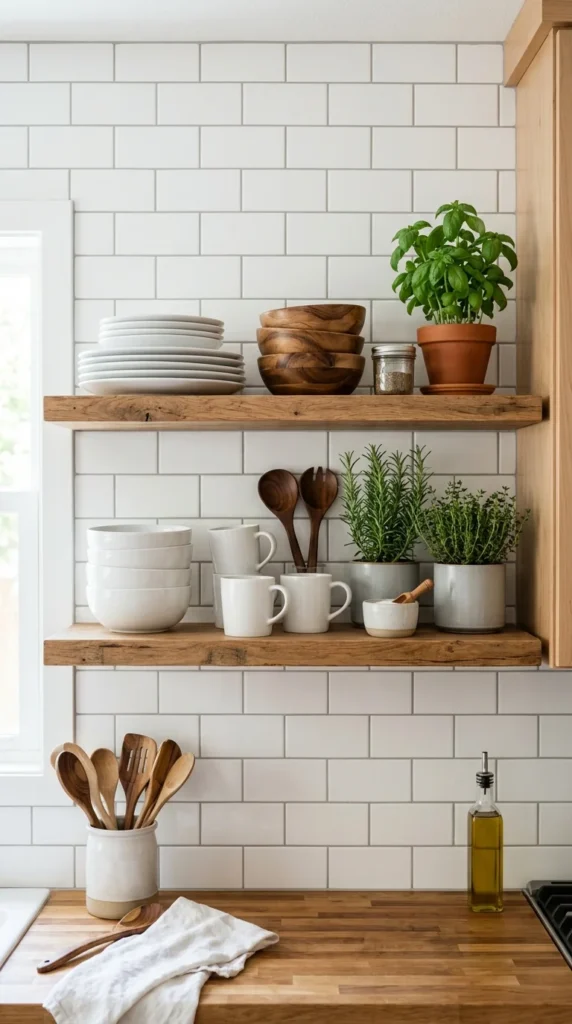
Finally, open shelving is a staple of the modern farmhouse kitchen and living area. It reflects the “utilitarian” side of farmhouse life, where items are kept within reach because they are used every day. It also provides a way to display beautiful, simple objects that contribute to the decor.
The trick to making open shelving look modern rather than cluttered is “curated minimalism.” Stick to a limited color palette for the items on the shelves—for example, white ceramic plates, wooden serving bowls, and clear glassware. Intersperse these functional items with a few decorative ones, like a small framed sketch or a trailing plant. Using natural wood for the shelves themselves adds a warm horizontal line to the room, breaking up the verticality of cabinets or walls.