
The concept of luxury in home decor has evolved far beyond mere opulence or the price tag of a piece of furniture. Today, a “designer-worthy” space is defined by intentionality, the quality of materials, and a seamless blend of comfort and aesthetic sophistication. It is about creating an environment that feels curated rather than decorated—a space that tells a story through texture, light, and architectural detail. To transform a standard house into a high-end sanctuary, one must focus on elements that evoke a sense of timelessness and bespoke craftsmanship.
Whether you are starting from scratch or looking to elevate your current residence, these 24 luxury home decor ideas will provide the inspiration needed to cultivate an atmosphere of elegance and refinement.
1. Statement Lighting
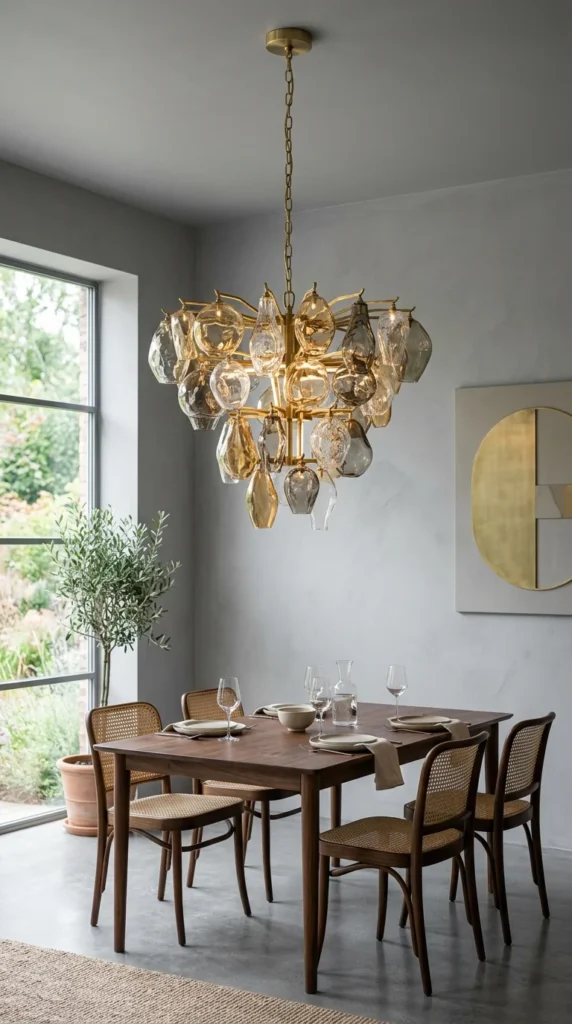
Lighting is often referred to as the jewelry of a room. To achieve a luxury look, move away from standard recessed lighting and embrace oversized, sculptural fixtures. A grand chandelier in the foyer or a series of geometric pendant lights over a kitchen island creates an immediate focal point. The key is to choose pieces that function as art even when they are turned off. Look for materials like hand-blown glass, brushed brass, or alabaster to add a layer of sophistication.
2. Velvet Textures
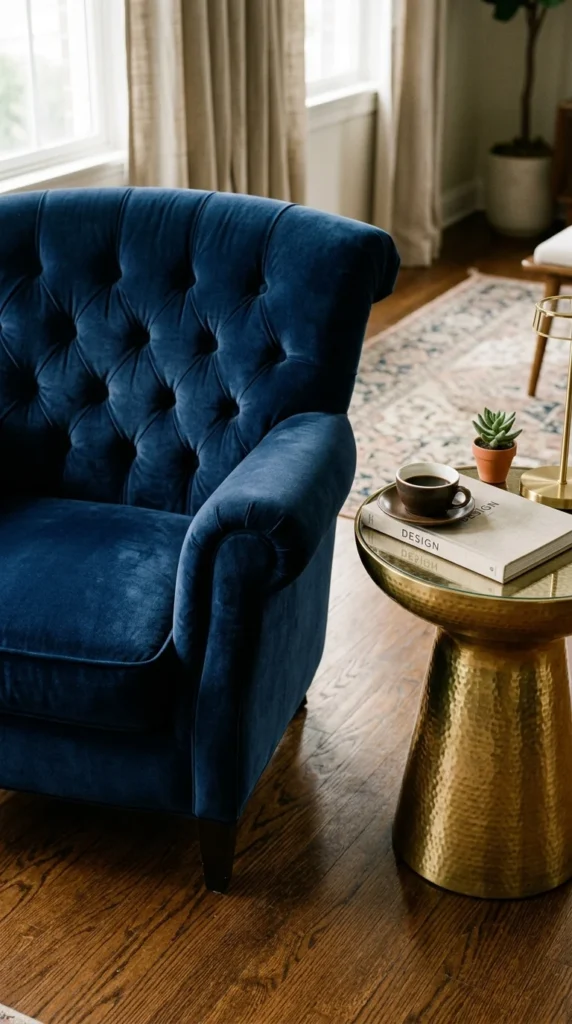
Few materials convey luxury quite like velvet. Its rich pile and subtle sheen capture light in a way that adds depth and dimension to any room. Incorporating a velvet sofa, ottoman, or heavy floor-to-ceiling drapes can instantly soften a space while making it feel more expensive. For a modern twist, choose jewel tones like emerald green, sapphire blue, or burnt orange to contrast against neutral walls.
3. Marble Accents
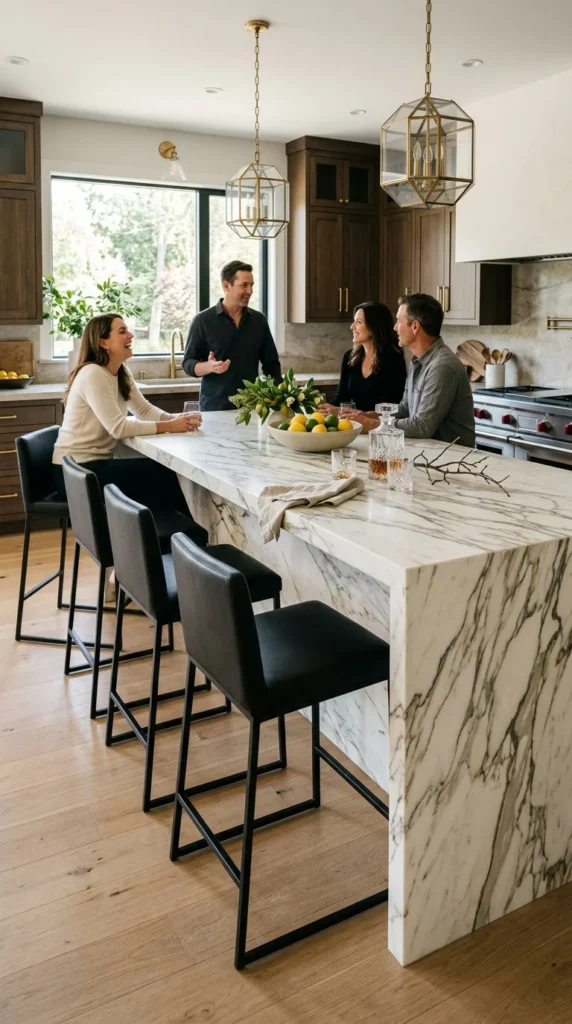
Marble has been a symbol of luxury for centuries. While large-scale installations like marble flooring or a waterfall island are classic choices, you can also introduce this stone through smaller accents. Consider a marble-topped coffee table, bookends, or even marble-clad walls in a powder room. The natural, unique veining of each slab ensures that your decor is one-of-a-kind.
4. Oversized Art
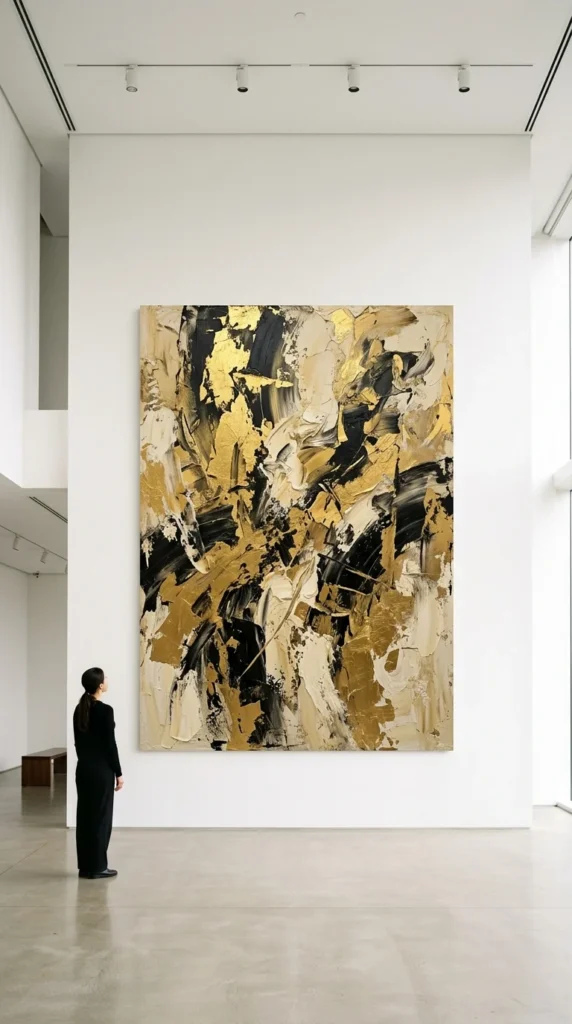
In luxury design, bigger is often better when it comes to art. Rather than a gallery wall of many small frames, which can sometimes feel cluttered, opt for one or two massive canvases. Oversized art commands attention and gives a room a gallery-like feel. It speaks to a confidence in design, allowing the colors and textures of the piece to set the mood for the entire room.
5. Metallic Finishes
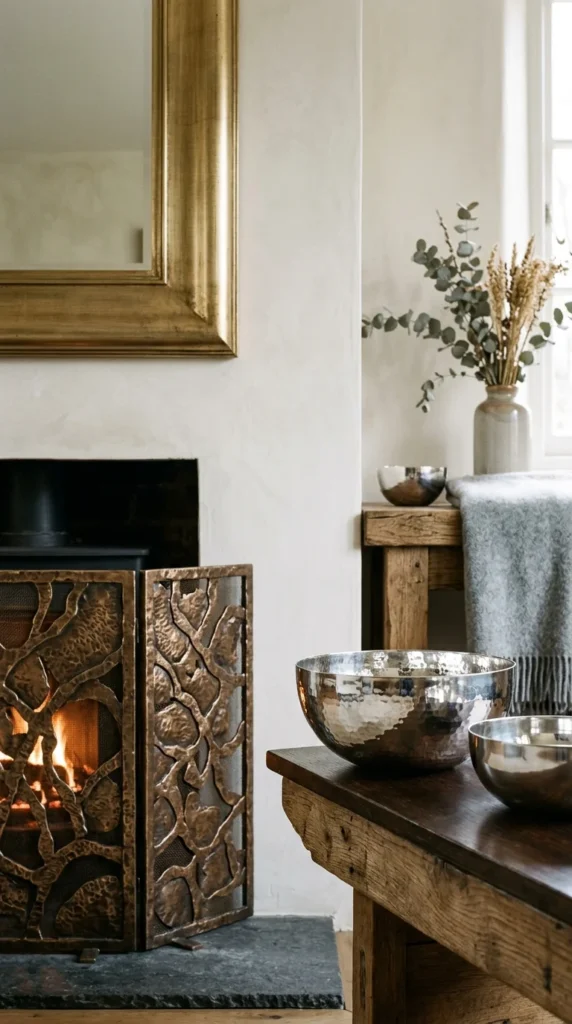
Mixing metals is a designer secret that adds layers of visual interest. The trick is to have one dominant metal—such as brushed brass—and accent it with smaller touches of black iron or polished nickel. These reflective surfaces catch the light and add a “glam” factor without feeling overly gaudy. Focus on hardware, light fixtures, and decorative trays to incorporate this trend.
6. Indoor Greenery
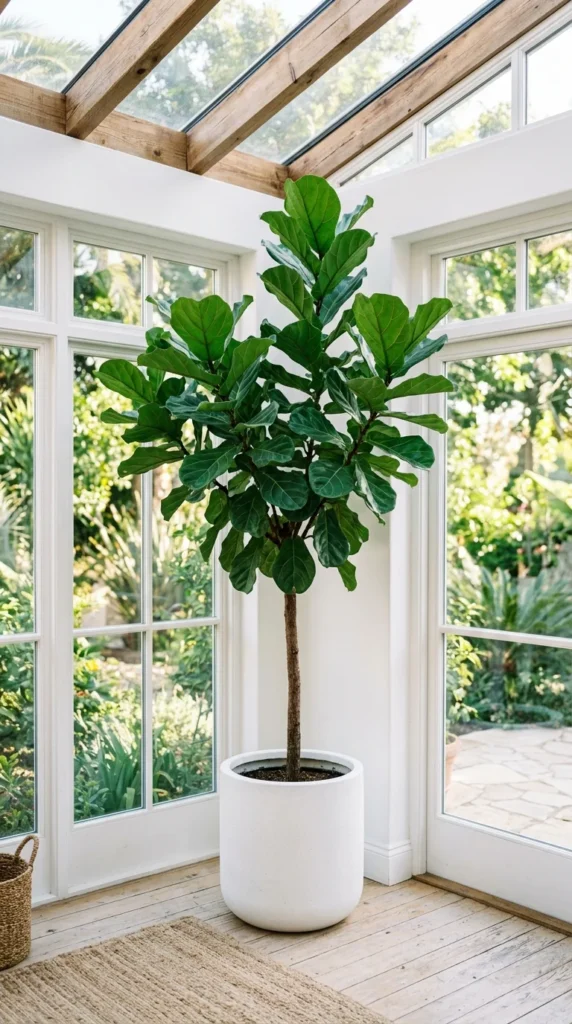
Nature is the ultimate luxury. Bringing the outdoors in with large-scale indoor plants adds life and vibrancy to a space. A tall Fiddle Leaf Fig, a structural Olive Tree, or a lush Monstera can fill empty corners and provide a breath of fresh air. For a truly high-end look, ensure the planters are as stylish as the plants themselves, opting for stone, ceramic, or terracotta materials.
7. Custom Built-ins
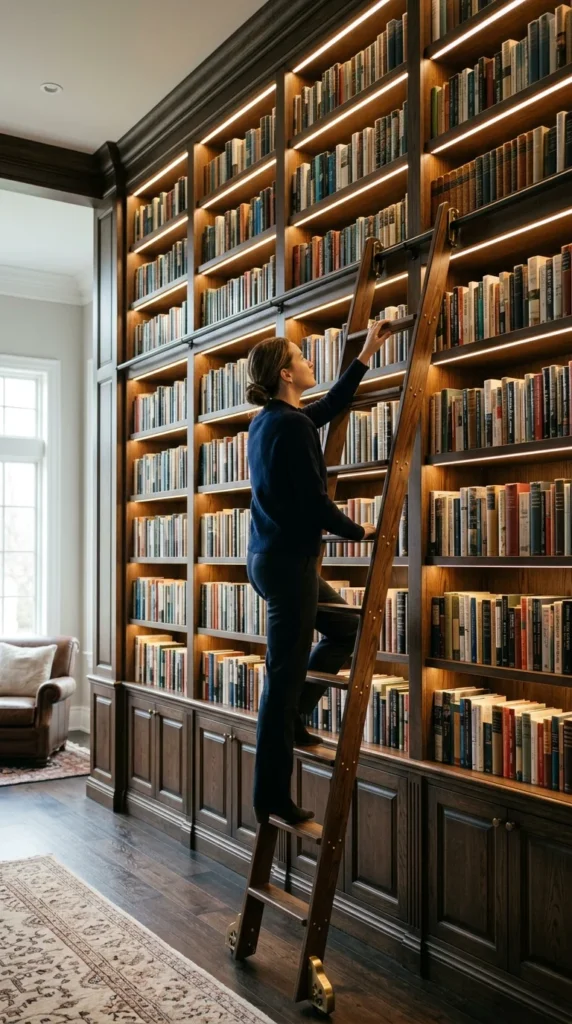
Custom cabinetry and shelving offer a level of “finished” luxury that freestanding furniture cannot match. Built-in bookshelves, media centers, or window seats create a seamless look that feels integrated into the architecture of the home. This not only provides ample storage and display space but also increases the overall value and character of the property.
8. Layered Rugs
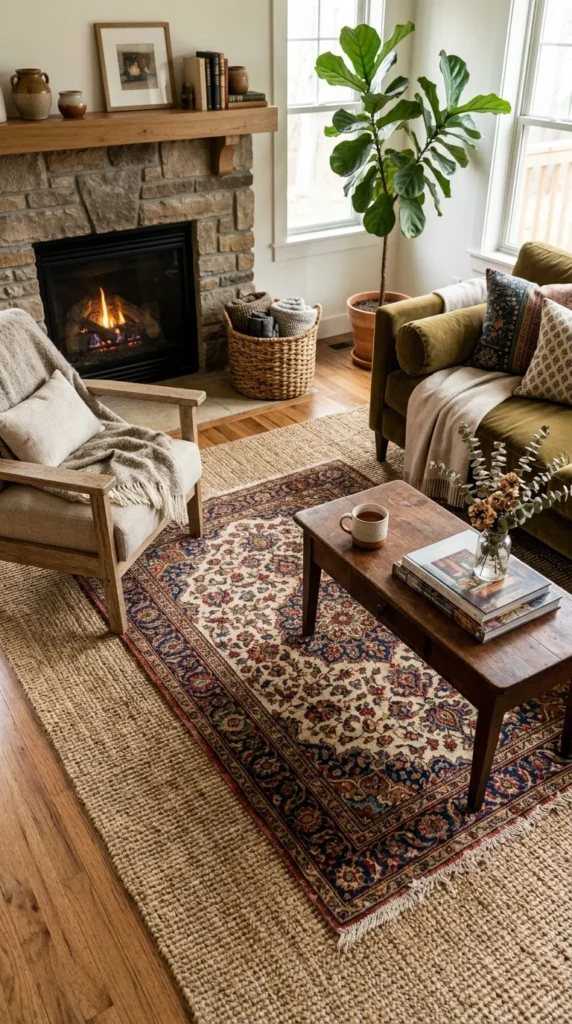
Luxury is often found in the layers. To give a room a grounded and cozy feel, try layering rugs. Start with a large, neutral-toned natural fiber rug (like sisal or jute) and place a smaller, more decorative rug (like a vintage silk or wool Persian rug) on top. This technique adds texture and defines seating areas within larger open-plan spaces.
9. Sculptural Furniture
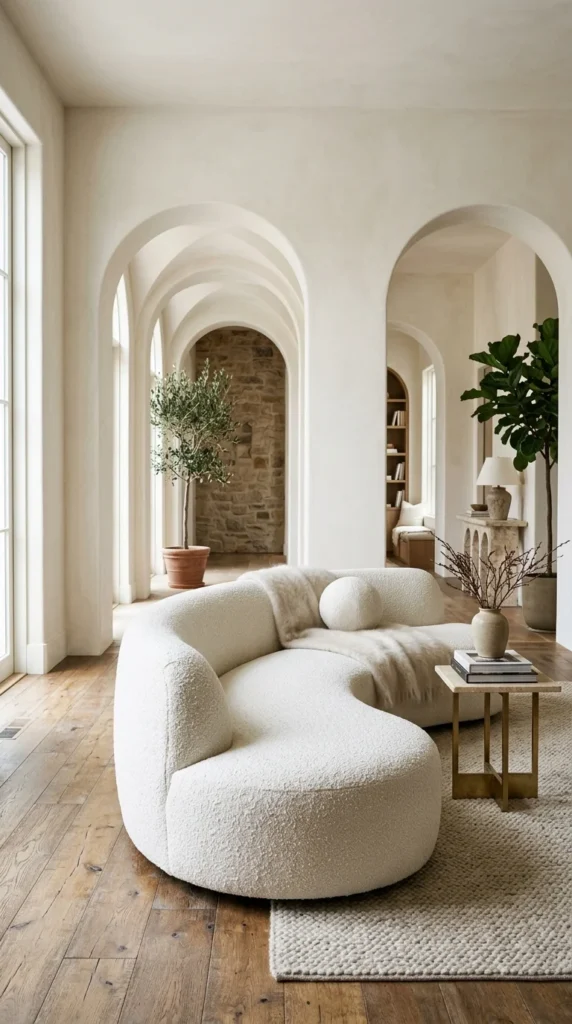
Standard rectangular furniture can sometimes feel utilitarian. To elevate your home, look for furniture with interesting silhouettes. Curved sofas, “kidney-shaped” coffee tables, and chairs with organic, flowing lines create a sense of movement and artistry. These pieces act as functional sculptures that invite conversation and admiration.
10. Smart Automation

A modern luxury home must be as functional as it is beautiful. Integrating smart home technology—such as automated blinds, climate control, and high-fidelity sound systems—creates a seamless living experience. When technology is hidden or integrated into the design (think “hidden” televisions or speakers that look like art), it maintains the aesthetic while providing ultimate convenience.
11. Floor-to-Ceiling Drapes
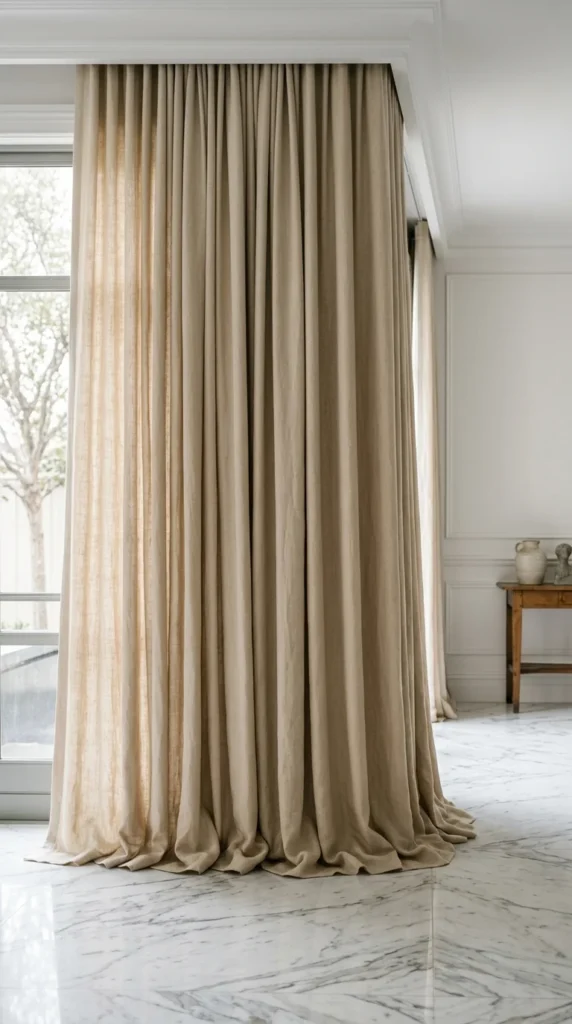
Window treatments are often an afterthought, but in a designer space, they are a priority. Hanging drapes from the very top of the wall (or even from a recessed ceiling track) all the way to the floor makes ceilings appear higher and rooms feel more grand. Use high-quality fabrics like heavy linen, silk, or velvet to ensure they hang with a beautiful “puddle” at the bottom.
12. Minimalist Color Palettes
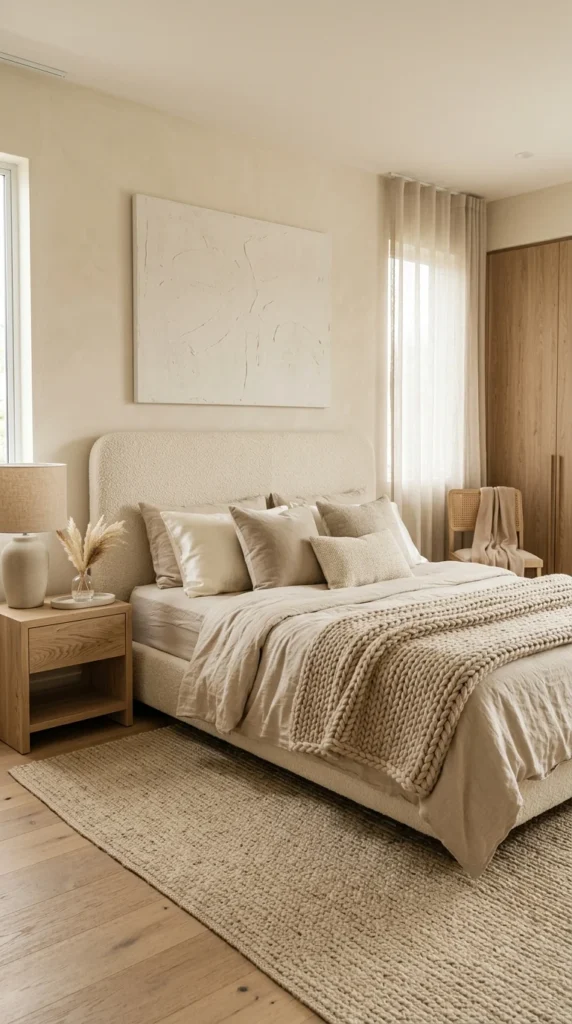
A sophisticated, monochromatic color palette is a hallmark of luxury design. By using various shades of the same color—such as creams, greys, or taupes—you create a serene and cohesive environment. The key to making a minimalist palette work is to focus heavily on texture; mix smooth stone with rough linens and soft wools to keep the space from looking flat.
13. Architectural Molding
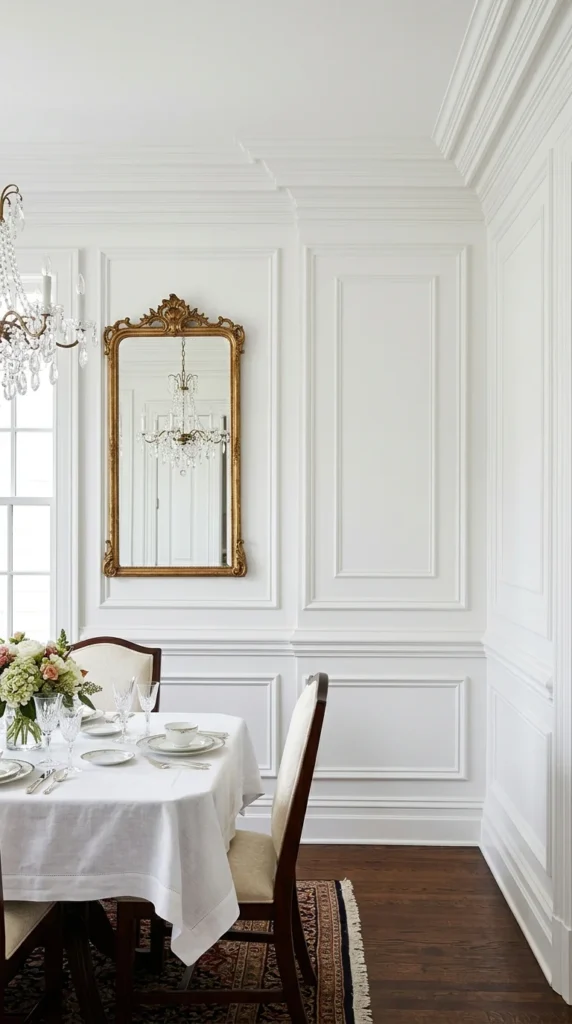
Adding architectural details like crown molding, wainscoting, or coffered ceilings can transform a “plain box” room into a space with history and character. Even in modern homes, simple box molding on the walls can add a layer of sophistication and “built-in” quality that mimics the grand estates of Europe.
14. Scent Branding
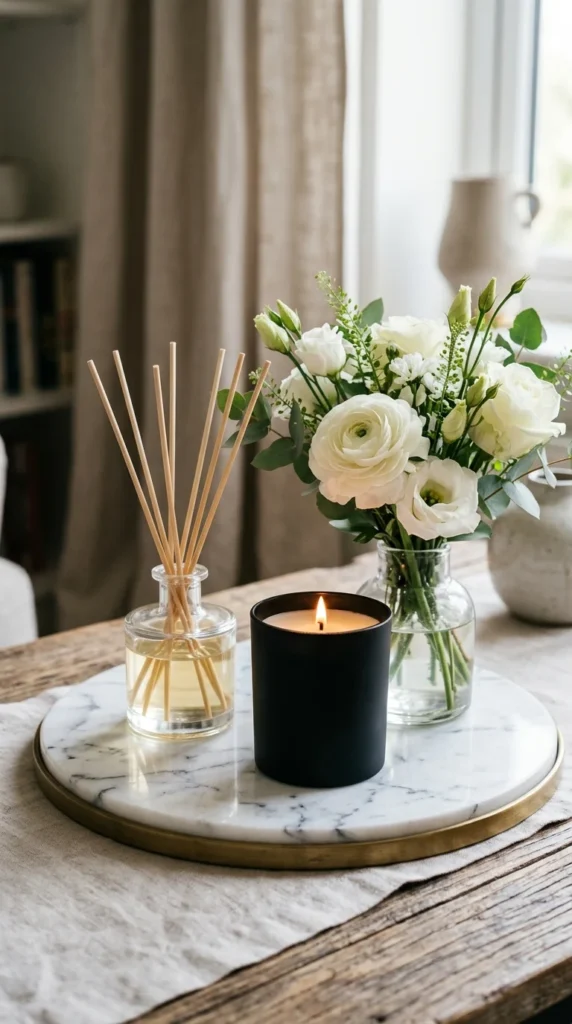
Luxury is a multi-sensory experience. A designer-worthy home should smell as good as it looks. High-end candles, diffusers, and room sprays with complex notes like sandalwood, oud, or bergamot create an immediate atmosphere of wealth and relaxation. Choose a “signature scent” for your home to create a lasting impression on guests.
15. Vintage Treasures
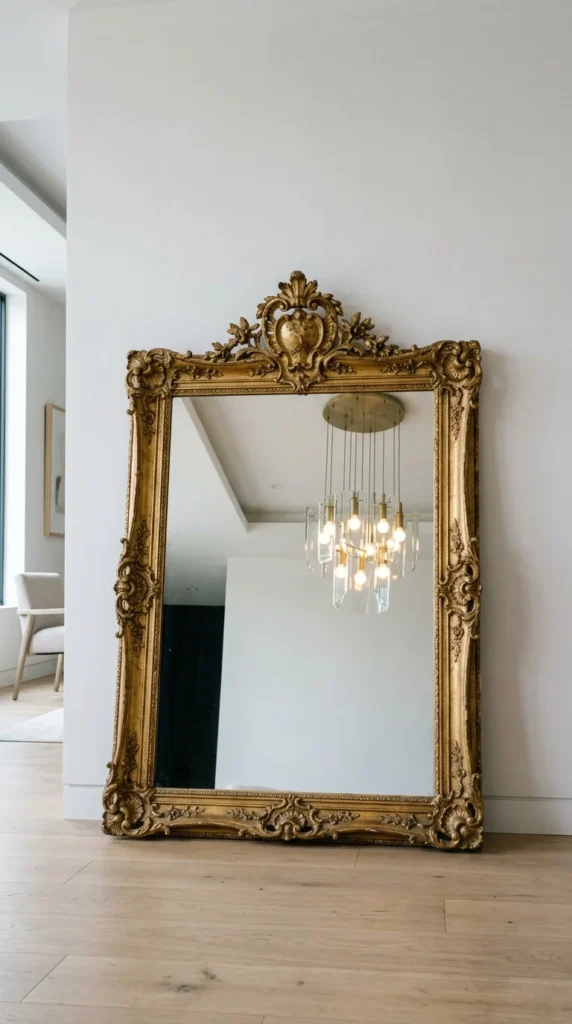
To avoid a home looking like a showroom, it is essential to mix in one-of-a-kind vintage or antique pieces. An antique mirror, a mid-century modern sideboard, or a weathered wooden bench adds soul and a sense of “collected” history. These pieces provide a narrative and prevent the space from feeling too clinical or mass-produced.
16. Mirrored Surfaces
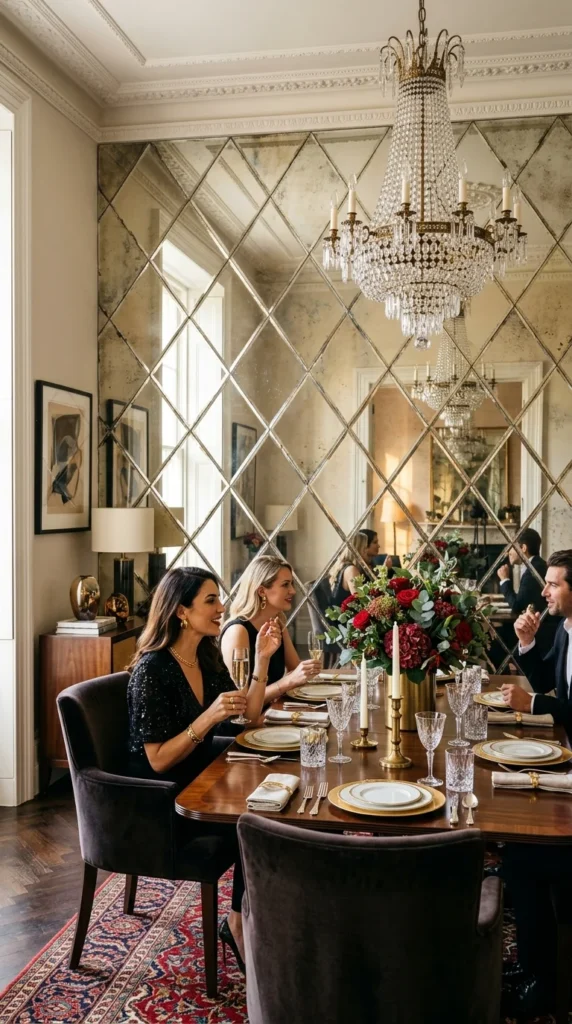
Mirrors are a designer’s best friend for creating the illusion of space and reflecting light. Beyond standard wall mirrors, consider mirrored furniture or even antiqued mirror panels on a feature wall. This adds a layer of “shimmer” and depth, making the room feel twice as large and significantly more opulent.
17. Silk Bedding
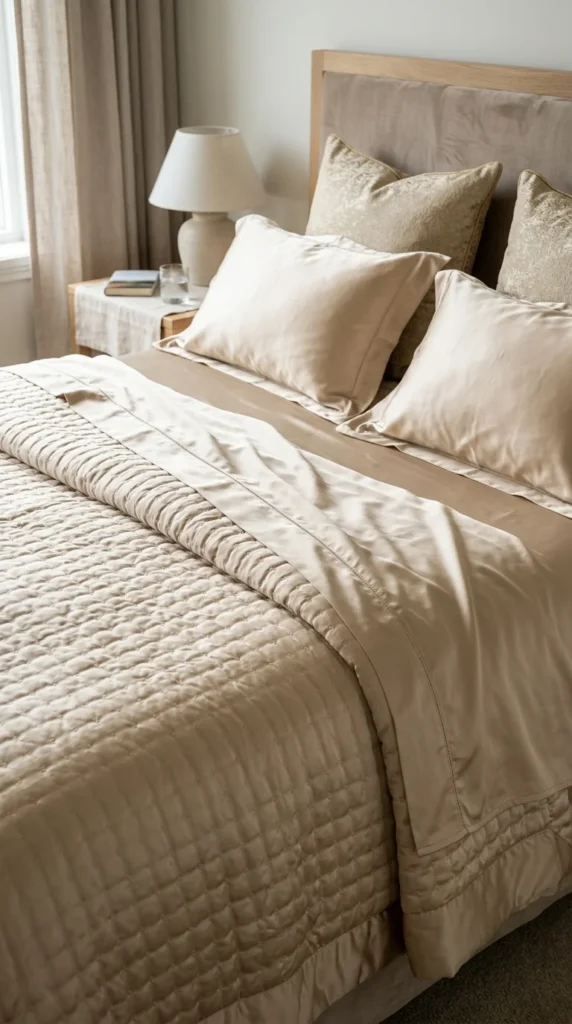
In the bedroom, luxury is all about the tactile experience. Investing in high-thread-count cotton or pure silk bedding changes the entire feel of the room. Silk, in particular, offers a natural sheen and a temperature-regulating quality that feels incredibly indulgent. Pair this with a padded headboard and plush throw pillows for a 5-star hotel vibe.
18. Spa-like Bathrooms
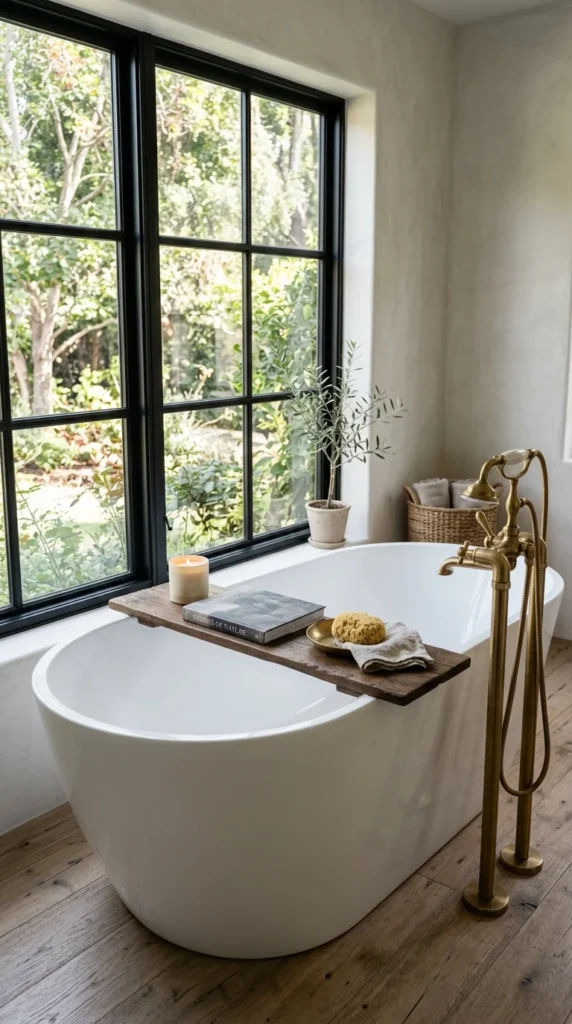
The bathroom should be a place of retreat. To achieve a luxury look, opt for a freestanding soaking tub, a rain showerhead, and high-end stone tiling. Keeping the space clutter-free by using beautiful canisters for toiletries and fluffy, oversized white towels will make every morning feel like a trip to a high-end spa.
19. High-End Hardware
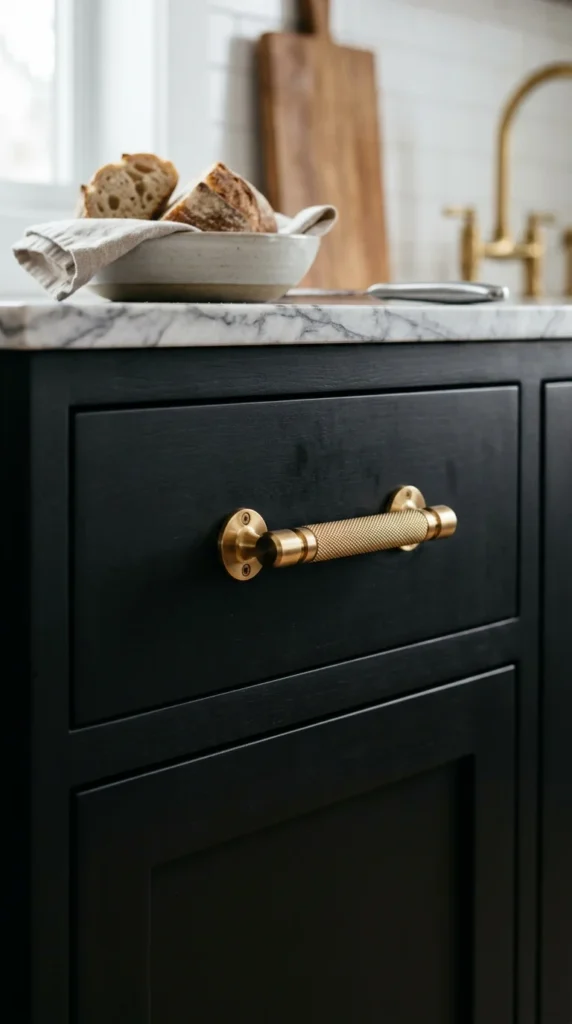
One of the easiest ways to upgrade a home is to replace standard hardware with something more substantial. Heavy, solid brass or matte black pulls and knobs feel better in the hand and look significantly more expensive. This “micro-luxury” makes a daily difference in the tactile experience of using your kitchen or bathroom.
20. Bookshelf Styling
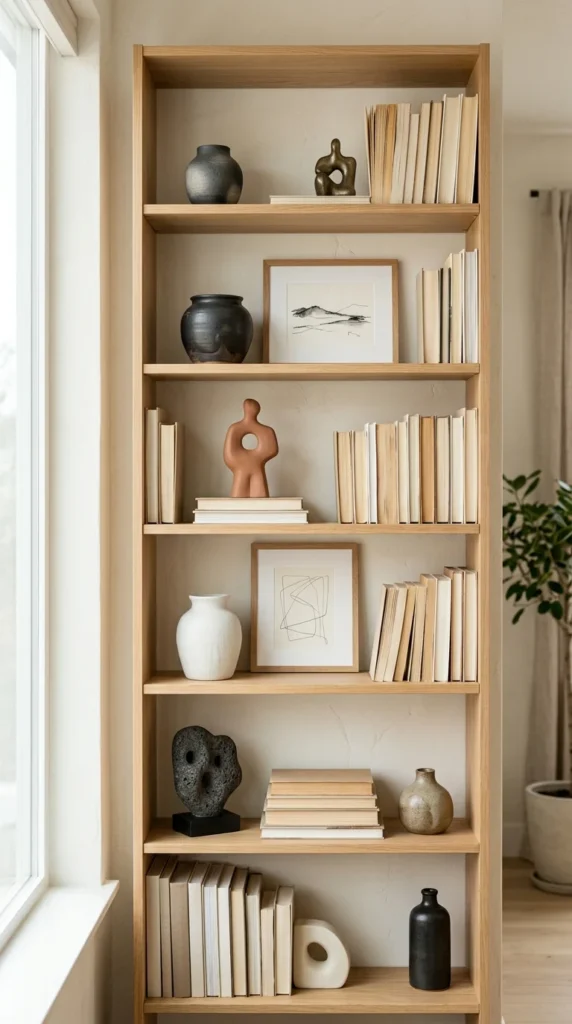
A luxury bookshelf is not just for storage; it’s a curated display. Use the “rule of thirds” to balance books (placed both vertically and horizontally) with decorative objects like vases, sculptures, and small artworks. Leaving some “white space” or empty areas on the shelves prevents the look from becoming cluttered and keeps the focus on the quality of the items.
21. Open Concept Flow
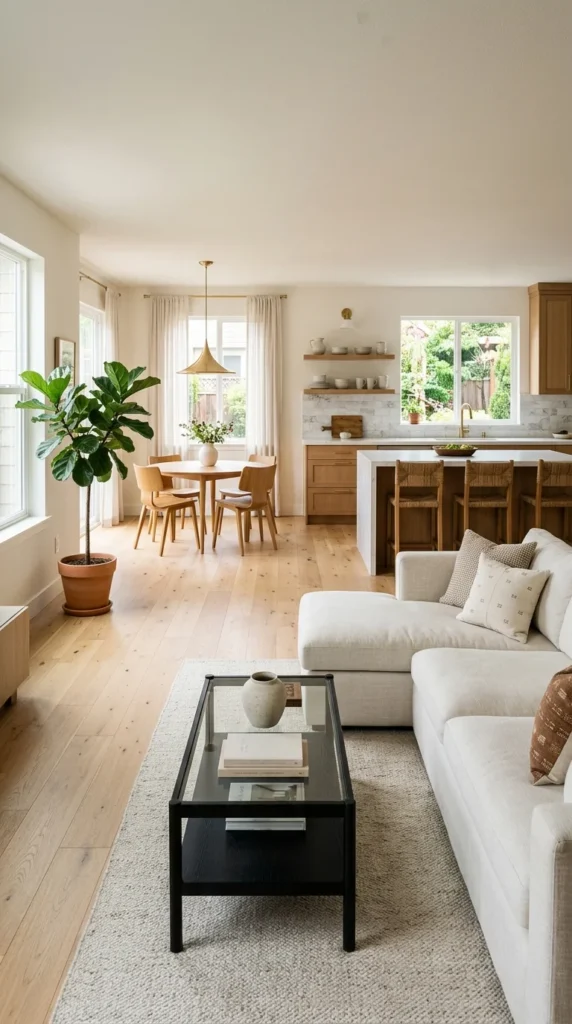
Luxury design often emphasizes space and flow. While not always possible without a renovation, creating an open-concept layout that allows for easy movement and sightlines between the kitchen, dining, and living areas creates a sense of grandeur. Use consistent flooring and a unified color palette to make the different zones feel like one cohesive masterpiece.
22. Tactile Wallpapers
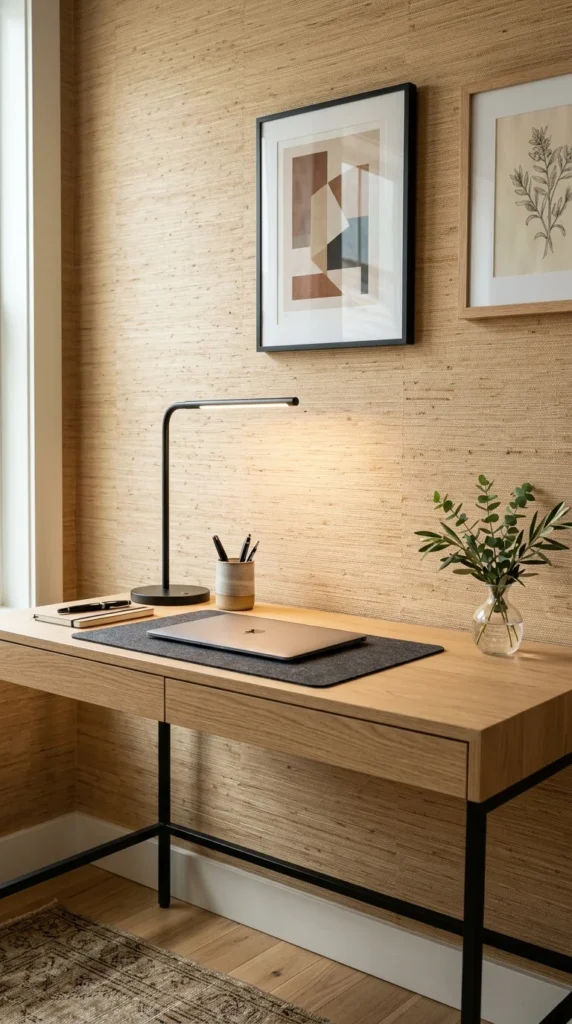
Paint is wonderful, but wallpaper adds a layer of luxury that paint cannot achieve. Textured wallpapers—such as grasscloth, silk-wrapped panels, or embossed vinyl—add physical depth to the walls. These materials catch the light differently and provide an acoustic benefit, making rooms feel quieter and more intimate.
23. Wine Displays
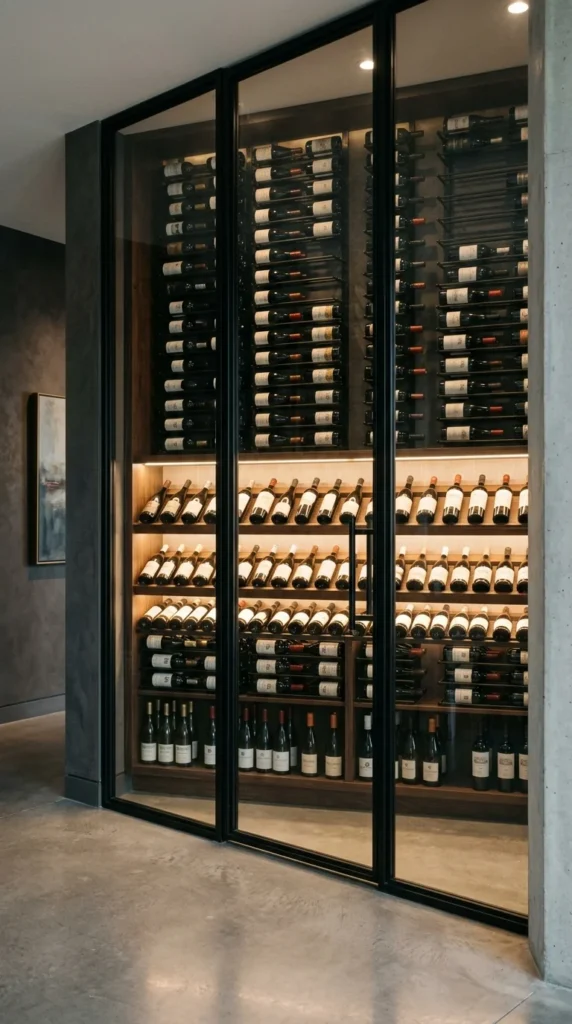
For the connoisseur, a dedicated wine display is the ultimate status symbol. Whether it’s a full walk-in cellar or a sleek, glass-enclosed wine wall in the dining room, displaying your collection becomes a piece of living art. Using integrated lighting to highlight the bottles adds a dramatic, lounge-like feel to the home.
24. Outdoor Sanctuaries
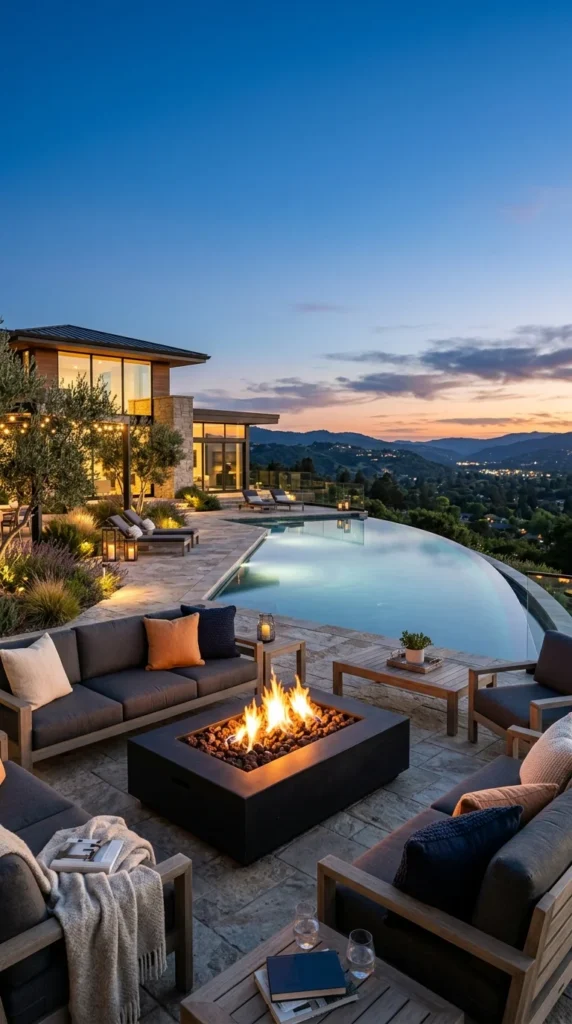
Finally, extend your design aesthetic to the outdoors. A luxury home is incomplete without a functional and beautiful outdoor living space. Think comfortable, weather-resistant sectional sofas, a designer fire pit, and professional landscaping. By treating your patio or deck with the same design rigor as your living room, you create a seamless transition that doubles your entertaining space.