
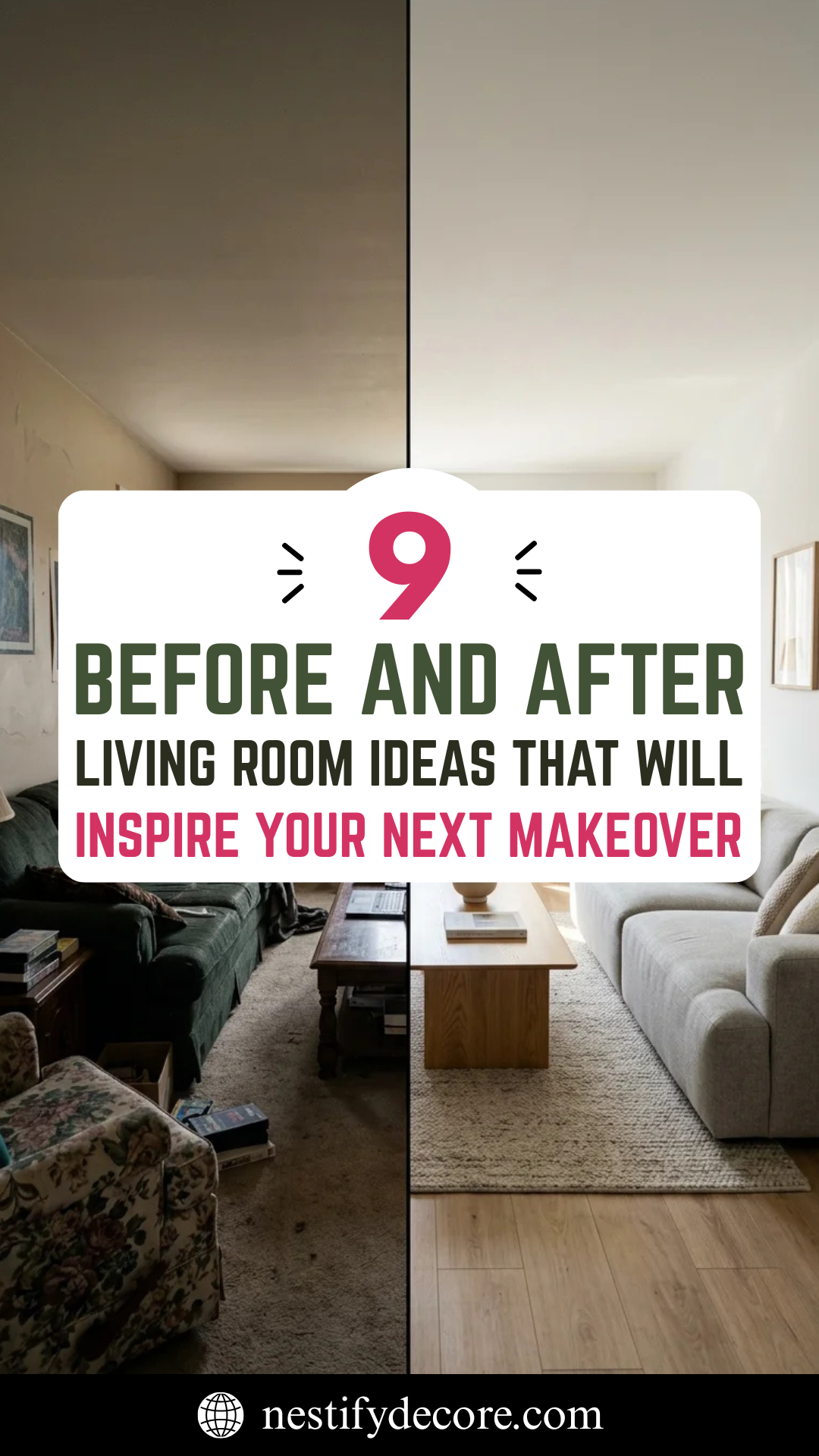
The living room is the heart of the home. It is where we unwind after a long day, entertain guests, and spend quality time with family. However, it is also the room that often bears the brunt of daily wear and tear, eventually feeling dated or cluttered. A living room makeover doesn’t always require a massive budget; sometimes, it’s about clever zoning, a fresh coat of paint, or a shift in design philosophy.
Below are nine transformative living room ideas that showcase how dramatic changes—from color palettes to structural shifts—can breathe new life into your living space.
1. Brightening
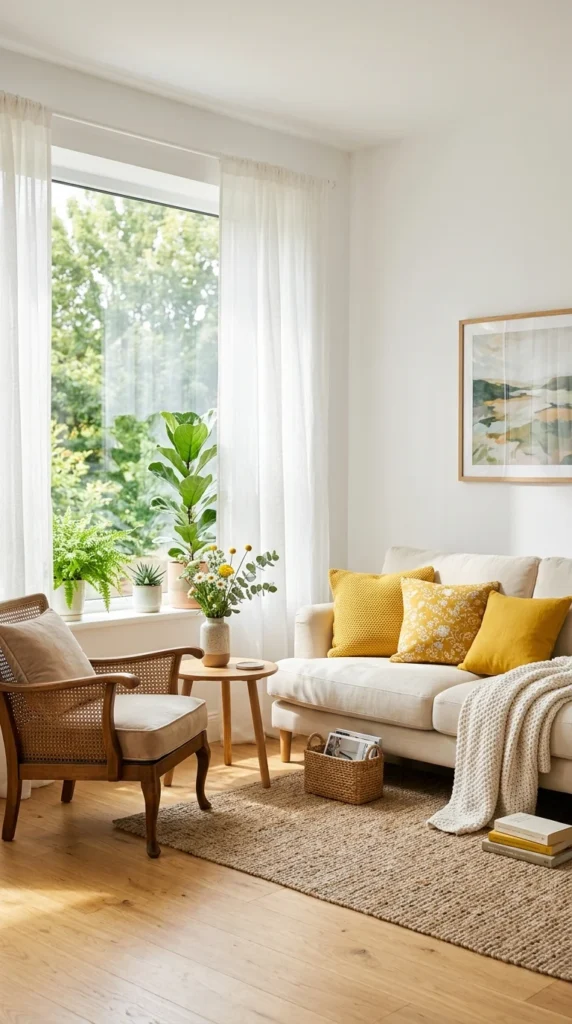
One of the most common “Before” scenarios involves a room that feels cramped and gloomy due to dark wood paneling or muddy paint colors. The transformation here focuses on the power of light. By stripping away heavy drapes and replacing dark wall colors with “Gallon-of-Milk” white or soft alabaster, the space instantly feels larger.
The Strategy:
- Paint: Use a high-reflective white paint to bounce natural light around the room.
- Window Treatments: Swap heavy velvet curtains for sheer linen or bamboo shades that allow sunlight to filter through while maintaining privacy.
- Reflective Surfaces: Incorporate mirrors and glass-topped coffee tables to eliminate visual weight and enhance the airy feel.
2. Mid-Century
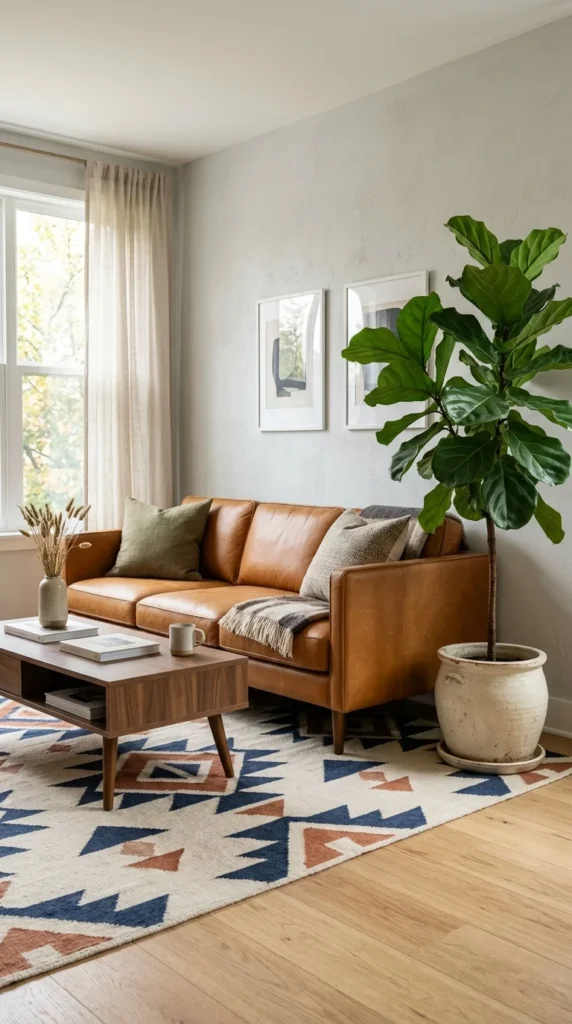
The transition from a generic, characterless room to a Mid-Century Modern masterpiece is all about “legs and lines.” The “Before” usually features bulky, floor-length furniture that blocks the view of the floor. The “After” introduces furniture with tapered legs, creating a sense of “flow” and showing more floor space, which tricks the eye into seeing a bigger room.
The Strategy:
- Furniture Shape: Look for iconic silhouettes, such as the Eames-style lounge chair or a peg-legged sideboard.
- Wood Tones: Focus on warm woods like walnut or teak.
- Statement Lighting: Replace standard ceiling fans with a Sputnik chandelier or an arched floor lamp to add a sculptural element.
3. Decluttering
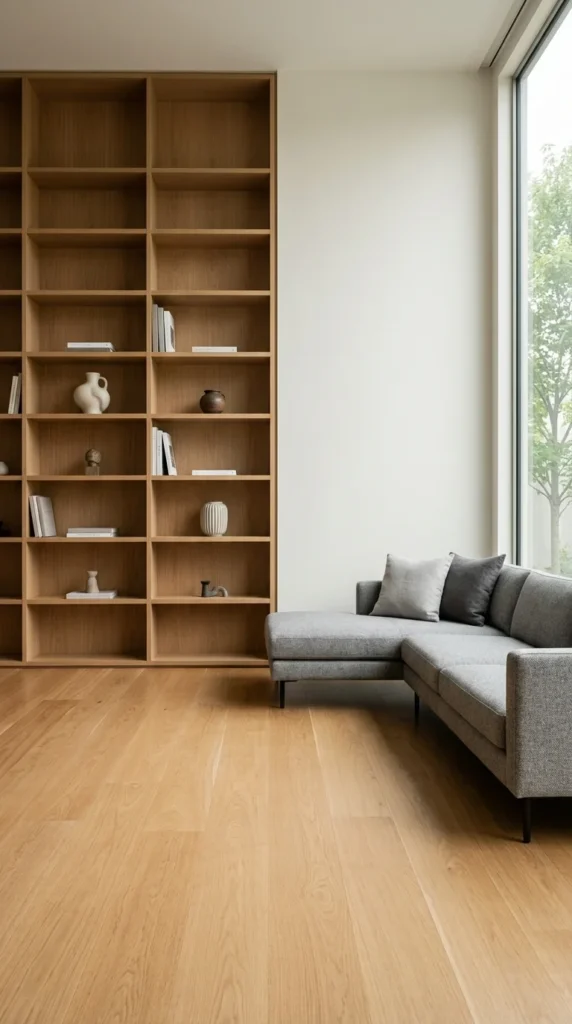
Clutter is the enemy of design. Many “Before” living rooms are overwhelmed by “stuff”—too many knick-knacks, overflowing bookshelves, and tangled cables. This makeover focuses on “The Edit.” By introducing smart storage solutions and adopting a “less is more” mentality, the room transforms from a source of stress into a sanctuary.
The Strategy:
- Built-ins: Install floor-to-ceiling shelving to provide a dedicated home for books and media, keeping the floor clear.
- Hidden Storage: Choose ottomans with internal compartments or media consoles with doors to hide electronics.
- Negative Space: Don’t feel the need to fill every corner. Leaving some walls blank allows the eye to rest.
4. Industrial
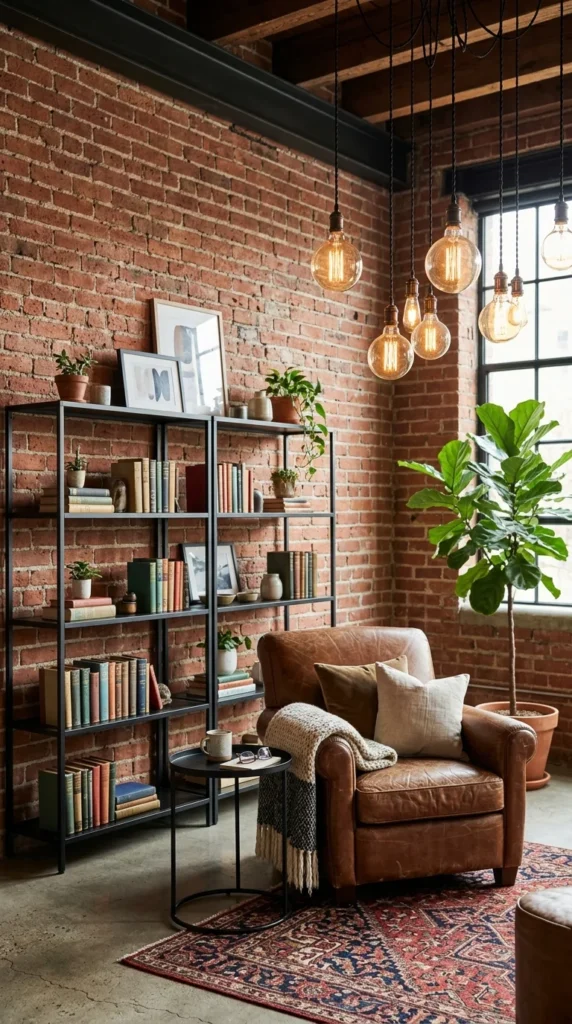
Turning a suburban living room into an industrial loft requires texture. The “Before” might be a “cookie-cutter” room with drywall and carpet. The “After” introduces raw materials like brick, metal, and reclaimed wood. This style is perfect for those who want a space that feels rugged yet sophisticated.
The Strategy:
- Wall Treatments: If you don’t have real brick, high-quality brick veneers or textured wallpaper can create the look.
- Metal Accents: Use matte black metal for curtain rods, picture frames, and coffee table legs.
- Textiles: Soften the “hard” industrial edges with a thick wool rug or oversized knit throws.
5. Boho
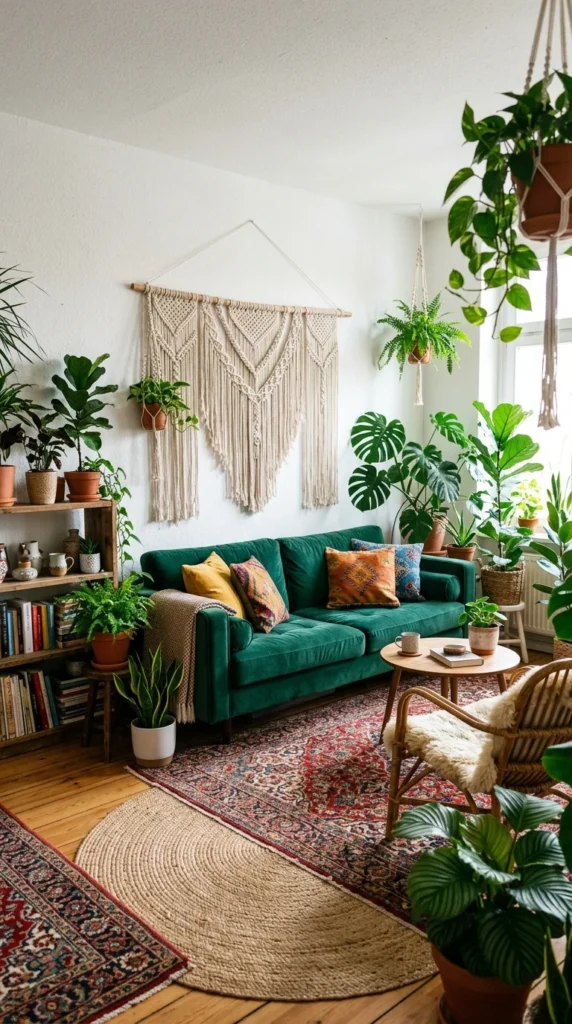
If your current living room feels cold or uninviting, a Bohemian makeover is the solution. The “Before” is often a room with a rigid, matching furniture set. The “After” is an eclectic mix of patterns, textures, and global influences. It’s about creating a “collected” look rather than a “bought” look.
The Strategy:
- Layering: Layer a smaller, colorful patterned rug over a larger neutral jute rug.
- Greenery: Bring the outdoors in with hanging pothos, tall snake plants, and monstera.
- Texture: Mix velvet, rattan, macrame, and silk to create sensory depth.
6. Coastal
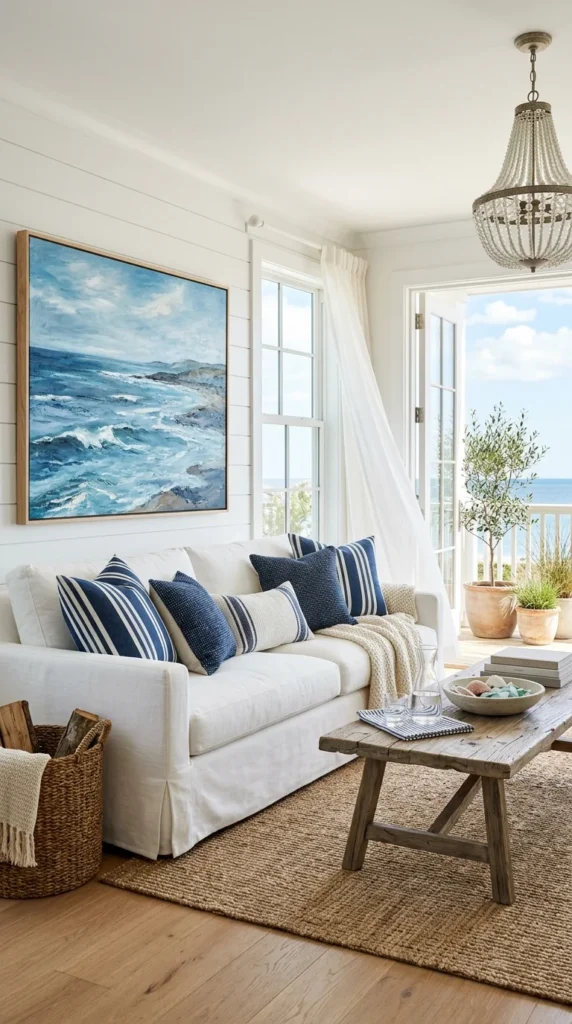
A coastal makeover isn’t about seashells and anchors; it’s about the feeling of the seaside. The “Before” might be a room with heavy, dark furniture and dated floral patterns. The “After” is a refreshing palette of watery blues, crisp whites, and sandy beiges that makes every day feel like a vacation.
The Strategy:
- Slipcovers: Use white or light grey slipcovers for sofas—they are practical, washable, and instantly lighten the mood.
- Natural Fibers: Incorporate seagrass baskets, jute rugs, and rattan chairs.
- Art: Use large-scale photography of waves or coastal landscapes to establish the theme without being “kitschy.”
7. Moody
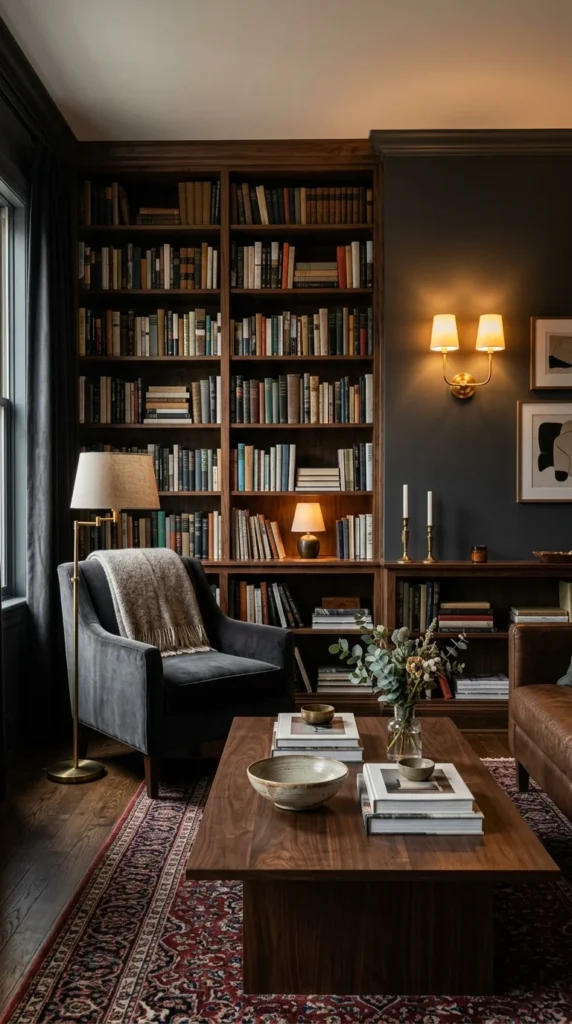
Sometimes, the best way to fix a boring room is to go dark. While many people fear dark colors will make a room feel small, “Moody” makeovers prove that dark tones add incredible depth and intimacy. The “Before” is a sterile, white box; the “After” is a cozy, “Dark Academia” inspired retreat.
The Strategy:
- Color Choice: Choose deep hues like navy, forest green, or charcoal grey. Paint the baseboards and crown molding the same color for a seamless look.
- Lighting: In a dark room, lighting is everything. Use multiple light sources (lamps, sconces, candles) rather than one overhead light.
- Metallic Accents: Use brass or gold hardware to provide a “sparkle” against the dark backdrop.
8. Scandi
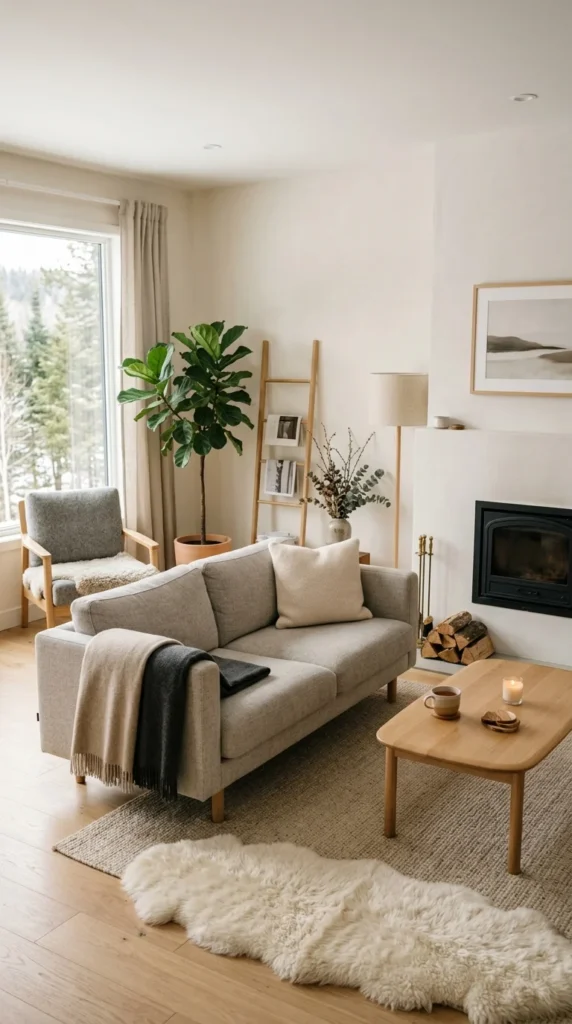
The Scandinavian or “Hygge” makeover focuses on functionalism and coziness. If your “Before” living room feels chaotic or overly ornate, the Scandi approach strips it back to the essentials. It emphasizes clean lines and the beauty of natural materials.
The Strategy:
- Floor: If possible, sand down dark floors and finish them with a light or clear coat to show the natural grain.
- Cozy Elements: Add a sheepskin throw or a chunky knit blanket to the sofa.
- Functional Decor: Every piece of decor should have a purpose or bring genuine joy (the Marie Kondo approach).
9. Zoned
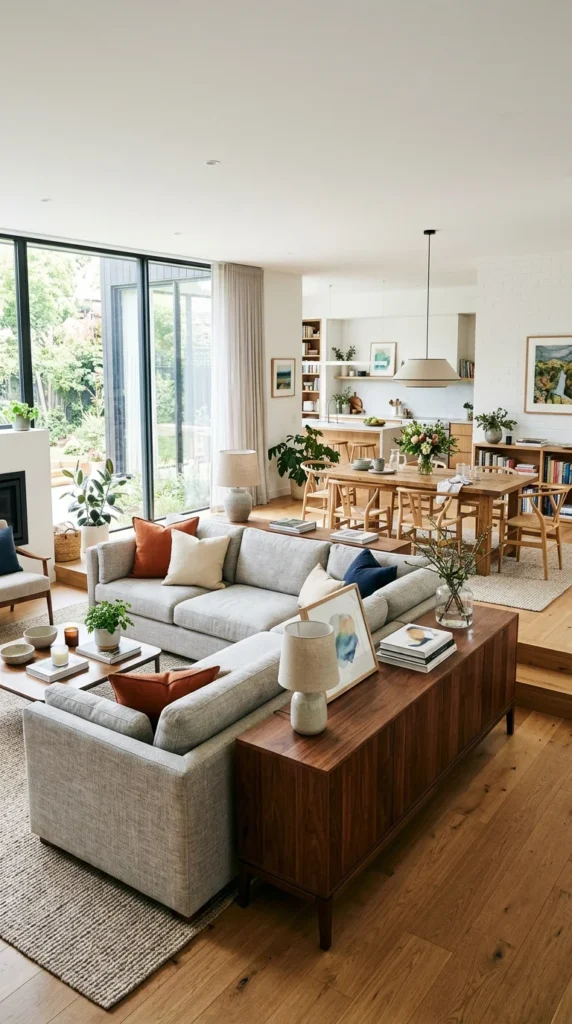
In modern homes with open-plan layouts, the “Before” is often a giant, cavernous space where the furniture seems to “float” without purpose. The “After” uses “zoning” to create distinct areas for lounging, dining, and working, making the large space feel intentional and organized.
The Strategy:
- Rug Placement: Use large area rugs to “anchor” the seating area.
- Furniture as Walls: Place a console table or the back of a sofa to define the boundary between the living room and the dining area.
- Lighting Zones: Hang a pendant light over the coffee table and another over the dining table to visually separate the two functions.