
The living room is the heart of the home—a sanctuary for relaxation, a hub for social gatherings, and a canvas for personal expression. However, many living rooms fall victim to dated trends, poor lighting, or inefficient layouts that stifle their potential. Transforming a living space isn’t just about aesthetics; it’s about improving functionality and mood. From knocking down restrictive walls to simply swapping out a heavy color palette for something airy, these 22 transformations showcase the power of thoughtful interior design.
1. Minimalist Makeover
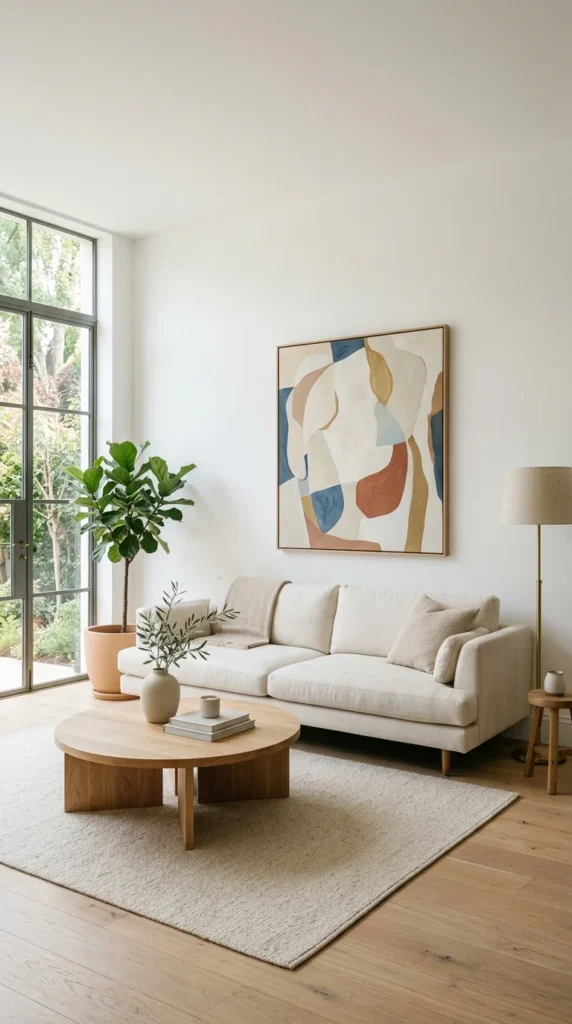
The original space was overwhelmed by oversized furniture and mismatched decor that made the room feel claustrophobic. The transformation focused on “less is more.” By stripping away heavy window treatments and adopting a monochromatic color scheme, the room gained a sense of tranquility. The key was selecting high-quality statement pieces that serve a purpose, allowing the architecture of the room to breathe.
2. Industrial Loft
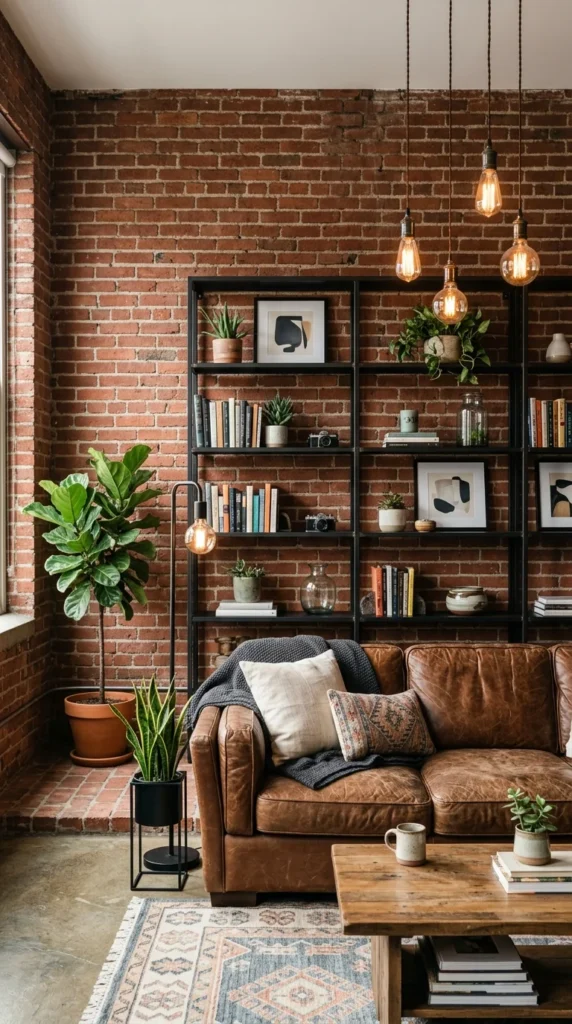
What started as a sterile, white-box apartment was transformed into a character-rich industrial loft. The “before” featured cheap laminate flooring and characterless drywall. By exposing the underlying brick and installing matte black hardware and reclaimed wood accents, the space gained an edgy, urban vibe. The addition of a large jute rug softened the hard surfaces, creating a perfect balance between grit and comfort.
3. Coastal Breeze
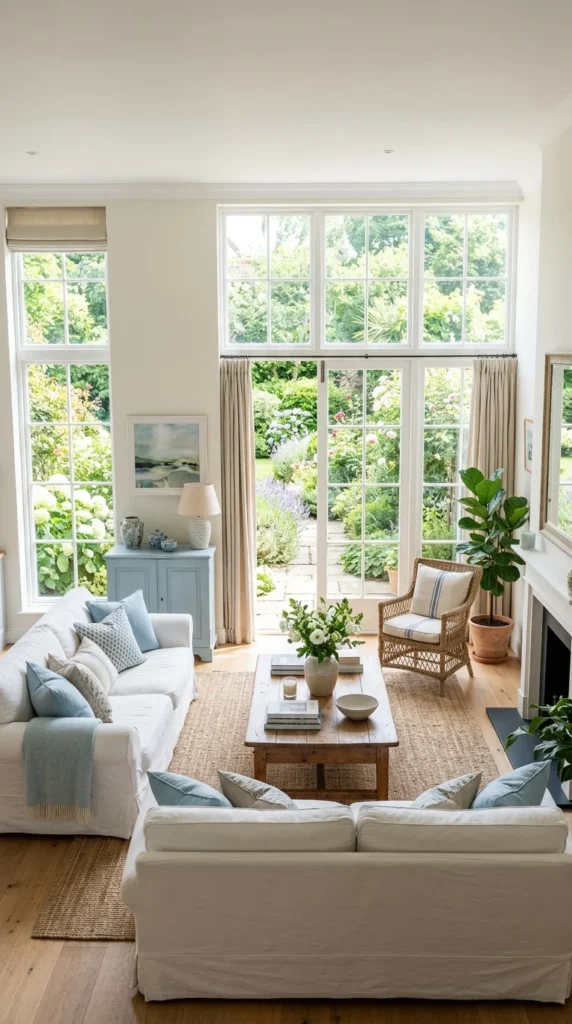
The “before” version of this room was bogged down by dark cherry wood and heavy navy curtains. To achieve the coastal look, the designers leaned into a palette of seafoam green, soft blues, and crisp whites. The heavy furniture was replaced with lighter, slipcovered pieces that offer a relaxed, beachy feel. Natural textures like rattan and wicker were introduced to bring the outdoors in.
4. Bohemian Rhapsody
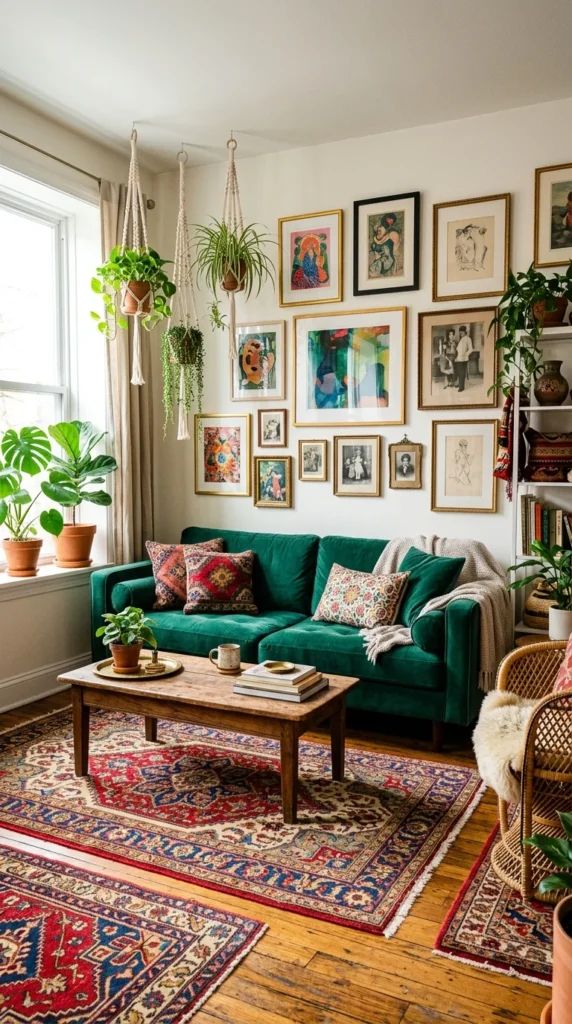
This transformation took a boring, beige “builder-grade” living room and injected it with personality. The “after” is a masterclass in layering textures and colors. The owners used floor pillows, mismatched textiles, and an abundance of indoor plants to create a cozy, lived-in atmosphere. The result is a space that feels curated over time rather than bought from a showroom.
5. Dark Academia
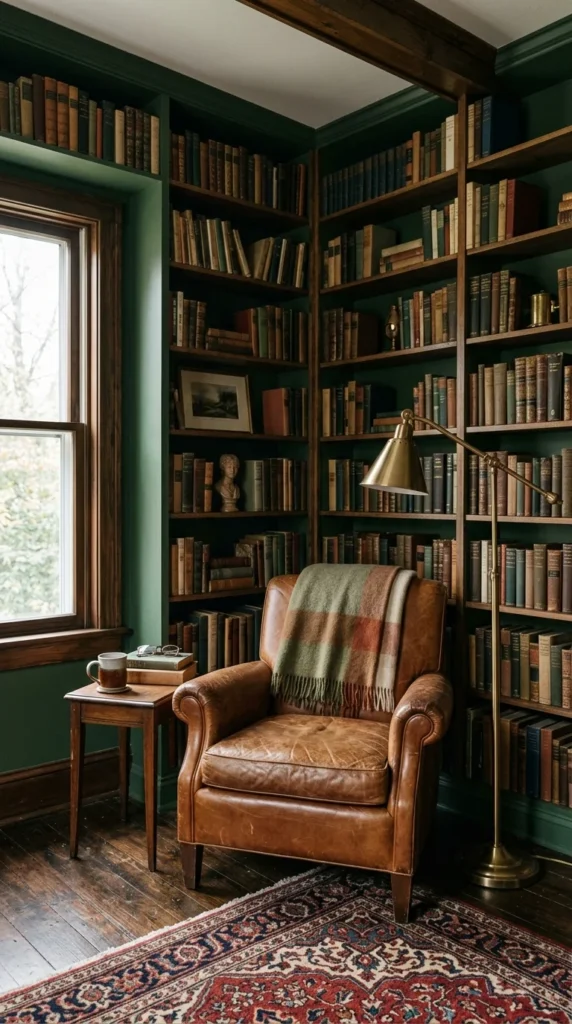
For those who find white walls too cold, this Dark Academia transformation offers a cozy alternative. The original room was a brightly lit, underutilized guest space. By painting the walls and ceiling in a saturated dark hue and adding custom cabinetry, the room turned into a sophisticated library-style lounge. The rich wood tones and warm metallic accents create a scholarly, timeless aesthetic.
6. Scandi-Chic
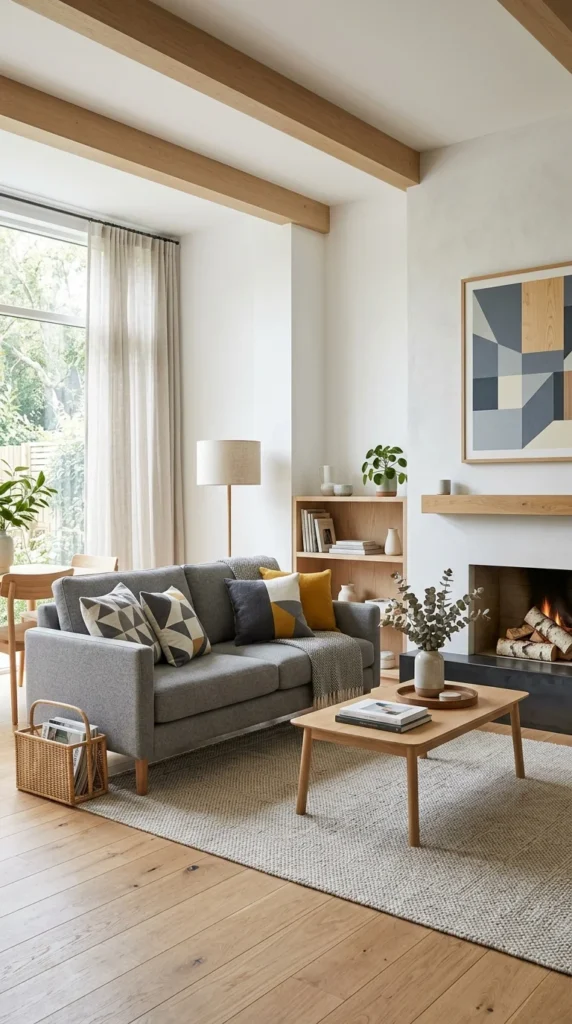
Scandinavian design is all about “hygge”—a quality of coziness and comfortable conviviality. This room moved away from a cluttered, dark 90s aesthetic toward a clean, functional layout. Light ash wood floors replaced wall-to-wall carpeting, and the lighting was updated to include multiple layers of soft, warm glow. The space now feels significantly larger and more inviting.
7. Maximalist Bold
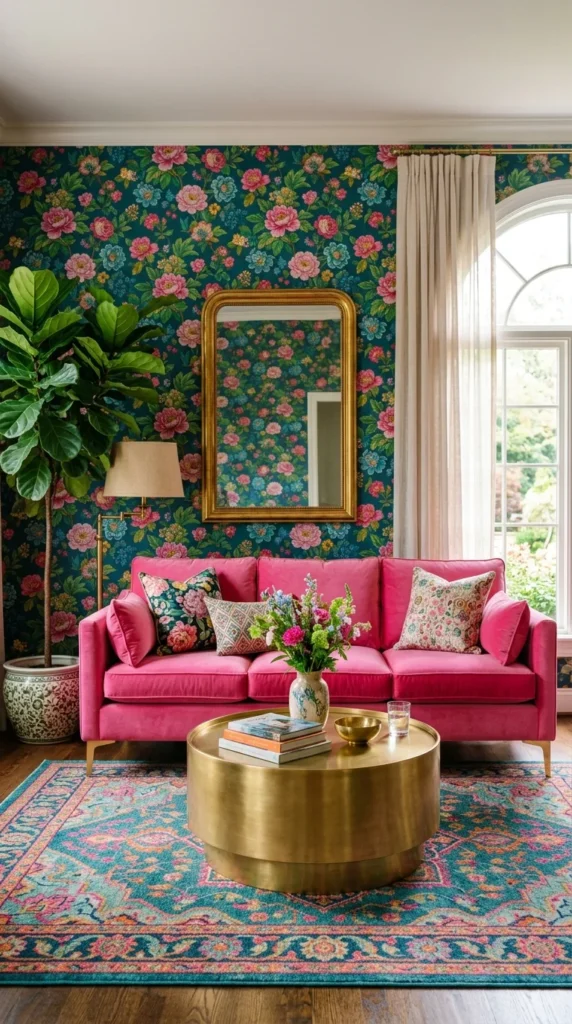
This transformation proves that more can definitely be more. The “before” was a safe, neutral space that lacked energy. By introducing bold wallpaper and a daring color palette, the room became a conversation starter. The secret to this “after” is the careful curation of scales; while there are many patterns, they vary in size to keep the eye moving without feeling overwhelmed.
8. Rustic Farmhouse
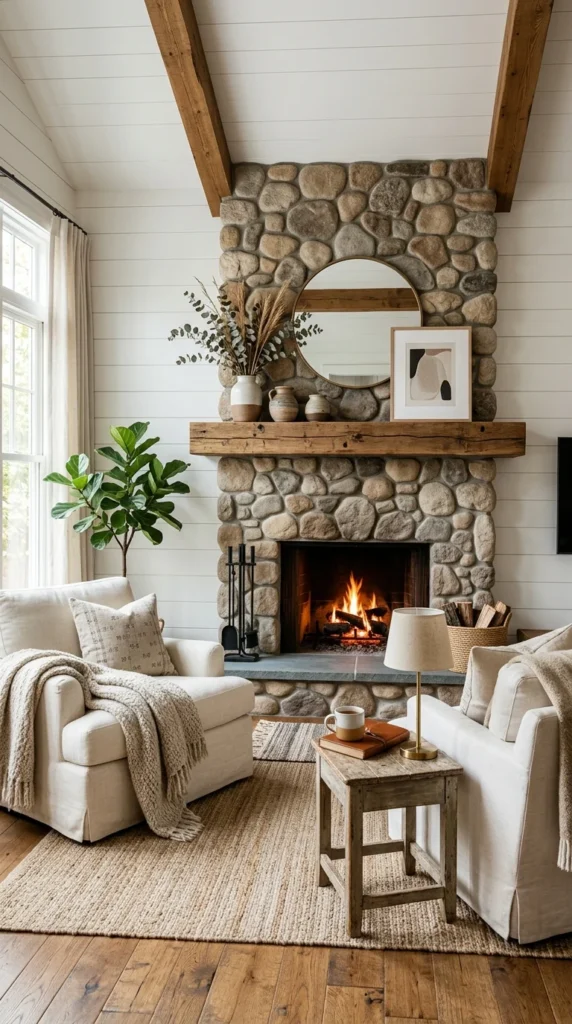
The farmhouse trend remains popular for its warmth and approachability. This living room was once a formal, stiff area with gold-leaf accents and silk upholstery. The transformation involved installing shiplap to add texture to the walls and replacing the formal fireplace surround with rugged stone. The new aesthetic is grounded, comfortable, and perfect for family life.
9. Art Deco
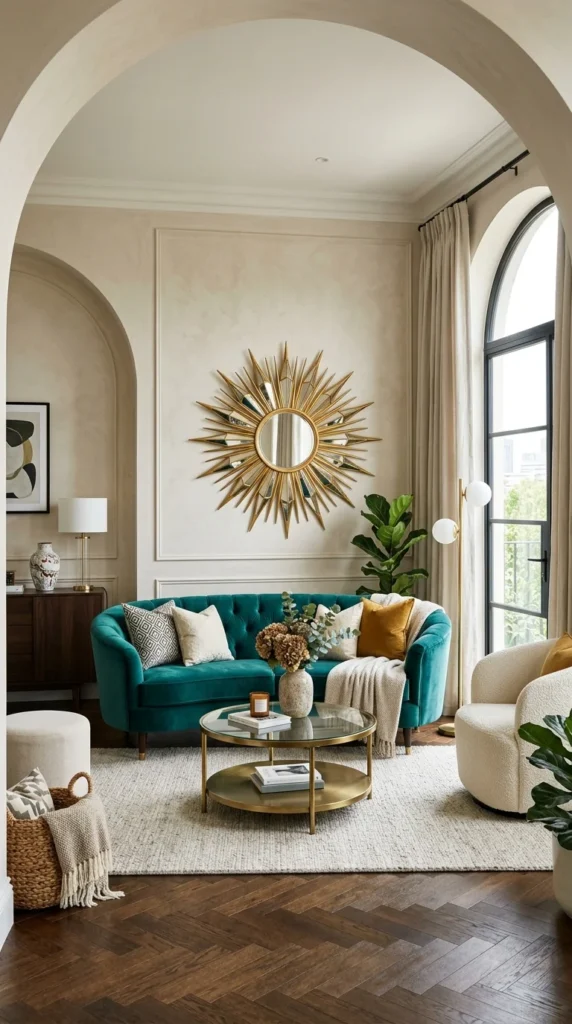
Taking inspiration from the 1920s, this living room was transformed from a plain modern space into a glamorous retreat. The “after” features bold geometric shapes and luxurious materials like velvet and marble. The introduction of curved seating breaks the “boxy” feel of the original architecture, adding a sense of flow and elegance.
10. Modern Zen
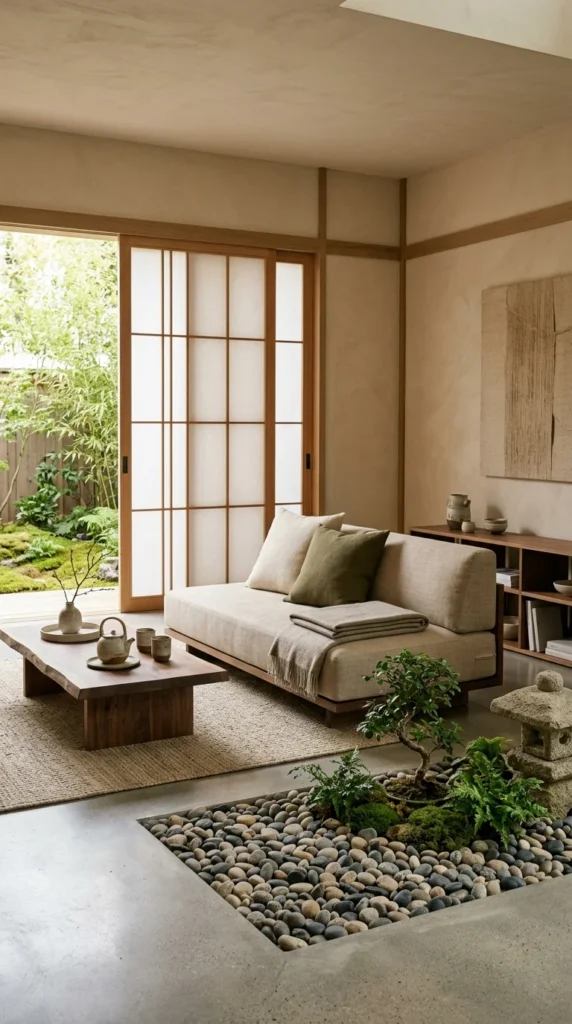
This transformation focused on mindfulness. The original space was chaotic and poorly organized. By adopting Japanese design principles, the owners used low furniture to emphasize the height of the ceiling and incorporated natural elements like stone and bamboo. The removal of a television as the focal point allowed for a space dedicated to conversation and meditation.
11. Victorian Restoration
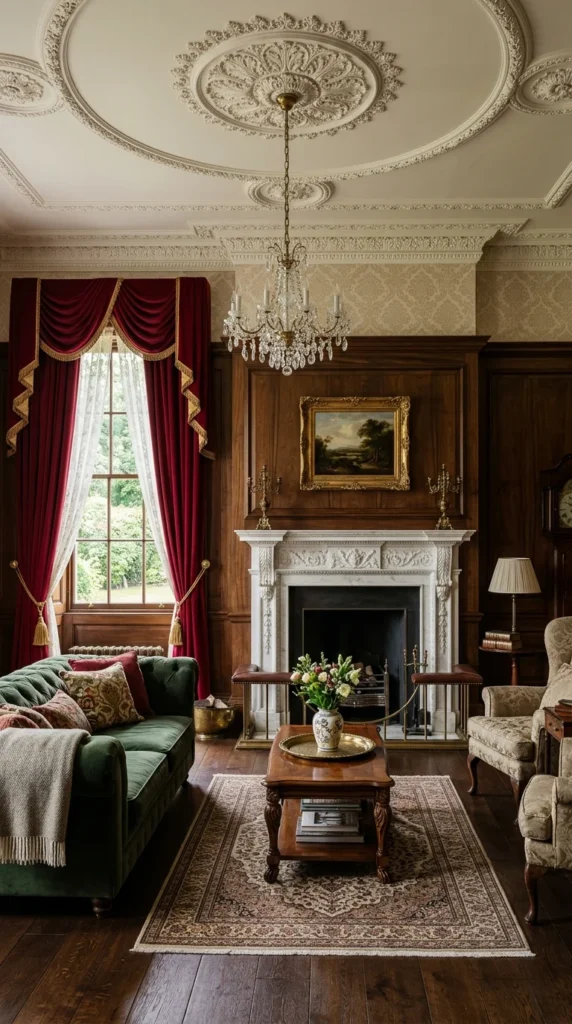
Sometimes, a transformation is about looking back. This living room had been “modernized” in the 1970s with linoleum and wood paneling, hiding its original Victorian charm. The restoration involved stripping away the layers of previous renovations to reveal original moldings and hardwood. By adding period-appropriate furniture with a modern twist, the room regained its historic dignity.
12. Retro Pop
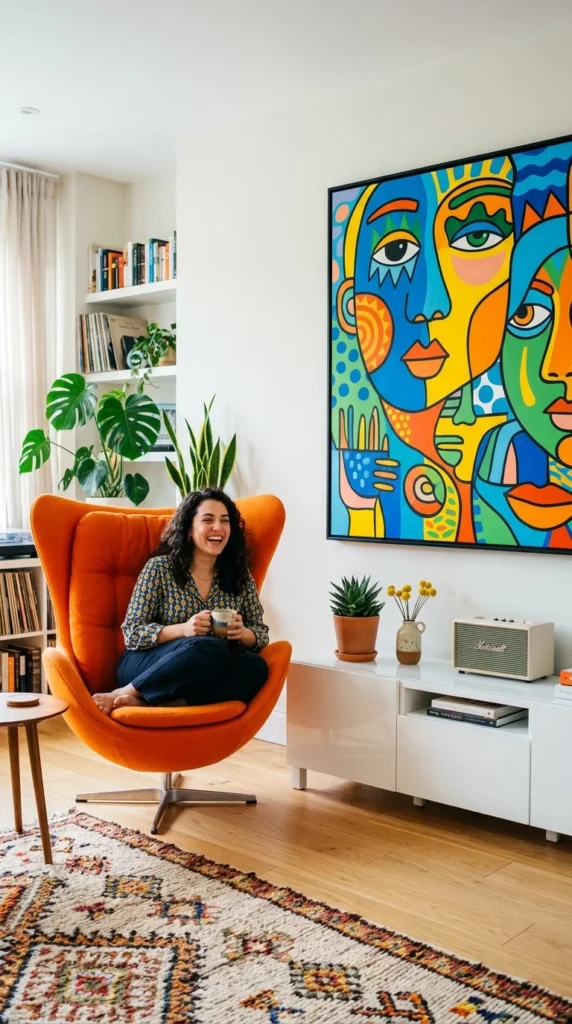
This 1960s-inspired transformation is all about fun. The “before” was a dated, drab space with brown shag carpet. The “after” embraces high-contrast colors and iconic furniture shapes. The use of plastic, chrome, and bold primary colors gives the room a nostalgic yet fresh feel that celebrates mid-century playfulness.
13. Monochromatic Gray
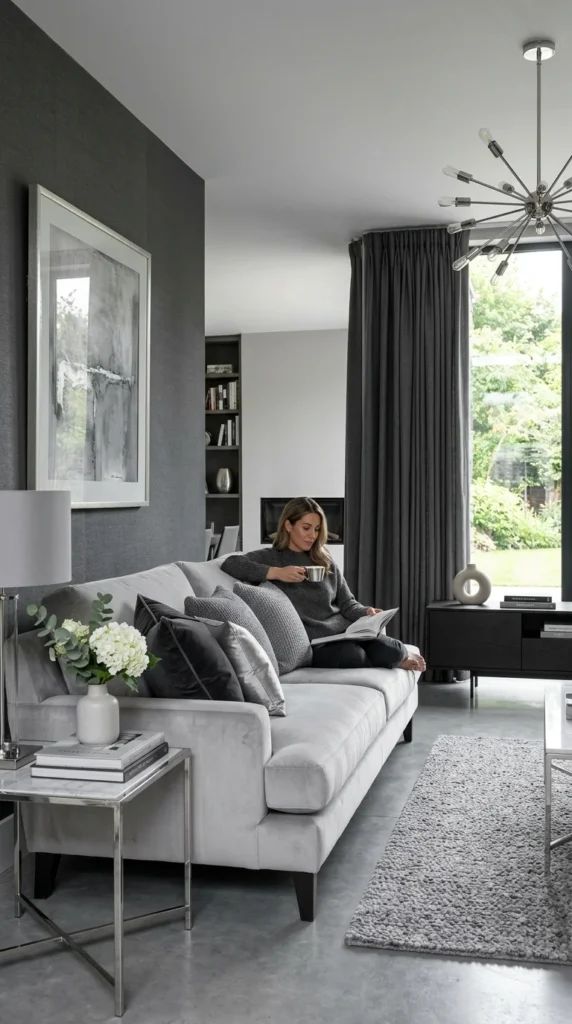
While some might fear gray is “boring,” this transformation shows how sophisticated it can be when done correctly. The original room was a hodgepodge of different wood tones that didn’t coordinate. By sticking to a strict monochromatic scale, the room feels unified and high-end. The depth is created through texture—silky rugs, wool throws, and velvet cushions.
14. Sunken Lounge
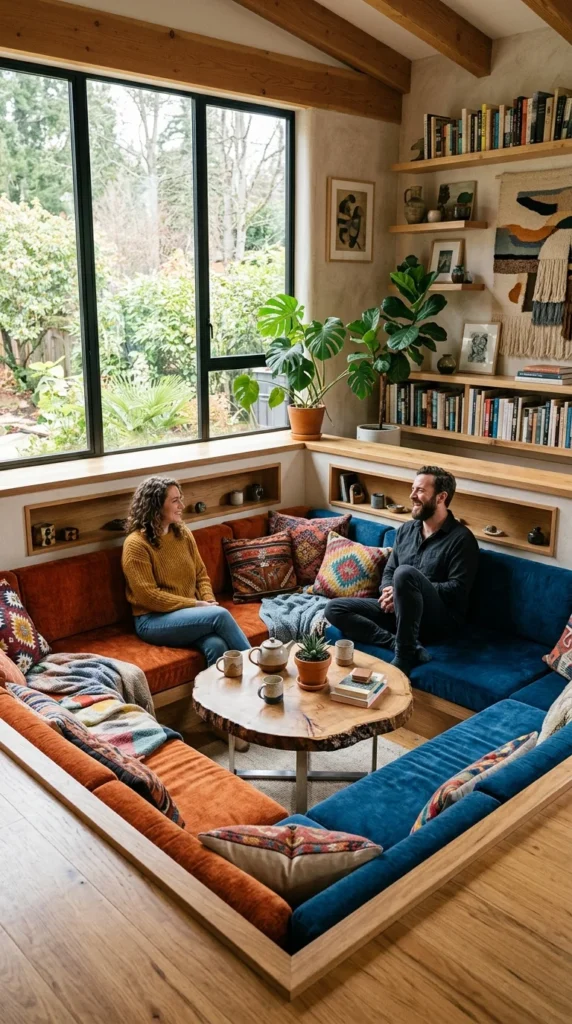
Structural changes can yield the most dramatic results. This living room was a standard flat-floor space. The “after” features a custom-built sunken lounge, reminiscent of 1970s conversation pits. This structural change defined the zone without the need for walls, creating an intimate area for guests to gather while maintaining an open-concept feel.
15. Greenhouse Living
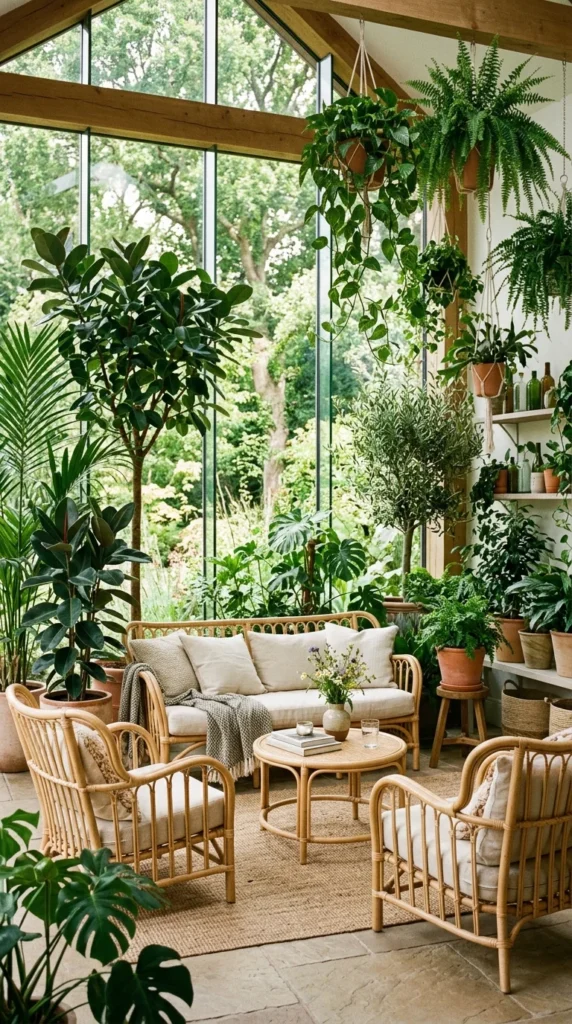
This transformation turned a dark, windowless room into an indoor-outdoor oasis by replacing a solid exterior wall with massive glass panes. The interior design followed suit, utilizing a “jungle” of indoor plants to blur the lines between the house and the garden. The result is a vibrant, oxygen-rich space that feels like a permanent vacation.
16. Wabi-Sabi
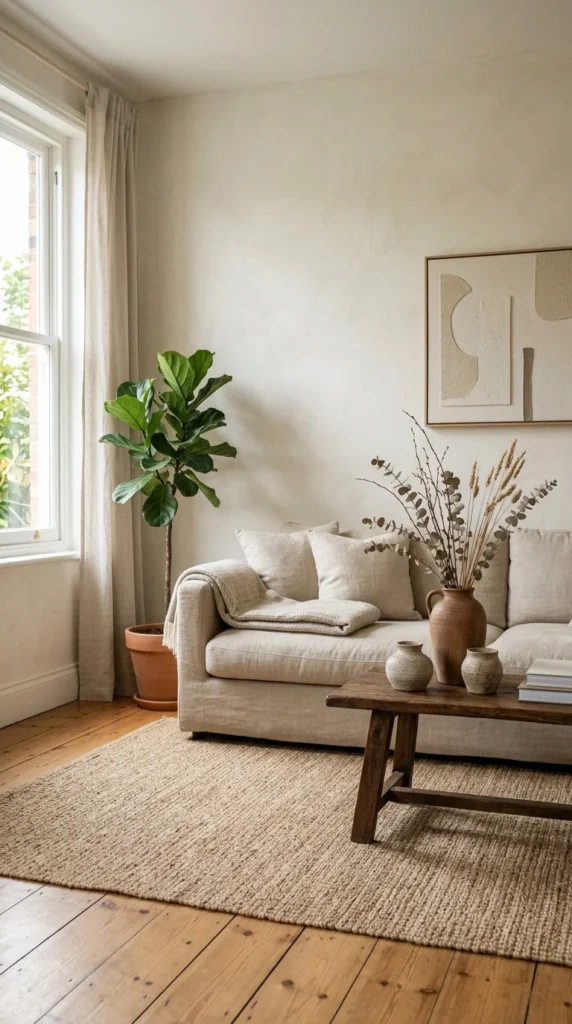
Embracing the beauty of imperfection, this Wabi-Sabi transformation replaced a “perfect” but cold modern aesthetic with something more organic. The walls were treated with a textured lime wash that catches the light beautifully. The furniture is simple and unpretentious, focusing on natural materials that will age gracefully over time.
17. Transitional Elegance
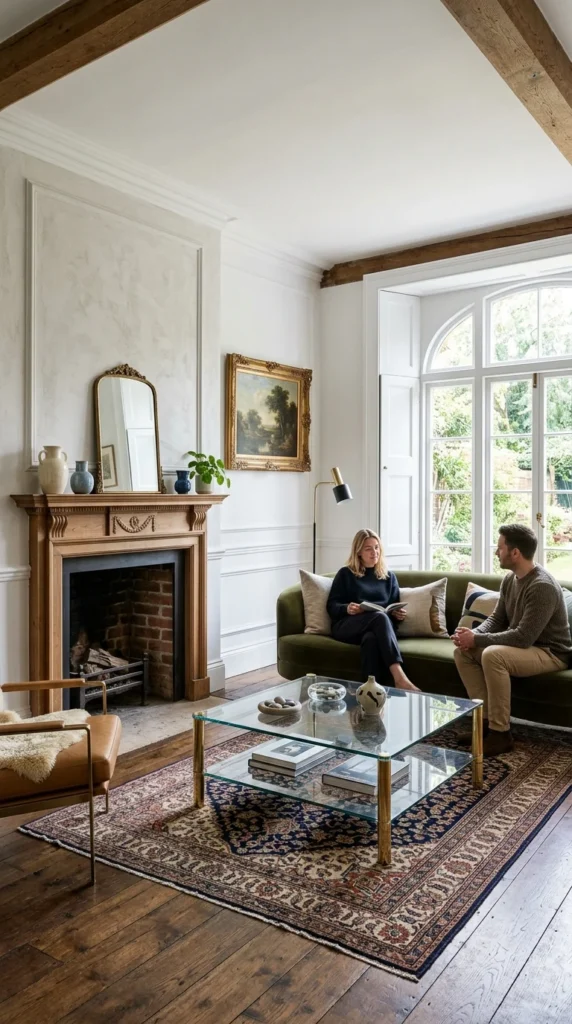
The “before” was a very traditional, almost stuffy room. The “after” strikes a balance by keeping the classic architectural details—like crown molding—but bringing in sleek, contemporary furniture. This “Transitional” style is perfect for those who want a home that feels both timeless and updated.
18. Glamorous Gold
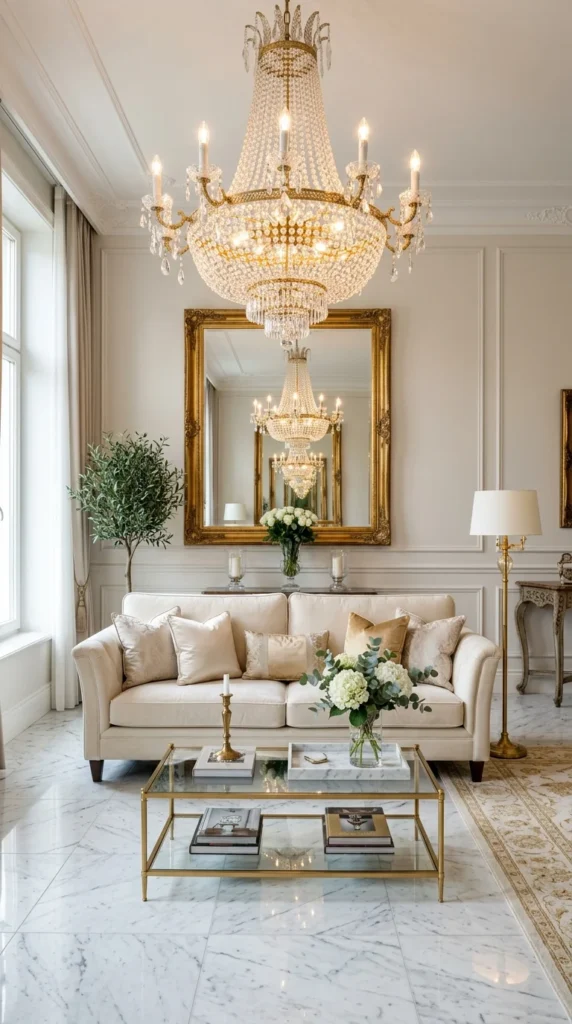
This transformation turned a standard suburban living room into a luxury suite. By focusing on reflective surfaces and a palette of cream and gold, the room feels twice its original size. The addition of a large-scale mirror and high-shine flooring helps bounce light into every corner, creating an atmosphere of opulence.
19. Desert Modern
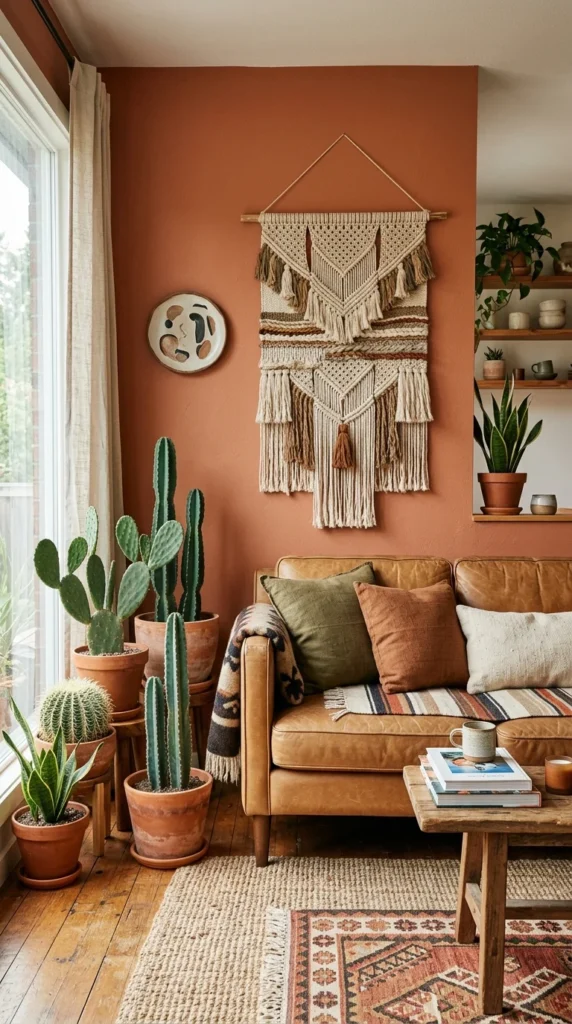
Inspired by the landscapes of the American Southwest, this room moved away from a cold, industrial look. The “after” utilizes a palette of earthy reds, oranges, and tans. The furniture is low and sturdy, and the decor features natural elements like leather, clay, and woven textiles, creating a grounded and warm environment.
20. English Cottage
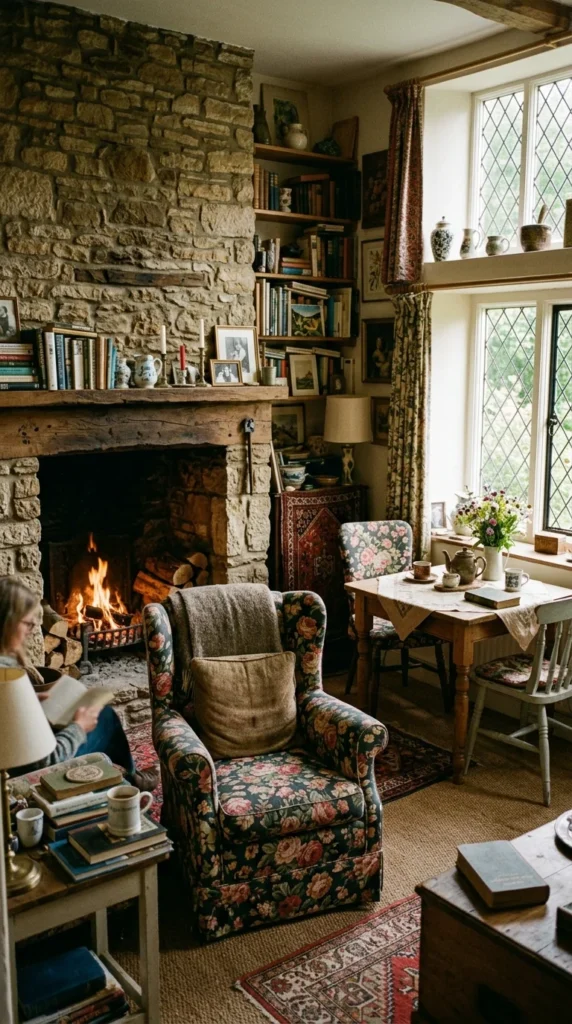
This transformation is the epitome of “Cottagecore.” The original room was a modern, stark space that felt out of place in its rural setting. The redesign brought in floral patterns, mismatched antique furniture, and a warm, cluttered charm that feels incredibly lived-in and welcoming. It’s a space where comfort is the ultimate priority.
21. Urban Jungle
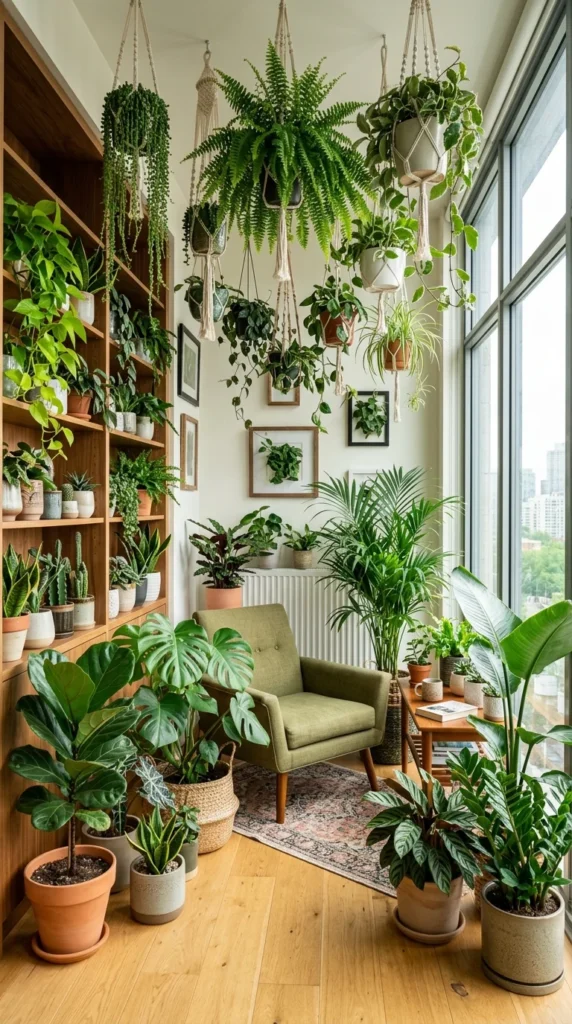
For apartment dwellers, this transformation shows how to maximize vertical space. The “before” was a cramped, dark unit. By using white walls and light-colored furniture, the owners created a backdrop for a massive collection of tropical plants. The greenery acts as the primary decor, providing both color and a sense of life to the urban environment.
22. Ultra-Modern
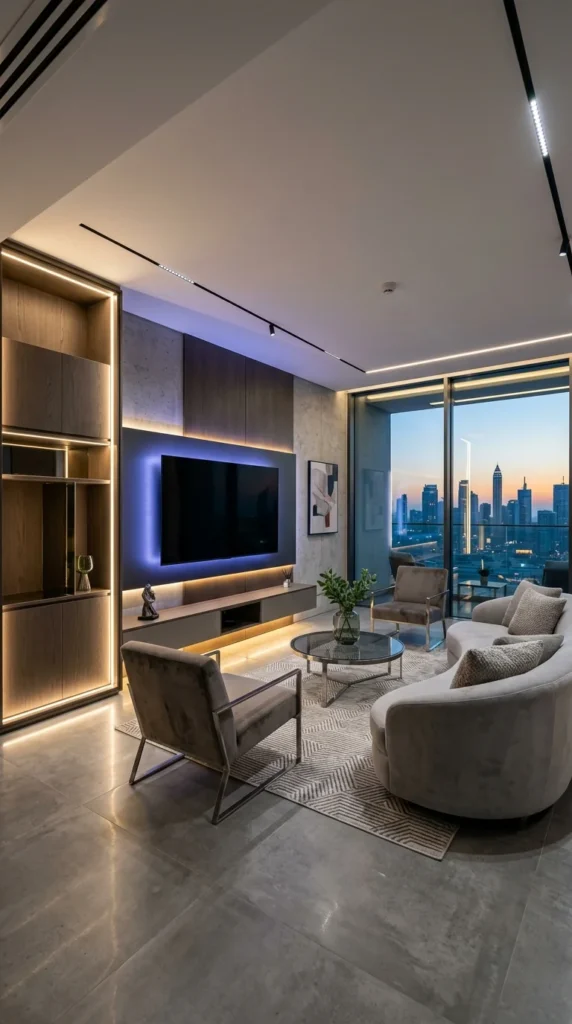
The final transformation is a leap into the future. The original room was a traditional layout with visible wires and bulky media centers. The “after” features “smart” design, where everything is hidden or integrated. The lighting can change color based on the mood, and the furniture appears to float, creating a sense of weightlessness and ultimate modern sophistication.