
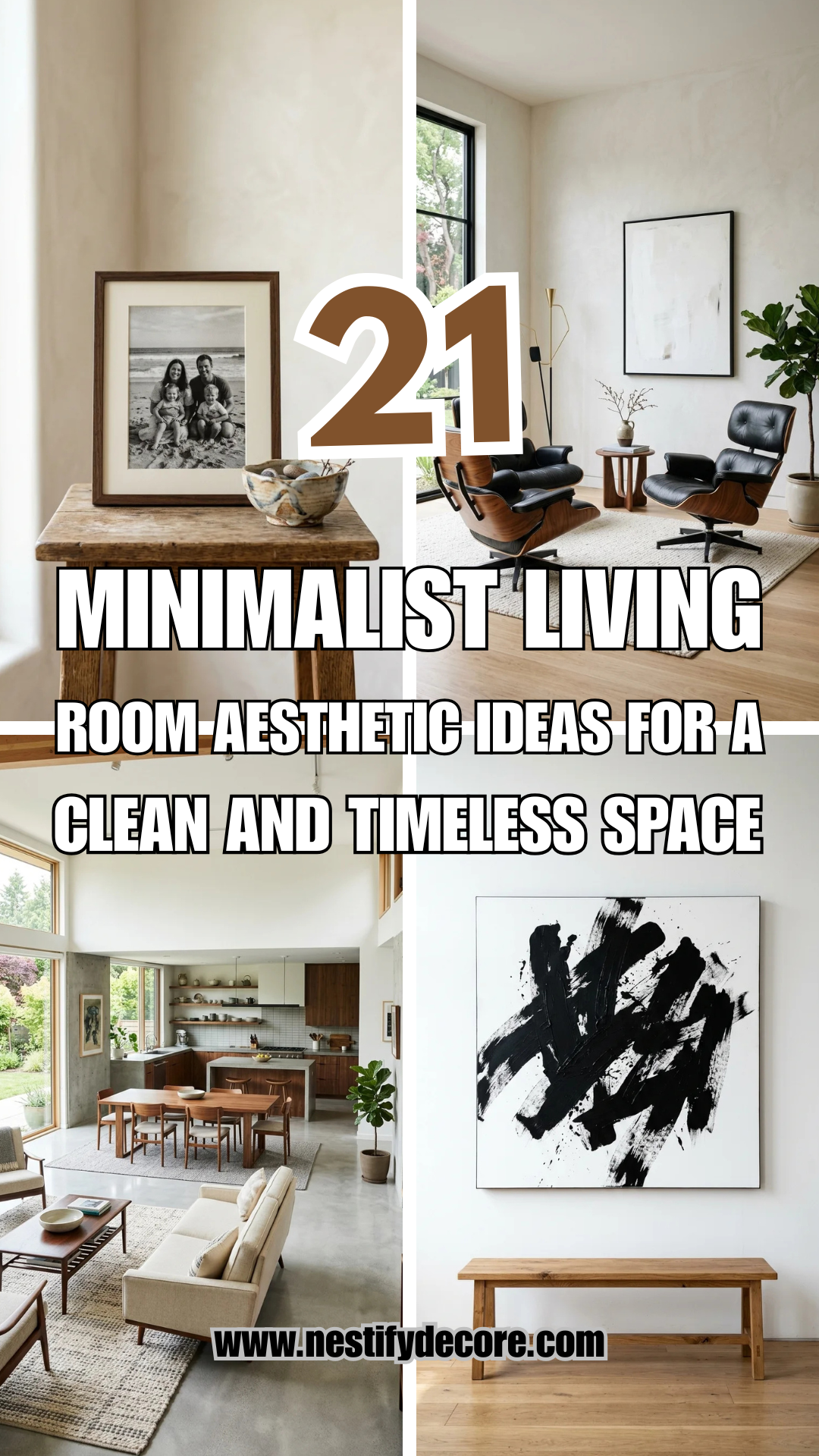
Minimalism is more than just a design trend; it is a philosophy of intentionality that prioritizes quality over quantity. In the context of a living room—the heart of the home—minimalist aesthetics create a sanctuary from the chaotic outside world. By stripping away the unnecessary, you allow the architecture of the space and the beauty of individual pieces to shine. Achieving a clean and timeless look requires a balance of form, function, and a refined color palette. Here are 21 ideas to transform your living room into a minimalist masterpiece.
1. Monochromatic Palette
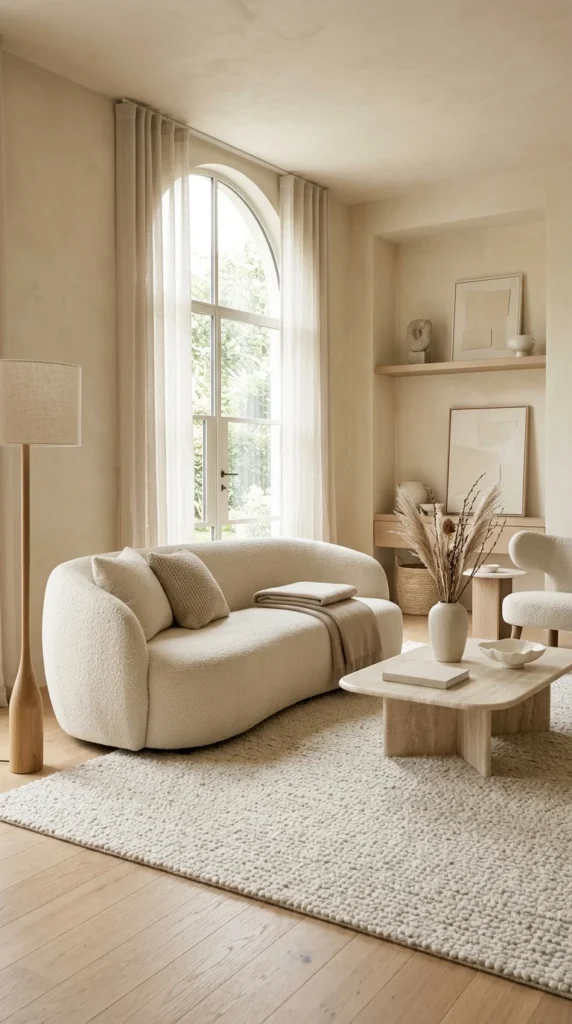
Using a monochromatic color scheme is the quickest way to achieve a sense of calm and cohesion. By layering various shades of the same color—such as off-white, cream, and sand—you add depth without introducing visual noise. This approach makes the room feel larger and more open, as there are no harsh color breaks to catch the eye.
2. Low-Profile Furniture
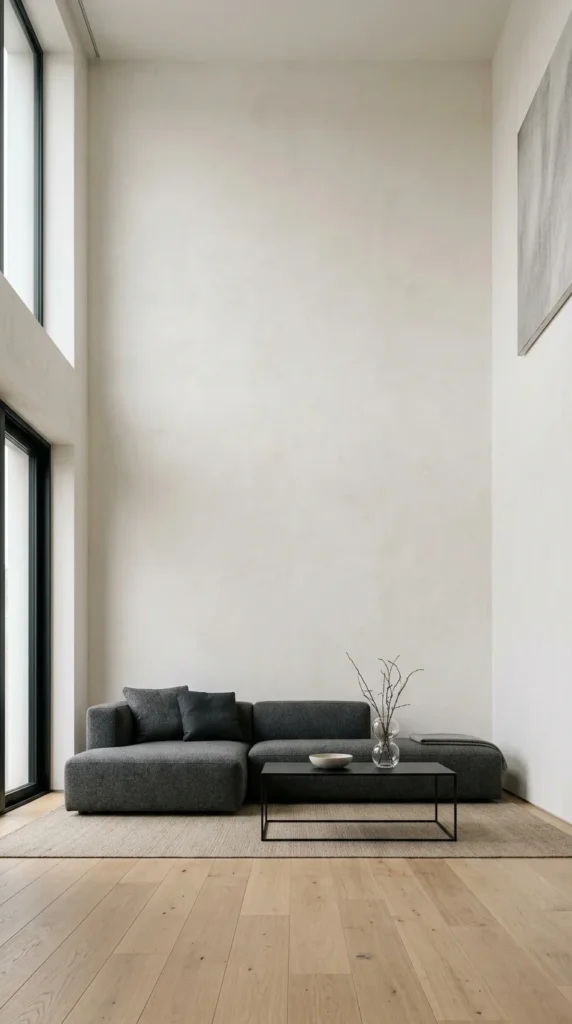
Low-profile furniture keeps the sightlines open, which is essential for a minimalist aesthetic. Pieces that sit close to the floor create an illusion of higher ceilings and a more grounded atmosphere. Choose sofas and armchairs with clean, straight lines and avoid oversized, bulky silhouettes that can overwhelm a small space.
3. Natural Light
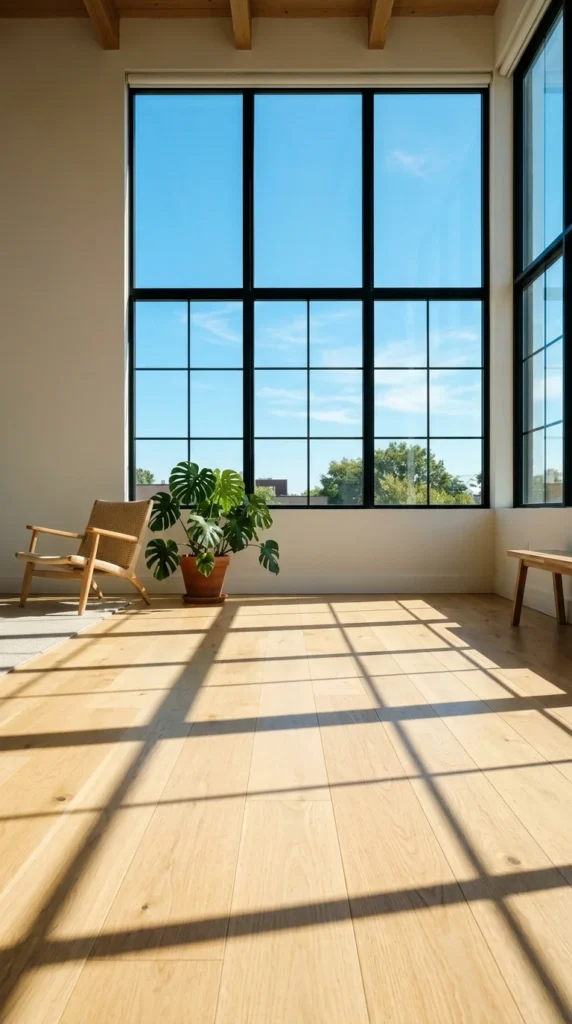
Natural light is a cornerstone of minimalist design. It breathes life into neutral tones and highlights the textures within the room. To maximize light, keep window treatments minimal or non-existent. If privacy is a concern, opt for sheer linen curtains that diffuse light without blocking it entirely.
4. Hidden Storage
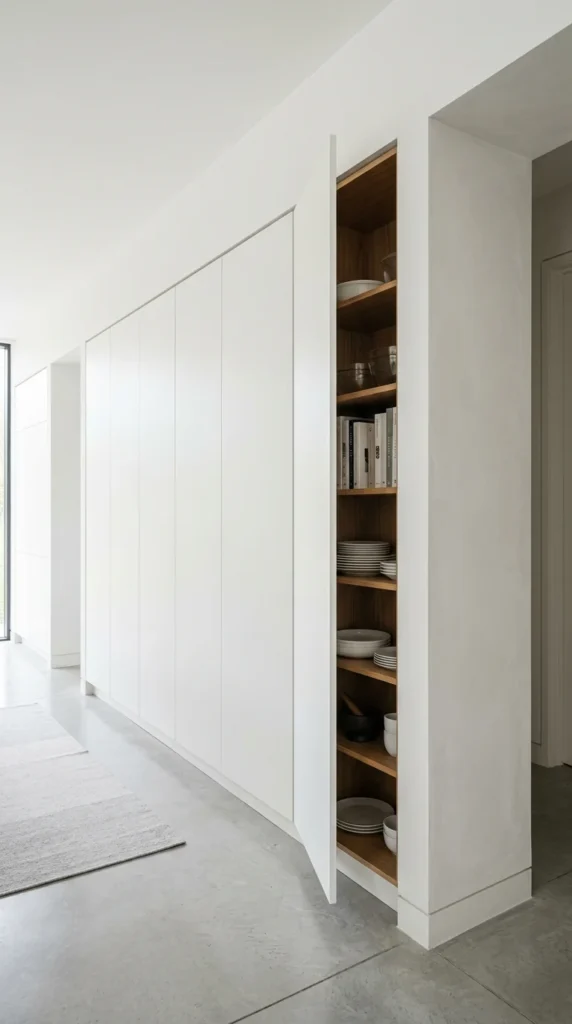
The enemy of minimalism is clutter. Incorporating hidden storage solutions allows you to keep your daily essentials out of sight. Built-in cabinets that match the wall color or multifunctional furniture, like ottomans with internal compartments, ensure that the room remains tidy and focused on its primary design elements.
5. Natural Textures
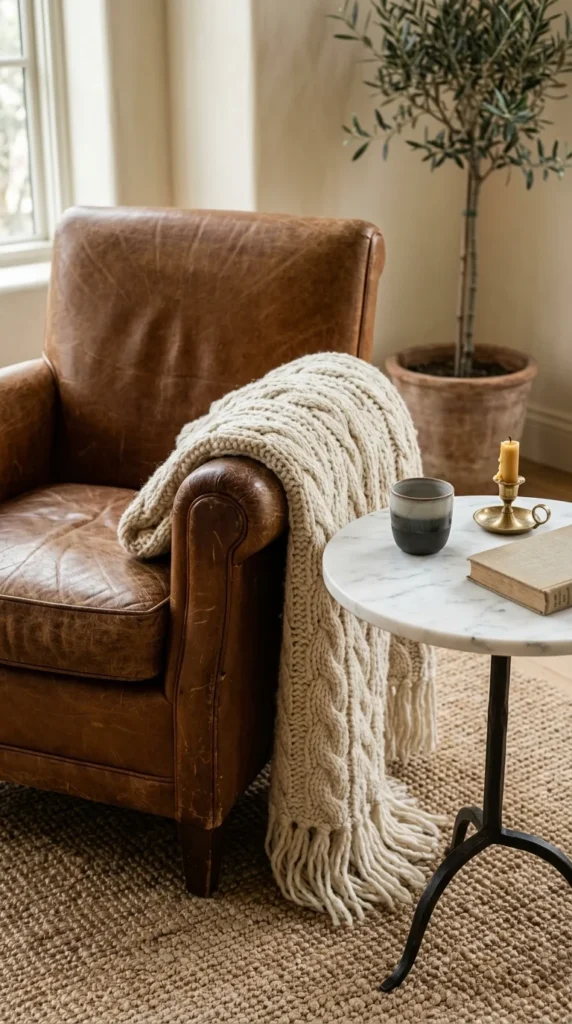
Without a lot of color or decor, a room can feel cold. To add warmth, introduce natural textures. Mixing materials like raw wood, smooth stone, soft wool, and organic linen adds a tactile quality that makes the space feel lived-in and cozy while maintaining a clean aesthetic.
6. Statement Art
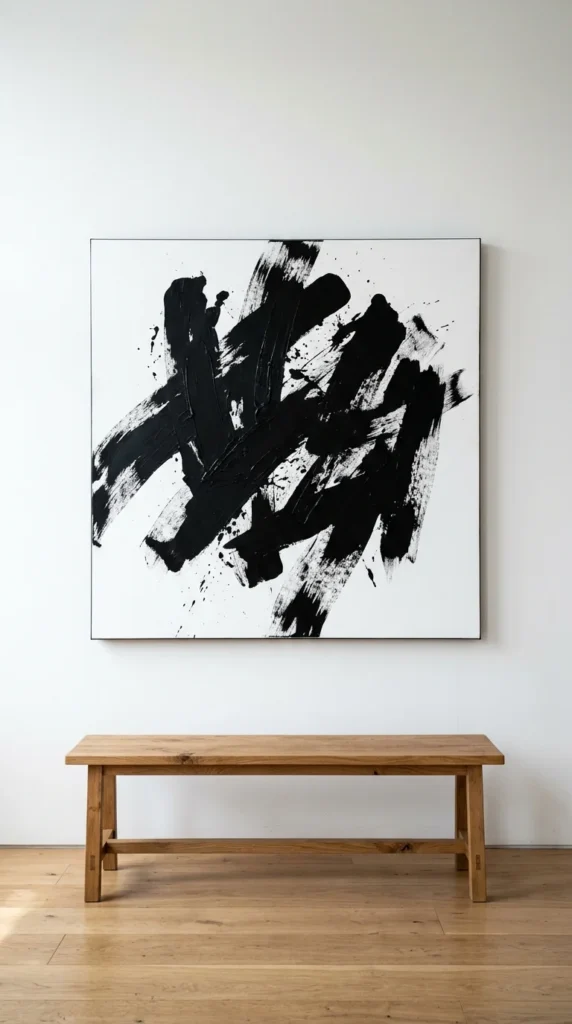
In a minimalist room, one large piece of art is more effective than a gallery wall. A singular statement piece provides a focal point and reflects your personal style without cluttering the visual field. Choose something with a simple composition or an abstract design that complements the room’s color story.
7. Organic Shapes
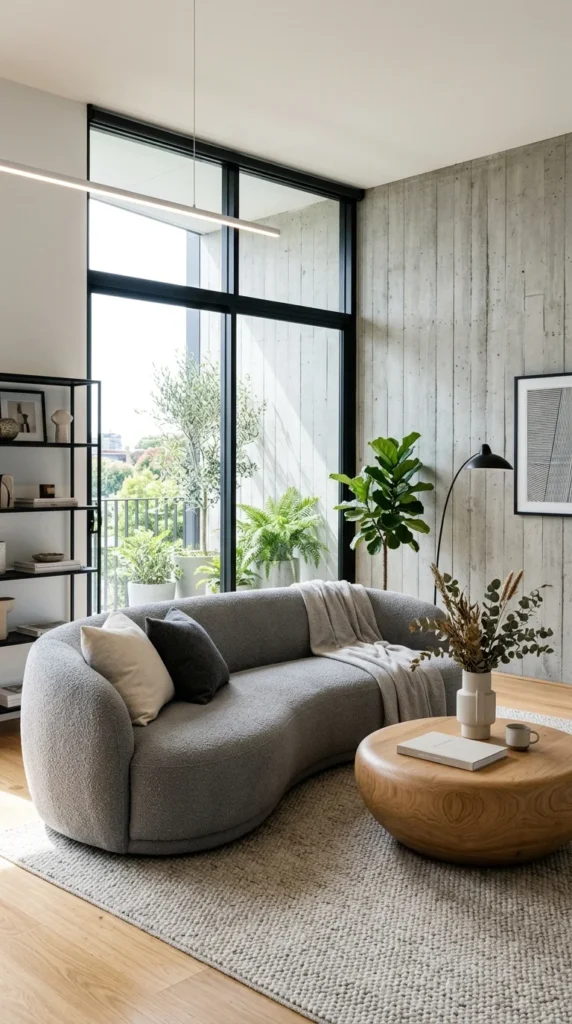
While minimalism often leans toward sharp lines, incorporating organic, rounded shapes can soften the look. A curved sofa, a round coffee table, or an arched doorway introduces a sense of flow and comfort, preventing the space from feeling too clinical or rigid.
8. Functional Decor
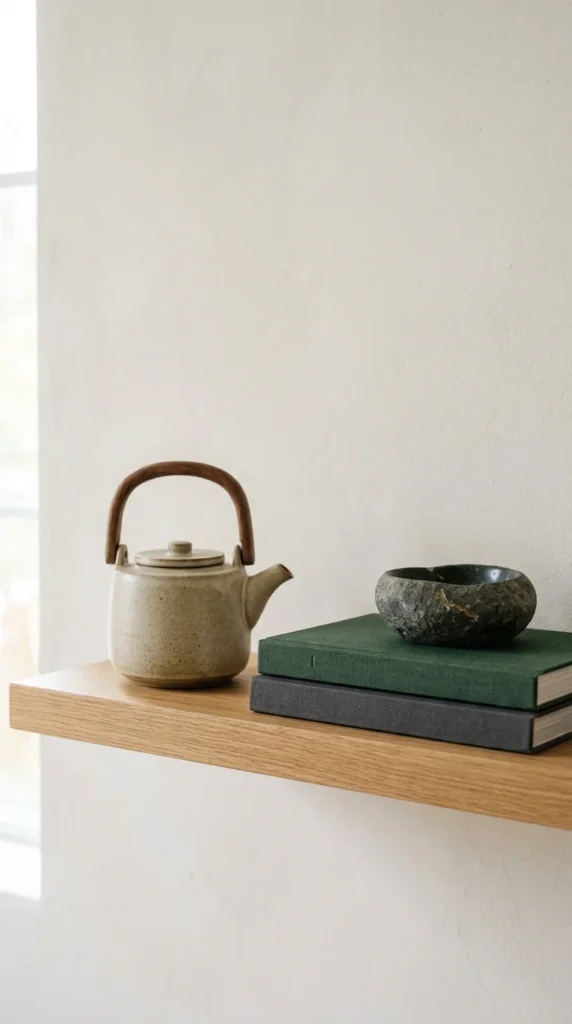
In a minimalist space, every object should earn its place. Functional decor—items that are both beautiful and useful—reduces the need for “knick-knacks.” Consider a high-design table lamp, a sculptural watering can for plants, or a beautifully bound set of books that you actually read.
9. Indoor Greenery
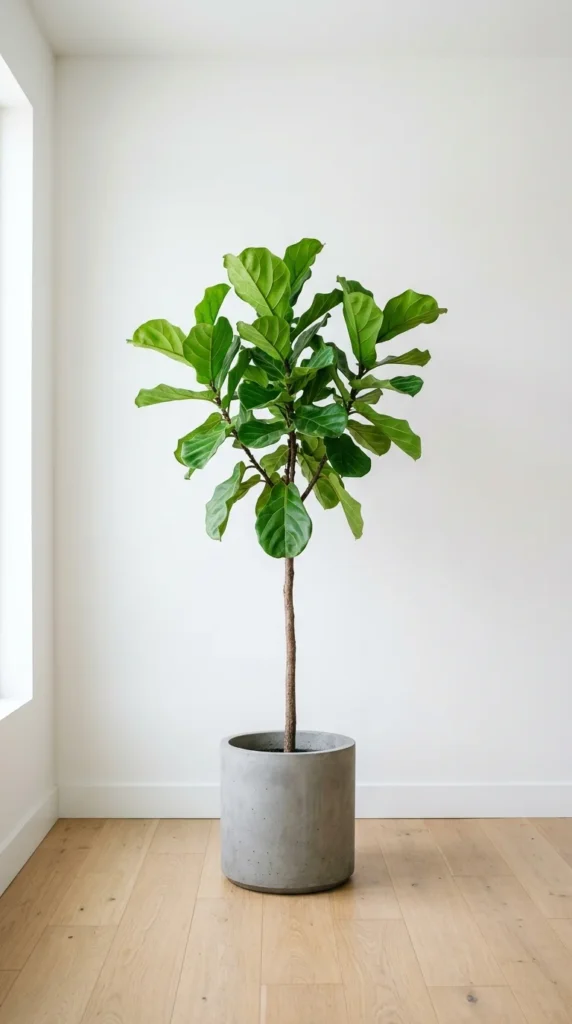
Plants are the perfect minimalist accessory. They provide a natural pop of color and organic movement. Rather than a collection of small pots, choose one or two large “statement” plants to anchor the room. This keeps the look intentional and prevents the space from feeling crowded.
10. Open Floor Plan
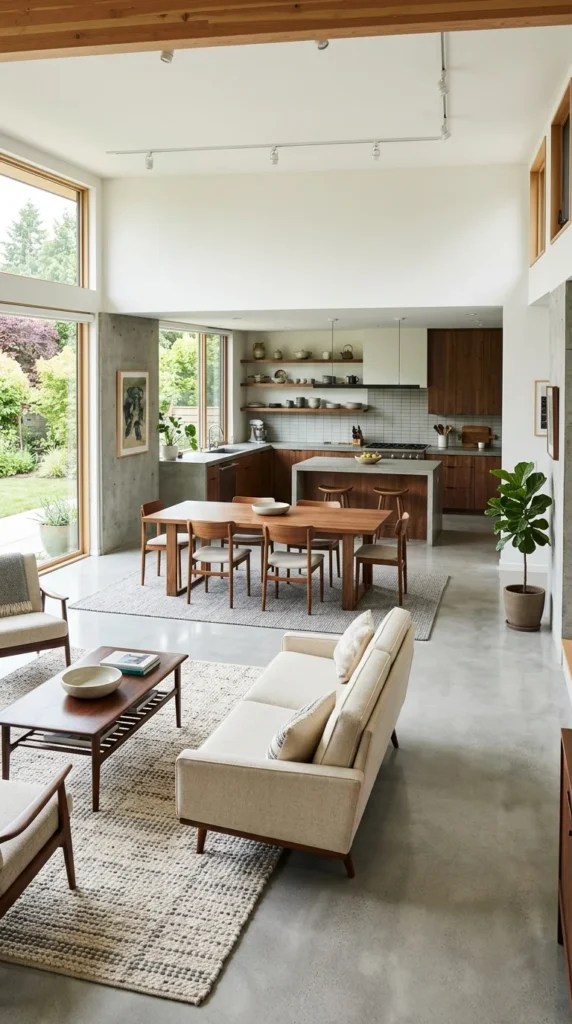
Minimalism thrives in open spaces. If your architecture allows, an open floor plan emphasizes the volume of the house. Use area rugs and strategic furniture placement to define different “zones” for lounging, dining, or working without the need for physical barriers.
11. Minimalist Lighting
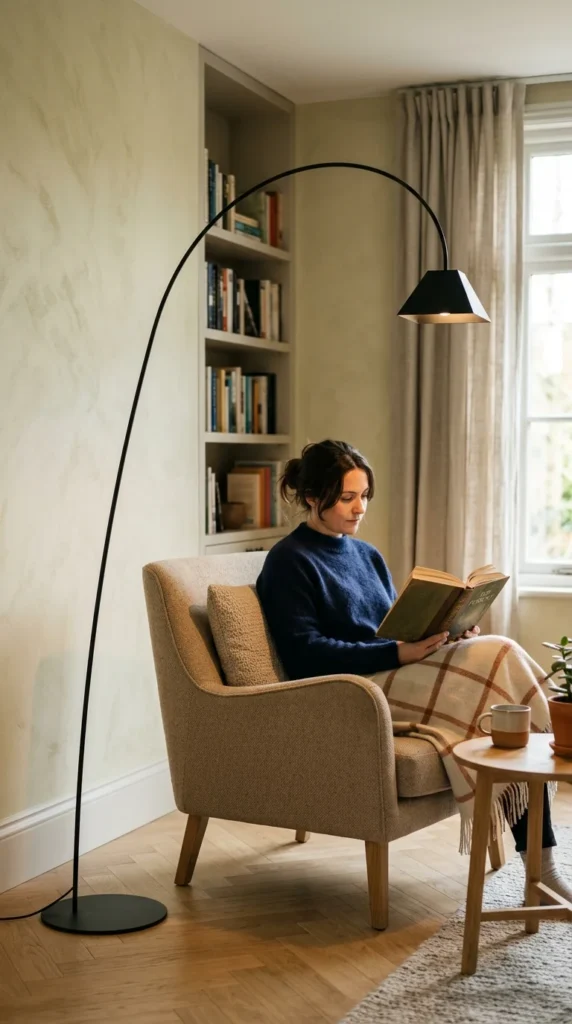
Lighting fixtures should be treated as functional sculptures. Look for designs with thin profiles, matte finishes, and simple geometric shapes. Recessed lighting or track lighting can also be used to provide ample illumination without occupying any visual “airspace” in the room.
12. Bare Windows
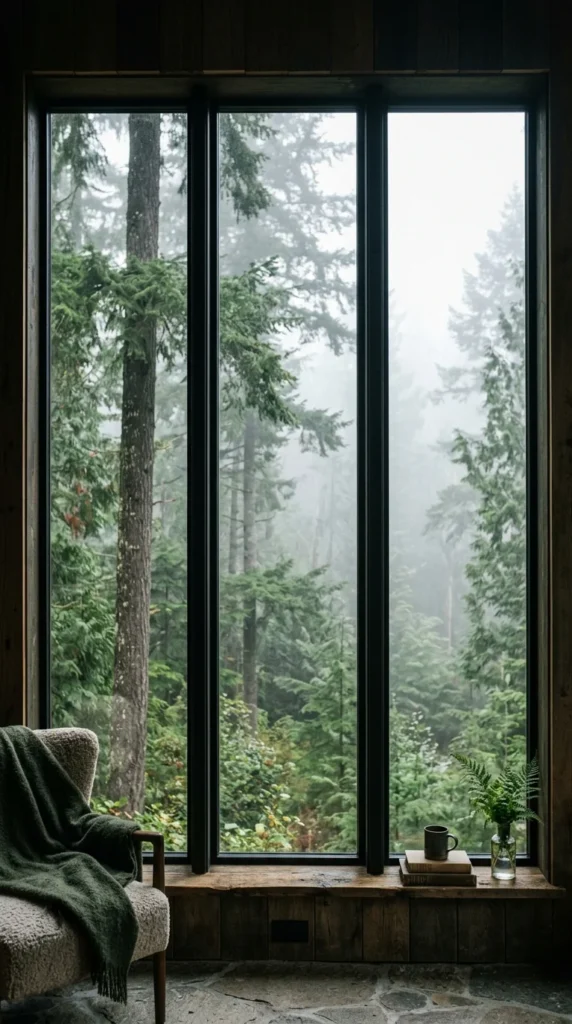
If your privacy and light control allow, leaving windows bare is the ultimate minimalist move. It creates a seamless connection between the indoors and the outdoors. If you must have coverings, consider recessed roller shades that disappear into the ceiling when they are not in use.
13. Wood Accents
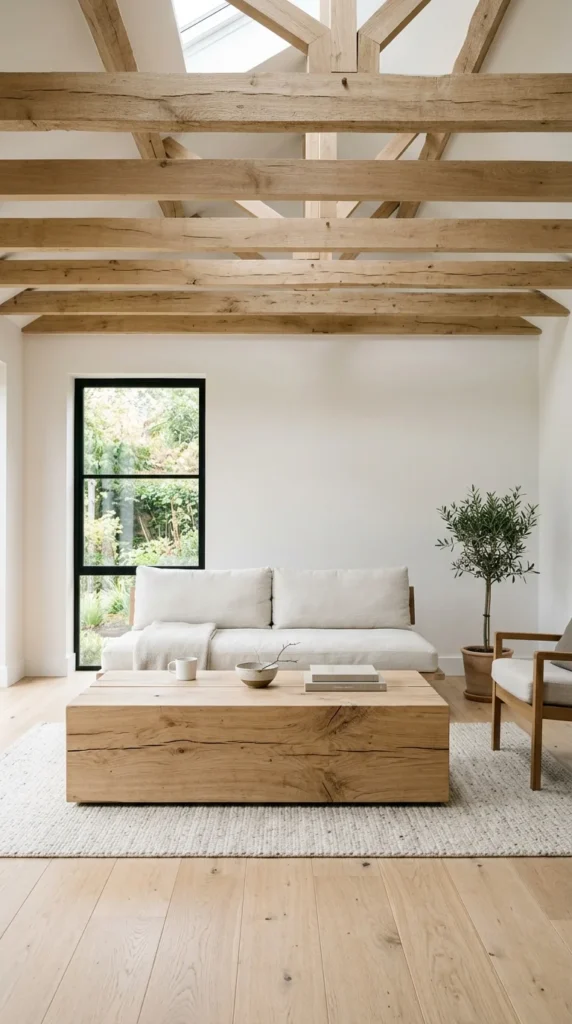
Wood brings an essential warmth to a clean space. To keep it minimalist, stick to lighter woods like oak, ash, or maple with a matte finish. Use wood sparingly—perhaps in the flooring, a single piece of furniture, or architectural details—to maintain a modern, airy feel.
14. Strategic Rugs
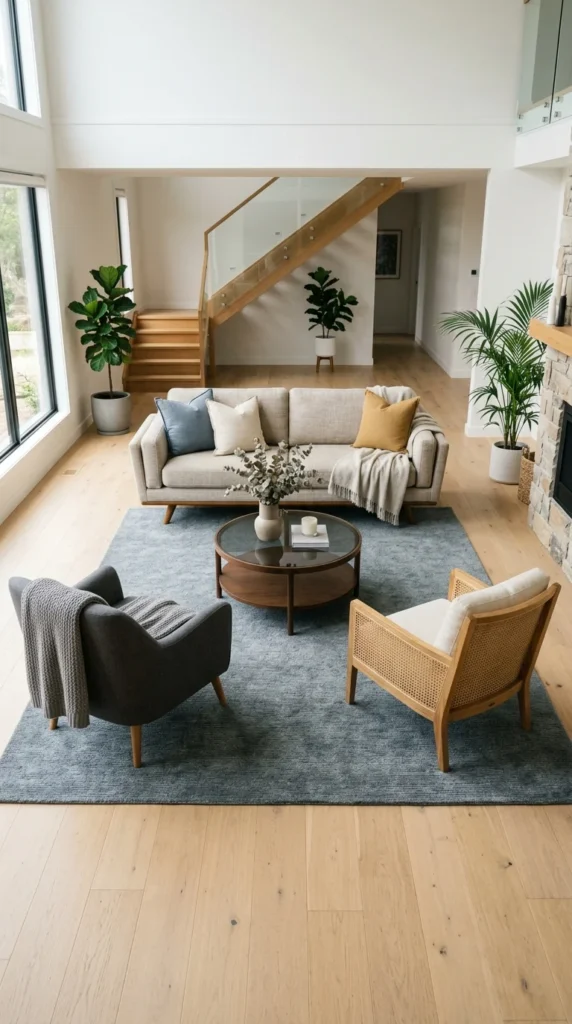
A rug is vital for “grounding” a minimalist room. Choose a rug that is large enough for all the furniture in the seating area to sit on, which creates a sense of unity. Opt for solid colors or very subtle, tonal patterns to keep the floor from becoming a distraction.
15. Clutter-Free Surfaces
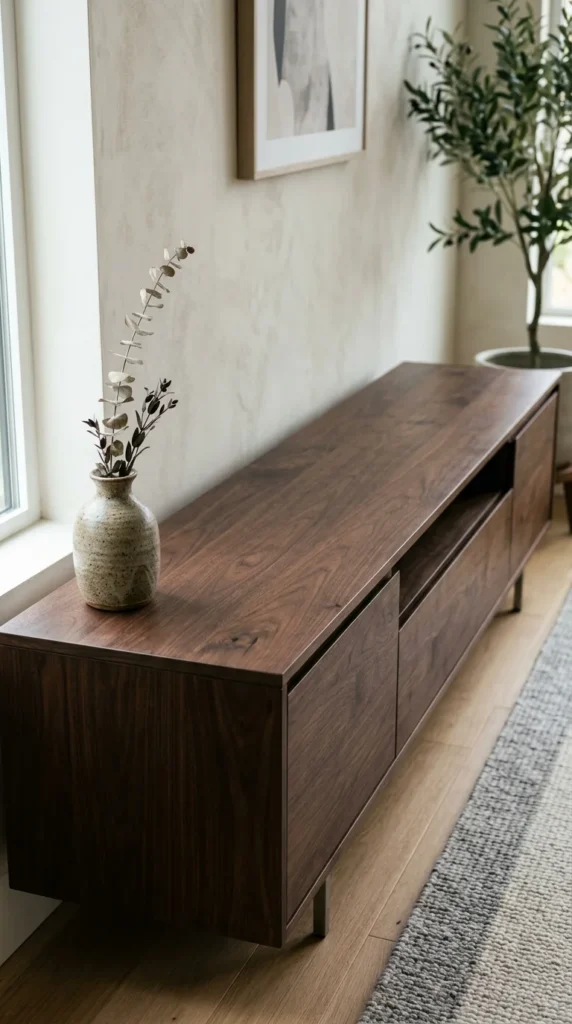
The hallmark of a minimalist living room is empty surface space. Whether it is the coffee table, the mantel, or the media console, aim to keep them largely clear. This creates a sense of “visual rest,” allowing your eyes to move through the room without being interrupted by small objects.
16. Mixed Materials
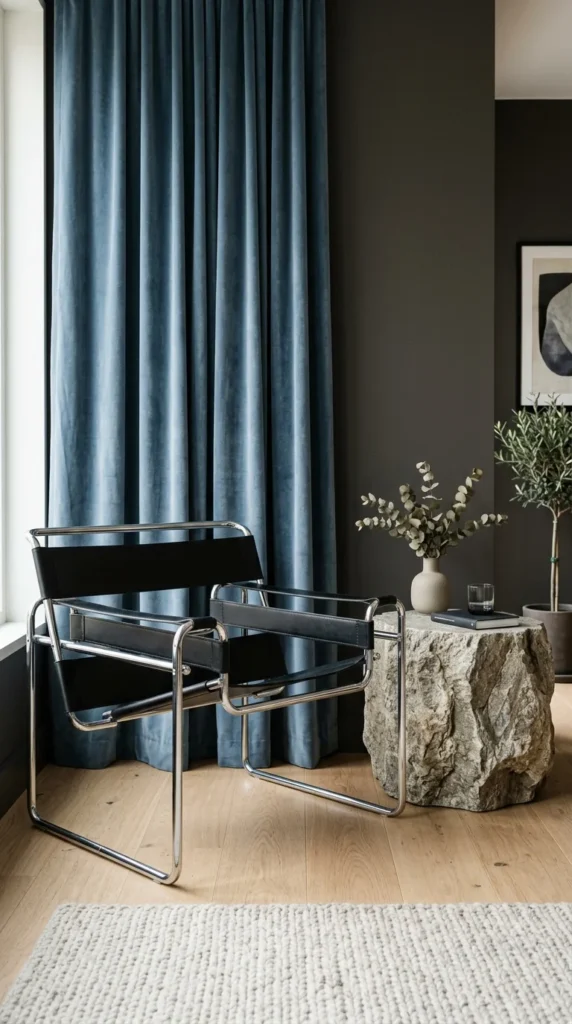
Contrast is key when working with a limited color palette. Mixing materials—like pairing a cold metal chair with a warm wool throw—adds a sophisticated layer of complexity. This prevents the minimalist aesthetic from feeling one-dimensional or boring.
17. Soft Neutral Tones
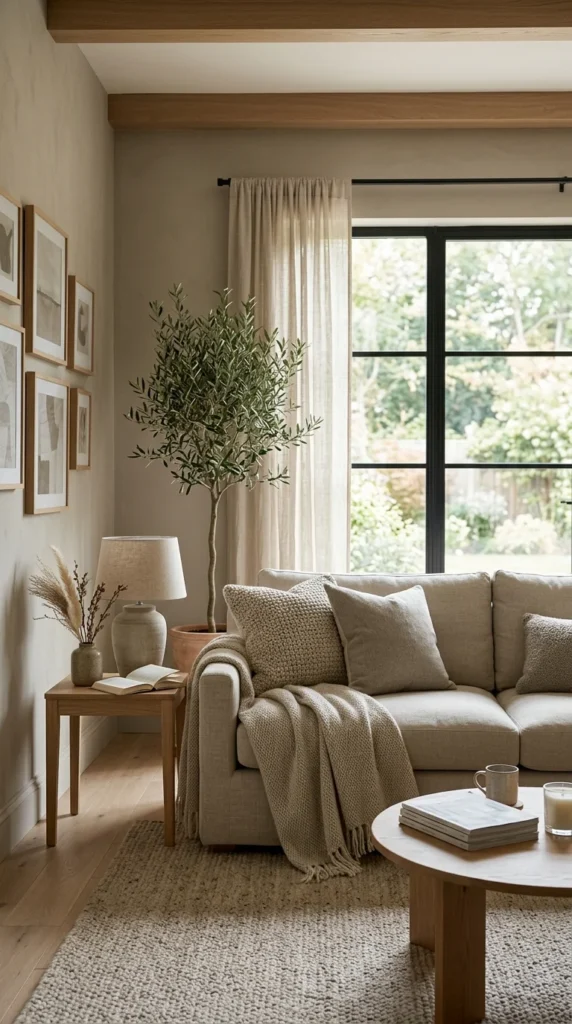
If pure white feels too stark, soft neutrals like “greige,” taupe, and mushroom are excellent alternatives. These colors provide a bit more warmth and are more forgiving with shadows and dirt, making them a practical choice for a family living room while remaining firmly minimalist.
18. Sculptural Seating
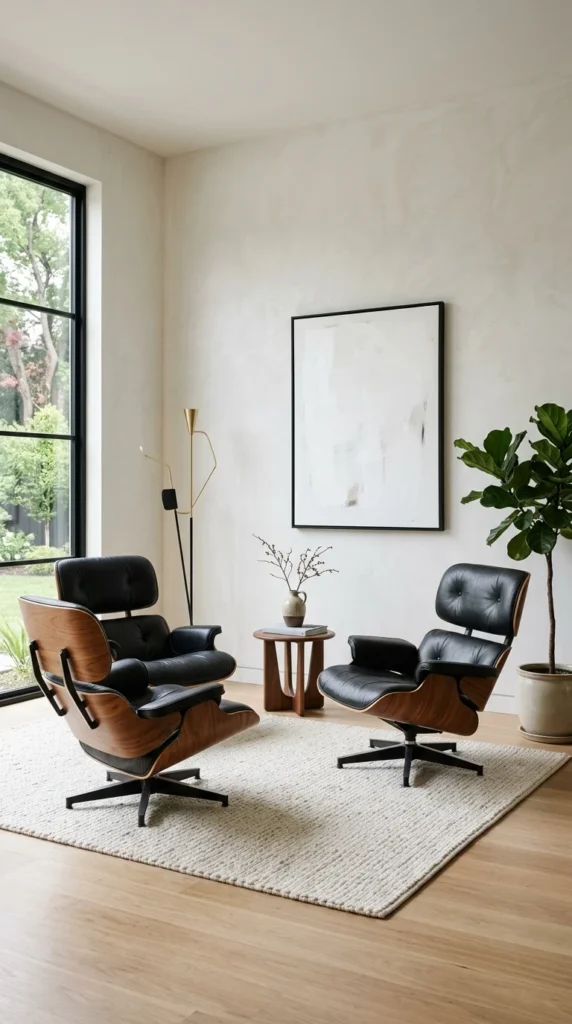
In a room with few items, the shape of your seating becomes a major design element. Choose chairs and sofas with interesting silhouettes—perhaps a bold angular frame or a uniquely tapered leg. This allows the furniture to serve as both a place to sit and a visual focal point.
19. Negative Space
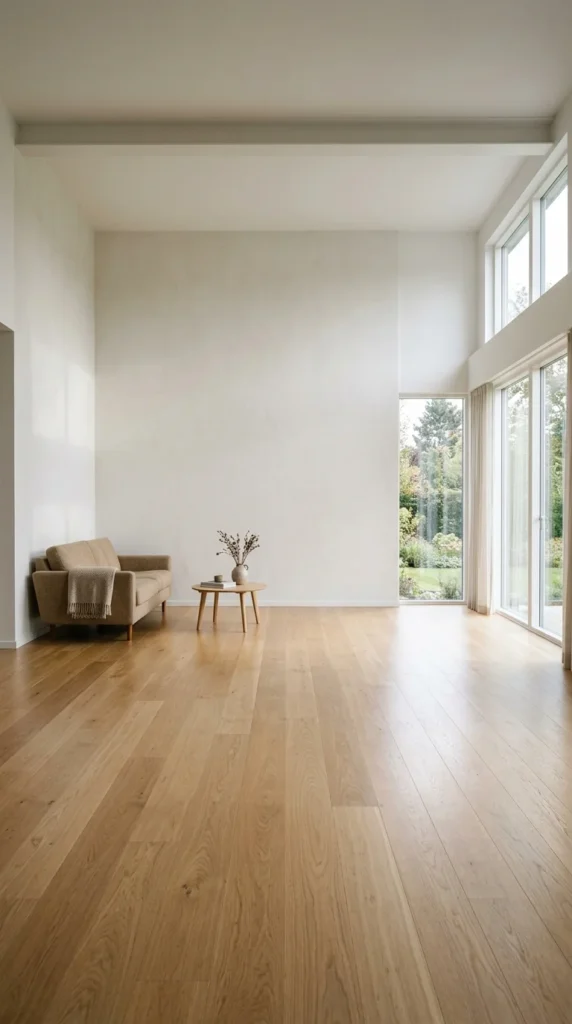
Negative space—the empty areas around and between objects—is just as important as the objects themselves. Don’t feel the need to fill every corner or every wall. Embracing emptiness allows the room to “breathe” and creates a more peaceful, meditative environment.
20. Matte Finishes
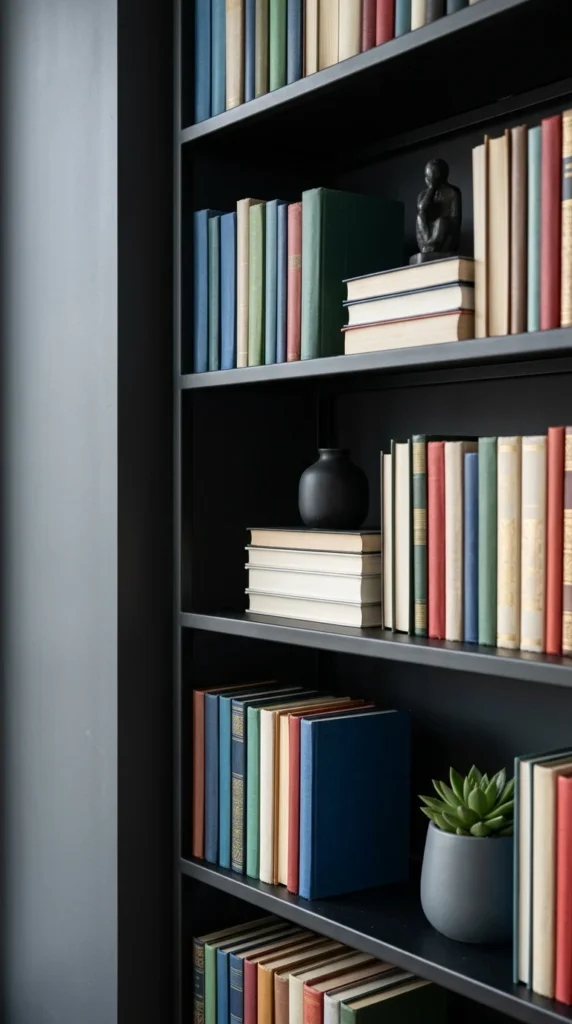
Glossy surfaces can sometimes feel loud or dated. Matte finishes on walls, furniture, and hardware absorb light rather than reflecting it, which contributes to a softer and more contemporary look. Matte black hardware, in particular, adds a sharp, clean edge to a minimalist room.
21. Personal Touches
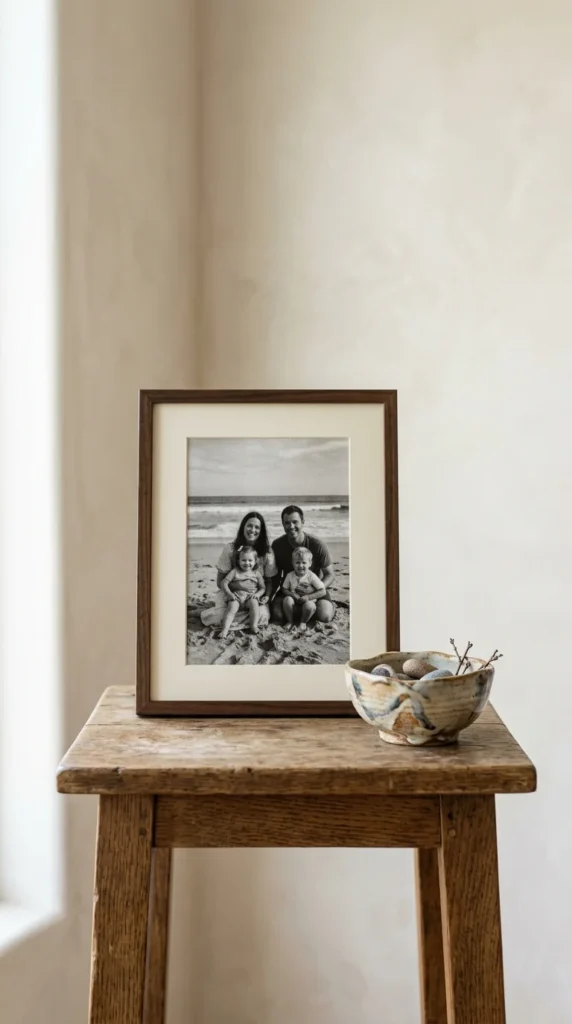
Minimalism isn’t about removing your personality; it’s about curating it. Choose a few deeply meaningful items to display—a family heirloom, a travel souvenir, or a favorite book. By giving these items space, you highlight their importance and ensure your living room feels like home.