
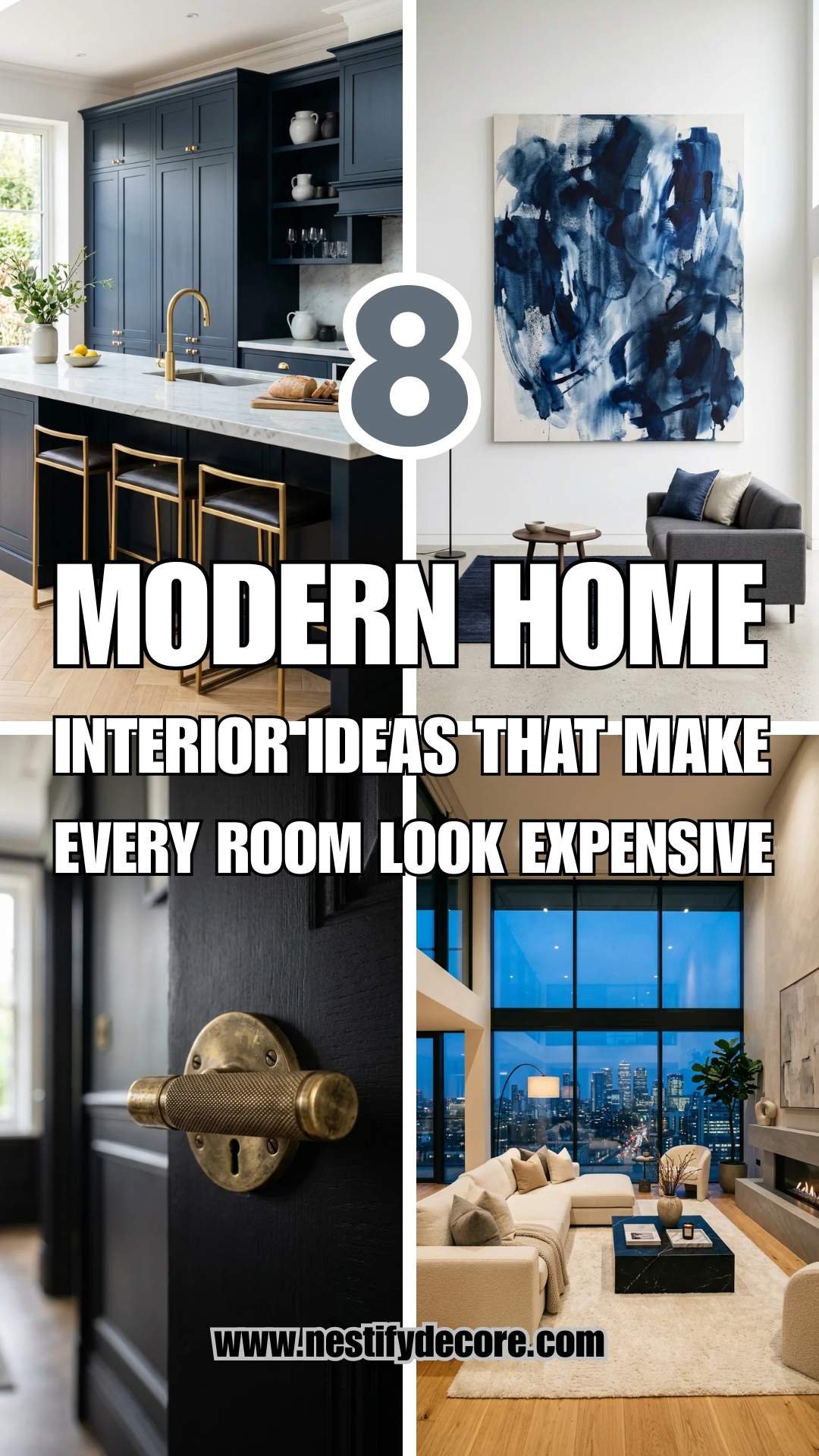
Achieving a high-end, “expensive” look in home interior design isn’t necessarily about the price tag of individual items; it is about the intentionality of the design, the quality of materials, and the cohesive flow of the space. Modern luxury is defined by a “less is more” philosophy where every piece serves a purpose and contributes to a sophisticated atmosphere. Whether you are renovating a single room or redesigning your entire home, these eight interior design strategies will elevate your space to a professional, editorial level.
1. Monochromatic Palettes
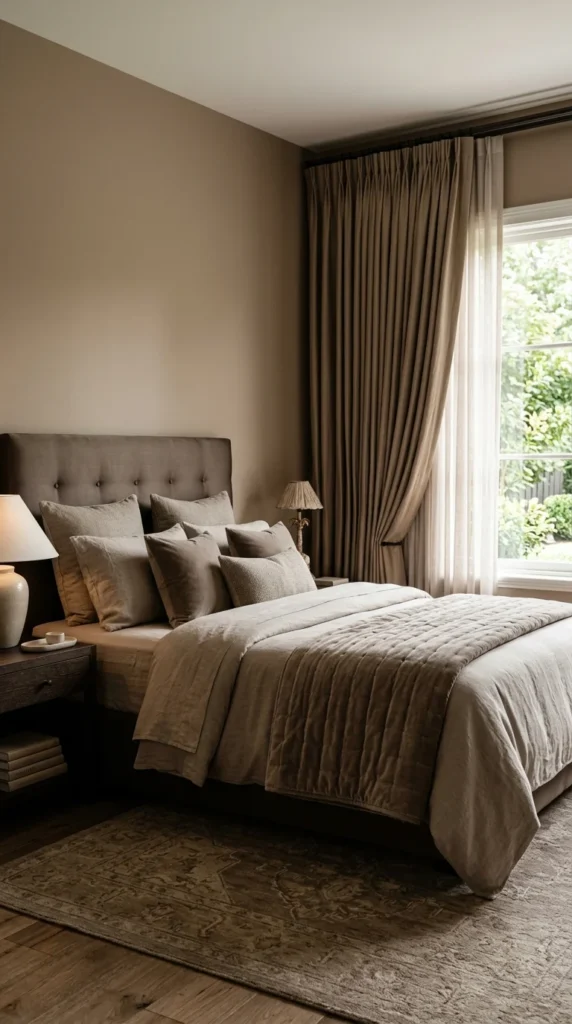
One of the fastest ways to make a room look expensive is to lean into a monochromatic or tonal color scheme. When you limit the color palette to various shades of the same hue—such as warm whites, soft greys, or deep olives—the eye is not distracted by jarring transitions. Instead, it focuses on the architecture of the room and the quality of the furnishings.
- Create Depth with Tones: Avoid using just one flat color. Instead, use “sister” shades. For a white room, mix cream, ivory, and alabaster to prevent the space from feeling cold or clinical.
- The Power of Neutrals: Neutral tones like beige, sand, and charcoal are timeless. They allow the light in the room to take center stage, which inherently feels more luxurious.
- Unified Flow: Using a consistent color story throughout the home creates a “galleria” effect, making the transition between rooms feel seamless and expansive.
2. Statement Lighting
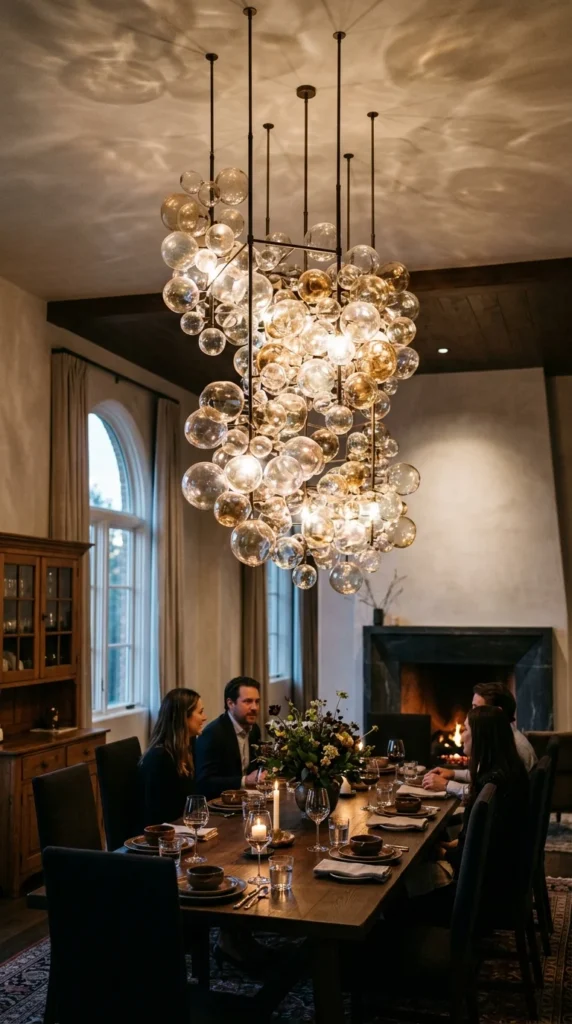
Lighting is often referred to as the “jewelry” of a room. Standard, builder-grade light fixtures can immediately make a high-end home feel dated or cheap. To achieve an expensive aesthetic, you must scale up. A large, sculptural light fixture acts as a focal point, drawing the eye upward and defining the “zone” of a room.
- Scale Matters: Most homeowners choose fixtures that are too small. An oversized pendant light in a small entryway or a massive chandelier over a dining table creates a sense of grandeur and confidence in design.
- Layered Lighting: Luxury lighting isn’t just about one bright overhead light. It involves three layers: ambient (general), task (reading or cooking), and accent (highlighting art or architecture).
- Warmth over Brightness: Use warm-toned LED bulbs (2700K to 3000K) and install dimmer switches. Being able to control the mood of the light is a hallmark of high-end interior design.
3. Wall Molding
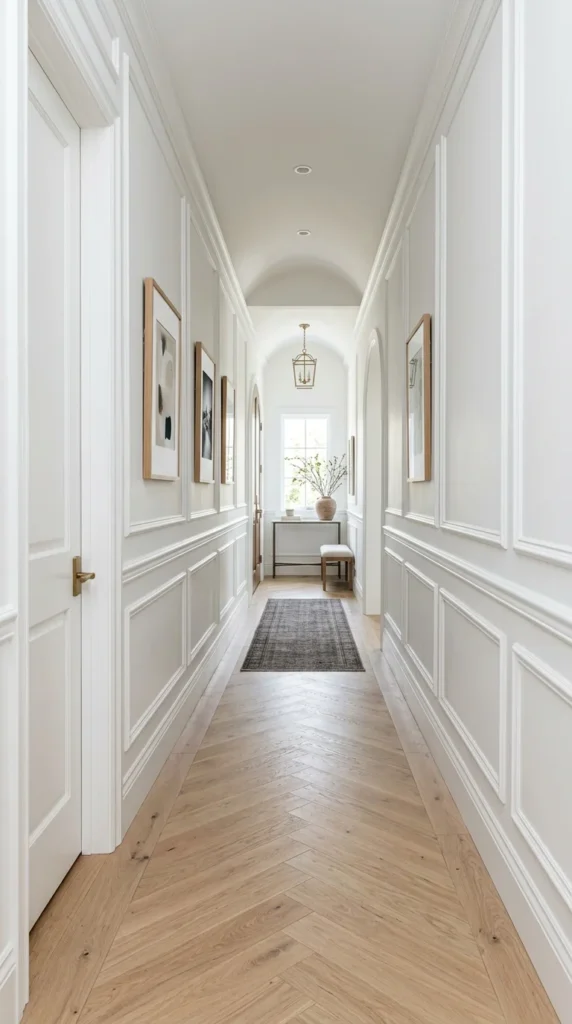
Empty, flat drywall can often feel unfinished. Adding architectural details like crown molding, picture-frame wainscoting, or slat wood panels adds a “bespoke” quality that screams luxury. These details suggest that the home was custom-built with attention to craftsmanship.
- Modern Interpretations: You don’t have to go for ornate, Victorian-style molding. Modern homes benefit from clean, sharp lines. Shiplap (installed vertically) or simple square-edged trim can provide the same elevated feel.
- Tone-on-Tone: Paint your molding the exact same color as your walls but in a different finish (e.g., matte walls with satin trim). This creates a subtle, sophisticated texture that looks incredibly high-end.
- Height Perception: Installing molding higher up on the wall or running it all the way to the ceiling can trick the eye into thinking the ceilings are much taller than they actually are.
4. Layered Textures
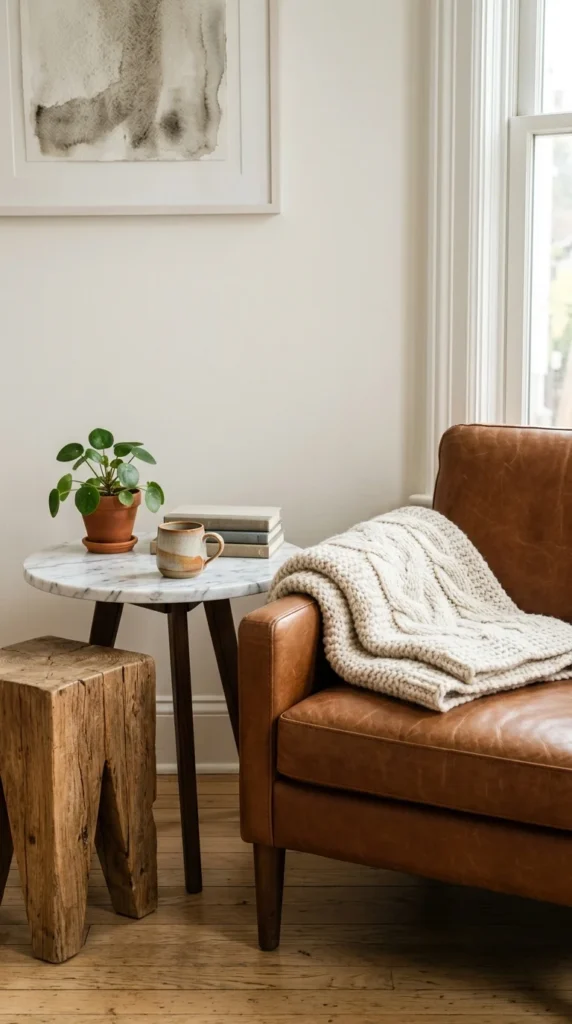
Luxury is a tactile experience. A room that feels “flat” often lacks a variety of textures. By layering different materials, you create a rich, sensory environment that feels curated over time rather than bought from a single showroom floor.
- Natural Elements: Incorporate “honest” materials like stone, wood, leather, and linen. These materials age beautifully and have an inherent weight and quality that synthetic materials lack.
- Contrast is Key: Pair opposites to create visual interest. Place a soft, high-pile rug on a hard polished concrete floor, or set a velvet pillow against a smooth leather sofa.
- Soft Goods: Invest in high-quality textiles. Thick, heavy-weight curtains that puddle slightly on the floor and down-filled cushions give furniture a “plump” and expensive look compared to foam-filled alternatives.
5. Custom Built-ins
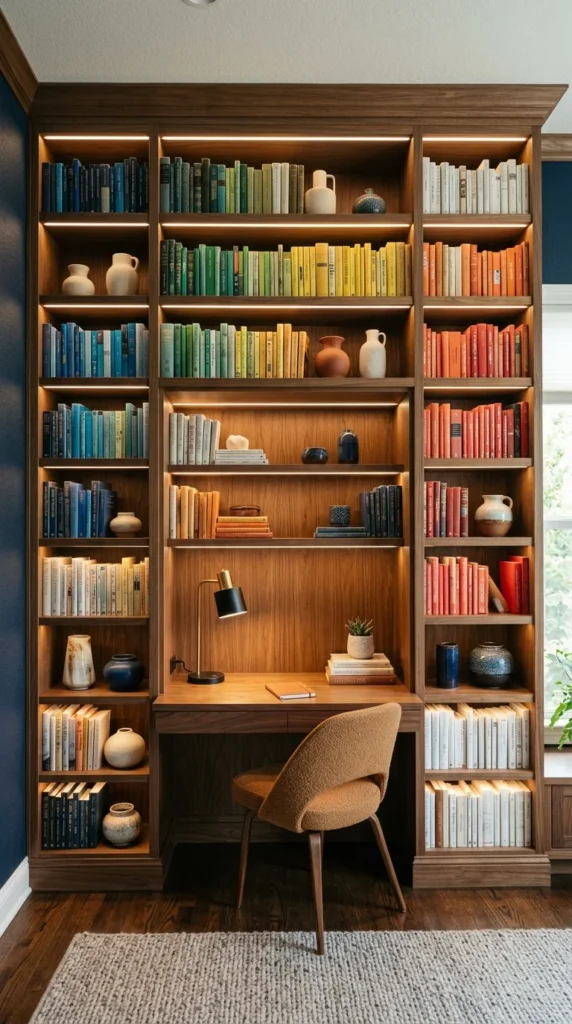
Clutter is the enemy of an expensive-looking home. Custom cabinetry and built-in shelving provide a permanent solution for storage while making the furniture feel like it is part of the home’s DNA.
- Floor-to-Ceiling: Built-ins should ideally go from the floor all the way to the ceiling. This maximizes storage and draws the eye upward, emphasizing the vertical volume of the room.
- Hide the Tech: Use built-ins to hide unsightly wires, routers, and television screens. A “hidden” TV cabinet or a desk that folds away into a wardrobe keeps the aesthetic clean.
- Integrated Lighting: Adding puck lights or LED strips inside shelving units elevates the look, turning a simple bookshelf into a display for art and collectibles.
6. Metallic Accents
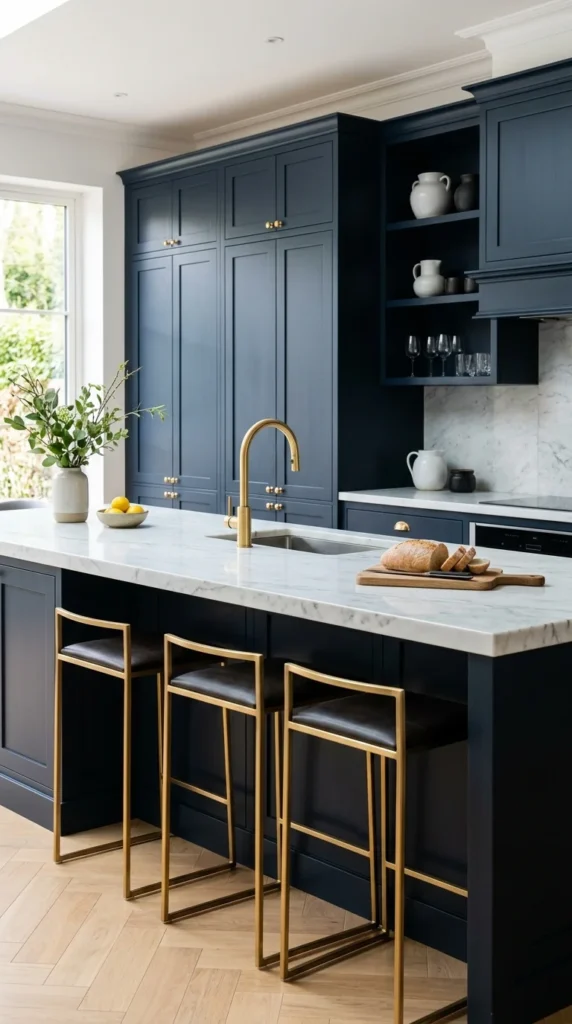
The right metal finishes can act as the “glam” factor in a modern interior. However, the key to making it look expensive rather than gaudy is moderation and consistency.
- Warm Metals: Brass, gold, and bronze are currently favored in high-end design because they add warmth to the often cool-toned modern palette.
- Mixed Metals: While consistency is good, a “matched set” look can feel dated. You can mix metals (like black iron with brass) as long as one metal is dominant and the other is used as an accent.
- Quality over Shine: Opt for brushed, satin, or “living” finishes (metals that patina over time) rather than high-shine chrome, which can sometimes look like plastic.
7. Large-Scale Art
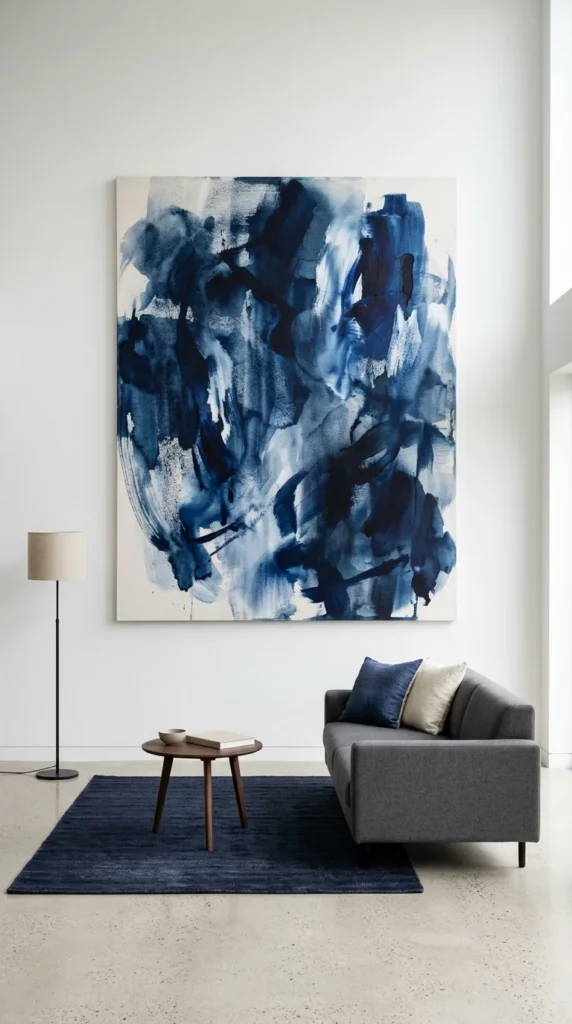
A common mistake is hanging many small pieces of art on a single wall, which can create a cluttered “gallery wall” look that feels busy. To make a room look expensive, choose one or two oversized pieces.
- The Museum Effect: Large art creates a focal point and gives a room a sense of importance. It suggests that the piece was chosen specifically for that space.
- Proper Framing: Even an affordable print can look like a million dollars if it is professionally framed with a large mat and a high-quality frame.
- Negative Space: Don’t feel the need to fill every wall. Leaving “breathing room” around a large piece of art makes the room feel more like a curated gallery and less like a cluttered home.
8. Luxury Hardware
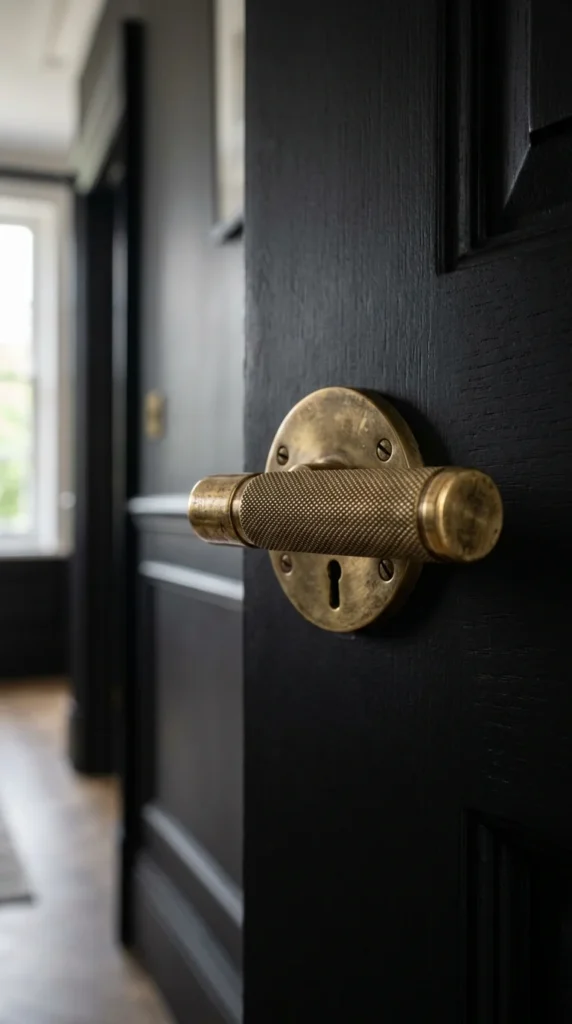
Often overlooked, the hardware—the knobs, pulls, faucets, and switches—is what you touch every day. Upgrading these small “touchpoints” can have a massive psychological impact on how expensive a home feels.
- Weighty Materials: Replace lightweight, hollow cabinet pulls with solid brass, stone, or heavy steel. The weight of the handle when you open a drawer conveys a sense of quality.
- Unique Designs: Look for hardware with unique textures, such as knurling (a cross-hatch pattern) or organic, hand-forged shapes.
- Coordinated Switches: Standard white plastic light switches can break the “vibe” of a luxury room. Upgrading to metal switch plates or toggle switches in a finish that matches your door hardware creates a cohesive, high-end finish.