
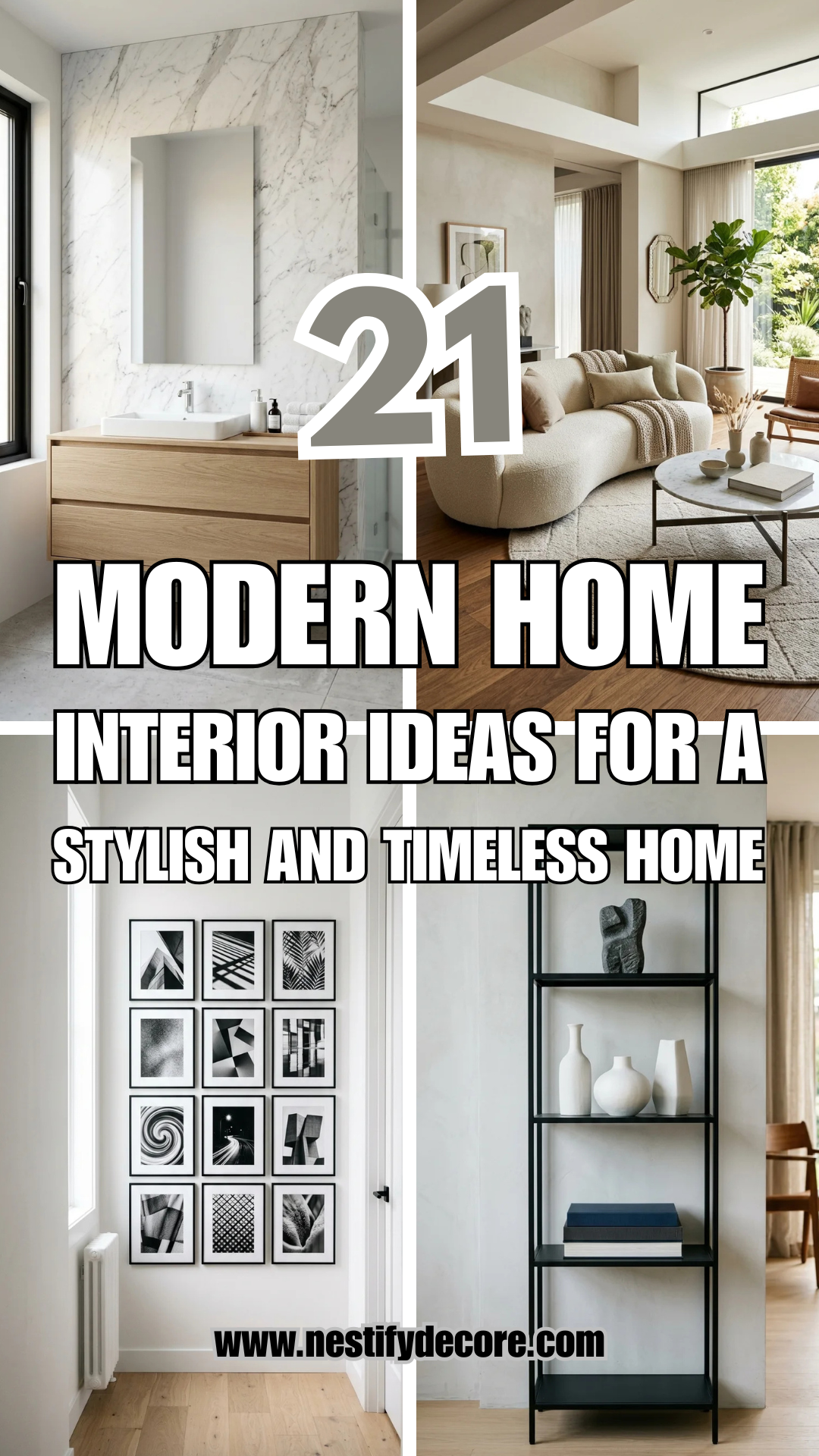
Creating a home that feels both modern and timeless is a delicate balancing act. It requires a keen eye for current trends while staying rooted in design principles that won’t feel dated in a few years. A stylish home is not just about following the latest craze; it is about curateing an environment that reflects your personality, promotes comfort, and utilizes high-quality materials. From the warmth of natural wood to the sleekness of smart technology, these 22 ideas will help you transform your living space into a sanctuary of sophistication.
1. Neutral Palettes
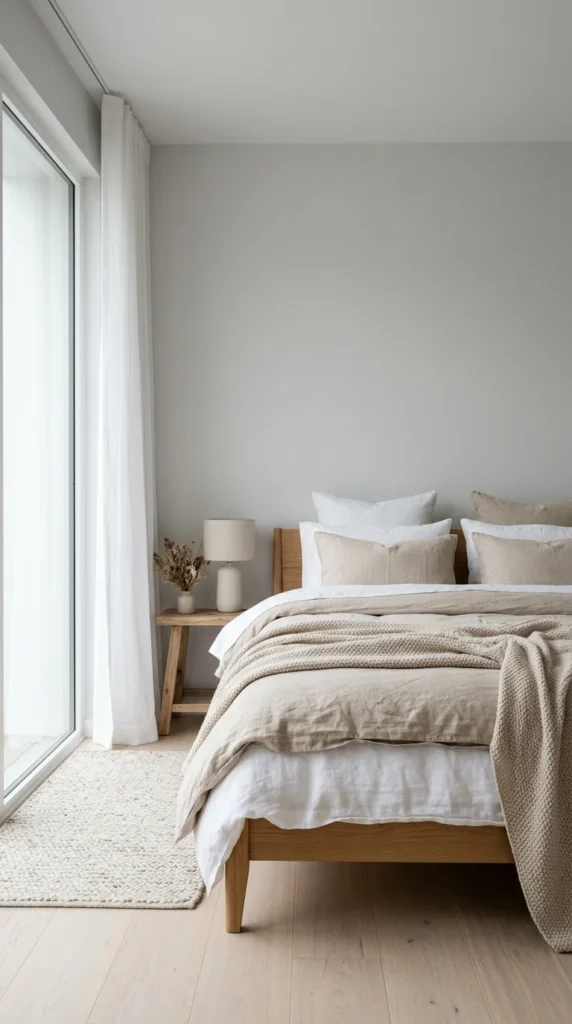
A neutral color palette serves as the ultimate foundation for a timeless home. By using varying shades of white, cream, beige, and soft greys, you create a serene backdrop that allows architectural details and furniture shapes to shine. Neutrals provide a sense of calm and airiness, making rooms feel larger and more inviting. To prevent the space from feeling flat, incorporate different tones and undertones within the same color family. This layering effect adds depth and sophistication without the need for loud, jarring colors that might lose their appeal over time.
2. Natural Wood
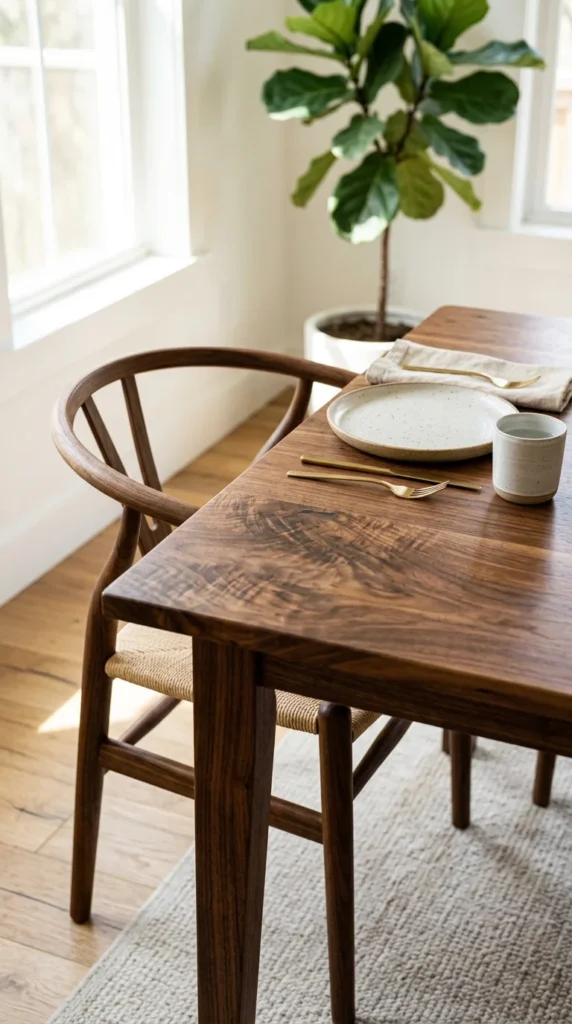
Incorporating natural wood elements is one of the most effective ways to bring warmth and organic texture into a modern home. Whether it is light oak flooring, a walnut dining table, or cedar ceiling beams, wood connects the indoors with the natural world. The beauty of wood lies in its imperfections—the knots and grain patterns tell a story of longevity. In modern design, look for clean lines and matte finishes rather than high-gloss stains. This keeps the look contemporary while ensuring the material’s natural character remains the focal point.
3. Statement Lighting
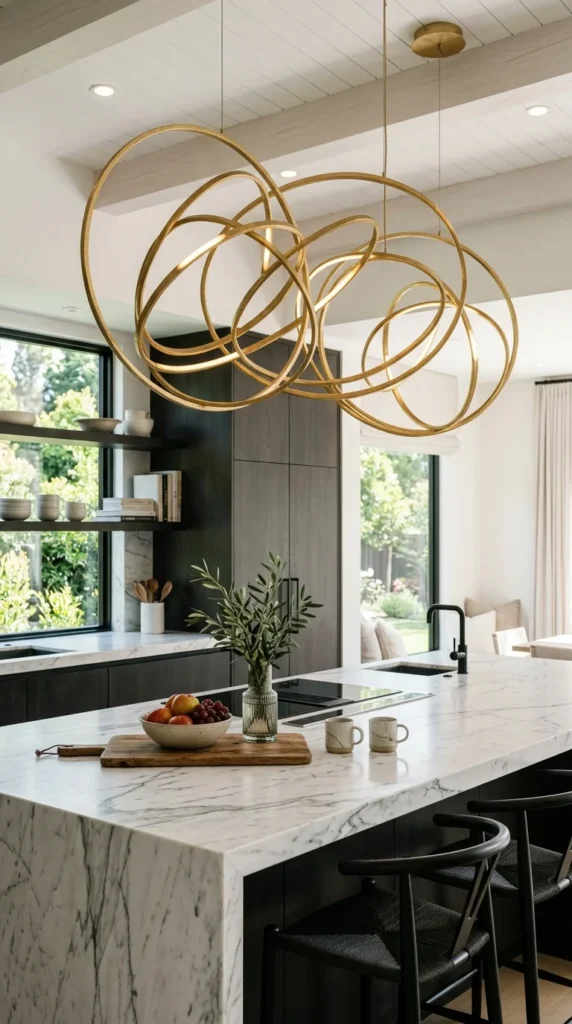
Lighting is often referred to as the “jewelry” of a room. In a stylish home, lighting should be both functional and sculptural. Moving away from standard recessed cans, statement lighting—such as oversized pendants, geometric chandeliers, or architectural floor lamps—creates a focal point and sets the mood. A well-placed light fixture can define a space, such as a low-hanging pendant over a dining table or a series of sleek sconces flanking a bathroom mirror. The key is to choose pieces that have a strong silhouette and a finish that complements your overall hardware.
4. Indoor Greenery
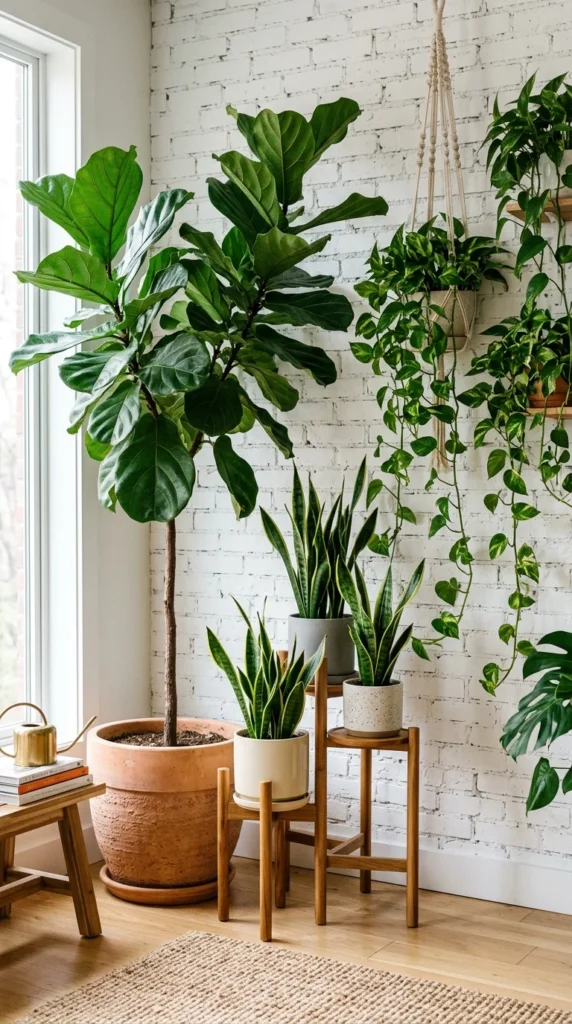
Bringing the outdoors in is a hallmark of modern interior design. Indoor plants do more than just look good; they improve air quality and provide a psychological boost. To keep the look sophisticated, opt for large-scale “anchor” plants like a Fiddle Leaf Fig, an Olive Tree, or a Bird of Paradise. Smaller accents like succulents or air plants can be placed on bookshelves or side tables. The choice of planter is equally important; stone, ceramic, or concrete pots in muted tones help the greenery pop without distracting from the room’s aesthetic.
5. Minimalist Decor
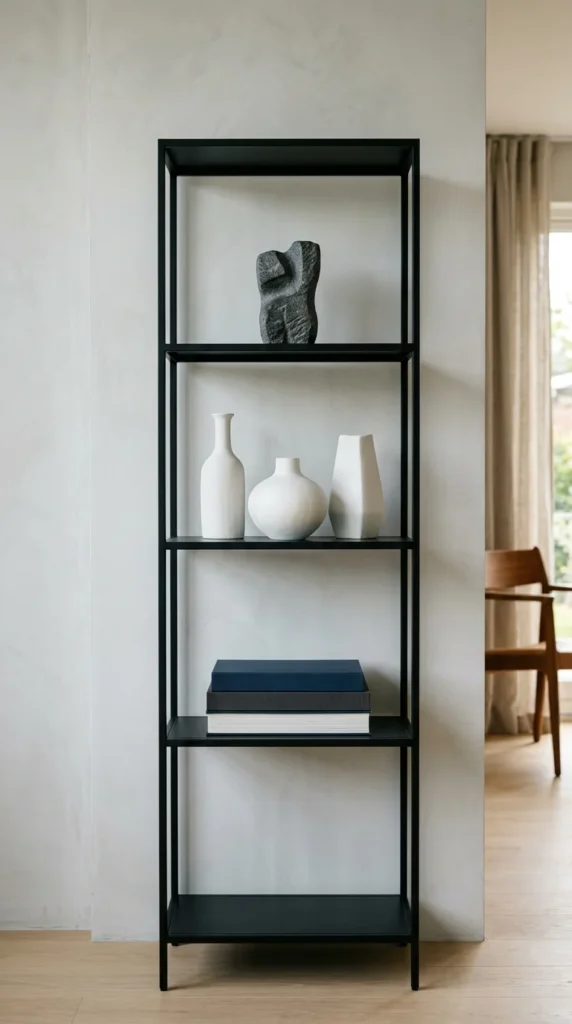
The “less is more” philosophy is central to modern design. Minimalist decor isn’t about having a cold, empty house; it’s about intentionality. Every piece of decor should have a purpose or bring joy. Instead of cluttering surfaces with small knick-knacks, choose a few high-quality items that make an impact. A single, large ceramic vase on a mantel or a carefully curated stack of coffee table books creates a curated, gallery-like feel. This approach reduces visual noise and allows the eye to rest, contributing to a more peaceful environment.
6. Textured Fabrics
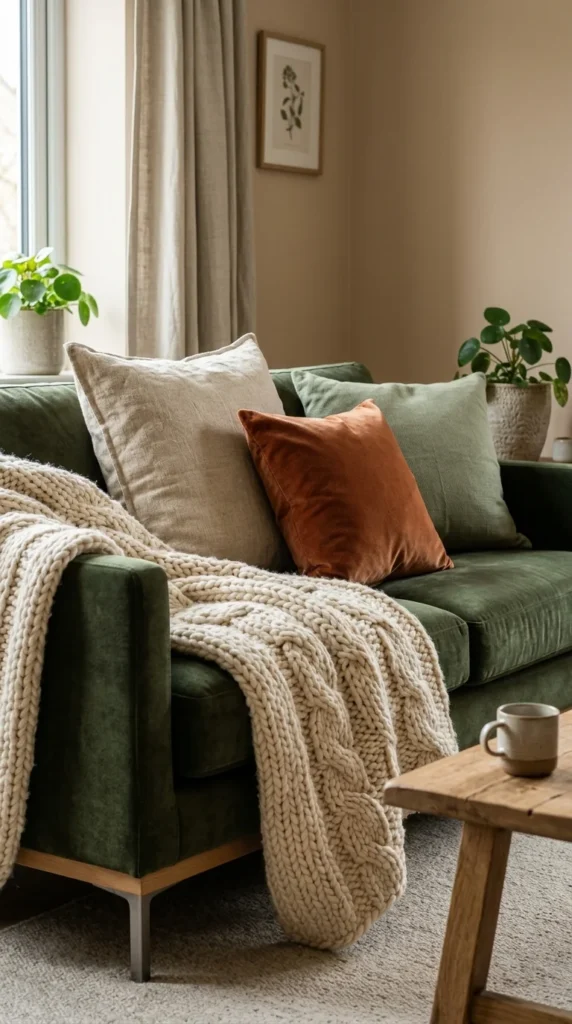
In a home with a limited color palette, texture becomes the primary tool for creating visual interest. Mixing fabrics like linen, wool, velvet, and bouclé adds a tactile dimension that makes a room feel cozy and expensive. A bouclé armchair paired with a smooth leather sofa and a chunky knit throw creates a sophisticated contrast. These layers of texture invite you to touch and feel the space, making it much more than just a visual experience.
7. Open Layouts
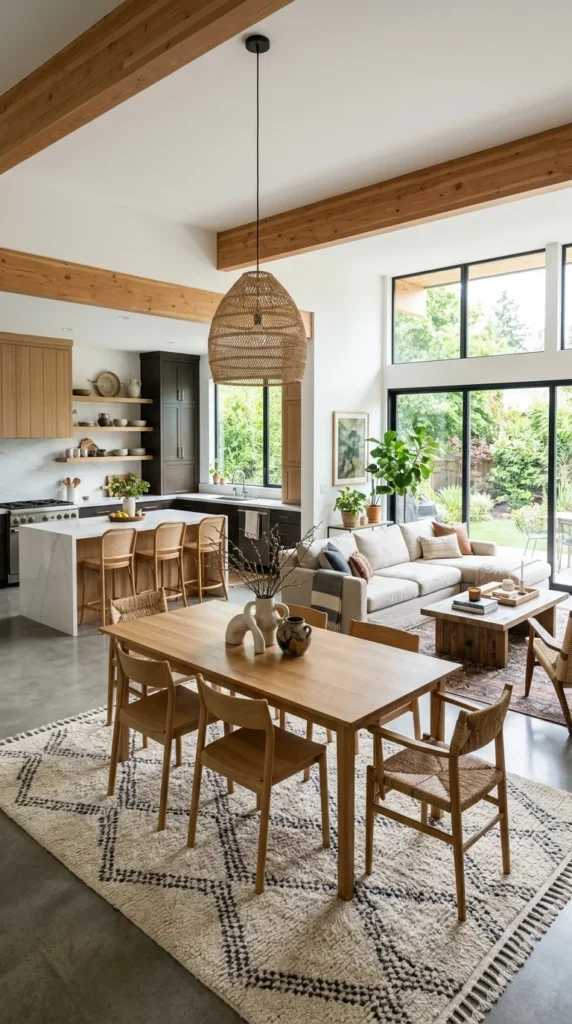
Modern homes thrive on the concept of flow. An open-concept layout breaks down the barriers between the kitchen, dining, and living areas, fostering social interaction and allowing light to penetrate deeper into the home. To make an open layout successful, use furniture, rugs, and lighting to define “zones” without using walls. For example, a large area rug can anchor the seating area, while a kitchen island serves as a natural transition between cooking and socializing.
8. Matte Finishes
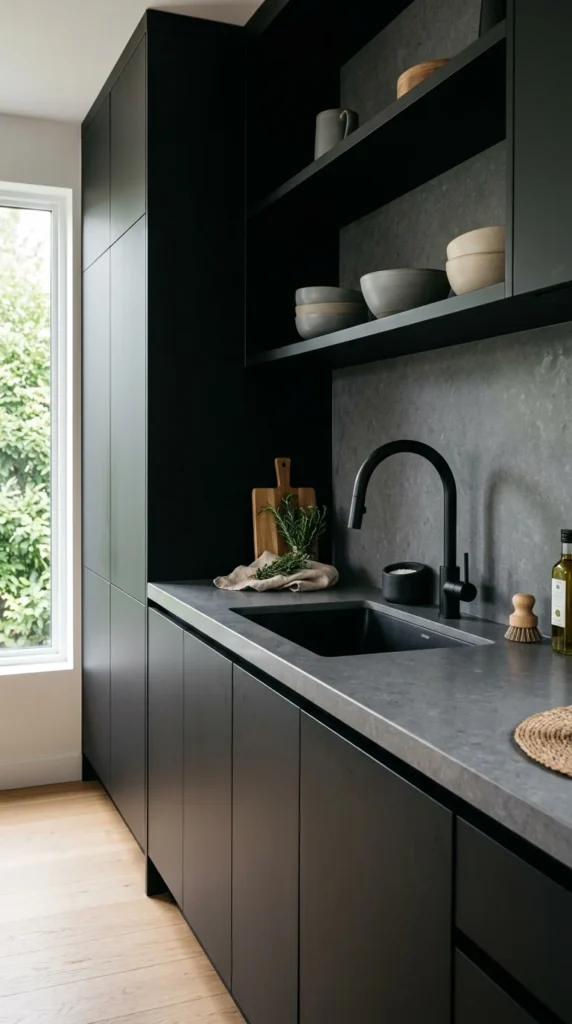
The trend of high-gloss finishes is being replaced by the understated elegance of matte surfaces. Matte black hardware, flat-paint walls, and honed stone countertops provide a contemporary, velvety look that hides fingerprints and reduces glare. These finishes feel more grounded and organic. In kitchens and bathrooms, matte black or brushed nickel faucets and handles offer a sharp, clean contrast against lighter backgrounds, providing a sense of modern precision.
9. Curved Furniture
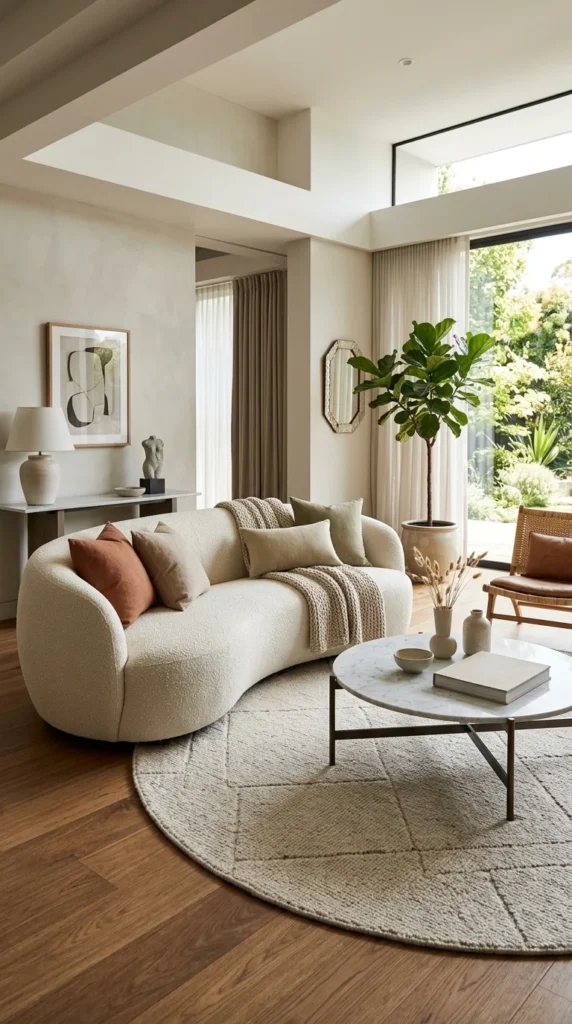
Straight lines dominated the modernism of the past, but today’s “soft modern” look embraces curves. Curved sofas, arched doorways, and rounded coffee tables soften the hard angles of a room, making it feel more fluid and welcoming. This trend draws inspiration from Art Deco and Mid-Century Modern styles, giving it a timeless appeal. A curved velvet sofa can act as a sculptural centerpiece in a living room, breaking the monotony of square walls and rectangular rugs.
10. Large Windows
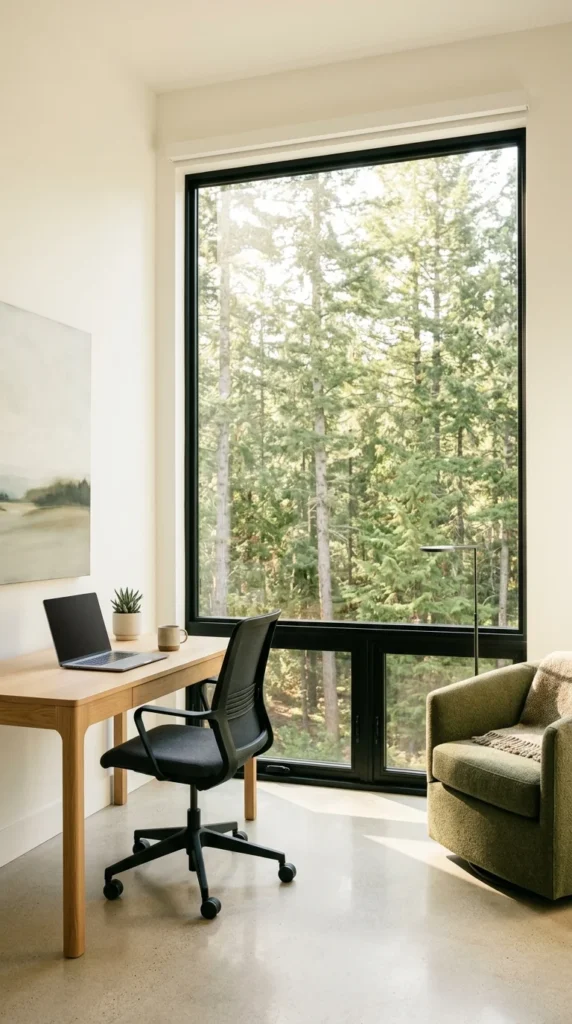
Natural light is perhaps the most luxurious element of modern design. Large, unobstructed windows blur the line between the interior and the exterior, making the home feel connected to its surroundings. If your home allows for it, floor-to-ceiling glass panels or thin-framed steel windows can transform the mood of a room. Natural light highlights the true colors of your decor and provides a dynamic element that changes throughout the day.
11. Smart Integration
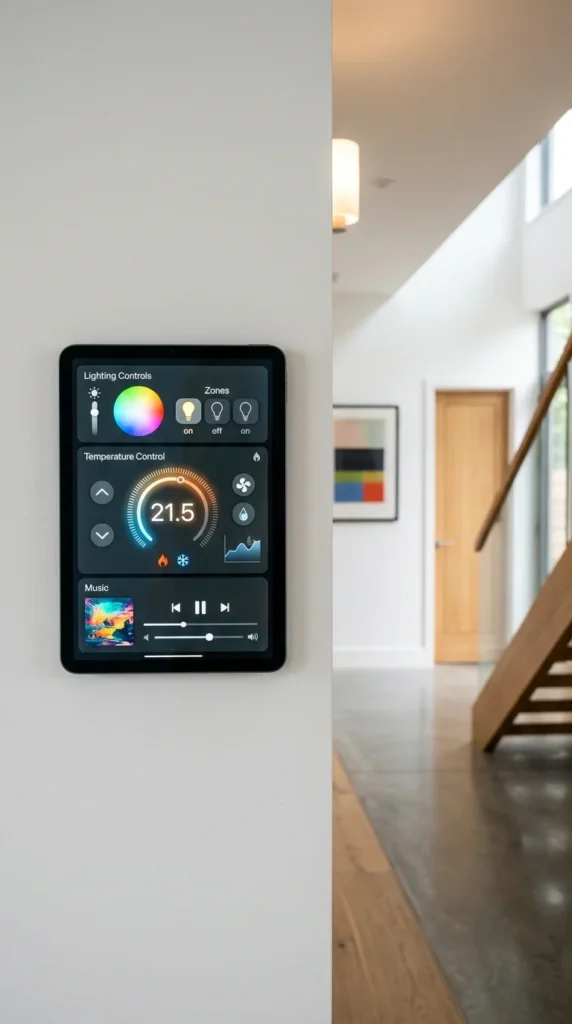
A modern home should work for its inhabitants. Smart home technology—integrated discreetly into the design—adds convenience and efficiency. This includes automated lighting systems that adjust based on the time of day, smart thermostats that blend into the wall, and hidden speakers. The key to successful smart integration is invisibility; the technology should be felt in the ease of living but not necessarily seen as a cluster of wires and bulky gadgets.
12. Stone Accents
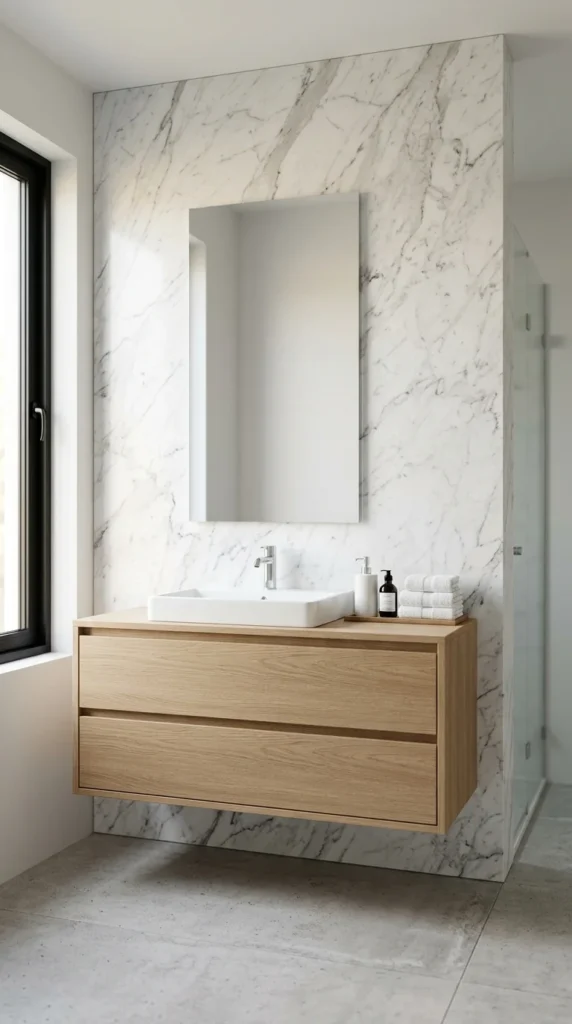
Natural stone like marble, travertine, and soapstone adds a sense of permanence and luxury. While marble countertops are a classic choice, modern homes are using stone in more creative ways, such as integrated stone sinks, full-height backsplashes, or even stone-clad fireplaces. Each piece of stone is unique, providing a one-of-a-kind pattern that synthetic materials cannot replicate. Using large slabs rather than tiles creates a seamless, high-end look.
13. Sustainable Materials
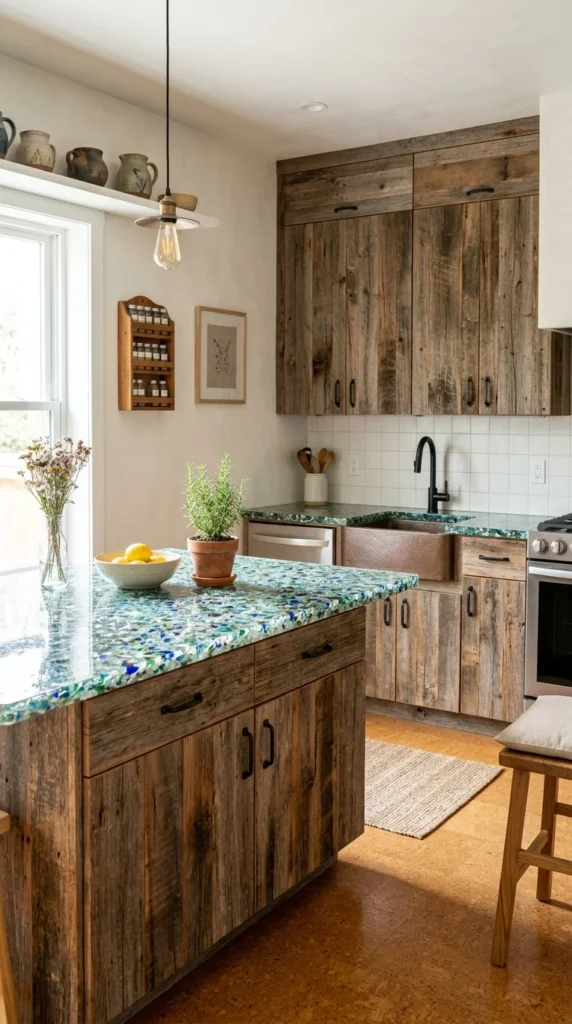
Sustainability is no longer a niche concept; it is a pillar of modern luxury. Using eco-friendly materials like bamboo, cork, recycled glass, and reclaimed wood shows a commitment to the environment without sacrificing style. These materials often come with rich histories and unique textures. Choosing sustainable options also ensures that your home is healthier, as many of these materials are free from harmful VOCs (Volatile Organic Compounds) found in traditional finishes.
14. Built-in Shelving
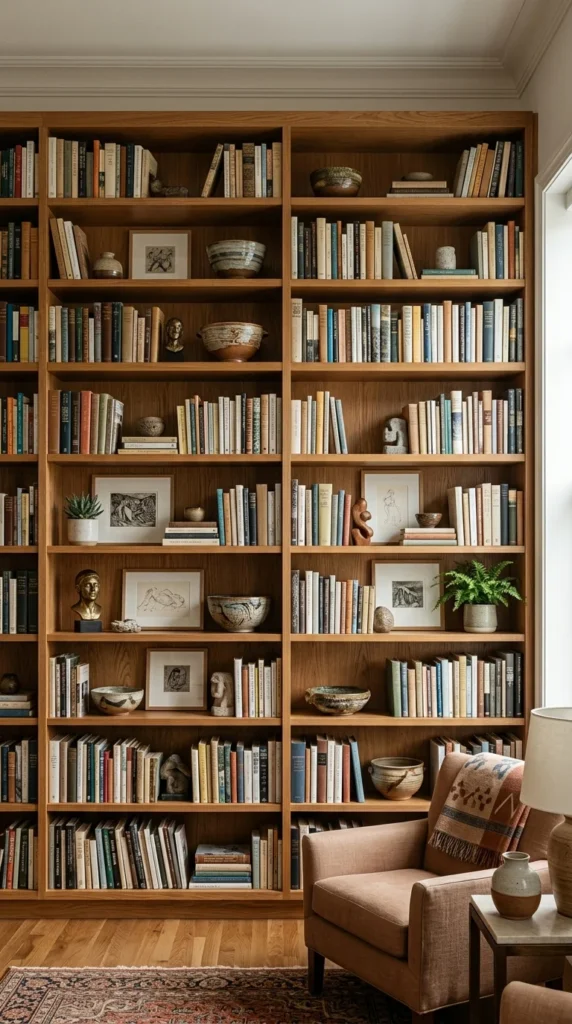
Custom built-ins are the secret to an organized and stylish home. They provide ample storage while becoming a part of the home’s architecture. Modern built-ins often feature clean lines, handle-less cabinets, and integrated lighting. Whether it’s a library wall in the living room or a customized walk-in closet, built-ins maximize space and eliminate the need for bulky, freestanding storage units that can disrupt the flow of a room.
15. Earthy Hues
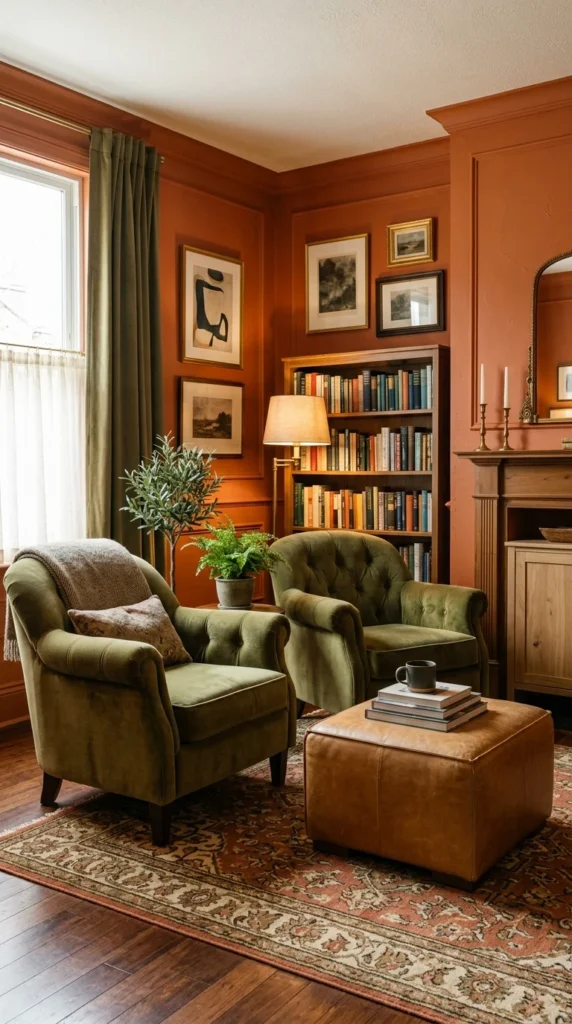
While neutrals are the base, earthy tones are the “new neutrals” of modern design. Colors like terracotta, sage green, ochre, and deep clay bring a sense of the Mediterranean or the desert into the home. These colors are grounded and sophisticated, providing warmth without being overwhelming. They pair beautifully with natural wood and stone, creating a cohesive, organic aesthetic that feels timeless rather than trendy.
16. Metal Accents
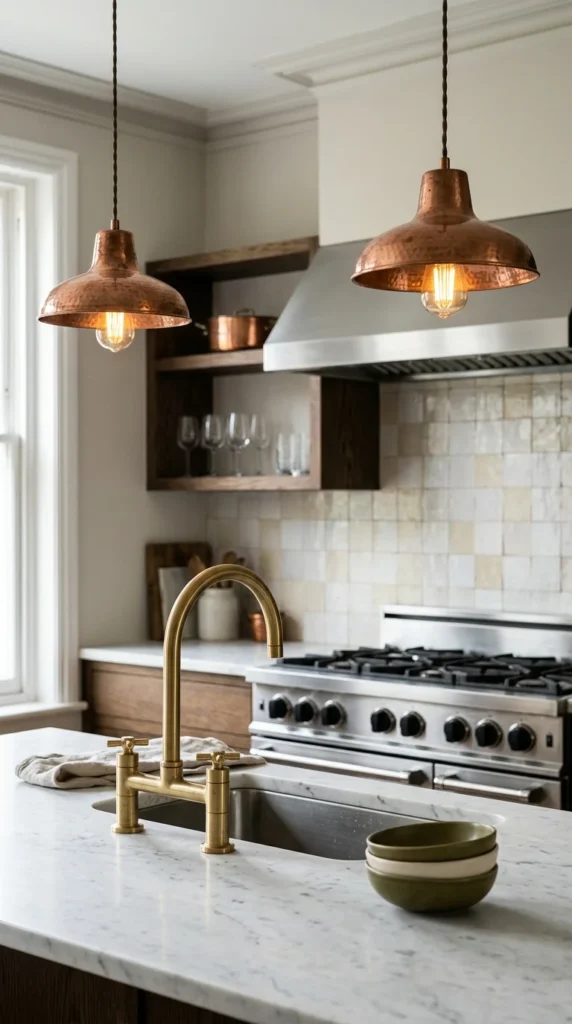
Mixing metals is a great way to add depth to a kitchen or bathroom. The old rule of matching every faucet to every handle is gone. In a modern home, you can successfully mix brushed brass with matte black, or polished nickel with copper. The secret is to have one dominant metal and use the others as accents. This creates a curated, “collected over time” look that prevents the space from looking like a showroom set.
17. Functional Entryways
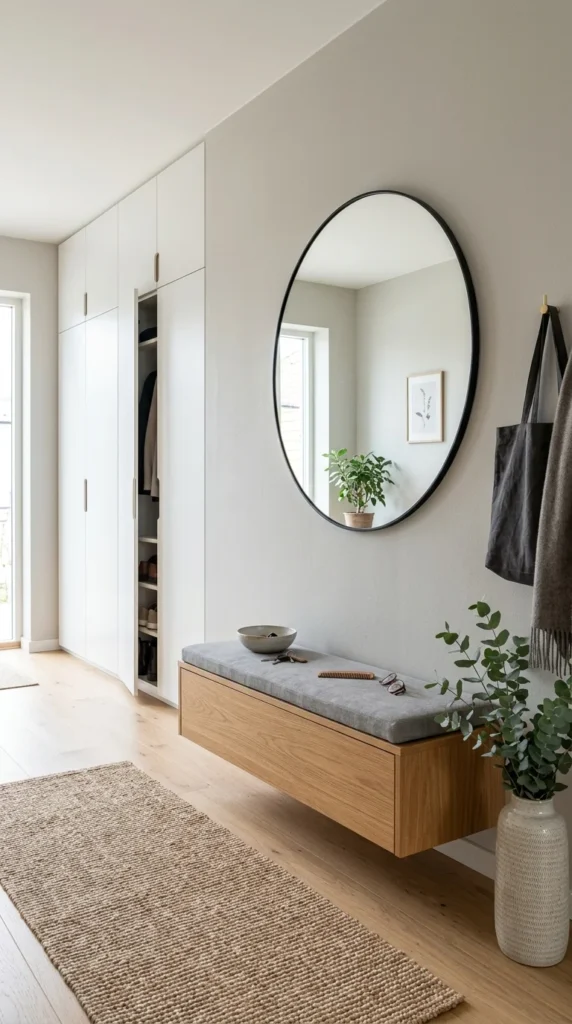
The entryway sets the tone for the entire home. A modern entryway should be a blend of form and function. A minimalist bench, a large circular mirror to bounce light, and hidden storage for shoes and coats ensure the space remains clutter-free. By keeping the entryway organized and stylish, you create a sense of calm the moment you or your guests step through the door.
18. Wall Molding
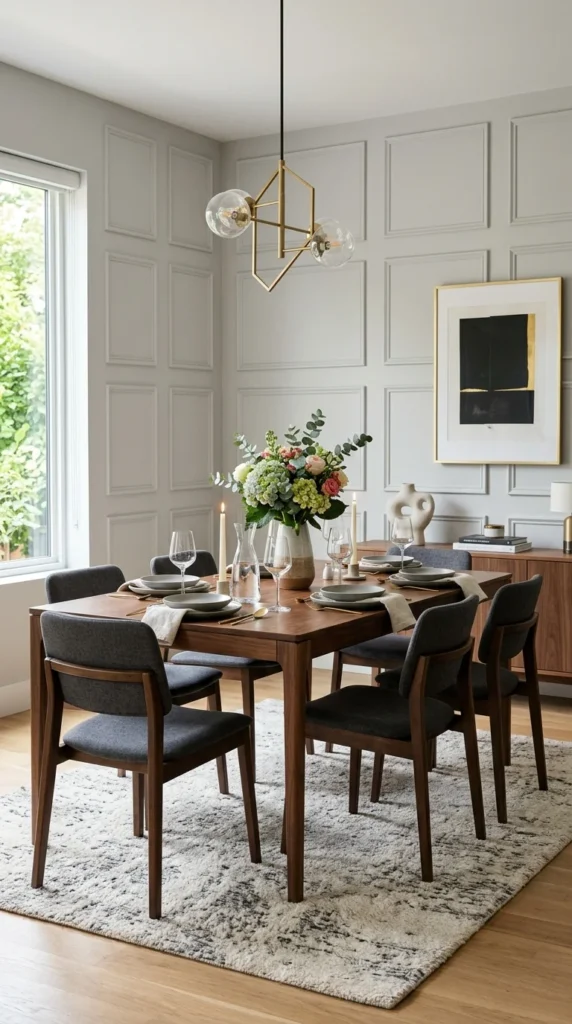
Modern wall molding is a nod to traditional craftsmanship but with a cleaner, more geometric execution. Adding thin batten strips or simple picture frame molding to a wall adds architectural interest and shadows. This technique is especially effective in bedrooms and dining rooms, where it provides a sophisticated backdrop for furniture. When painted the same color as the wall, the molding creates a subtle, three-dimensional effect that is both stylish and timeless.
19. Layered Rugs
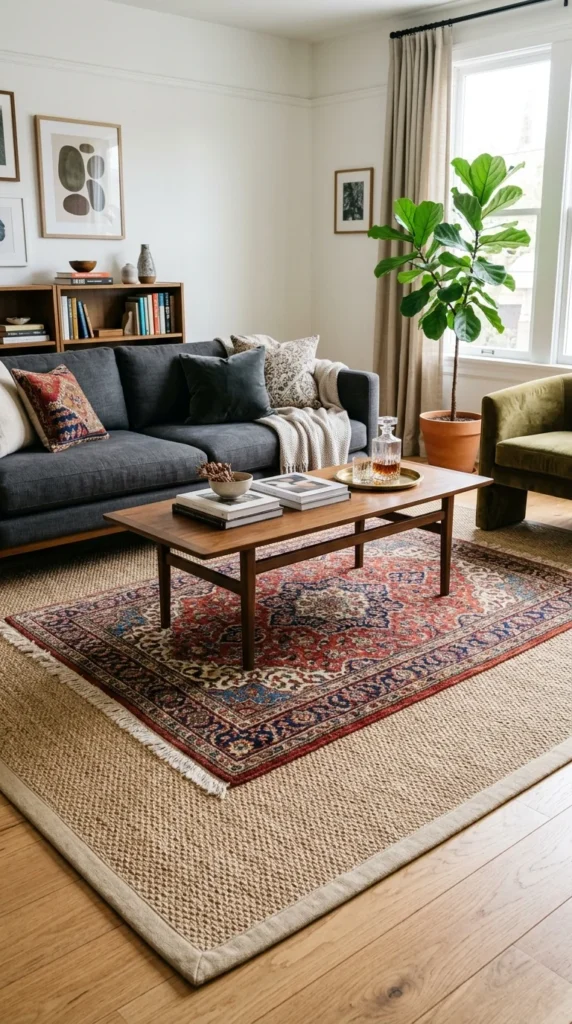
Rugs are essential for defining spaces and adding warmth. Layering rugs is a modern technique that adds extra texture and color. Start with a large, neutral rug (like jute or sisal) that covers most of the floor area, then place a smaller, more decorative rug on top to anchor the seating area. This not only adds comfort underfoot but also allows you to introduce patterns or bolder colors in a controlled, sophisticated way.
20. Gallery Walls
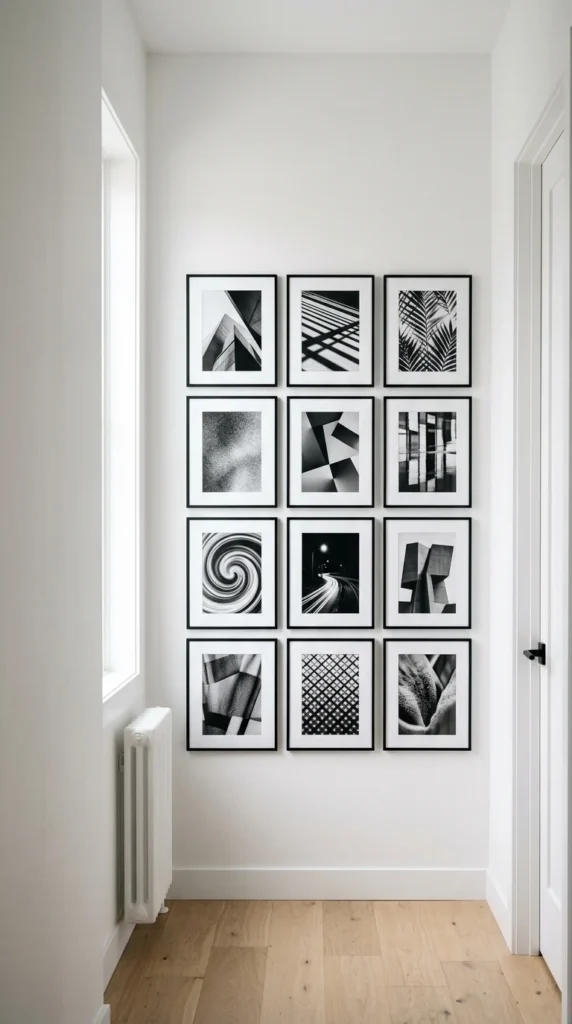
Art is what makes a house a home. A modern gallery wall often leans toward symmetry and cohesion. Using identical frames in a grid pattern creates a clean, organized look. Alternatively, a more eclectic gallery wall can work if there is a common thread, such as a consistent color palette or art style. Art should be hung at eye level and given enough space to “breathe,” ensuring that the collection enhances the room rather than cluttering it.
21. Hidden Technology
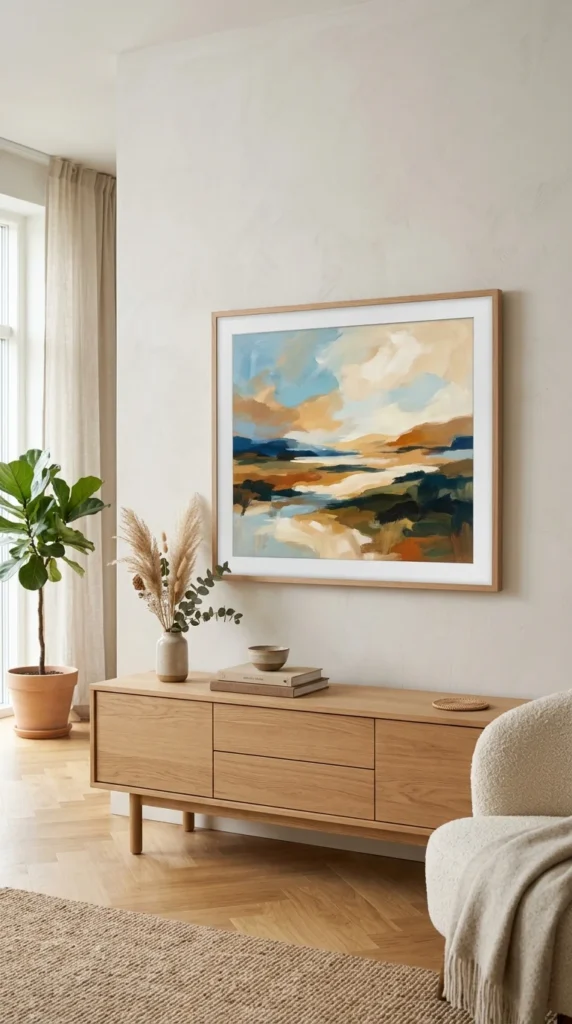
While technology is vital, it doesn’t always have to be on display. Modern design often seeks to hide the “black box” of the television. This can be achieved through “Frame” TVs that display art when not in use, or motorized cabinets that hide the screen entirely. Similarly, hiding charging stations inside drawers and keeping cables tucked away behind furniture maintains the clean lines and polished look of a stylish home.