
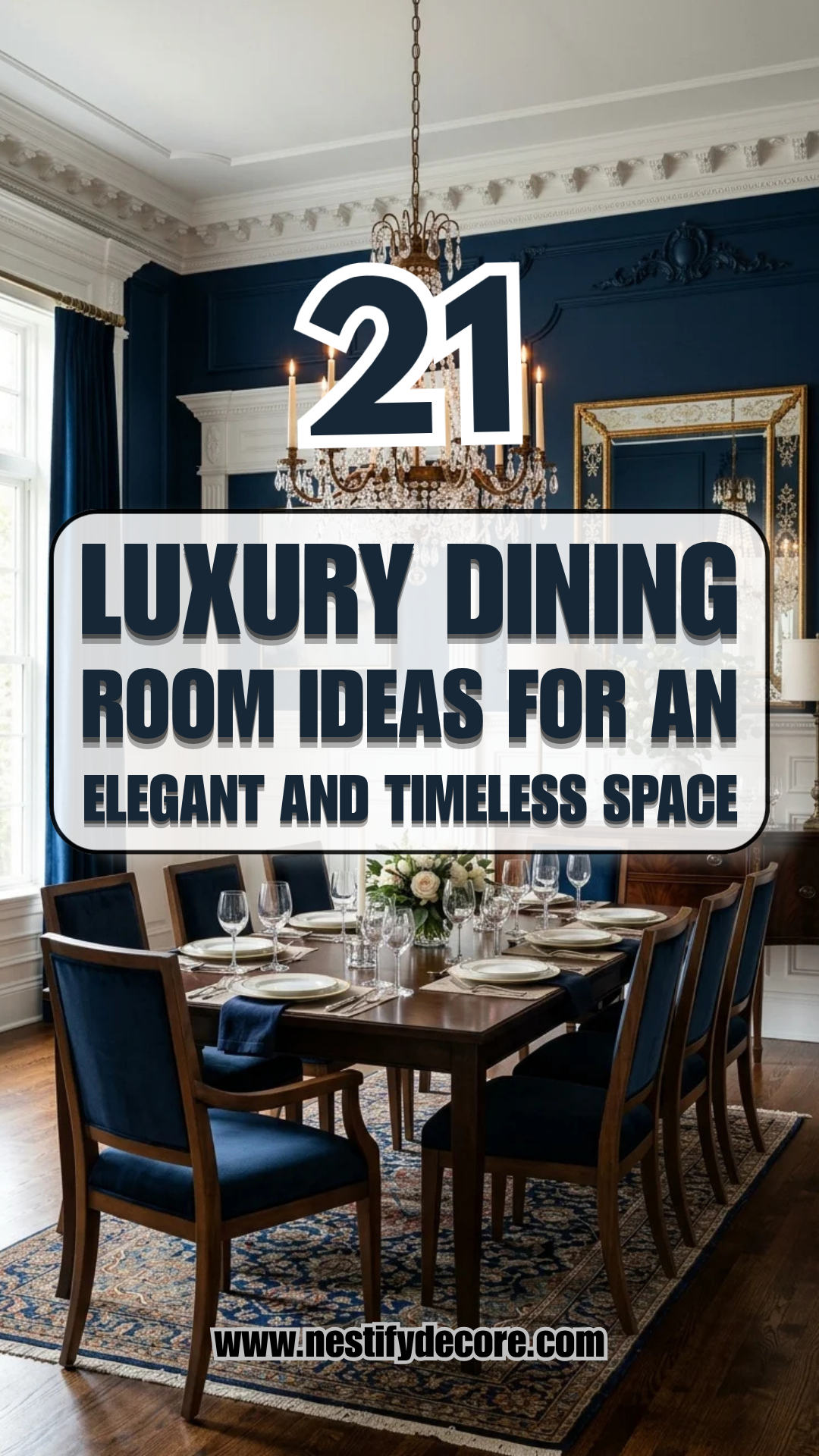
Creating a luxury dining room is about more than just expensive furniture; it is about crafting an atmosphere that balances opulence with comfort. A truly timeless space transcends fleeting trends, relying instead on high-quality materials, thoughtful lighting, and architectural details that command attention. Whether you prefer the classical grandeur of a European estate or the sleek, “quiet luxury” of a modern penthouse, these 21 ideas will help you design a dining room that remains sophisticated for decades.
1. Marble Tables
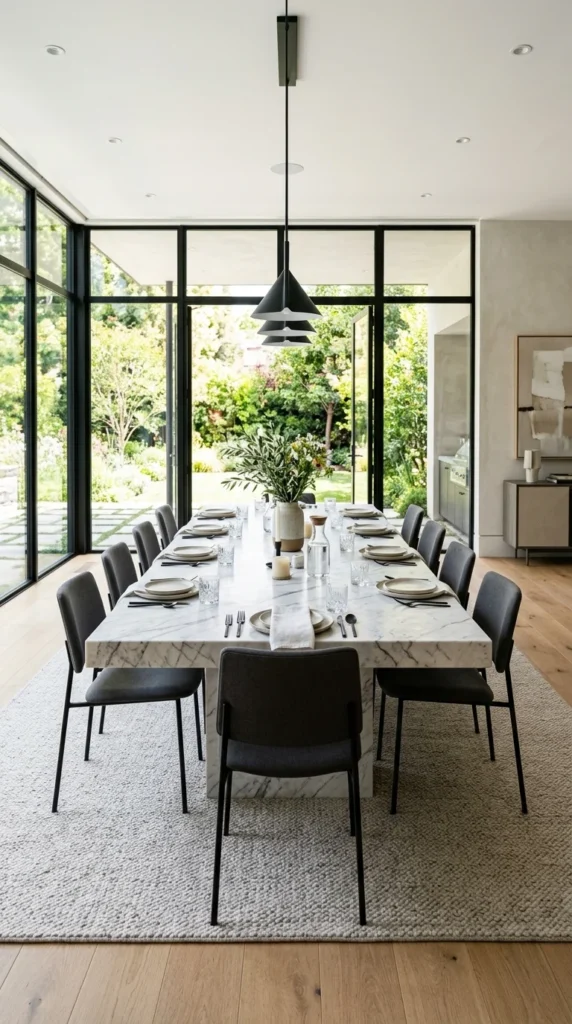
Marble has been the hallmark of luxury since antiquity. A solid marble dining table serves as a heavy, permanent anchor for the room. While white Carrara or Calacatta marble offers a bright, classic look, darker stones like Nero Marquina can provide a moody, sophisticated edge. The cold touch of the stone paired with the organic patterns of its veining ensures that no two pieces are ever exactly alike, giving your dining space a bespoke feel.
2. Crystal Chandeliers
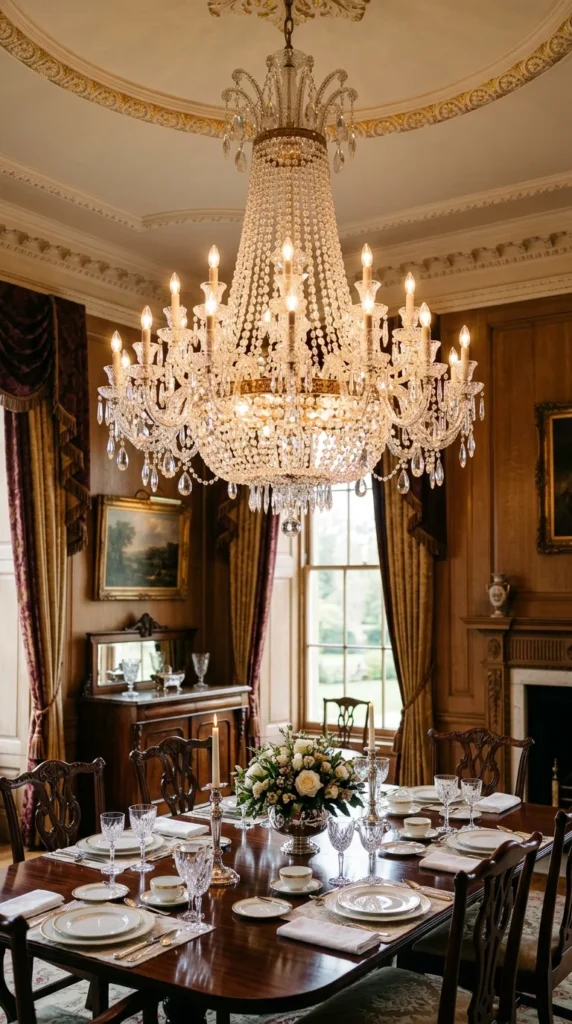
Nothing says elegance quite like a crystal chandelier. For a timeless look, choose a design that plays with scale. A large, cascading fixture over a rectangular table creates a focal point that draws the eye upward, highlighting the height of the room. When the light hits the faceted crystals, it scatters a prismatic glow across the walls, adding a layer of sparkle that gold or silver fixtures alone cannot replicate.
3. Velvet Seating
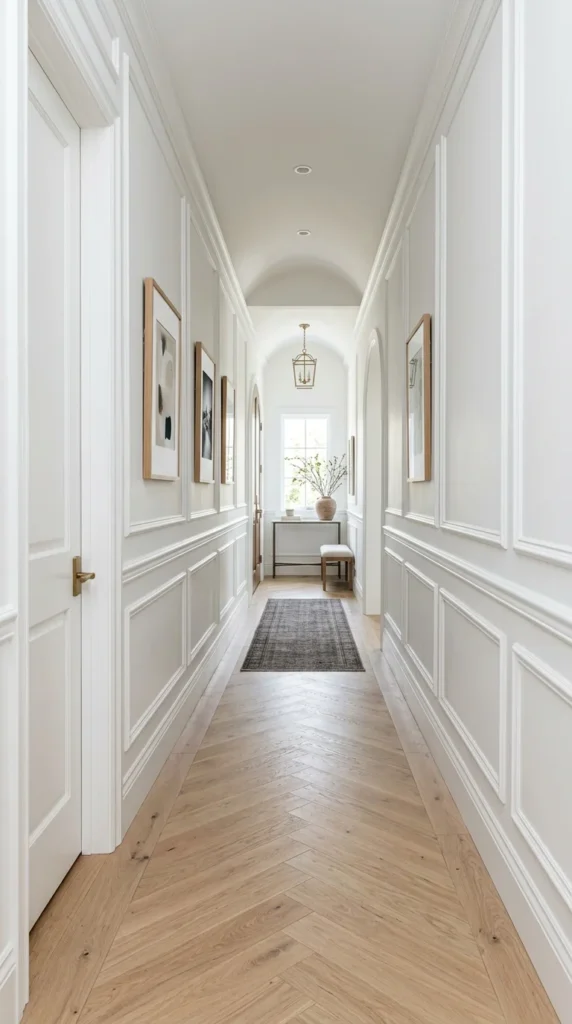
Luxury is as much about tactile sensation as it is about visual appeal. Velvet chairs offer a rich, plush texture that invites guests to linger long after the meal has ended. Deep jewel tones like navy, forest green, or burgundy add a sense of royalty to the room, while champagne or silver velvet provides a more understated, feminine elegance. The sheen of the fabric catches the light, adding depth and movement to the room’s color palette.
4. Floor-to-Ceiling Windows
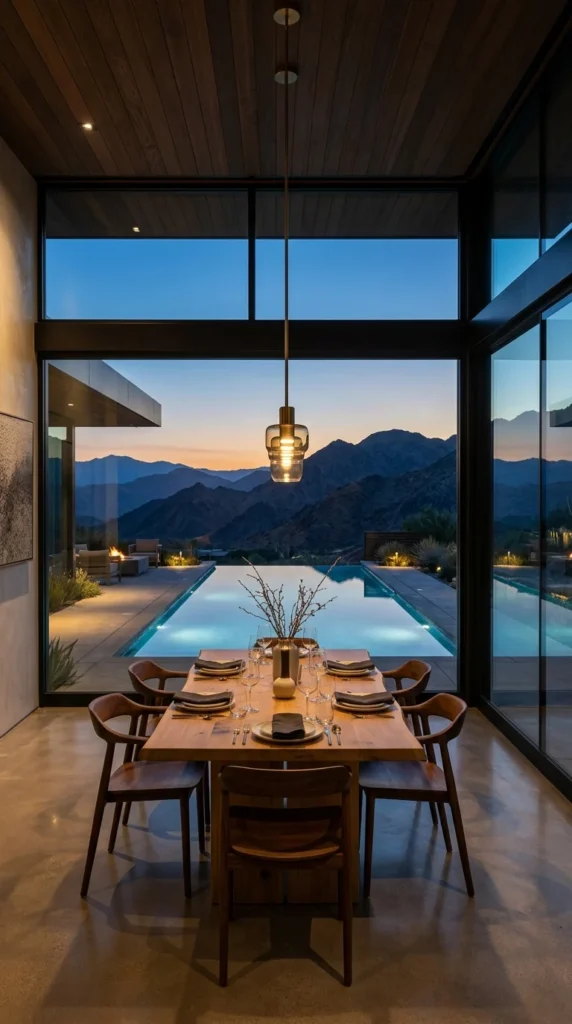
Natural light is one of the most luxurious elements a home can have. Floor-to-ceiling windows remove the barrier between the indoors and the outdoors, making the dining room feel expansive. If you have a beautiful view—be it a cityscape, a forest, or a manicured garden—let it serve as the primary “artwork” for the space. Use sheer drapes to soften the light during the day without obstructing the vista.
5. Metallic Accents
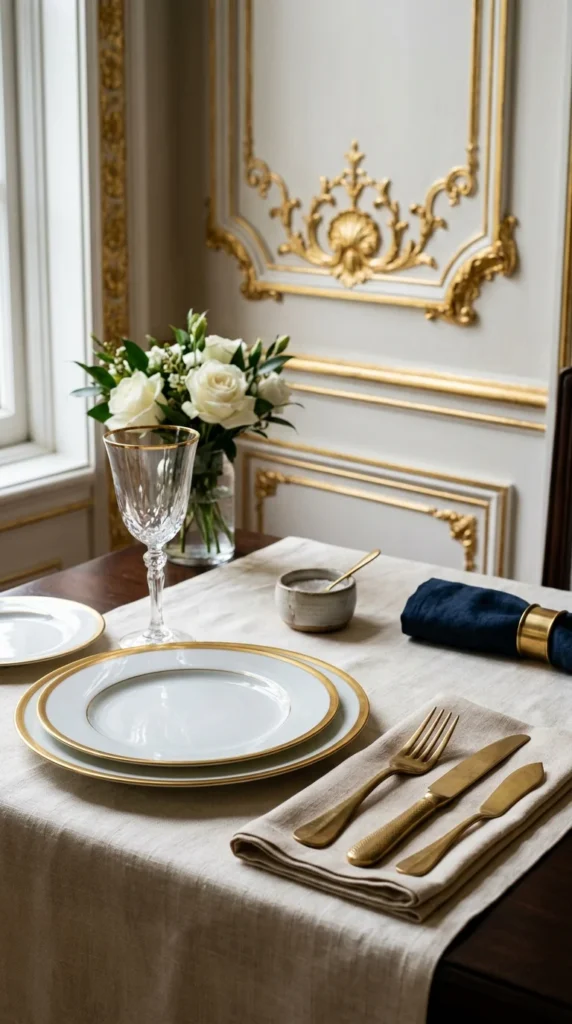
Incorporating metals like gold, brass, or polished chrome adds a reflective quality that elevates the room’s sophistication. The key to keeping it timeless is moderation. Use metallic accents in the legs of the furniture, the hardware of a sideboard, or the frames of mirrors. Mixing metals—such as warm brass with cool silver—can also create a more curated, lived-in luxury feel rather than a matched-set look.
6. Hardwood Flooring
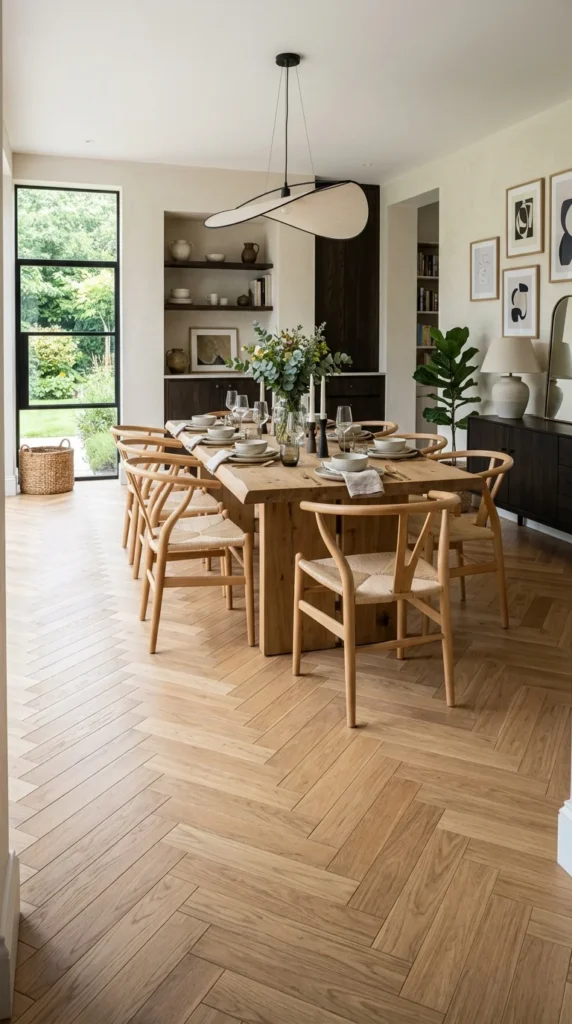
A luxury dining room starts from the ground up. High-quality hardwood, particularly in intricate patterns like herringbone or chevron, adds architectural interest and warmth. Darker stains like espresso or ebony offer a dramatic, formal atmosphere, while lighter oaks or walnuts feel contemporary and airy. A well-maintained hardwood floor is an investment that matures beautifully over time.
7. Art Galleries
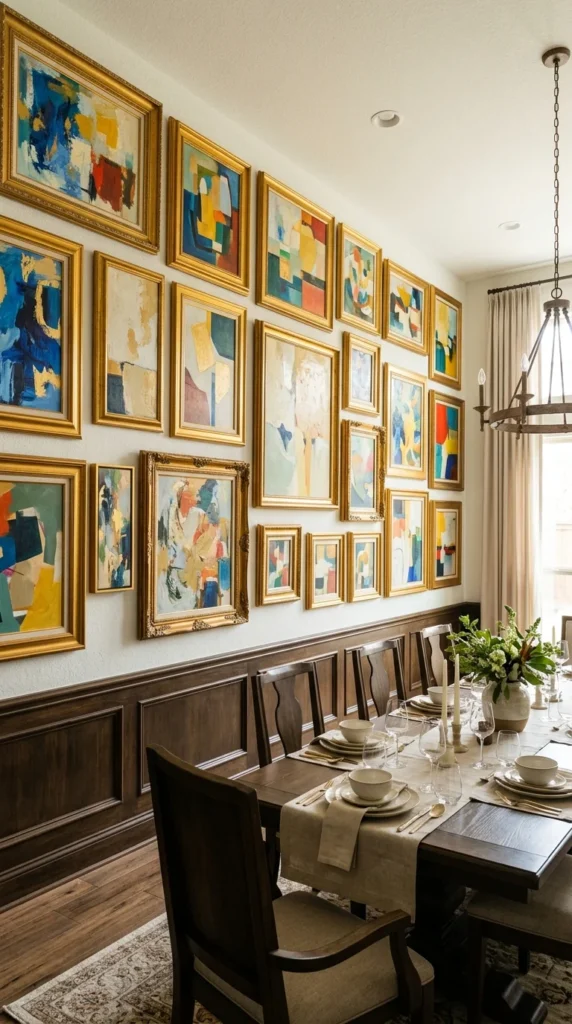
Art is the ultimate expression of personal taste. A large-scale statement piece or a carefully curated gallery wall can transform a dining room into a private museum. For a timeless approach, choose pieces that resonate emotionally rather than those that simply match the room’s colors. High-quality framing is essential; oversized mats and ornate frames can make even a simple sketch look like a masterpiece.
8. Minimalist Zen
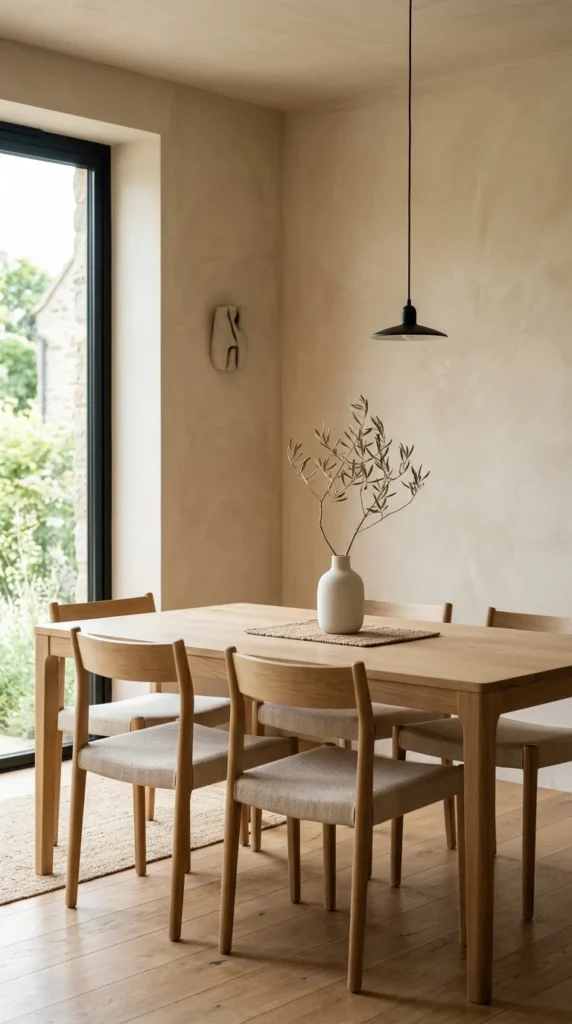
Luxury doesn’t always have to be loud. The “quiet luxury” or Zen-inspired approach focuses on high-end materials and perfect proportions. This style uses a neutral palette—whites, creams, and sands—to create a sense of calm. The luxury here is found in the craftsmanship: the joinery of a wooden table, the texture of a handmade ceramic vase, or the perfect finish of a plaster wall.
9. Wine Cellars
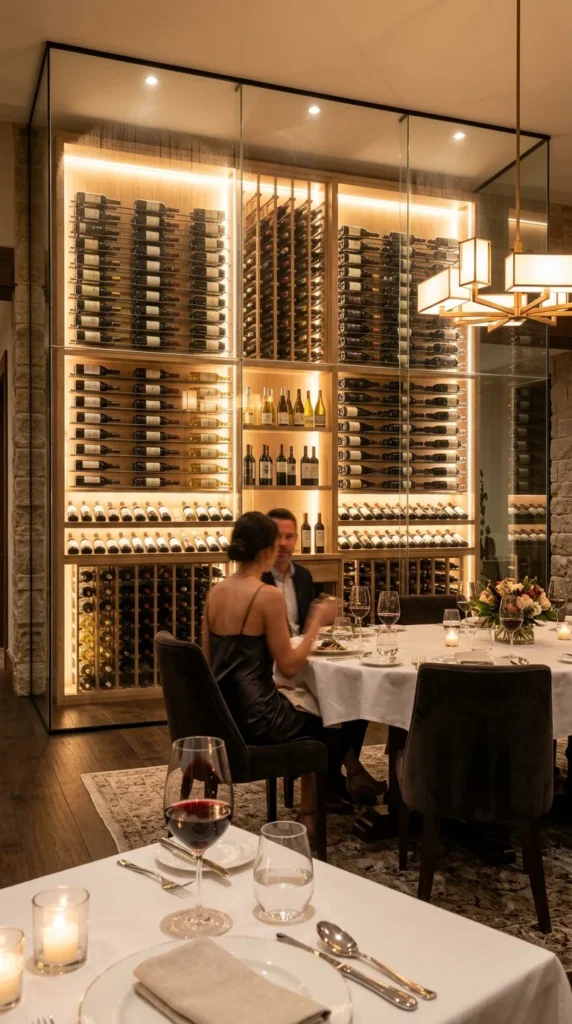
For the connoisseur, a visible wine cellar is the ultimate functional luxury. Integrating a glass-walled wine display into the dining room design creates a stunning visual feature that sparks conversation. It connects the act of dining with the appreciation of vintage collections, making the room feel like a destination for epicurean experiences.
10. Mirrored Walls
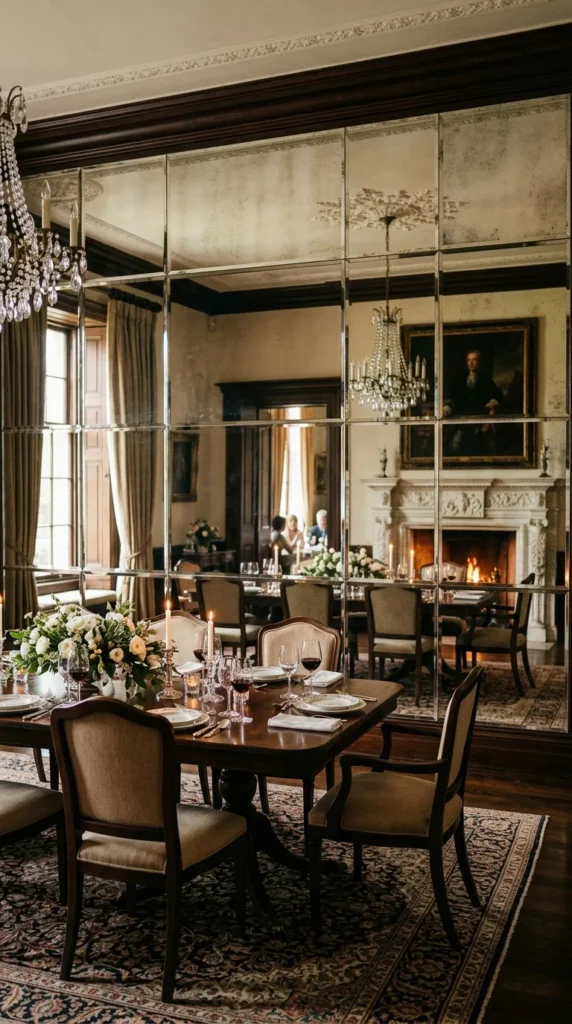
Mirrors are a classic designer trick to double the visual space and light. In a luxury dining room, a floor-to-ceiling mirrored wall—especially one with an antiqued or smoky finish—adds a layer of old-world glamour. It reflects the glow of candlelight and the sparkle of the chandelier, creating an immersive, magical environment for evening dinner parties.
11. Architectural Molding
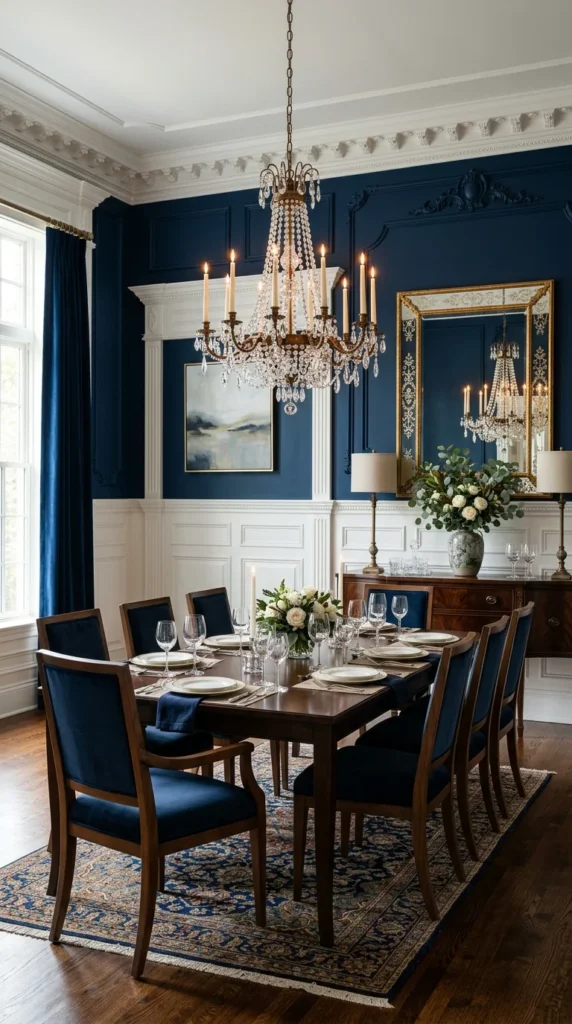
The “bones” of a room determine its character. Adding wainscoting, crown molding, or ceiling medallions gives a room an immediate sense of history and permanence. Even in a modern home, subtle wall paneling can add depth and shadow, preventing the space from feeling flat. Painting the molding the same color as the walls creates a contemporary “color-drenched” look that feels incredibly high-end.
12. Biophilic Design
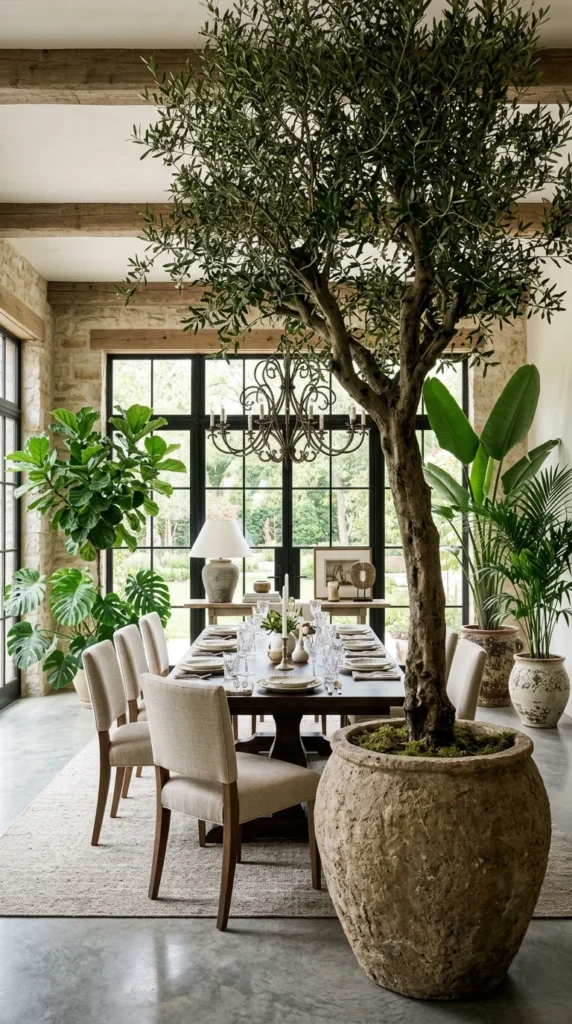
Bringing nature indoors is a hallmark of modern luxury. Large-scale indoor plants or even a “living wall” can breathe life into a formal dining room. The organic shapes of leaves and branches contrast beautifully with the sharp lines of a dining table. An olive tree or a fiddle-leaf fig adds height and a sense of freshness, making the room feel vibrant and connected to the earth.
13. Statement Rugs
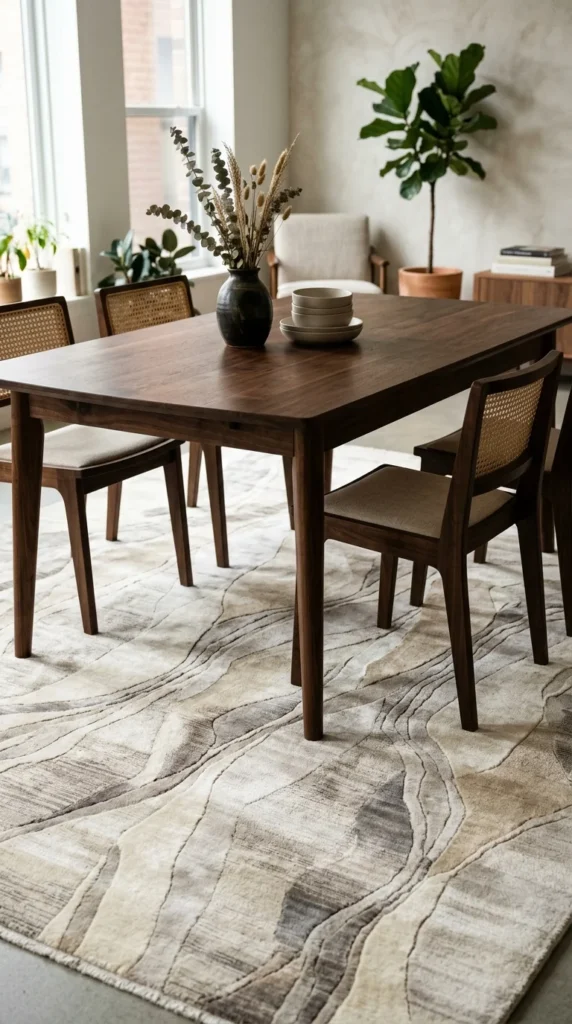
A rug acts as the “anchor” of the dining room. In a luxury space, the quality of the rug is paramount. Hand-knotted silk or high-grade wool rugs provide a soft underfoot experience and a slight sheen that catches the light. The rug should be large enough so that all chairs remain on it even when pulled out, ensuring a seamless flow and a cohesive look.
14. Dark Palettes
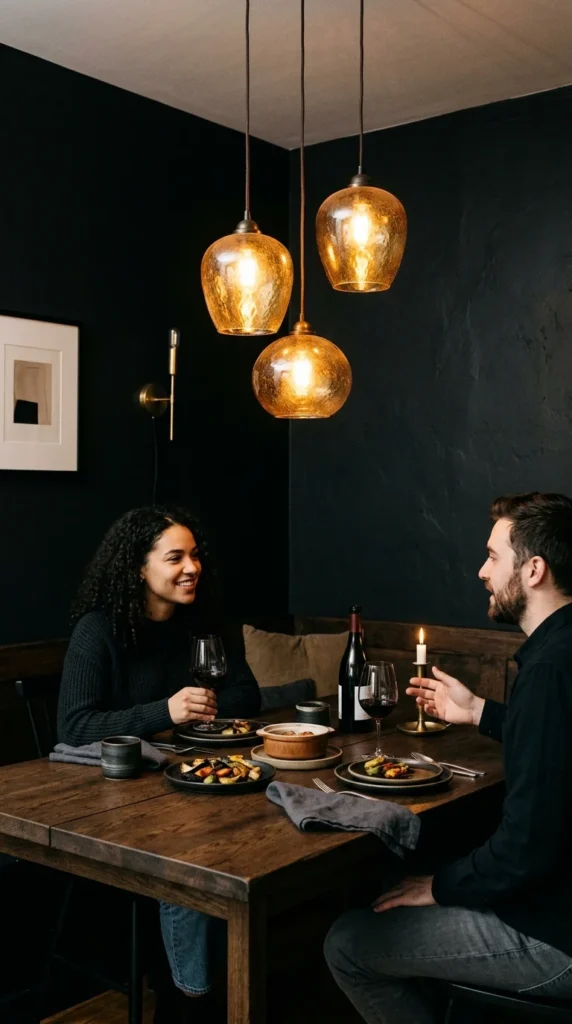
While many people shy away from dark colors, they are incredibly effective at creating a sense of intimacy and drama. Charcoal, navy, or deep chocolate walls can make the boundaries of a room disappear, focusing all attention on the illuminated center of the table. Pair dark walls with light-colored upholstery or metallic accents to prevent the room from feeling too heavy.
15. Open Concept
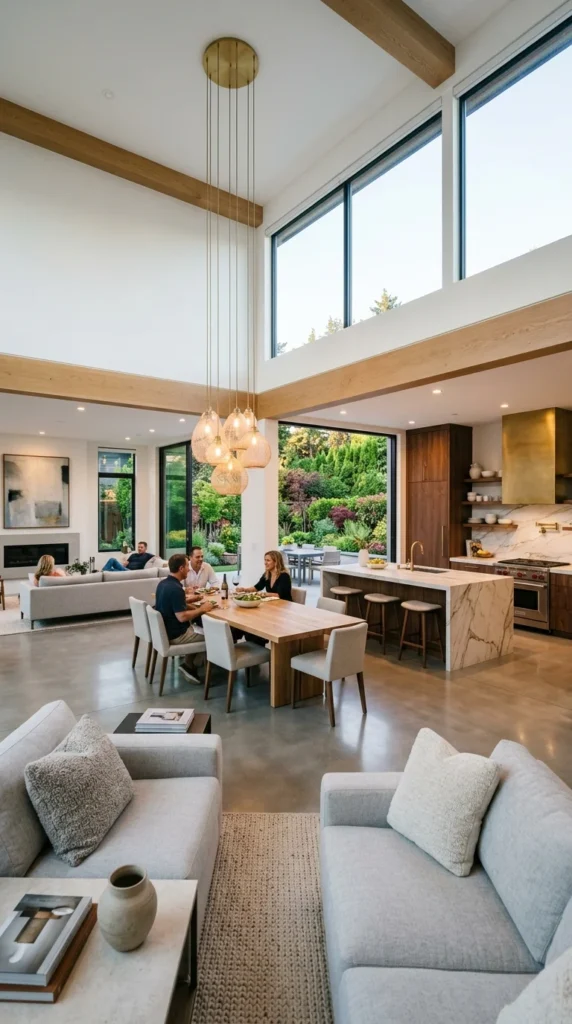
In modern luxury architecture, the dining room often flows into other living areas. The challenge is to keep the dining space feeling distinct. This can be achieved through a change in ceiling height, a large area rug, or a massive light fixture that “zones” the area. This layout is perfect for the modern host who wants a space that is as functional for a casual brunch as it is for a formal gala.
16. Custom Cabinetry
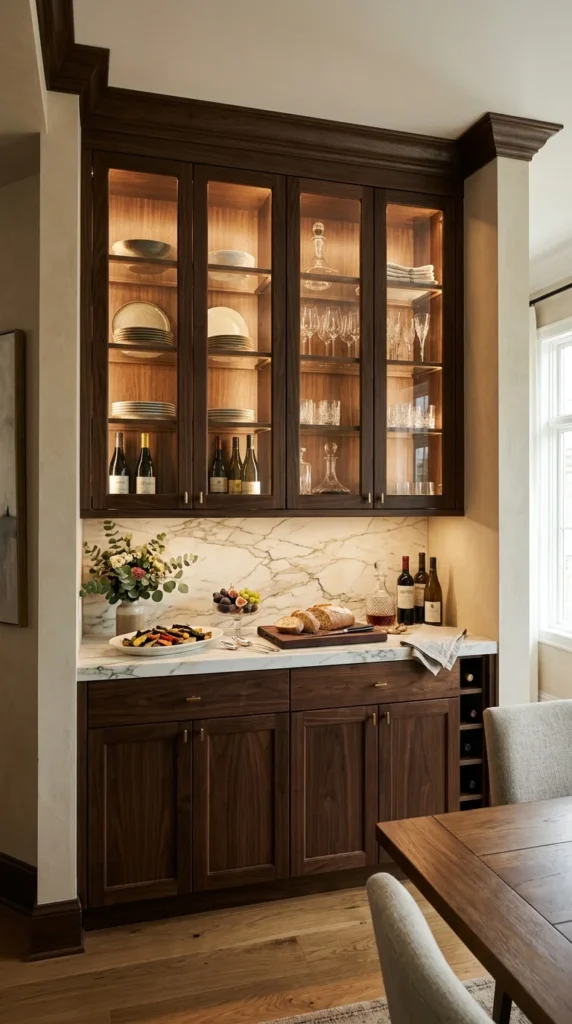
Bespoke storage is a true luxury. Custom-built sideboards or china cabinets allow you to display heirloom silver and crystal while hiding away less aesthetic necessities. Integrated lighting within the cabinets can turn your glassware into a sparkling display, adding another layer of ambient light to the room.
17. Sculptural Tables
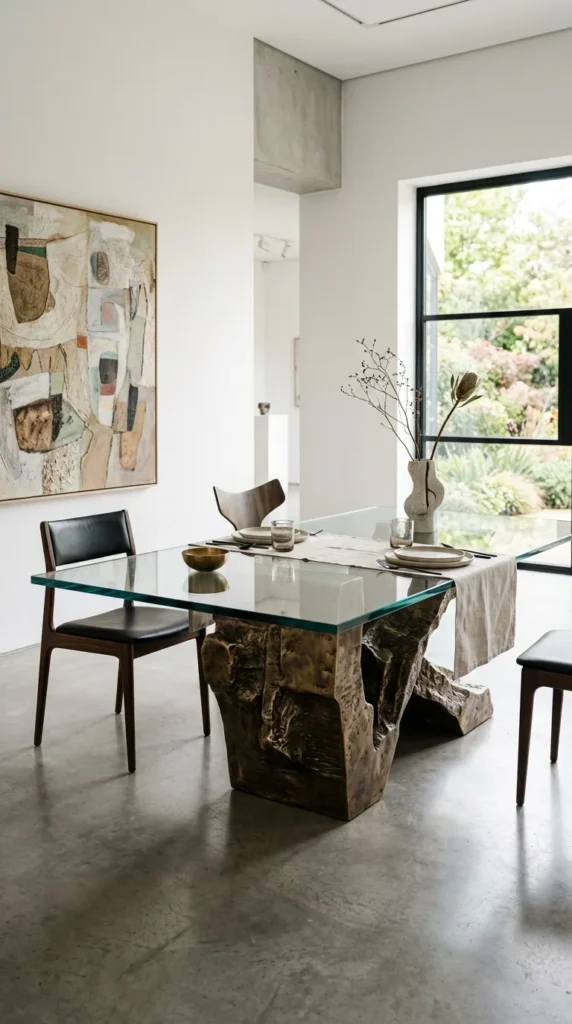
If you view your furniture as art, a sculptural dining table is a must. Move away from traditional four-legged designs and look for tables with pedestal bases made of interesting materials like cast metal, carved stone, or reclaimed wood roots. A unique base allows the table to remain a conversation piece even when it is not set for a meal.
18. Drapery Layers
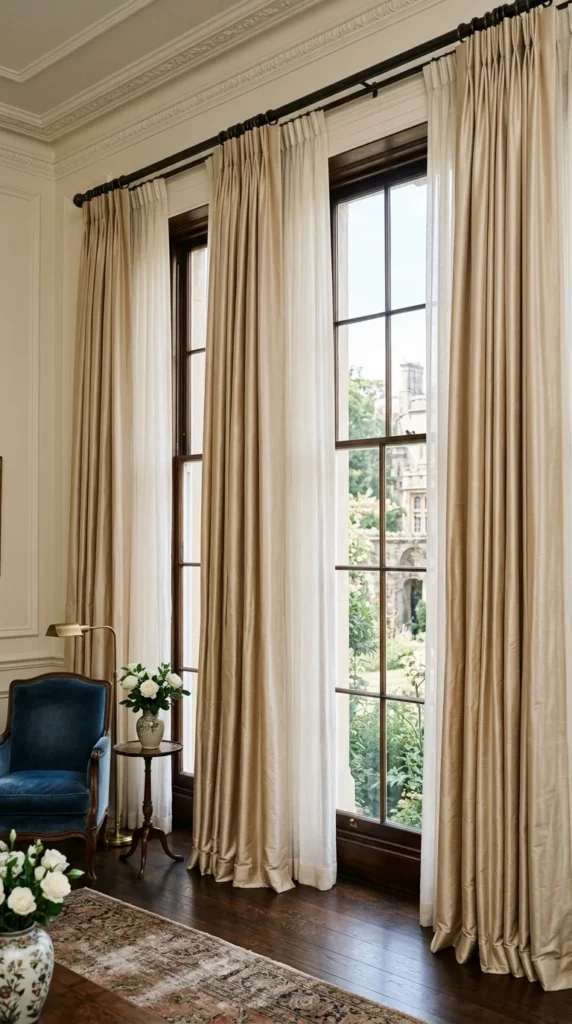
Window treatments are the “jewelry” of a room. For a luxury dining room, use generous amounts of high-quality fabric. Floor-to-ceiling drapes in silk, linen, or heavy velvet add a sense of softness and acoustic insulation. Layering sheers under heavier drapes allows you to control privacy and light levels throughout the day while adding a vertical element that makes the ceilings appear higher.
19. Monochromatic Schemes
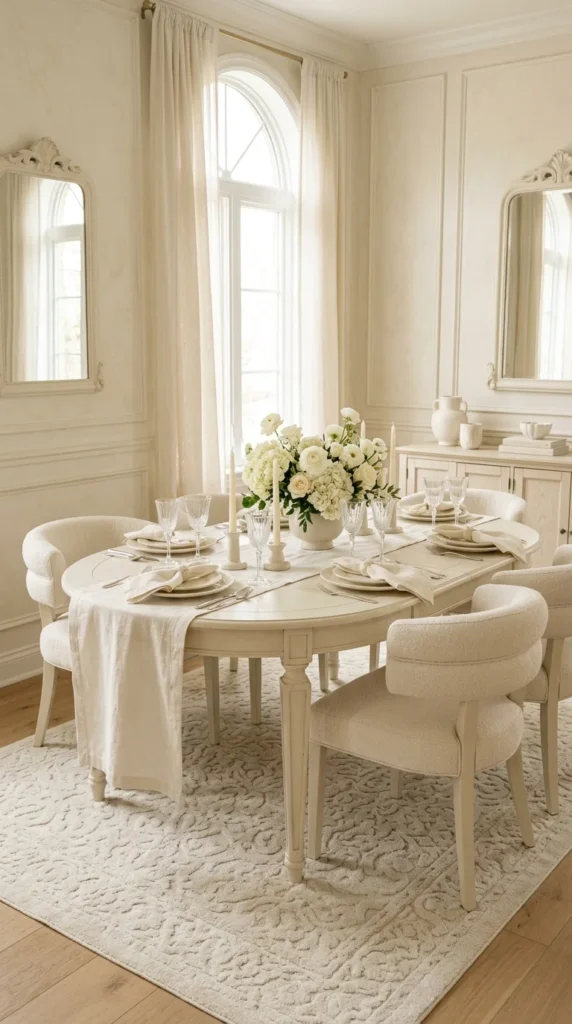
A monochromatic color palette is a bold choice that screams sophistication. By using various shades of a single color—like varying tones of grey or cream—you create a space that is visually harmonious and incredibly soothing. The key to success with this look is texture: mix smooth stone, fuzzy wool, polished wood, and matte paint to keep the eye moving.
20. Ceiling Details
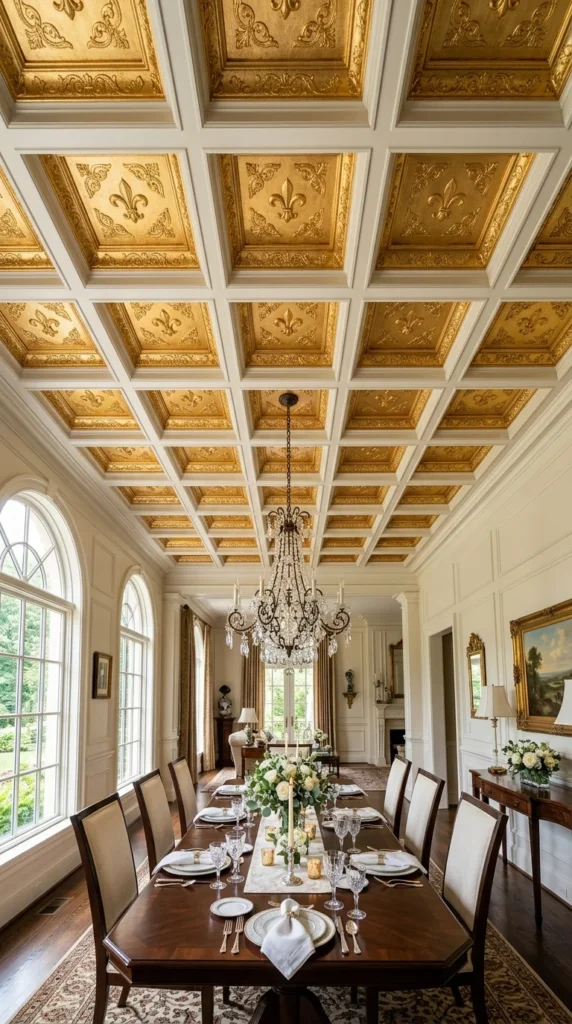
The “fifth wall” is often overlooked but offers immense potential for luxury. A coffered ceiling adds architectural weight and a sense of tradition. Alternatively, applying a subtle metallic wallpaper or a hand-painted mural to the ceiling can create an unexpected element of surprise. When guests look up, they should see as much detail as they do when looking at the table.
21. Circular Tables
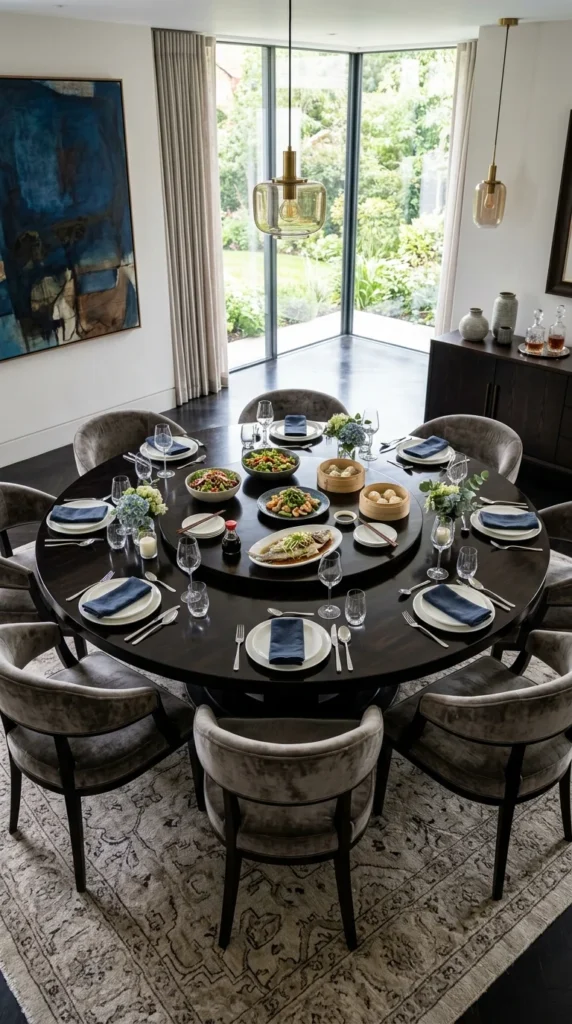
For a dining room that prioritizes conversation and intimacy, a large circular table is the ideal choice. Round tables eliminate the “head” of the table, creating a more egalitarian and social atmosphere. They also help to soften the lines of a square or rectangular room, improving the flow and making the space feel more inviting and less rigid.