
Indoor plants have transcended being a mere trend to become a fundamental element of modern interior design. Beyond their aesthetic appeal, they purify the air, reduce stress, and bring a sense of tranquility to our living spaces. Transforming a neglected corner into a lush, green sanctuary doesn’t require a complete renovation—often, it just takes a bit of creativity and the right selection of flora.
Whether you are a seasoned “plant parent” or a beginner looking to add your first splash of green, these 21 ideas will help you curate a fresh and cozy atmosphere in any room of your home.
1. Tiered Stands
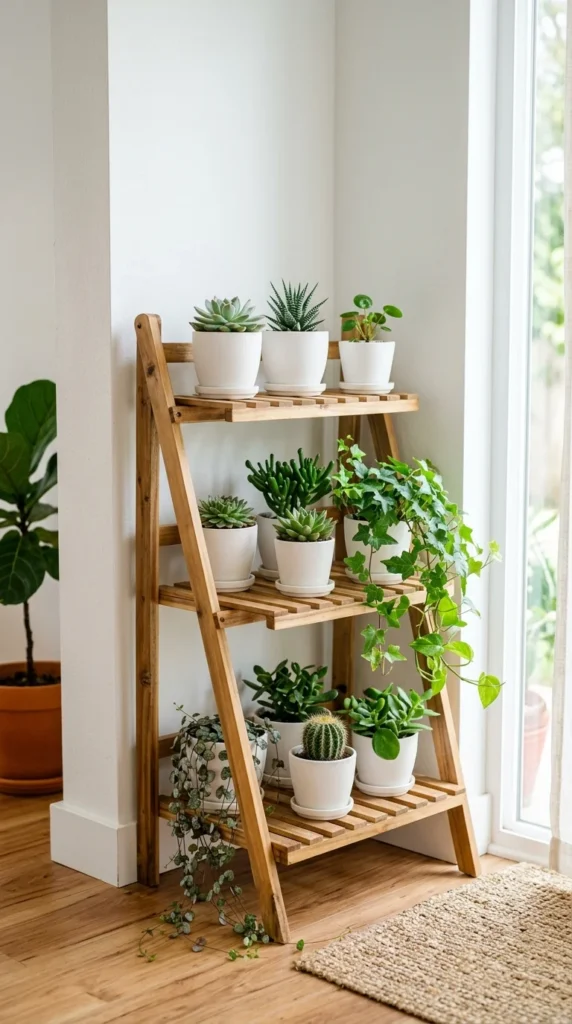
Utilizing vertical space is the most efficient way to display a large collection of plants without cluttering the floor. Tiered stands allow you to layer different heights, creating a “waterfall” effect of greenery. By placing smaller succulents on the top tier and bushier ferns on the bottom, you create a balanced visual weight that draws the eye upward, making the room feel taller and more spacious.
2. Hanging Macramé
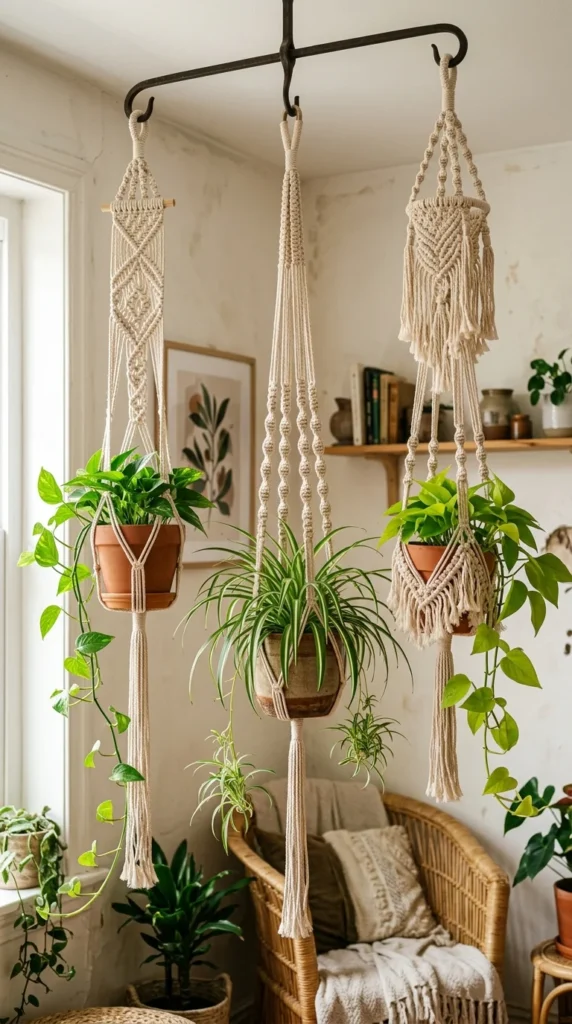
For those with limited floor space, the ceiling is your best friend. Macramé hangers bring a bohemian, artisanal touch to a corner. They are particularly effective for “trailers” like Pothos or String of Pearls, which can drape elegantly toward the floor. Mixing different lengths of hangers adds depth and movement to the corner, turning a static wall into a living curtain.
3. Reading Nook
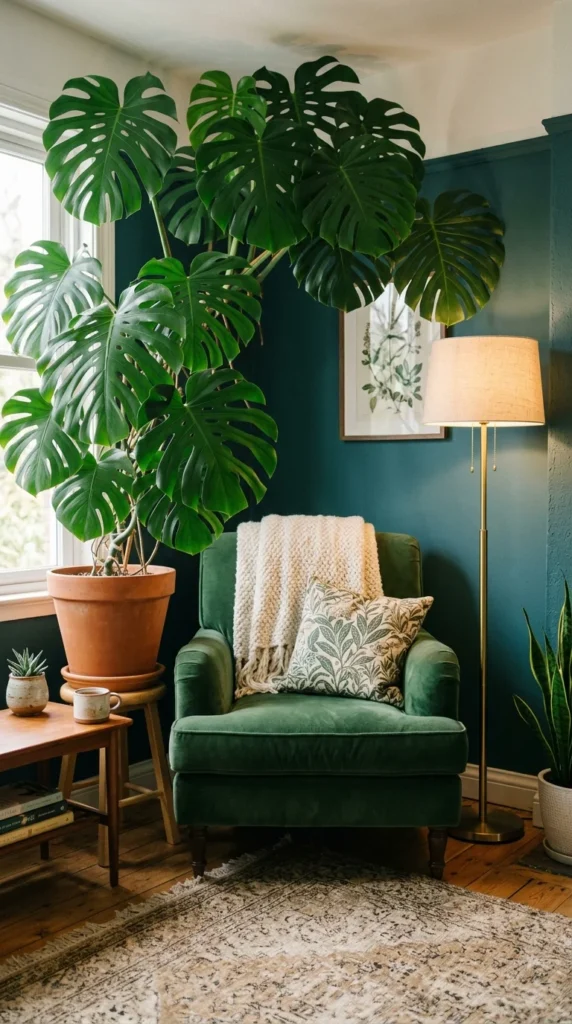
There is nothing quite as cozy as a reading nook nestled under a canopy of leaves. Large-leafed plants, such as the Monstera Deliciosa or the Bird of Paradise, can act as a natural umbrella, creating an intimate, secluded feel. Integrating plants into your relaxation zones reinforces the connection between nature and rest, making your reading time feel like a mini-escape to the tropics.
4. Window Sills
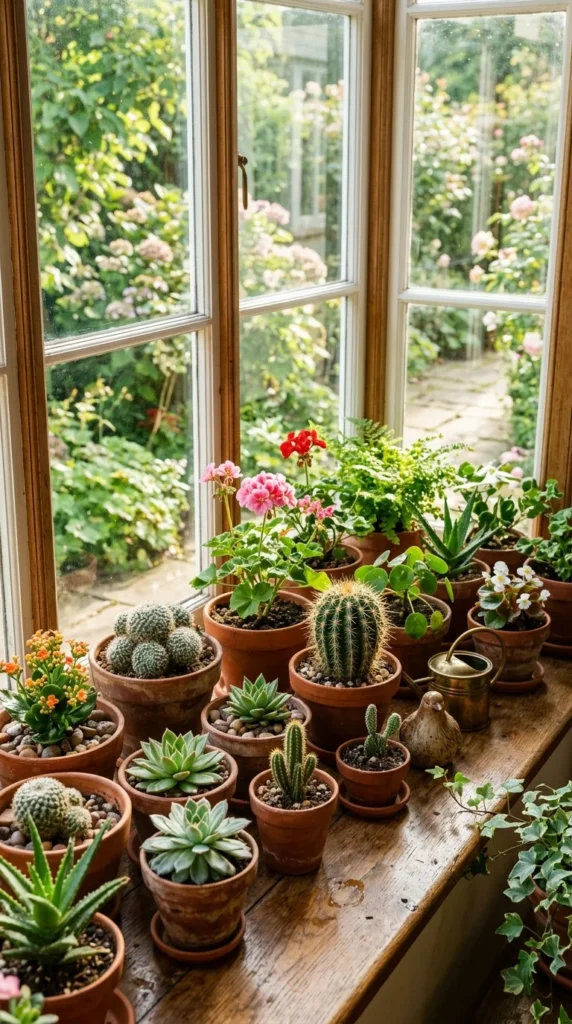
The window sill is the traditional home of the indoor plant for a reason: light. To make this look intentional rather than cluttered, use a cohesive color palette for your pots. Grouping plants with similar light requirements ensures they all thrive together. A mix of heights—placing a tall Snake Plant next to a low-growing Echeveria—creates a dynamic silhouette against the glass.
5. Bar Carts
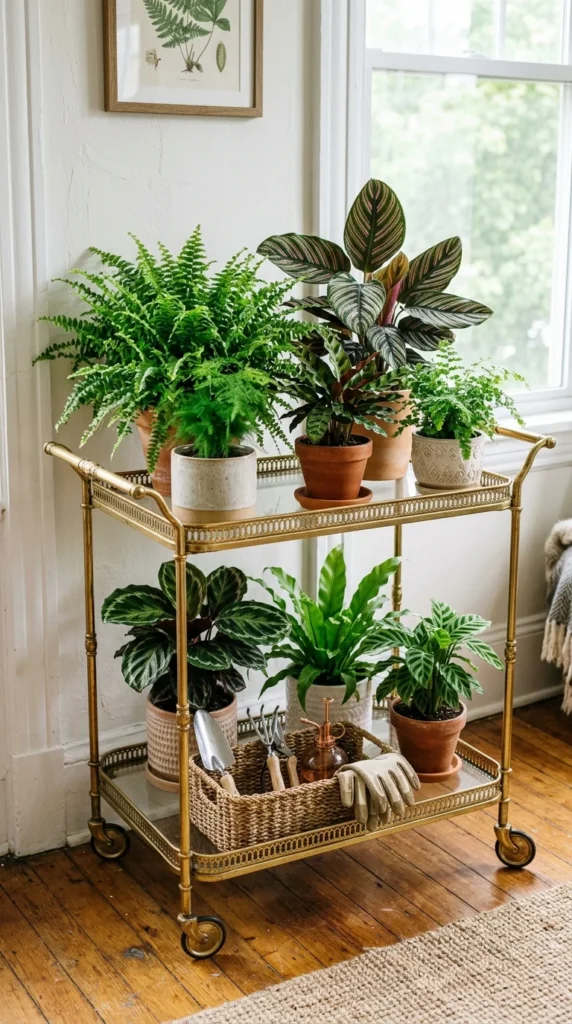
If you have an unused bar cart, it makes for an excellent mobile garden. The multiple levels offer plenty of room for different species, and the wheels allow you to move your “garden” toward the light as the seasons change. It’s also a practical way to store your misting bottles and pruning shears in style, keeping everything you need for plant care in one beautiful location.
6. Floating Shelves
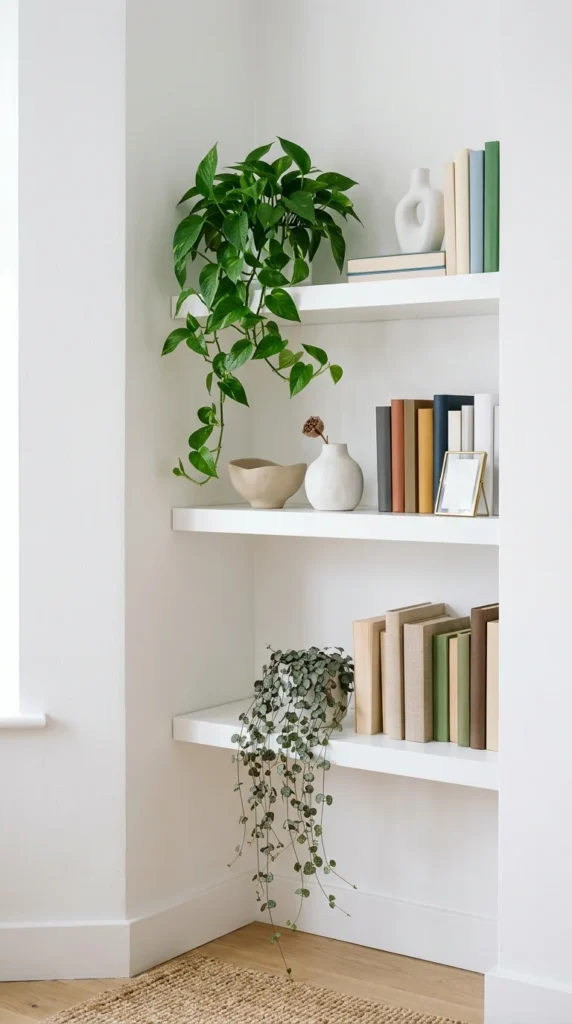
Floating shelves provide a sleek, minimalist way to integrate greenery into a room’s architecture. By staggering the shelves at different heights, you can create a jagged, naturalistic arrangement. This is a perfect solution for hallways or small bedrooms where floor-standing pots might obstruct foot traffic. Use trailing plants on the highest shelf to let the vines “frame” the wall.
7. Statement Trees
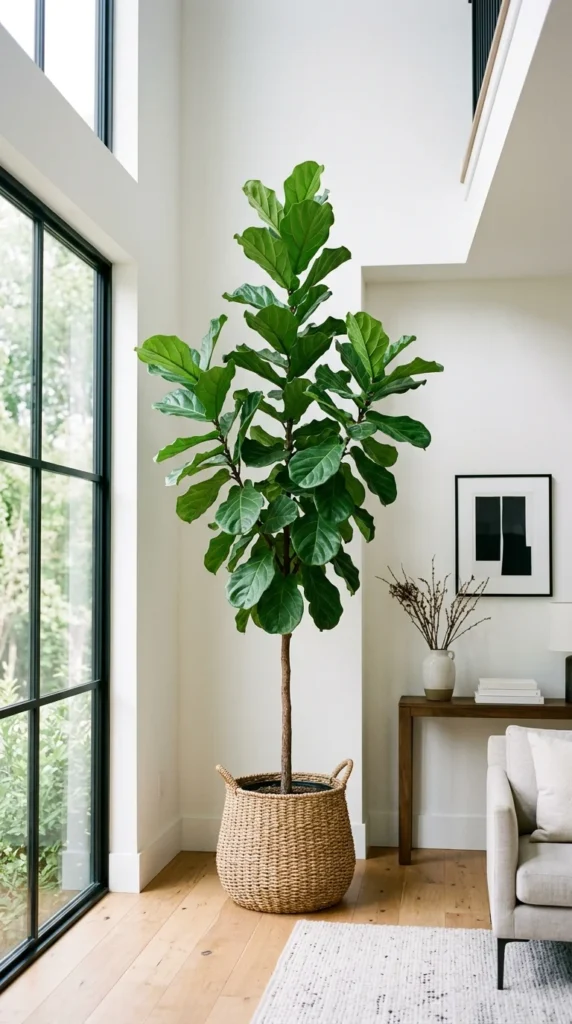
Sometimes, less is more. A single, large statement tree can anchor an entire room. Trees like the Fiddle Leaf Fig, Rubber Tree, or Olive Tree offer a structural element that mimics outdoor landscapes. Placing a statement tree in a corner provides a focal point that softens sharp architectural angles and brings a sense of grandeur to the home.
8. Bench Seating
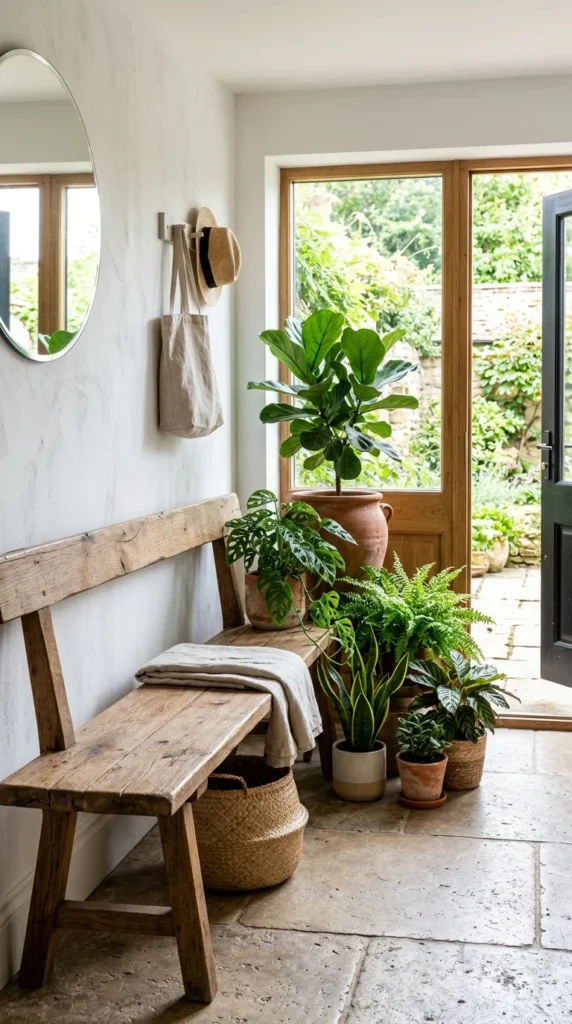
Incorporating plants into seating areas makes the greenery feel like a permanent part of the home’s furniture. A bench in an entryway or a dining nook can easily host a few large pots on one end. This look is grounded and sturdy, offering a “ground-up” approach to decorating that feels earthy and welcoming.
9. Ladder Shelves
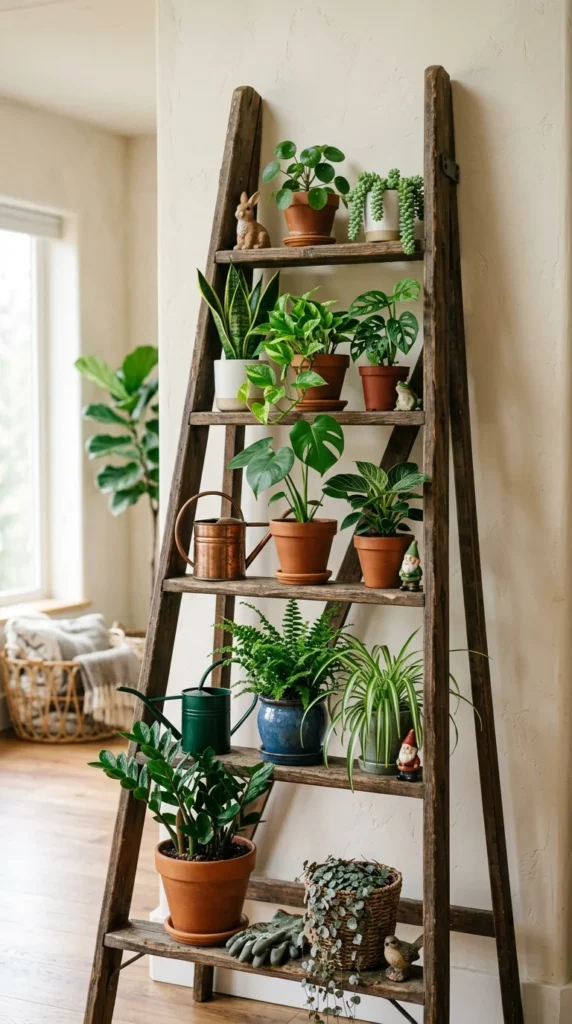
Ladder shelves are a favorite for plant enthusiasts because they provide deep shelves at the bottom for heavy pots and narrower shelves at the top for smaller specimens. The leaning design creates a casual, lived-in vibe that suits farmhouse or Scandinavian aesthetics perfectly. It’s an easy way to create a “wall of green” without needing to drill holes for individual shelves.
10. Corner Pedestals
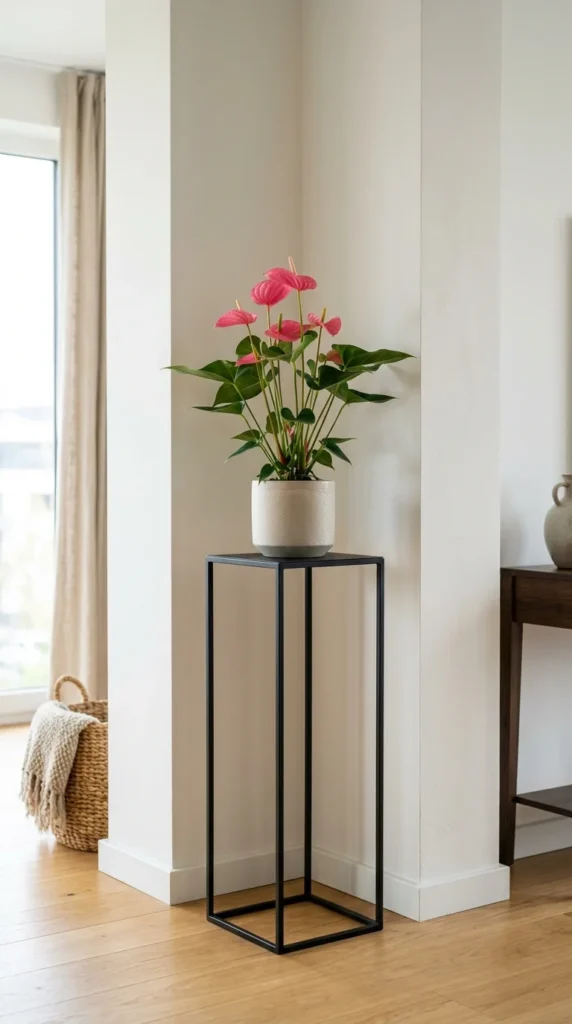
If you have a particularly beautiful or rare plant, give it the spotlight it deserves. A single pedestal elevates a plant to the status of a piece of art. This works exceptionally well in modern or minimalist homes where you want to avoid clutter but still want the warmth that a living plant provides. The height of the pedestal can also help the plant reach better light levels.
11. Under-Stair Gardens
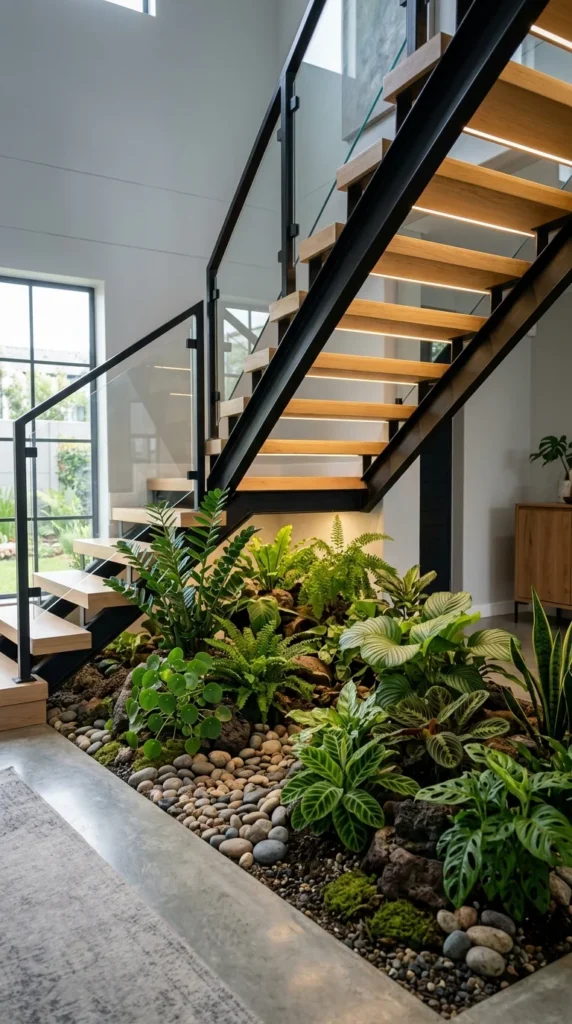
The space under a staircase is often “dead space” that collects dust. Transforming it into an indoor garden is a brilliant use of square footage. Since these areas often have lower light, choose shade-tolerant species like ZZ plants or Peace Lilies. Adding a few spotlights or grow lights can turn this hidden nook into a stunning architectural feature.
12. Tall Vases
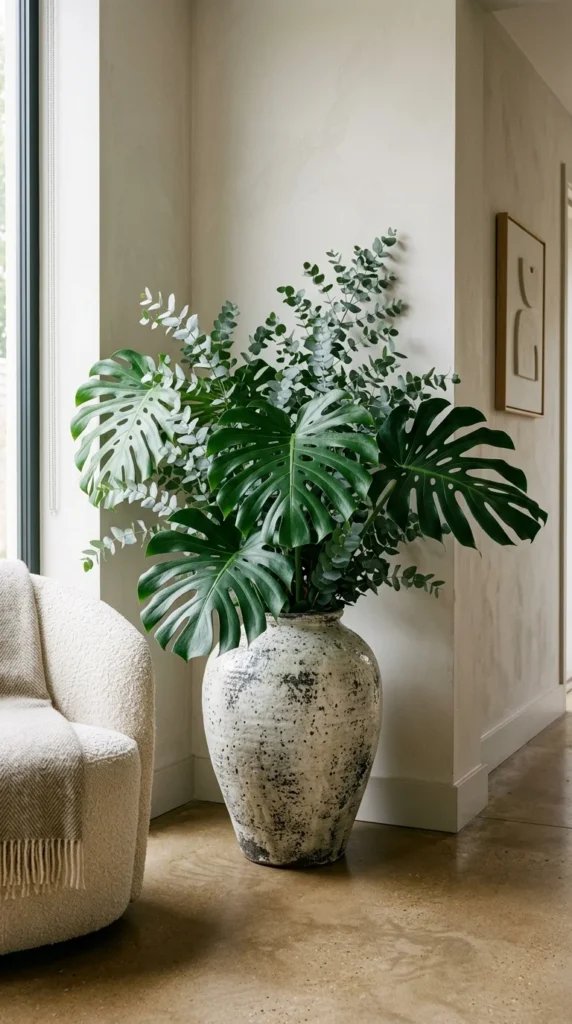
Not every plant needs to be in soil. Large floor vases with long-lasting cuttings or water-propagated branches (like Willow or Eucalyptus) provide a different texture. This is a great “low-maintenance” corner idea for those who travel often. The height of the vase adds a vertical element that draws the eye up to the ceiling.
13. Terrarium Clusters
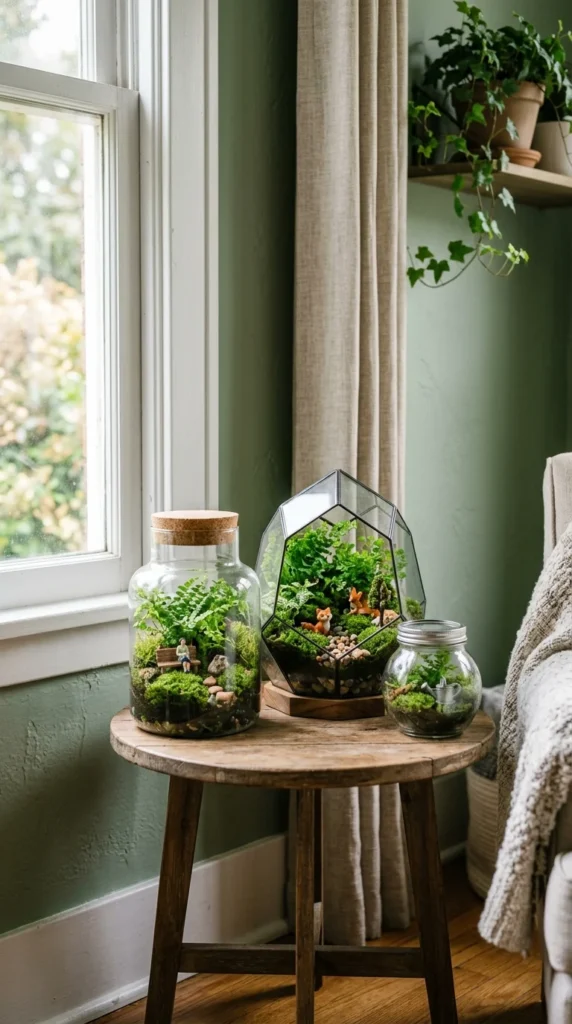
Terrariums are like miniature worlds. Grouping several together on a corner table creates a fascinating “micro-museum” effect. Because they are enclosed, they create their own humidity, making them perfect for delicate ferns or tropical mosses that might struggle in a dry, heated room. They are visual treats that invite closer inspection.
14. Wall-Mounted Planters
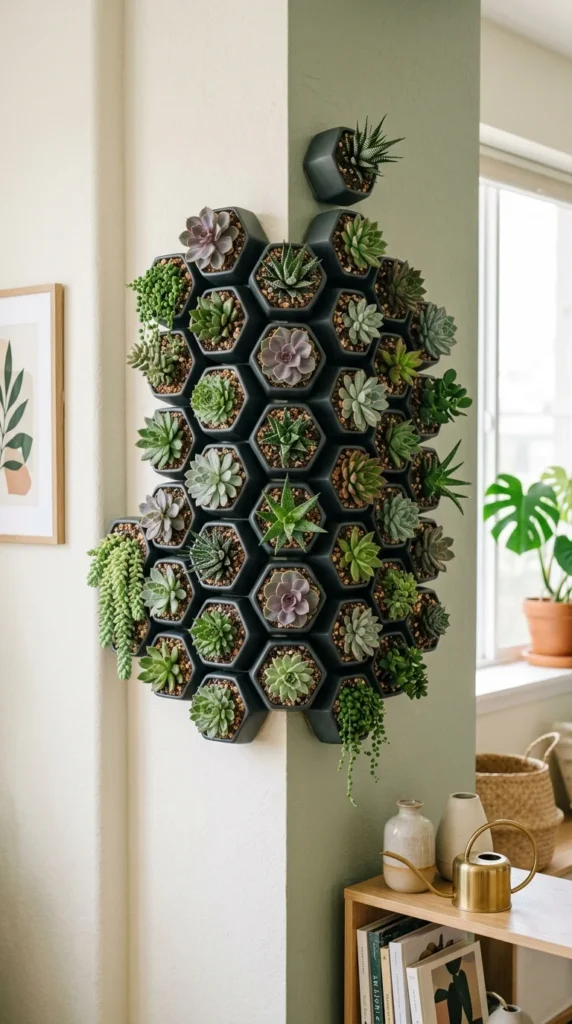
Think of wall-mounted planters as living wallpaper. By using modular or geometric planters, you can create a custom pattern that wraps around a corner. This is an excellent way to add color and texture to a room without taking up any floor or furniture space. It’s particularly effective in kitchens for growing fresh herbs.
15. Side Table Symmetry
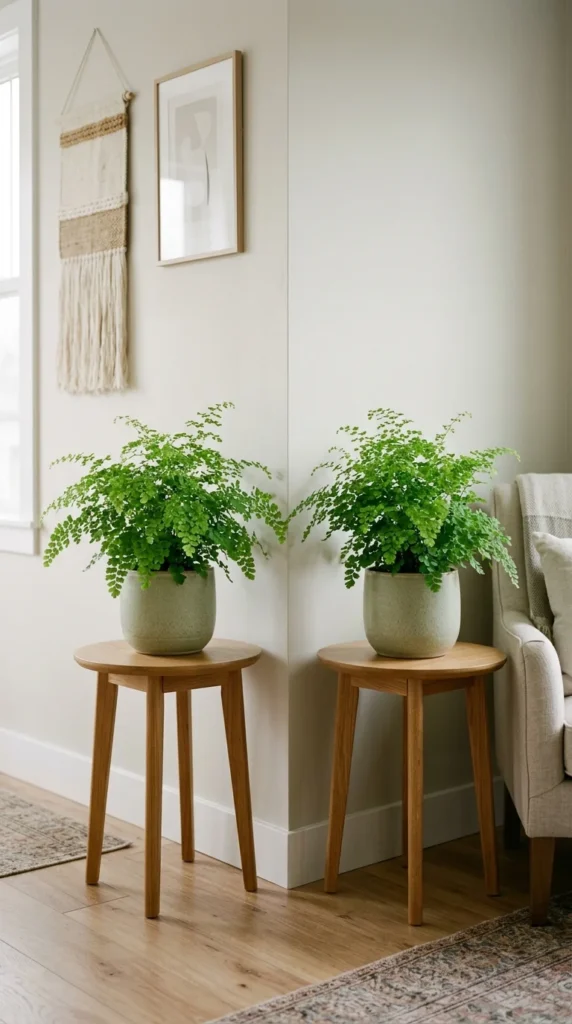
Symmetry creates a sense of order and calm. By placing two identical plants on matching side tables, you frame the corner and create a polished, “designer” look. This works well in formal living rooms or bedrooms where you want the greenery to feel integrated and balanced rather than wild and overgrown.
16. Basket Clusters
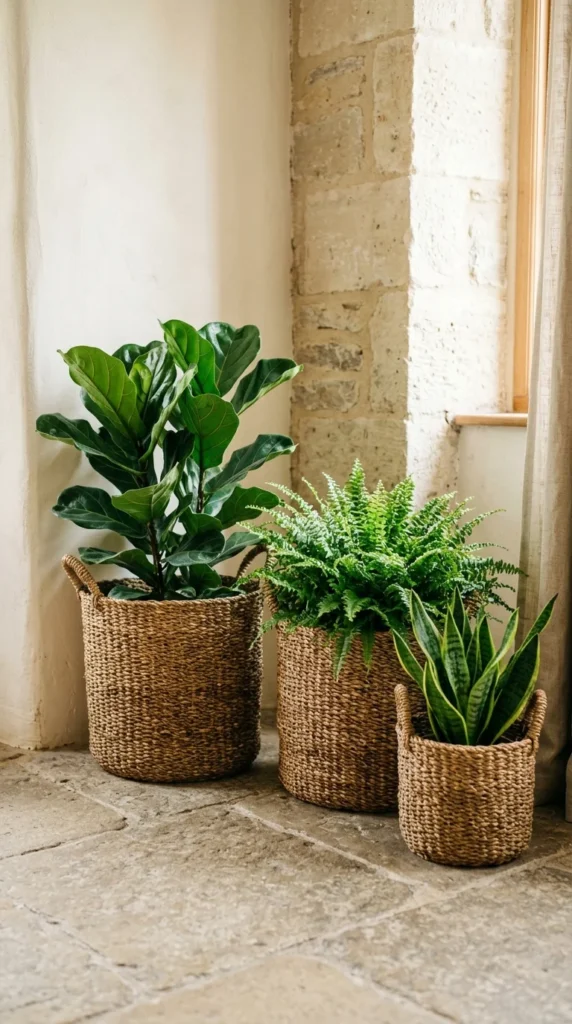
Baskets add a layer of warmth and organic texture that plastic or ceramic pots sometimes lack. Grouping three baskets of varying heights creates a “nesting” look that feels very cozy. The natural fibers of the baskets complement the green of the leaves, creating a soft, earthy aesthetic that fits perfectly with “Japandi” or coastal decor.
17. Ceiling Hooks
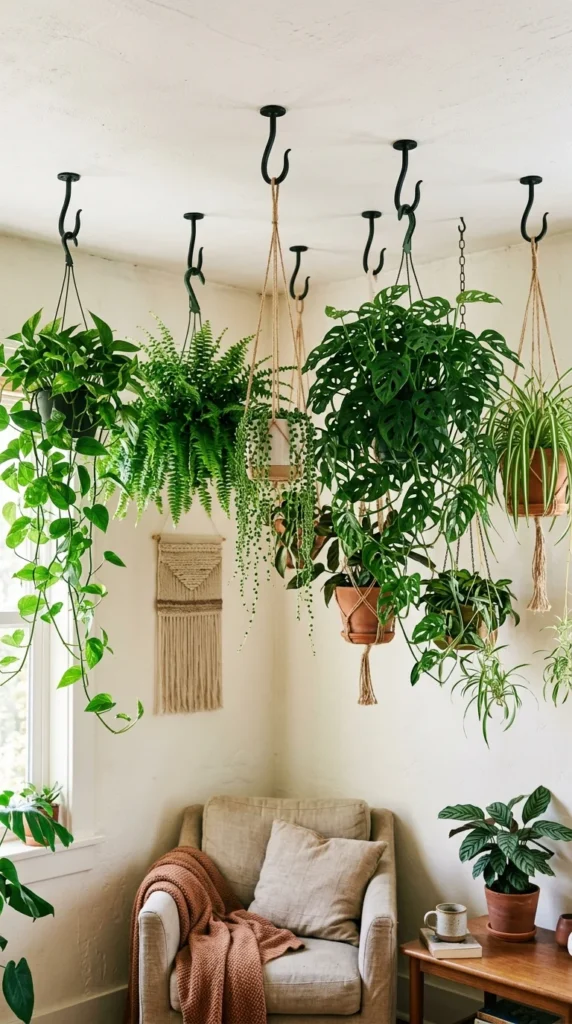
If you want to go all-in on the “urban jungle” vibe, utilize the entire ceiling area of a corner. By installing several hooks at different heights and distances from the corner, you can create a dense canopy. This works beautifully over a corner desk or a vanity, making you feel completely immersed in nature while you work or get ready.
18. Room Dividers
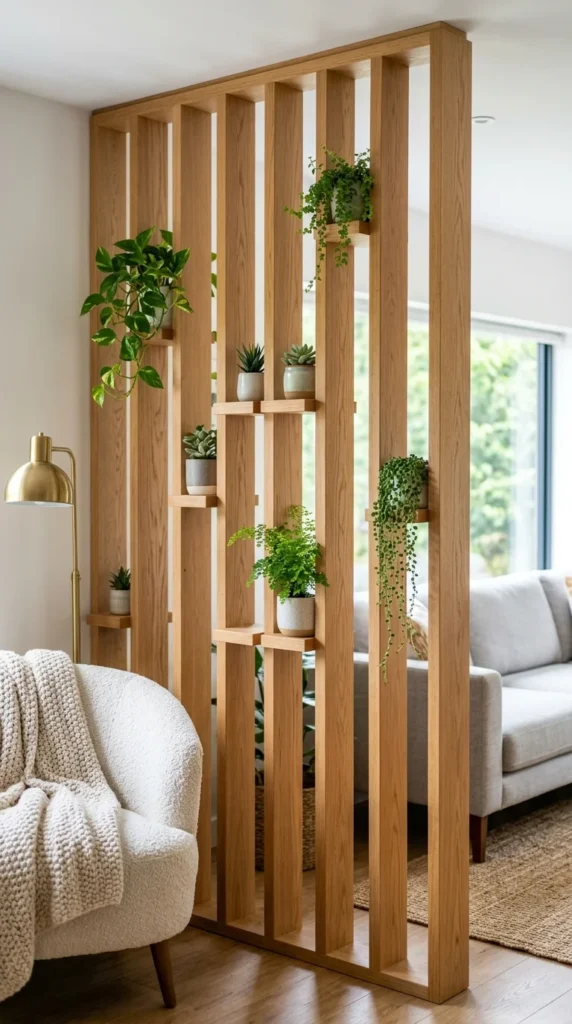
Plants can be used as functional architecture. An open bookshelf or a dedicated plant screen can define a corner as a separate “zone” within a larger room. This is a great way to create a private office or a quiet meditation space without building permanent walls. The plants provide a “breathable” screen that allows light to pass through while still offering privacy.
19. Near Mirrors
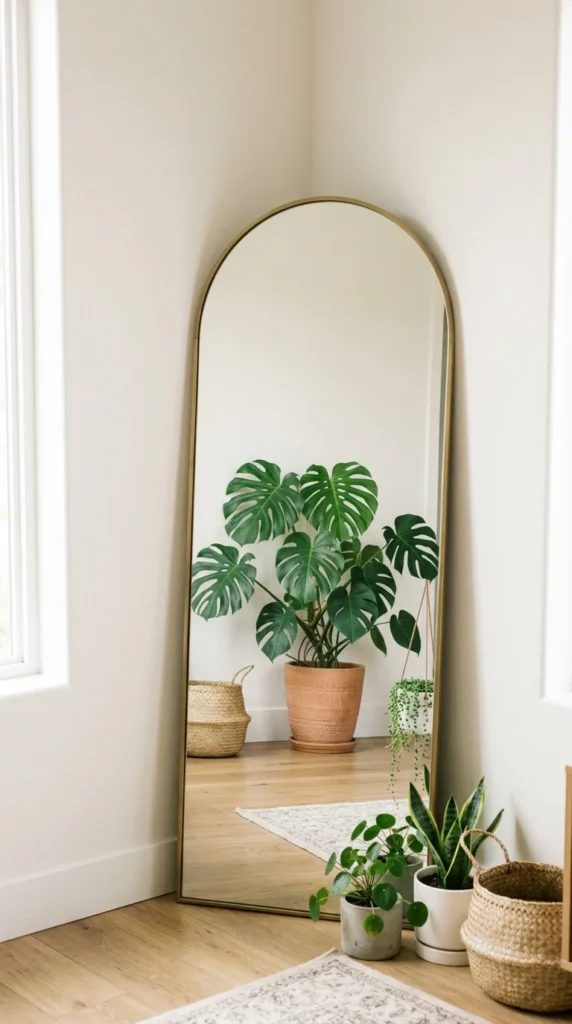
Placing plants in front of or near a mirror is a classic interior design trick. The mirror reflects the greenery, instantly doubling the amount of “plant life” in the room. It also helps bounce light into the leaves, which can be beneficial for the plants’ health. This setup makes a small corner feel twice as deep and significantly brighter.
20. Desk Greens
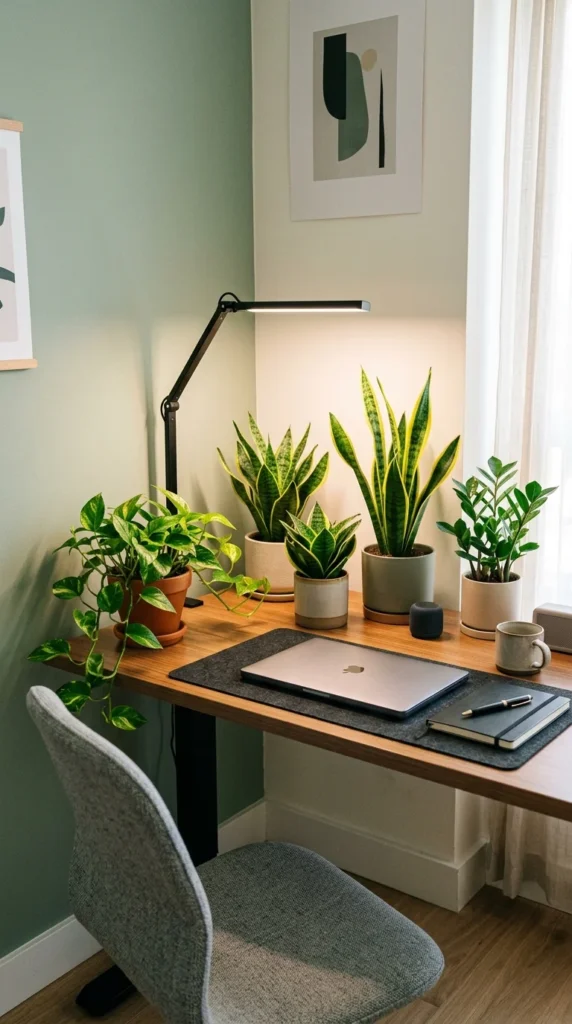
Integrating plants into your workspace can improve focus and air quality. A dedicated “desk corner” filled with low-maintenance plants creates a calming environment for high-stress work. Use plants like the Snake Plant or Sansevieria, which are known for their air-purifying qualities, to keep your home office feeling fresh all day long.
21. Dark Corners (Low Light)
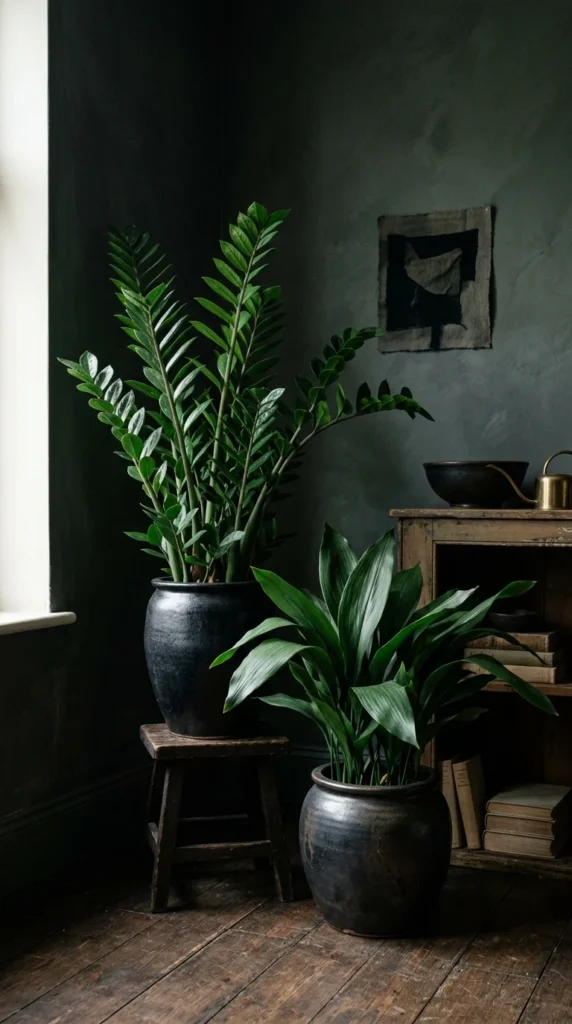
Don’t let a lack of natural light stop you from decorating a corner. Certain plants, like the ZZ plant, Cast Iron plant (Aspidistra), and certain varieties of Dracaena, thrive in low-light conditions. By choosing the right species, you can bring life to the darkest corners of your home. Use light-colored pots to help reflect what little light is available, making the plant pop against the shadows.