
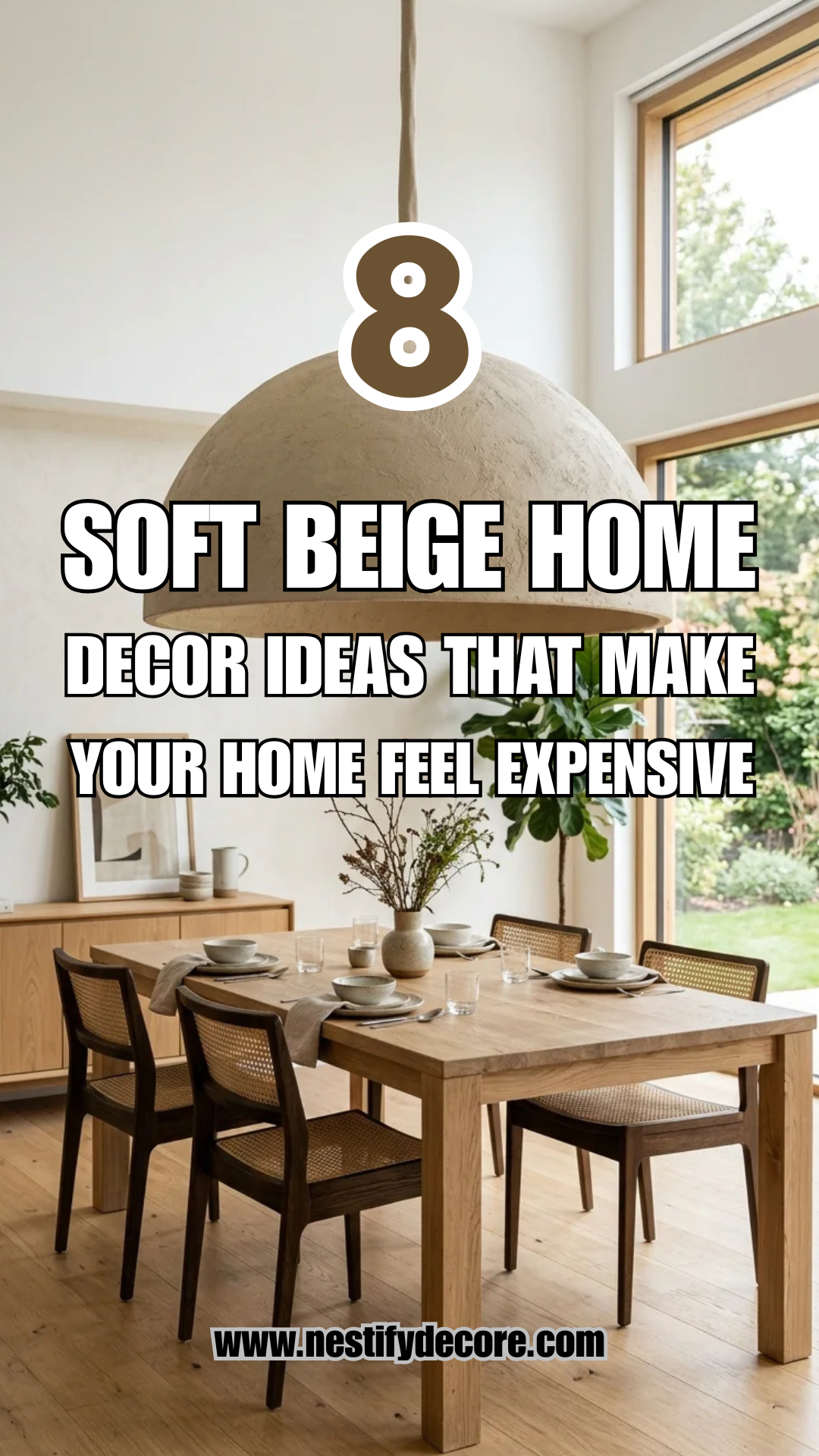
The “Quiet Luxury” aesthetic has taken the interior design world by storm, and at the heart of this movement is the color beige. Often unfairly labeled as “boring,” soft beige is actually one of the most versatile and sophisticated tools in a designer’s arsenal. When executed correctly, a beige-focused palette creates an atmosphere of calm, warmth, and undeniable opulence. It mimics the look of high-end boutique hotels and “Old Money” estates by focusing on quality, texture, and light rather than loud patterns or fleeting trends.
To transition your home from basic to bespoke, you must move beyond simple “tan” walls. The secret lies in the nuances of tone, the richness of materials, and the intentionality of the layout. Here are eight soft beige home decor ideas to elevate your space and give it that coveted “expensive” feel.
1. Monochromatic Layering
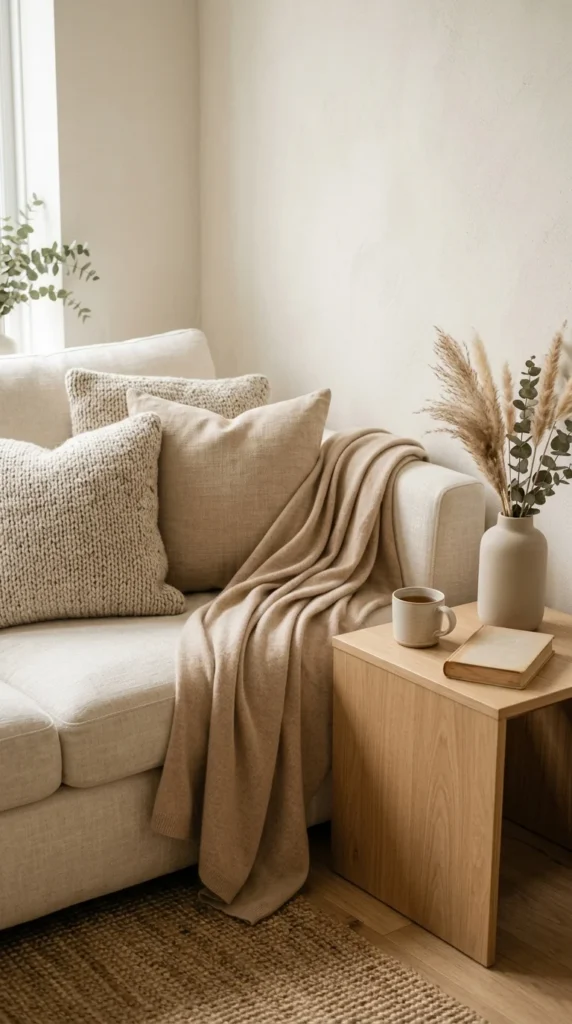
The most common mistake in neutral decorating is using the exact same shade of beige for everything, which results in a flat, uninspired room. To make a space look expensive, you must master the art of monochromatic layering. This involves using various “shades of beige”—from pale champagne and cream to deeper oatmeal, sand, and taupe.
When you layer these tones, you create visual depth. The eye moves across the room and perceives complexity rather than a single block of color. Start with a base (like your walls or a large rug) in a light cream, then add furniture in a mid-tone beige. Finish with accessories like pillows, vases, and candles in slightly darker or lighter variations. This subtle contrast is the hallmark of professional interior design.
2. Sculptural Silhouettes
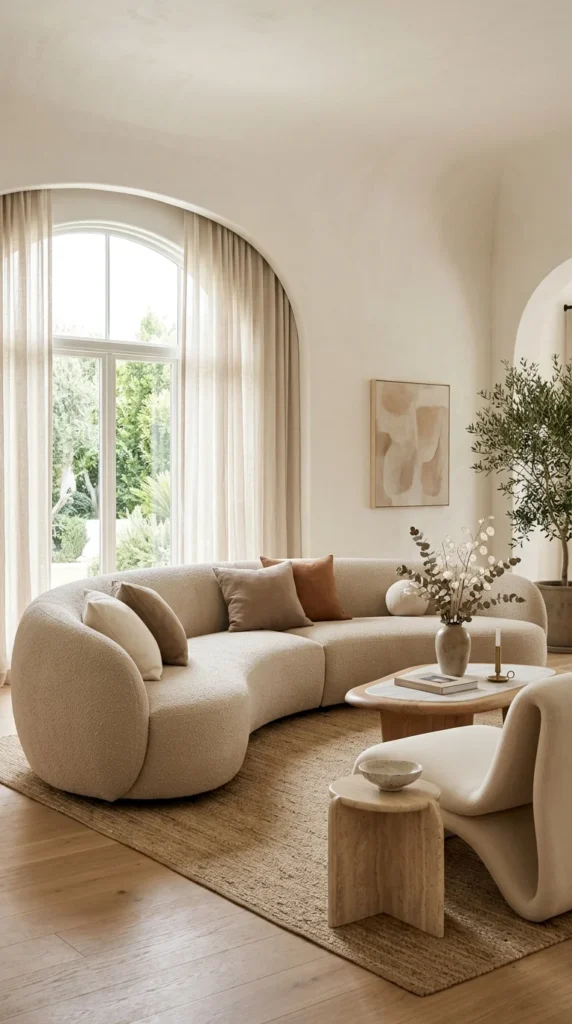
In an all-beige room, color isn’t the focal point—shape is. To prevent a neutral room from looking like a showroom, incorporate furniture with sculptural silhouettes. Move away from standard rectangular sofas and boxy chairs. Instead, look for curved backs, organic-shaped coffee tables, and arched doorways or mirrors.
Expensive homes often feature “statement” furniture that doubles as art. A curved sofa in a soft beige bouclé or a kidney-shaped travertine coffee table commands attention through its form. These unique shapes break up the monotony of a room and signal that the pieces were curated with an eye for high design.
3. Tactile Fabrics
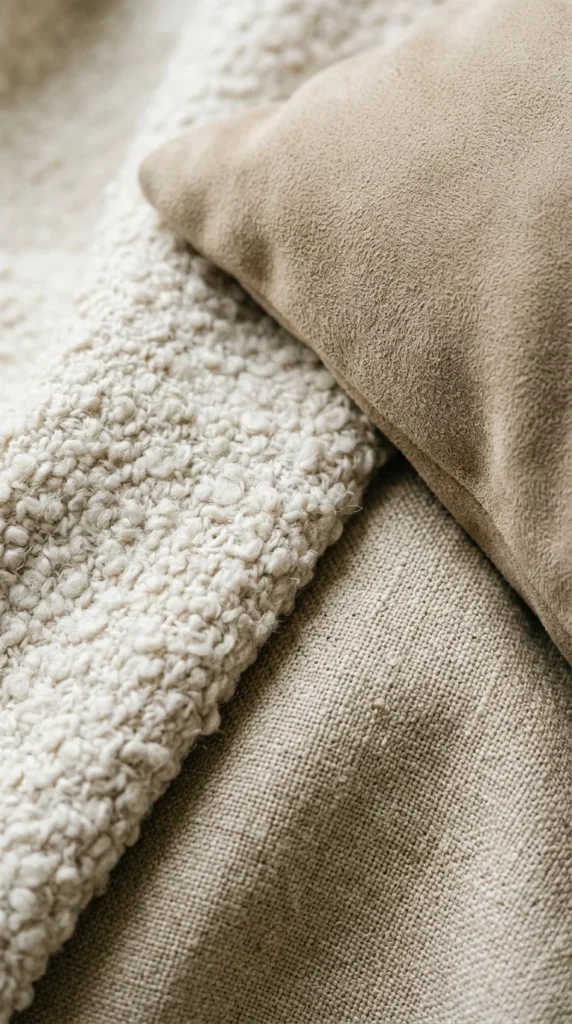
Texture is the secret ingredient that makes a neutral home feel cozy rather than cold. When you lack a vibrant color palette, the “touch” of the room becomes the primary sensory experience. To achieve an expensive look, prioritize high-quality, tactile fabrics.
- Bouclé: This nubby, looped yarn fabric has become synonymous with modern luxury. A beige bouclé chair adds instant sophistication.
- Linen: Ideal for curtains and bedding, linen provides a relaxed yet refined “lived-in” luxury.
- Velvet: A soft beige velvet sofa reflects light beautifully, adding a subtle sheen that looks incredibly high-end.
- Wool and Silk: Incorporating a hand-knotted wool or silk-blend rug in a soft sand tone provides a grounding element that feels wonderful underfoot.
4. Metallic Accents
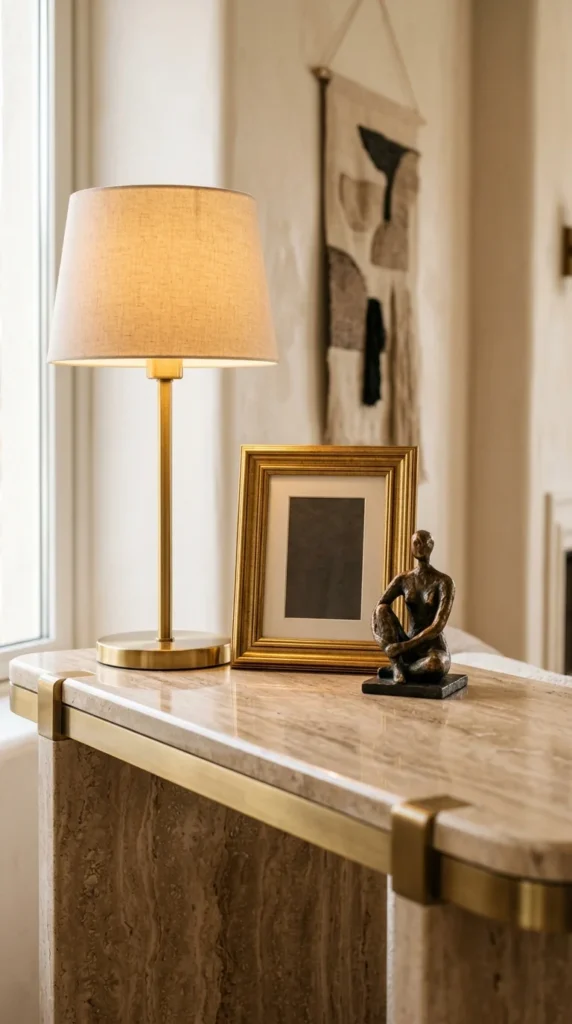
Beige is a warm neutral, which makes it the perfect partner for warm-toned metals. Incorporating gold, brass, or bronze accents can instantly “lift” a beige room and prevent it from looking dull. These metallic touches act like jewelry for your home, providing a necessary spark of contrast.
The key is moderation. Avoid shiny, “yellow” golds and instead opt for brushed or antique brass. Consider gold-toned hardware on your cabinets, a brass-framed mirror, or floor lamps with metallic stems. The reflection from these surfaces adds a layer of brightness that makes the soft beige tones around them appear richer and more intentional.
5. Grand Lighting
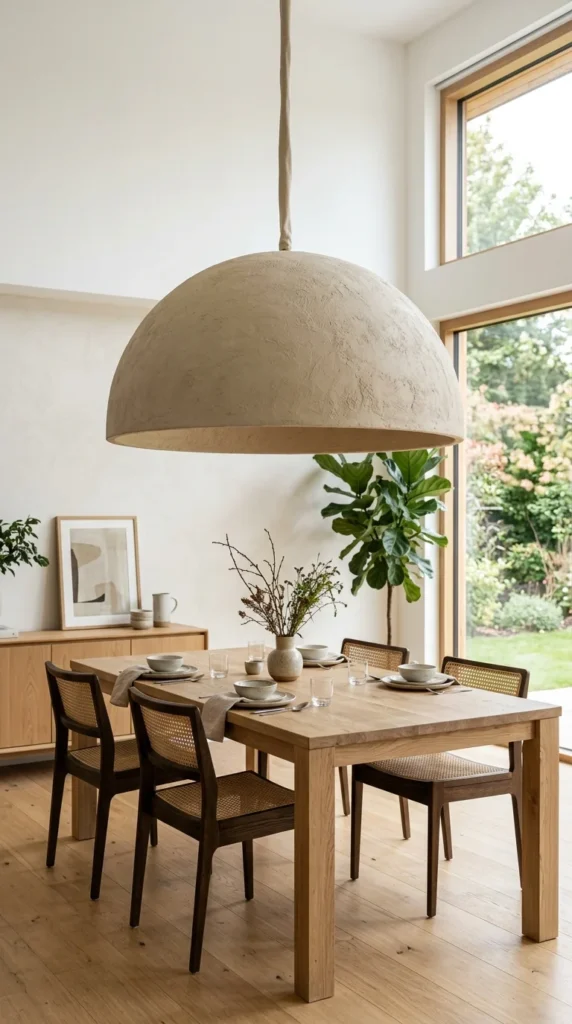
Nothing says “expensive” quite like grand, architectural lighting. In a soft beige home, the lighting fixtures should be treated as the crown jewels of the room. Oversized pendant lights, particularly those with matte textures like plaster or ceramic, are currently a major trend in luxury interiors.
For a cohesive beige look, choose light fixtures in off-white, cream, or light tan. A large, sculptural chandelier in a dining room or a pair of substantial ceramic table lamps in a bedroom creates a sense of scale. When the lights are off, the fixtures act as beautiful beige sculptures; when they are on, the warm glow enhances the beige walls, making the entire space feel golden and inviting.
6. Floor-to-Ceiling Drapery
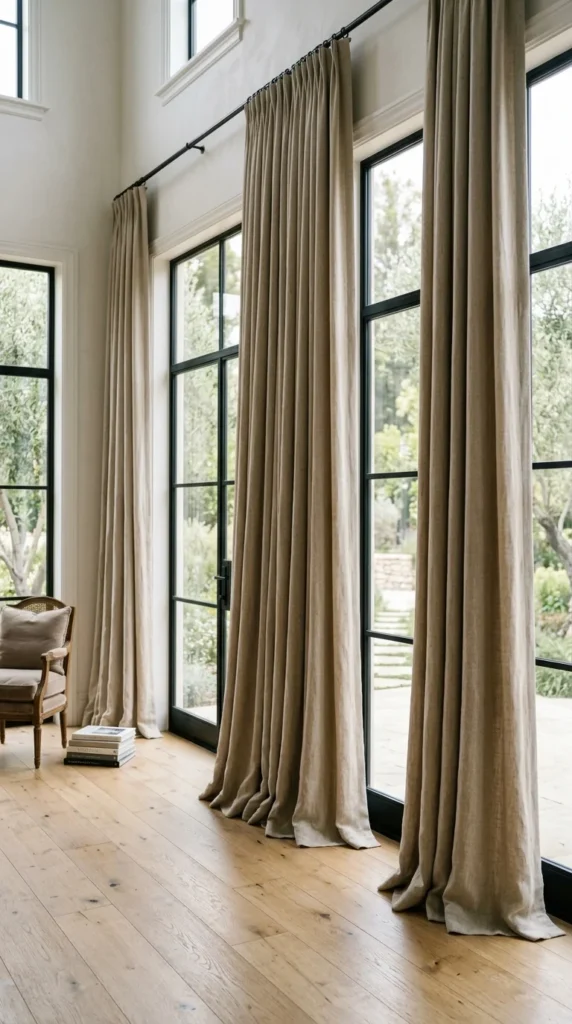
The way you hang your curtains can completely change the perceived value of your home. To achieve a high-end look, always go for floor-to-ceiling drapery in a soft beige or oatmeal hue. Hanging the curtain rod as close to the ceiling as possible—and letting the fabric touch or “puddle” slightly on the floor—creates the illusion of soaring ceiling heights.
Choose fabrics with some weight to them, such as heavy linen or blackout-lined cotton. The “sheer” look can be beautiful, but thick, pleated drapes in a consistent beige tone offer a more structured, tailored appearance that is common in luxury real estate.
7. Minimalist Art
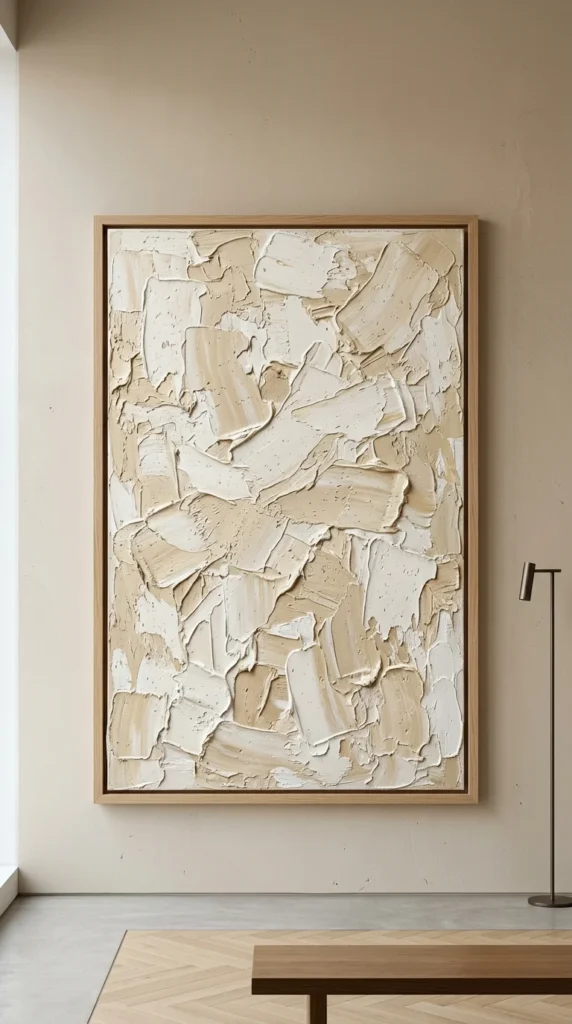
When decorating an expensive-looking home, less is often more. Instead of a gallery wall with many small items, opt for one or two pieces of large-scale, minimalist art. In a beige-themed room, textured “plaster art” or abstract canvases in neutral tones work best.
Large art creates a focal point and gives the room a sense of gallery-like importance. By sticking to a neutral palette within the artwork, you maintain the “soft” feel of the room while adding a sophisticated layer of culture. Look for pieces that use shadow and texture (like raised paint) to create visual interest without needing loud colors.
8. Stone Elements
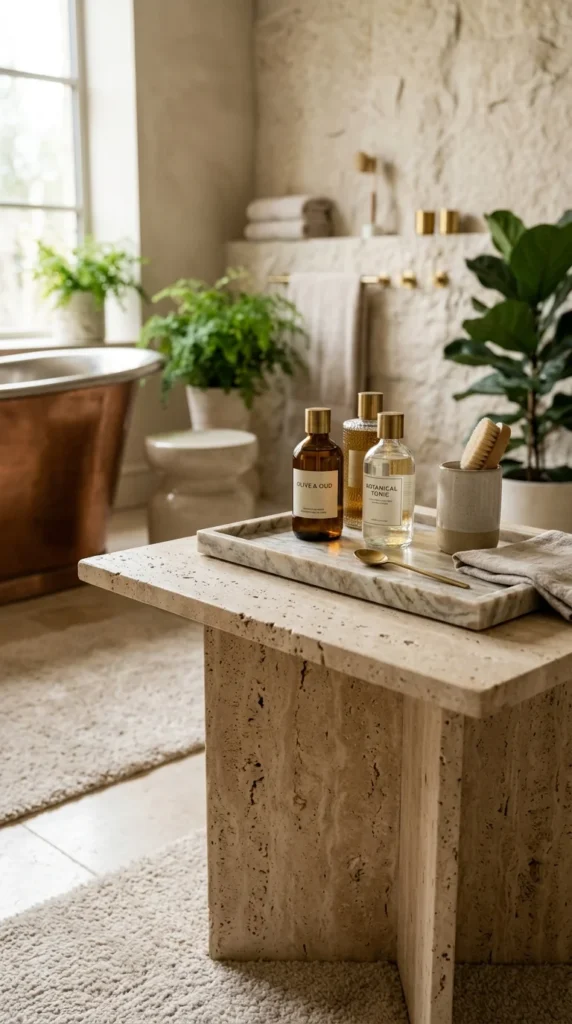
Natural stone is the ultimate material for creating an expensive aesthetic. While white marble is a classic, beige stones like travertine and limestone are currently the height of interior fashion. These materials bring an earthy, ancient, and grounded feel to a modern home.
Integrate stone through small furniture pieces or decor items. A travertine coffee table, a limestone fireplace mantel, or even a simple beige marble tray on an ottoman adds a “heavy” luxury that synthetic materials cannot replicate. The natural veining and imperfections in the stone provide organic patterns that complement the soft beige theme perfectly.