
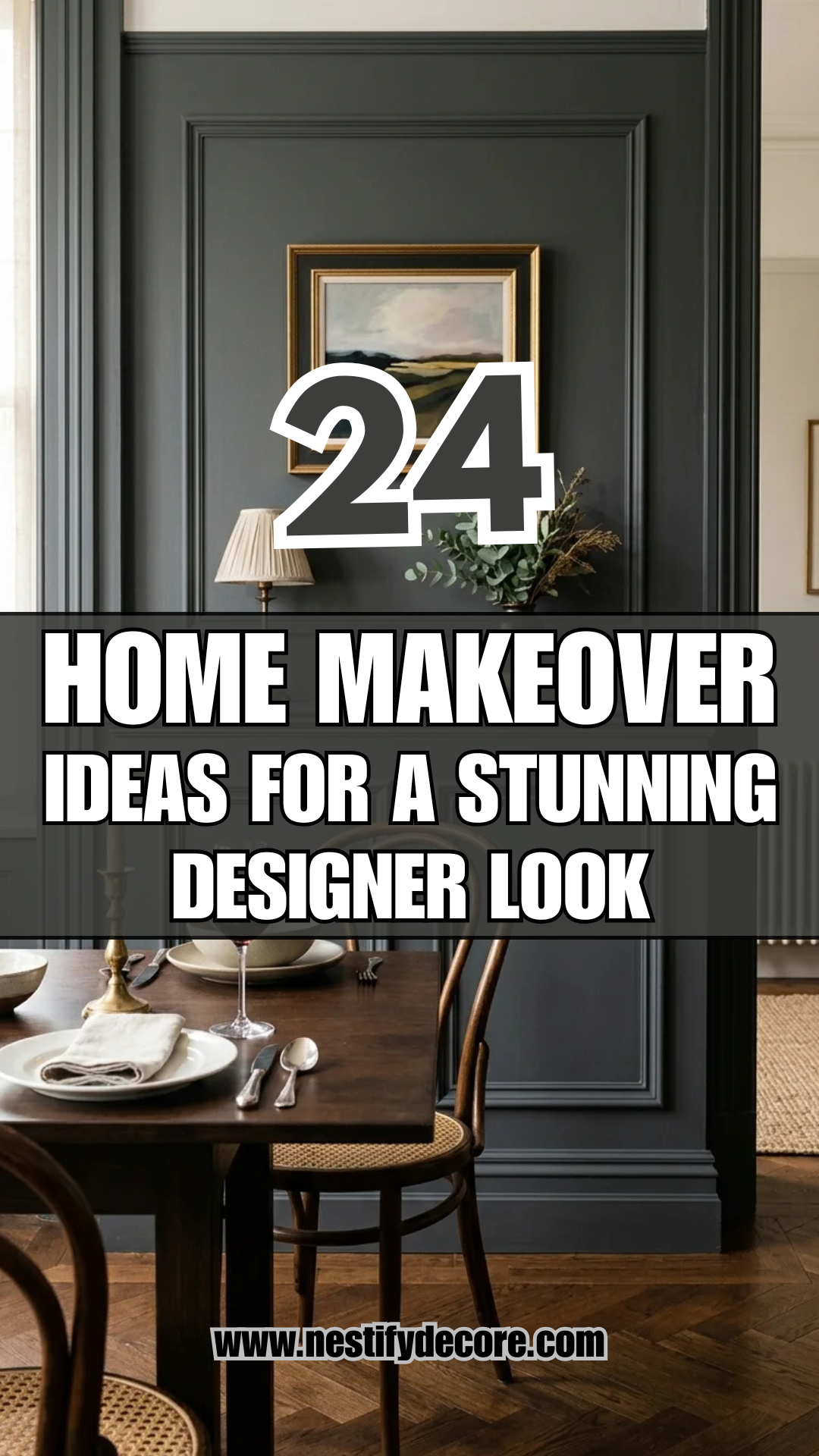
Transforming a house into a designer-curated home doesn’t always require a complete structural renovation. Often, the difference between a standard room and a professional-grade interior lies in the details—the layers of texture, the strategic use of light, and the courage to make bold choices. Whether you are working with a sprawling estate or a cozy apartment, these 24 makeover ideas will help you achieve an elevated, high-end aesthetic.
1. Monochrome Palettes
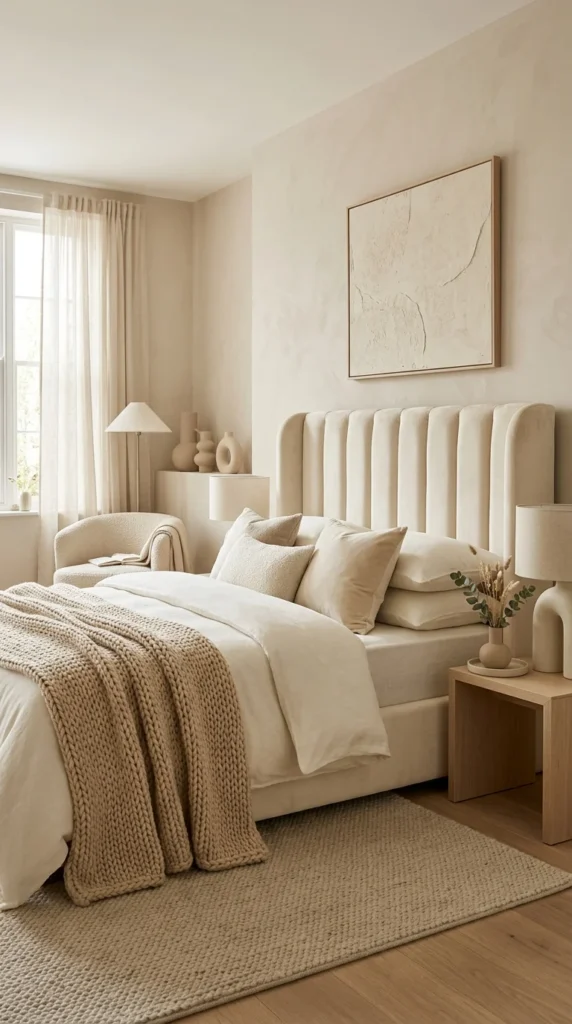
Designing with a monochrome palette is one of the most effective ways to create an instant sense of luxury. By sticking to varying shades of a single color—such as warm whites, soft greys, or deep olives—the eye perceives the space as cohesive and intentional. The secret to making monochrome work is texture. Mix linen, velvet, wool, and stone to prevent the room from feeling flat.
2. Statement Lighting
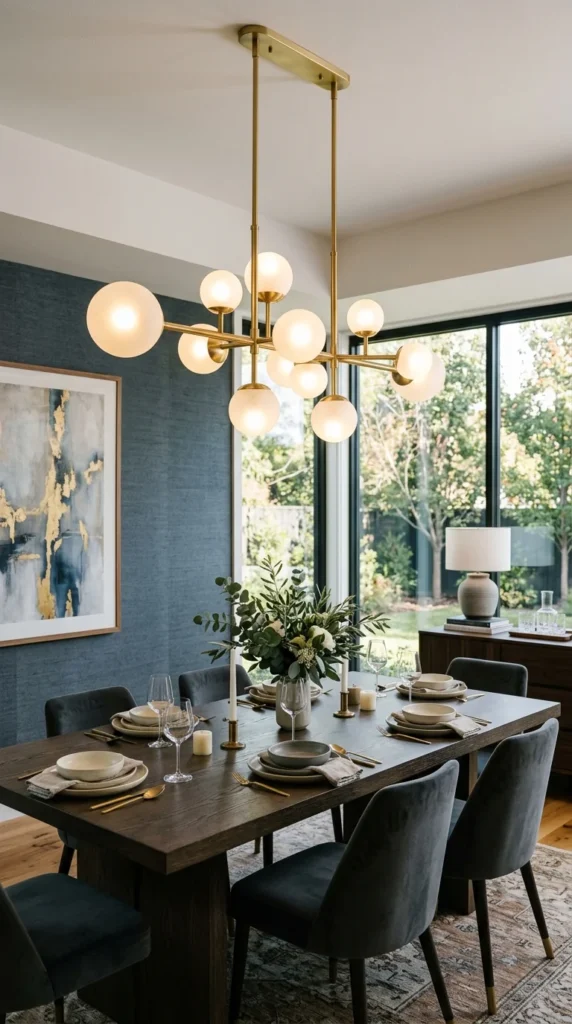
Lighting is the jewelry of a room. Replacing builder-grade fixtures with a bold, sculptural piece can shift the entire atmosphere of a space. Look for oversized pendants for the kitchen island or a dramatic chandelier for the dining area. A designer look often features “statement” pieces that serve as the focal point of the room, drawing the gaze upward.
3. Oversized Art
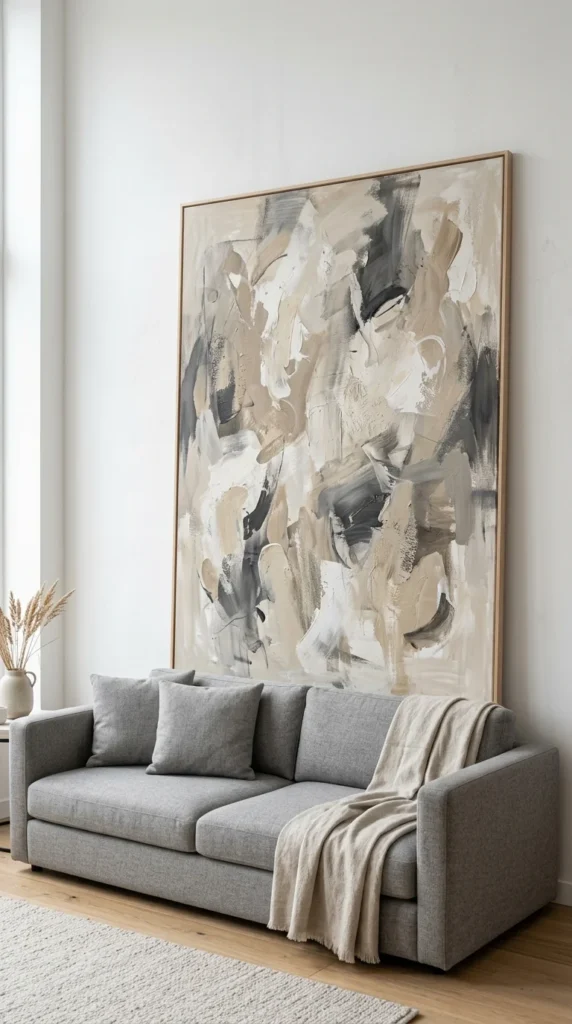
One of the most common mistakes in home decorating is choosing art that is too small for the wall. To achieve a designer look, go big. A single, massive piece of art creates a sophisticated gallery feel. It anchors the furniture below it and gives the room a sense of scale and grandeur that several smaller pieces often fail to achieve.
4. Layered Textiles
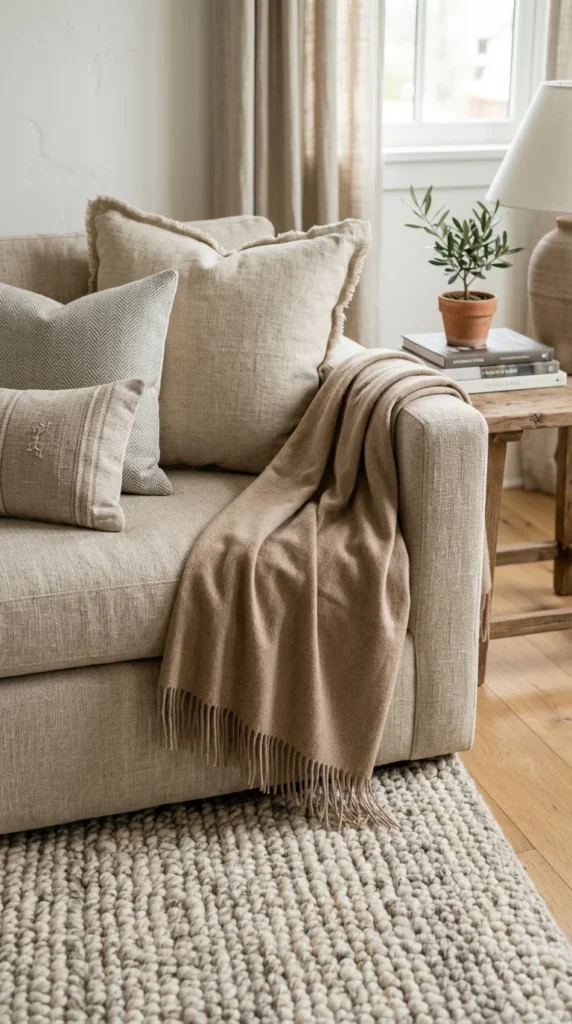
Layering is the hallmark of professional interior design. It involves piling different fabrics and materials to create depth and comfort. Start with a base rug, perhaps a large jute or sisal, and layer a smaller, patterned wool rug on top. Add cushions of varying sizes and fabrics like silk, leather, and cotton to your seating to create a “lived-in yet polished” vibe.
5. Indoor Greenery
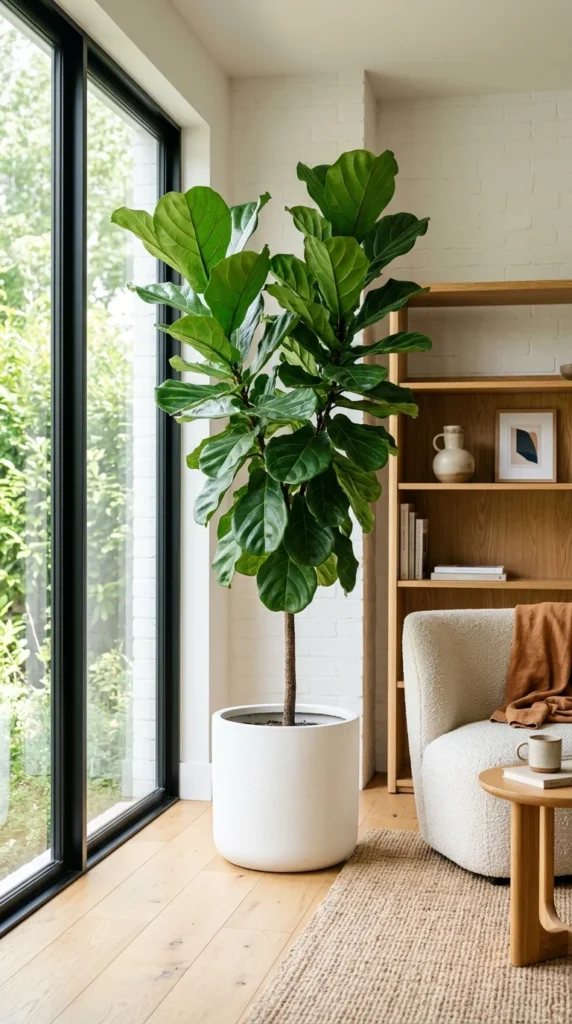
Nothing breathes life into a space like nature. High-end designers often use large-scale plants, such as Fiddle Leaf Figs, Olive Trees, or Birds of Paradise, to add height and organic shapes to a room. If you lack a green thumb, high-quality “real-touch” silk plants can provide the same visual impact without the maintenance.
6. Architectural Molding
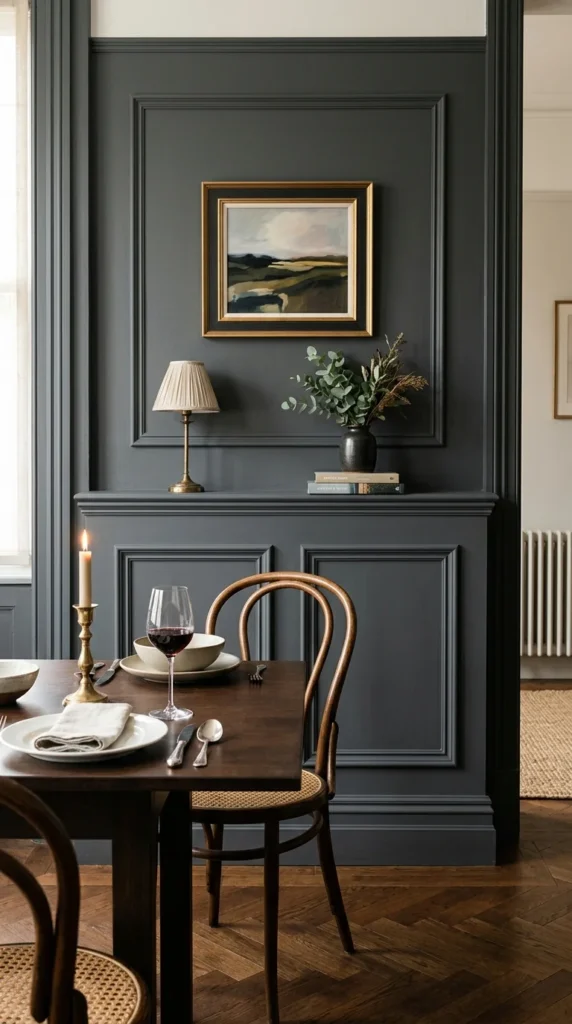
Adding architectural details like crown molding, wainscoting, or picture frame molding can take a plain room and make it feel historic and expensive. These elements add shadows and highlights to the walls, providing a structural depth that paint alone cannot offer. Modern applications often involve painting the molding the same color as the wall for a seamless, contemporary look.
7. High-End Hardware
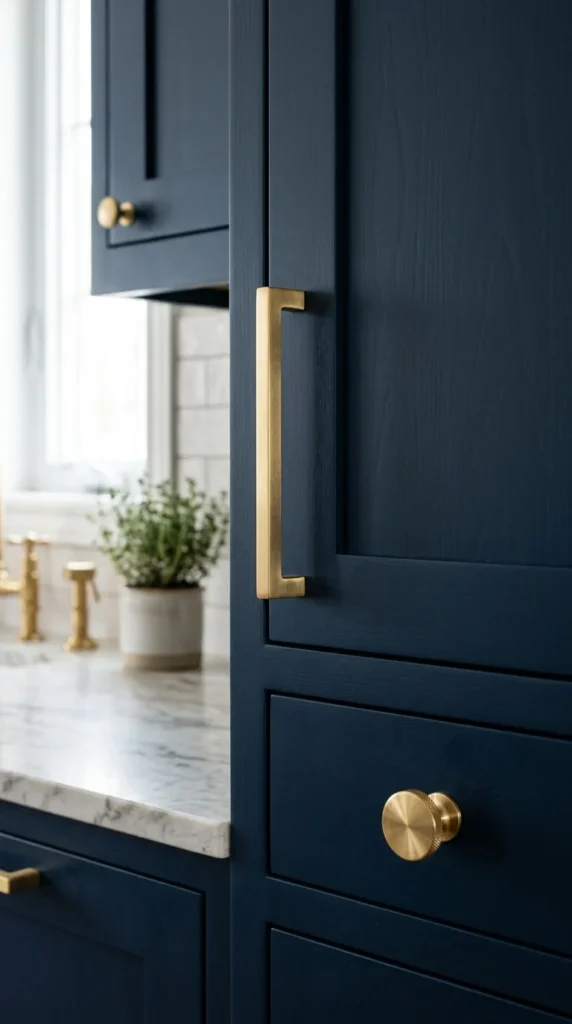
Changing out the hardware on your cabinets, drawers, and doors is one of the fastest and most cost-effective makeovers. Swap out basic silver or plastic handles for brushed brass, matte black, or heavy knurled steel. This small detail adds a tactile sense of quality every time you open a cupboard or walk through a door.
8. Floating Shelves
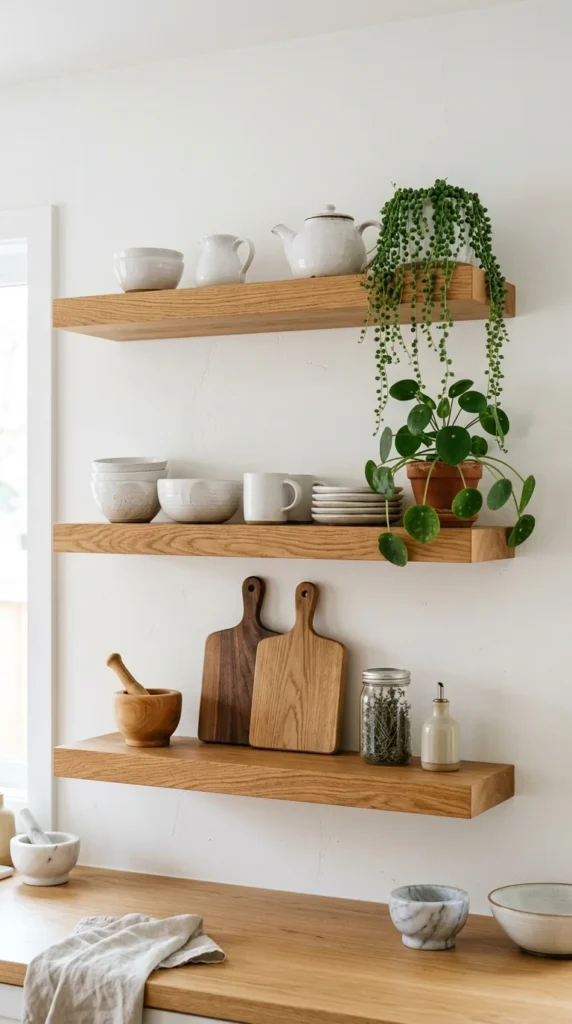
Floating shelves offer a clean, streamlined way to display decor without the bulk of traditional bookcases. In a kitchen, replacing upper cabinets with floating shelves can make the space feel much larger and more “chef-style.” The key to the designer look is “minimalist styling”—don’t overstuff them; leave plenty of white space between items.
9. Textural Wallpaper
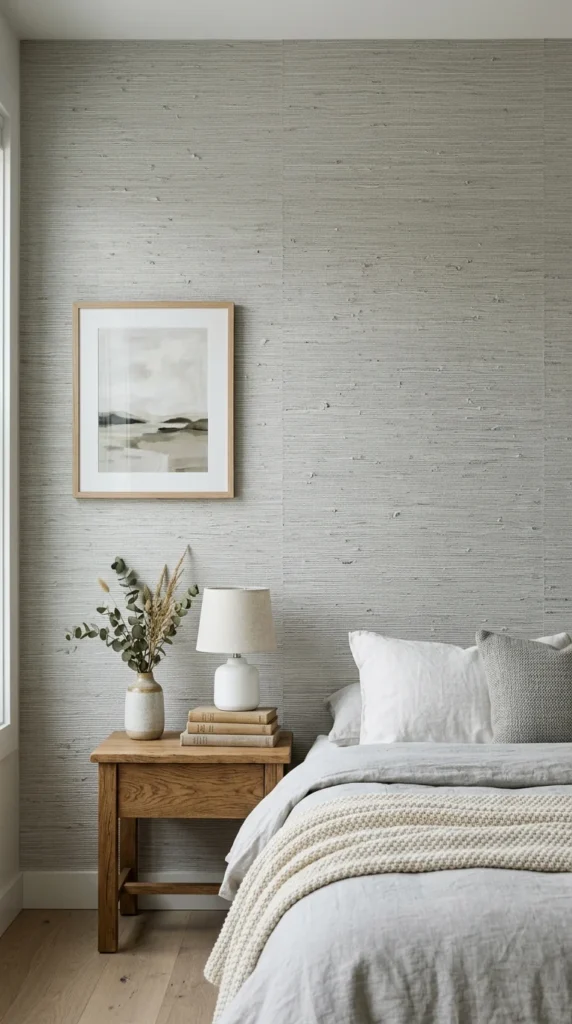
While paint is great, wallpaper adds a level of sophistication that is hard to match. For a designer aesthetic, look for “textural” wallpapers like grasscloth, linen-effect, or sueded finishes. These provide a subtle backdrop that absorbs light and adds warmth to the room without the busyness of loud patterns.
10. Mixed Metals
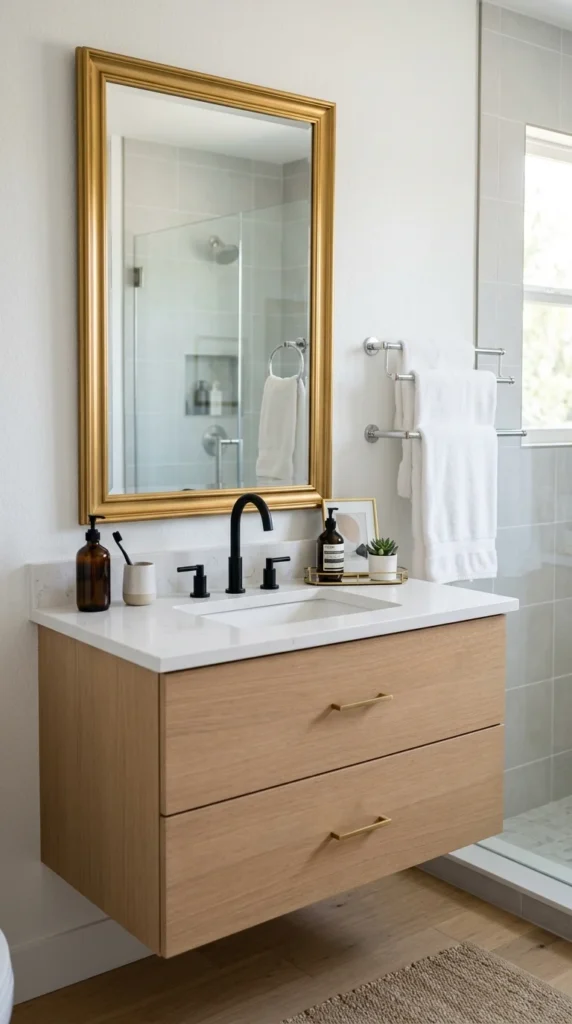
Gone are the days when every metal finish in a house had to match. Designers now embrace “mixed metals” to create a more curated, evolved-over-time appearance. The trick is to have one dominant metal (like matte black) and one or two accent metals (like antique brass or polished nickel) to create visual interest.
11. Window Treatments
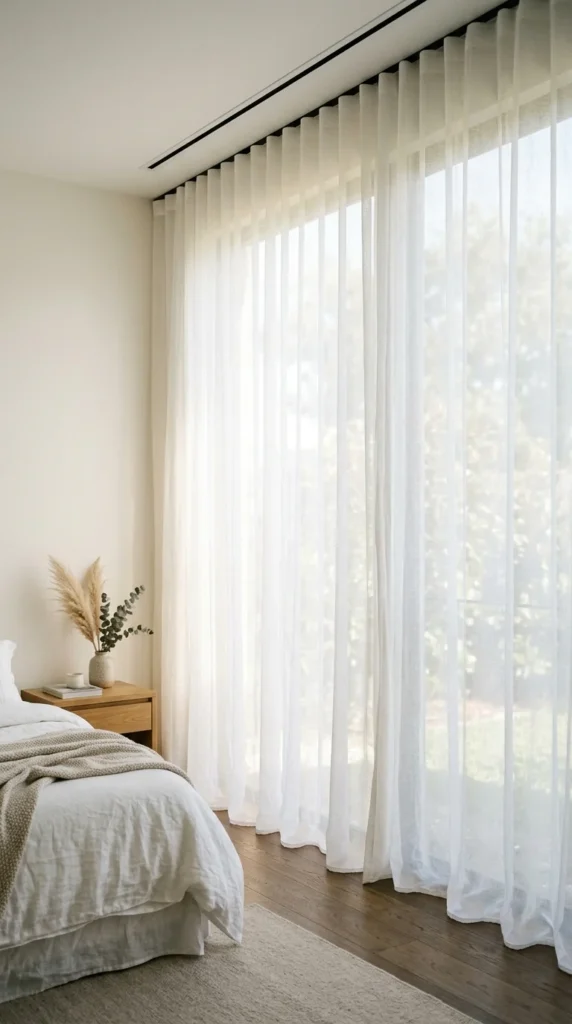
To make your ceilings look higher and your windows look larger, hang your curtain rods “high and wide.” Position the rod near the ceiling rather than right above the window frame, and extend it several inches past the sides of the window. This allows the fabric to frame the glass without blocking the light, creating a grand, sweeping effect.
12. Area Rugs
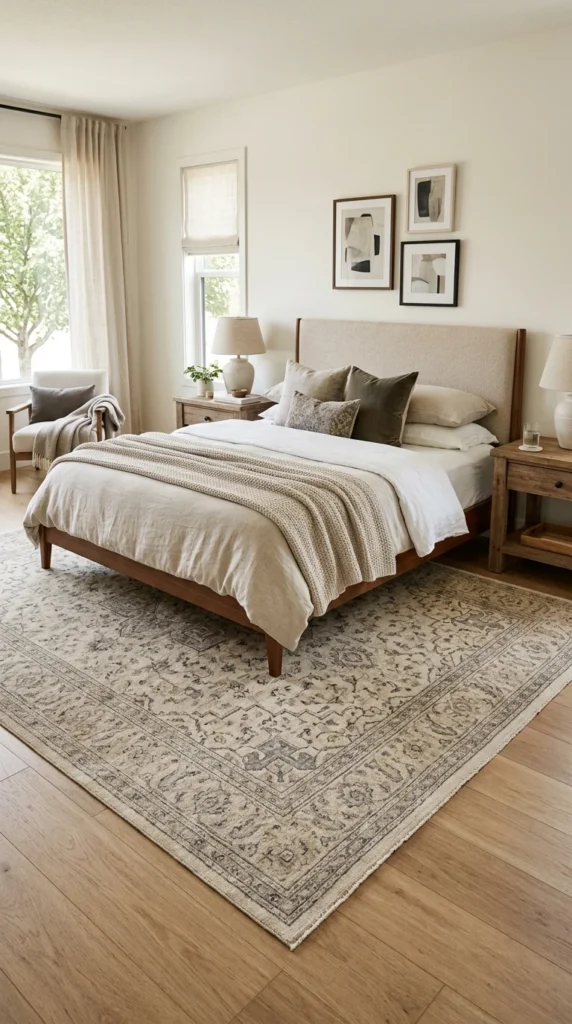
A rug acts as the anchor for a room’s design. A common designer tip is to ensure the rug is large enough that all furniture legs—or at least the front legs—sit on it. This creates a “zone” and prevents the furniture from looking like it’s floating in space. For a designer look, opt for natural fibers like wool or silk blends.
13. Minimalist Decluttering
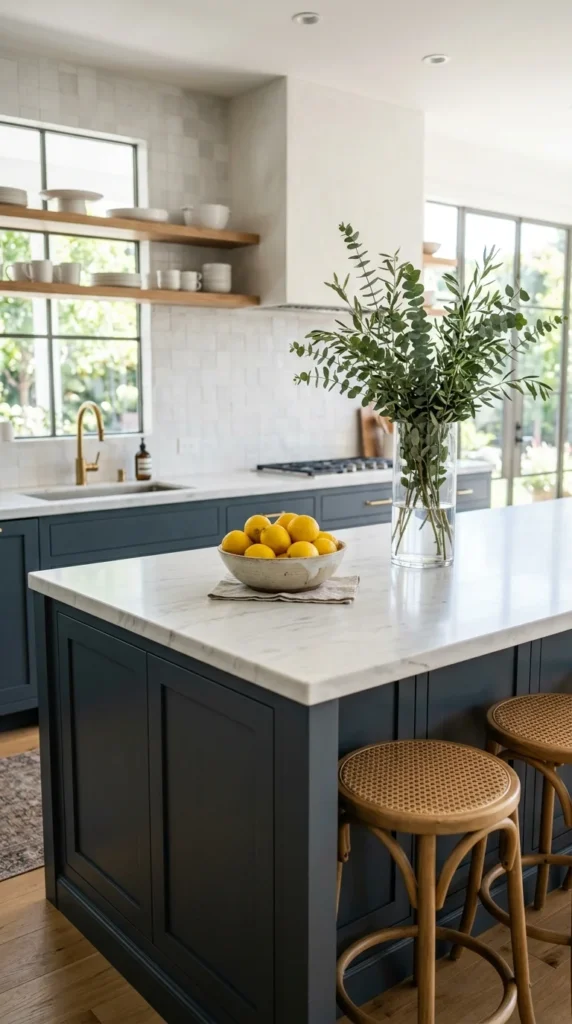
Designer homes often feel peaceful because they are free of visual clutter. Invest in smart storage solutions that hide everyday items. Keeping surfaces like kitchen counters and coffee tables relatively clear allows the architectural details and chosen decor pieces to stand out.
14. Accent Walls
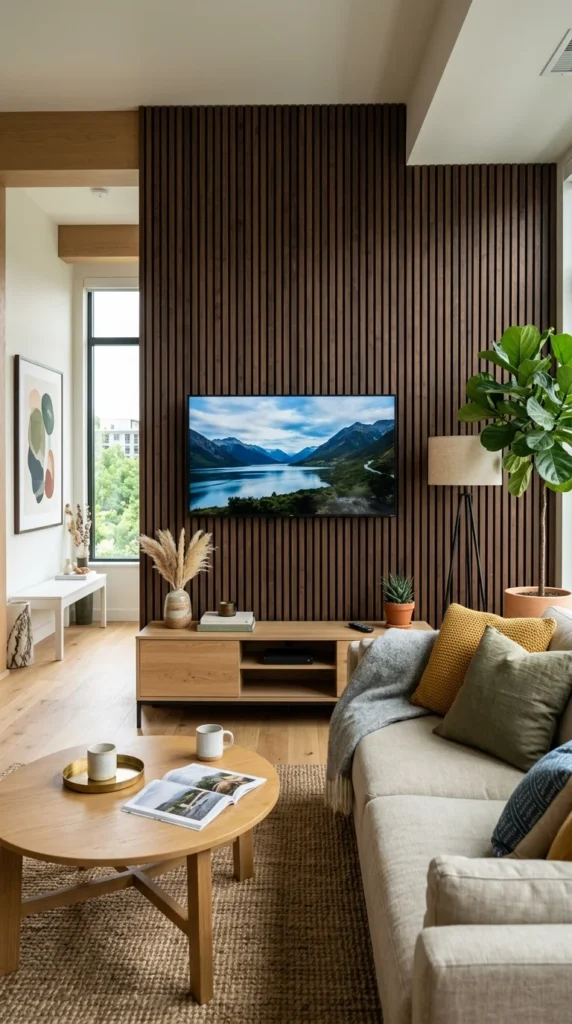
While the “bright colored” accent wall is a bit dated, the modern designer accent wall focuses on material. Consider a wall made of vertical wood slats, reclaimed brick, or even a dark, moody coat of lime-wash paint. These materials add a sense of permanence and craftsmanship to the home.
15. Mirror Placements
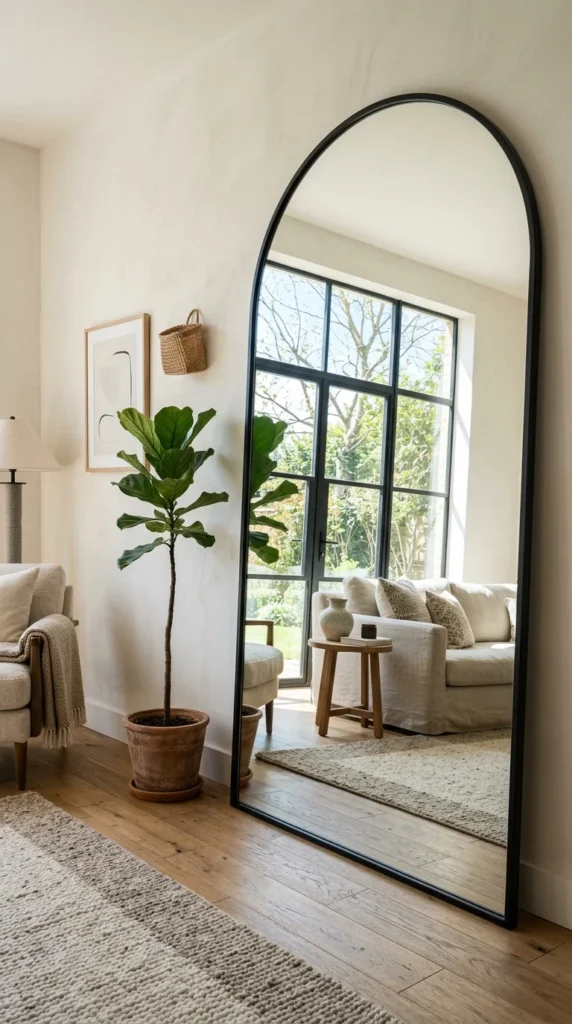
Mirrors are a designer’s secret weapon for doubling the light and perceived space in a room. A large floor mirror leaning against a wall or a series of mirrors placed opposite a window can transform a cramped, dark room into a bright, expansive one. Choose frames that reflect the room’s style—minimalist for modern, or ornate for traditional.
16. Vintage Accents
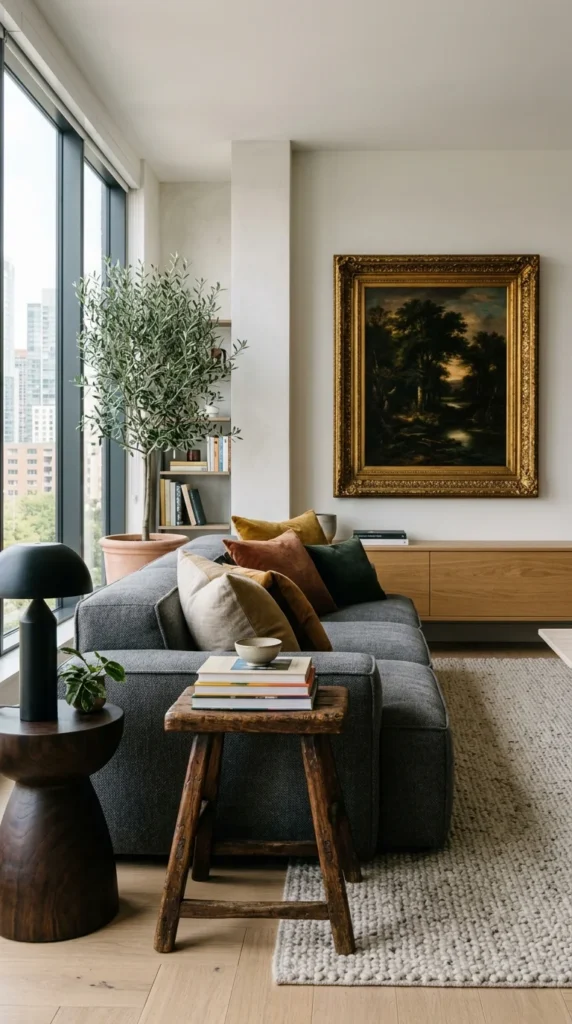
To avoid a “showroom” look where everything is brand new and matching, designers incorporate vintage or antique pieces. A 19th-century wooden chest in a modern hallway or an antique rug in a contemporary bedroom adds character and a sense of history that mass-produced furniture cannot replicate.
17. Built-in Nooks
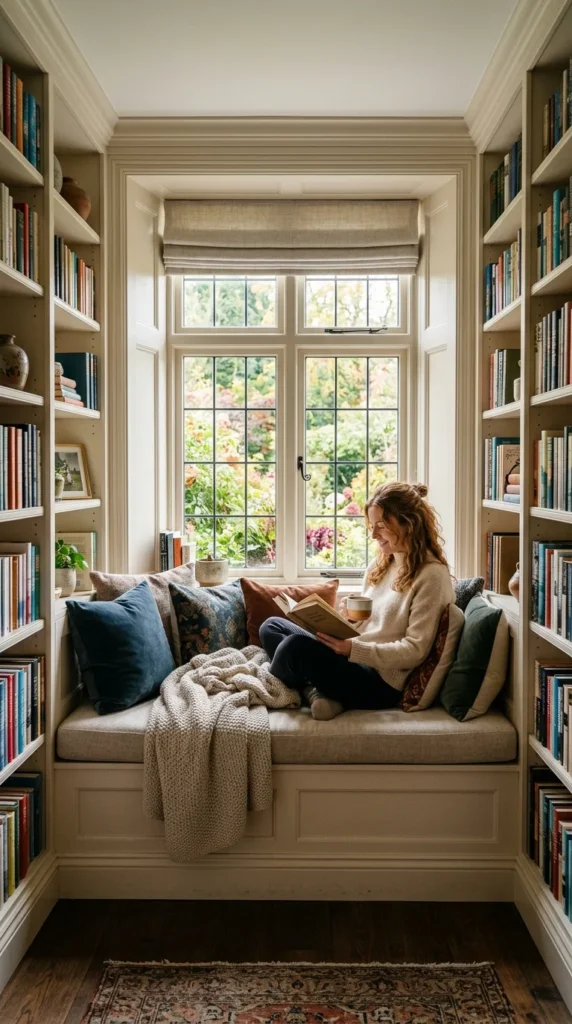
Custom built-ins always scream “designer.” If you have an unused corner or a window bay, consider building a custom bench or shelving unit. This utilizes every square inch of the home and gives the impression that the furniture was designed specifically for the architecture.
18. Marble Accents
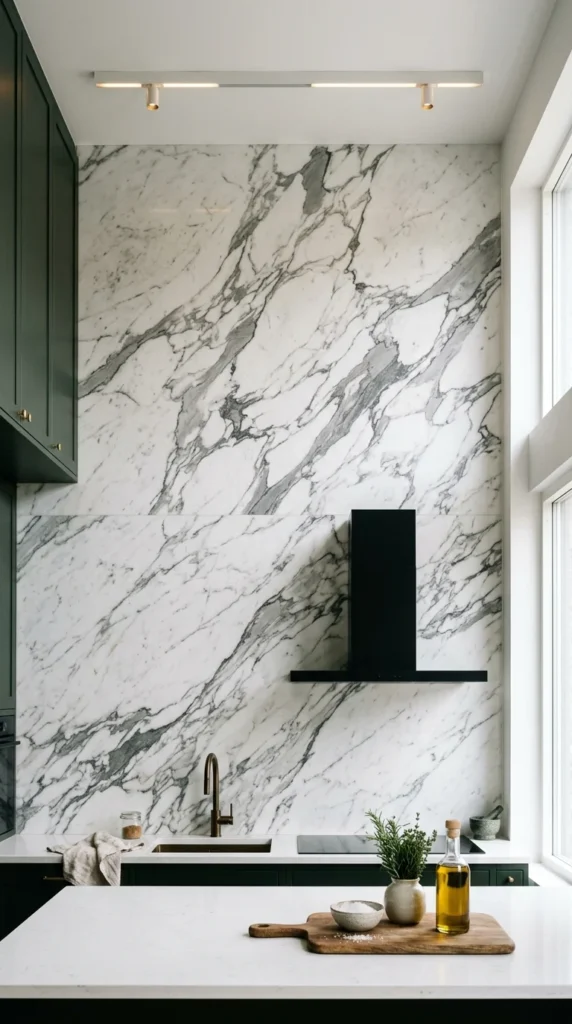
Marble is the ultimate symbol of luxury. You don’t need a full marble kitchen to get the look; a marble-topped coffee table, a marble tray on an ottoman, or even marble coasters can elevate the room. For a bolder makeover, consider a marble waterfall edge on a kitchen island or a marble-tiled fireplace surround.
19. Sculptural Furniture
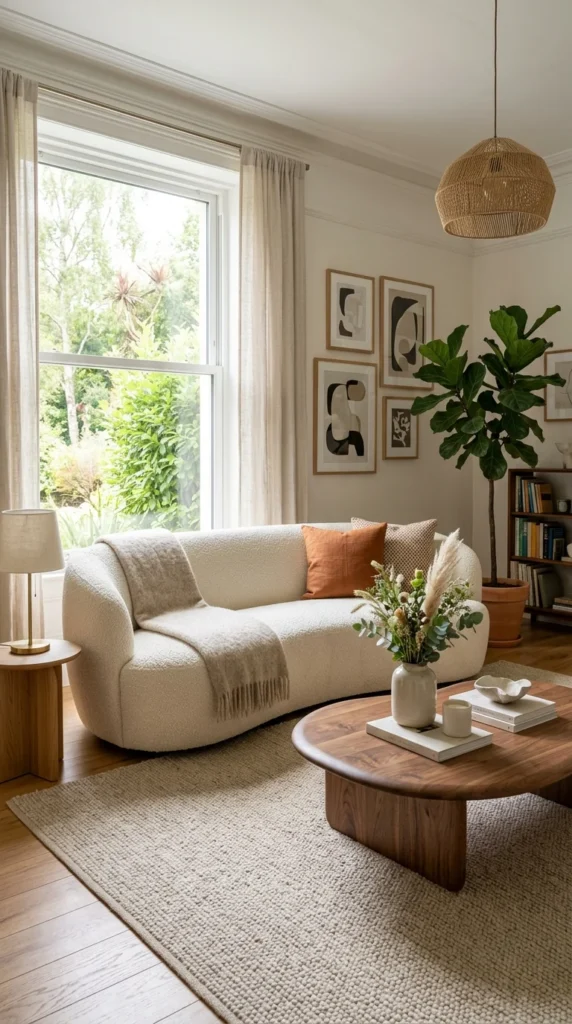
Move away from boxy, standard furniture shapes. Designers often choose “sculptural” pieces—furniture with curves, interesting angles, or unique silhouettes. A curved sofa or a round coffee table breaks up the straight lines of a room, making the layout feel more organic and high-end.
20. Velvet Finishes
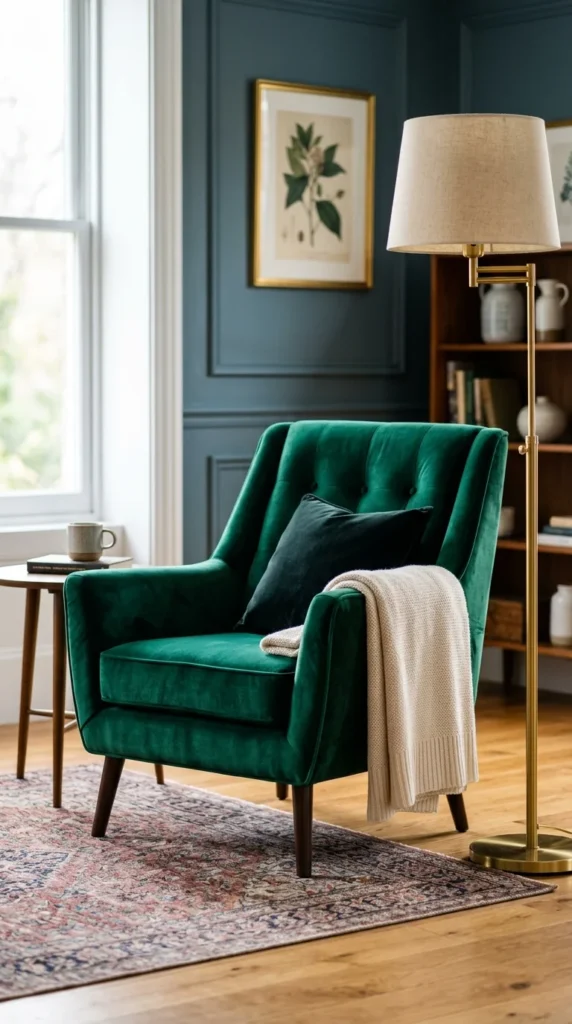
Velvet is a go-to fabric for designers because of how it interacts with light. It adds a layer of “visual weight” and luxury. Whether it’s a full sofa, a pair of ottomans, or just a few throw pillows, the sheen of velvet provides a sophisticated contrast to matte surfaces like wood or stone.
21. Wood Paneling
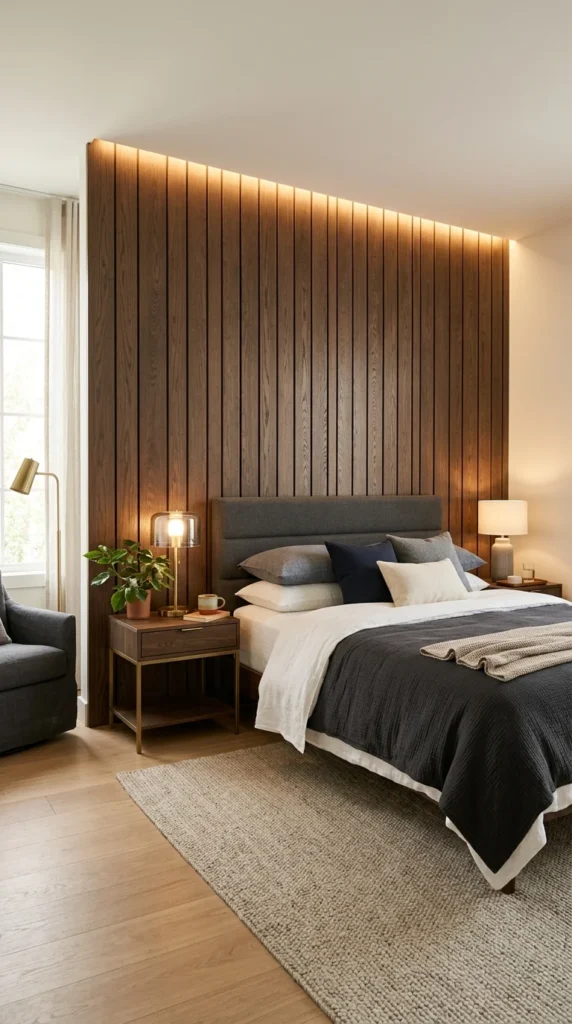
Wood paneling has made a massive comeback in modern design. Instead of the thin, cheap panels of the 70s, modern paneling uses high-quality oak, walnut, or painted MDF in vertical or horizontal “shiplap” or “slat” styles. This adds warmth and a high-end, “hotel-suite” feel to bedrooms and living areas.
22. Smart Organization
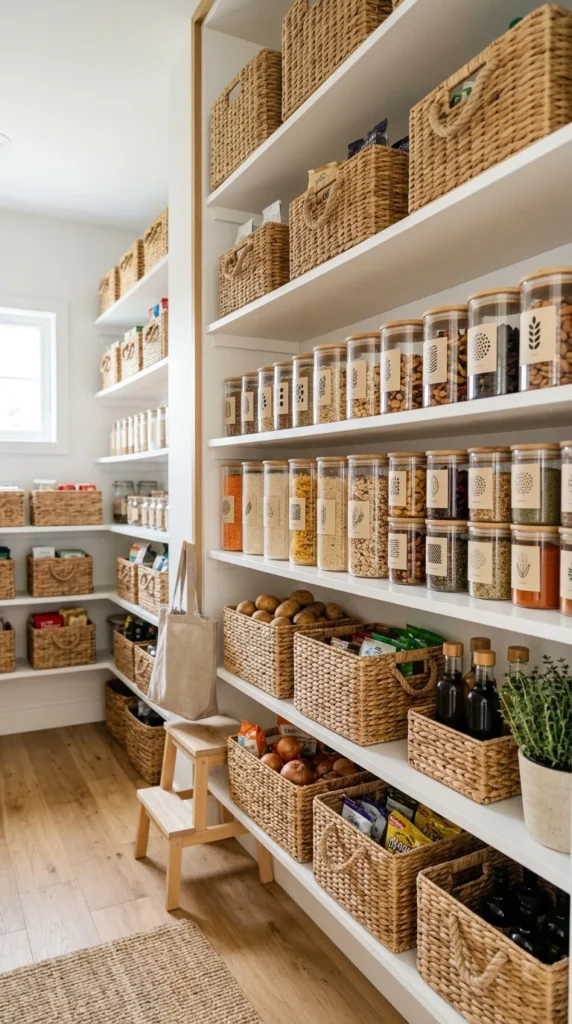
A designer look extends into the closets and pantries. By using uniform containers, labeled jars, and coordinated baskets, even the most functional spaces become visually stunning. This level of organization suggests a home that is curated in every corner, not just the public-facing rooms.
23. Entryway Statements
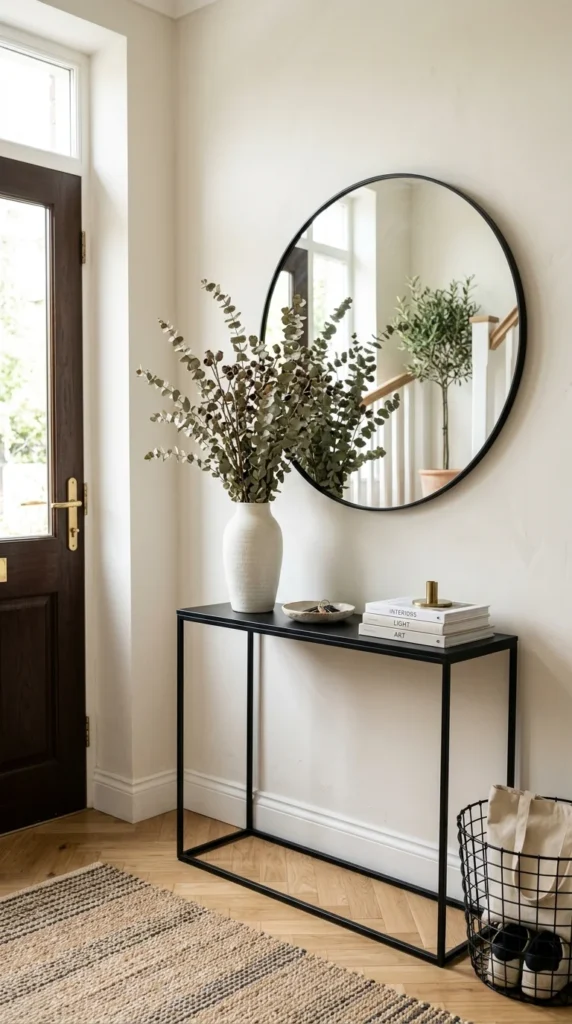
The entryway sets the tone for the rest of the house. Designers focus on creating a “moment” here. A slim console table, a striking mirror, and a signature scent (via a high-end candle or diffuser) create an immediate impression of luxury and order as soon as someone walks through the door.
24. Ceiling Enhancements
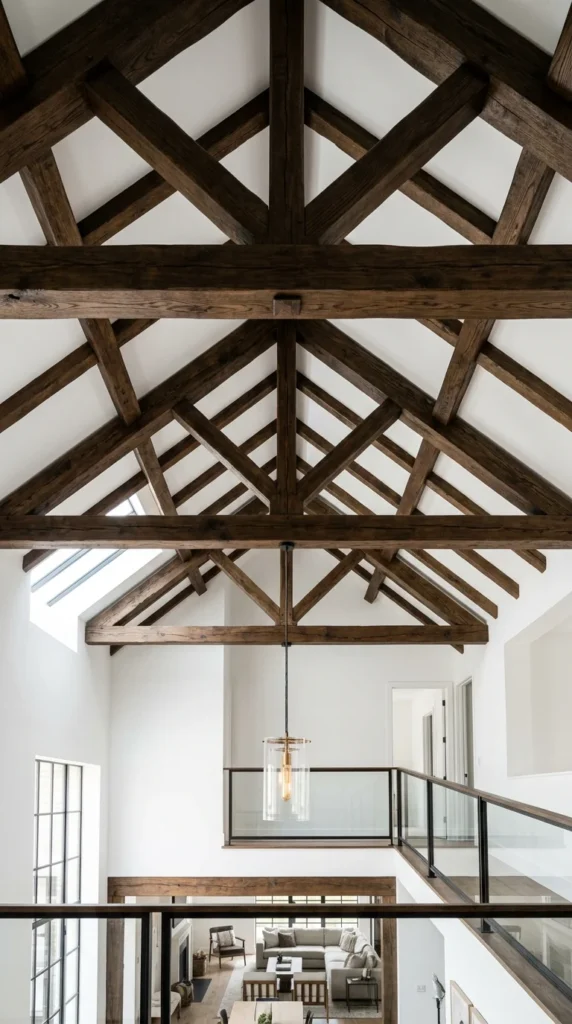
The ceiling is often called the “fifth wall,” yet it is frequently ignored. To get a designer look, consider adding interest above eye level. This could mean painting the ceiling a slightly different shade than the walls, adding faux wood beams for a rustic-modern look, or installing a beautiful ceiling medallion around a light fixture.