
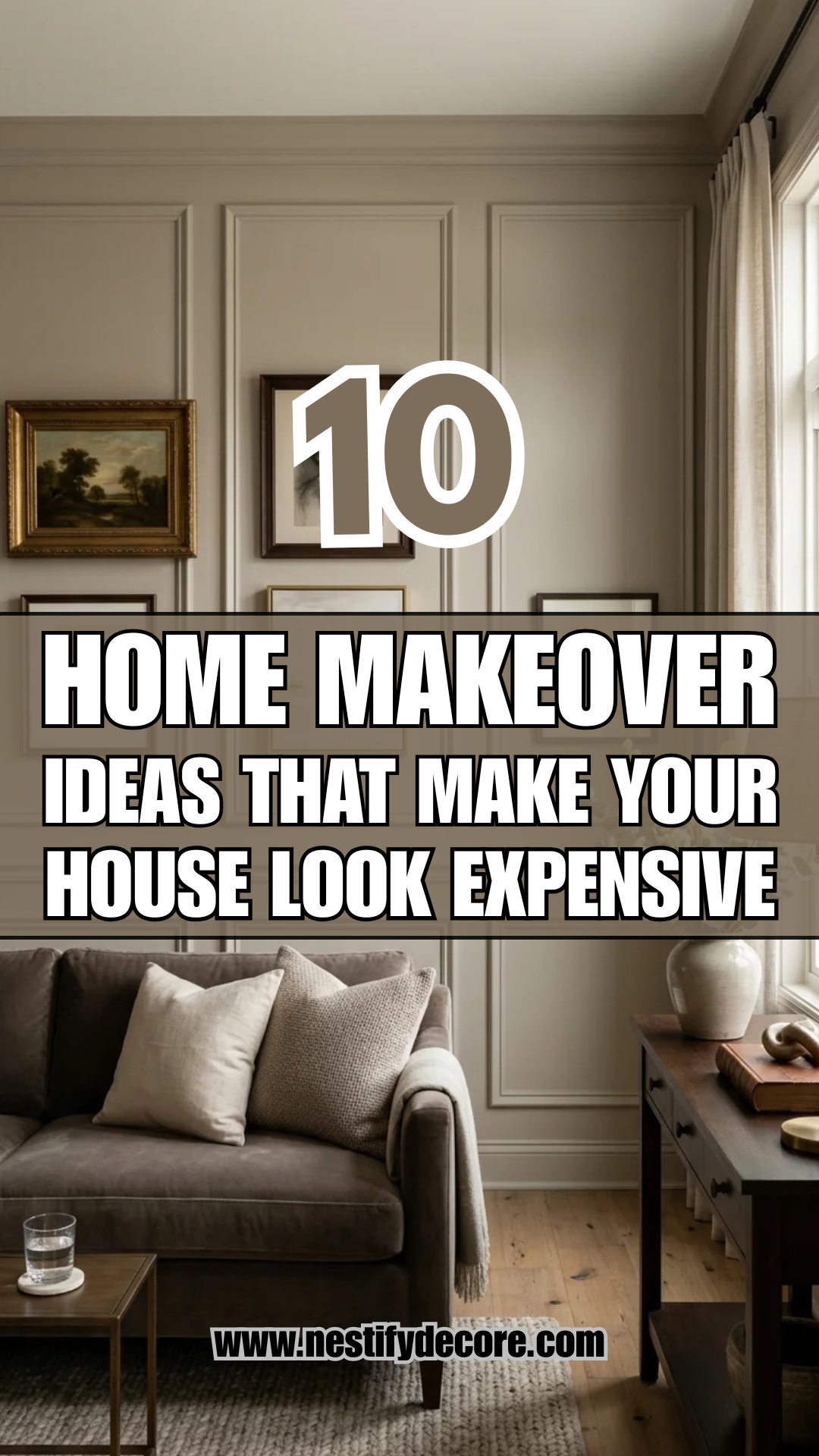
Creating a home that exudes luxury and sophistication doesn’t necessarily require a multi-million dollar renovation budget. Often, the difference between a standard living space and one that looks high-end lies in the details—the textures, the lighting, and the intentionality of the design. By focusing on strategic upgrades and timeless design principles, you can elevate your home’s aesthetic to achieve a “quiet luxury” feel that is both welcoming and opulent.
The following ten makeover ideas are designed to provide maximum visual impact, transforming your house into a curated sanctuary that looks and feels significantly more expensive.
1. Statement Lighting
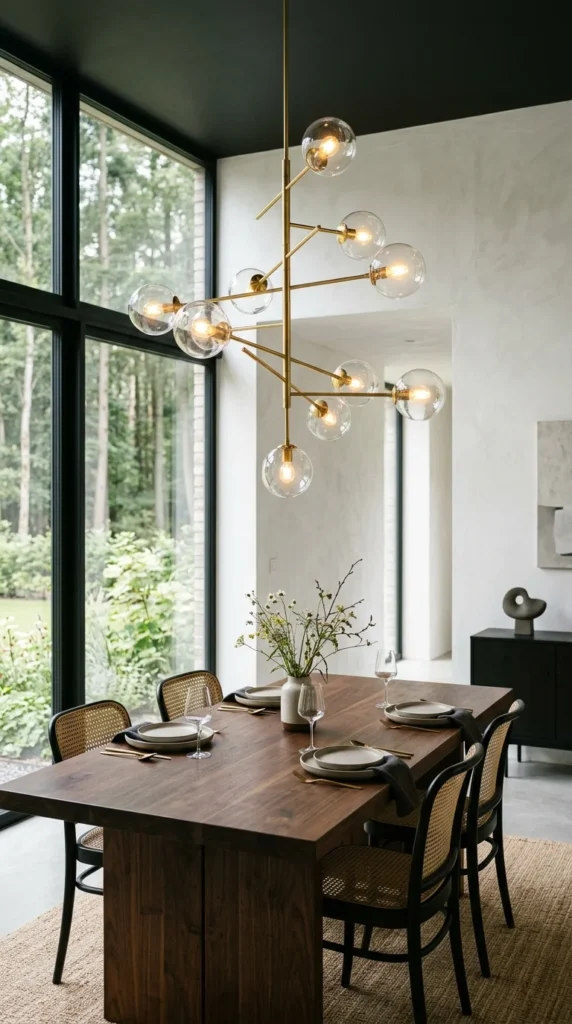
Lighting is often referred to as the “jewelry” of a room. Builder-grade fixtures—those flush-mount “boob lights” commonly found in suburban homes—are a dead giveaway of a standard interior. Replacing these with oversized or uniquely designed statement pieces instantly changes the perceived value of a space.
To achieve an expensive look, consider the scale of your fixtures. Most homeowners choose lights that are too small for their rooms. A large, architectural chandelier in the dining room or a pair of oversized pendants over the kitchen island creates a focal point that commands attention. Additionally, pay attention to the “color temperature” of your bulbs; soft white (2700K to 3000K) mimics the warm, inviting glow found in high-end hotels and galleries, whereas cool blue light can make a space feel clinical and cheap.
2. Updated Hardware
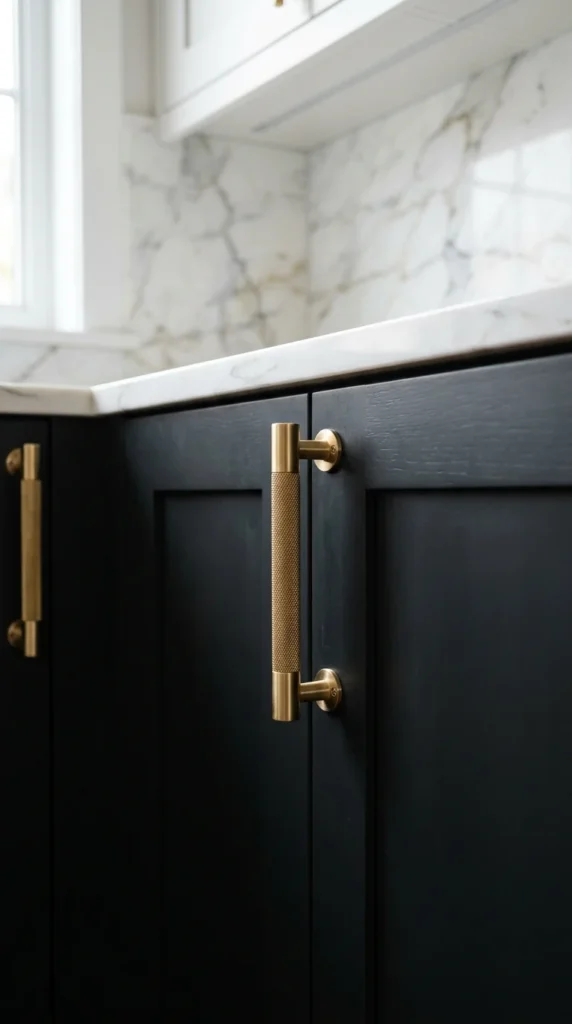
One of the most cost-effective ways to make a kitchen or bathroom look custom-built is to replace the hardware. Standard cabinets can be completely transformed with the addition of high-quality pulls and knobs.
When selecting hardware, look for weight and finish. Solid brass, matte black, or polished nickel tend to look more expensive than flimsy, lightweight chrome. Mix-and-matching styles—such as using knobs for upper cabinets and long pulls for lower drawers—adds a bespoke touch that feels intentional. Don’t stop at the kitchen; updating the door handles throughout your home to a consistent, high-quality lever or knob can create a cohesive flow that speaks to a higher level of craftsmanship.
3. Wall Molding
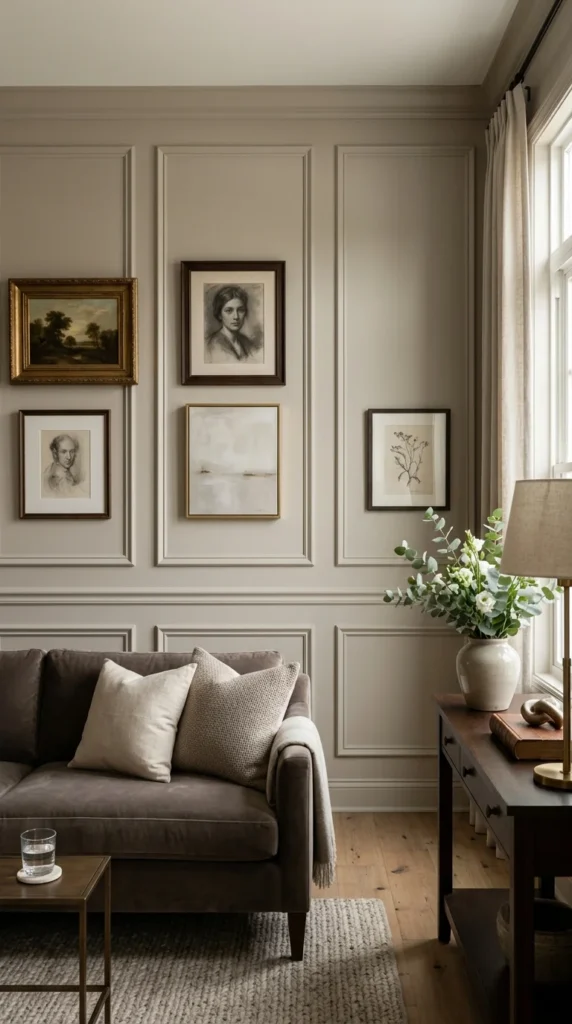
Nothing says “historic estate” or “luxury penthouse” like architectural details. Plain, flat walls can feel unfinished. Adding picture frame molding, wainscoting, or crown molding adds depth, shadow, and character to a room, making it look as though it was designed by an architect rather than a mass-market builder.
For a modern take on this classic look, paint the molding the same color as the wall. This “color drenching” technique creates a sophisticated, seamless look that highlights the texture of the woodwork without creating jarring visual breaks. If you have low ceilings, installing molding slightly higher or choosing vertical paneling can also create the illusion of greater height, further enhancing the expensive feel.
4. Floor-to-Ceiling Drapes
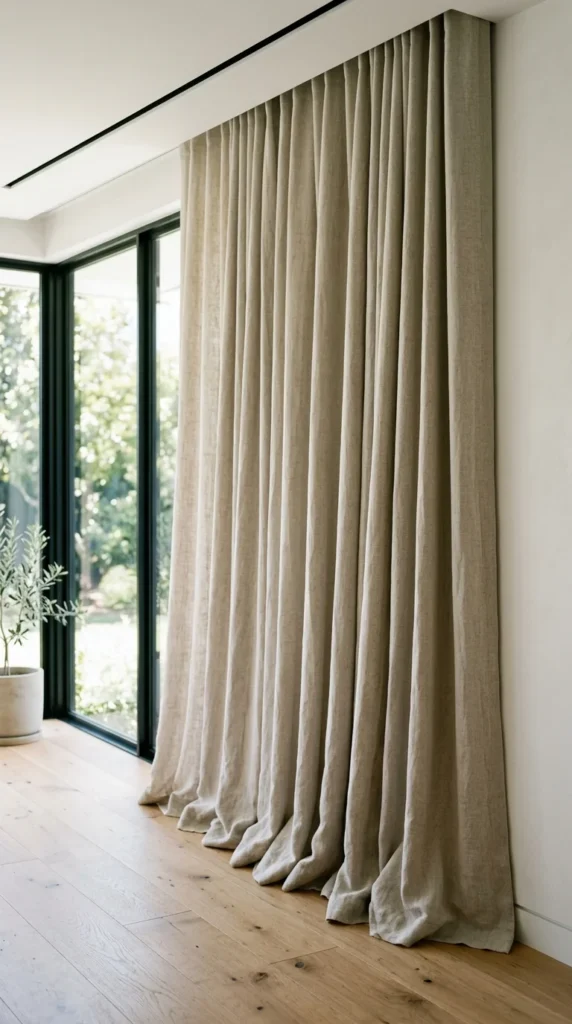
Window treatments are a critical element that many people overlook. Skimpy, short curtains that barely cover the window frame can make a room look cluttered and small. To make your house look expensive, the rule of thumb is “high and wide.”
Mount your curtain rods as close to the ceiling as possible—not just at the top of the window frame. This draws the eye upward and makes the ceilings feel significantly taller. Extend the rod several inches beyond the width of the window so that when the drapes are open, they don’t block the light, making the window appear larger than it actually is. Opt for high-quality fabrics like heavyweight linen, velvet, or silk, and ensure they “kiss” the floor or pool slightly for a custom, tailored appearance.
5. Oversized Rugs
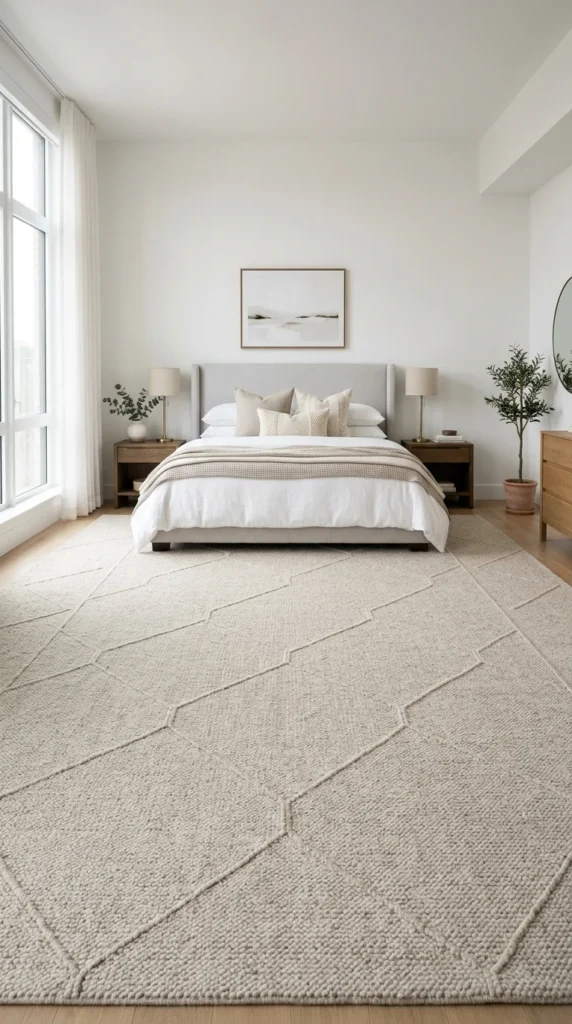
A common mistake that makes a home look “cheap” is the use of rugs that are too small for the furniture. A rug that acts as a “postage stamp” in the middle of a room creates a disjointed look. High-end interiors almost always feature large-scale rugs that anchor the furniture.
In a living room, all the legs of the furniture—or at the very least, the front legs—should sit on the rug. This creates a defined “zone” and makes the room feel more expansive. If a large, high-quality rug is out of your budget, consider layering: place a large, affordable jute or sisal rug down first to cover the floor area, and then layer a smaller, more expensive patterned rug on top. This adds texture and luxury at a fraction of the cost.
6. Large-Scale Art
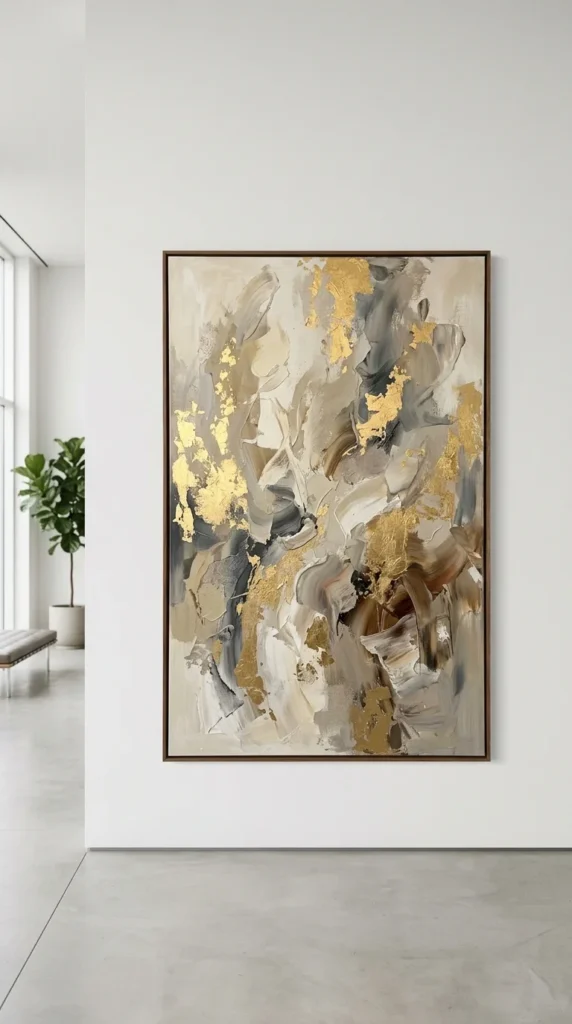
A wall covered in many small, mismatched frames can often look cluttered and “DIY.” For a sophisticated, gallery-like atmosphere, opt for large-scale art. A single, massive piece of art creates a powerful focal point and gives the impression of a curated collection.
You don’t need to spend thousands at an art gallery to achieve this. You can frame a large textile, use high-resolution digital downloads printed on canvas, or even create your own abstract piece using a large blank canvas and a limited color palette. The key is the scale; the art should occupy a significant portion of the wall space to create a sense of grandeur.
7. Integrated Greenery
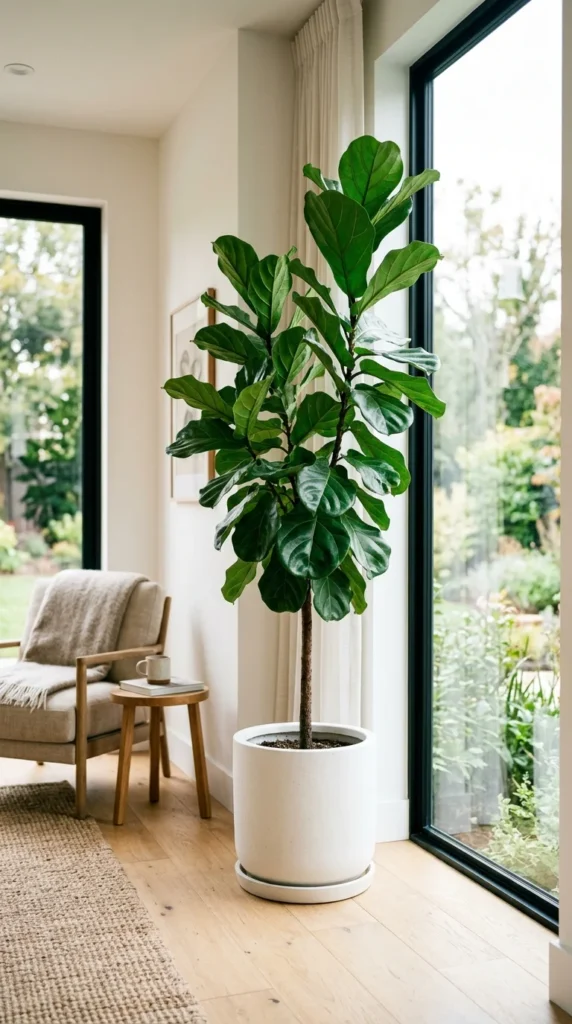
Nature is a hallmark of luxury living. However, small, plastic-looking faux plants can have the opposite effect. To make your home look expensive, invest in large, “statement” indoor trees or high-quality dried florals.
A tall Fiddle Leaf Fig, an Olive Tree, or a Birds of Paradise plant adds organic shapes and vibrant color to a room. If you don’t have a green thumb, high-end “real touch” faux plants have come a long way, but they must be styled correctly in high-quality ceramic or stone planters. Avoid small “clutter” plants on every surface; instead, go for one or two large, healthy specimens that fill an empty corner and bring life to the space.
8. Monochromatic Palettes
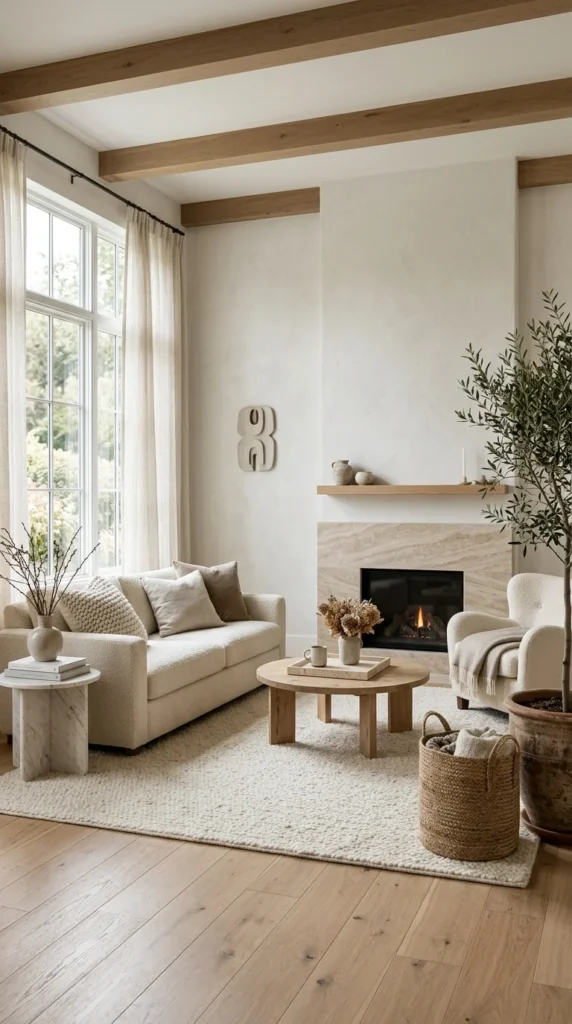
There is something inherently expensive about a monochromatic or tonal color palette. Using varying shades of the same color—such as creams, beiges, or soft greys—creates a serene, cohesive environment that feels like a high-end spa or a designer showroom.
The secret to making a monochromatic room work is texture. Because you aren’t using color for contrast, you must use materials. Combine a chunky wool throw with a smooth leather chair, a polished marble table, and matte-painted walls. These subtle shifts in texture provide visual interest and “richness” without the need for loud colors or busy patterns.
9. Mirror Placement
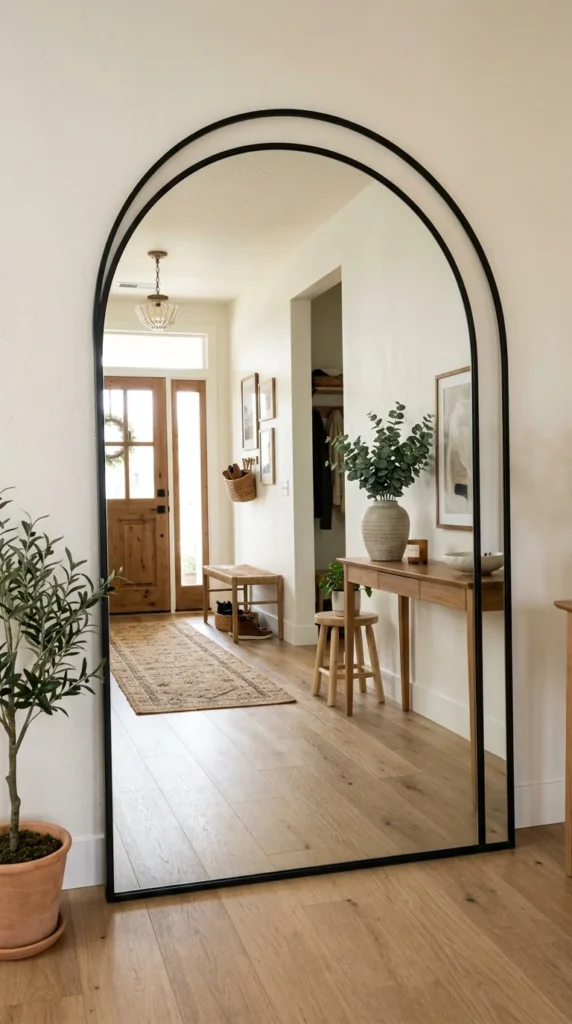
Mirrors are a classic designer trick to make a space feel twice as large and twice as bright. In high-end homes, mirrors are used strategically to reflect light sources or beautiful views.
An oversized floor mirror leaning against a wall adds an effortless, “undone” luxury to a bedroom or living room. In a hallway or entryway, a large mirror can open up a cramped space and make it feel like a grand foyer. For maximum impact, choose mirrors with interesting frames—such as antiqued gold, thin black metal, or ornate wood—to serve as an additional piece of decor.
10. Symmetry and Balance
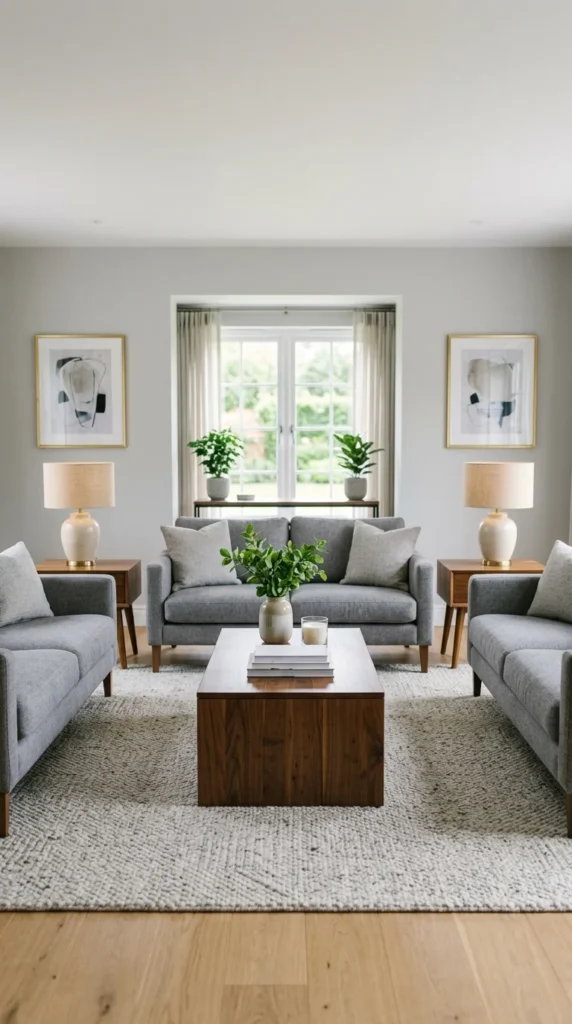
Luxury is often associated with order and balance. A room that feels chaotic or lopsided can feel “cheap” regardless of how much the furniture cost. Implementing symmetry is one of the easiest ways to give your home a high-end, professional feel.
Try a symmetrical layout in your living room by placing two identical sofas facing each other or two identical chairs flanking a fireplace. Use pairs of lamps on a console table or matching nightstands in the bedroom. This sense of balance is pleasing to the eye and mimics the formal arrangements found in upscale hotels and luxury estates, immediately elevating the perceived quality of your home’s interior design.