
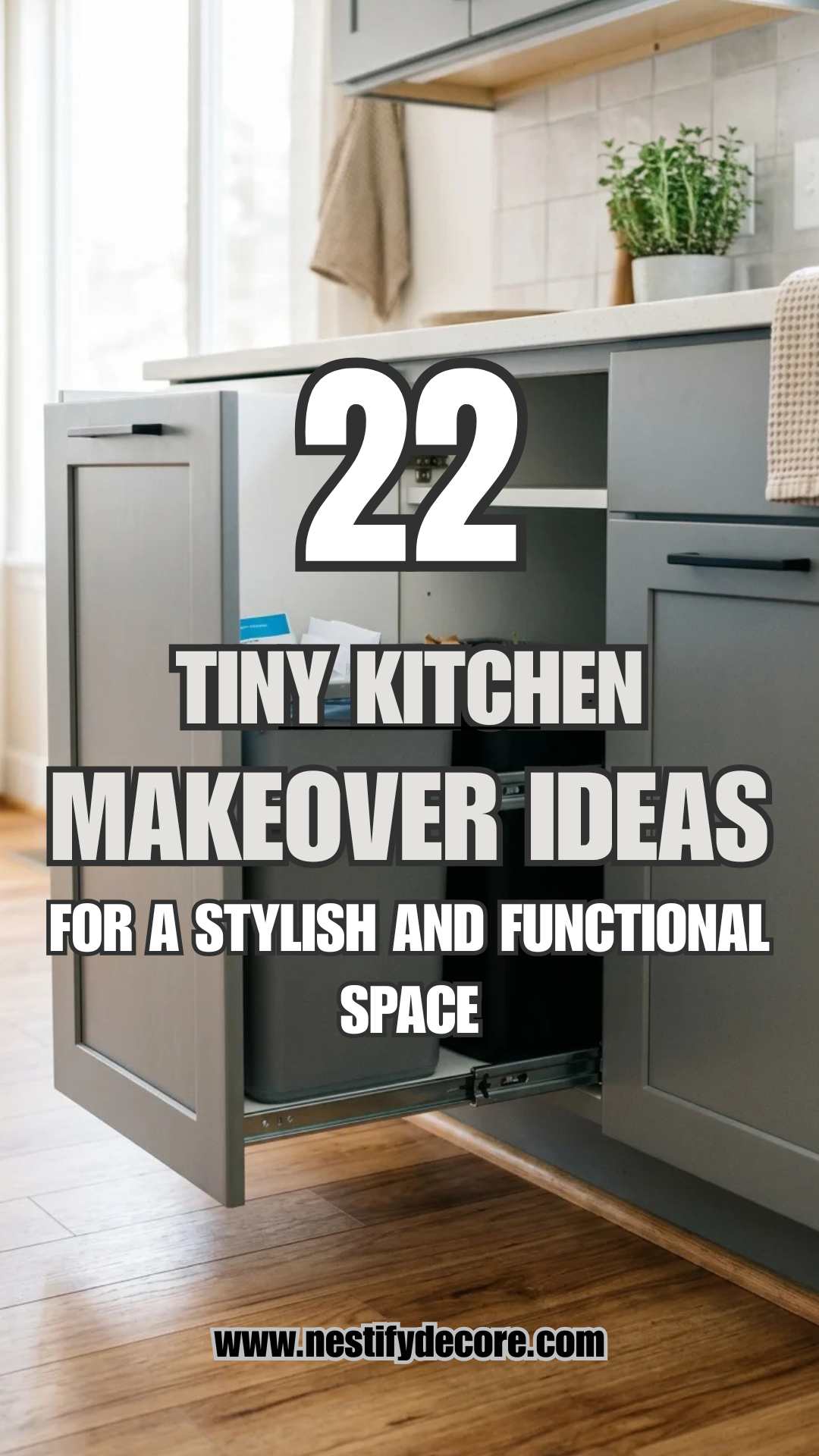
Small kitchens often serve as the heart of the home, but their limited square footage can feel restrictive. However, a tiny kitchen is not a design dead-end; rather, it is an opportunity for hyper-efficient organization and creative styling. By focusing on smart storage, light-reflecting surfaces, and multi-functional furniture, you can transform a cramped cooking area into a culinary sanctuary. Here are 22 transformative makeover ideas to maximize every inch of your space.
1. Floating Shelves
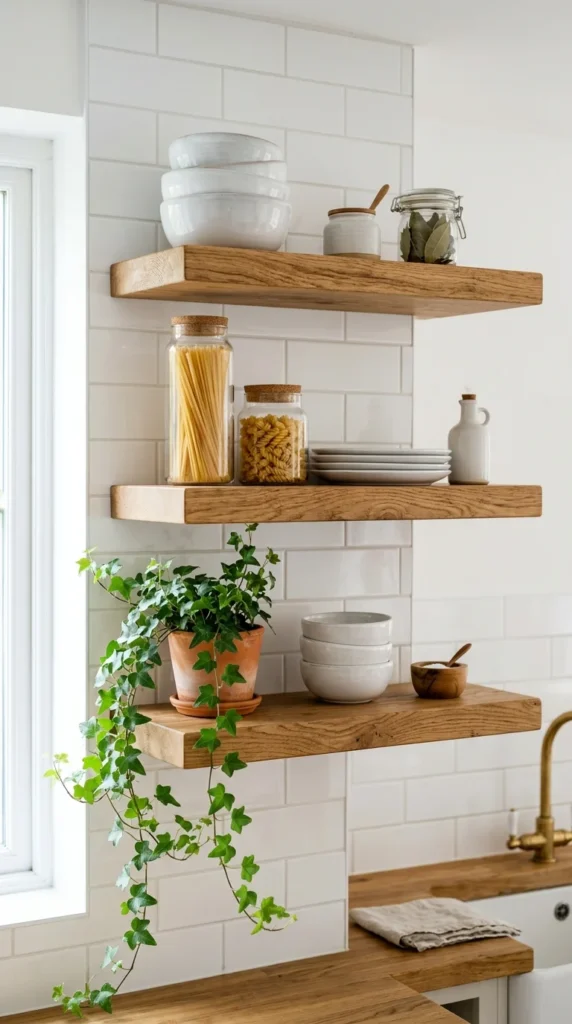
Replacing bulky upper cabinets with floating shelves is one of the most effective ways to make a tiny kitchen feel larger. Solid cabinet doors can “close in” a room, making it feel claustrophobic. Open shelving creates visual breathing room and allows you to display your most beautiful dishware. To keep it functional, place frequently used items on the lower shelves for easy access and decorative pieces higher up.
2. Vertical Storage
When floor space is at a premium, look up. Utilizing the entire height of your walls is crucial in a small kitchen. Extend your cabinetry to the ceiling to store seasonal items or appliances you only use occasionally. This not only increases storage capacity but also draws the eye upward, creating the illusion of higher ceilings and a more expansive room.
3. Magnetic Strips
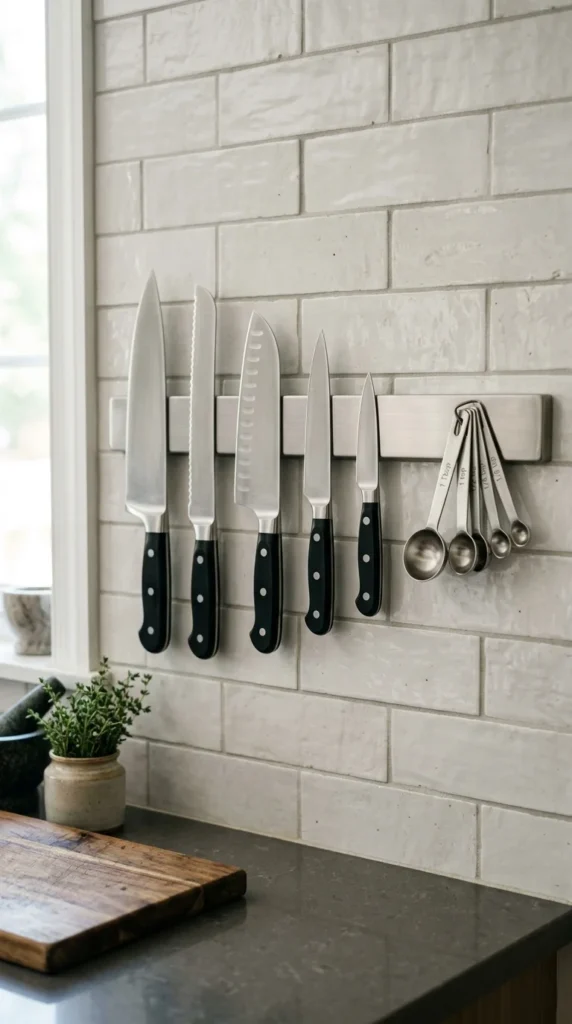
Counter space is precious. Storing a bulky knife block on the counter consumes valuable real estate. A wall-mounted magnetic strip is a professional-grade solution that keeps your essential tools within arm’s reach while freeing up your workspace. It also serves as a modern, industrial design element that adds character to the walls.
4. Fold-Down Tables
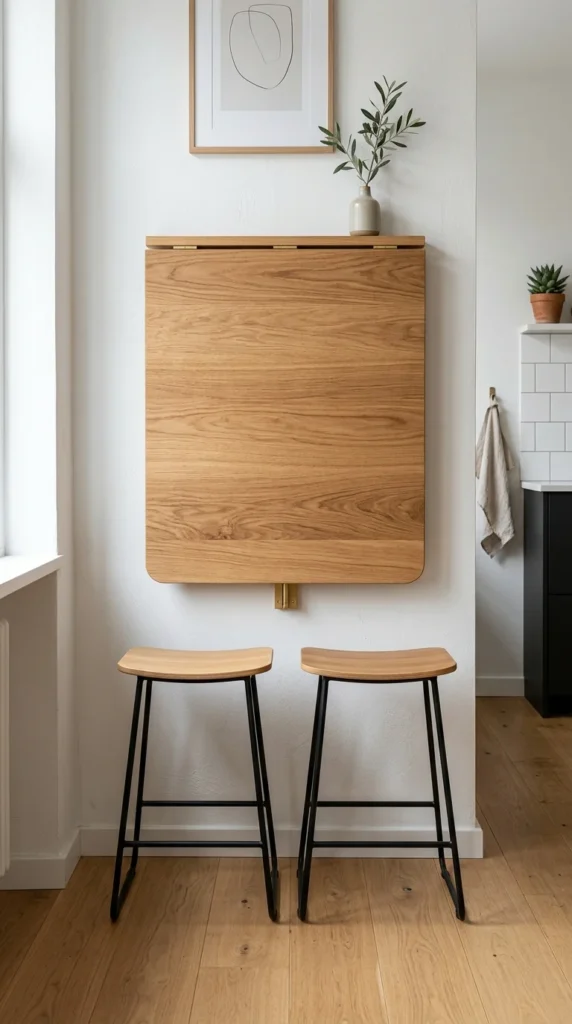
In many tiny kitchens, there isn’t enough room for a permanent dining table. A fold-down or “Murphy” style table provides a dedicated spot for morning coffee or meal prep but can be tucked flat against the wall when the cooking begins. This flexibility is essential for maintaining a clear flow of movement in tight quarters.
5. Light Colors
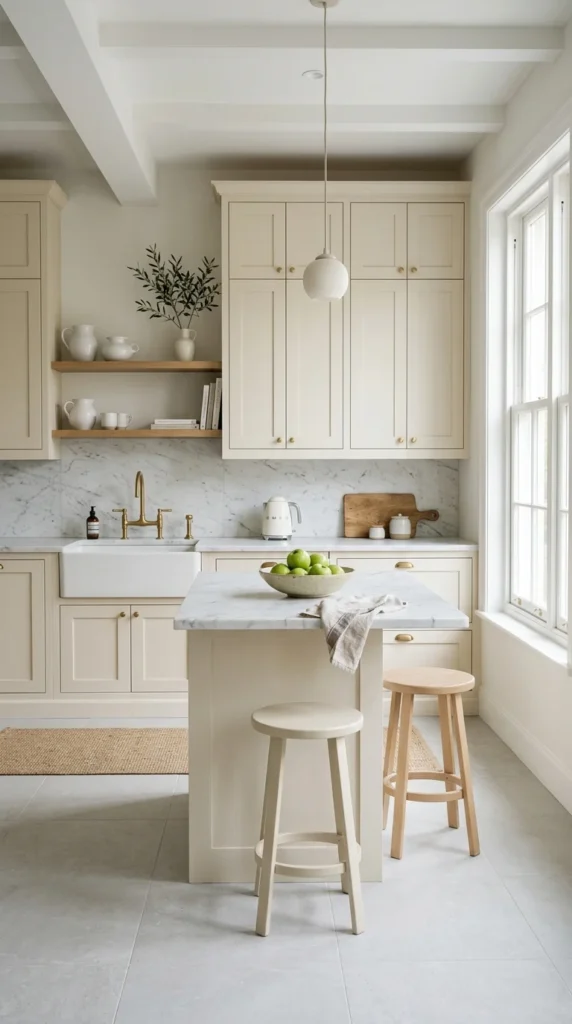
Color palette plays a massive role in the perception of space. Dark colors tend to absorb light and make walls feel closer, whereas light shades—such as crisp white, soft cream, or pale greys—reflect light and push the boundaries of the room outward. For a modern look, try a monochromatic palette where the walls, cabinets, and countertops are all within the same light color family.
6. Mirrored Backsplashes
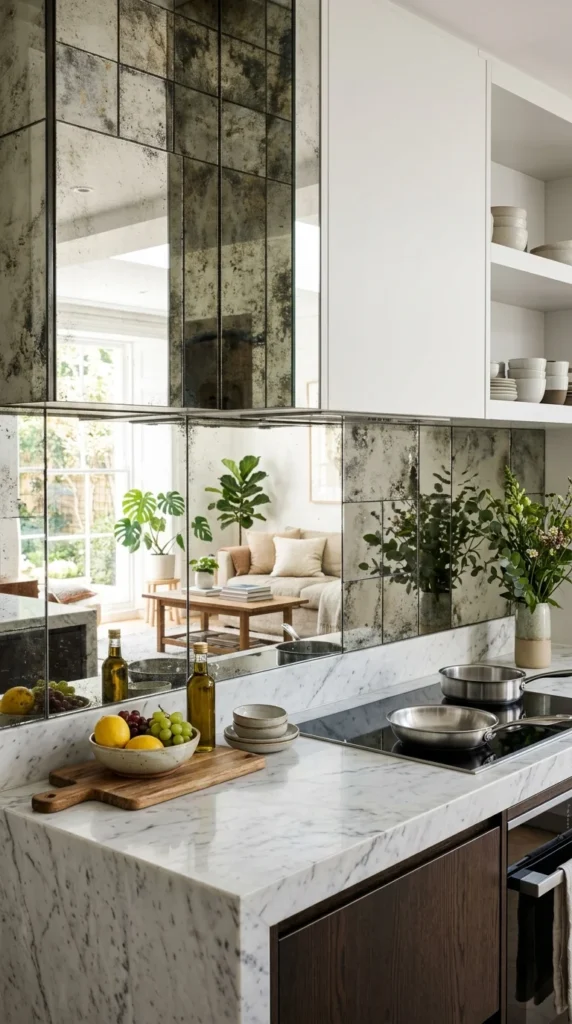
Mirrors are the oldest trick in the book for expanding small spaces. A mirrored backsplash serves two purposes: it protects your walls from splashes and reflects the rest of the room, making the kitchen feel twice as deep. If a full mirror feels too bold, consider antiqued mirror tiles or high-gloss subway tiles with a reflective glaze.
7. Integrated Appliances
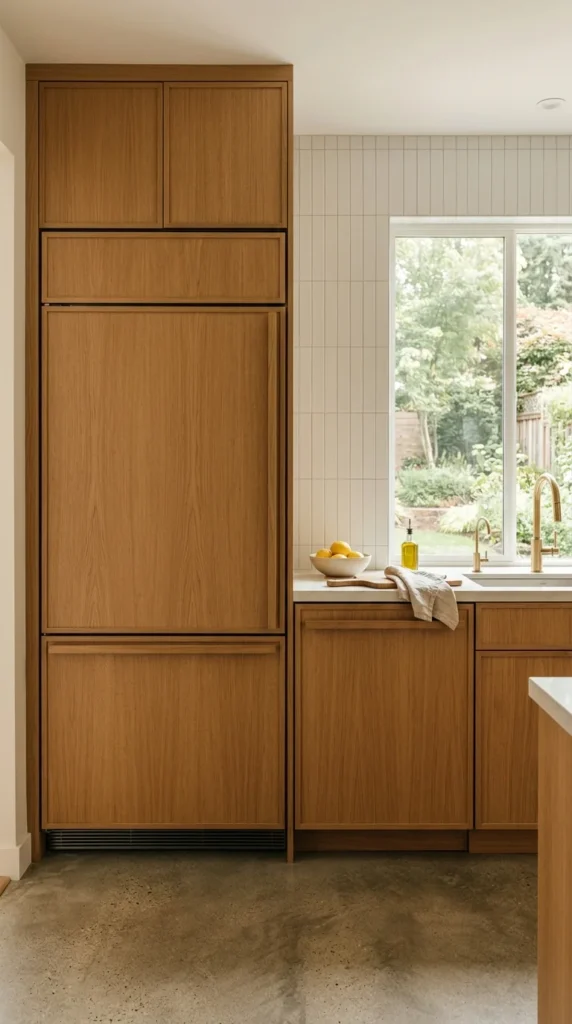
Visible appliances can break up the visual flow of a kitchen, making it feel cluttered. Integrated appliances—where the fridge, dishwasher, and even the microwave are hidden behind cabinetry panels—create a seamless, streamlined look. This “hidden” aesthetic reduces visual noise and makes the kitchen feel like a sophisticated extension of the living space.
8. Rolling Carts
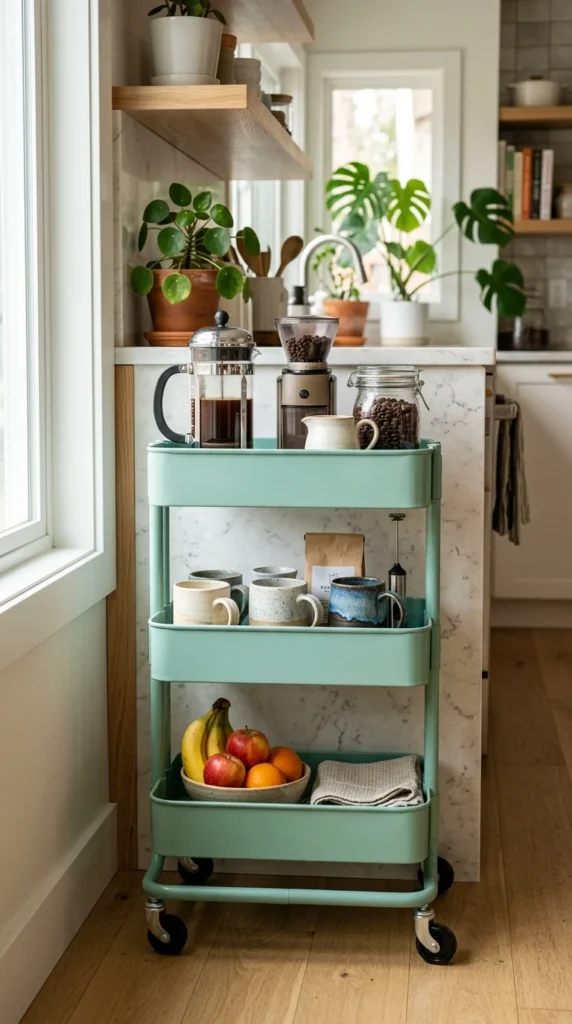
A rolling cart or “kitchen island on wheels” is a game-changer for small layouts. It can act as extra prep space when you’re cooking, a bar cart when you’re entertaining, or a mobile pantry. The best part is that it can be wheeled into a corner or even another room when you need the floor space clear.
9. Under-Cabinet Lighting
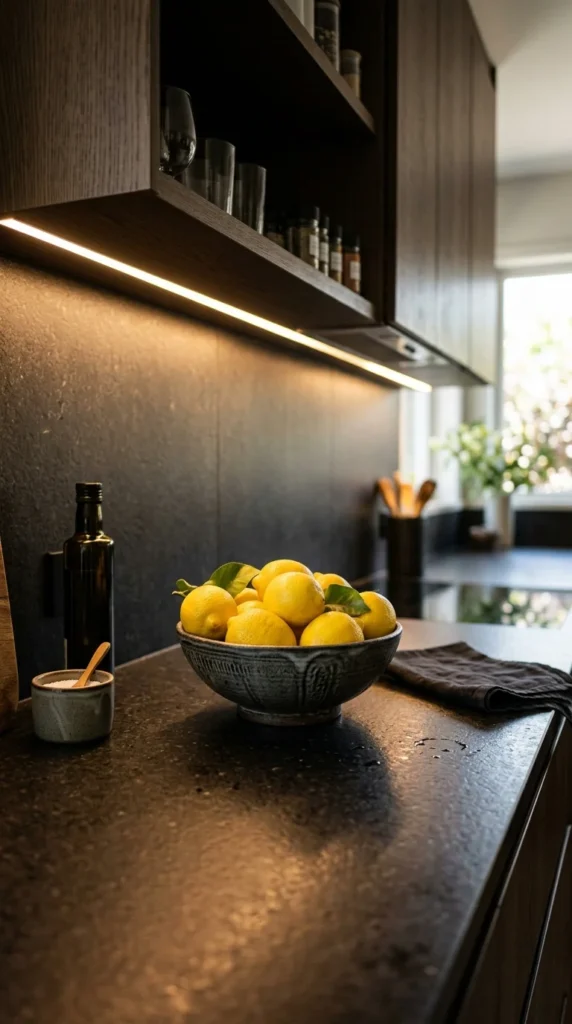
Shadows are the enemy of small spaces. Dark corners make a kitchen feel smaller and less inviting. By installing LED light strips or puck lights under your upper cabinets, you eliminate shadows on your workspace. This not only makes food prep safer but also adds a layer of “mood lighting” that makes the kitchen feel more luxurious and spacious at night.
10. Glass Cabinet Doors
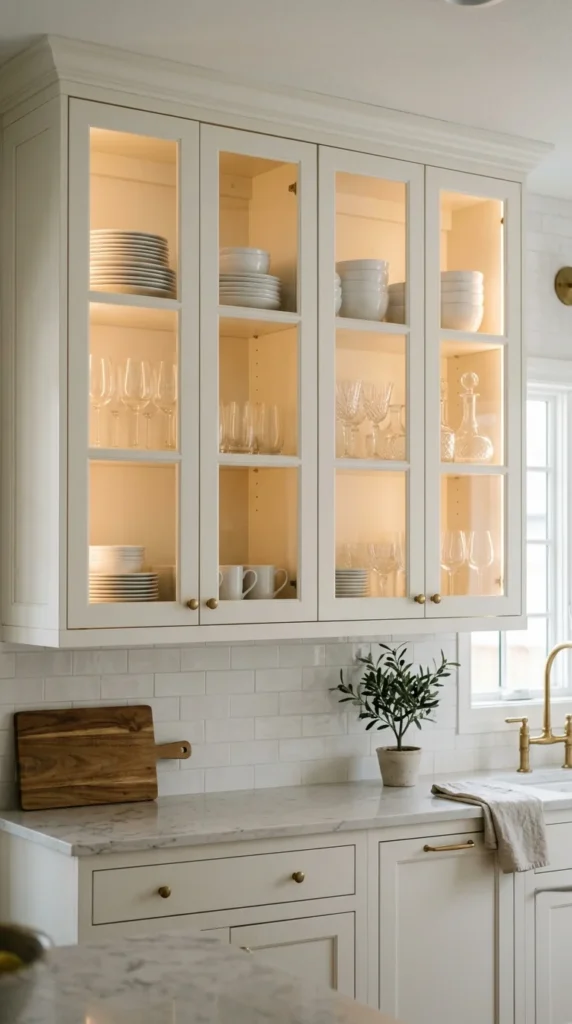
If you aren’t ready to commit to completely open shelving, glass-front cabinets are a perfect middle ground. They offer the protection of a cabinet door while providing the visual depth of open shelves. To maximize the effect, keep the interior of the cabinets organized and perhaps add small spotlights inside to highlight your favorite pieces.
11. Pull-Out Pantries
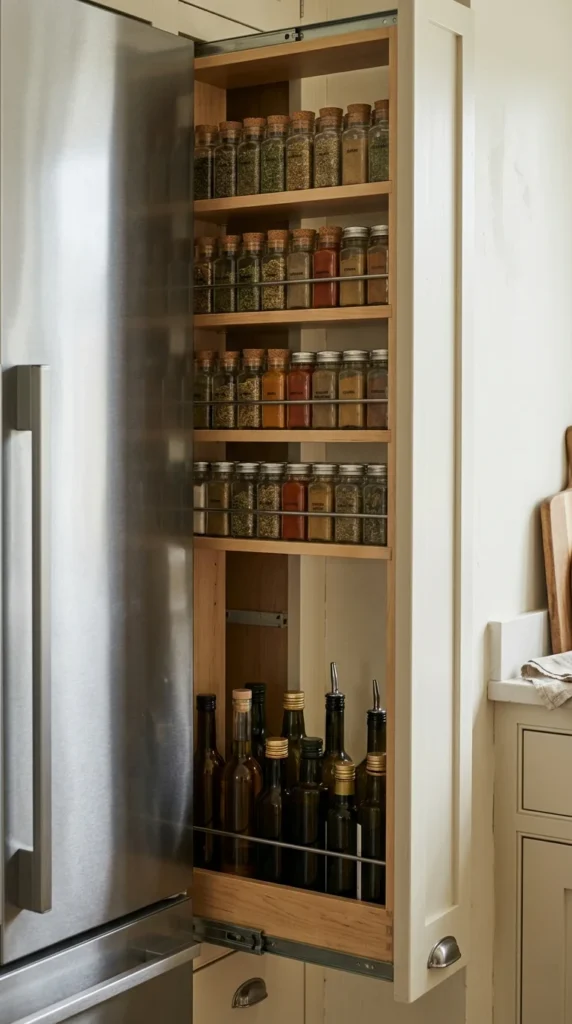
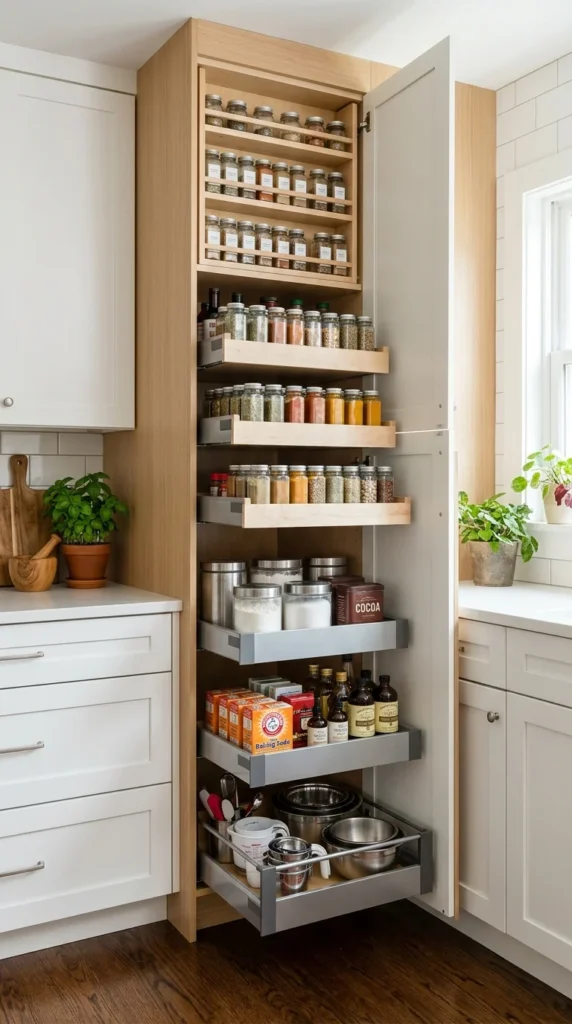
Even a six-inch gap between a fridge and a wall can be turned into a high-capacity pantry. Slim, pull-out shelving units are perfect for storing spices, oils, canned goods, and cleaning supplies. These units allow you to see every item at once, preventing “lost” jars at the back of a deep cupboard.
12. Ceiling Racks
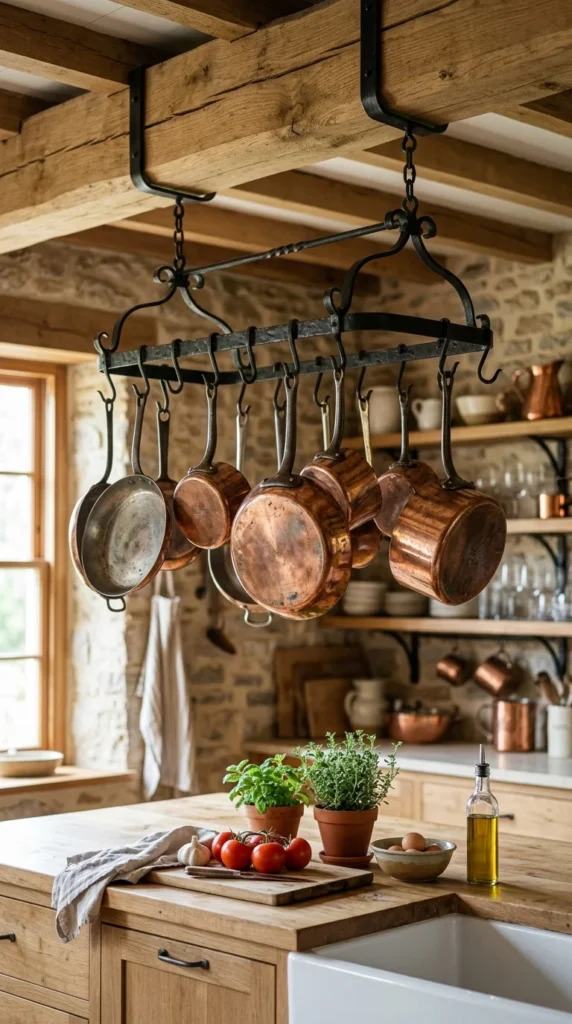
Free up your cabinet space by hanging your most attractive cookware from the ceiling. A ceiling-mounted pot rack is both functional and stylish, adding a “chef’s kitchen” vibe to your home. This is particularly effective in kitchens with high ceilings where the vertical space would otherwise go to waste.
13. Corner Drawers
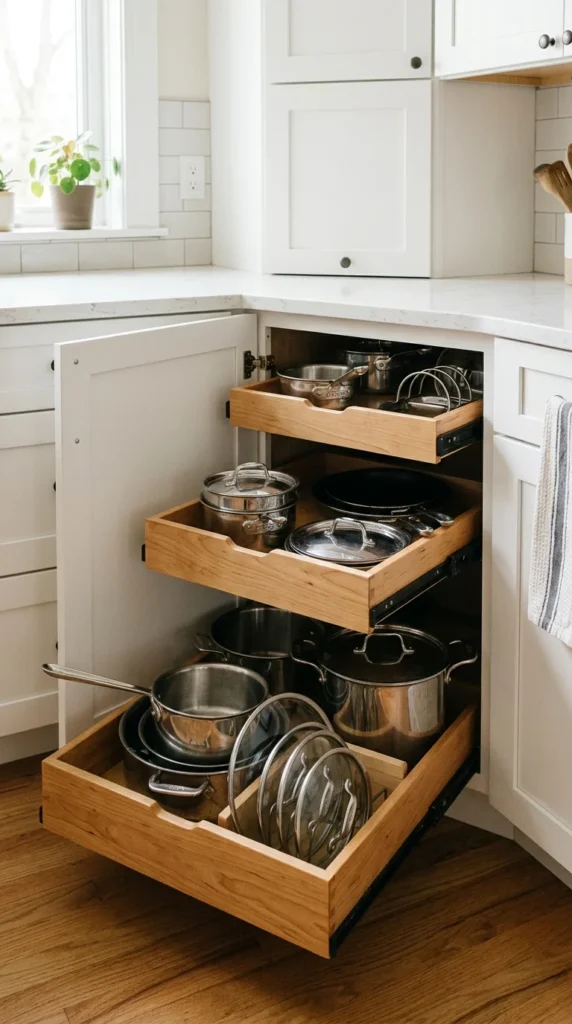
The “blind corner” cabinet is often the most frustrating part of a tiny kitchen, usually becoming a dark hole where plastic lids go to die. Corner drawers are a custom solution that utilizes the full depth of that awkward space, pulling out toward you so everything is easily accessible.
14. Butcher Block Covers
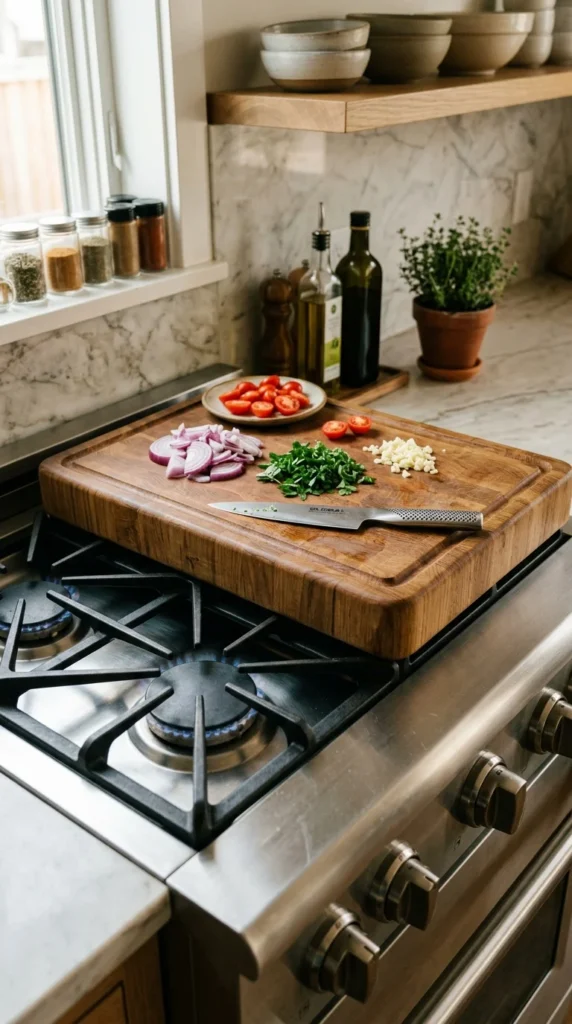
When you run out of counter space, the stove can become a secondary prep area. A custom-fitted butcher block cover allows you to use the top of your range as a cutting board or a place to set down bowls while you prep. Just ensure the stove is off and cool before placing it!
15. Minimalist Hardware
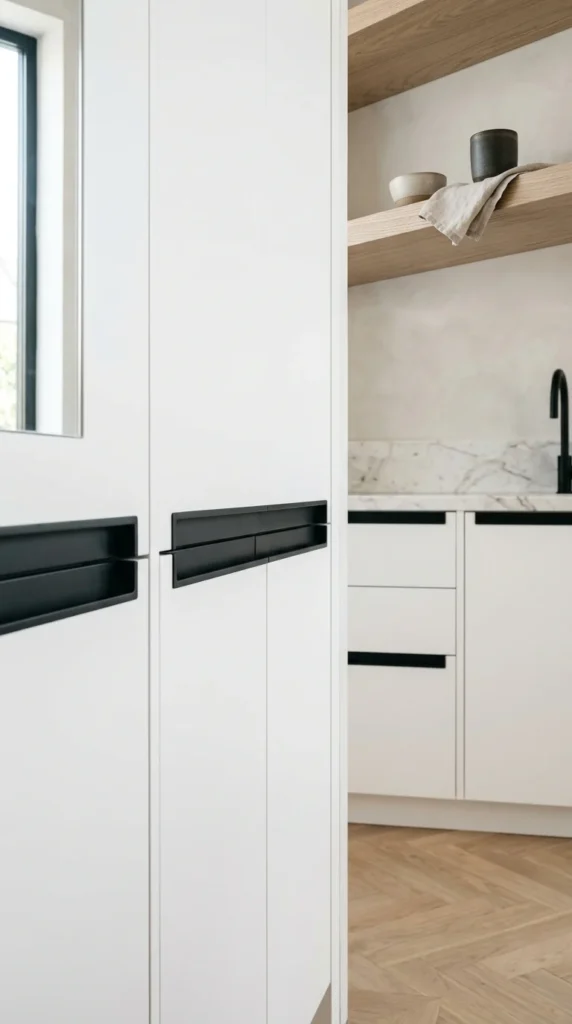
In a small space, large, ornate handles can look “busy” and snag on your clothes as you move through tight aisles. Switching to minimalist hardware—like finger pulls, recessed handles, or simple T-bars—streamlines the look of the kitchen. For the ultimate minimalist feel, consider “push-to-open” latches that require no handles at all.
16. Pegboard Walls
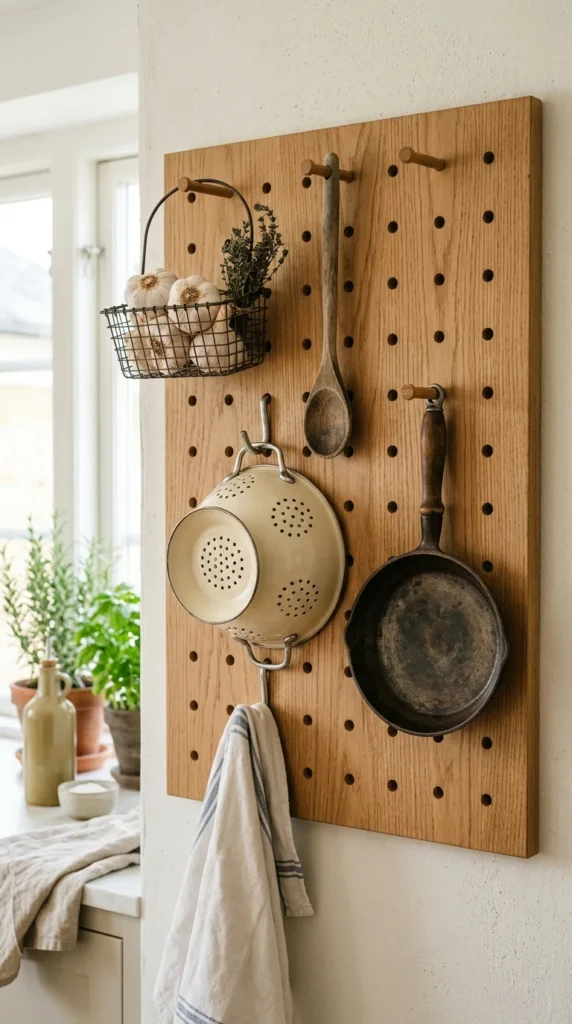
Inspired by workshops, the kitchen pegboard is the ultimate customizable storage solution. You can move hooks and shelves around as your tool collection grows. It turns your kitchen equipment into a wall of functional art, keeping everything off the counters but within reach.
17. Sink Covers
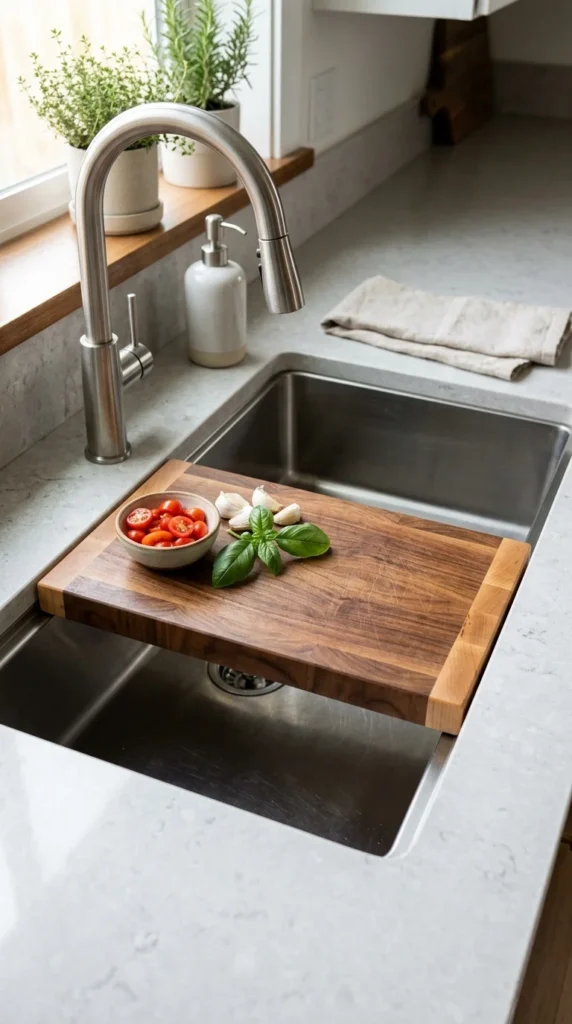
Similar to stove covers, an over-the-sink cutting board provides instant extra square footage. Many modern sinks now come with “workstation” ledges designed to hold cutting boards, drying racks, and colanders directly over the basin, making the sink a multi-functional hub.
18. Monochromatic Palette
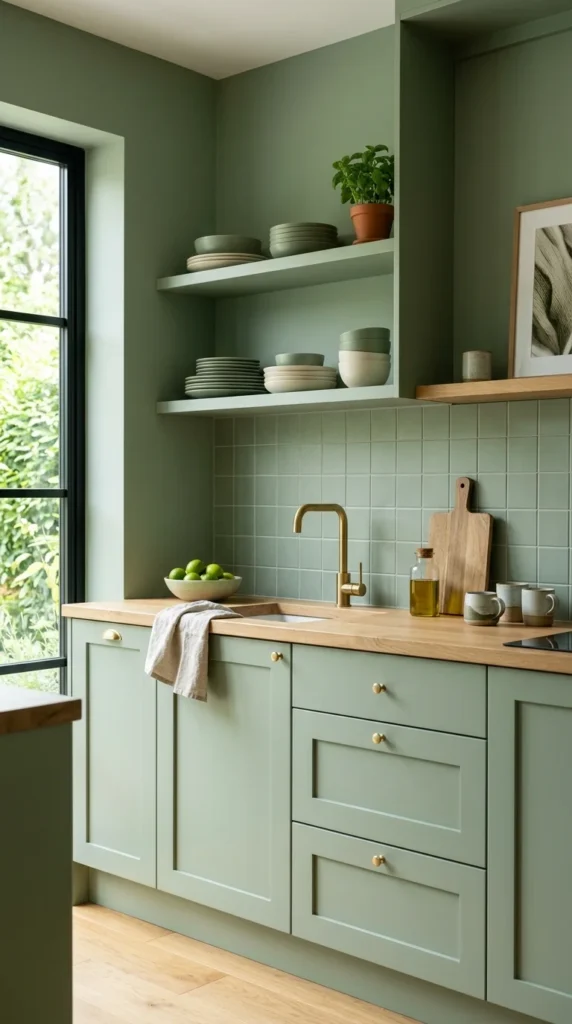
Using the same color for your cabinets and walls blurs the lines where the furniture ends and the room begins. This lack of contrast prevents the eye from stopping, which makes the space feel more continuous and open. This works exceptionally well with “moody” colors like navy or forest green, as well as classic neutrals.
19. Statement Flooring
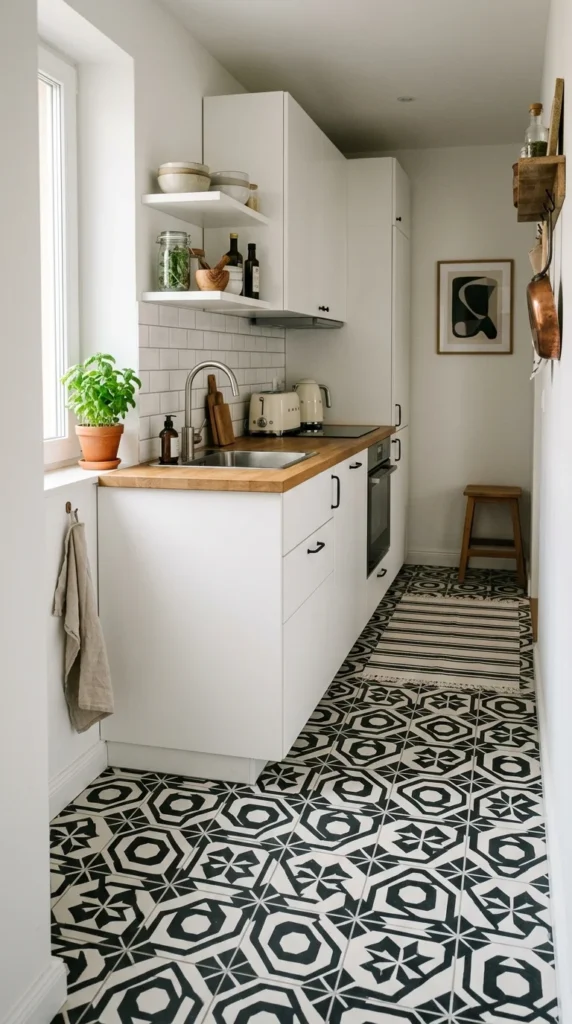
If you keep your walls and cabinets simple, you can afford to go bold on the floor. A statement tile or a vibrant pattern draws the eye downward, emphasizing the floor area and making the footprint of the room feel more significant. It’s also a great way to inject personality into a rental kitchen without changing the cabinetry.
20. Hidden Trash Bins
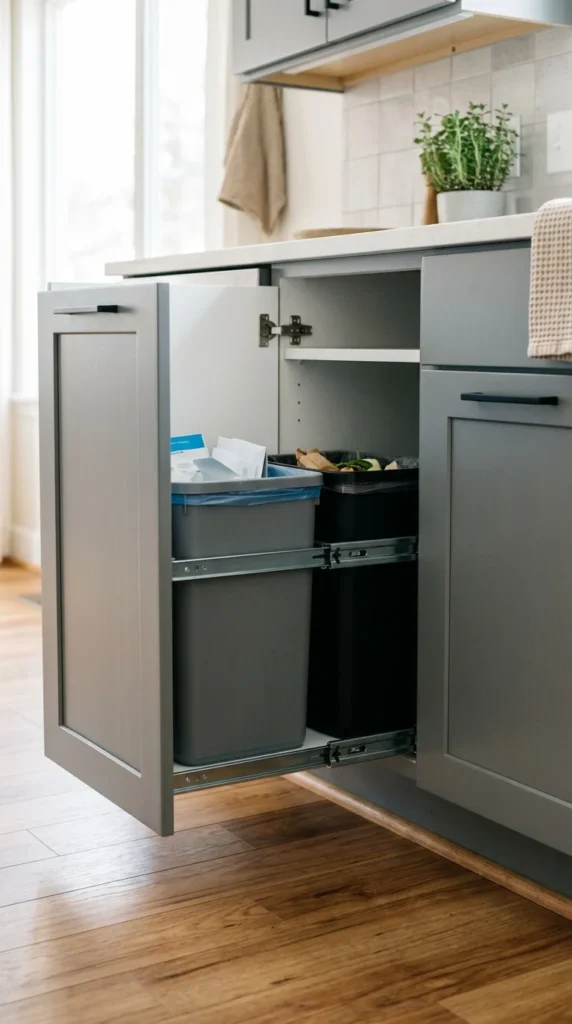
A trash can sitting on the floor takes up valuable walking space and can be an eyesore. Moving your waste management into a pull-out cabinet keeps odors contained and the floor clear. It’s a small change that significantly improves the “flow” and cleanliness of a tiny kitchen.
21. Window Sill Herbs
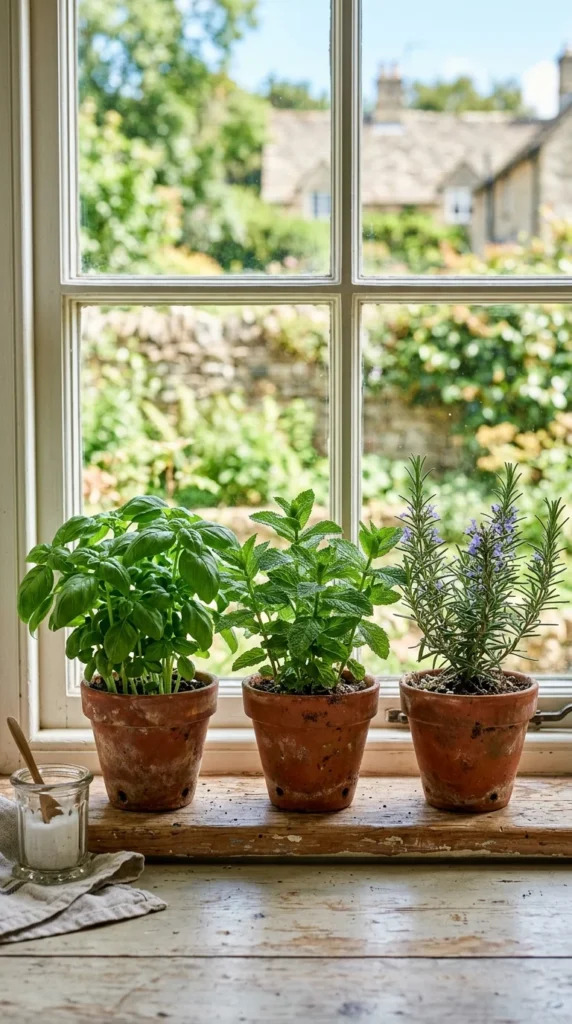
Small kitchens can sometimes feel sterile. Adding greenery is the easiest way to breathe life into the space. A windowsill herb garden provides fresh ingredients for your cooking and adds a vibrant pop of color. If you don’t have a windowsill, consider a small hanging planter in front of the glass.
22. Open Lower Shelving
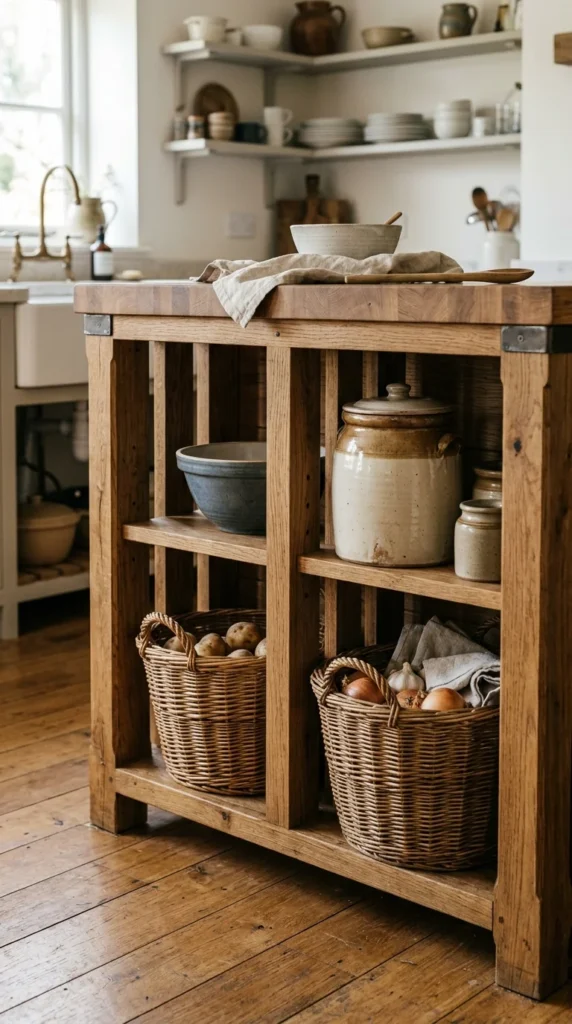
While we usually focus on upper shelving, removing the doors from lower cabinets can also create a sense of openness. It’s a great spot for heavy items like Dutch ovens or large baskets used for root vegetable storage. This style is particularly popular in farmhouse or “cottagecore” aesthetic kitchens, lending a relaxed, lived-in feel to the home.