

Japandi style is the harmonious marriage of Japanese minimalism and Scandinavian functionality. It takes the “hygge” (coziness) of Nordic design and blends it with the “wabi-sabi” (finding beauty in imperfection) philosophy of Japan. The result is a space that is clean, functional, yet deeply warm and inviting. To achieve this timeless look, one must balance contrast, embrace natural materials, and curate a clutter-free environment.
Below are 22 curated ideas to help you transform your living space into a Japandi sanctuary.
1. Neutral Palette
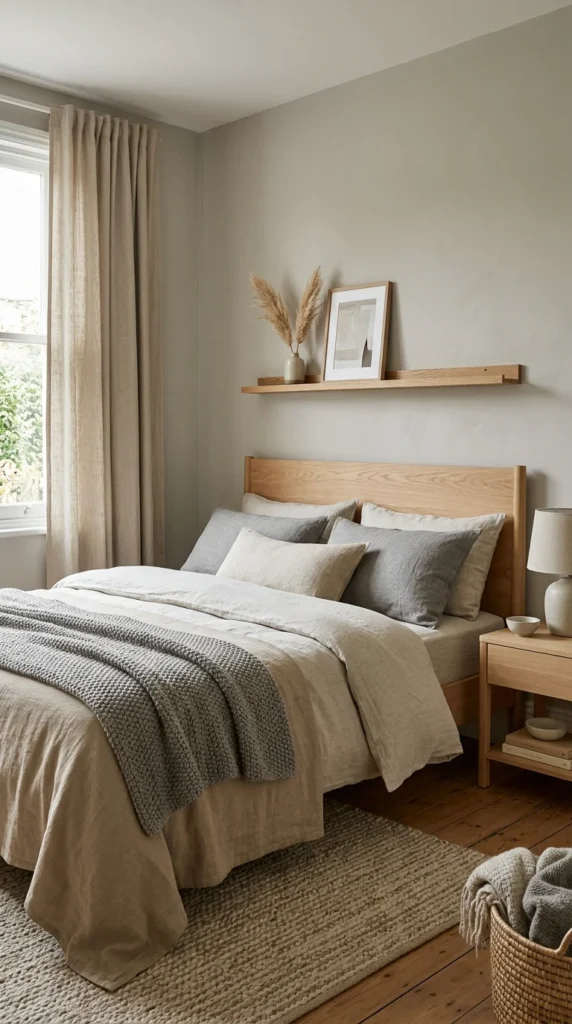
The foundation of any Japandi home is a soft, neutral color palette. Move away from clinical whites and instead opt for “greige,” cream, muted beige, and soft browns. These colors create a calming backdrop that allows the textures of the furniture and natural materials to stand out. The goal is to create a space that feels airy and expansive while remaining grounded.
2. Low-Profile Furniture
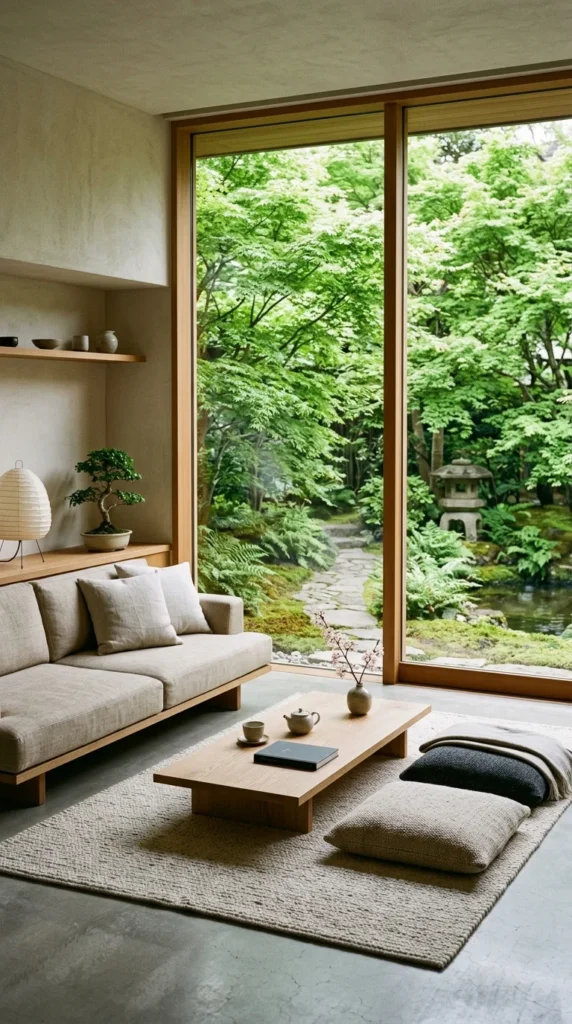
Japanese design traditionally favors furniture that is close to the ground, fostering a sense of connection to the earth. Look for low-profile sofas, platform beds, and coffee tables that sit just inches off the floor. This not only makes a room feel taller and more spacious but also encourages a relaxed, informal atmosphere.
3. Natural Materials
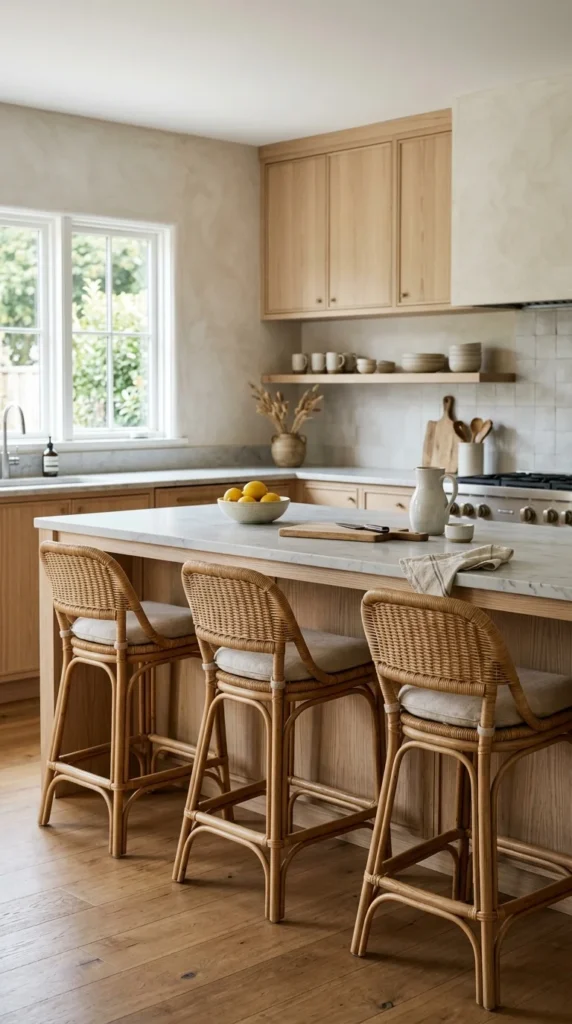
Authenticity is key in Japandi design. Incorporate raw, organic materials such as light-colored woods (oak, ash, or pine), bamboo, stone, and rattan. These elements bring the outdoors in and provide a tactile quality that synthetic materials cannot replicate. Mixing different wood tones is acceptable as long as they share a similar warm or cool undertone.
4. Functional Minimalism
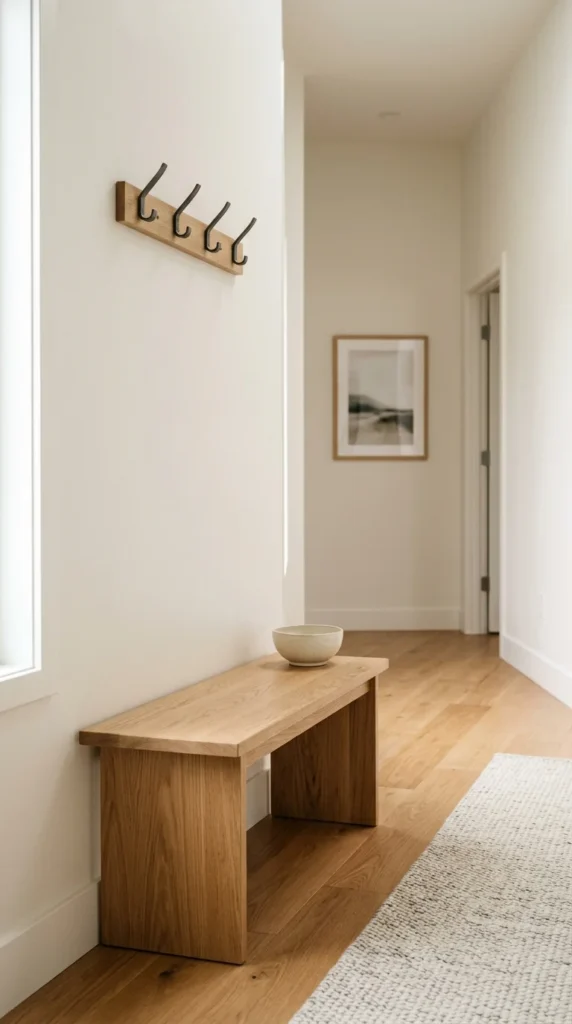
In Japandi interiors, every piece of furniture and decor should serve a purpose. Avoid “filler” items that exist purely for decoration without adding value to the room’s utility. By choosing pieces that are both beautiful and functional, you create a home that is efficient and visually tranquil.
5. Statement Lighting
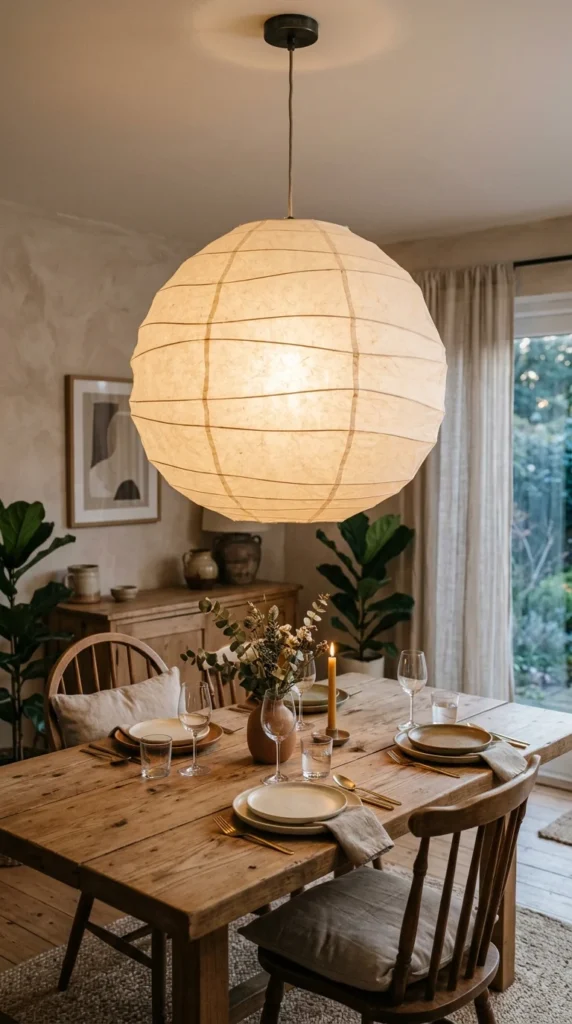
Lighting in a Japandi home should be soft and diffused. Large paper lanterns, inspired by traditional Japanese lamps, are a staple. Alternatively, look for Scandinavian-style pendant lights with matte finishes and organic shapes. Avoid harsh overhead lighting and instead use floor and table lamps to create “islands” of light.
6. Indoor Greenery
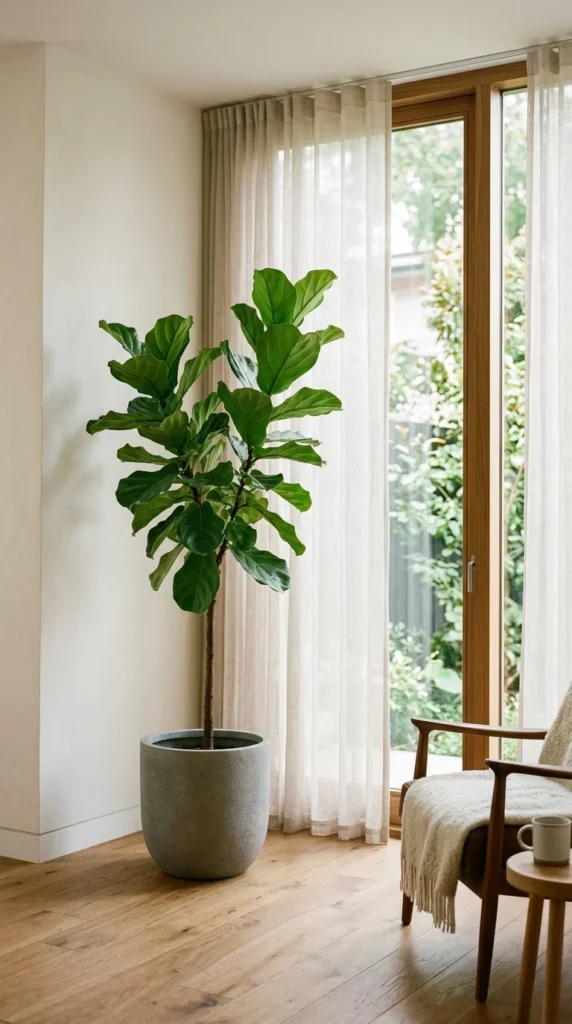
Plants are the perfect way to breathe life into a minimalist space. However, instead of a “jungle” vibe, Japandi favors “less is more.” A single, well-placed architectural plant—like a Bonsai, an Olive tree, or a tall branch in a vase—creates a focal point without overwhelming the senses.
7. Textured Textiles
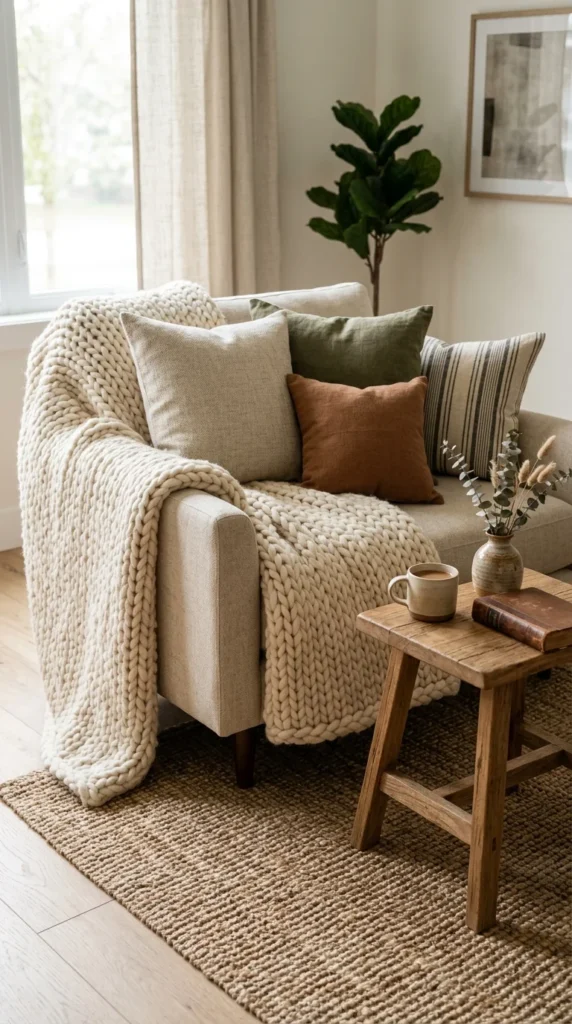
Since the color palette is restrained, texture becomes the primary way to add visual interest. Layering different fabrics like linen, wool, cotton, and hemp adds warmth and depth. A Scandinavian sheepskin rug or a Japanese-style tatami mat can provide the necessary contrast to smooth wooden surfaces.
8. Wabi-Sabi Decor
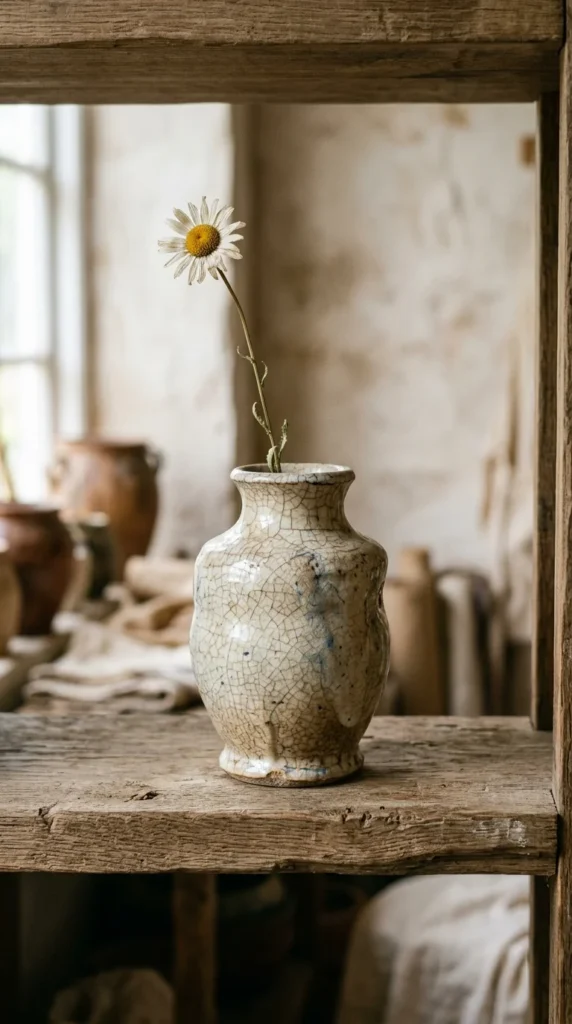
Embrace the Japanese philosophy of wabi-sabi by incorporating items that show the hand of the maker or the passage of time. This could be a piece of Kintsugi pottery (repaired with gold), a weathered wooden stool, or handmade ceramics with irregular edges. These imperfections give a home character and soul.
9. Sliding Doors
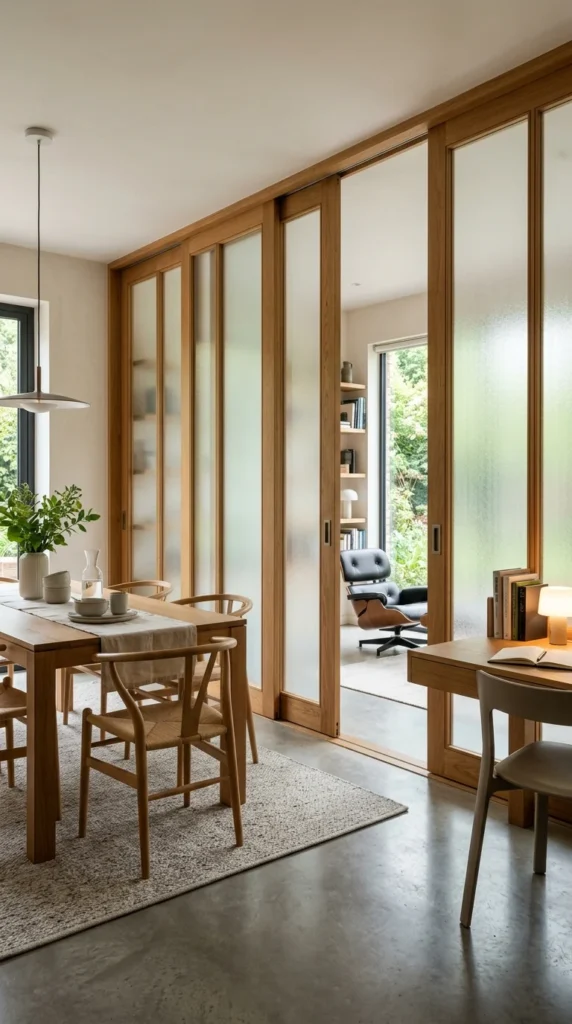
Inspired by traditional Shoji screens, sliding doors are a fantastic way to divide spaces without losing light or the feeling of openness. They save space compared to swinging doors and add a distinct architectural element that screams Japandi elegance.
10. Black Accents
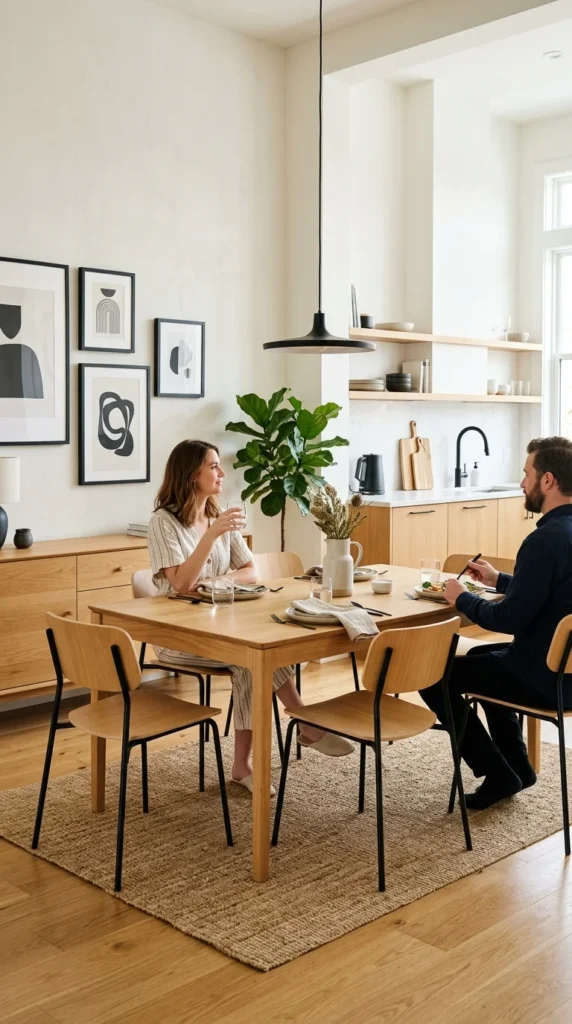
While the palette is mostly light, Japandi design often uses black as an accent color to add definition. Think of it like “ink on paper.” Slim black metal frames, black cabinet hardware, or a single black lamp can provide a sophisticated contrast that grounds the lighter elements of the room.
11. Open Spaces
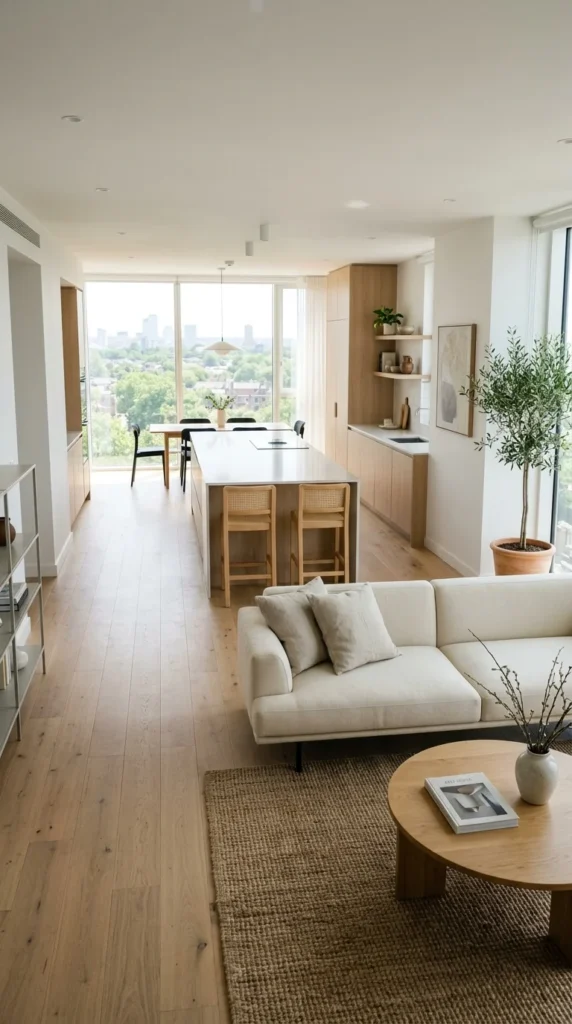
“Ma,” the Japanese concept of negative space, is vital. Do not feel the need to fill every corner or wall. Allowing space between objects creates a sense of calm and allows the eye to rest. This intentional emptiness makes the items you do choose to display feel more significant.
12. Earthy Ceramics
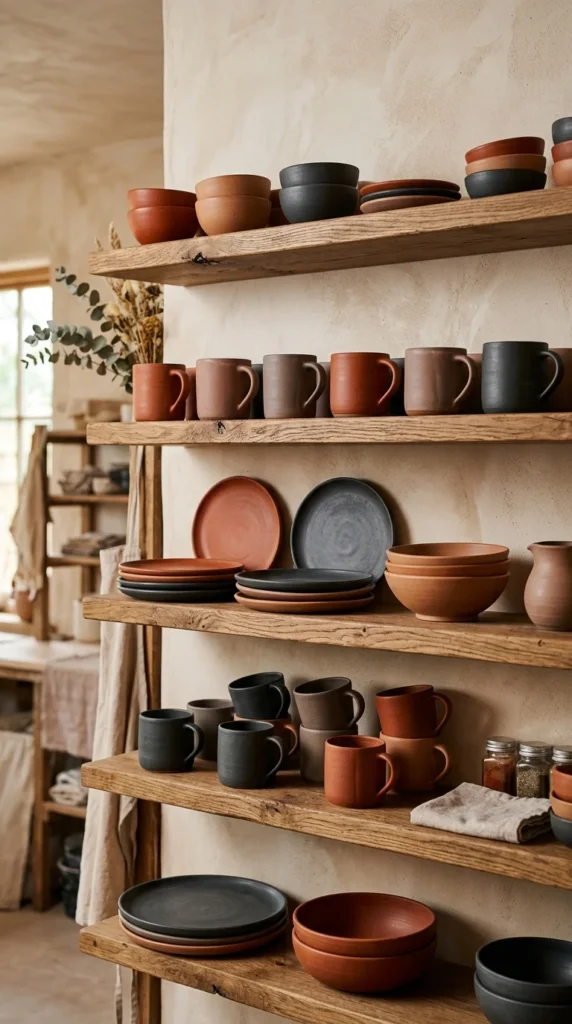
Ditch the mass-produced plastic or glass for handcrafted stoneware. Ceramics in earthy tones add a rustic yet refined touch to kitchens and dining rooms. Displaying these items on open shelving bridges the gap between utility and art.
13. Soft Rugs
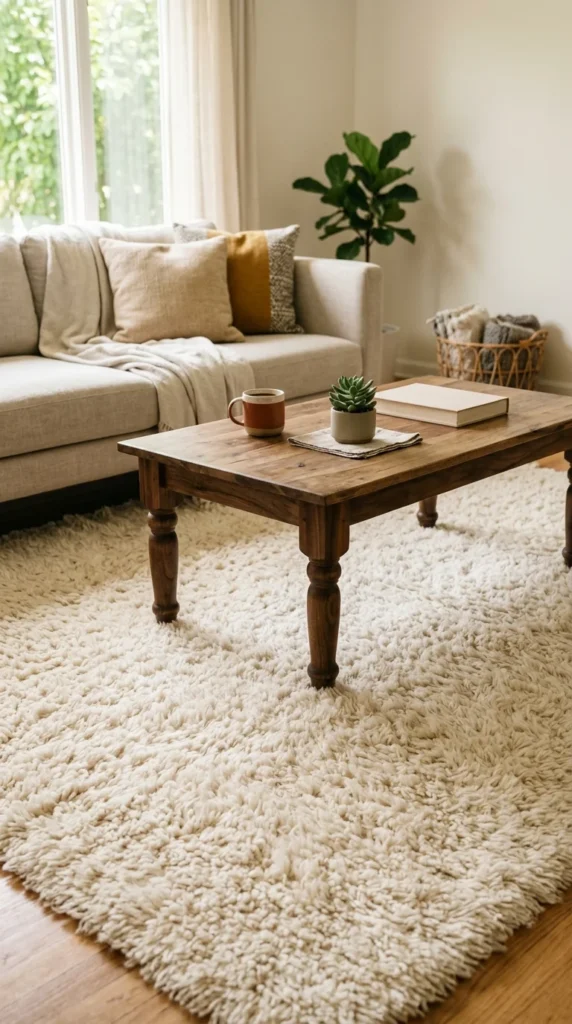
To achieve the Scandinavian “hygge” side of the equation, soft flooring is essential. A large, plush rug in a neutral tone can soften the hard lines of minimalist furniture and make a room feel cozy and acoustically dampened.
14. Integrated Storage
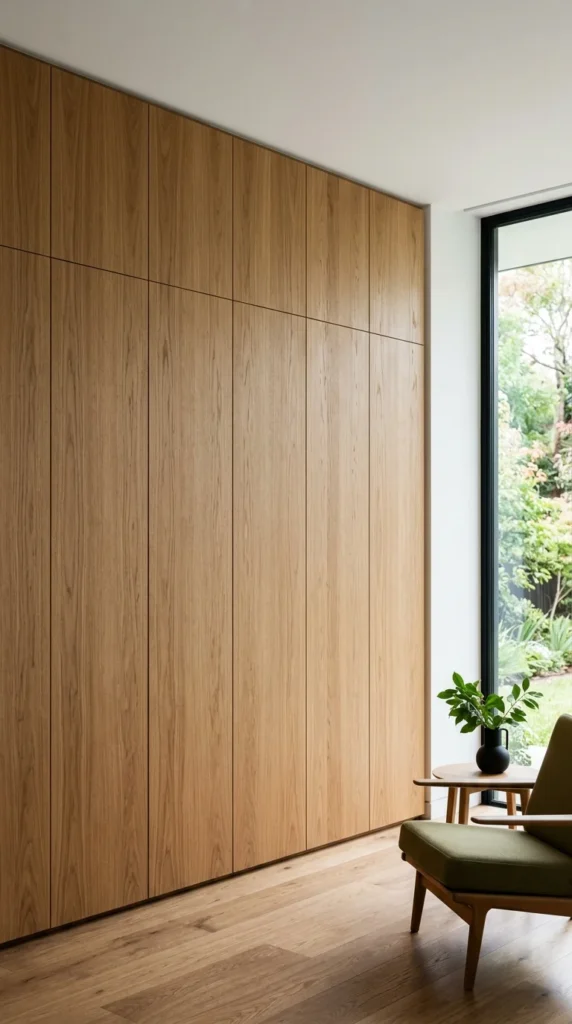
Clutter is the enemy of Japandi design. Integrated, “invisible” storage solutions are the best way to keep your home tidy. Cabinets that blend into the walls or furniture with hidden compartments allow you to hide away daily essentials, maintaining the clean aesthetic.
15. Natural Light
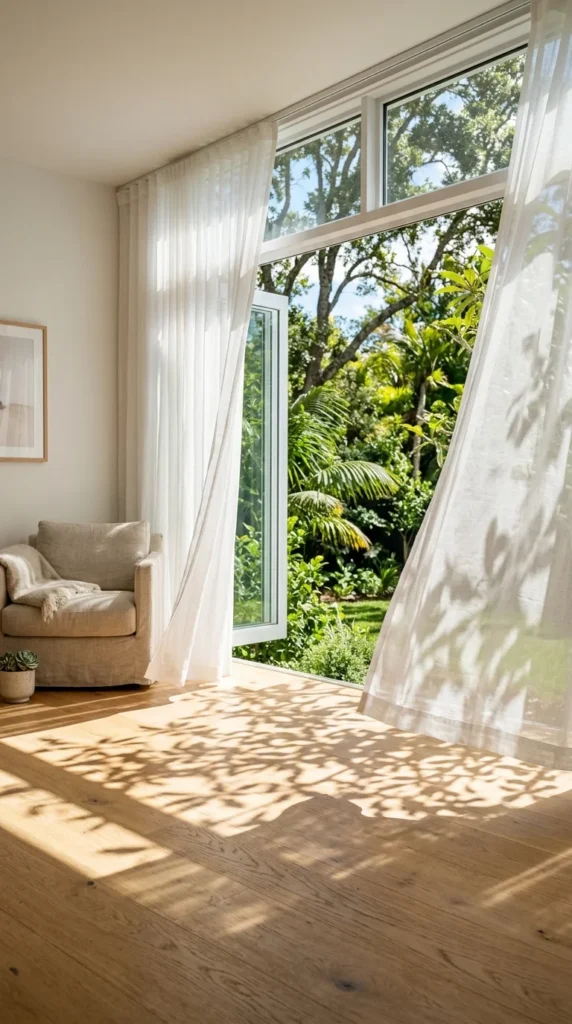
Maximized natural light is a hallmark of both Scandinavian and Japanese architecture. Use sheer curtains or light-filtering blinds to let in as much sun as possible. The interplay of light and shadow throughout the day adds a dynamic quality to the minimalist interior.
16. Multi-functional Furniture
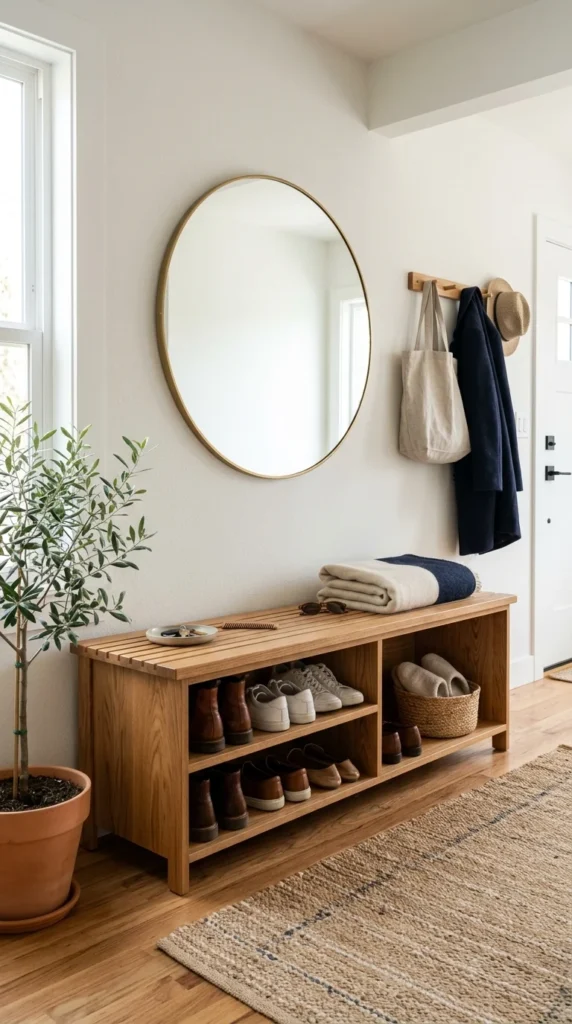
In smaller homes, Japandi style excels through multi-functionality. A dining table that can serve as a desk, or a bench with built-in storage, reflects the practical Nordic approach to design. This keeps the number of pieces in a room to a minimum.
17. Handcrafted Elements
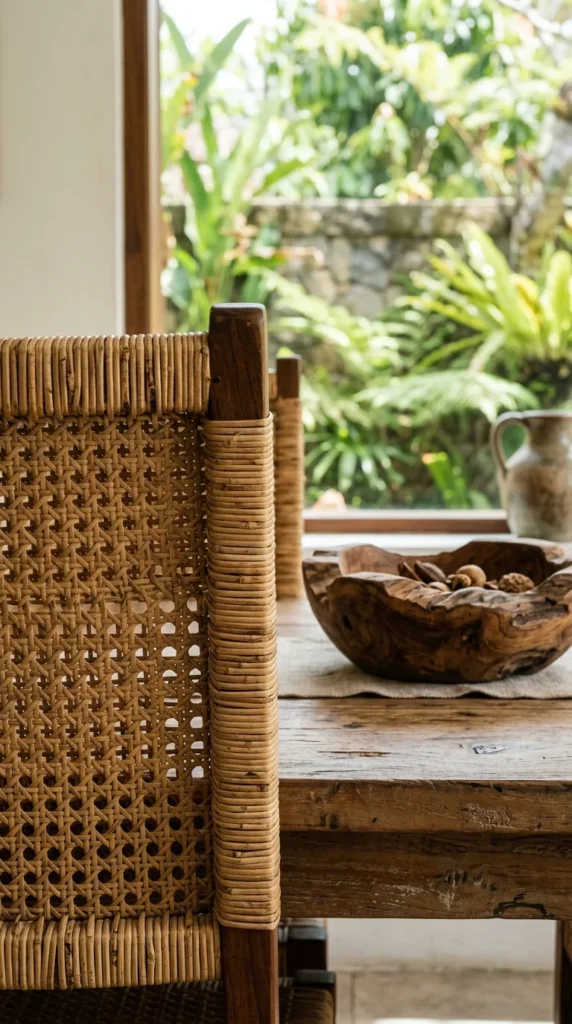
Japandi is a celebration of craftsmanship. Instead of buying a whole set of furniture from a big-box store, invest in a few high-quality, handcrafted pieces. Whether it’s a hand-woven basket or a custom-made timber table, these items bring a human touch to the home.
18. Minimalist Art
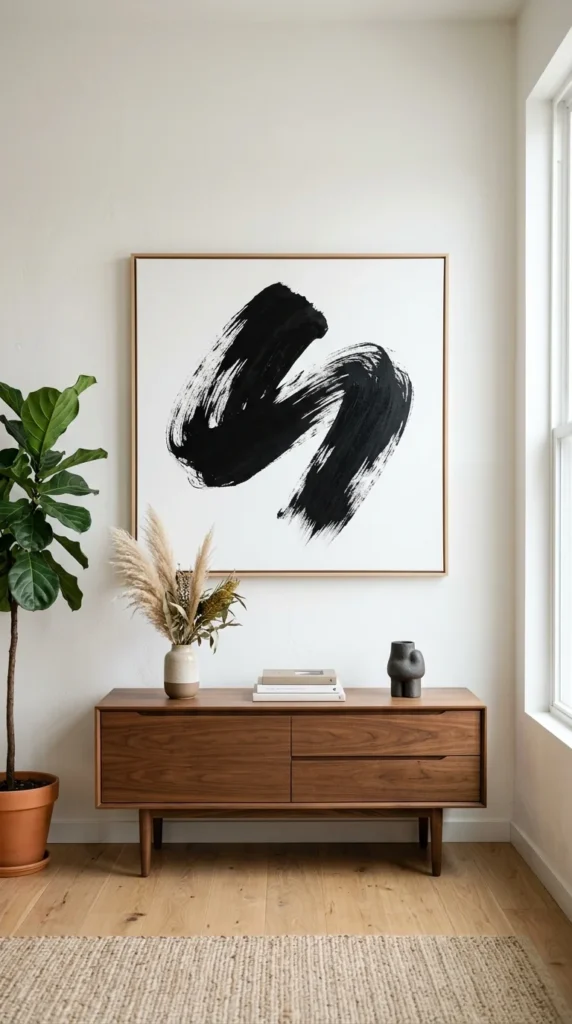
When it comes to wall art, choose one large, impactful piece rather than a gallery wall of smaller items. Abstract line art, ink wash paintings, or framed textiles work beautifully. The art should complement the room’s color story rather than compete with it.
19. Wood Slat Walls
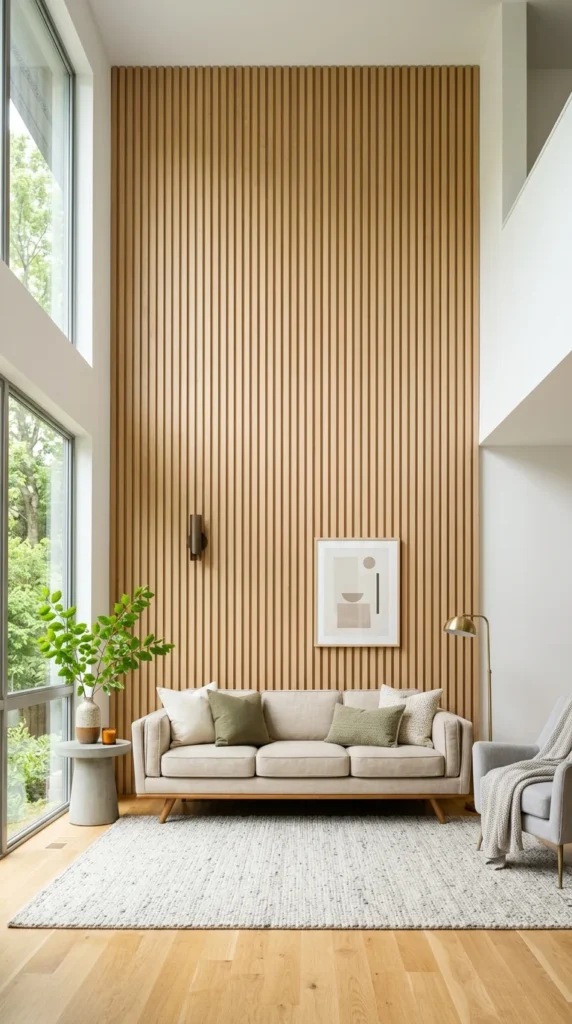
Wood slatting is a popular Japandi trend that provides architectural interest and texture. It can be used as a room divider, a headboard, or a feature wall. The vertical lines draw the eye upward and add a rhythmic, modern feel to the interior.
20. Zen Corners
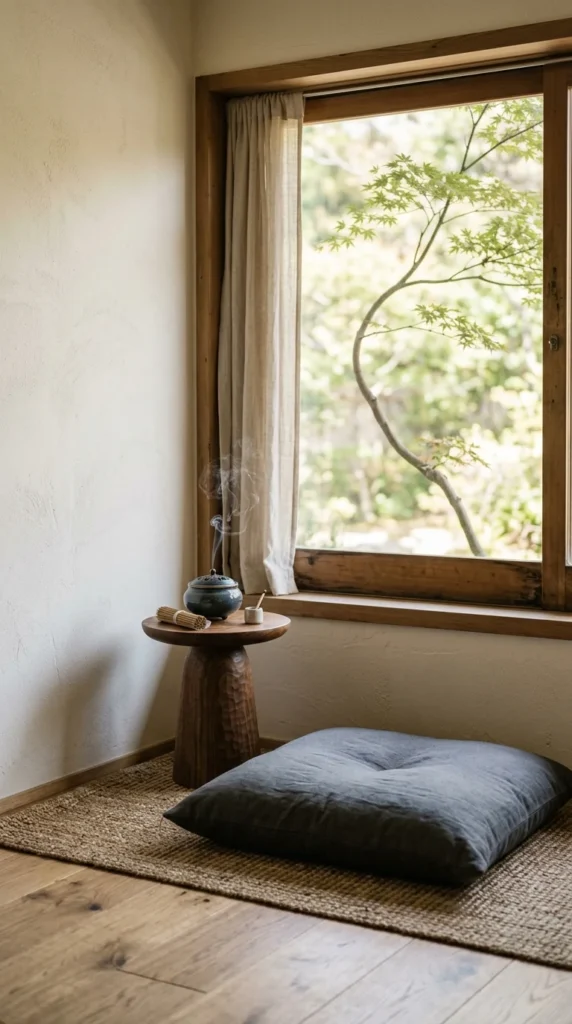
Dedicate a small area of your home to peace and reflection. A “Zen corner” might just be a comfortable chair by a window or a floor cushion with a small side table. It’s a physical reminder to slow down and practice mindfulness within your own home.
21. Sustainable Materials
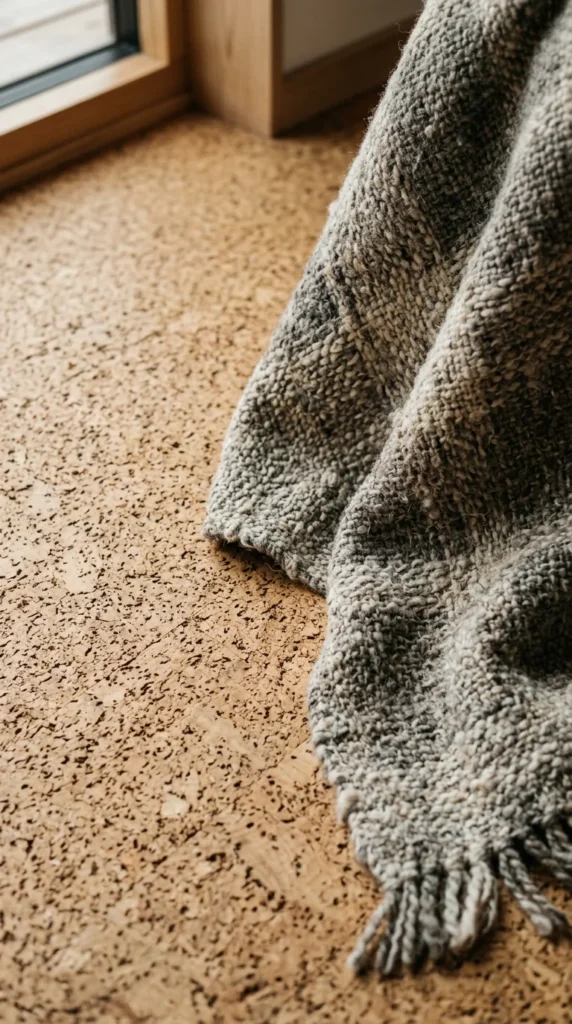
Both Japanese and Scandinavian cultures have a deep respect for nature. Using sustainable materials like cork, recycled wood, and organic cotton is not only better for the planet but also aligns with the ethical philosophy behind Japandi design.
22. Indoor-Outdoor Flow
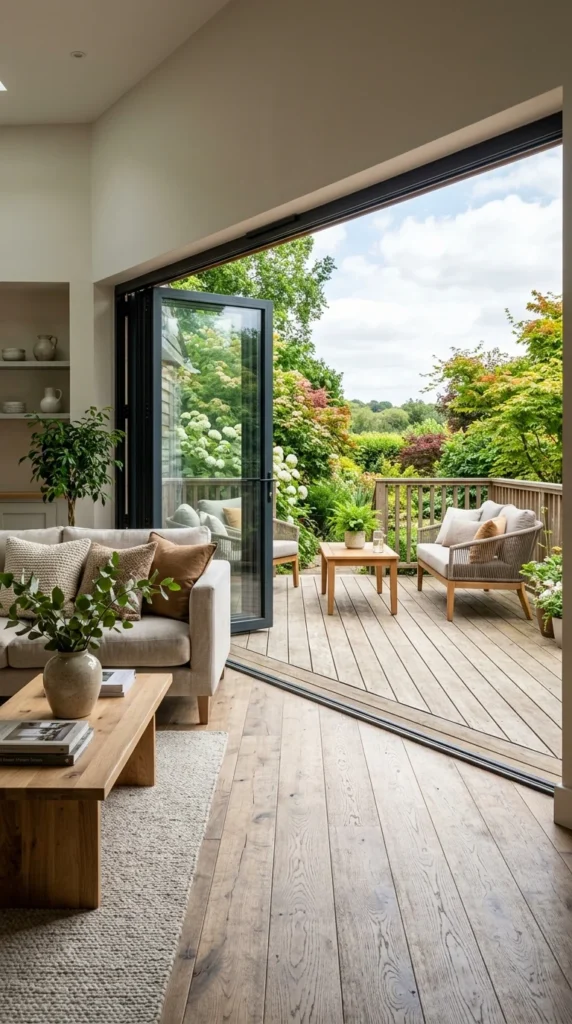
Creating a seamless transition between the interior and the exterior makes a home feel larger and more connected to the environment. If possible, use similar materials or colors for your indoor flooring and outdoor patio to blur the boundaries between the two.