
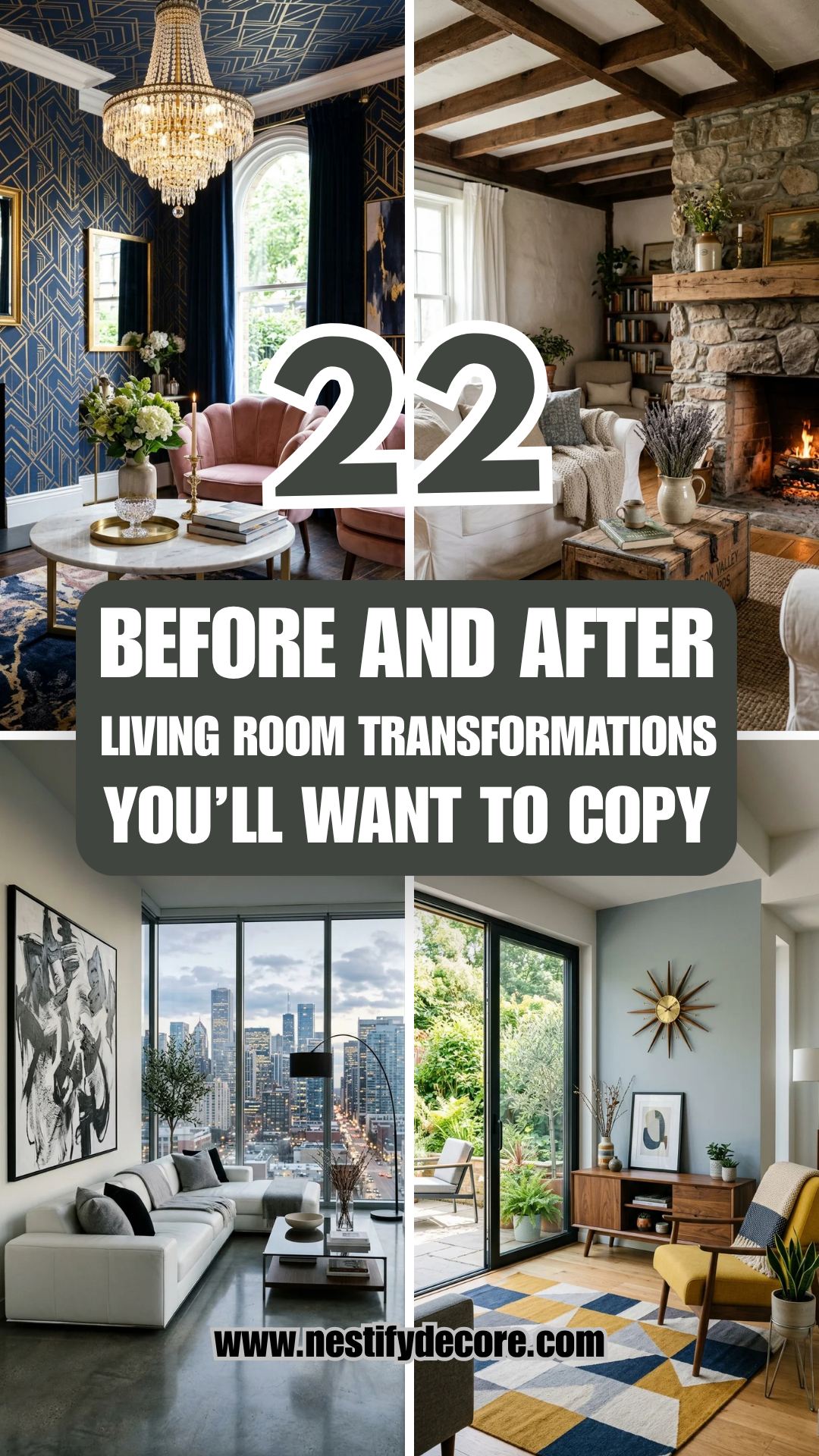
The living room is the heart of the home—a place for relaxation, social gathering, and personal expression. However, many living rooms become stuck in past decades, burdened by outdated textures, poor lighting, or inefficient layouts. Transforming these spaces requires more than just a fresh coat of paint; it involves a strategic reimagining of light, flow, and texture. Here are 22 stunning before-and-after living room transformations that demonstrate how any space can be reborn.
1. Minimalist Zen
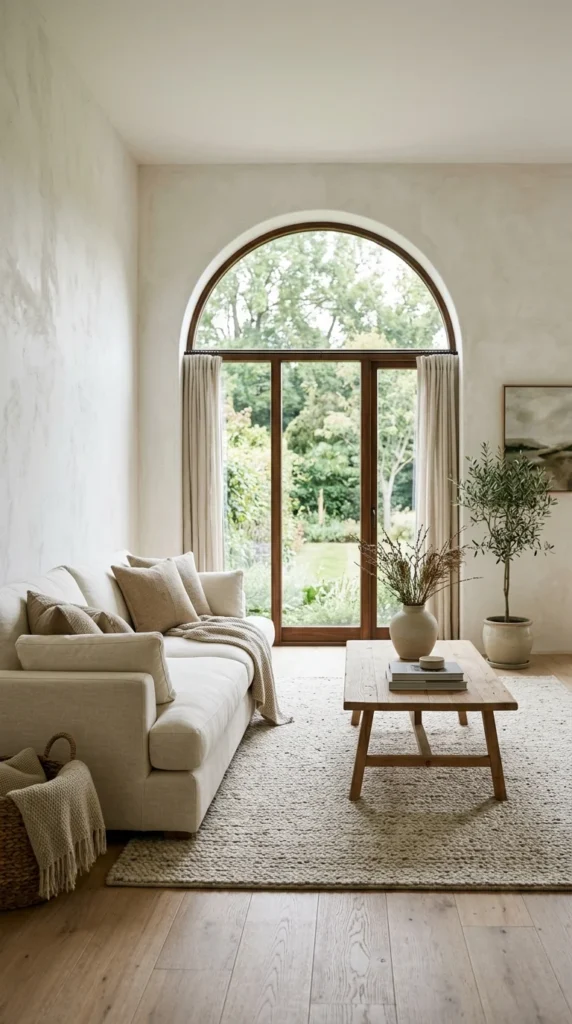
The “before” of this space was a cluttered, dark room with heavy mahogany furniture that absorbed all the light. By stripping away the excess and focusing on a monochromatic palette, the room opened up. The transformation relies on high-quality materials like lime-wash paint and natural fibers to create depth without visual noise.
2. Dark Moody
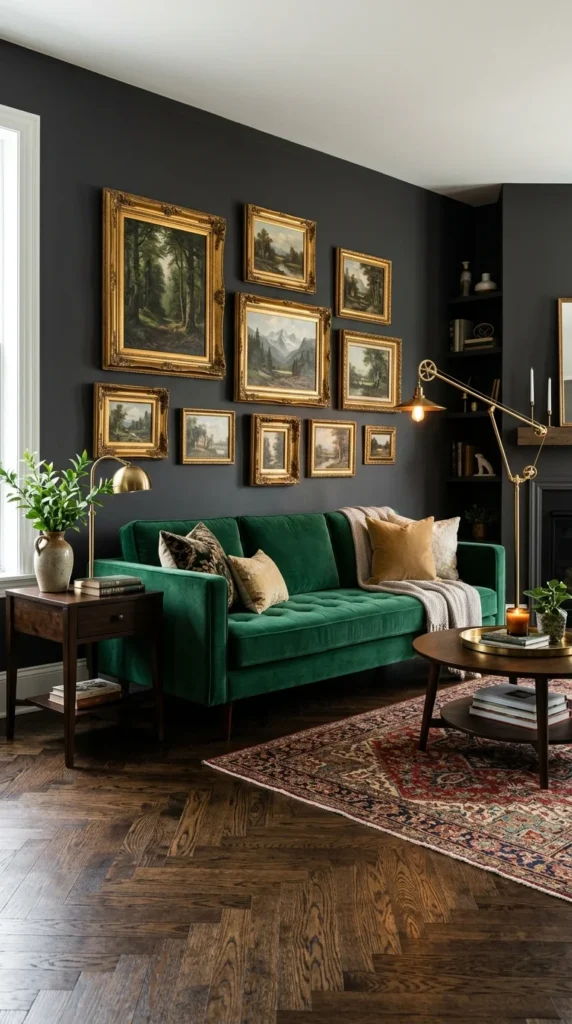
Originally a bland “builder-grade” room with tan walls, this transformation leaned into the lack of natural light rather than fighting it. Darker tones create an intimate, cocoon-like atmosphere. The addition of metallic accents and rich velvet textures provides the necessary contrast to keep the space from feeling cave-like.
3. Coastal Breeze
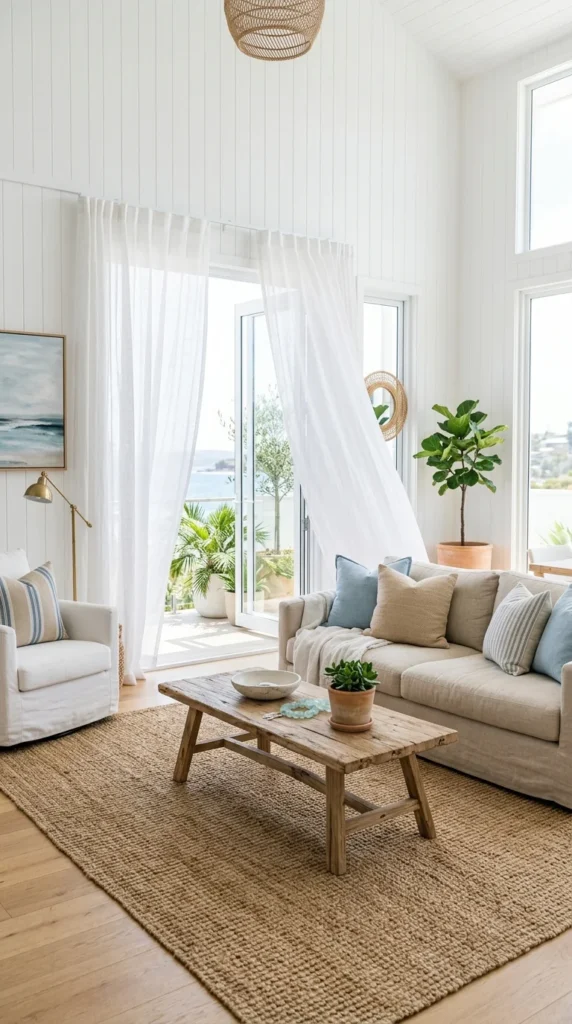
The previous version of this room featured heavy carpeting and dark navy walls that felt dated. By introducing a lighter palette and natural textures like jute and reclaimed wood, the room now feels permanently connected to the outdoors. The removal of heavy window treatments was key to maximizing the sea-inspired glow.
4. Industrial Loft
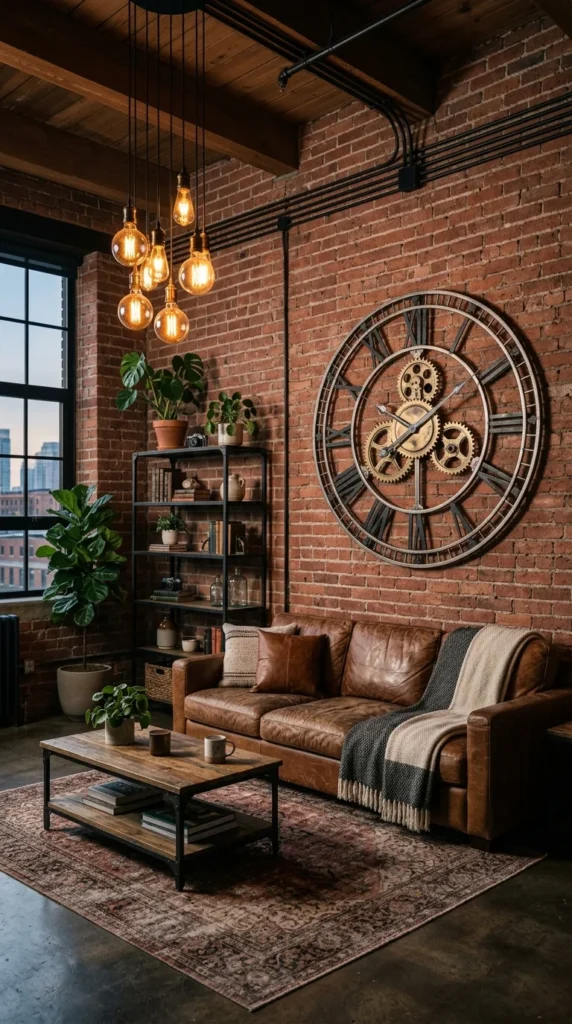
This space began as a sterile office environment with drop ceilings and fluorescent lighting. The transformation involved stripping back the drywall to reveal the original brickwork and installing iron elements. The result is a rugged yet cozy space that celebrates the “bones” of the building.
5. Bohemian Chic
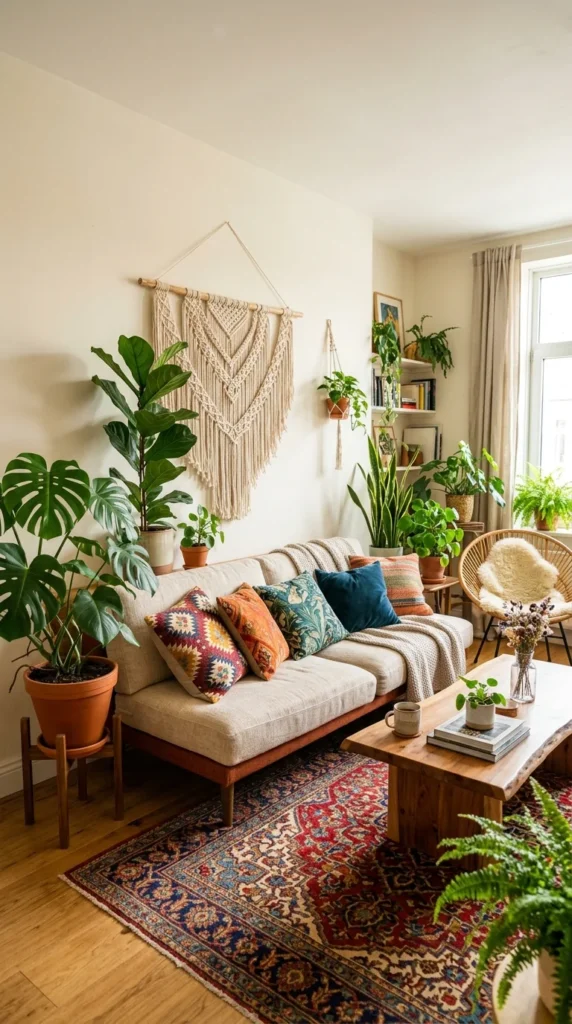
What was once a cold, tiled room with no personality is now a warm, layered sanctuary. The “after” focuses on “more is more,” utilizing textiles, greenery, and global finds to create a space that feels lived-in and curated over time rather than bought from a showroom.
6. Mid-Century Modern
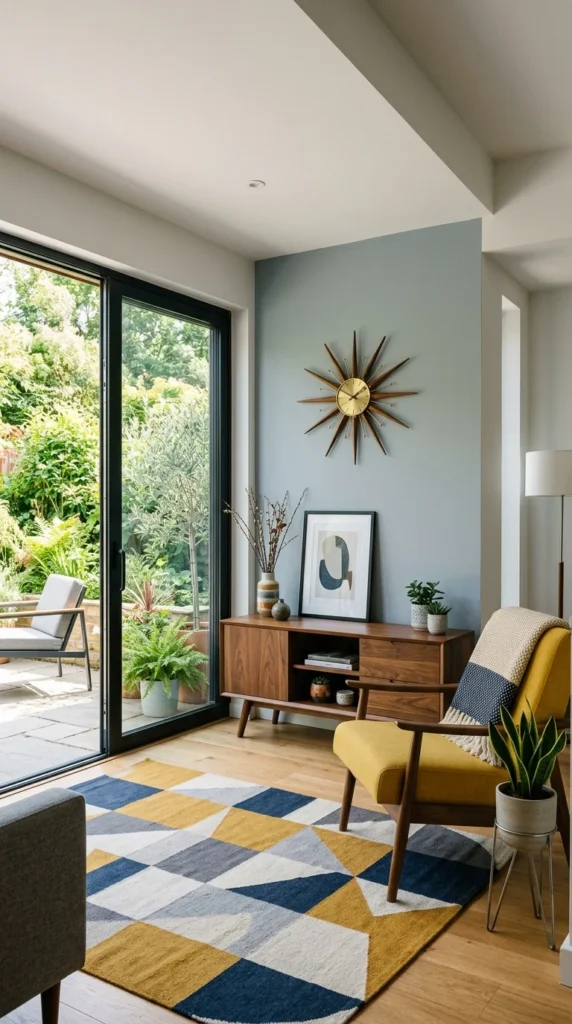
This transformation took a disorganized family room and gave it structure through 1950s-inspired design. The focus was on clean lines and functional furniture. By choosing pieces with “legs” (raised off the ground), the floor area appears larger, a trick that completely changed the room’s perceived footprint.
7. Scandinavian Simplicity
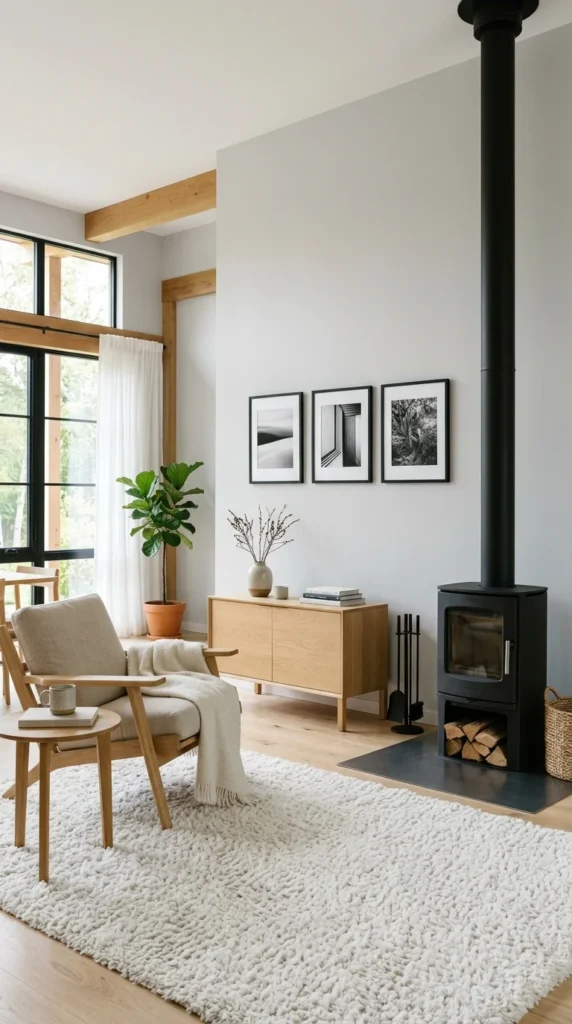
Originally a cluttered space with a red brick fireplace that dominated the room, this transformation utilized “Hygge” principles. The fireplace was painted white to blend into the walls, and the furniture was swapped for functional, light-colored Nordic pieces that prioritize comfort and light.
8. Farmhouse Rustic
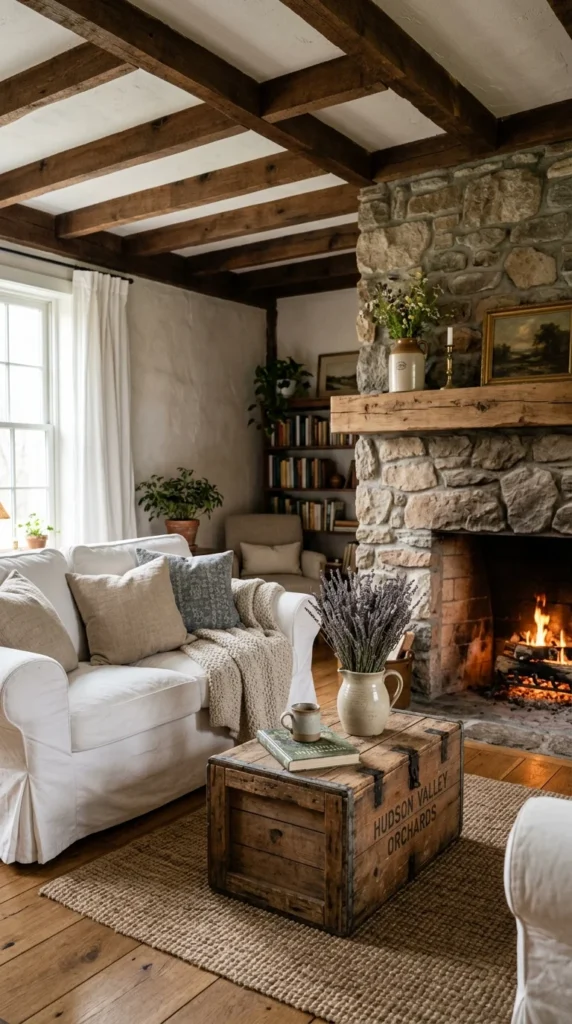
This room started as a generic suburban space with no architectural interest. The addition of faux wood beams and a floor-to-ceiling stone fireplace surround provided the “history” the room was missing. The neutral, soft color palette keeps the rustic elements from feeling too heavy.
9. Art Deco Glam
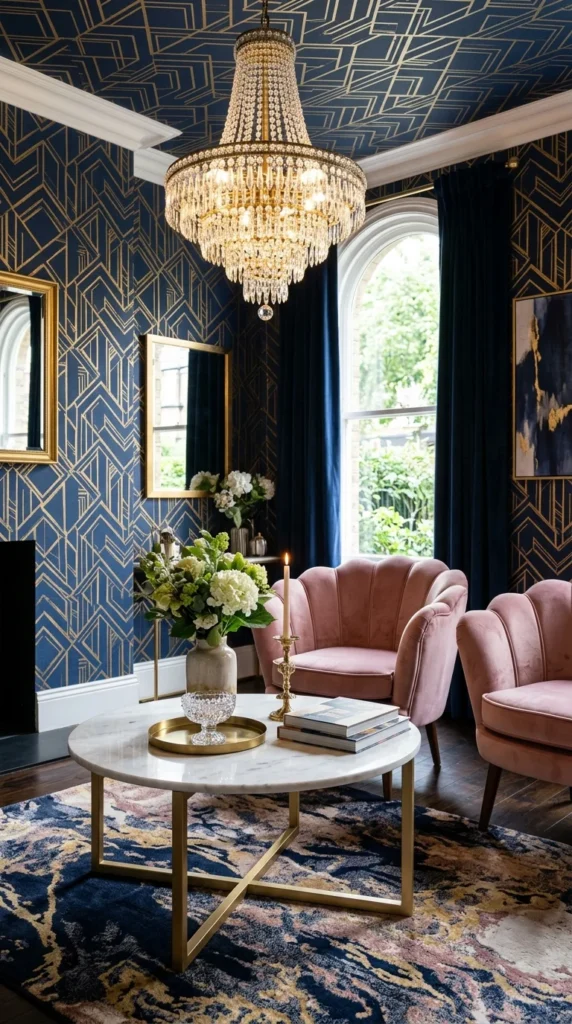
Formerly a plain guest room, this transformation shows how to use bold patterns to define a space. The use of symmetrical layouts and metallic finishes brings a sense of 1920s opulence to a modern setting, proving that “glam” can still feel sophisticated and refined.
10. Biophilic Greenery
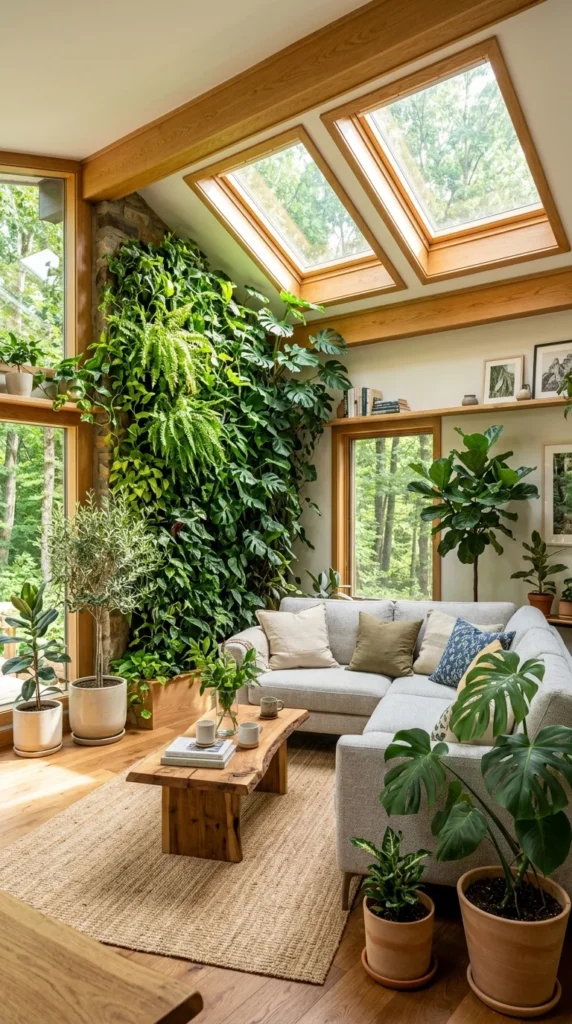
The “before” was a basement-level room with small windows and poor air circulation. By installing skylights and focusing on a biophilic design—integrating nature into the architecture—the room was transformed into a healthy, vibrant greenhouse-style lounge that breathes life into the home.
11. Maximalist Color
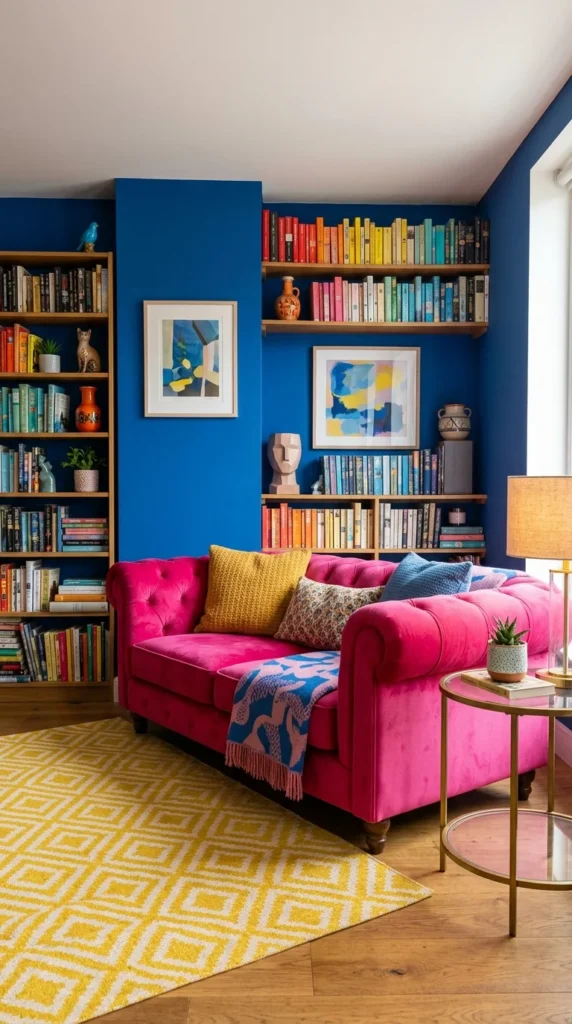
This room was a standard white “white-box” apartment. The transformation ignored traditional rules of color theory in favor of personal expression. By using saturated colors on both the walls and the furniture, the space becomes a high-energy environment that feels joyful and unique.
12. Victorian Revival
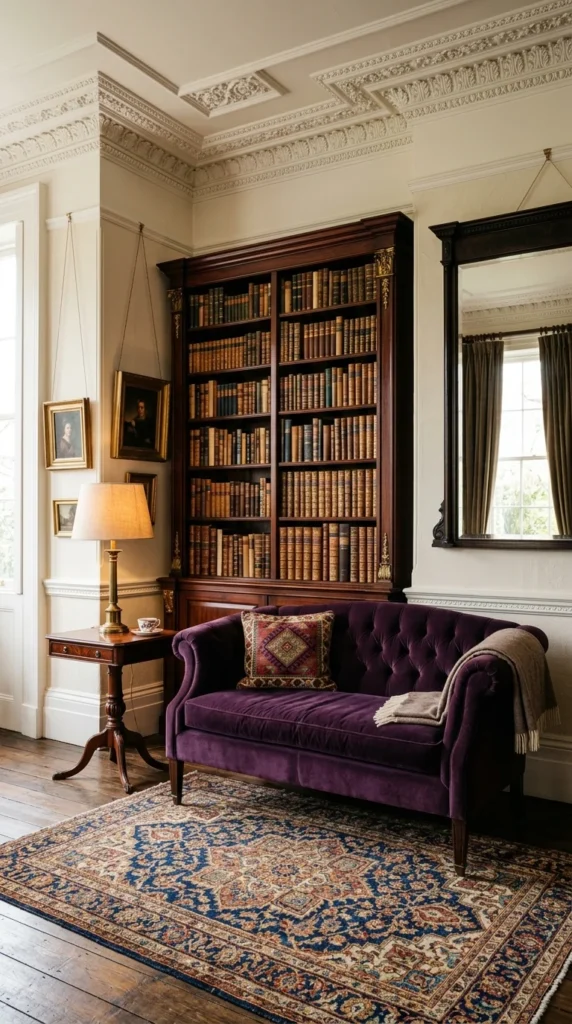
In a house where the original character had been stripped away by previous owners, this transformation sought to restore the Victorian grandeur. New moldings were added, and the color palette was shifted to jewel tones to match the era of the home’s architecture.
13. Modern Mediterranean
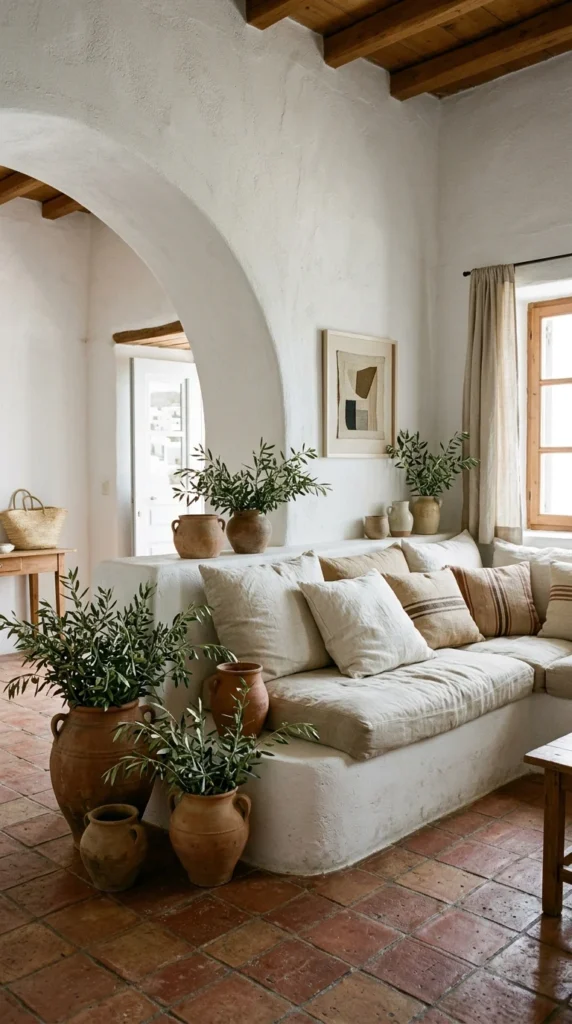
This was once a dark, carpeted room with standard rectangular doors. The renovation involved structural changes to create arches and the installation of terracotta tiles. The result is a Mediterranean-inspired retreat that feels cool, earthy, and timeless.
14. Japandi Fusion
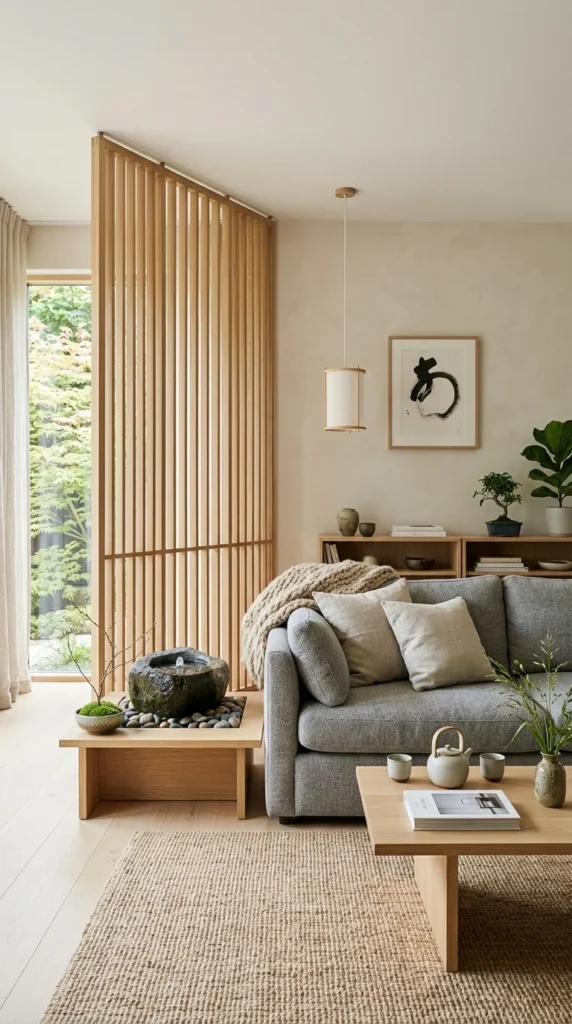
This transformation merged the “before”—a messy, disorganized den—into a masterpiece of balance. By combining the warmth of Scandi style with the intentionality of Japanese design, the room now serves as a dedicated space for meditation and quiet conversation.
15. Urban Contemporary
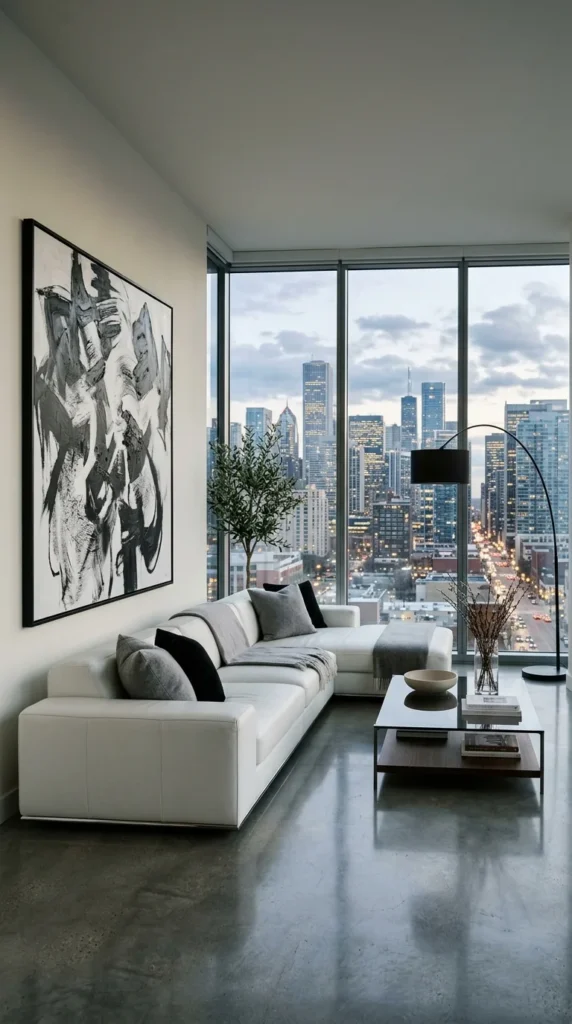
The “before” was a dated condo with yellowing linoleum floors. The transformation focused on high-end finishes like polished concrete and oversized art. This approach makes the city view the focal point, while the interior remains understated and professional.
16. Transitional Balance
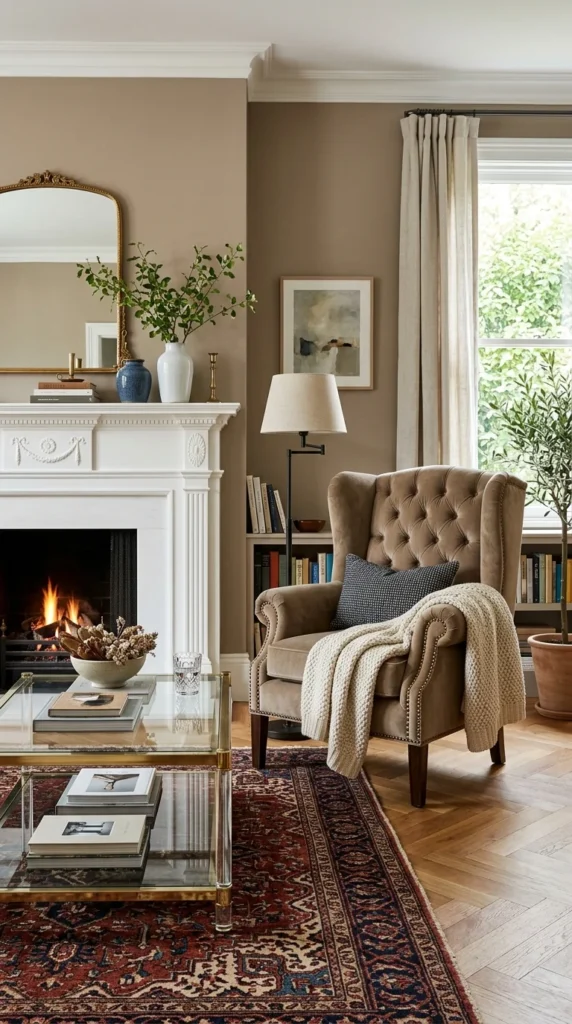
Transitional design is about the middle ground. This room moved from being “too traditional” (with heavy floral drapes and antique furniture) to a balanced space where modern silhouettes live alongside classic architectural details.
17. Eclectic Vintage
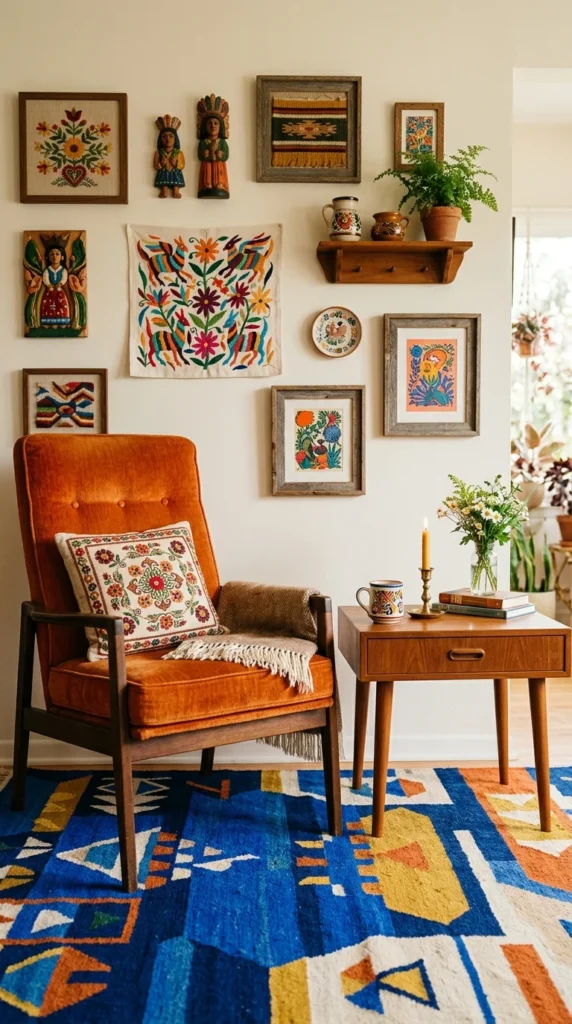
This transformation didn’t follow a single era. Instead, it took a sterile “before” and filled it with treasures found at flea markets and thrift stores. The key to this look is the intentional grouping of objects to ensure the room feels curated rather than cluttered.
18. Desert Southwest
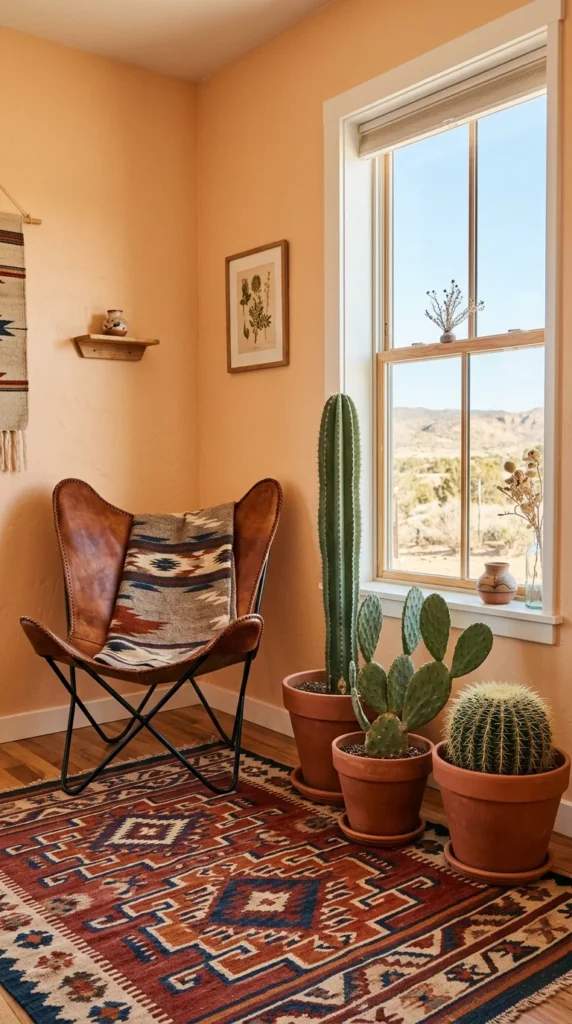
Taking inspiration from the landscape, this transformation replaced a cold, white room with warm, earthy tones. The use of leather, woven textiles, and desert flora creates a space that feels grounded and connected to the environment of the American Southwest.
19. French Countryside
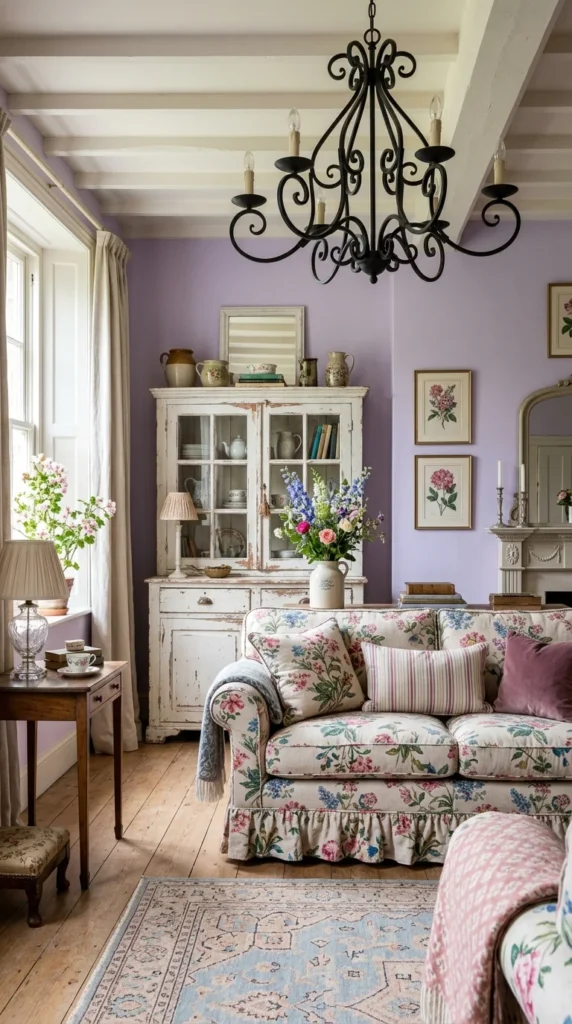
The “before” was a dark, masculine study. By introducing soft pastels, distressed wood finishes, and floral motifs, the room was transformed into a light-filled French provincial lounge. It emphasizes “shabby chic” elegance and soft textures.
20. High-Tech Media
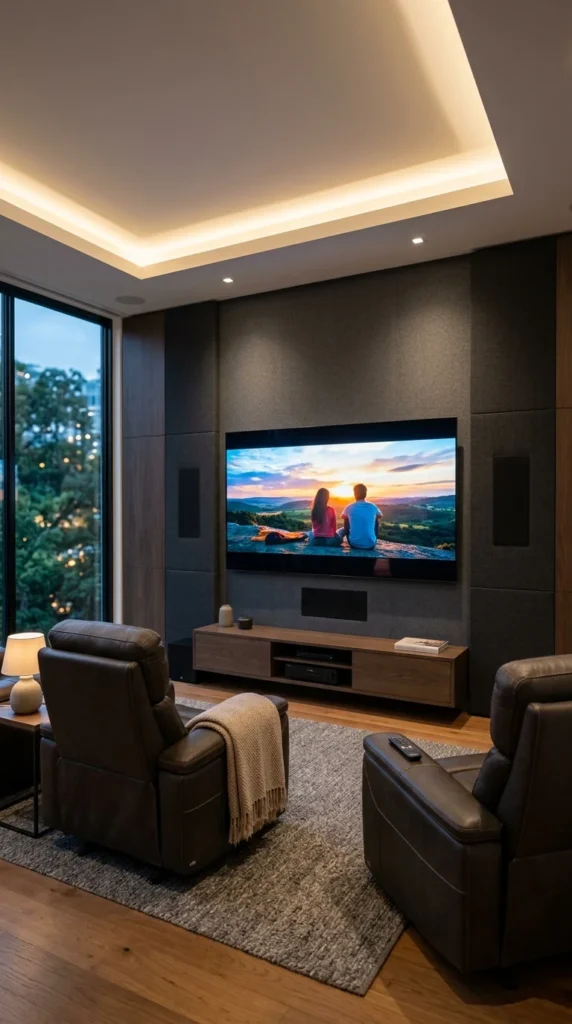
This transformation turned a formal, unused living room into a functional family hub. The design cleverly hides the technology when not in use—cables are routed through walls and speakers are flush-mounted—ensuring the room still feels like a living space, not just a theater.
21. Small Space Magic
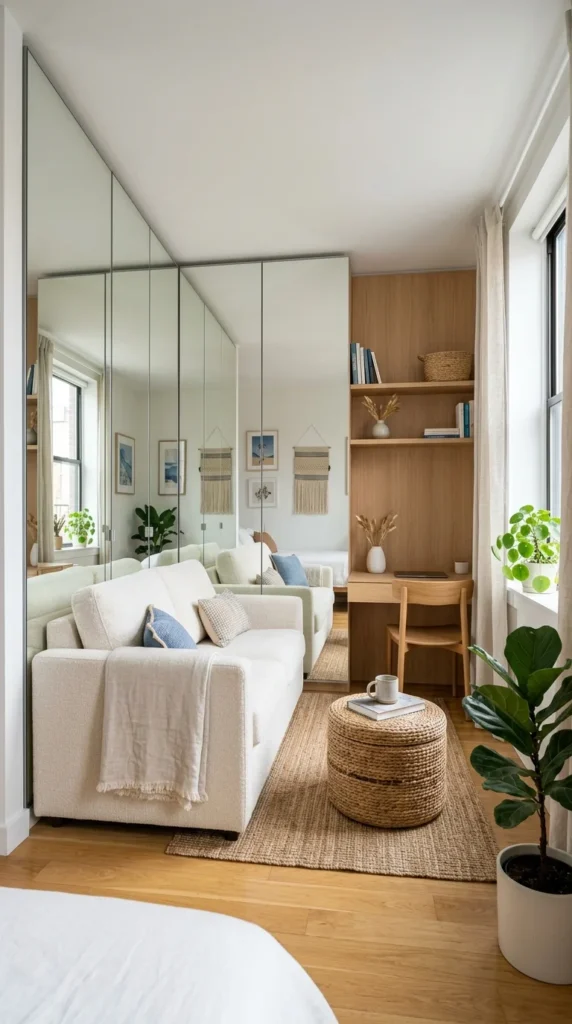
Originally a cramped, dark apartment living area, this transformation utilized every inch of vertical space. Mirrors were used strategically to bounce light, and the “floating” furniture creates the illusion of more floor space, making the room feel twice its actual size.
22. Luxury Penthouse
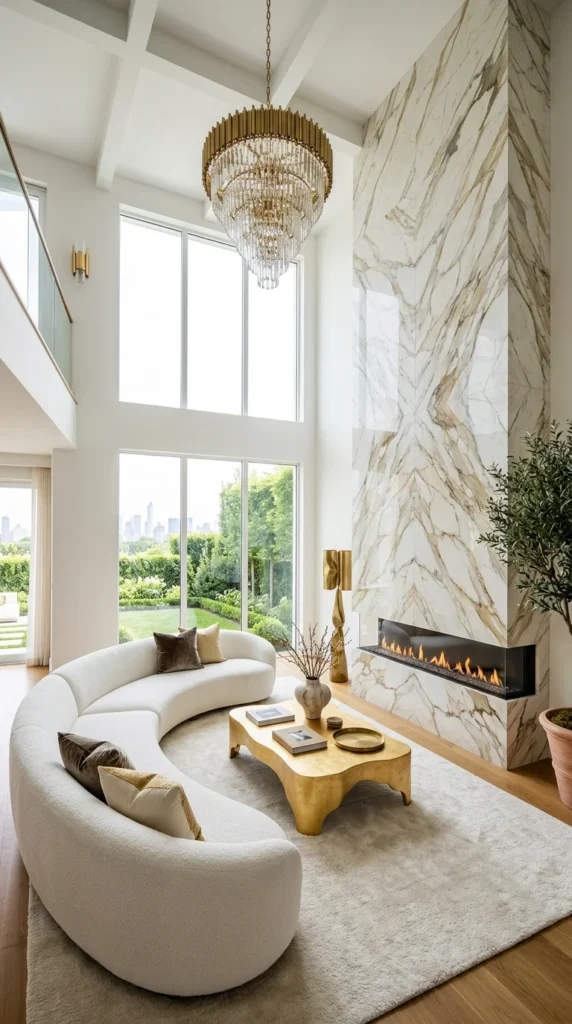
The final transformation shows a massive scale. This room was a shell of a building; through the use of high-end materials like book-matched marble and bespoke furniture, it was turned into a world-class luxury space that defines “modern elegance.”