

Creating a moody home isn’t just about painting every room black; it is about mastering the art of shadows, textures, and depth. Moody interior design evokes a sense of mystery, intimacy, and high-end sophistication by utilizing a darker color palette balanced with warm lighting and organic materials. Whether you live in a modern apartment or a historic cottage, embracing the darker side of design can transform a sterile space into a soulful sanctuary.
1. Charcoal Walls
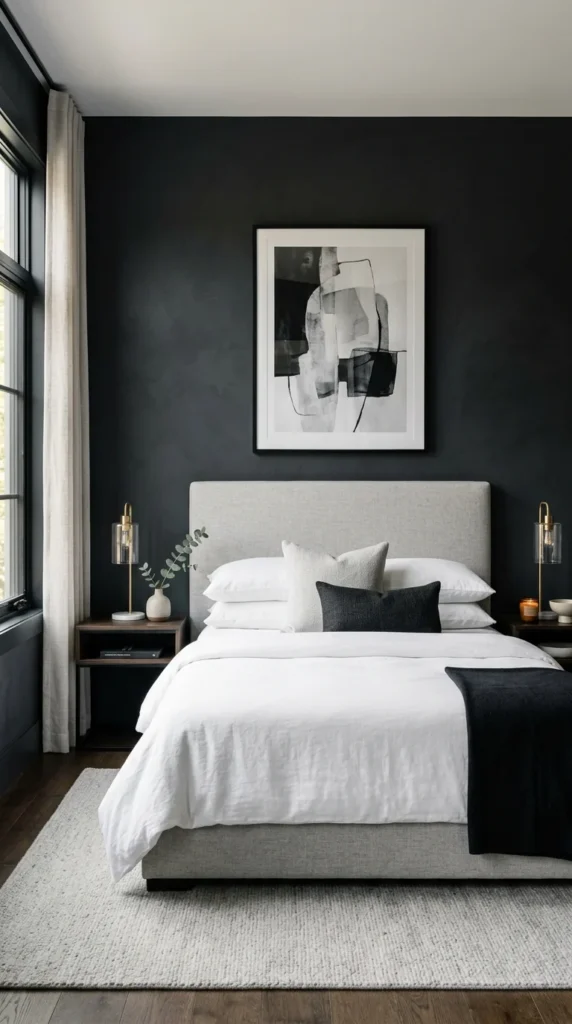
Charcoal grey is the quintessential foundation for a moody home. Unlike pure black, which can sometimes feel flat, charcoal has subtle blue or brown undertones that add complexity to a room. When applying this color, consider using a matte finish to absorb light, creating a velvety appearance that makes the walls feel like they are receding, effectively making the room feel more intimate and expansive at the same time.
2. Velvet Upholstery
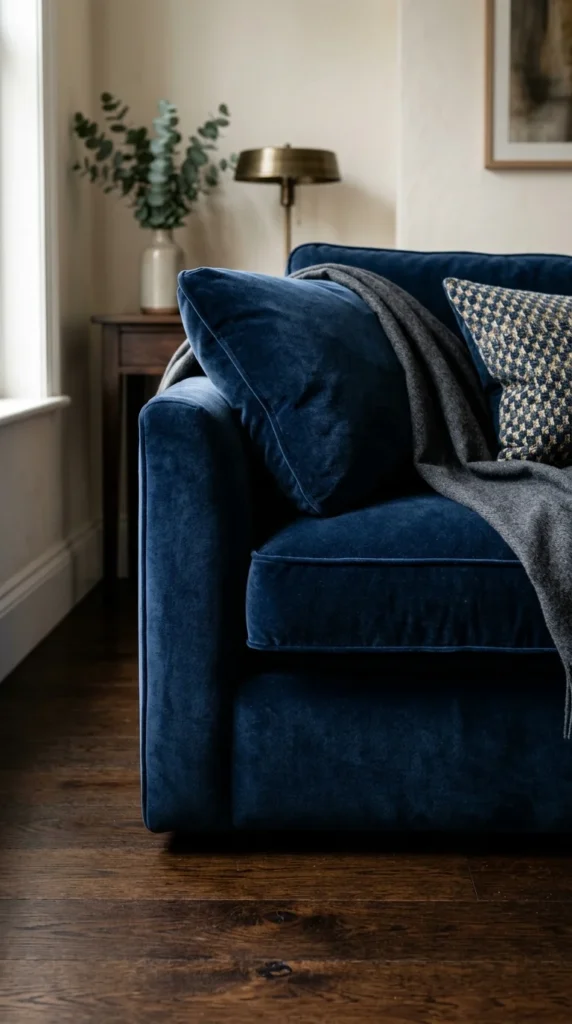
Texture is vital when working with a dark palette. Velvet is the ultimate luxury fabric for a moody aesthetic because of its “sheen” and “nap.” As light hits the folds of a velvet sofa or chair, it creates highlights and shadows that prevent a dark room from looking two-dimensional. Deep jewel tones like emerald, sapphire, or burgundy velvet can serve as a stunning focal point against dark walls.
3. Ambient Lighting
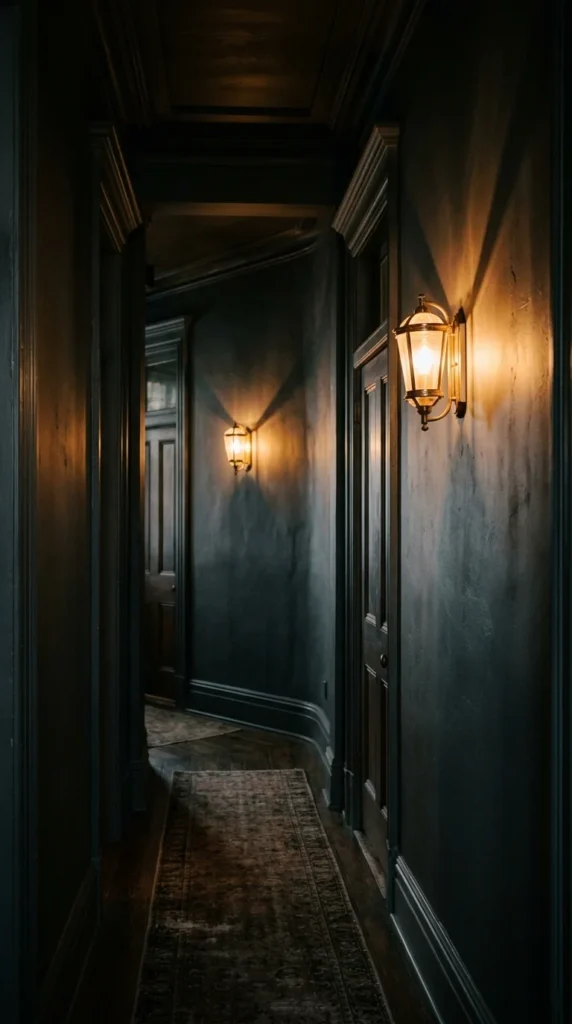
In a moody home, overhead “big lights” are the enemy. To achieve a sophisticated atmosphere, you must layer your lighting. This means using a combination of floor lamps, table lamps, and wall sconces. The goal is to create “pools of light” that highlight specific areas while leaving the corners in soft shadow. Warm-toned bulbs (2700K or lower) are essential to maintain a cozy, inviting vibe.
4. Brass Accents
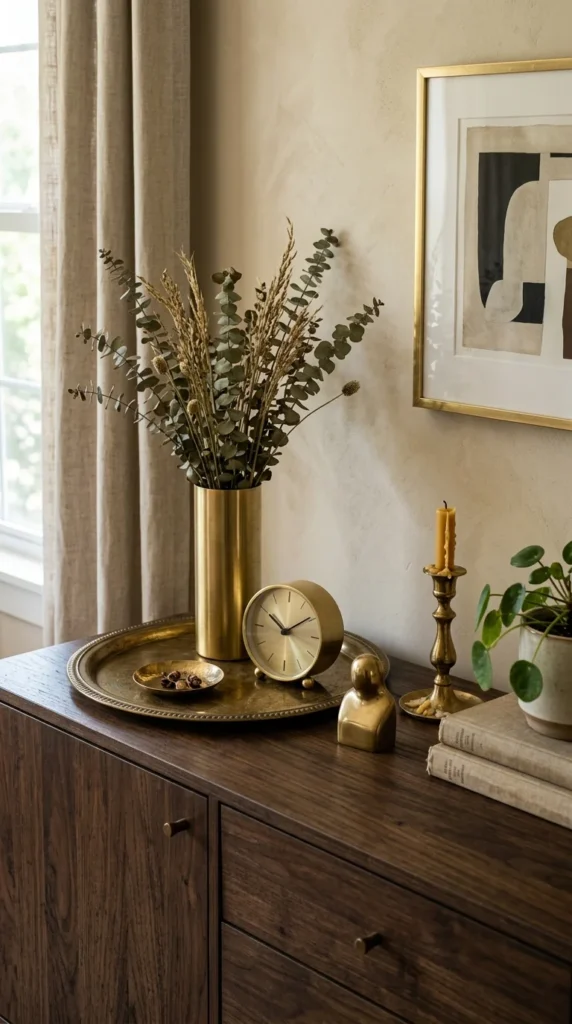
Metallic accents act as the jewelry of a room. Brass and gold are particularly effective in moody spaces because their warmth cuts through cooler dark tones like navy or forest green. Incorporate brass through cabinet hardware, picture frames, or light fixtures to provide a necessary “pop” of brightness that keeps the space from feeling too heavy or somber.
5. Indoor Trees
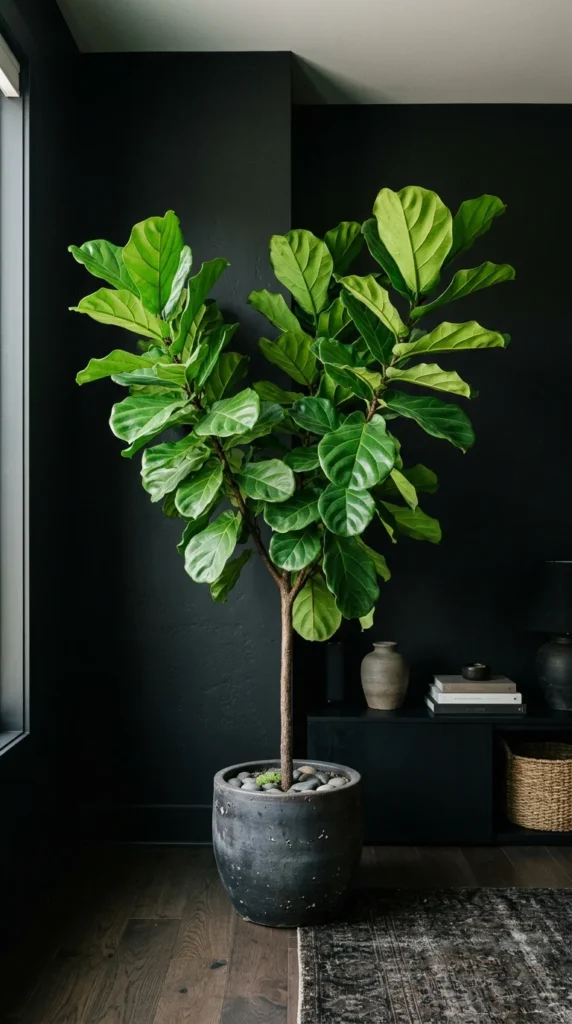
Bringing nature indoors provides a living contrast to a dramatic interior. Large-scale plants, such as an Olive tree or a Fiddle Leaf Fig, add an organic shape that softens the sharp lines of modern furniture. The vibrant green of the leaves provides a natural “breathing space” for the eyes, ensuring the room feels alive and fresh despite the darker color scheme.
6. Gallery Walls
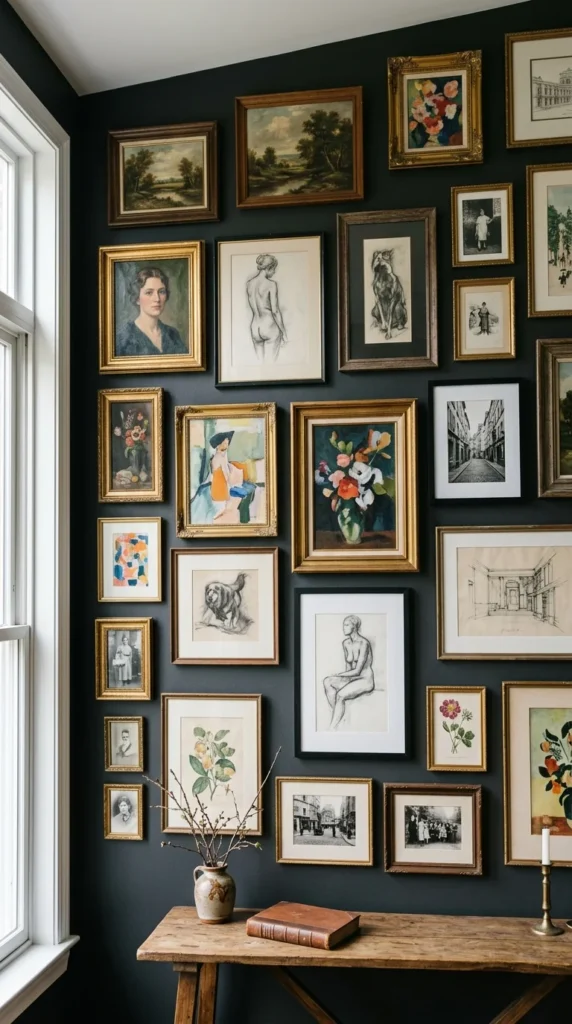
A gallery wall in a moody room should feel curated and historical. Opt for dark or gilded frames and artwork with a classic feel—think moody landscapes, charcoal sketches, or vintage portraits. Spacing the frames closely together creates a sense of “maximalism” that adds to the room’s richness and tells a personal story.
7. Textured Rugs
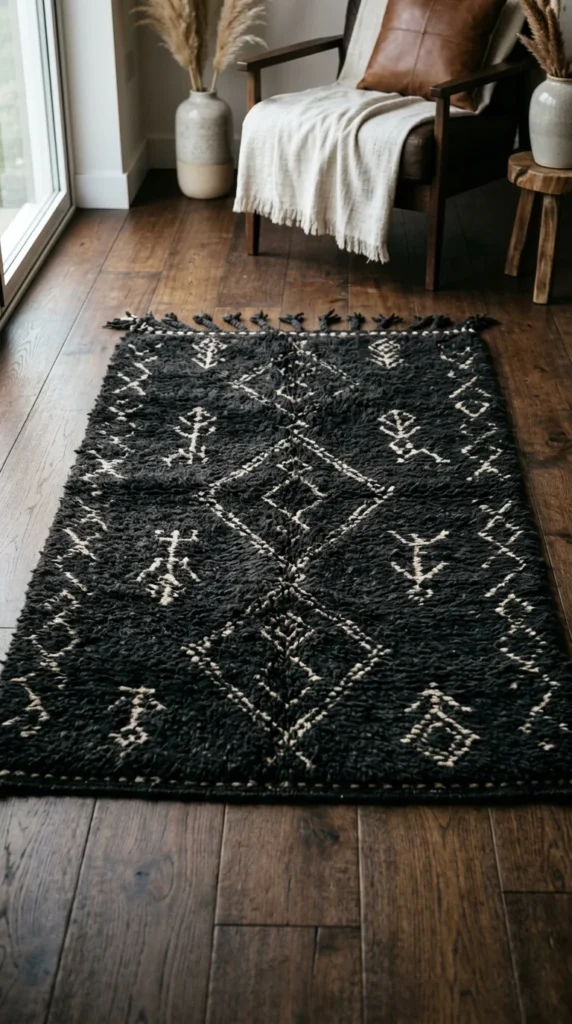
Floors are often overlooked in moody design, but they are crucial for grounding the space. A high-pile or textured rug in a deep tone adds a layer of physical and visual warmth. Look for rugs with subtle patterns or varying pile heights to add “movement” to the floor, preventing it from looking like a solid dark block.
8. Dark Wood
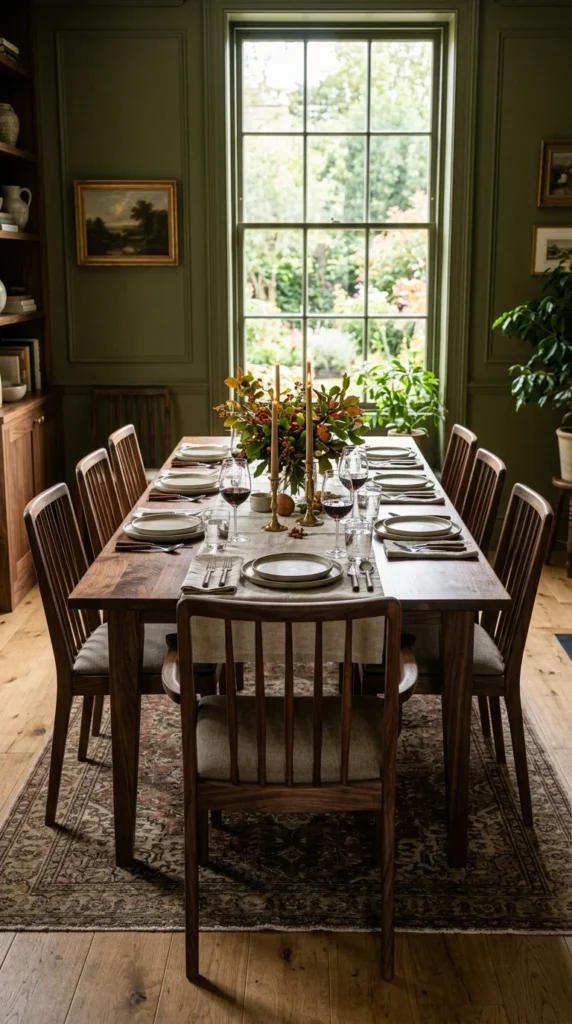
Dark wood species like walnut, mahogany, or stained oak complement a moody aesthetic perfectly. The natural grain of the wood provides a subtle pattern that feels sophisticated and timeless. Using dark wood for larger furniture pieces helps them blend into the shadows of the room, creating a seamless and cohesive look.
9. Matte Black
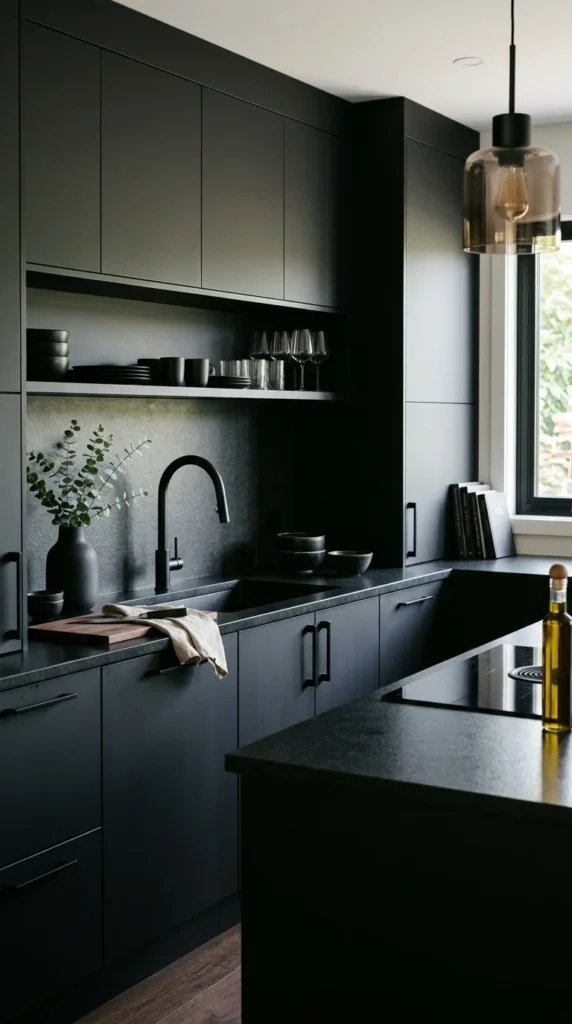
Matte black finishes are the epitome of modern sophistication. Whether it’s your kitchen hardware, bathroom faucets, or even window frames, the lack of reflection on matte surfaces provides a clean, architectural look. It’s a bold choice that feels deliberate and high-end, especially when contrasted with natural stone or wood.
10. Deep Greens
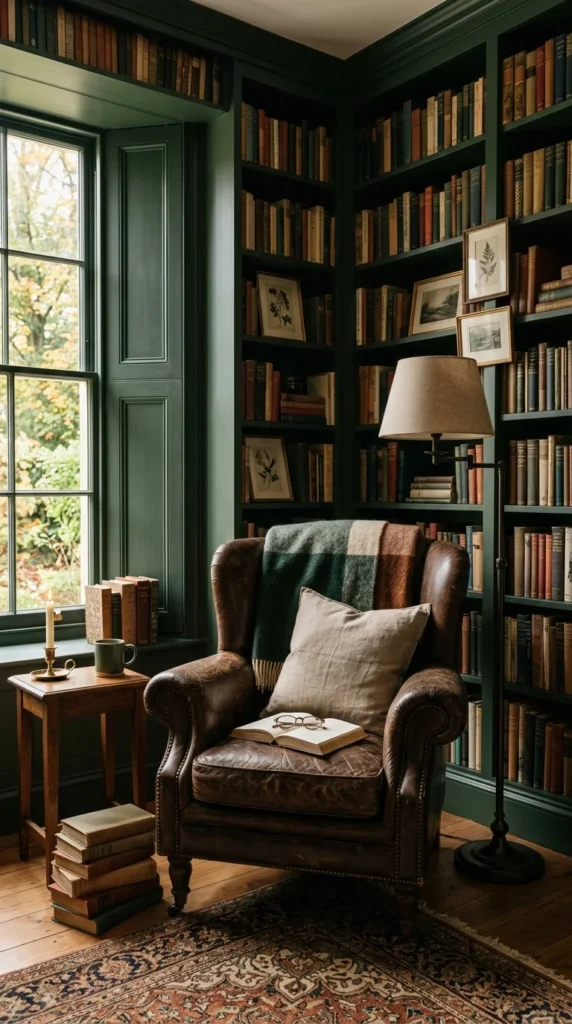
Forest green and hunter green are excellent alternatives for those who find grey or black too cold. Green is a “receding” color, meaning it creates depth without being overwhelming. It pairs beautifully with leather, wood, and brass, making it a favorite for home offices, libraries, and dens where a studious, quiet atmosphere is desired.
11. Heavy Drapery
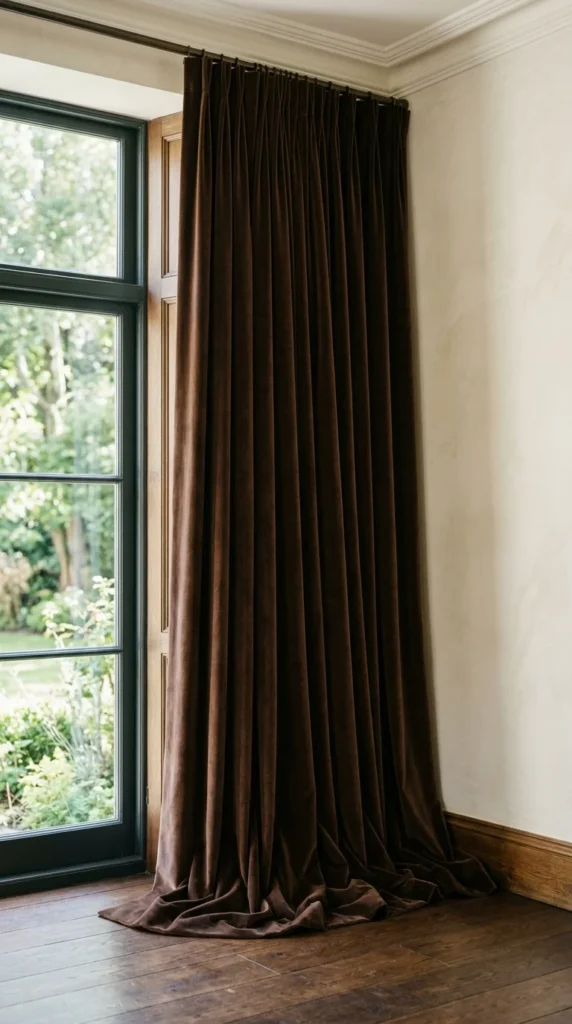
Window treatments in a moody home should be substantial. Thick, floor-to-ceiling drapes in materials like velvet or heavy linen not only block out unwanted light but also add a vertical element of luxury. Pooling the fabric slightly on the floor (puddling) creates a romantic, old-world feel that enhances the overall drama of the room.
12. Metallic Details
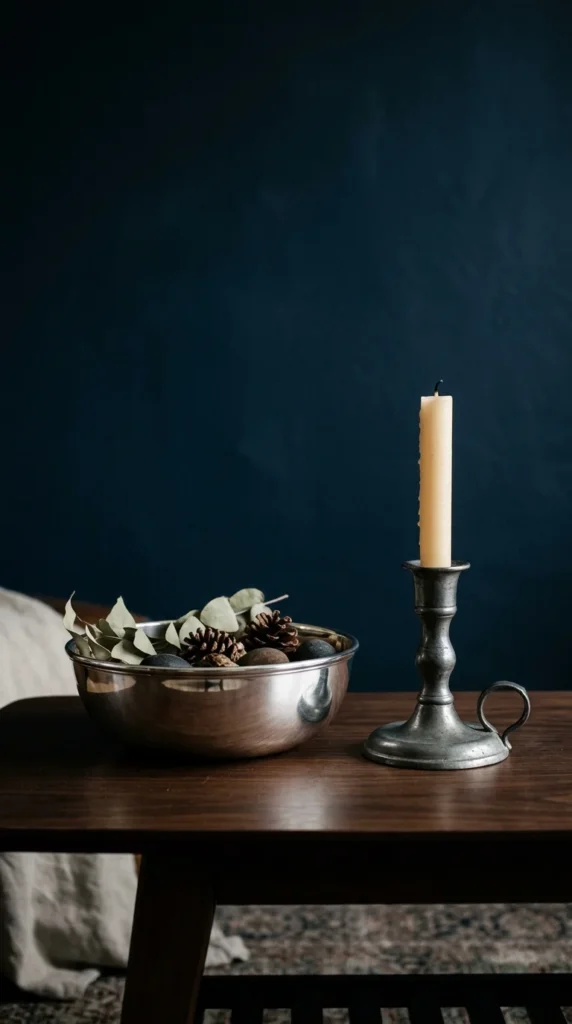
While brass is a classic choice, cooler metals like silver, pewter, or chrome can also work in a moody setting, particularly if the base color is a cool-toned charcoal or navy. These metallics reflect light in a “crisp” way, providing a sharper contrast that feels more contemporary and edgy.
13. Oversized Mirrors
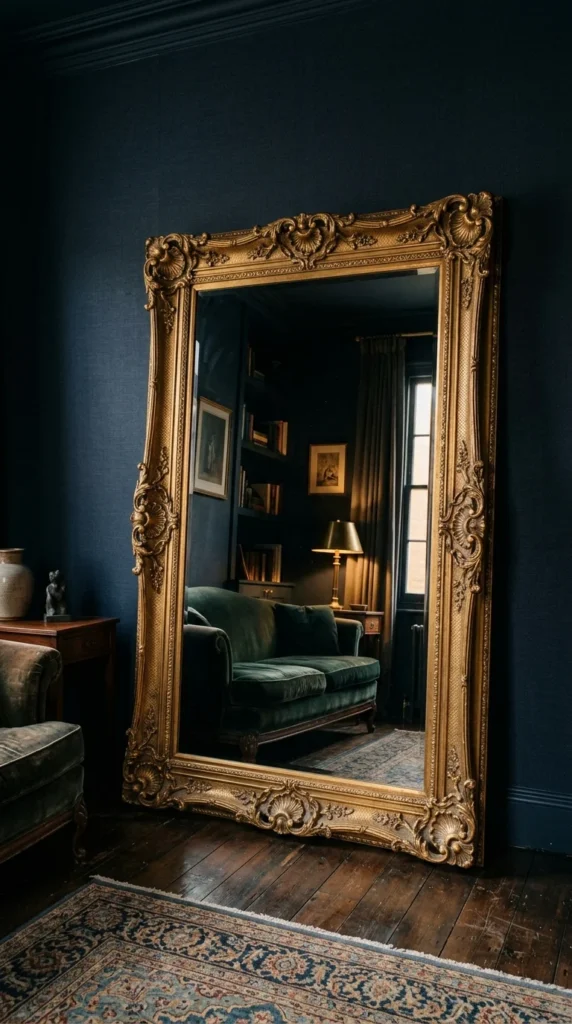
Mirrors are a secret weapon in dark rooms. An oversized mirror doesn’t just make a space look bigger; it catches whatever light is available and bounces it back into the room. In a moody space, a mirror creates a “window” effect, reflecting the textures and colors of the rest of the room and adding an extra layer of depth.
14. Vintage Portraits

There is something inherently moody about vintage portraiture. Adding an oil painting of an unknown figure adds a sense of history and “soul” to a home. The dark, often cracked lacquer of old paintings blends perfectly with deep wall colors, making the art feel like an integrated part of the architecture rather than an afterthought.
15. Stone Fireplaces
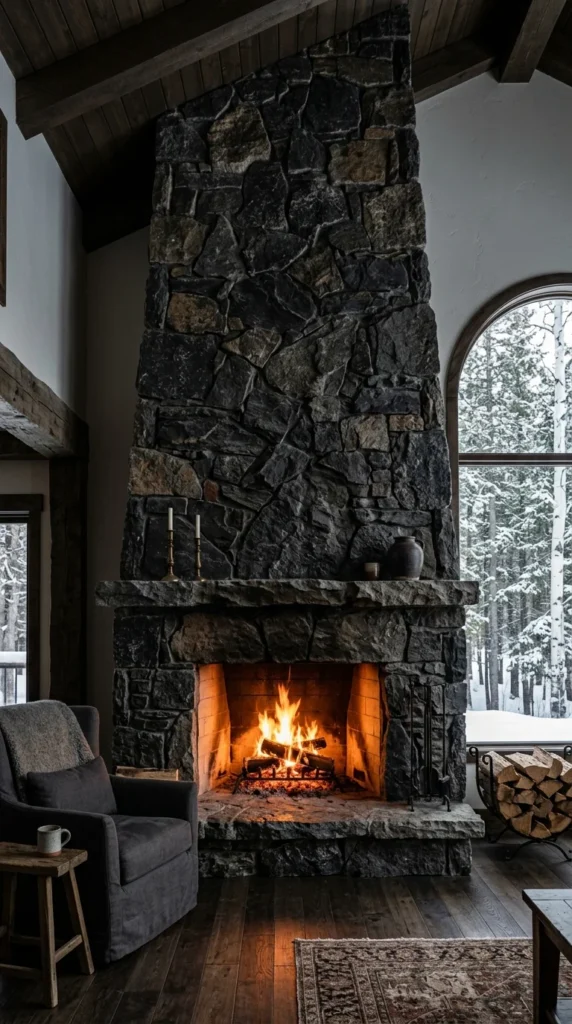
A fireplace is the ultimate focal point for a moody living room. If you have a stone fireplace, consider darkening the stone or choosing a naturally dark material like slate or basalt. The flickering orange light of a fire against dark stone creates a primal, cozy atmosphere that is the hallmark of sophisticated moody design.
16. Leather Accents
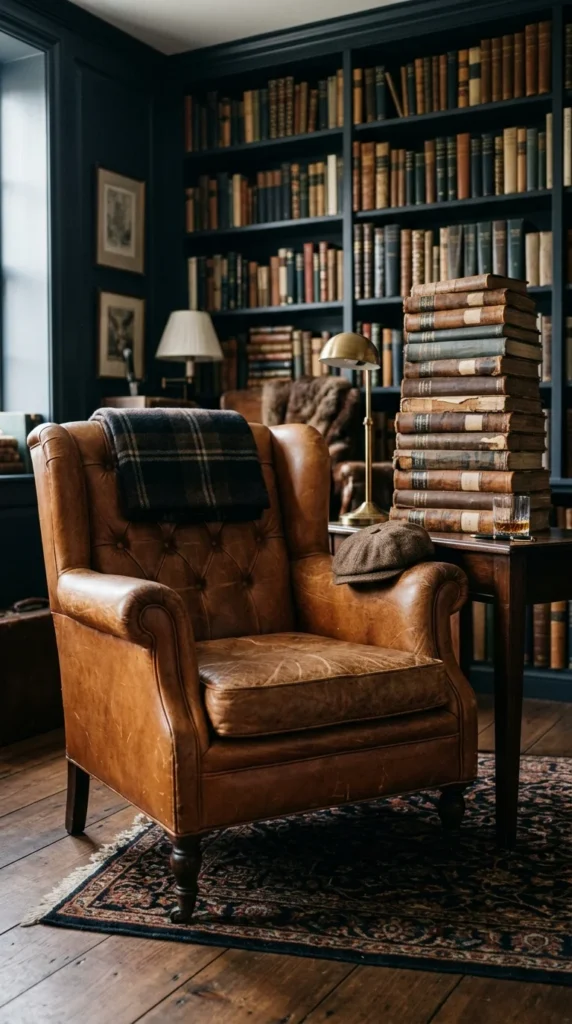
Leather brings an element of ruggedness to a sophisticated home. A well-worn leather chair or a set of leather-bound books adds “patina”—the sense that the items have been used and loved over time. The warm brown tones of leather are a natural companion to dark blues, greens, and blacks.
17. Plaster Walls
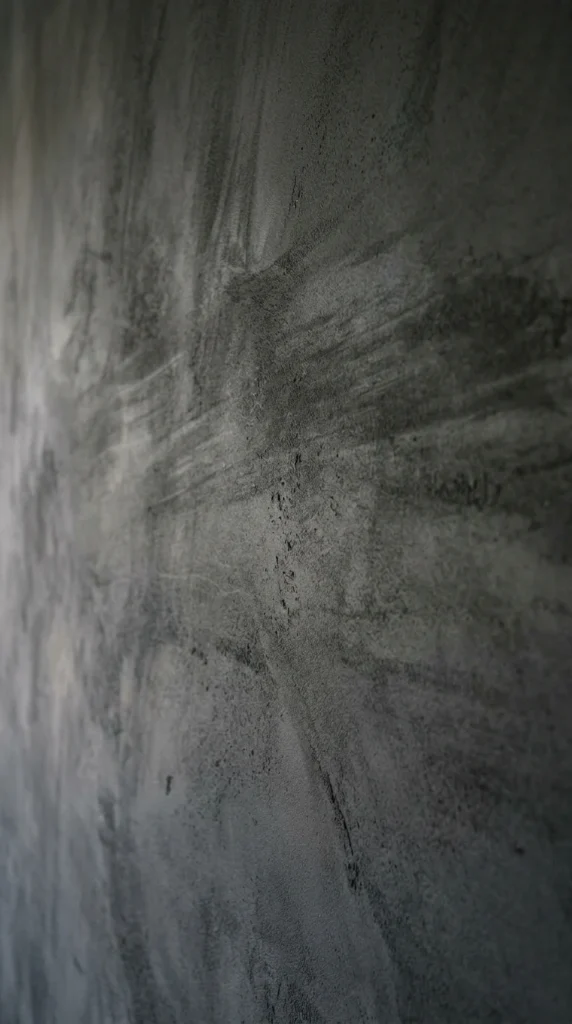
If you want your walls to have more character than paint can provide, consider a lime wash or plaster finish. These techniques create a mottled, uneven color that mimics the look of old European estates. The way light hits the raised textures of plaster adds a layer of “movement” to the walls that keeps a dark room from feeling stagnant.
18. Sculptural Ceramics
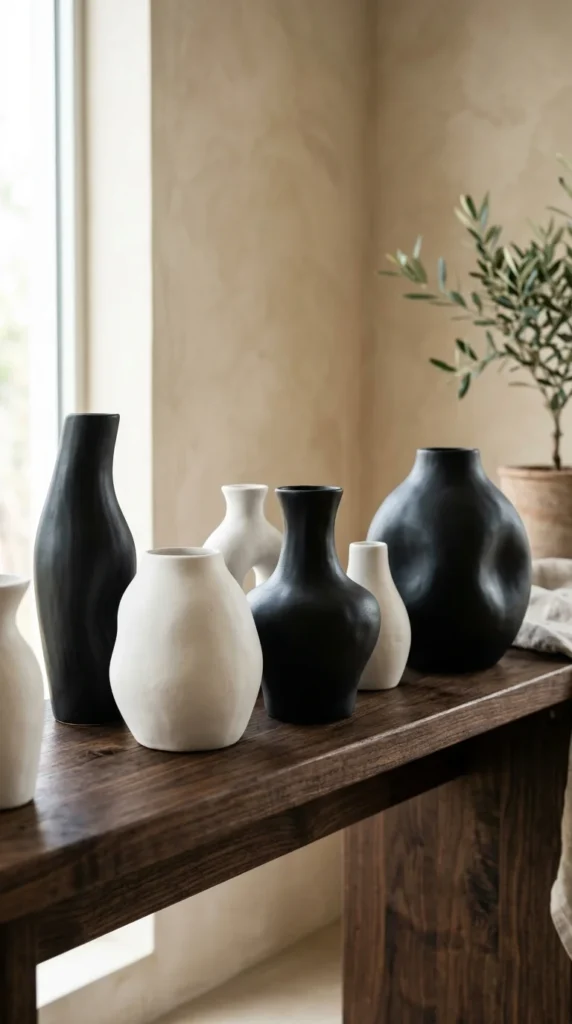
Accessories should be bold and sculptural. Instead of many small knick-knacks, choose a few large, interestingly shaped ceramic pieces. The silhouette of a white or cream vase against a dark wall is visually striking and adds a modern, artistic touch to the room’s overall composition.
19. Layered Bedding
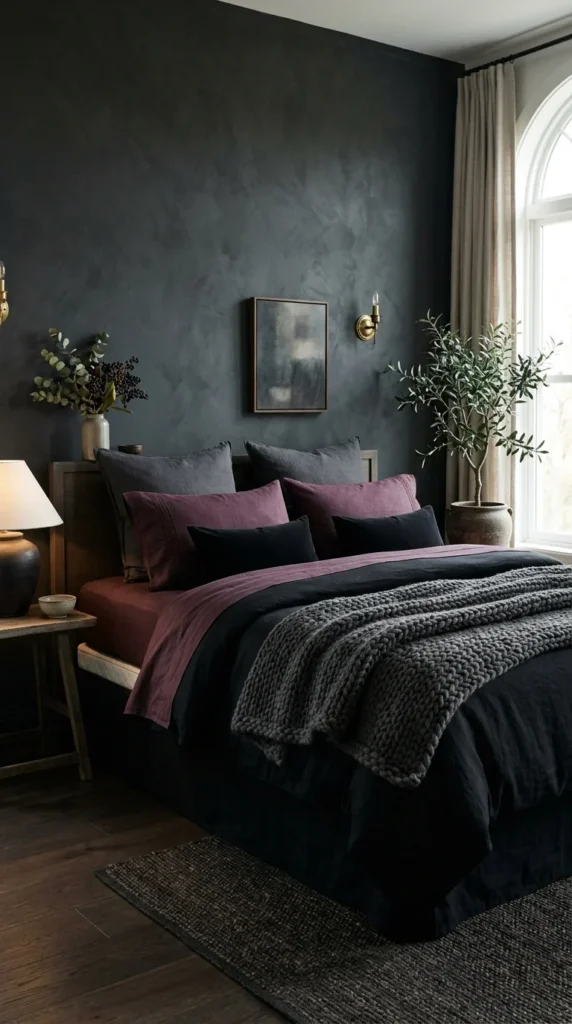
In the bedroom, moodiness should translate to “ultimate comfort.” Layering different fabrics—such as silk, linen, and wool—in various shades of the same dark color creates a rich, inviting look. This monochromatic approach to bedding feels intentional and high-end, turning the bed into a cozy cocoon.
20. Exposed Brick
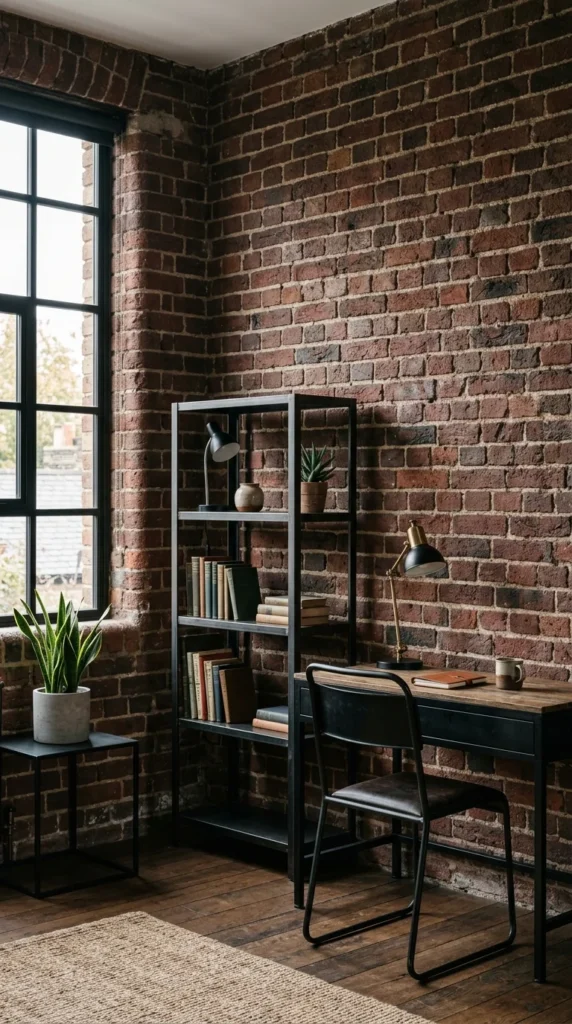
Exposed brick adds a raw, industrial edge to moody decor. If the brick is too bright or orange, a thin “German smear” or a dark stain can be applied to bring it into the moody color palette. The irregular surface of the brick provides a perfect backdrop for minimalist furniture and modern art.
21. Taper Candles

Never underestimate the power of candlelight. Taper candles, especially in dark colors like black, burgundy, or navy, add a sense of ceremony and drama to a room. The tall, thin silhouettes add height to a table setting, and the soft, moving flame provides the most natural and flattering light possible for a moody, sophisticated home.