
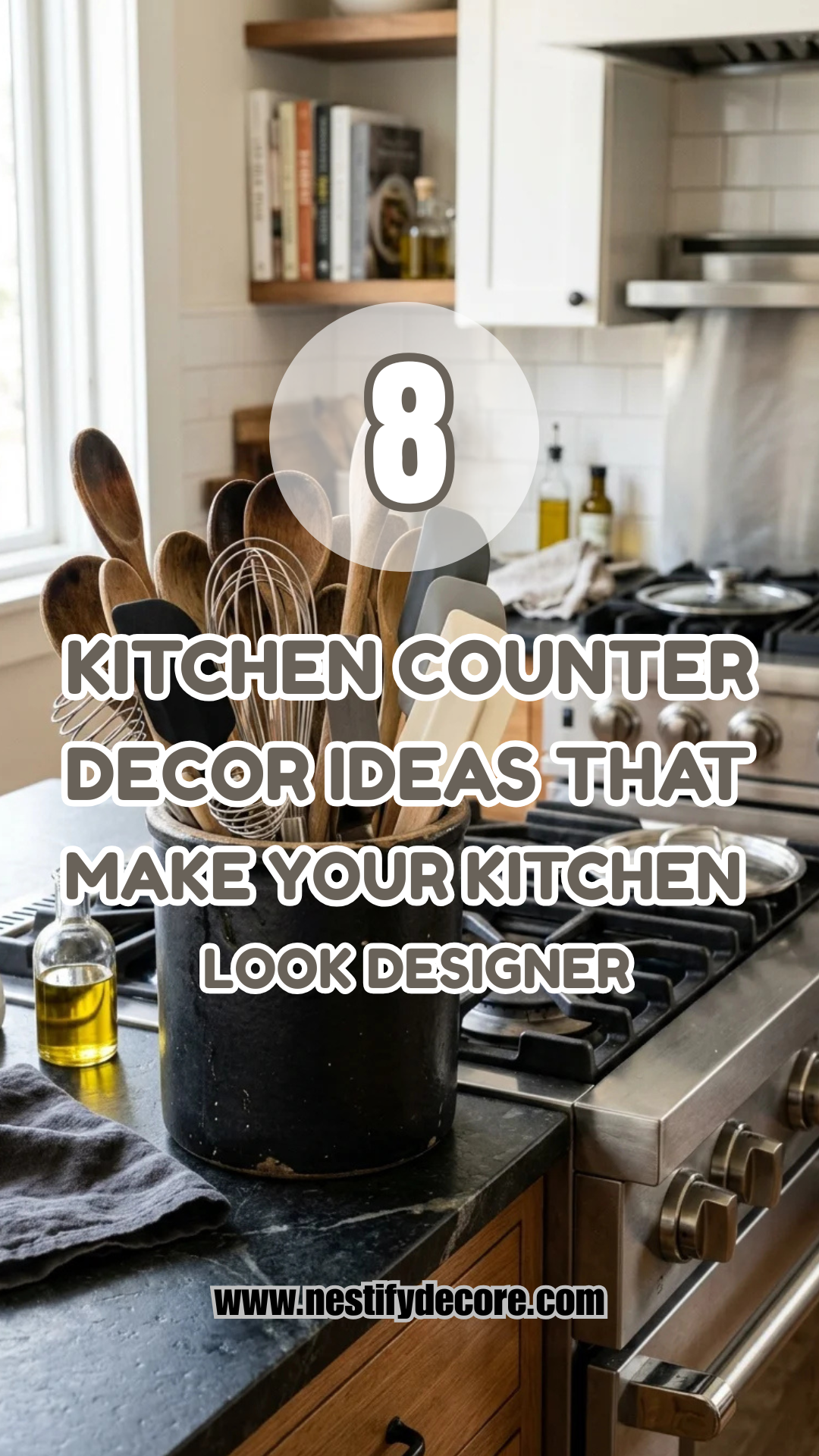
The kitchen is often referred to as the heart of the home, but in modern interior design, it has also become a primary canvas for personal expression. Achieving that “designer” look isn’t necessarily about a full-scale renovation or expensive cabinetry; often, the secret lies in the styling of the countertops. Professional interior designers use a mix of texture, height, and curated functionality to transform a workspace into a visual masterpiece.
To elevate your kitchen from mundane to magnificent, you must look at your counters as a series of vignettes. By balancing utility with aesthetics, you can create a space that feels both lived-in and high-end. Here are eight kitchen counter decor ideas that will instantly give your space a professional, designer edge.
1. Layered Boards
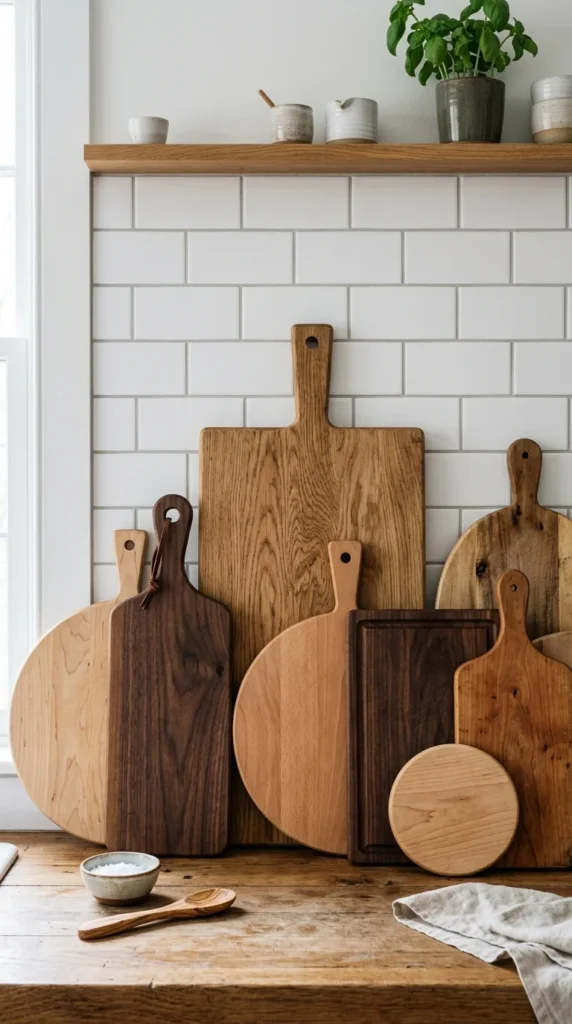
One of the most effective ways to add warmth and depth to a kitchen is through the use of layered cutting boards. Designers often lean several boards of varying shapes, sizes, and wood tones against the backsplash. This creates a vertical focal point that breaks up the flat expanse of the countertop.
To master this look, mix your materials. Combine a rustic, live-edge wooden board with a sleek marble slab or a smooth round pizza peel. The juxtaposition of textures—the organic grain of the wood against the cool, polished stone—adds a layer of sophistication. Beyond aesthetics, keeping these boards on the counter makes them easily accessible for daily food preparation, blending form and function seamlessly.
2. Statement Crocks
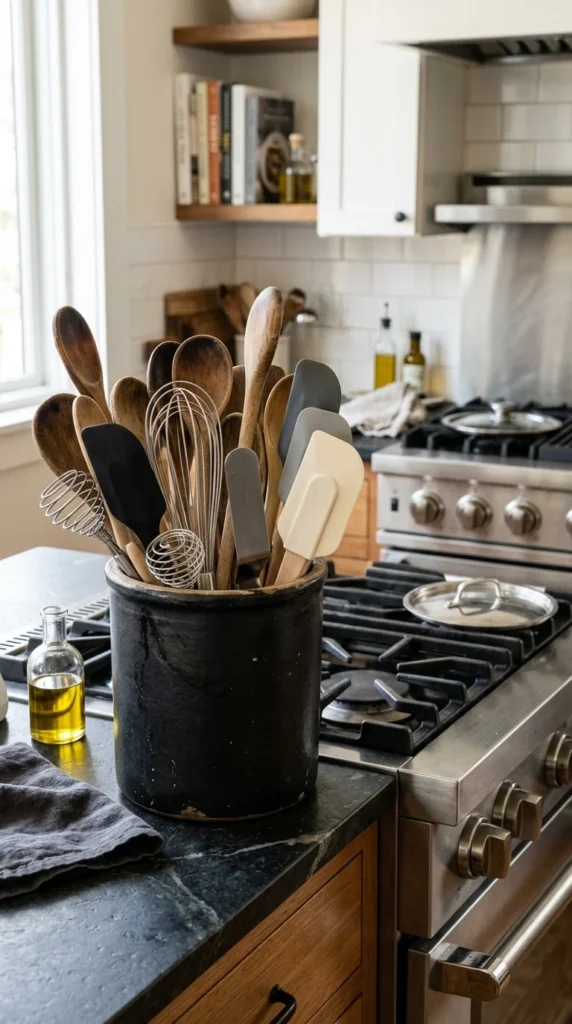
A designer kitchen rarely features plastic utensil holders. Instead, professionals opt for “statement crocks.” These are oversized ceramic, stoneware, or even vintage copper vessels that house your most-used cooking tools. Choosing a crock with a unique glaze or an artisanal shape instantly elevates the area near your stove.
When styling a statement crock, pay attention to what goes inside. Ditch the mismatched, melted plastic spatulas for a cohesive set of wooden spoons, stainless steel whisks, or brass tongs. The goal is to make the utensils look like a curated collection rather than a random assortment of junk drawer finds. This small change creates a focal point that suggests a serious, stylish cook lives here.
3. Decorative Trays
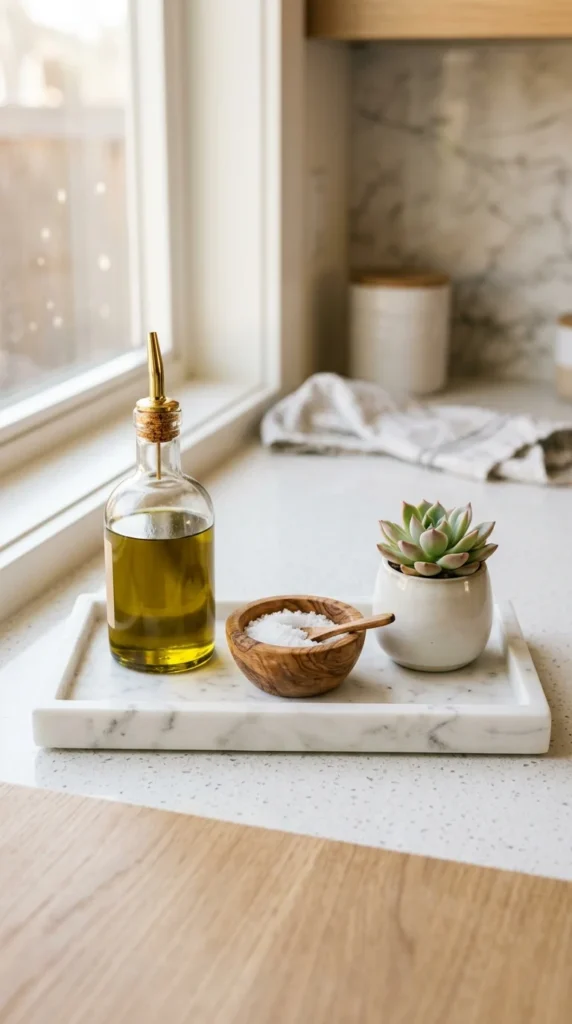
Clutter is the enemy of high-end design. To prevent your counters from looking messy, designers use the “containment” method. Placing everyday items like oils, salts, and soaps on a decorative tray immediately turns “clutter” into a “curated vignette.”
A marble, brass, or woven tray provides a defined boundary for small items. This creates a sense of order and intentionality. For a designer touch, place your dish soap and hand lotion in matching glass dispensers on a small pedestal tray next to the sink. This simple upgrade removes unsightly plastic branding and replaces it with a clean, unified look that mimics the feel of a luxury hotel or a high-end showroom.
4. Fresh Greenery
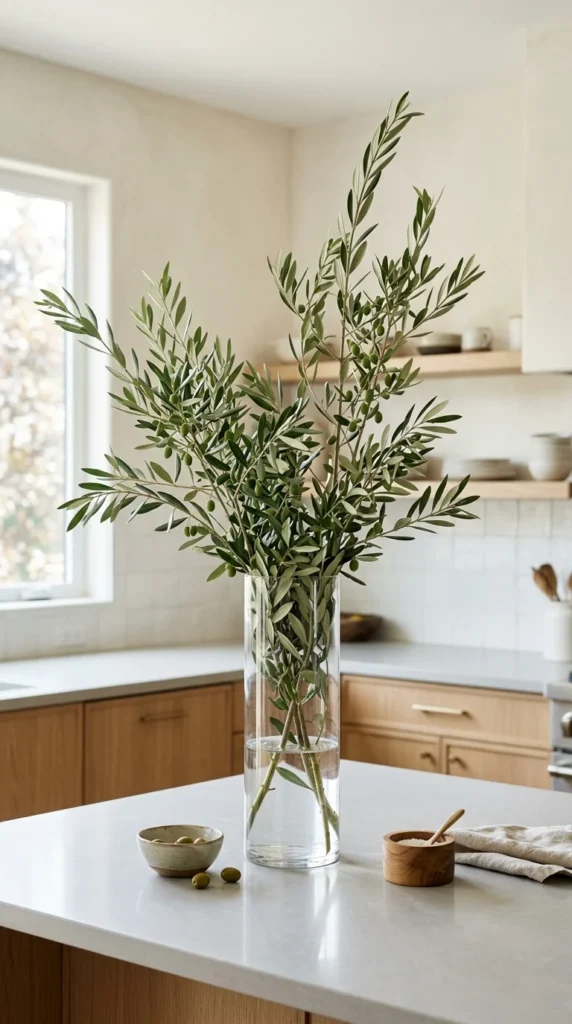
Nothing breathes life into a kitchen quite like fresh greenery. While small potted herbs are classic and functional, designers often go for “architectural” greenery to make a statement. Think tall branches of olive, eucalyptus, or cherry blossoms placed in a substantial vase.
The height of these branches draws the eye upward, making the ceilings feel higher and the space more expansive. If you prefer something more low-maintenance, a bowl of fresh, high-quality fruit—like lemons, artichokes, or green apples—can serve as a natural pop of color. The key is to choose one type of fruit or plant and display it in abundance, which looks far more intentional than a bowl of mixed, bruised fruit.
5. Artistic Vignettes
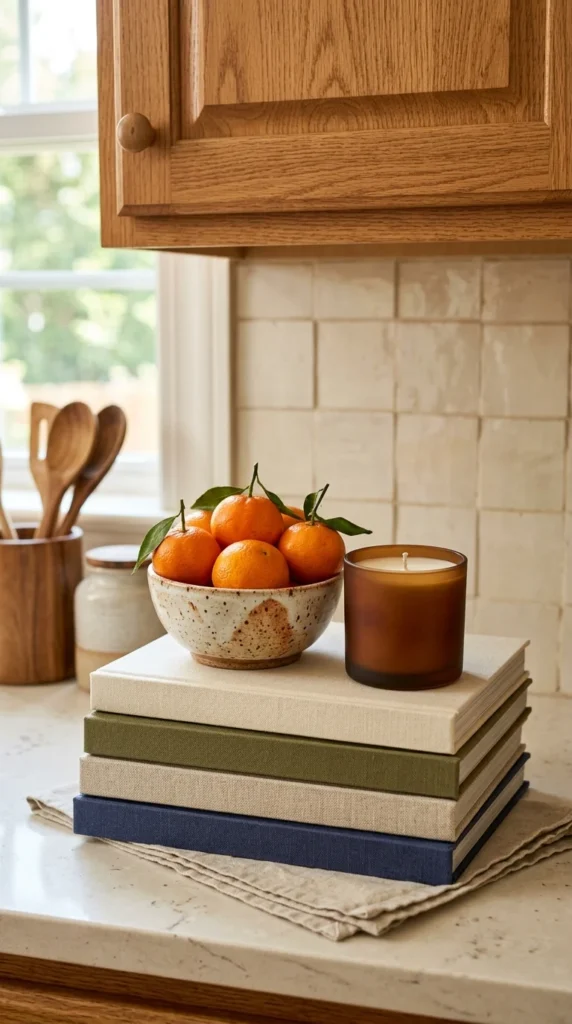
A designer kitchen always includes elements that aren’t strictly “kitchen” items. This is where artistic vignettes come into play. By incorporating items like a small framed piece of art, a scented candle, or a sculptural bowl, you soften the hard surfaces of the kitchen and make it feel like an extension of your living space.
Try stacking two or three aesthetically pleasing cookbooks (those with beautiful spines or linen covers) and placing a small decorative object on top. This adds height and personality. When choosing art for the kitchen, opt for something behind glass to protect it from steam and grease, and lean it against the backsplash for a casual, effortless vibe.
6. Elevated Canisters
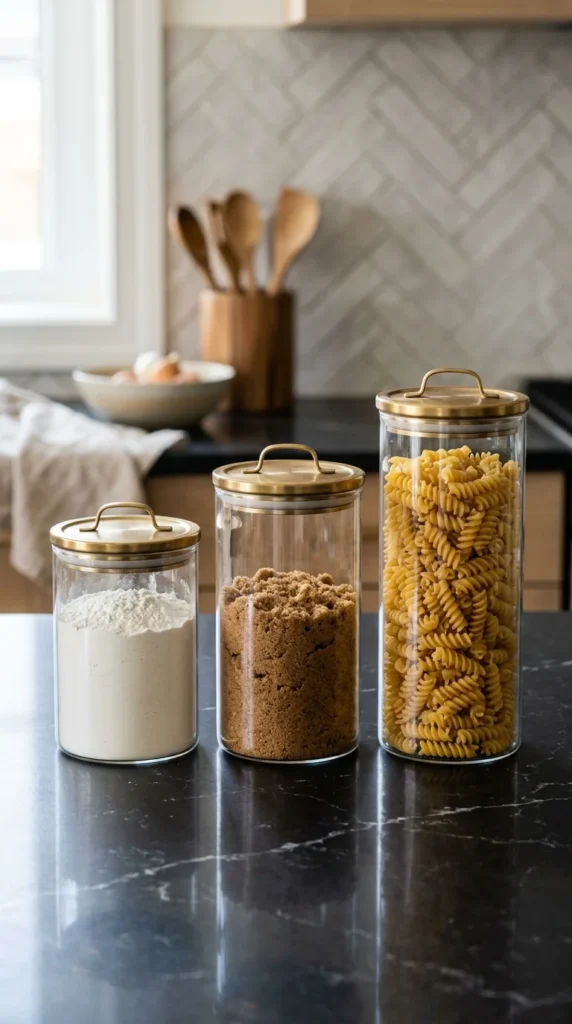
Clear glass or high-quality ceramic canisters are a staple in designer kitchens. They allow you to show off the textures of your dry goods—like the snowy white of flour, the earthy tone of lentils, or the shapes of artisanal pasta—while keeping them fresh.
To achieve the designer look, avoid the cheap plastic sets found in big-box stores. Instead, look for canisters with unique details, such as hammered metal lids, leather pull tabs, or tinted glass. Arrange them in odd numbers (groups of three or five) to create a visual balance. This setup not only looks beautiful but also encourages home cooking by keeping your ingredients within arm’s reach.
7. Functional Textiles
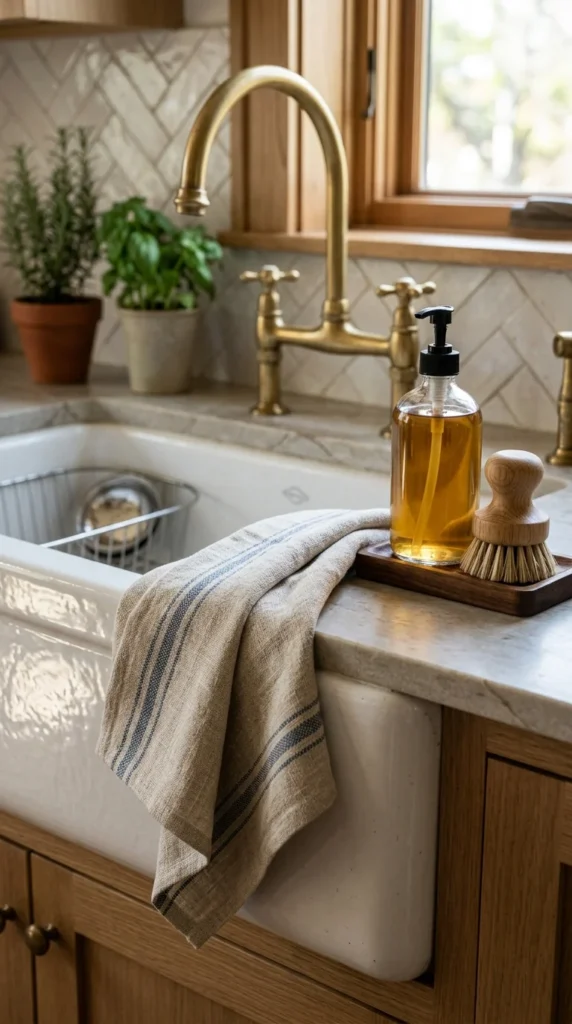
Textiles are an often-overlooked element of kitchen decor. A thin, frayed dishcloth can instantly bring down the aesthetic of a room. Designers replace these with high-quality linen or organic cotton tea towels in neutral tones or classic patterns like windowpane or ticking stripes.
The way you display these textiles matters. Instead of shoving them in a drawer, drape a beautiful towel over the edge of the sink or hang it from a brass rail. This adds a soft, tactile element to the kitchen that counteracts the coldness of stone and metal. Pair the towel with a wooden dish brush and a solid dish soap bar for a sustainable, “slow-living” look that is currently very popular in high-end interior design.
8. Sculptural Lighting
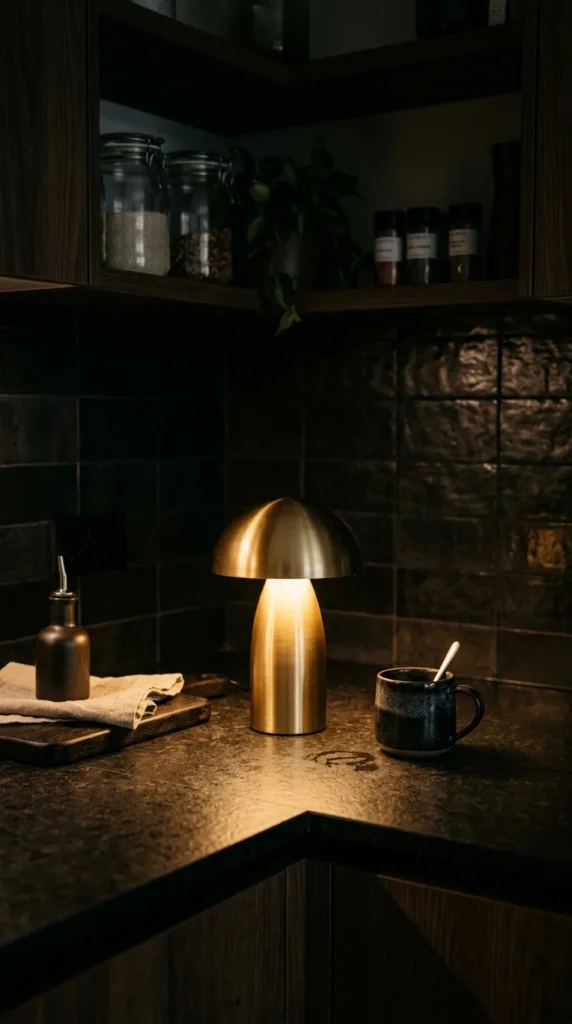
While most kitchens have overhead recessed lighting or pendants over the island, designers often add “task-adjacent” lighting in the form of a small countertop lamp. This is a secret weapon for creating ambiance and a high-end feel.
A small, cordless LED lamp or a vintage-inspired shaded lamp placed in a dark corner or near a coffee station adds a warm, inviting glow that overhead lights cannot replicate. It makes the kitchen feel cozy during the evening hours and adds a sculptural element during the day. Choose a lamp with a base made of interesting material, such as pleated fabric, ceramic, or polished brass, to ensure it looks like a deliberate design choice rather than an afterthought.
Expert Tips for Styling Your Counters
To ensure your kitchen doesn’t end up looking cluttered, keep these professional tips in mind:
- The Rule of Three: When grouping items, odd numbers are more pleasing to the eye. Group a tall item, a medium item, and a small item together to create a triangle of visual interest.
- Vary the Heights: Avoid having everything at the same level. Use pedestals, stacks of books, or tall vases to move the eye up and down.
- Edit Ruthlessly: If you don’t use an appliance every day (like a toaster or a heavy mixer), store it in a cabinet. Designer counters are about curated beauty, not every single tool you own.
- Stick to a Palette: Choose a color story for your decor—such as warm woods, brass, and cream—and stick to it. This creates a cohesive, “expensive” look even if the items themselves are budget-friendly.