
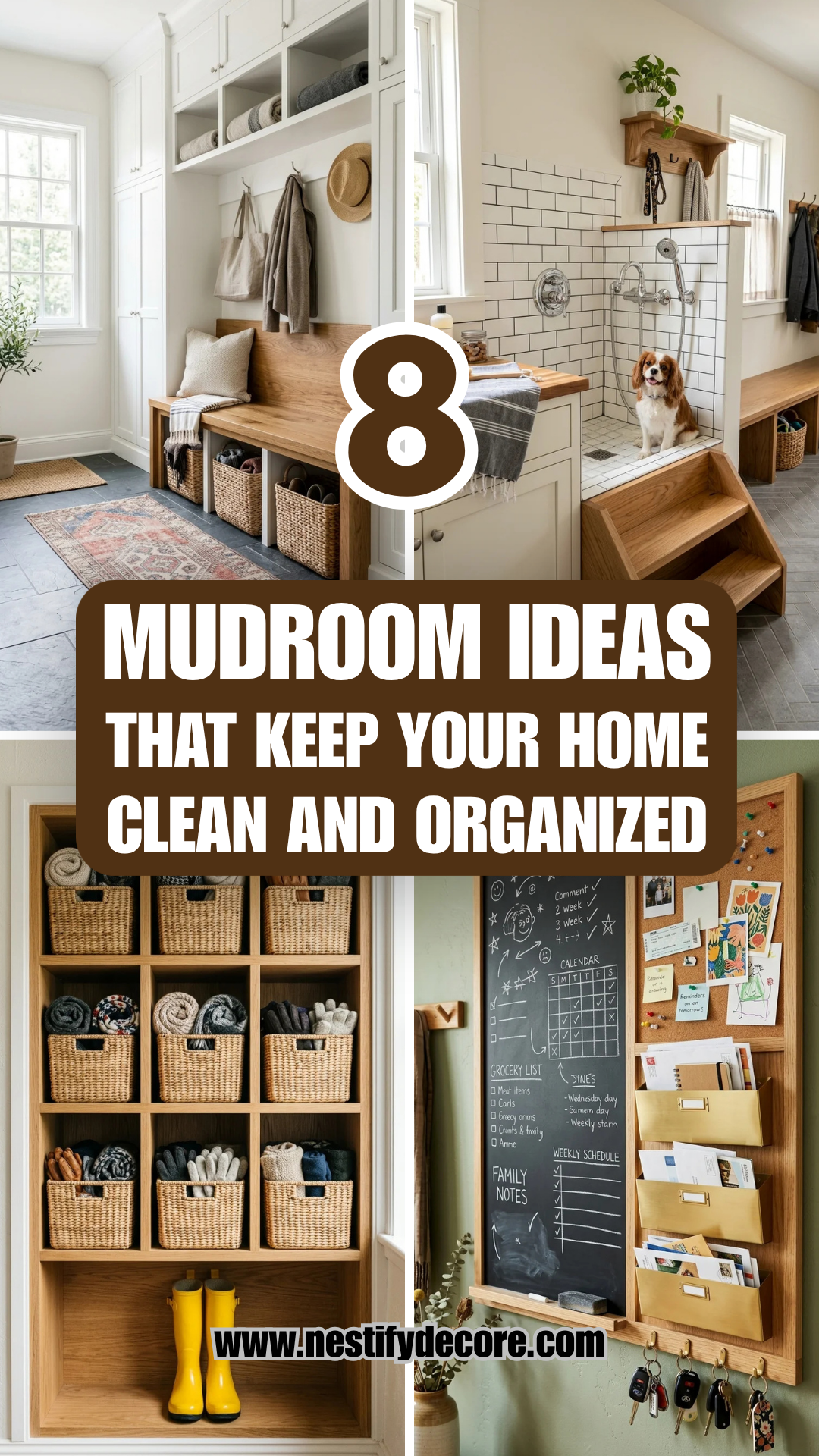
The mudroom is the unsung hero of the modern home. Serving as the primary transition point between the chaotic outdoors and the serene indoors, this space bears the brunt of muddy boots, wet umbrellas, heavy backpacks, and seasonal gear. Without a dedicated system, this high-traffic zone quickly becomes a cluttered bottleneck that spills dirt into the rest of the house.
A well-designed mudroom does more than just hold “stuff”; it acts as a functional buffer that streamlines your morning routine and protects your home’s cleanliness. Whether you have a sprawling dedicated room or a small corner near the garage door, implementing the right organizational strategies can transform this area from a chaotic catch-all into a masterpiece of efficiency.
Here are eight mudroom ideas to help you keep your home clean, organized, and stress-free.
1. Custom Cabinetry
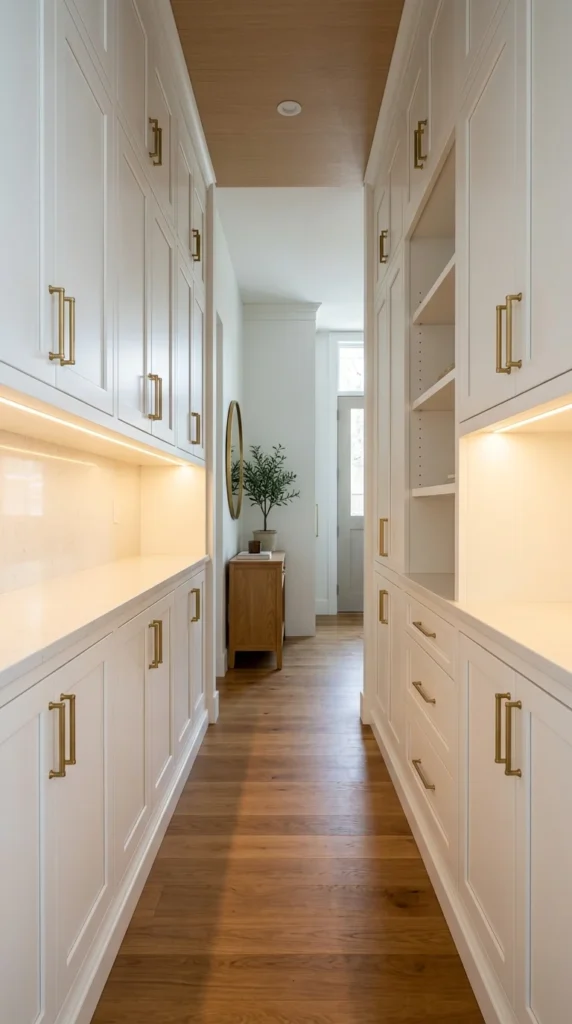
When it comes to maximizing storage and maintaining a visual sense of calm, custom cabinetry is the gold standard. Built-in lockers or wardrobes allow you to hide the visual clutter of mismatched coats and bulky gear behind closed doors. This is particularly useful for families who want their entryway to look “guest-ready” at a moment’s notice.
- Vertical Space: Utilize the entire height of your walls. The highest shelves can store off-season items like beach towels in the winter or heavy parkas in the summer.
- Individual Lockers: Assigning a specific cabinet or locker to each family member fosters accountability. Children are more likely to put their things away when they have a “zone” that is exclusively theirs.
- Ventilation: If you choose closed cabinets, ensure there is some airflow, especially if you live in a damp climate, to prevent coats from smelling musty.
2. Performance Flooring
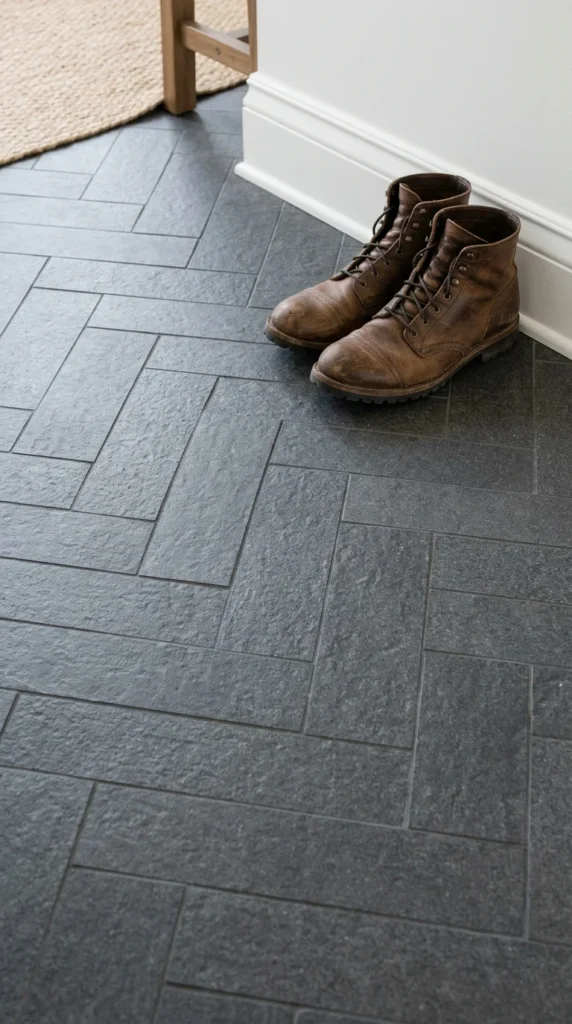
The floor of a mudroom is its most worked surface. It must withstand moisture, grit, salt, and heavy foot traffic without staining or warping. Choosing “performance” materials ensures that the dirt stops at the door and doesn’t get tracked into your carpeted living room or hardwood kitchen.
- Porcelain Tile: Highly durable and water-resistant, porcelain is available in endless styles, including options that mimic the look of natural wood or stone.
- Natural Stone: Slate and bluestone are classic mudroom choices. They are naturally slip-resistant and incredibly rugged, though they may require occasional sealing.
- Luxury Vinyl Plank (LVP): For those on a budget, LVP offers a waterproof solution that is soft underfoot and easy to clean with a simple damp mop.
- Drainage: In high-snow or high-rain areas, consider a slightly sloped floor with a floor drain to handle significant runoff from melting gear.
3. Integrated Benches
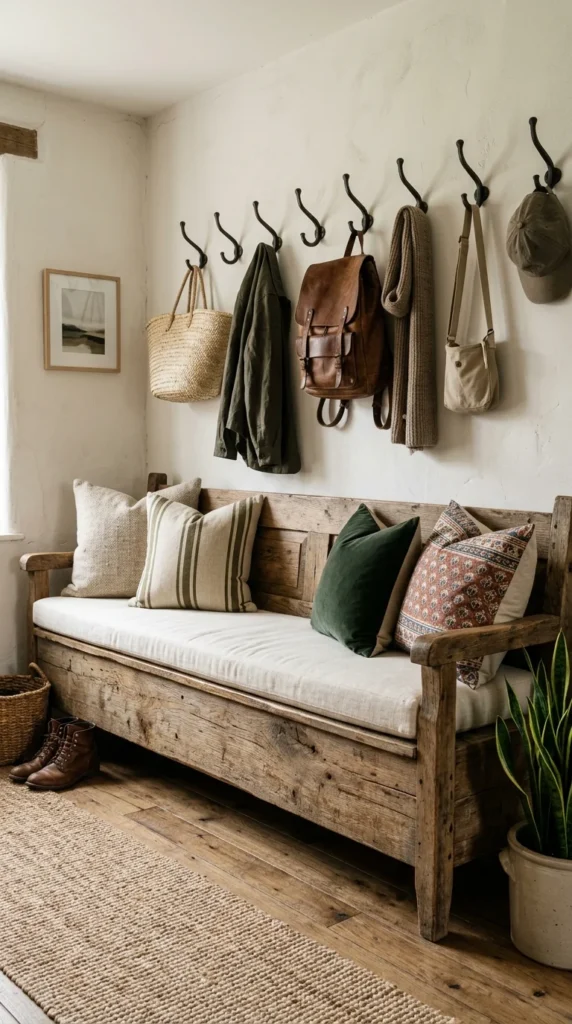
A mudroom without a place to sit is only half-functional. A bench provides a dedicated spot for putting on and taking off shoes, which encourages family members and guests to leave their footwear at the door.
- Under-Bench Storage: The space beneath the bench is prime real estate. You can leave it open for easy-to-reach shoes or fill it with pull-out drawers for items like sports equipment or dog leashes.
- Comfort and Style: Adding a custom-fitted cushion in a performance fabric (like Sunbrella) makes the space feel more like a room and less like a utility closet.
- Sturdy Materials: Ensure the bench is reinforced to hold the weight of multiple people. Hardwoods like oak or maple are excellent for bench tops as they resist scratching from zippers and buttons.
4. Open Cubbies
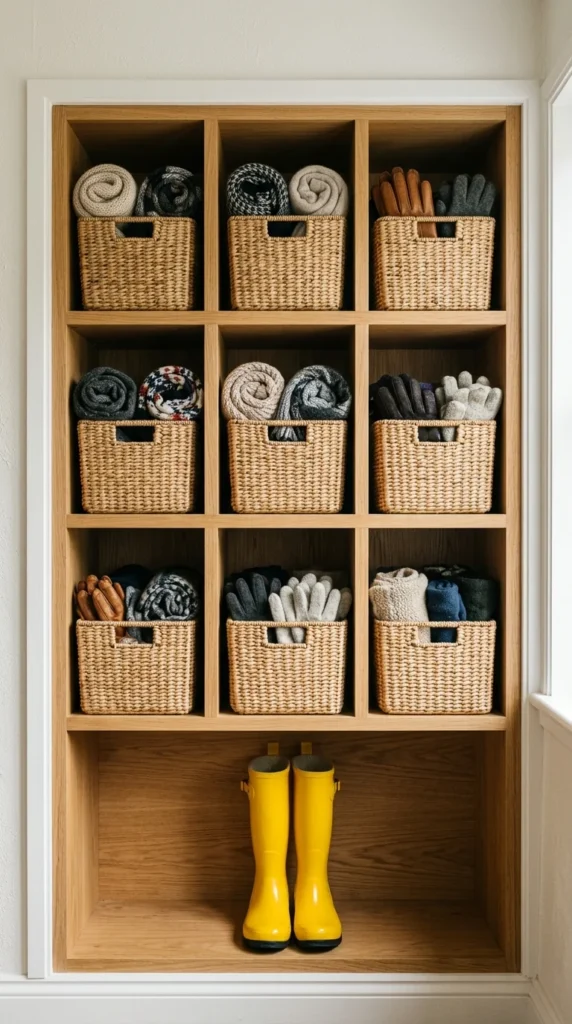
While closed cabinets are great for hiding mess, open cubbies offer the “path of least resistance.” For kids (and some adults), the extra step of opening a door can be the difference between hanging up a coat and dropping it on the floor.
- Basket Integration: Use baskets within cubbies to categorize small items. One basket for “Winter Gear,” one for “Sunscreen and Hats,” and another for “Library Books.”
- Uniformity: Using identical baskets creates a cohesive, high-end look even if the items inside are disorganized.
- Height Considerations: Place lower cubbies at child-height so they can manage their own belongings from a young age.
5. Command Centers
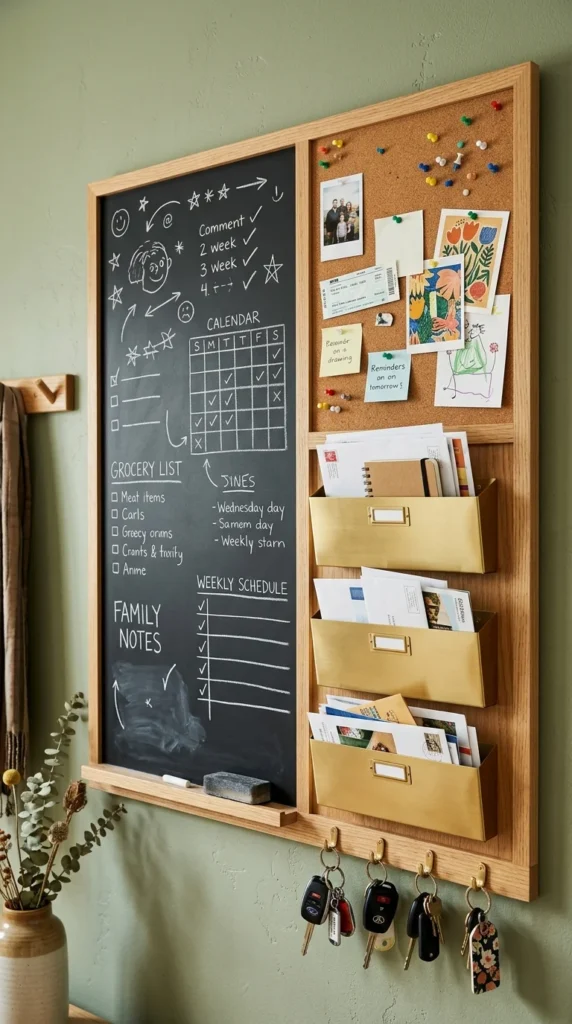
The mudroom is often the last place you see before leaving and the first when you arrive, making it the ideal location for a “command center.” This centralizes the logistics of the household, preventing paper clutter from migrating to the kitchen island.
- Calendar and Schedule: A large dry-erase or chalkboard calendar keeps everyone’s activities visible.
- Mail Sorting: Dedicated slots for “To File,” “To Pay,” and “To Shred” prevent mail piles from growing out of control.
- Charging Station: Incorporate a small shelf with USB outlets to charge phones and smartwatches overnight, ensuring they are ready to go when you head out the door.
6. Pet Stations
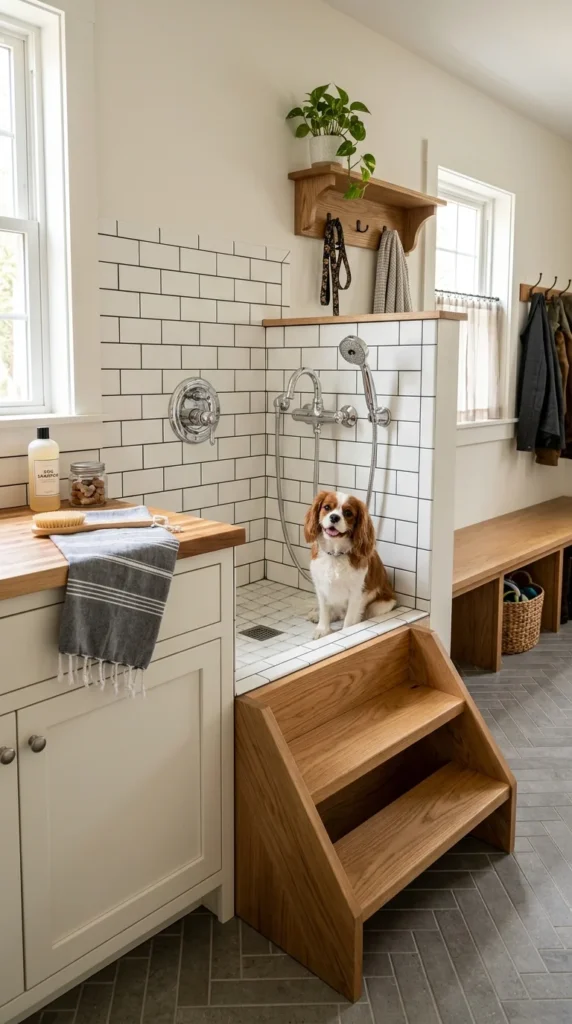
For pet owners, the mudroom is the perfect place to manage the “messy” side of pet ownership. Integrating a pet station prevents muddy paws from ever touching your main living areas.
- Dog Wash: A raised tub with a handheld sprayer makes cleaning a dirty dog much easier on your back. It’s also perfect for rinsing off muddy boots or watering large indoor plants.
- Hidden Bowls: Create a “kick-out” drawer at the bottom of your cabinetry that holds food and water bowls, allowing you to tuck them away when not in use.
- Food Storage: Use airtight pull-out bins within the cabinetry to store large bags of pet food, keeping it fresh and out of sight.
7. Heavy-Duty Hooks
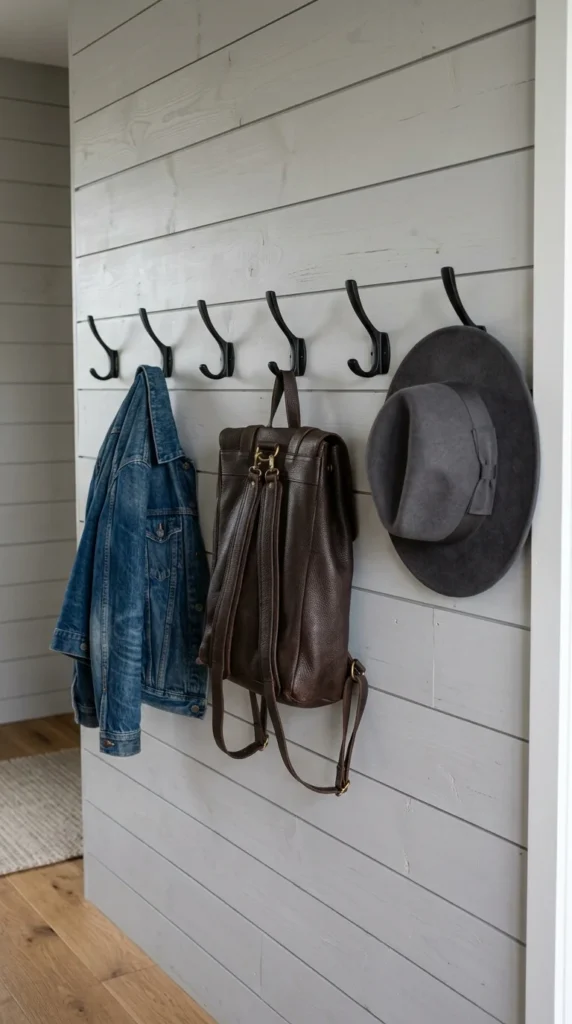
Hooks are the workhorses of the mudroom. They are faster than hangers and can hold everything from heavy winter parkas to wet towels and backpacks.
- Double Hooks: Always opt for double-pronged hooks. They effectively double your hanging capacity without taking up more wall space.
- Tiered Heights: Install hooks at two different levels. The higher level for adult coats and the lower level for children’s jackets and bags.
- Sturdiness: Ensure hooks are anchored into studs or a solid wood backing (like shiplap or a “hook board”) to prevent them from pulling out of the drywall under the weight of a heavy bag.
8. Utility Sinks
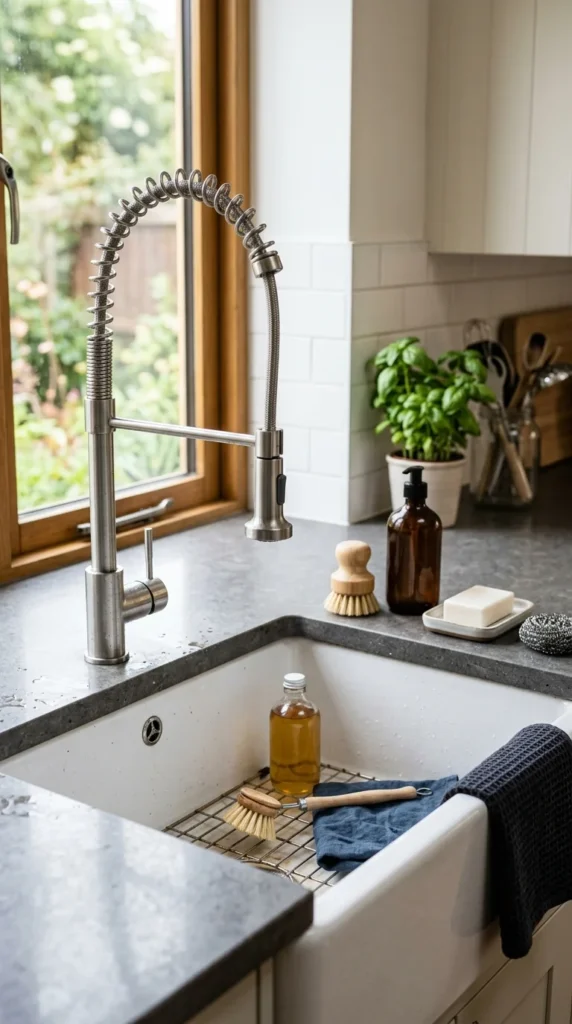
If space allows, a utility sink is one of the most practical additions you can make to a mudroom. It serves as a multipurpose cleaning hub that keeps “dirty” chores out of the kitchen or bathroom.
- Pre-Treating Stains: A deep sink is perfect for soaking grass-stained sports uniforms or mud-caked clothes before they go into the laundry.
- Hand Washing: Having a sink right by the entry encourages everyone to wash their hands immediately upon entering the house, reducing the spread of germs.
- Large-Scale Cleaning: Use the utility sink to fill mop buckets, clean paintbrushes, or wash out large pots that don’t fit in the kitchen sink.
Conclusion: Maintaining the Flow
Design is only half the battle; maintenance is the other. To keep your mudroom truly organized, perform a “seasonal swap” twice a year. Move the heavy winter gear to higher storage or a different closet when spring arrives, and bring out the sun hats and beach bags. By following these eight ideas, you can create a transition space that is not only beautiful but also a vital tool in keeping your entire home clean and orderly.