
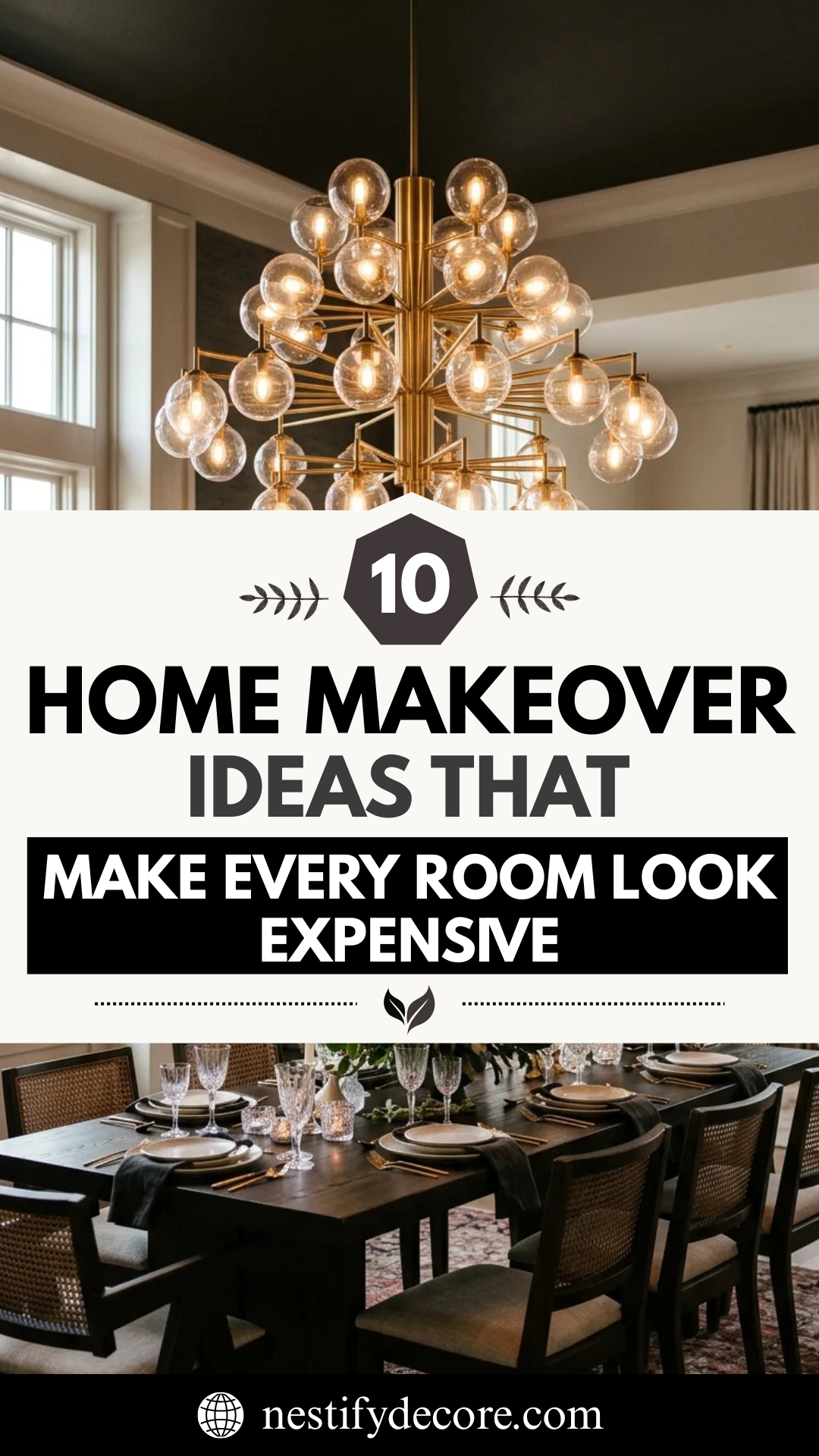
Creating a home that exudes luxury doesn’t necessarily require a six-figure renovation budget. True elegance often lies in the details—the way light hits a surface, the height of a curtain rod, or the weight of a cabinet pull. The “expensive” look is frequently about cohesion, intentionality, and the strategic use of texture and scale. By focusing on a few high-impact changes, you can transform a standard living space into a sophisticated sanctuary that feels curated and high-end.
1. Statement Lighting
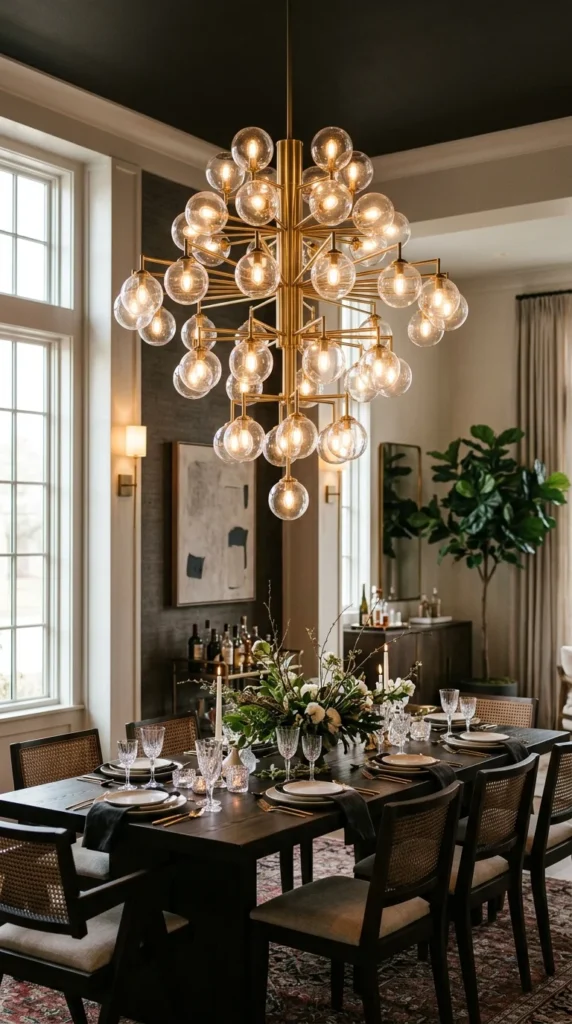
Lighting is often referred to as the “jewelry” of a room. Standard-issue builder grade light fixtures are a tell-tale sign of a budget interior. To instantly elevate a space, replace generic ceiling lights with statement pieces that command attention.
Think beyond the simple flush mount. A large-scale pendant in the kitchen, a structural chandelier in the dining room, or elegant brass sconces flanking a bedroom headboard create focal points that look custom-designed. Layered lighting is also key; expensive-looking rooms never rely on a single overhead source. Incorporate floor lamps with fabric shades and small accent lamps on bookshelves to create a warm, multi-dimensional glow that mimics the ambiance of a luxury hotel.
2. Oversized Art
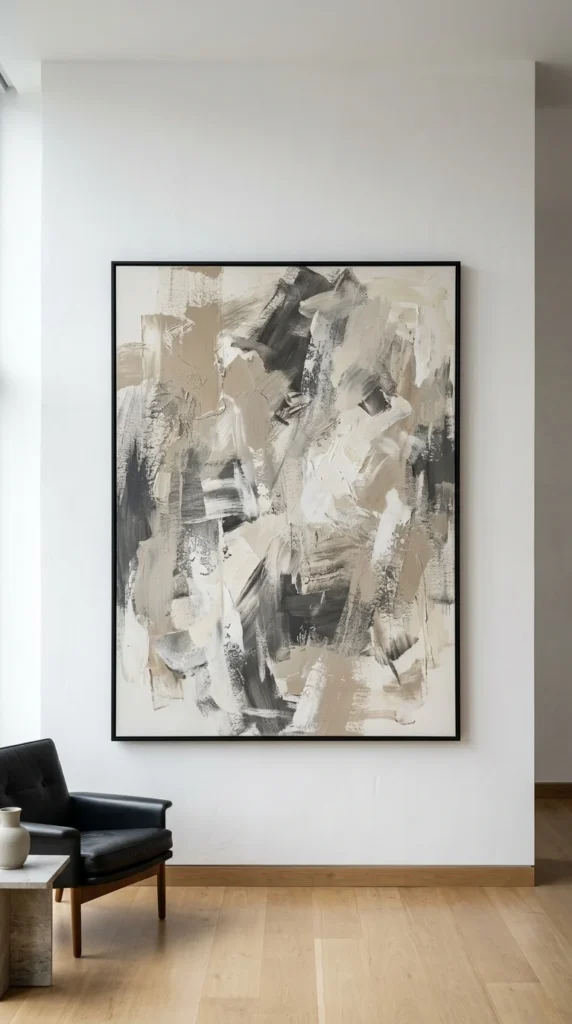
Nothing screams “mass-produced” like a collection of small, scattered picture frames. To give your home a gallery-like feel, go big. A single, oversized piece of art creates a sense of scale and importance that smaller pieces cannot achieve.
Whether it’s an abstract painting, a large-scale landscape photograph, or even a framed textile, the key is the proportions. If you can’t afford a massive original work, consider DIY-ing a large canvas with simple textures or framing a high-quality digital print. The goal is to fill at least two-thirds of the wall space above a sofa or sideboard, creating a dramatic visual impact that anchors the entire room.
3. High-End Hardware
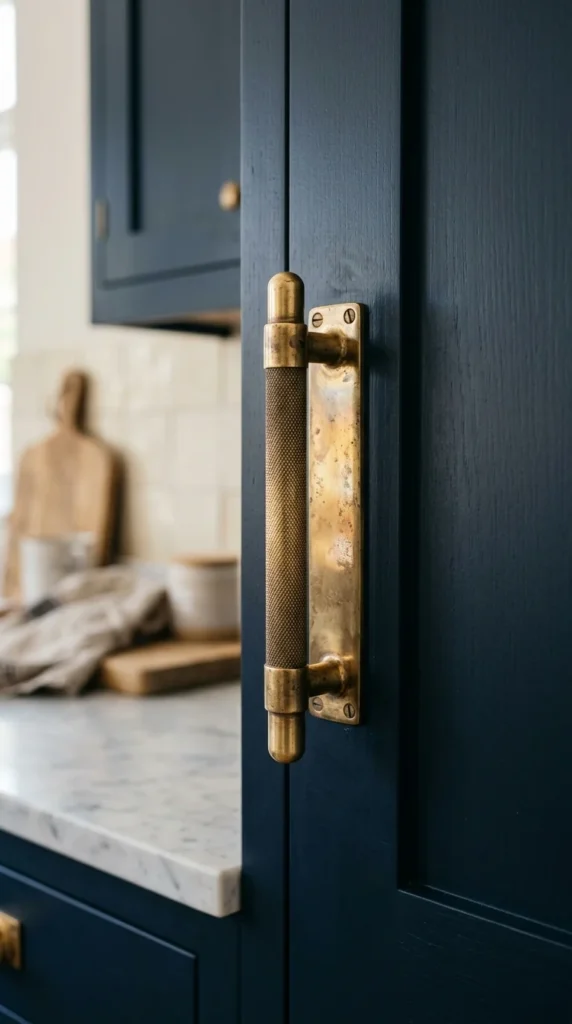
One of the most cost-effective ways to make a kitchen or bathroom look expensive is to swap out the hardware. Builders often save money by installing cheap, lightweight knobs and pulls. By replacing these with solid brass, matte black, or polished nickel alternatives, you change the tactile experience of the room.
Look for hardware with weight and interesting textures, such as knurled patterns or elongated silhouettes. This small change provides a “custom” feel to standard cabinetry. Don’t stop at the kitchen; replacing flimsy interior door handles with heavy-duty levers and upgrading plastic light switch plates to metal or screwless versions will provide a seamless, high-end finish throughout the home.
4. Floor-to-Ceiling Drapes
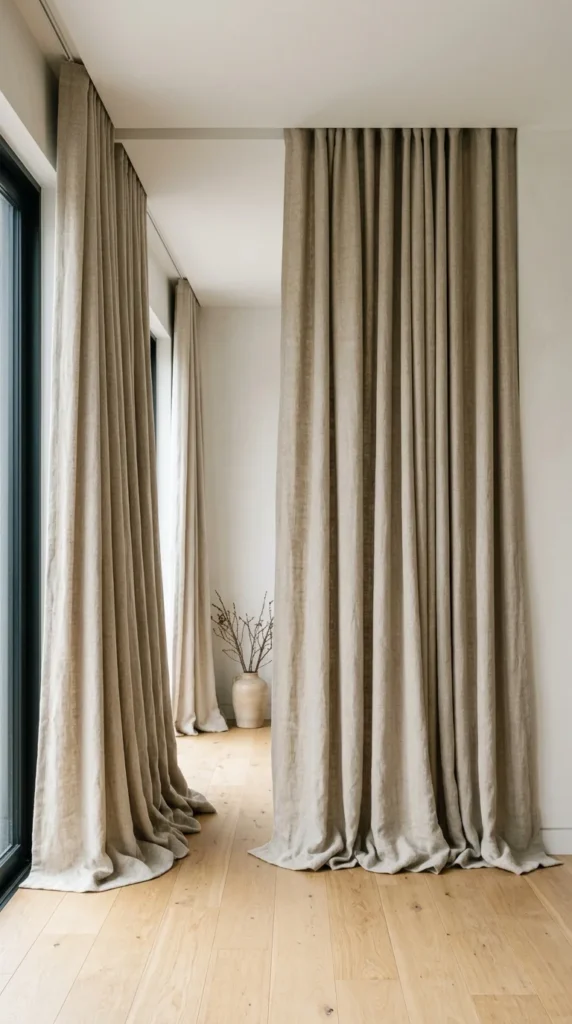
Window treatments are a critical element in interior design that many people overlook. To make a room look more expensive and your ceilings feel higher, hang your curtain rods as close to the ceiling as possible, rather than right above the window frame.
Ensure the drapes are wide enough to cover the window casing even when open, which gives the illusion of larger windows. The fabric choice is equally important; heavy linens, velvets, or high-quality cotton blends with a blackout lining provide a structured, “weighted” look. Avoid flimsy, sheer fabrics unless they are paired with a heavier outer drape. For the ultimate luxury touch, let the fabric “puddle” slightly on the floor (about one to two inches) for a romantic, tailored appearance.
5. Architectural Moulding
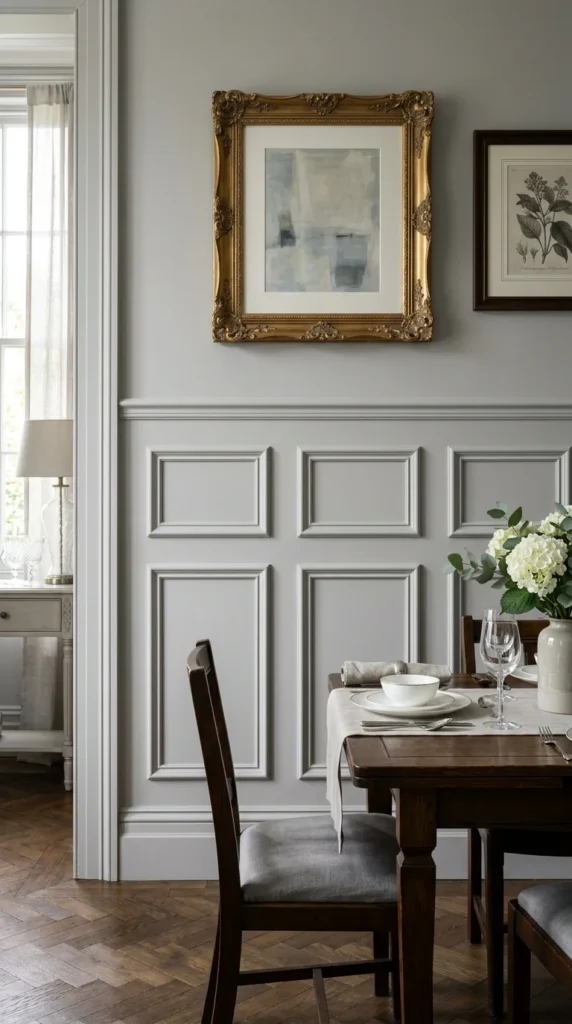
High-end homes are often defined by their architectural bones. If your home lacks character, you can “fake” it with DIY moulding. Adding crown moulding, baseboards with a taller profile, or picture frame wainscoting (box moulding) adds depth and history to flat walls.
Applying moulding is a relatively inexpensive project that yields a massive return on aesthetic value. For a modern, expensive look, paint the moulding the same color as the walls. This creates a sophisticated, monochromatic texture that highlights the architectural details without looking too traditional. It creates a sense of “quiet luxury” that makes the room feel custom-built.
6. Monochromatic Palettes
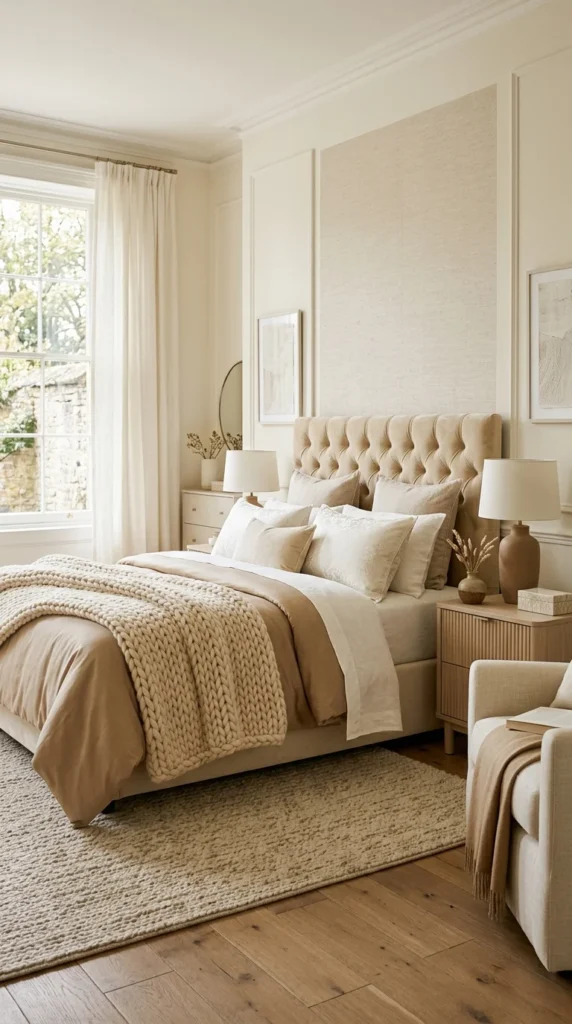
Color psychology plays a huge role in how we perceive value. While bright colors can be fun, a monochromatic or tonal color palette almost always looks more expensive. Staying within the same color family—such as varying shades of beige, grey, or even deep forest green—creates a cohesive and calming environment.
The secret to making a monochromatic room work is texture. If everything is the same color and the same texture, the room will look flat. Instead, mix materials: a wool rug, a velvet sofa, silk cushions, and a matte-painted wall, all in the same tonal range. This layering of “tone-on-tone” creates a richness that feels curated and expensive.
7. Statement Mirrors
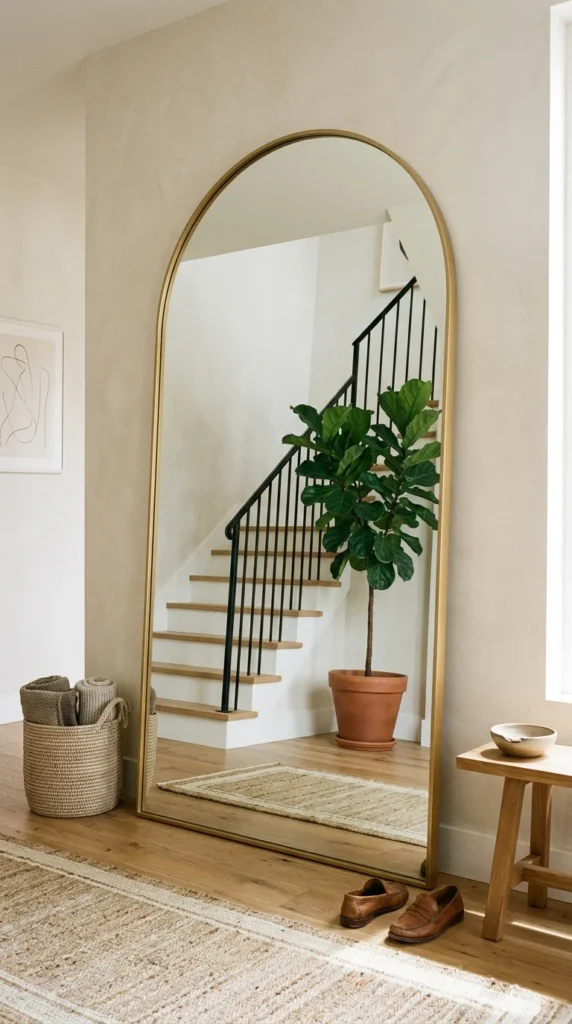
Mirrors are a designer’s secret weapon for making a space feel twice as large and significantly brighter. An expensive home often feels airy and expansive, and a well-placed statement mirror can mimic that effect.
Instead of small decorative mirrors, opt for a massive floor-leaning mirror in the bedroom or a large, uniquely shaped mirror above a fireplace. Not only do they act as a piece of art, but they also bounce light around the room, highlighting other design features. Look for frames with interesting details—antiqued glass, minimalist metal edges, or organic wood shapes—to add a layer of sophistication.
8. Natural Elements
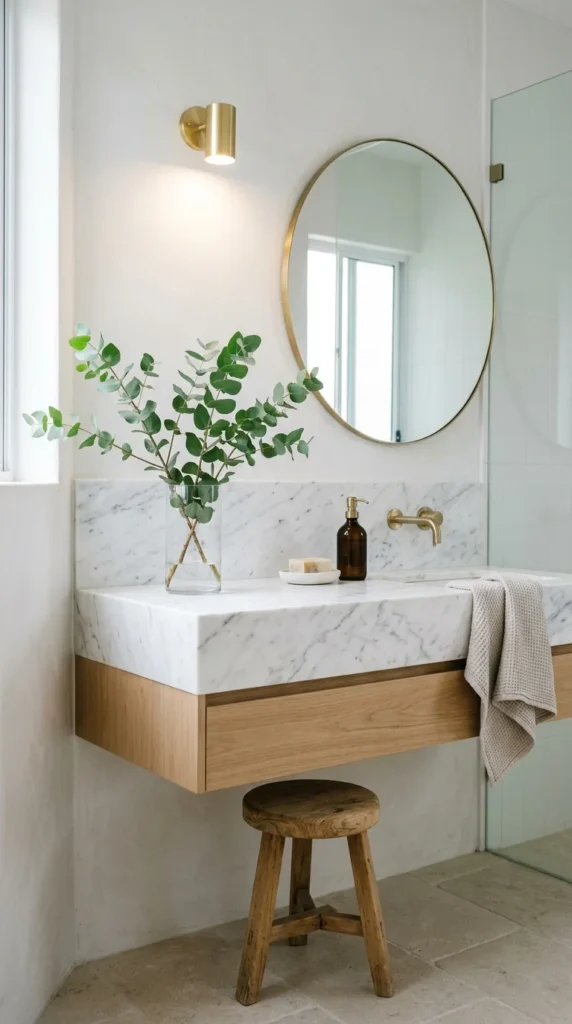
Synthetic materials can often make a home feel “cheap.” To elevate the look, incorporate natural materials like stone, wood, linen, and leather. Even if you can’t afford a full marble kitchen, you can introduce a marble tray on a coffee table or a stone pedestal in the entryway.
Live greenery is another essential element. A large, healthy tree—like a Fiddle Leaf Fig or an Olive Tree—in a high-quality ceramic pot adds life and a “finished” feel to a corner. Avoid fake plants that look obviously plastic; if you don’t have a green thumb, opt for high-quality “real-touch” silk plants or simply use large dried branches in a tall vase for a sculptural, organic look.
9. Curated Surfaces
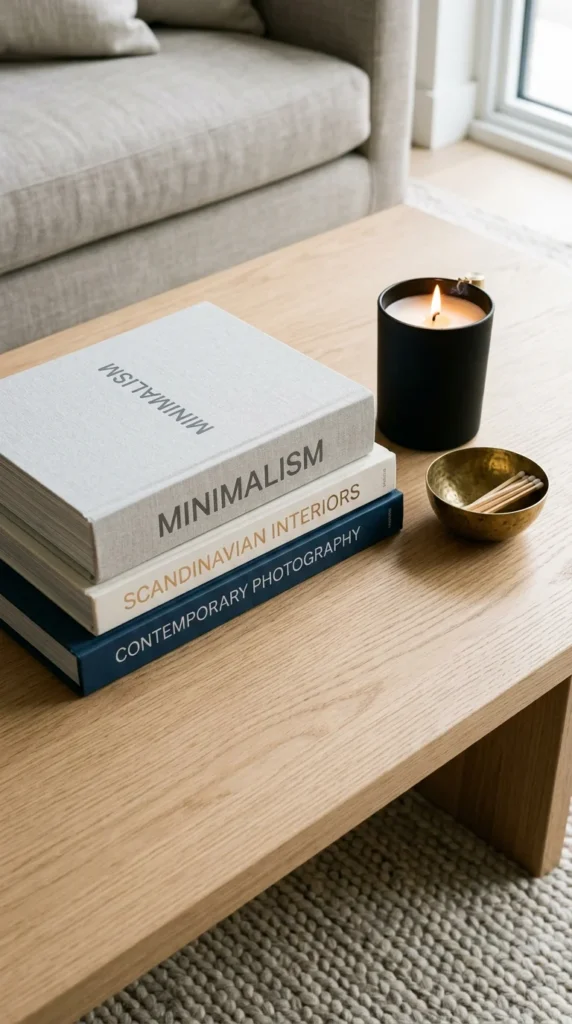
Clutter is the enemy of elegance. Expensive-looking rooms are often characterized by what isn’t there. The “less is more” philosophy applies to every surface in your home, from your kitchen counters to your bookshelves.
Practice the art of “vignetting.” Instead of lining up a dozen small knick-knacks, group items in threes. Use a tray to contain disparate objects like remotes or candles, which instantly makes them look like a deliberate arrangement. Clear your kitchen counters of small appliances and replace them with a single beautiful wood cutting board or a bowl of fresh fruit. A clean, uncluttered space allows the high-quality items you do own to stand out.
10. Textured Textiles
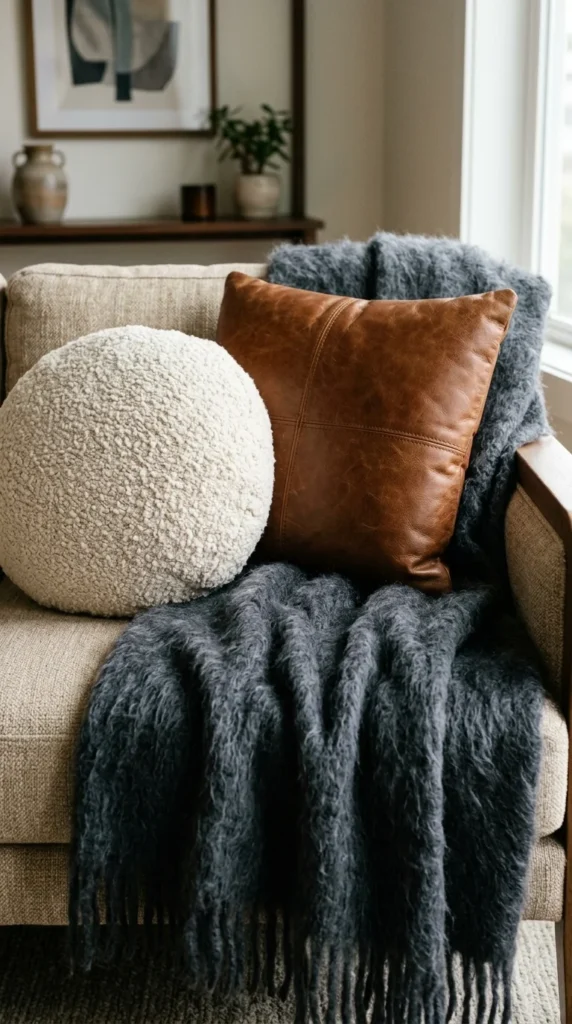
One of the fastest ways to make a room look “flat” and inexpensive is to use matching furniture sets with the same fabric. To get that high-end, interior-designed look, you need to mix and match your textiles.
Incorporate a variety of weights and weaves. A leather chair paired with a linen sofa, topped with velvet pillows and a cashmere throw, creates a sensory experience that feels luxurious. Don’t forget the floor—a high-pile wool rug or a layered jute and vintage Persian rug setup adds warmth and “visual weight” to the room. When your textiles look and feel high-quality, the entire room follows suit.