
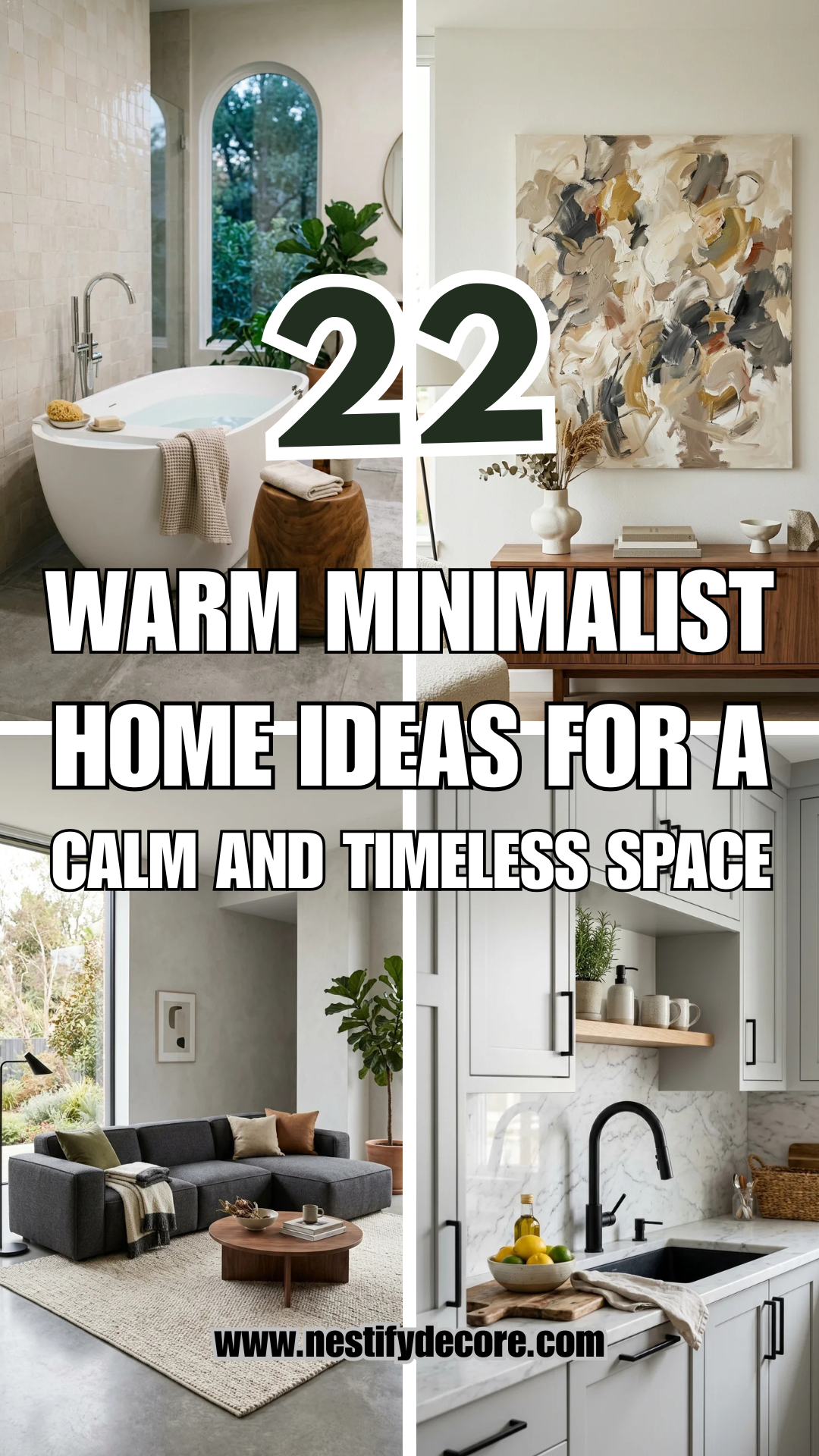
Minimalism has evolved. The stark, cold, “clinical” white boxes of the past have given way to a more inviting aesthetic: Warm Minimalism. This design philosophy balances the “less is more” mantra with textures, organic materials, and earthy tones to create a sanctuary that feels both organized and lived-in. Unlike traditional minimalism, which can feel restrictive, warm minimalism focuses on curation—choosing items that serve a purpose while providing emotional comfort.
If you are looking to transform your home into a peaceful retreat that stands the test of time, here are 22 ideas to master the art of warm minimalism.
1. Earthy Tones
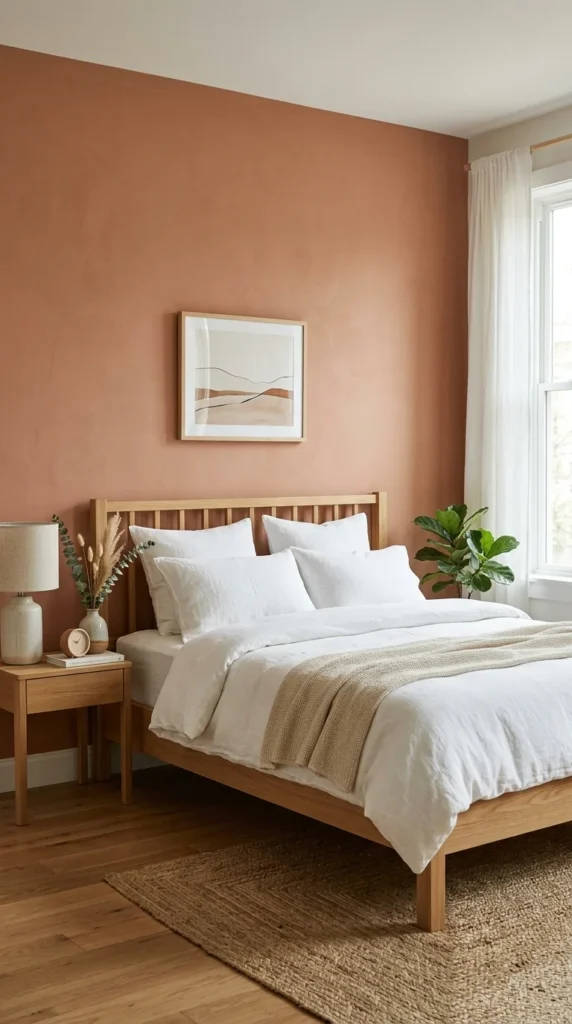
The foundation of warm minimalism is a color palette rooted in nature. Move away from stark, blue-toned whites and embrace “greige,” soft ochre, muted terracotta, and sandy beiges. these colors absorb light rather than bouncing it harshly, creating a grounded atmosphere. By keeping the walls and large furniture pieces in these tones, you create a cohesive backdrop that allows the architecture of the room to breathe.
2. Natural Wood
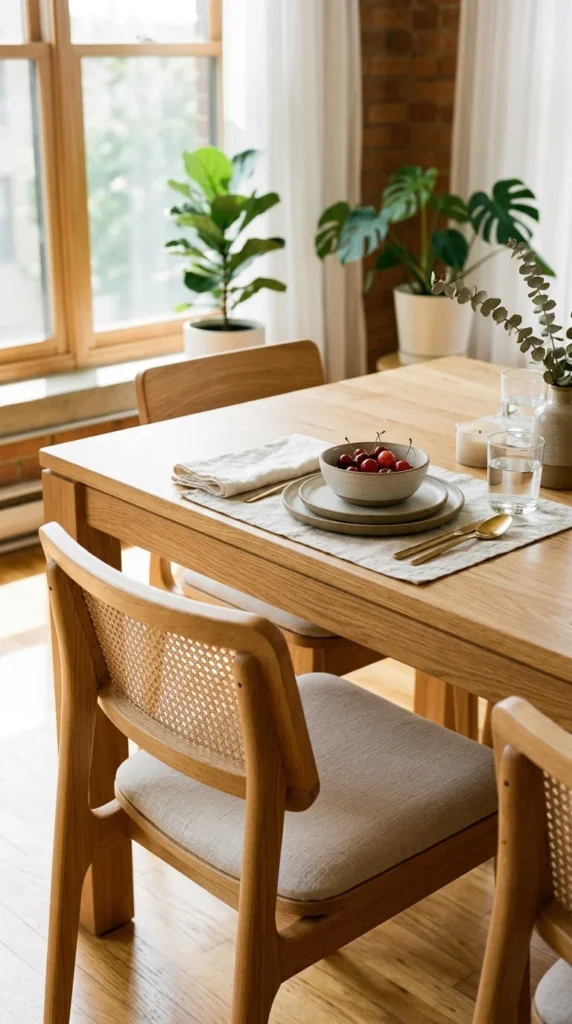
Nothing injects warmth into a space quite like wood. In a warm minimalist home, opt for light-to-medium woods like oak, ash, or walnut. Avoid heavy, high-gloss finishes; instead, choose matte or oiled surfaces that showcase the natural grain. Whether it’s a coffee table, floating shelves, or exposed ceiling beams, wood provides a tactile connection to the outdoors.
3. Textural Contrast
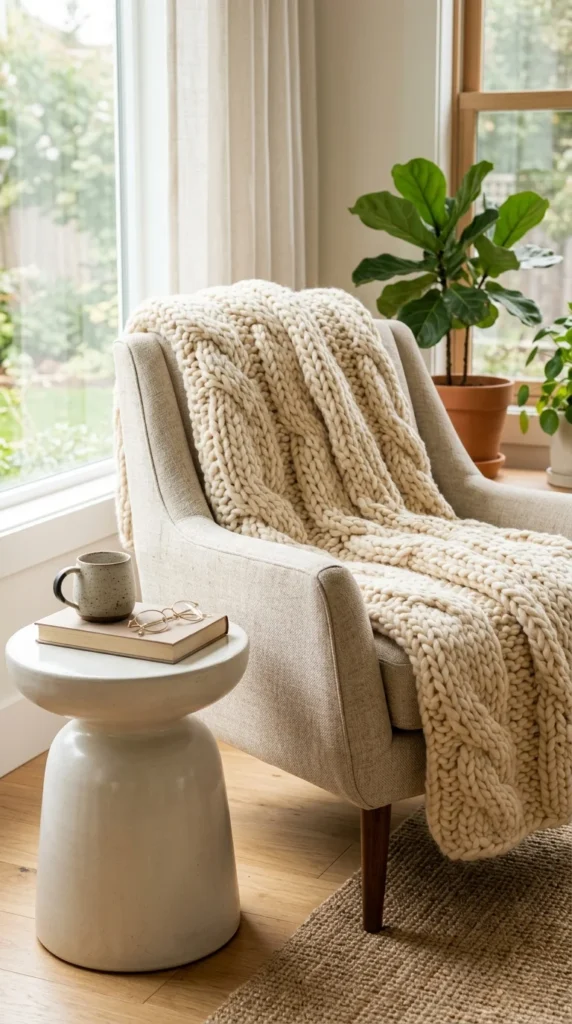
When you limit your color palette, texture becomes your best friend. Warm minimalism thrives on the interplay of different surfaces. Combine a smooth leather sofa with a chunky wool throw, or place a woven jute rug on a polished concrete floor. These layers prevent a monochrome room from looking “flat” and provide the physical coziness essential to this style.
4. Curved Silhouettes
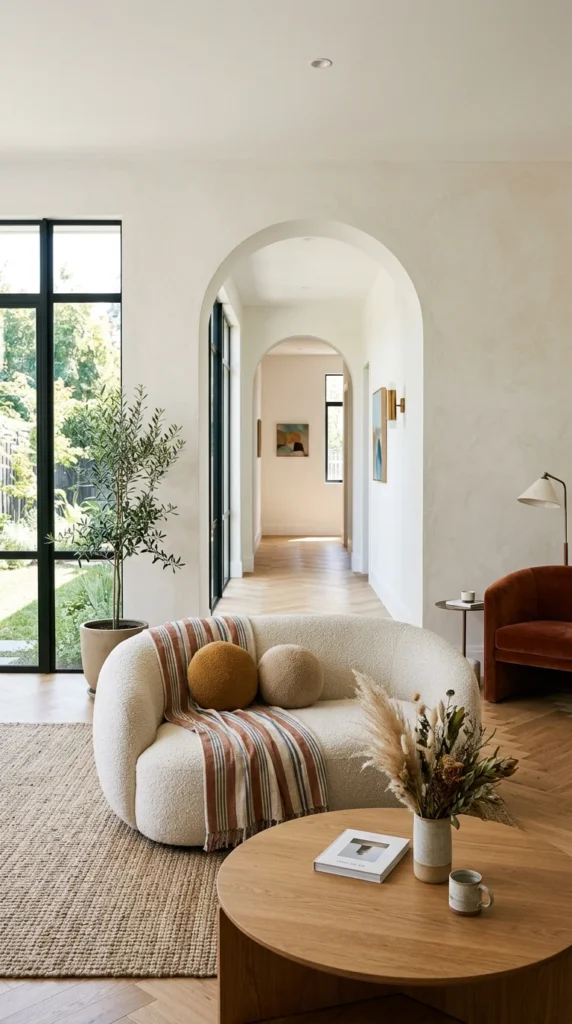
Strictly linear furniture can feel aggressive and rigid. To soften the look, introduce curves. Look for sofas with rounded edges, circular coffee tables, or arched wall niches. These “soft” shapes are more pleasing to the eye and encourage a sense of flow and movement within the home, breaking up the boxiness of standard room layouts.
5. Sculptural Lighting
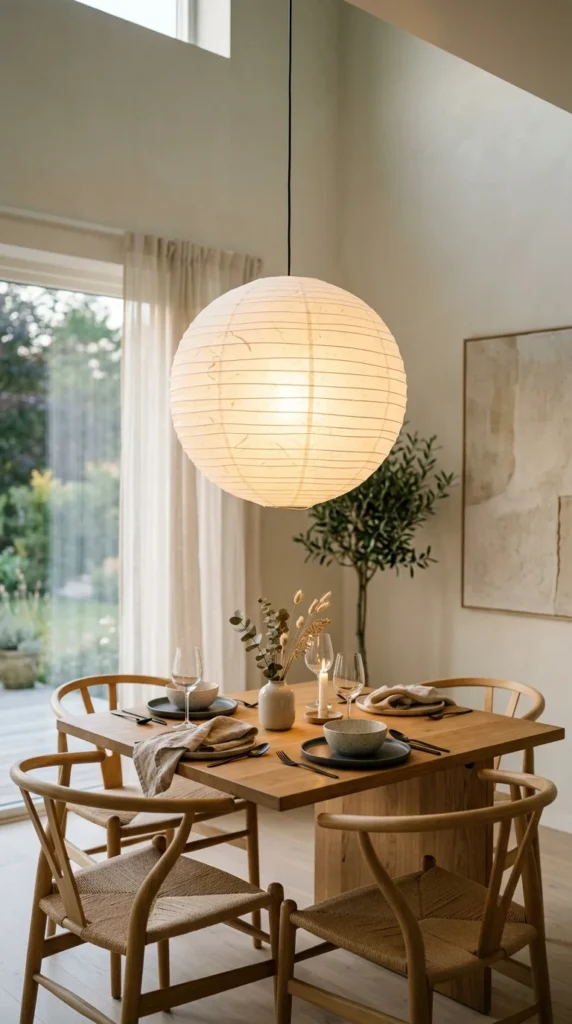
In a minimalist space, every item must earn its place. Lighting should be functional yet double as a piece of art. Consider oversized paper lanterns, matte metal floor lamps with slender necks, or ceramic table lamps with organic shapes. Avoid recessed “can” lighting where possible, as it can feel too industrial; instead, use statement fixtures to create focal points.
6. Indoor Greenery
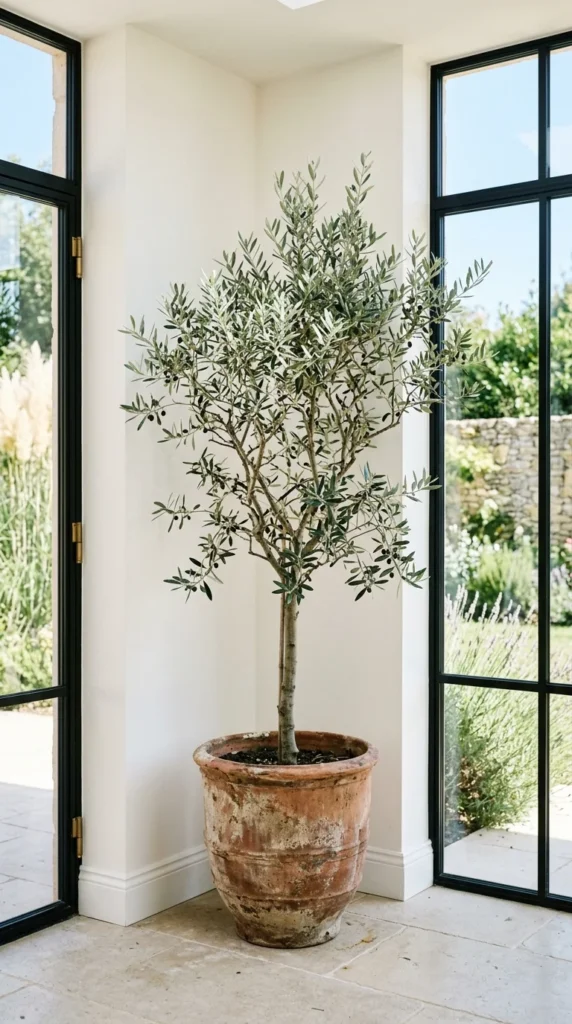
Plants are the ultimate accessory for warm minimalism. They add a pop of life and color without cluttering the visual field. Instead of dozens of small pots, choose one or two large “statement” plants, like a Fiddle Leaf Fig or an Olive Tree. The organic, unpredictable shape of a plant provides a beautiful contrast to the clean lines of minimalist furniture.
7. Negative Space
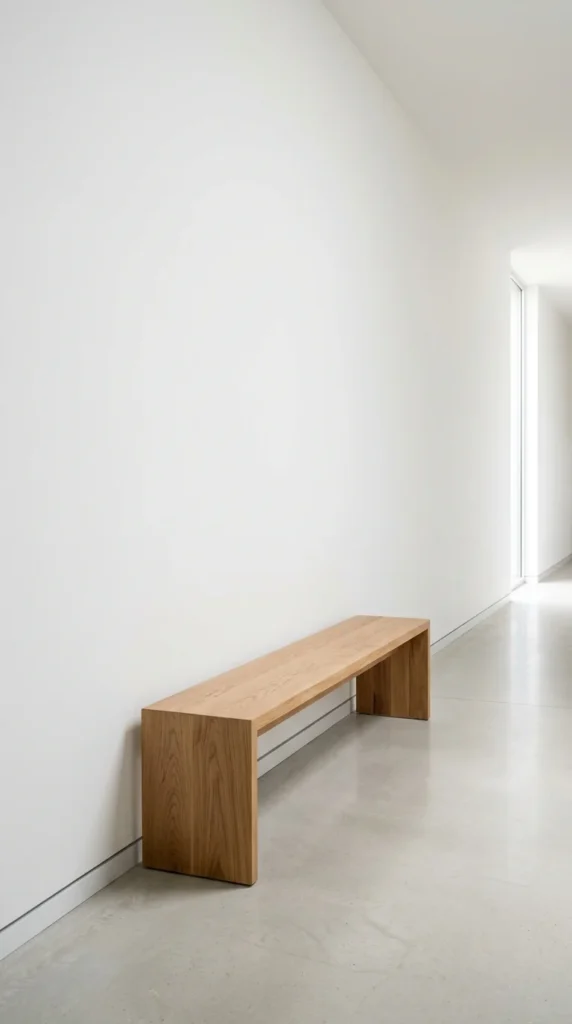
Warm minimalism is as much about what you leave out as what you put in. Negative space—the empty areas around your furniture—allows your eyes to rest. Resisting the urge to fill every corner creates a sense of luxury and calm. It highlights the beauty of the few pieces you have chosen to display, making them feel more intentional.
8. Woven Accents
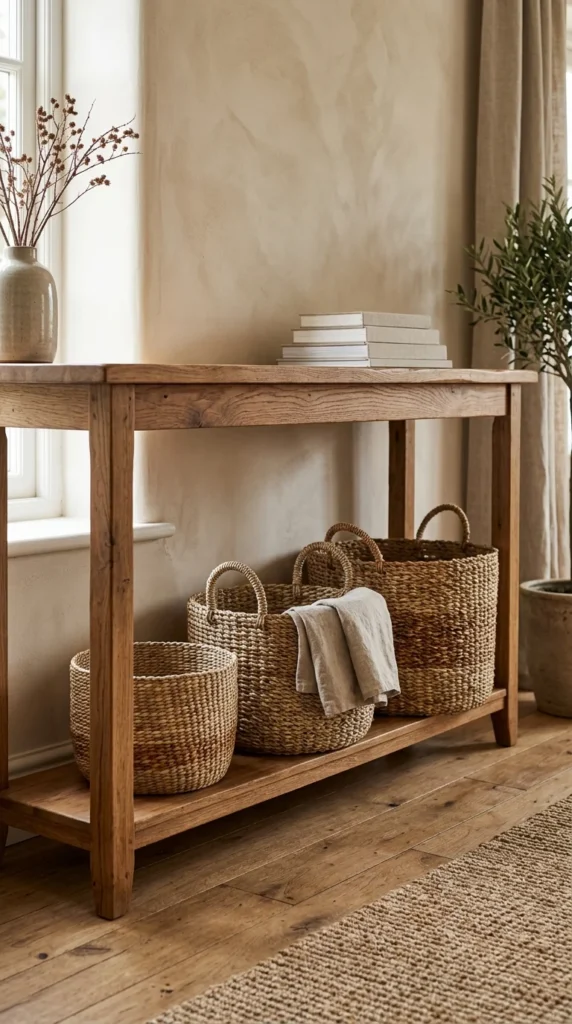
Incorporate natural fibers like rattan, seagrass, and cane to add an artisanal touch. A woven basket for firewood or a cane-back chair adds a “human” element to a room. These materials carry a sense of craftsmanship and history, which prevents a minimalist home from feeling too “new” or manufactured.
9. Matte Finishes
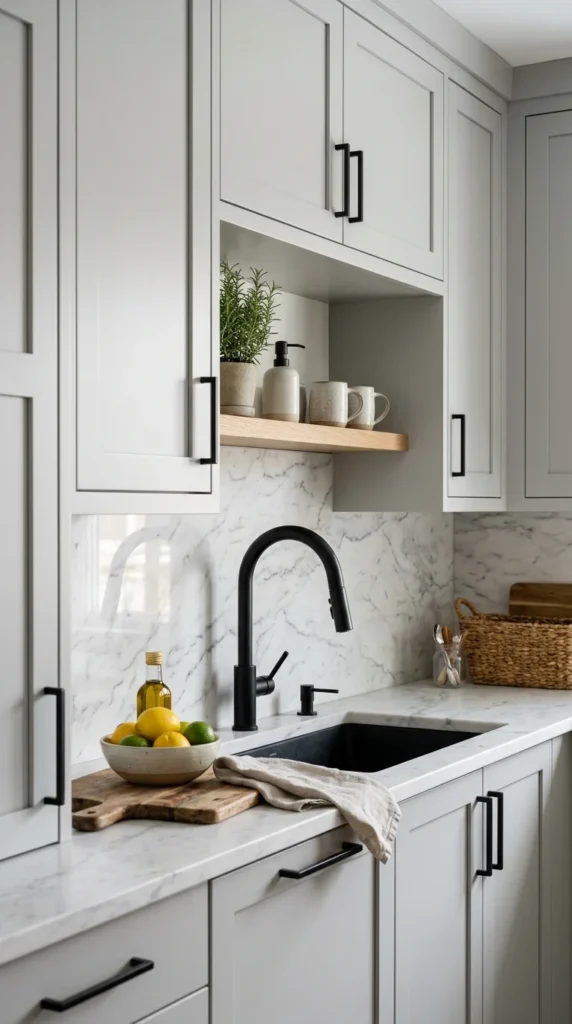
Reflective surfaces like chrome and high-gloss lacquer can feel cold and high-maintenance. For a warmer vibe, choose matte finishes. This applies to everything from kitchen hardware and bathroom faucets to the paint on your walls. Matte surfaces diffuse light softly, contributing to a hushed, tranquil environment.
10. Statement Stone
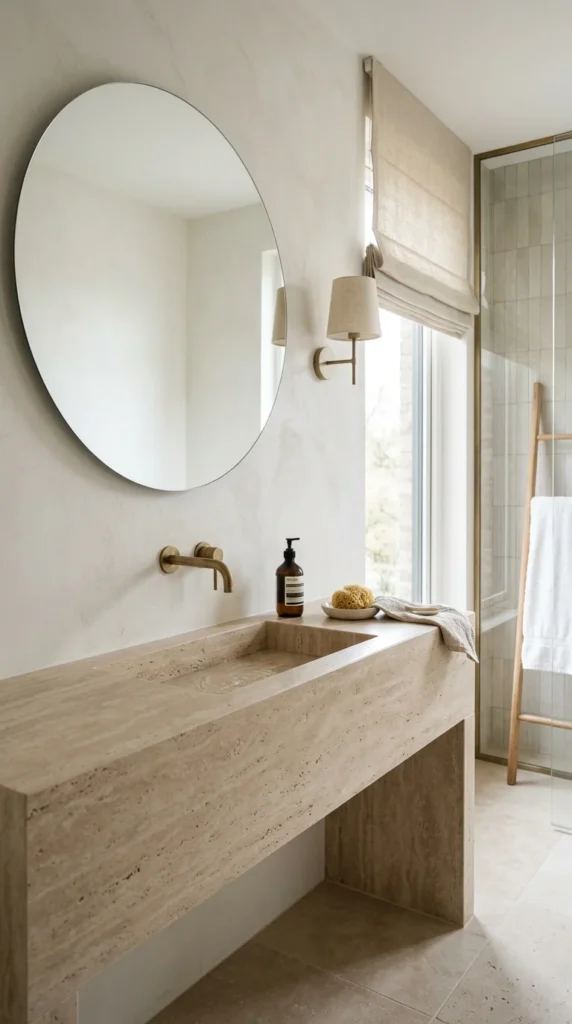
Natural stone like marble, travertine, or limestone brings an elemental beauty to the home. Use stone in large, impactful ways—perhaps a travertine coffee table or a marble kitchen island with “waterfall” edges. The unique veining and earthy weight of stone provide a timeless quality that never goes out of style.
11. Sheer Drapery
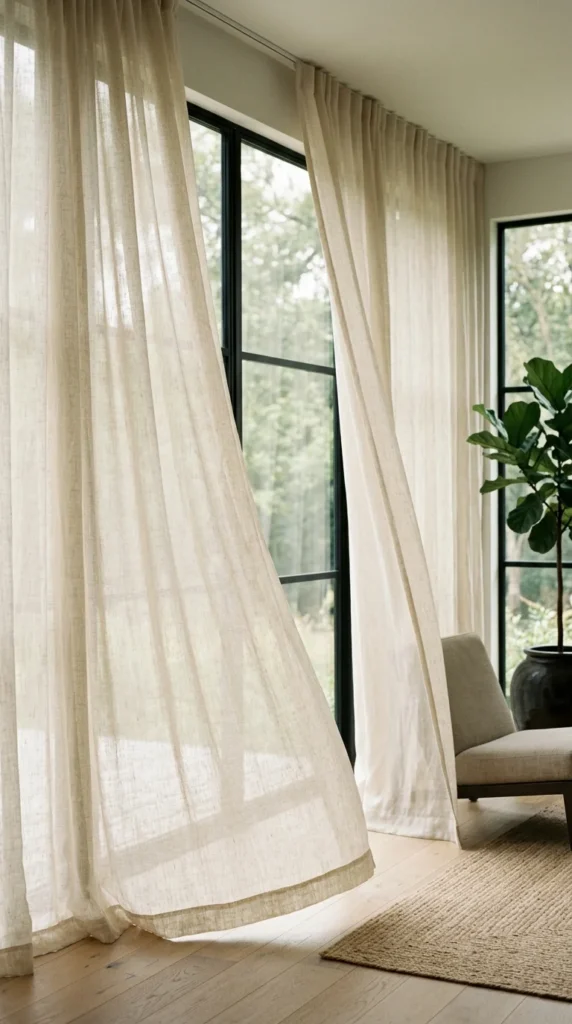
Privacy doesn’t have to mean heavy, dark curtains. Sheer linen or cotton drapes allow natural light to filter through while softening the hard lines of window frames. They add a romantic, airy quality to a room and create beautiful shadows throughout the day, enhancing the “calm” factor of the space.
12. Hidden Storage
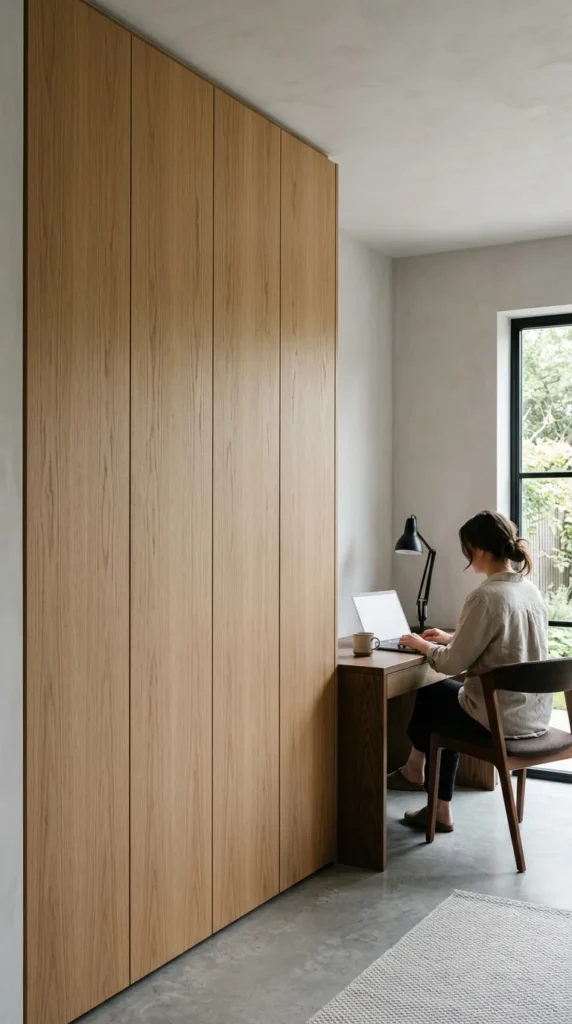
Clutter is the enemy of calm. Warm minimalism relies on smart, integrated storage solutions. Floor-to-ceiling cabinetry that matches the wall color can hide daily essentials like electronics, toys, and paperwork. When the “noise” of life is tucked away, the mind can truly relax.
13. Artisan Pottery
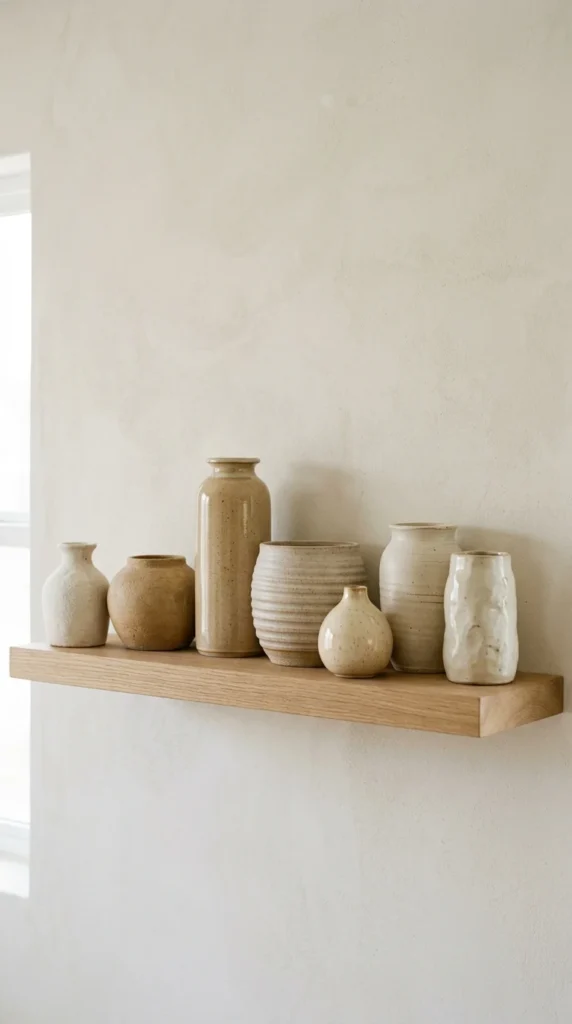
Swap mass-produced decor for handmade ceramics. Vases, bowls, and plates with slight imperfections tell a story of the maker’s hand. These “perfectly imperfect” items (Wabi-Sabi) add soul to a minimalist home. Display them in small clusters of three to maintain a curated look.
14. Low-Profile Furniture
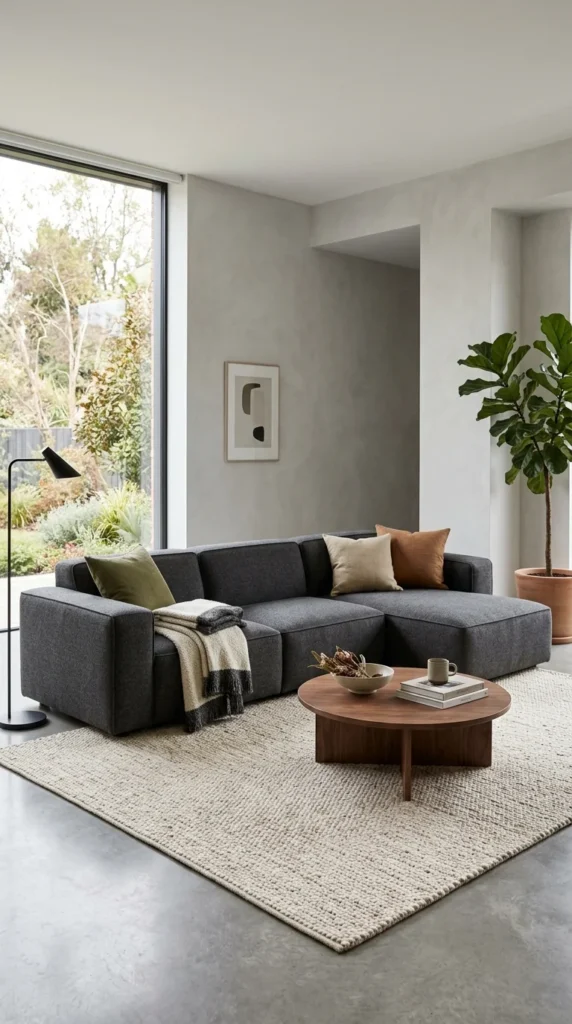
Furniture that sits lower to the ground creates an informal, relaxed atmosphere. It also makes ceilings feel higher and rooms feel more spacious. A low-slung sofa or a platform bed encourages a “grounded” feeling, literally bringing you closer to the floor and fostering a sense of peace.
15. Oversized Art
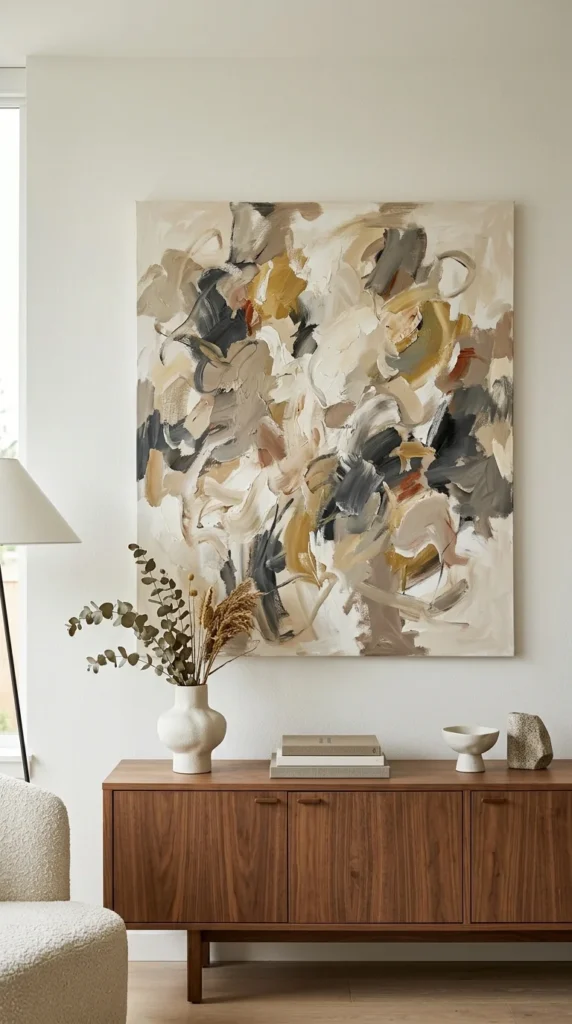
Instead of a gallery wall with many small frames, choose one large-scale piece of art. This simplifies the visual landscape and creates a clear focal point. Look for abstract pieces in neutral tones, line drawings, or textured canvases that add depth without overwhelming the senses with color.
16. Organic Shapes
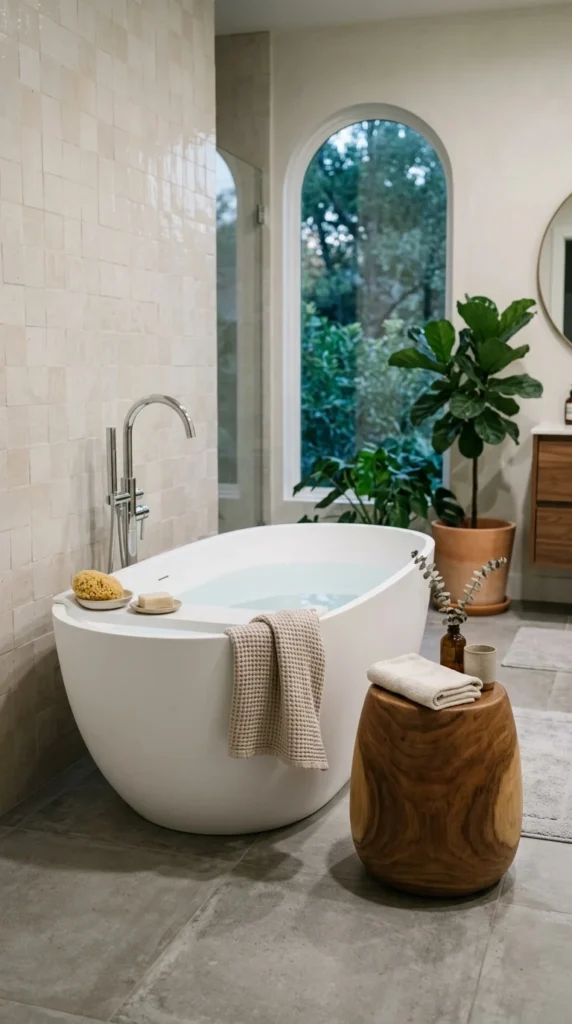
Nature rarely moves in straight lines. Incorporating organic shapes—like a mirror with an irregular edge or a “pebble” coffee table—mimics the softness found in the natural world. These shapes feel more intuitive and comfortable to live with than sharp, 90-degree angles.
17. Soft Illumination
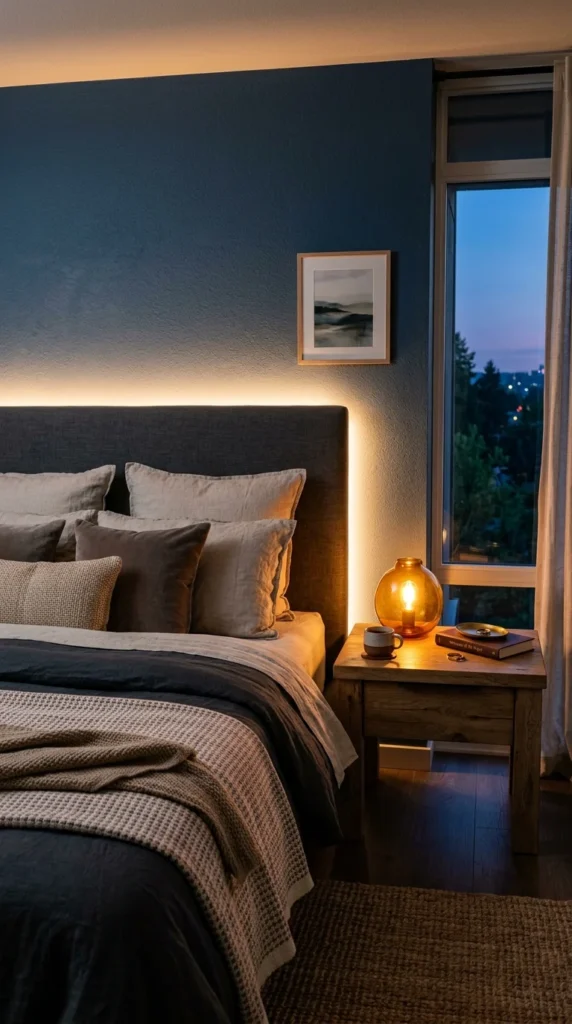
The “warmth” in warm minimalism often comes from the lighting temperature. Avoid “cool white” bulbs. Instead, use “warm white” (2700K to 3000K) to create an inviting glow. Use multiple light sources at different heights—floor lamps, table lamps, and wall sconces—to create layers of light that can be adjusted based on the time of day.
18. Monochromatic Layers
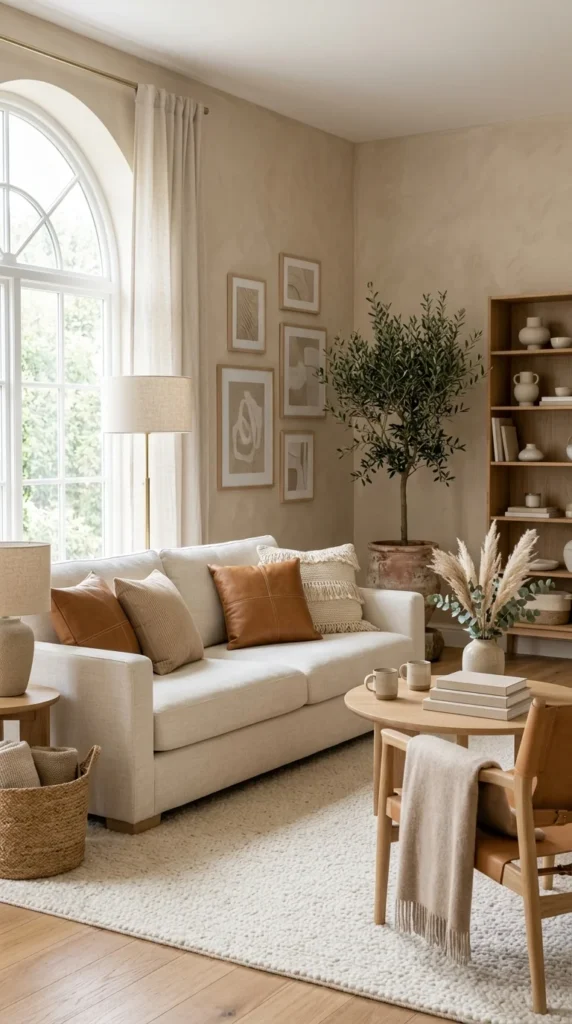
To achieve a sophisticated look, stick to one color family but use every shade within it. A room that layers ivory, cream, sand, and taupe feels rich and intentional. This monochromatic approach reduces visual “clutter” (which happens when there are too many competing colors) while remaining cozy through the variety of tones.
19. Tactile Rugs
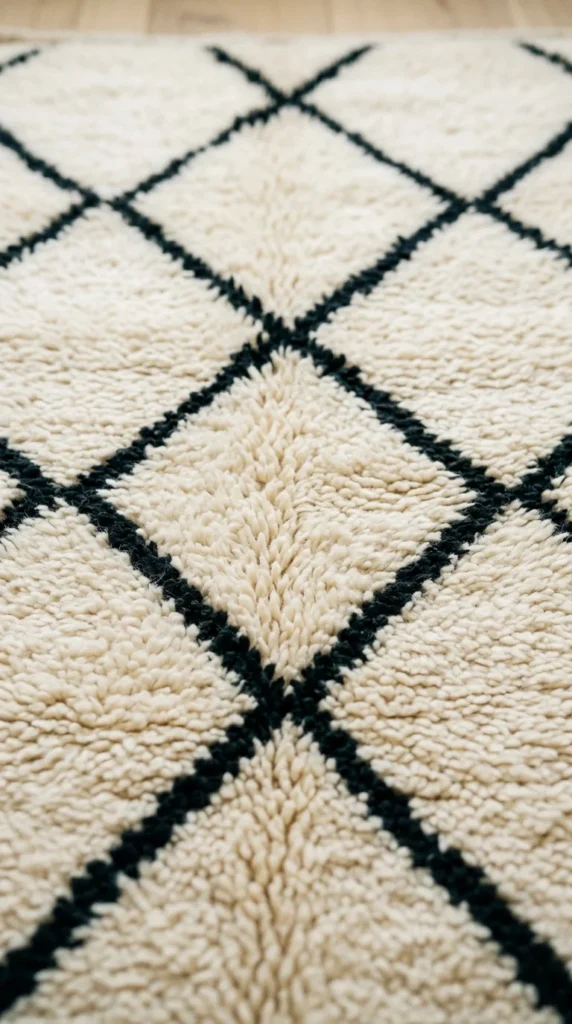
The floor is the largest surface area in your home; don’t ignore it. A high-quality, tactile rug can anchor a room. Look for wool, sisal, or jute rugs. A plush, high-pile rug in a bedroom adds immediate comfort underfoot, while a flat-weave rug in the dining area maintains a clean, minimalist profile.
20. Metal Accents
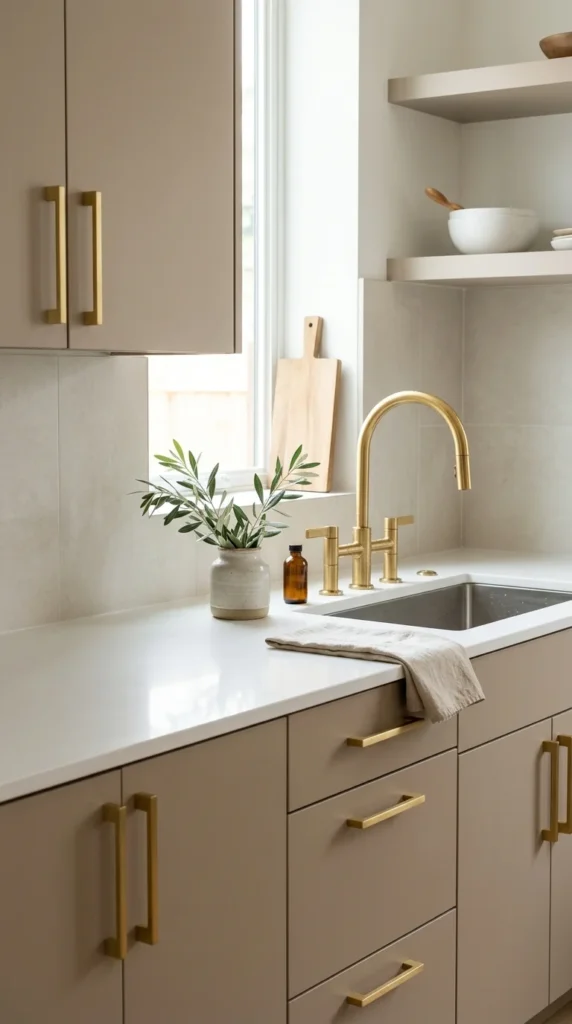
While warm minimalism leans towards organic materials, a touch of metal can add a “jewelry” effect to a room. Choose “warm” metals like brushed brass, bronze, or copper rather than cold chrome or shiny stainless steel. Use them sparingly—on cabinet handles, a lamp base, or a picture frame—to add a hint of refined elegance.
21. Scented Ambiance
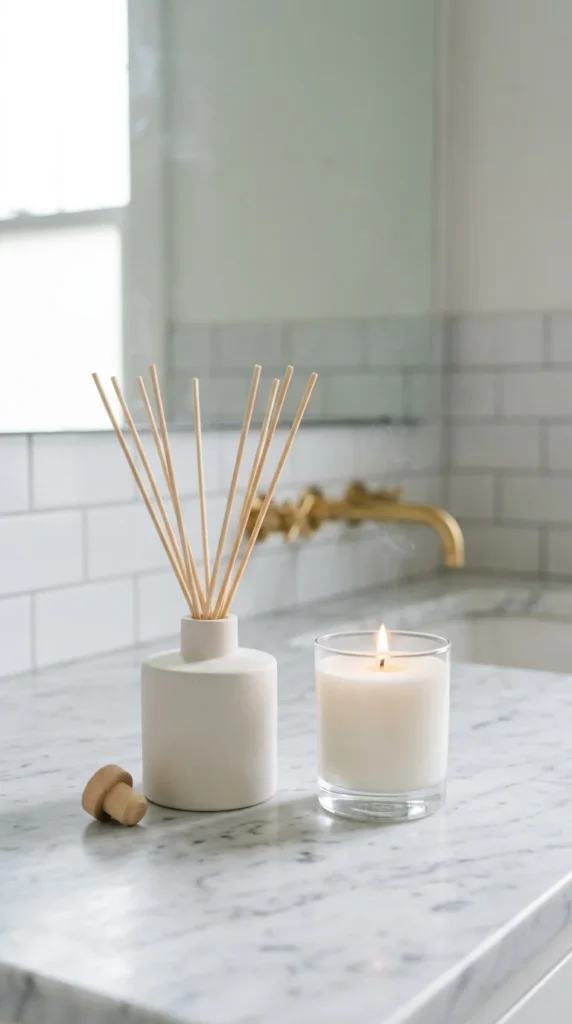
Minimalism isn’t just about what you see; it’s about how a space feels. Warmth can be conveyed through scent. Use essential oil diffusers or soy candles with “warm” notes like sandalwood, cedar, vanilla, or amber. A signature home scent can instantly signal to your brain that it is time to decompress.
22. Sustainable Materials
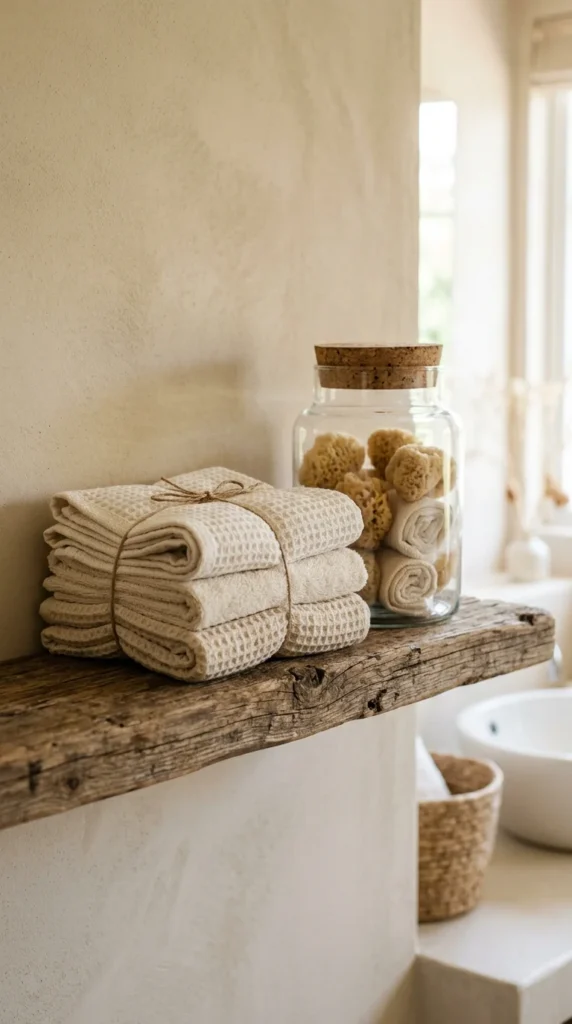
True timelessness comes from quality and ethics. Warm minimalism often overlaps with sustainable design. Choose materials that age gracefully, such as reclaimed wood, organic cotton, linen, and cork. These materials not only look better over time but also contribute to a healthier, more “mindful” home environment that feels good to live in.