
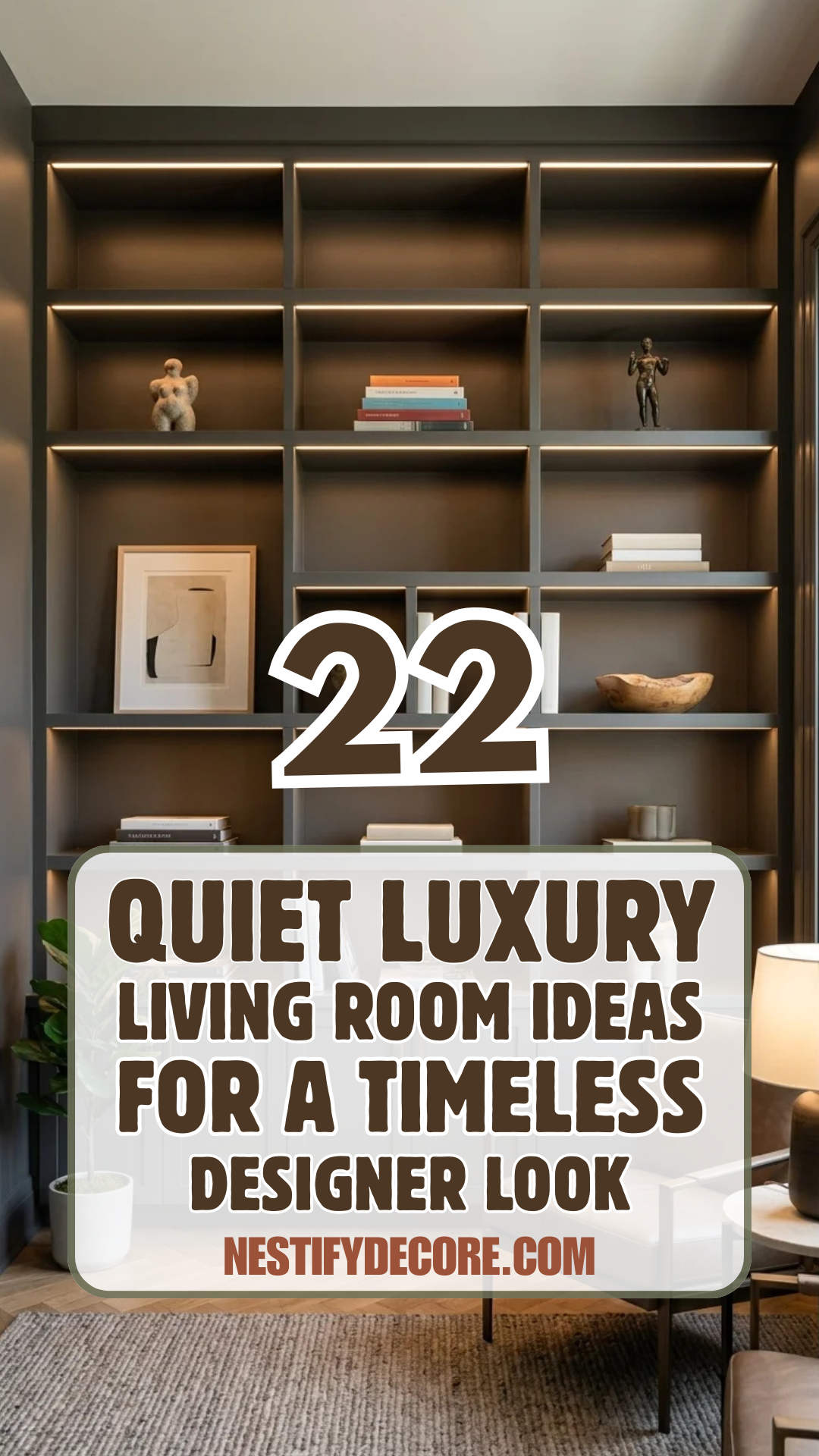
The concept of “Quiet Luxury” has taken the interior design world by storm, moving away from flashy logos and overt displays of wealth toward an aesthetic defined by understated elegance, high-quality craftsmanship, and timeless appeal. In the living room—the heart of the home—this translates to a space that feels curated rather than decorated, expensive but effortless. It is about the “if you know, you know” (IYKYK) factor, where the value lies in the texture of a fabric, the weight of a stone, and the soul of a vintage find. To achieve this look, one must focus on longevity over trends. Here are 22 essential ideas to transform your living room into a sanctuary of quiet luxury.
1. Neutral Palettes
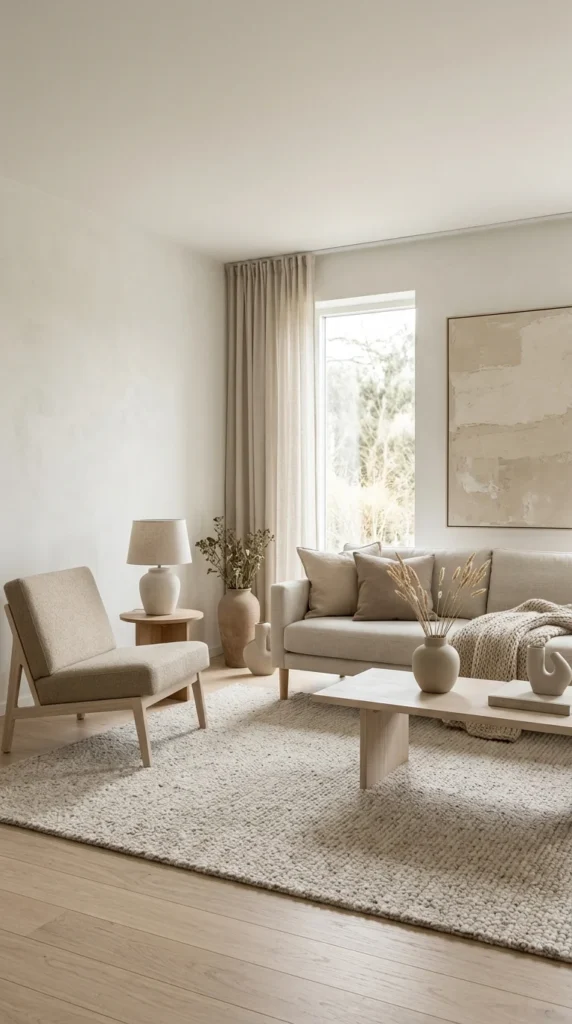
The foundation of quiet luxury is a sophisticated, monochromatic, or tonal color palette. Moving away from stark whites, designers are opting for “warm neutrals”—shades of oatmeal, biscuit, taupe, and mushroom. This creates a cohesive, calming atmosphere that allows the quality of the materials to speak for themselves. By layering different shades of the same color, you create depth and interest without the need for jarring contrasts.
2. Bouclé Upholstery
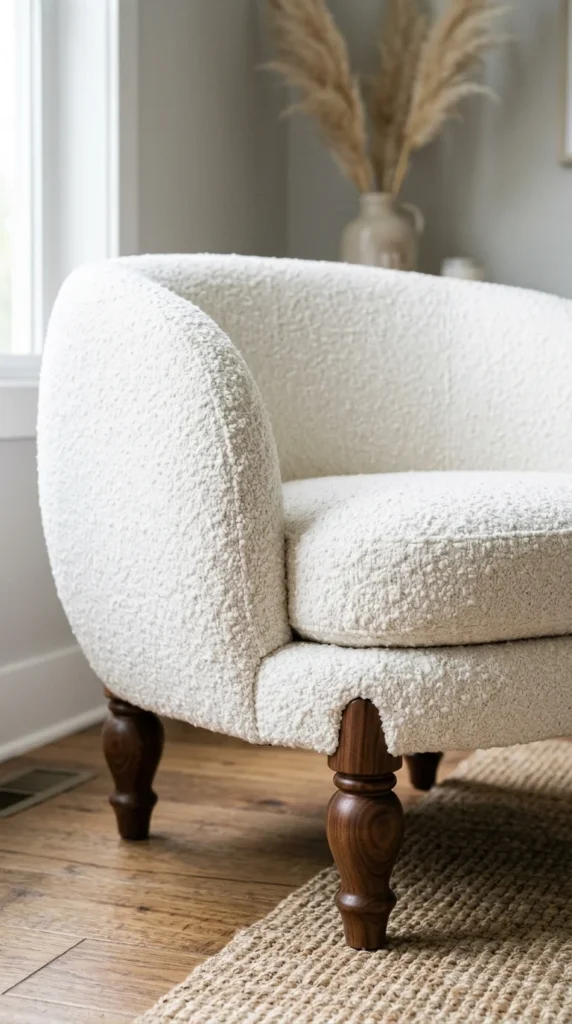
Texture is the secret language of luxury. Bouclé, with its looped yarns and tactile surface, adds an instant sense of warmth and high-end comfort. Whether it is a full sofa or a pair of accent chairs, this fabric provides a sensory experience that feels both modern and mid-century inspired. It invites touch and adds a layer of visual “softness” to the room.
3. Travertine Accents
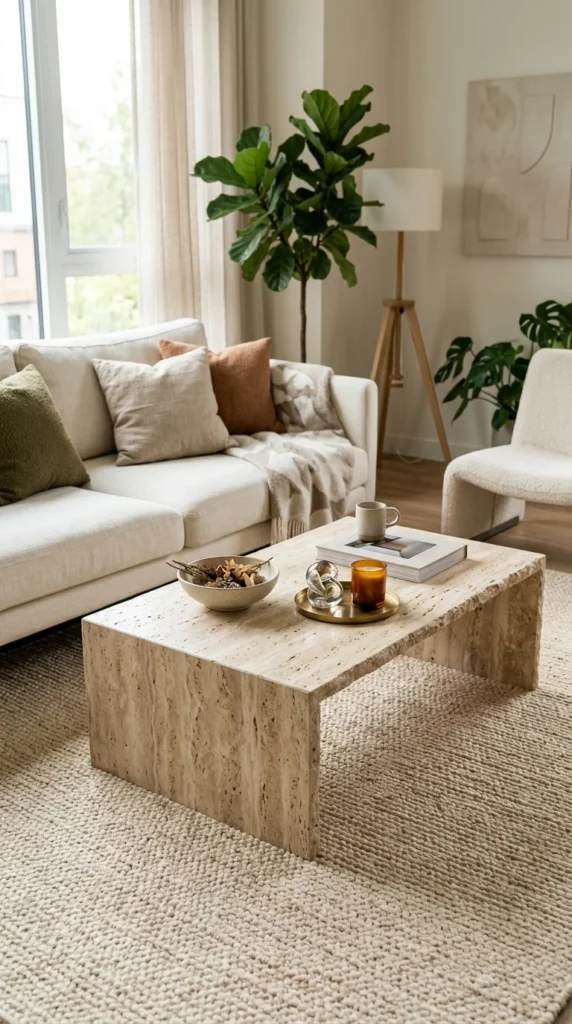
Travertine is the stone of the moment for the quiet luxury aesthetic. Unlike the high-gloss finish of some marbles, travertine offers a matte, earthy texture that feels grounded and ancient. Its porous nature and subtle color variations make every piece unique. A travertine coffee table or side table serves as a functional piece of sculpture.
4. Sculptural Lighting
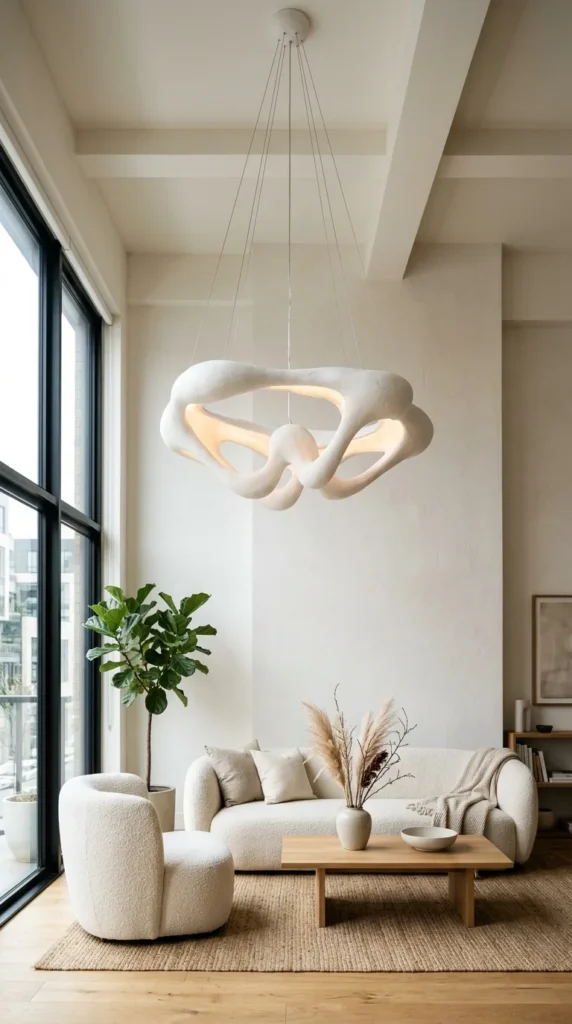
In a quiet luxury living room, lighting is treated as art. Avoid standard fixtures in favor of sculptural pieces that command attention through form. Plaster chandeliers, oversized paper lanterns, or sleek, arched floor lamps in brushed bronze act as focal points. The goal is to choose pieces that look as beautiful when they are turned off as they do when illuminated.
5. Floor-to-Ceiling Drapes
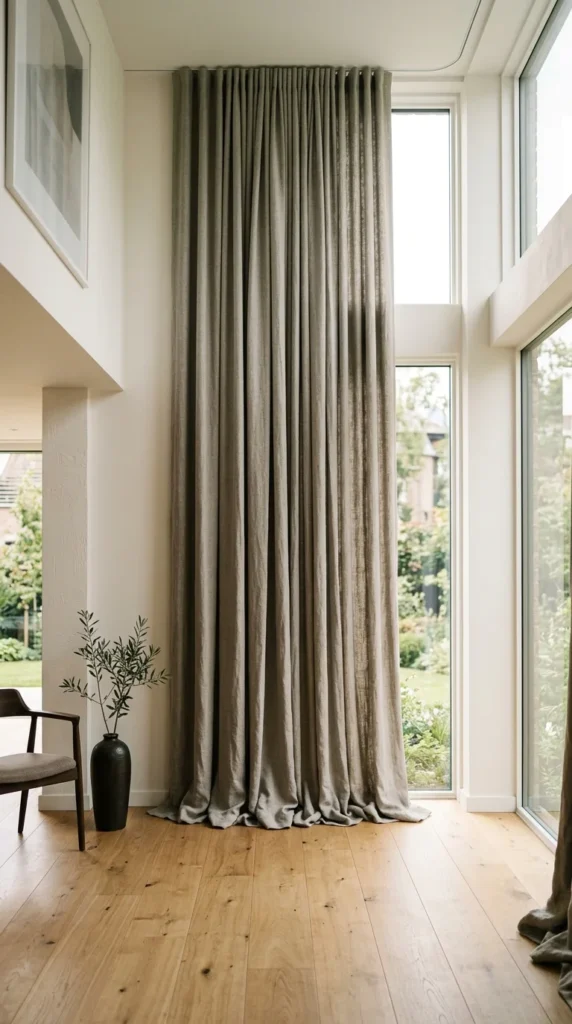
To achieve a “designer” look, window treatments should never be an afterthought. High-quality, heavy-weight linen or velvet drapes that hang from the very top of the wall to the floor add architectural height. Opt for “puddling”—where the fabric slightly bunches on the floor—to convey a sense of abundance and relaxed opulence.
6. Natural Oak
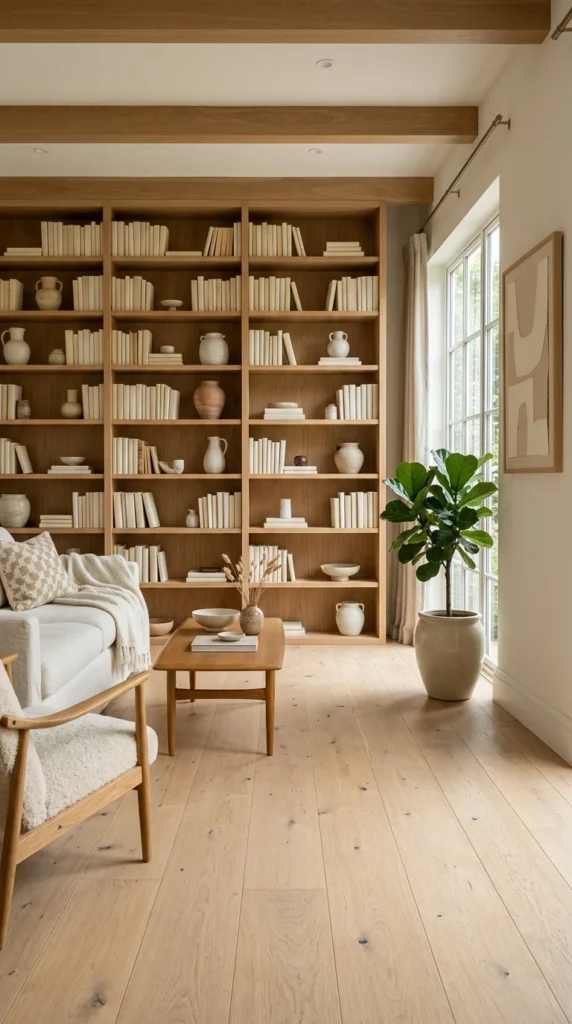
Wood brings warmth and organic life to a room. In quiet luxury, the preference is for light-to-medium tones like white oak or walnut with a matte or oiled finish. Avoid high-gloss stains that can look dated. Wide-plank flooring or bespoke cabinetry in natural wood creates a timeless backdrop that evolves beautifully over time.
7. Organic Shapes
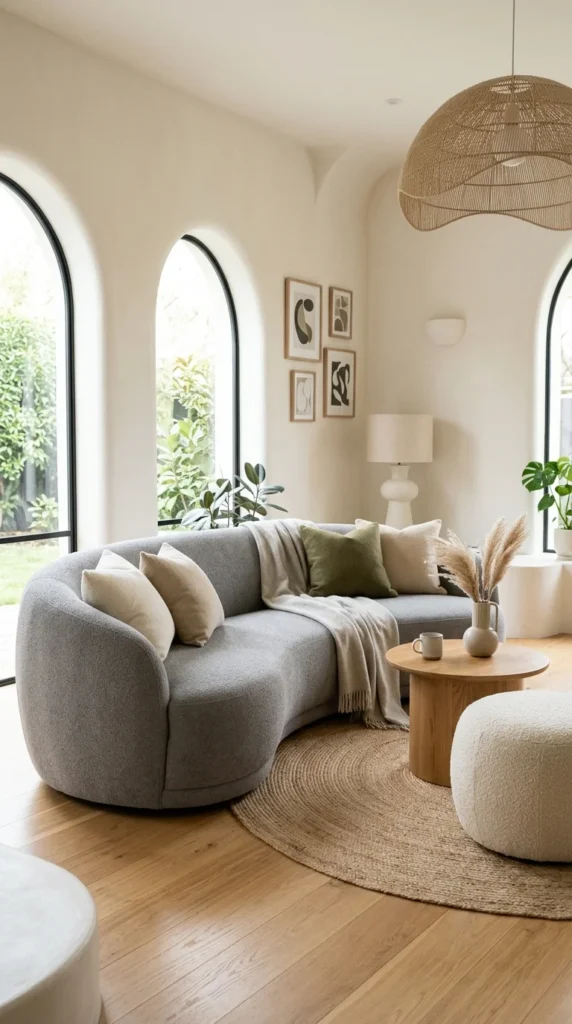
The trend is moving away from rigid, boxy furniture toward soft, organic silhouettes. Curved sofas, circular ottomans, and rounded dining tables mimic the shapes found in nature. These forms make a room feel more inviting and fluid, breaking up the harsh lines of walls and windows to create a “cocooning” effect.
8. Bespoke Built-ins
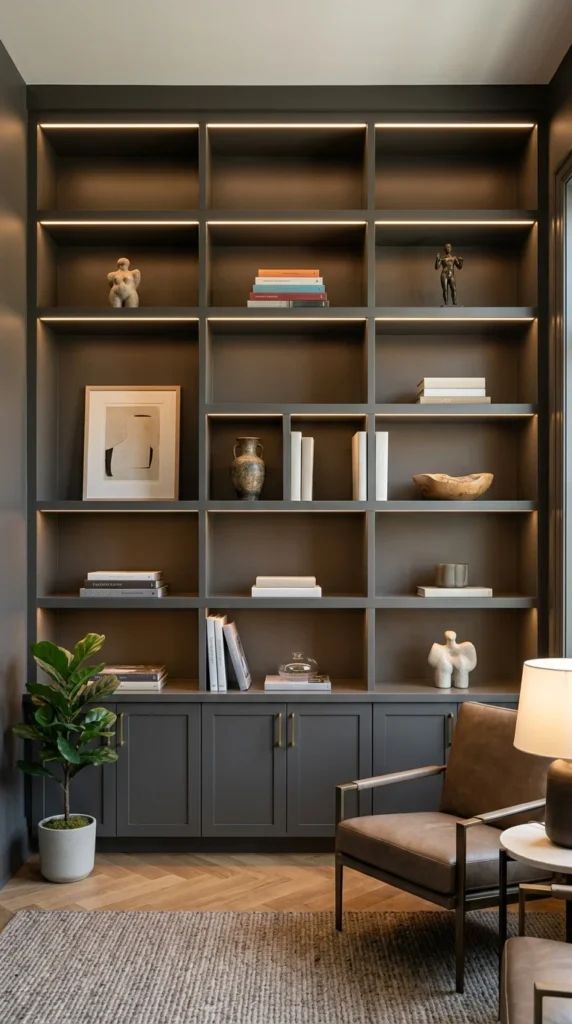
Custom cabinetry is a hallmark of luxury. Built-in bookshelves or media units that are painted the same color as the walls create a seamless, integrated look. This eliminates the visual clutter of standalone units and allows you to display a curated selection of objects in a way that feels intentional and architectural.
9. Curated Art
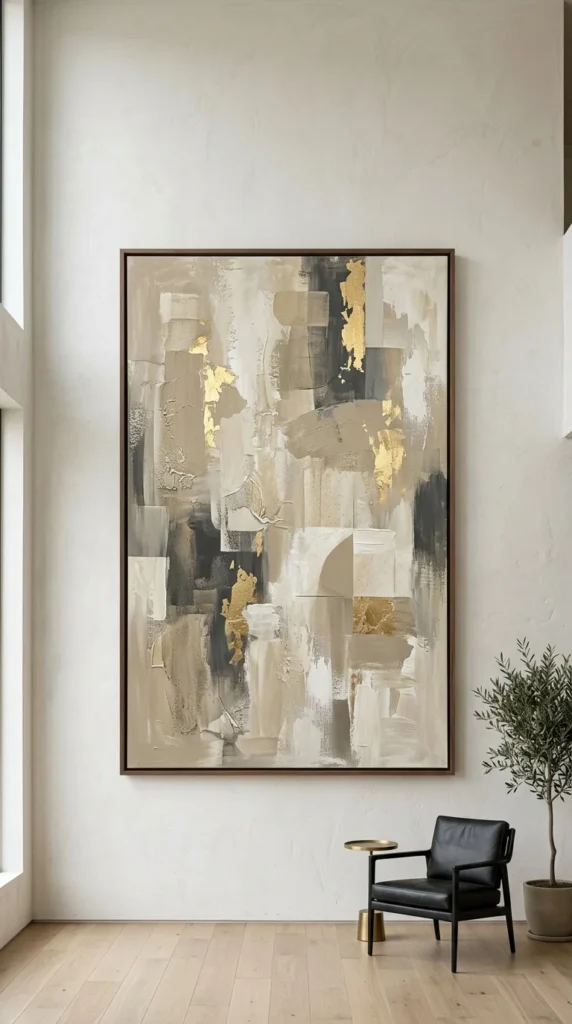
Quiet luxury is about quality over quantity. Instead of a gallery wall filled with small prints, choose one or two large-scale, meaningful pieces of art. Abstract paintings, textile art, or minimalist sketches in high-quality frames provide a sophisticated focal point without overwhelming the senses.
10. Layered Rugs
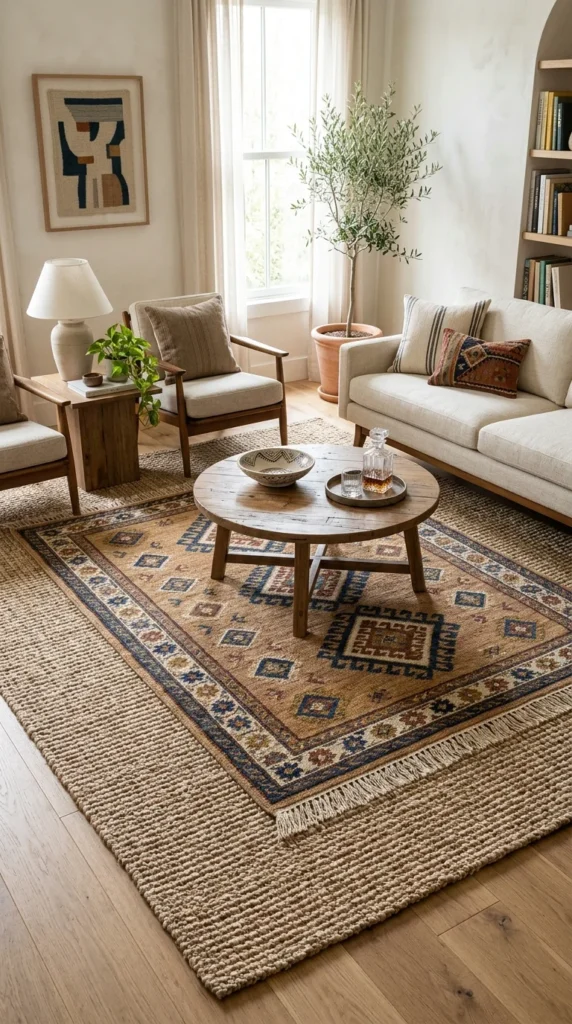
Layering rugs adds depth and texture to the floor. Start with a large, natural-fiber rug like jute or sisal to cover most of the floor area, then layer a smaller, softer wool or silk rug on top. This technique defines the seating area and adds a professional, “decorated” feel that is also incredibly cozy underfoot.
11. Minimalist Fireplaces
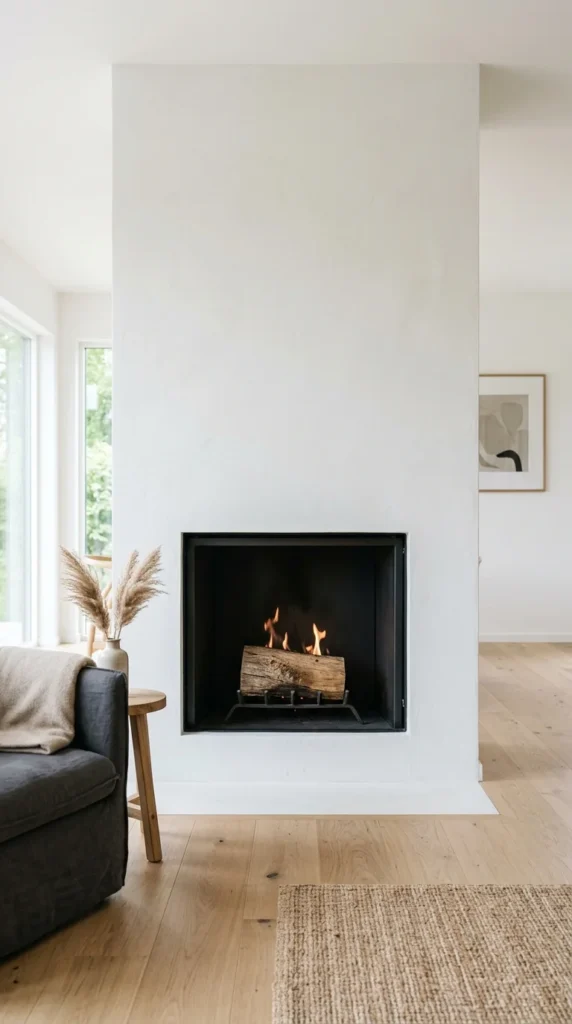
If your living room has a fireplace, keep the surround simple. A floor-to-ceiling plaster finish or a slab of honed marble without a traditional mantel creates a clean, contemporary look. The focus remains on the warmth of the fire and the texture of the materials rather than ornate carvings or clutter.
12. Unlacquered Brass
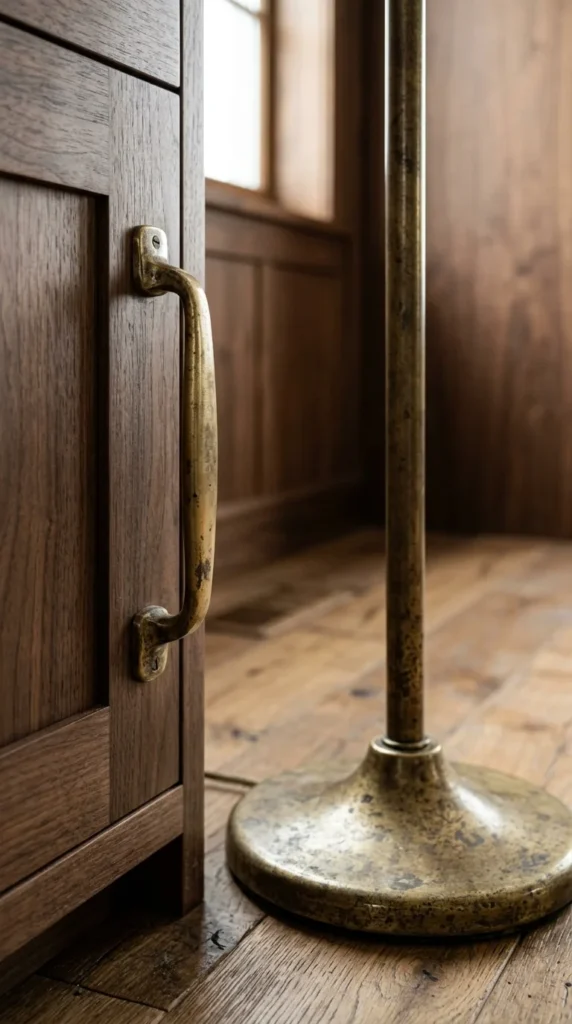
When it comes to metals, quiet luxury leans toward finishes that feel “alive.” Unlacquered brass or bronze will develop a beautiful patina over time, showing the history of use. This is far more sophisticated than the bright, shiny finishes of mass-produced hardware. Use these metals for floor lamps, picture frames, and furniture legs.
13. Statement Greenery
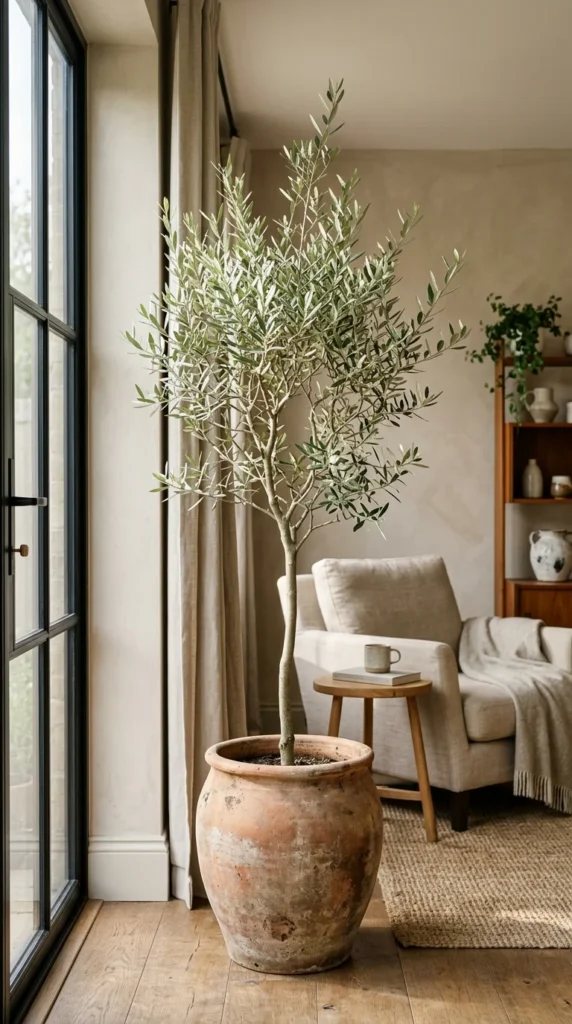
Forget the small, cluttered plant collections. Instead, opt for one or two large, architectural plants. A tall olive tree, a fiddle leaf fig, or a large vase of oversized branches (like magnolia or eucalyptus) adds a sense of life and scale. The pot should be as much of a statement as the plant itself—think aged stone or handmade ceramics.
14. Tactile Fabrics
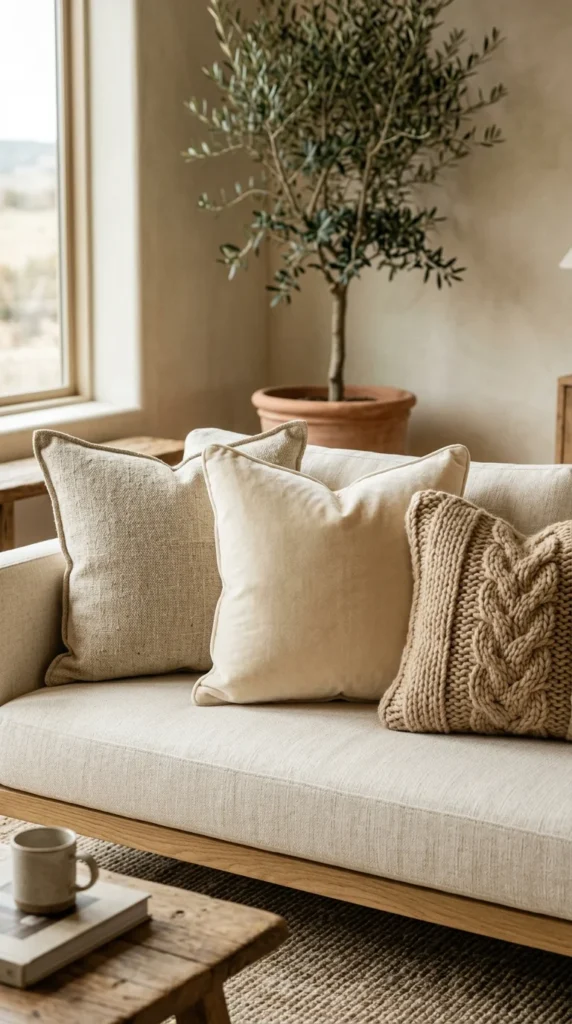
The luxury is felt as much as it is seen. Mix various high-end textiles like silk, cashmere, mohair, and heavy linen. A mohair velvet sofa feels incredibly rich, while a cashmere throw draped over a chair adds an element of effortless comfort. The variety in “hand-feel” is what makes a neutral room feel expensive and layered.
15. Negative Space
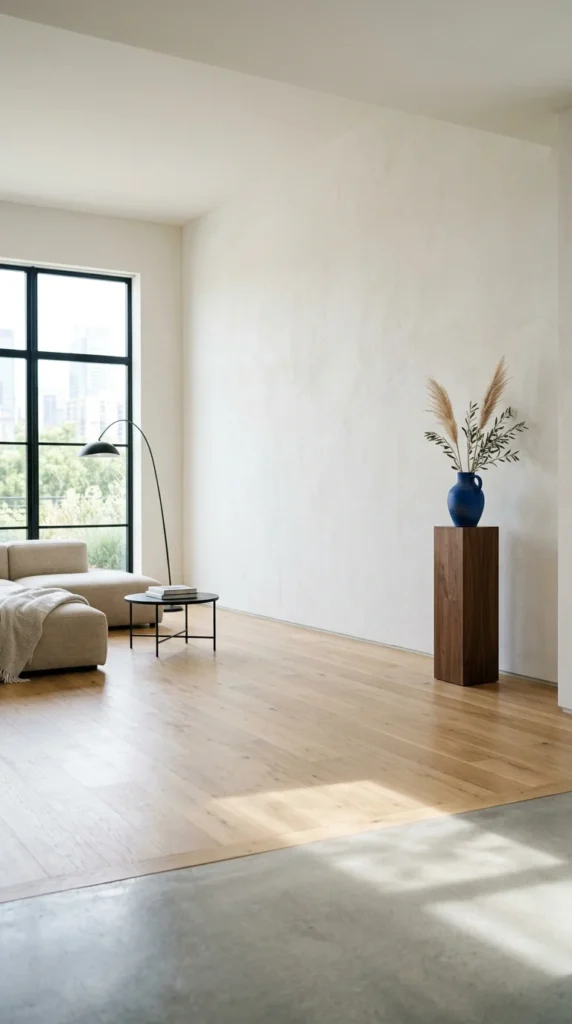
One of the hardest elements of quiet luxury to master is “nothing.” Leaving portions of the room empty allows the eye to rest and highlights the pieces you have chosen to include. Avoid the urge to fill every corner. Negative space conveys confidence in your design choices and creates an airy, breathable environment.
16. Antique Finds
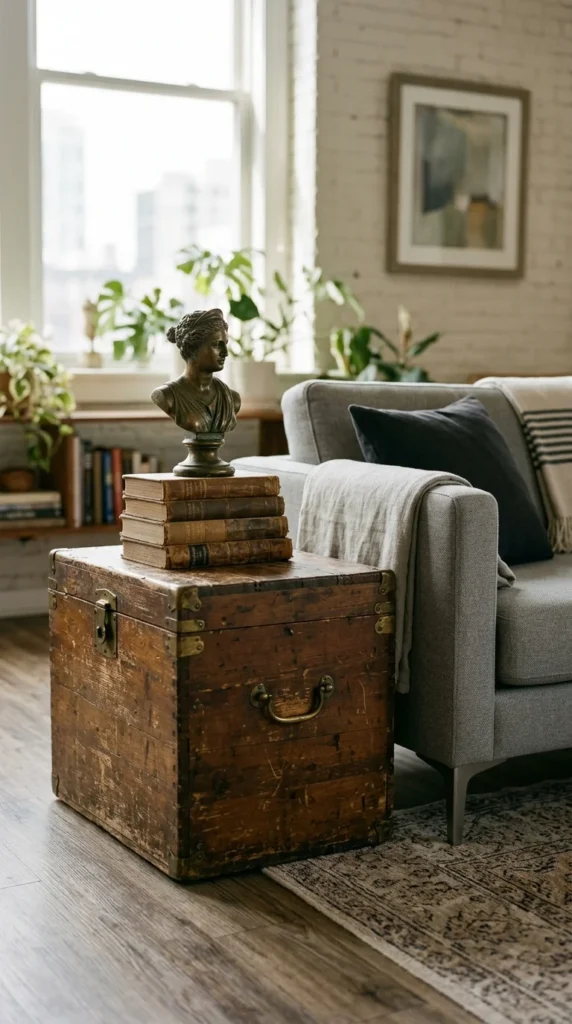
To prevent a room from looking like a showroom, incorporate a few “found” objects. A vintage French pedestal, an antique wooden trunk, or a weathered stool adds history and soul. The contrast between a brand-new, modern sofa and an object with a century of history is the essence of a designer-led home.
17. Matte Finishes

Glossy surfaces can sometimes feel “loud.” Quiet luxury favors matte and honed finishes. This applies to everything from paint (choose flat or eggshell) to stone (honed rather than polished) to metals. Matte surfaces absorb light rather than reflecting it, resulting in a softer, more sophisticated glow throughout the day.
18. Symmetry and Balance
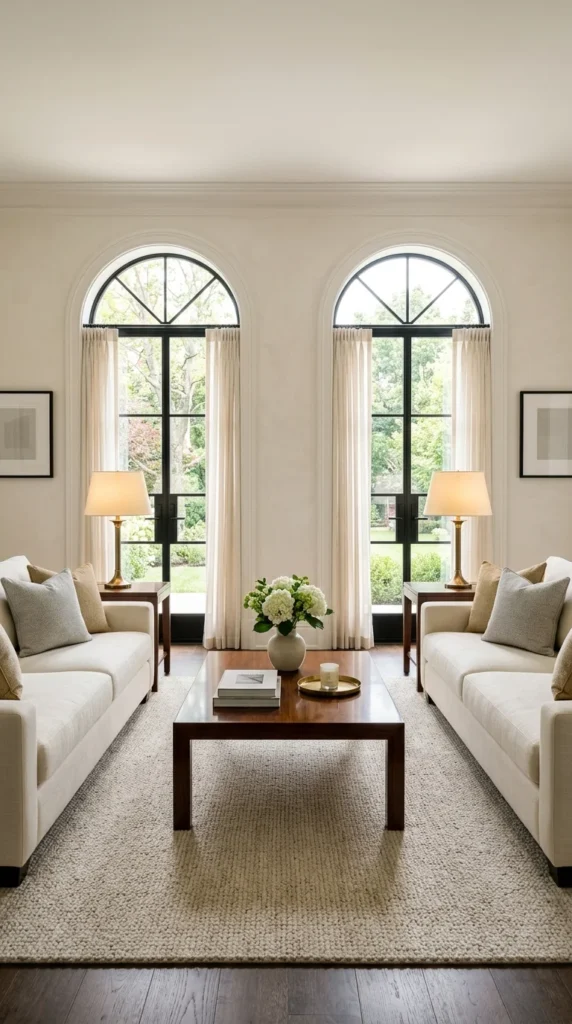
There is a sense of calm that comes with symmetry. Placing two identical sofas across from each other or flanking a fireplace with matching armchairs creates a formal yet grounded feel. It suggests order and intentionality, which are key components of a high-end designer aesthetic.
19. Hidden Technology
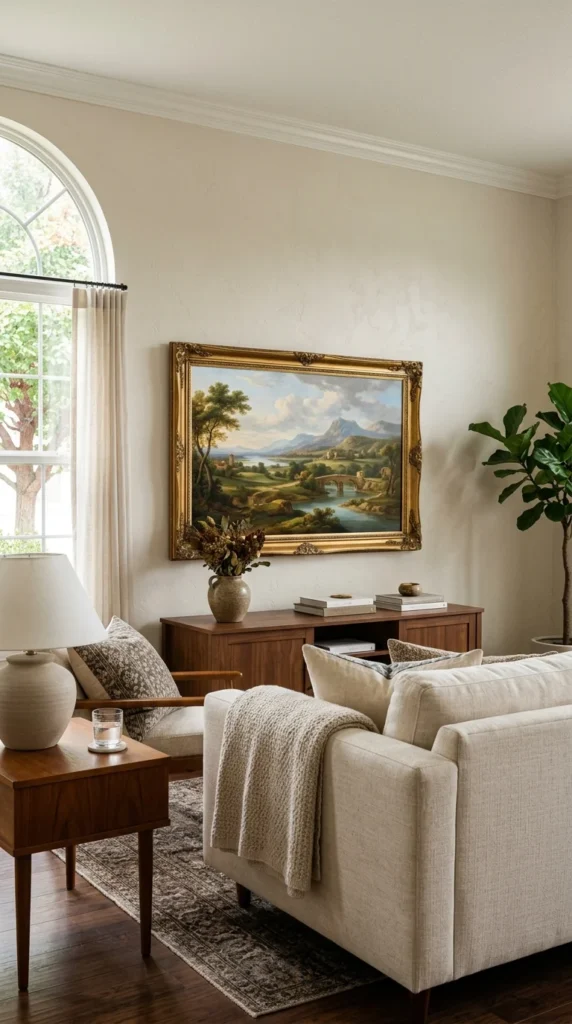
Nothing ruins a quiet luxury vibe faster than a tangle of wires or a giant black screen dominating the room. Use “The Frame” style TVs that display art when off, or hide the television behind custom cabinetry or motorized panels. The goal is for the technology to serve the room, not define it.
20. Artisanal Ceramics
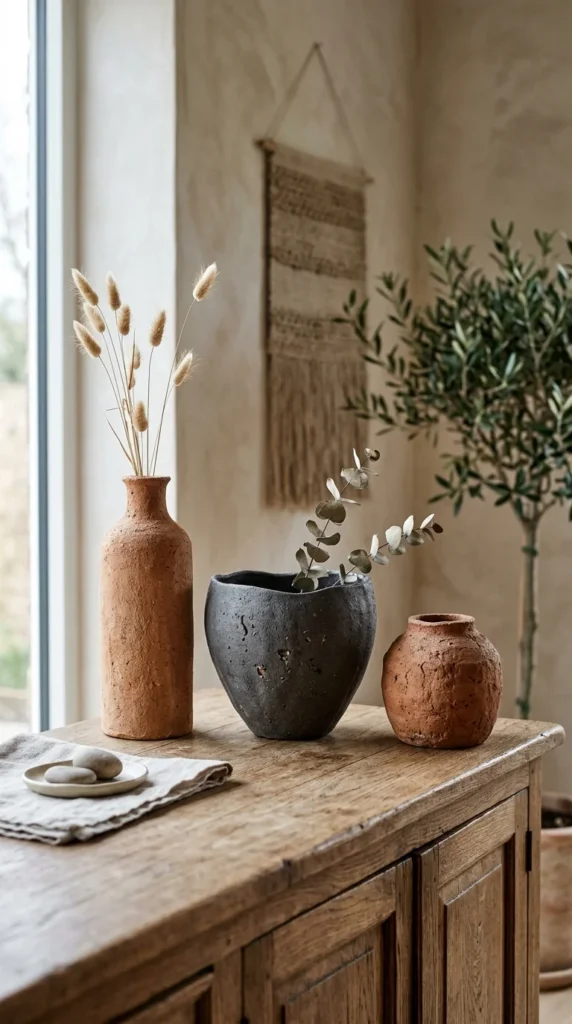
Mass-produced decor is the antithesis of quiet luxury. Instead, seek out handmade ceramics and artisanal bowls. Look for pieces that show the marks of the maker—irregular edges, unique glazes, and tactile textures. These items act as small-scale sculptures and tell a story of craftsmanship.
21. Acoustic Comfort
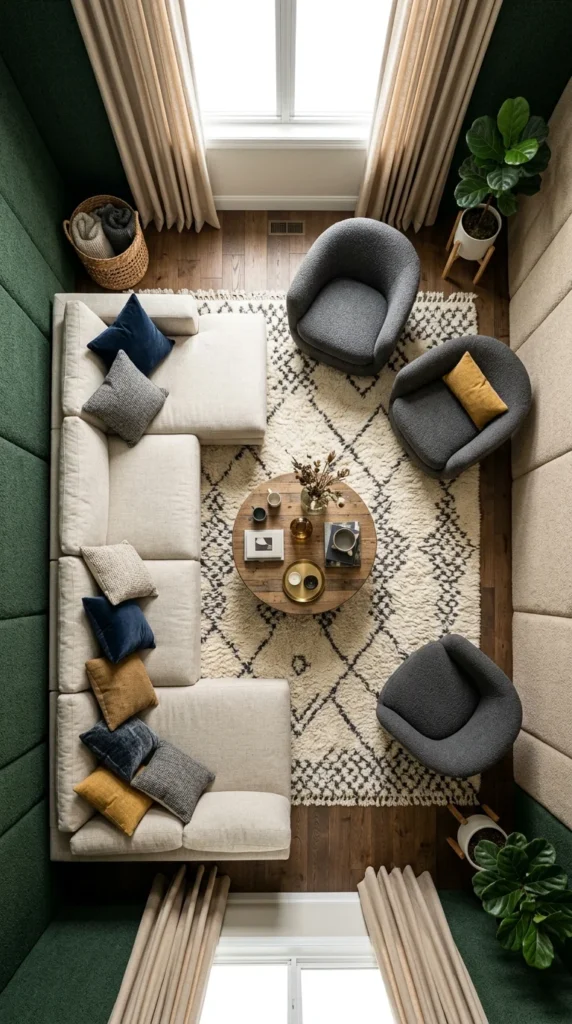
Luxury is a sensory experience that includes sound. A room that echoes feels cold and unfinished. By using thick rugs, heavy drapes, and even fabric wall coverings, you dampen the sound. A “quiet” room—both visually and acoustically—feels much more exclusive and private.
22. Generous Proportions
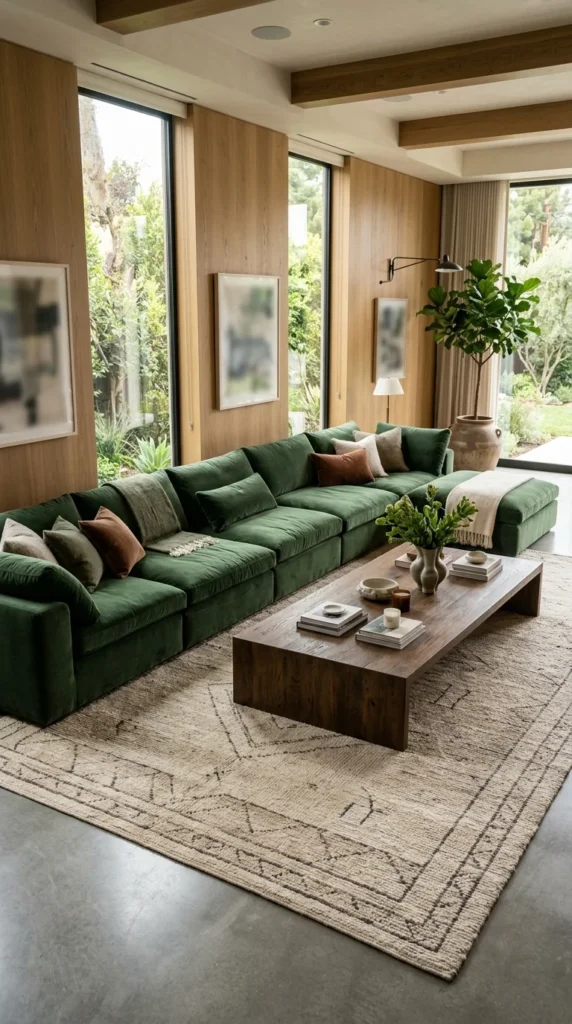
If you have the space, go big. Small, spindly furniture can make a room look cluttered and cheap. Oversized sofas, large-scale coffee tables, and rugs that actually fit under all the furniture pieces give the room a sense of grandeur. Proportional generosity makes the living room feel like a destination rather than just a pass-through space.