
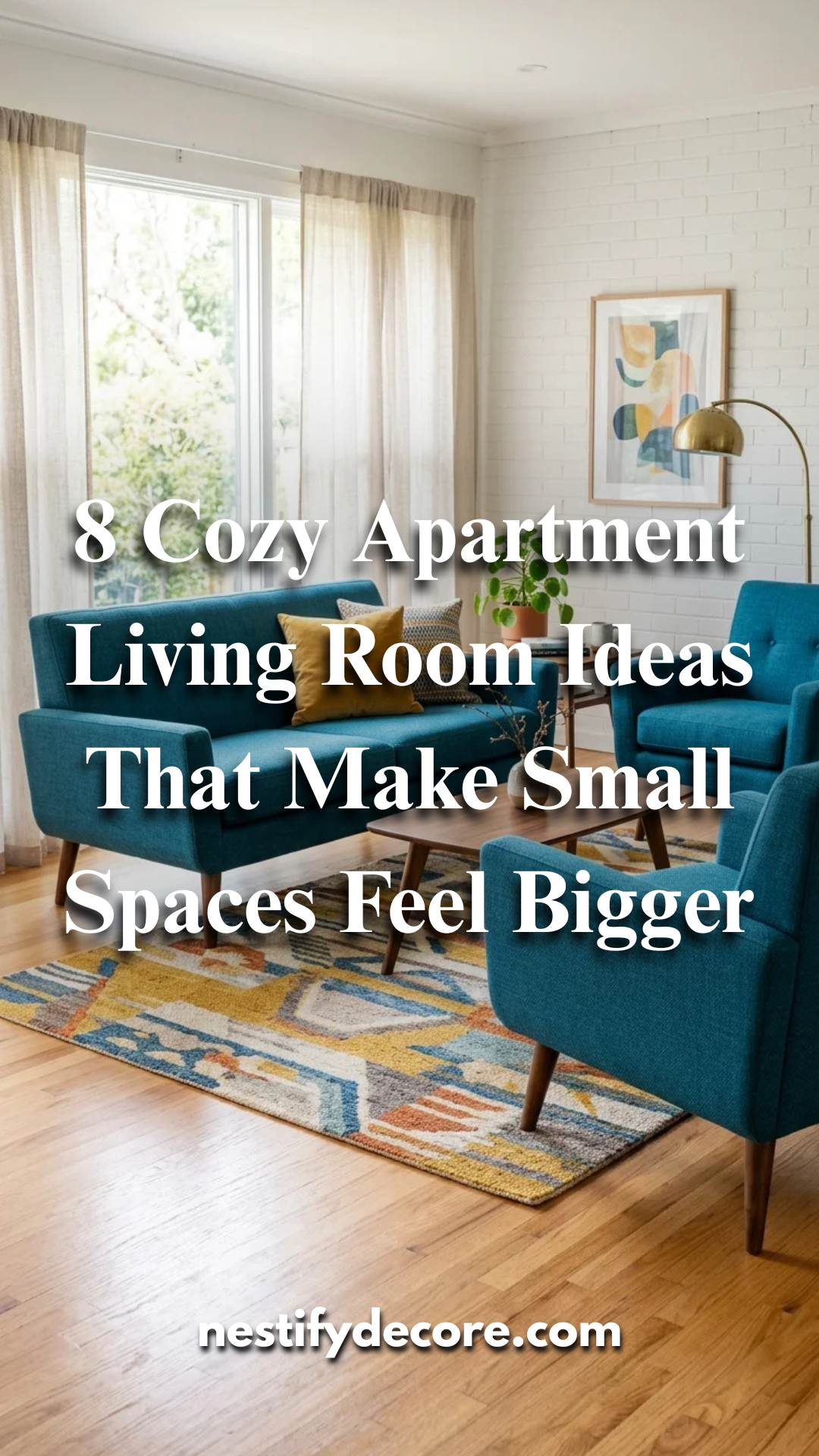
Living in a small apartment often feels like a constant negotiation between comfort and square footage. You want a space that feels snug and inviting—a true sanctuary from the world—but you also don’t want to feel like the walls are closing in on you. The “cozy” aesthetic is frequently associated with clutter and heavy fabrics, which can inadvertently make a tiny room feel even smaller.
However, with the right design strategies, you can achieve a harmonious balance. By utilizing specific textures, colors, and furniture arrangements, you can create a living room that feels both intimately warm and deceptively spacious. Here are eight expert-approved cozy apartment living room ideas to transform your compact space into a breathable retreat.
1. Neutral Palettes
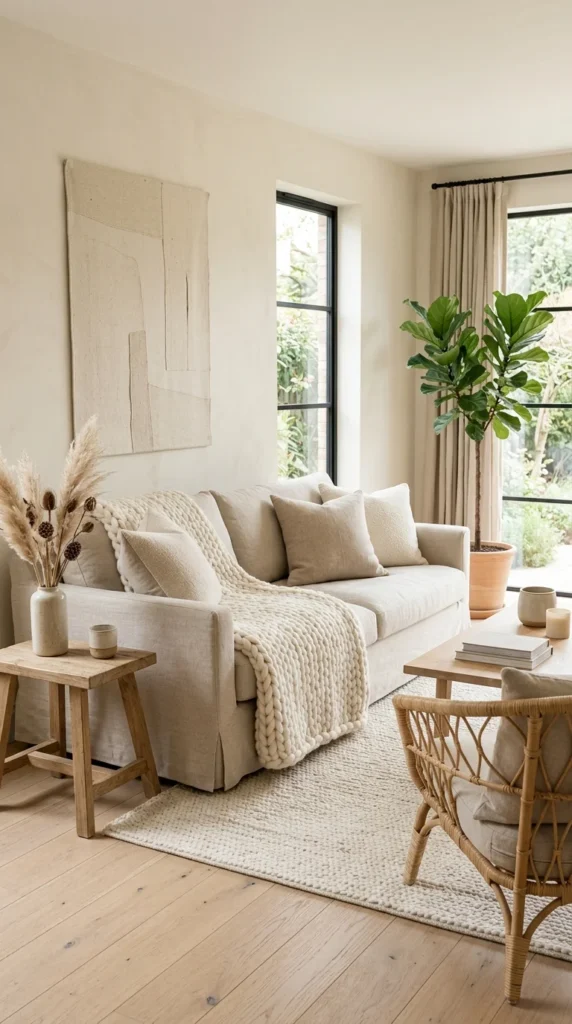
Color is one of the most powerful tools in an interior designer’s arsenal, especially when dealing with limited dimensions. Dark colors tend to absorb light, making walls feel closer together. Conversely, a light, neutral palette—think whites, creams, soft beiges, and pale grays—reflects light and blurs the boundaries between the walls and the ceiling.
To keep a neutral room from feeling cold or clinical, focus on layering textures. Incorporate a chunky knit throw, a soft wool rug, and linen cushions. This “monochromatic” approach allows the eye to move seamlessly across the room without being interrupted by harsh color breaks, which creates an illusion of continuity and expansive space.
2. Multi-functional Furniture
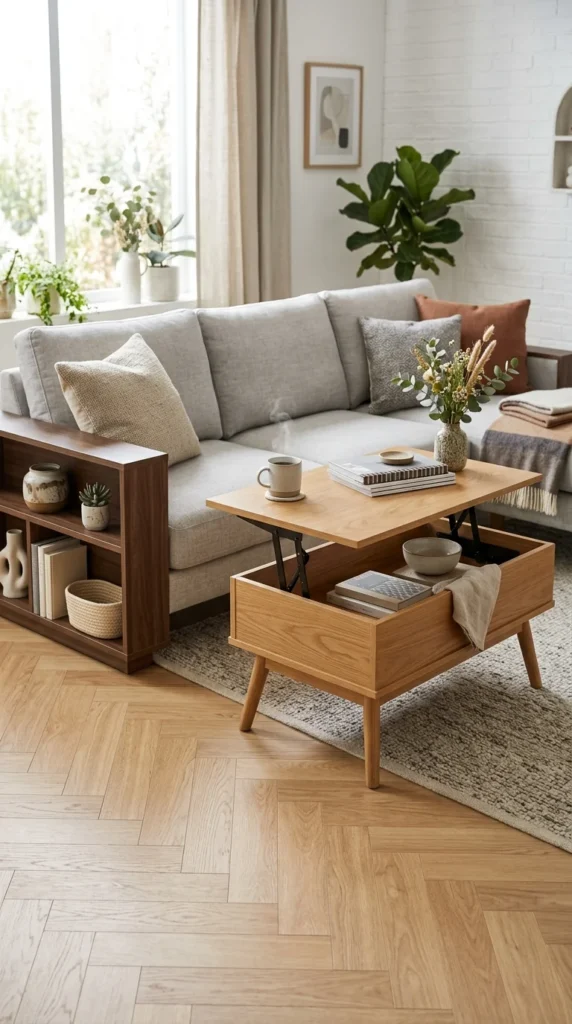
In a small living room, every piece of furniture must earn its keep. Multi-functional pieces are the secret to maintaining a cozy vibe without the clutter. Instead of a traditional coffee table, consider a large upholstered ottoman. It serves as a soft footrest for movie nights, extra seating for guests, and, with the addition of a wooden tray, a stable surface for drinks.
Look for sofas with hidden storage compartments underneath or nested side tables that can be tucked away when not in use. By reducing the number of individual items in the room, you open up more physical and visual floor space, making the entire apartment feel more organized and significantly larger.
3. Vertical Storage
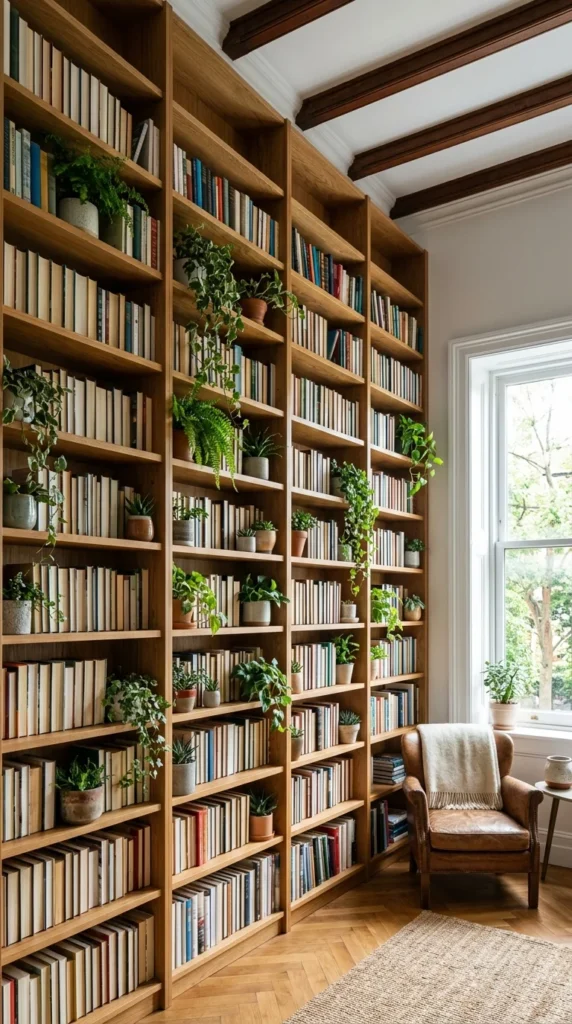
When you run out of floor space, the only way to go is up. Utilizing vertical space is a classic trick for making small rooms feel grander. Tall, slender bookshelves or floating shelves that reach toward the ceiling draw the eye upward, highlighting the height of the room rather than its narrow width.
This approach also provides ample space to display cozy elements like books, candles, and small indoor plants without taking up valuable real estate on your coffee table or floor. To keep the look cohesive, try to leave some “white space” on your shelves so they don’t look overstuffed, which can make the room feel cramped.
4. Statement Mirrors
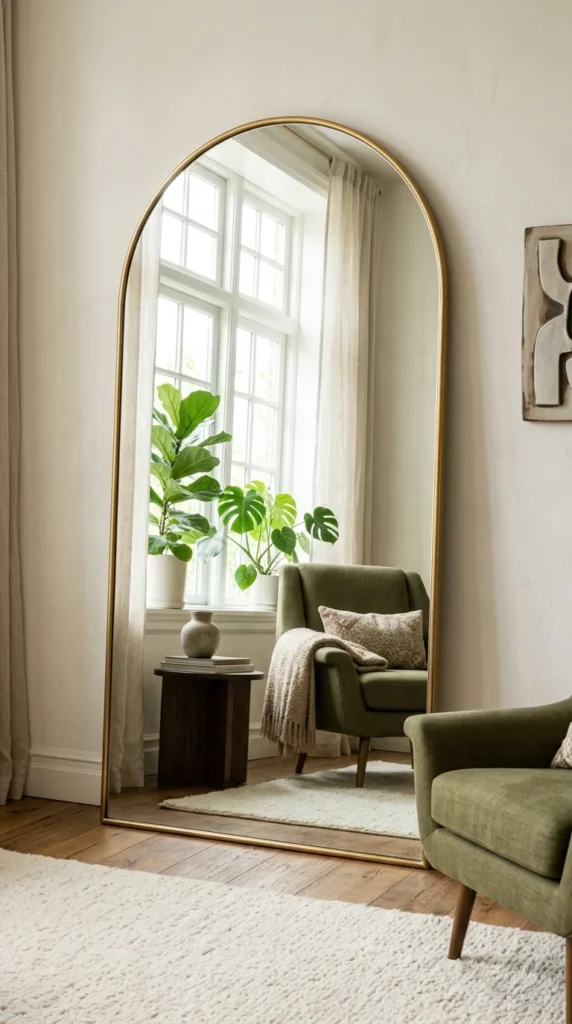
Mirrors are essentially windows you can hang anywhere. They are the ultimate “cheat code” for small-space living. A large statement mirror placed opposite a window will reflect natural light throughout the room, instantly doubling the perceived brightness and depth.
For maximum impact, choose a large floor-length mirror and lean it against a focal wall. The reflection creates a “portal” effect, tricking the brain into thinking there is another room beyond the glass. If you prefer wall-mounted options, a gallery wall of smaller mirrors can also break up a solid wall and add a touch of vintage charm while serving the same expansive purpose.
5. Leggy Furniture
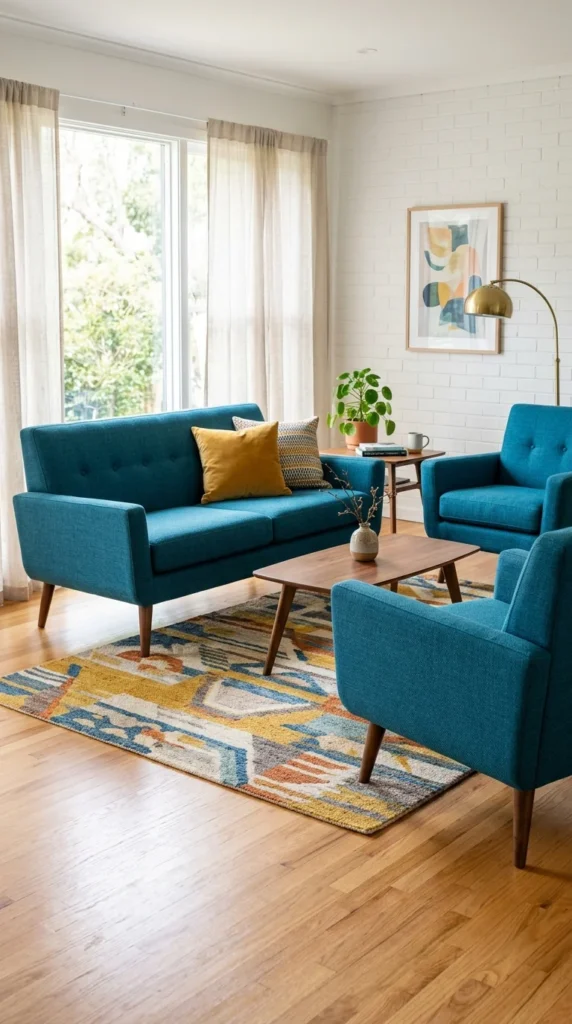
One of the biggest mistakes in small apartment design is choosing “heavy” furniture that sits flush against the floor. Large, blocky sofas and solid-base coffee tables act as visual roadblocks, cutting off the line of sight across the floor.
Instead, opt for furniture with “legs.” Pieces that are raised off the ground—whether it’s a sofa on tapered wooden legs or a TV stand on a metal frame—allow the eye to see the floor extending underneath them. This creates a sense of “airiness” and flow. When you can see more of the floor, the room automatically feels less crowded and more open.
6. Transparent Elements
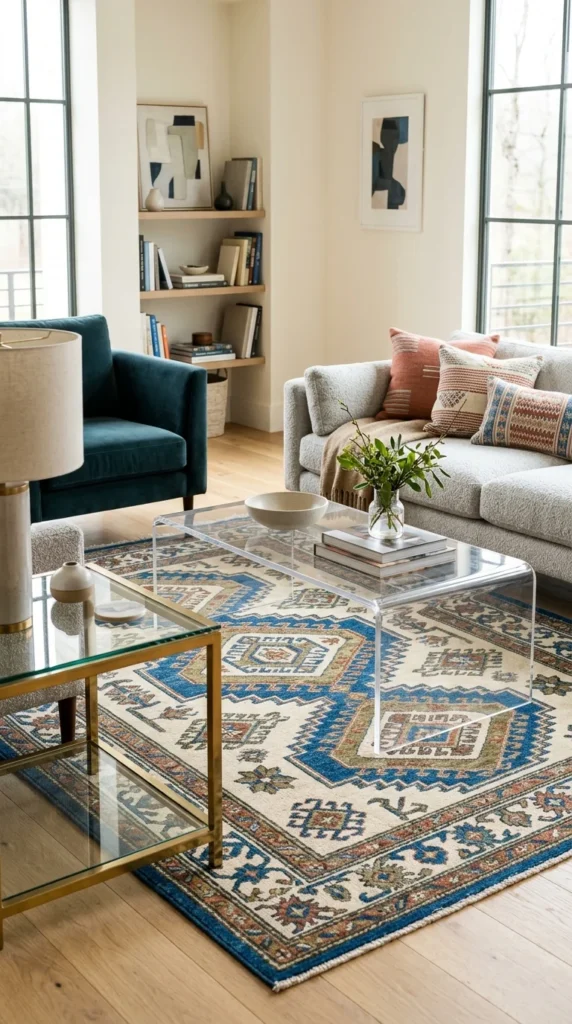
Transparent furniture is a designer favorite for “disappearing” into a room. Materials like glass, acrylic, and Lucite provide the functionality of a surface without the visual weight. A glass coffee table, for instance, provides a place for your morning coffee but doesn’t “block” the space in the center of your seating area.
Because these items are see-through, they don’t interrupt the visual flow of the room. This allows you to have the furniture you need for a cozy lifestyle while maintaining a minimalist, “barely-there” look that prevents the living room from feeling stuffed.
7. Oversized Rugs
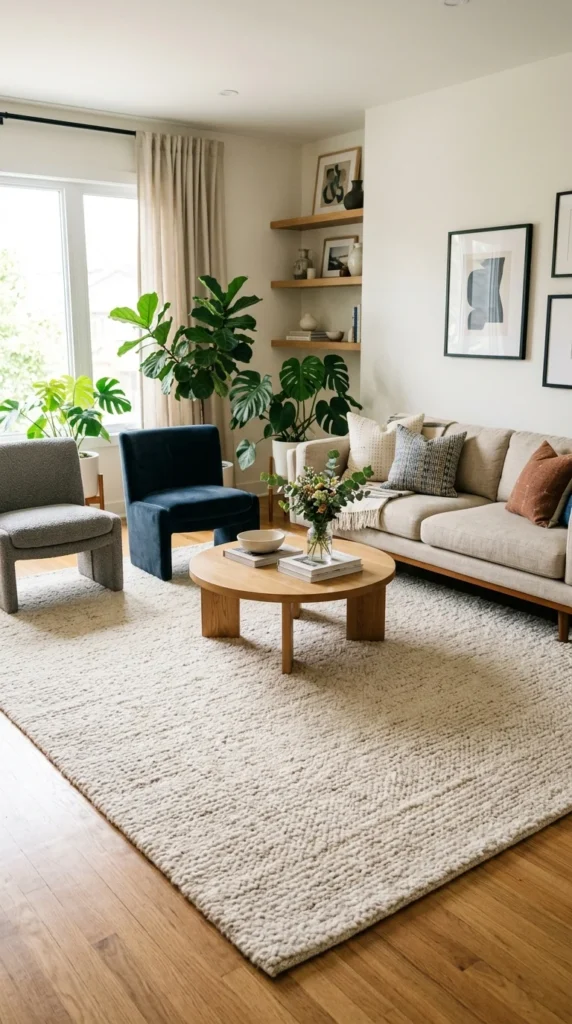
It might seem counterintuitive, but a small rug actually makes a small room look smaller. A tiny rug creates a “floating” effect, where the furniture looks disconnected and the floor looks chopped up into small sections.
To make a living room feel larger and cozier, go for an oversized rug that extends under all the major pieces of furniture. Ideally, the rug should reach within 12 to 18 inches of the walls. A large rug anchors the space and creates a singular, cohesive zone, which simplifies the visual landscape and gives the room a sense of scale and luxury.
8. High Curtains
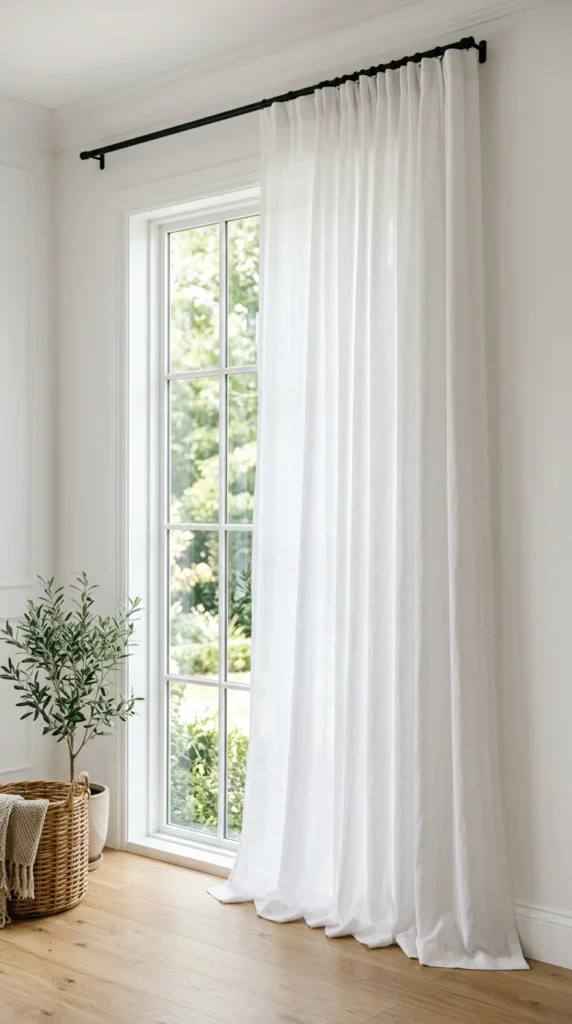
The way you dress your windows can dramatically change the perceived height of your living room. Most people hang curtain rods directly above the window frame, which “caps” the room’s height. To make your ceilings feel like they are soaring, hang your curtain rod as close to the ceiling as possible and extend it several inches wider than the window on both sides.
Choose floor-to-ceiling drapes in a light, breathable fabric like linen or sheer cotton. This technique creates long, vertical lines that lead the eye upward, making the walls feel taller. When the curtains are open, the extra width allows more of the window to be exposed, maximizing natural light and further blurring the line between the indoors and the outdoors.