

Earth tones are more than just a color trend; they are a design philosophy rooted in the natural world. By drawing inspiration from soil, stone, foliage, and the sky, you can create a living space that feels grounded, serene, and inherently welcoming. Unlike stark whites or fleeting neon trends, earth tones offer a timeless appeal that adapts to various architectural styles, from mid-century modern to rustic farmhouse.
In this guide, we explore 21 ways to incorporate these organic hues and textures into your living room to create a sanctuary that feels both sophisticated and lived-in.
1. Terracotta Accents
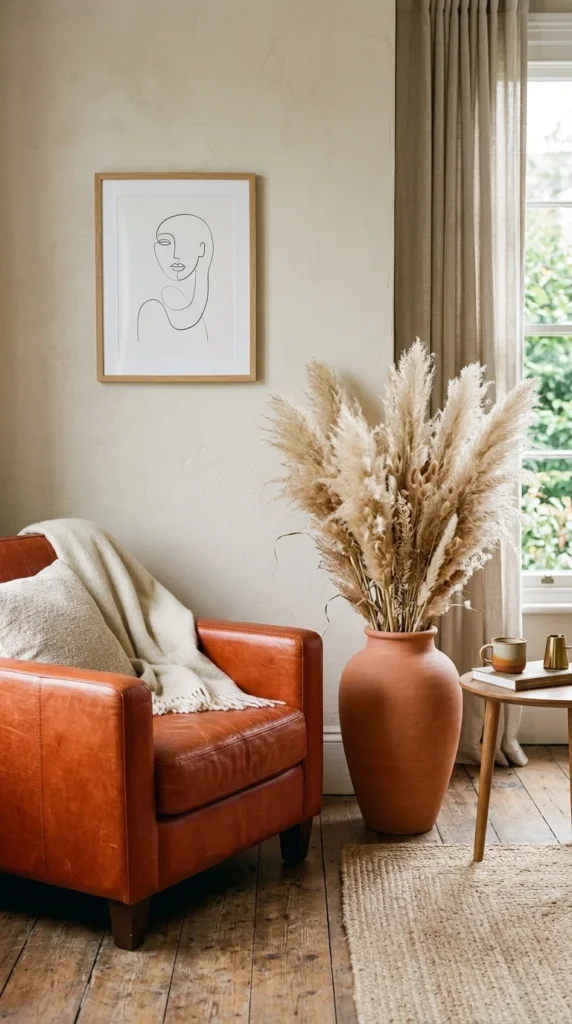
Terracotta brings an instant Mediterranean warmth to any space. This clay-based hue ranges from soft peach to deep burnt orange. Incorporating terracotta through accent pieces like oversized floor vases, decorative bowls, or even a statement armchair allows you to inject energy without overwhelming the room. It pairs beautifully with light-colored woods and cream upholstery, providing a striking contrast that feels sun-drenched and organic.
2. Sage Green
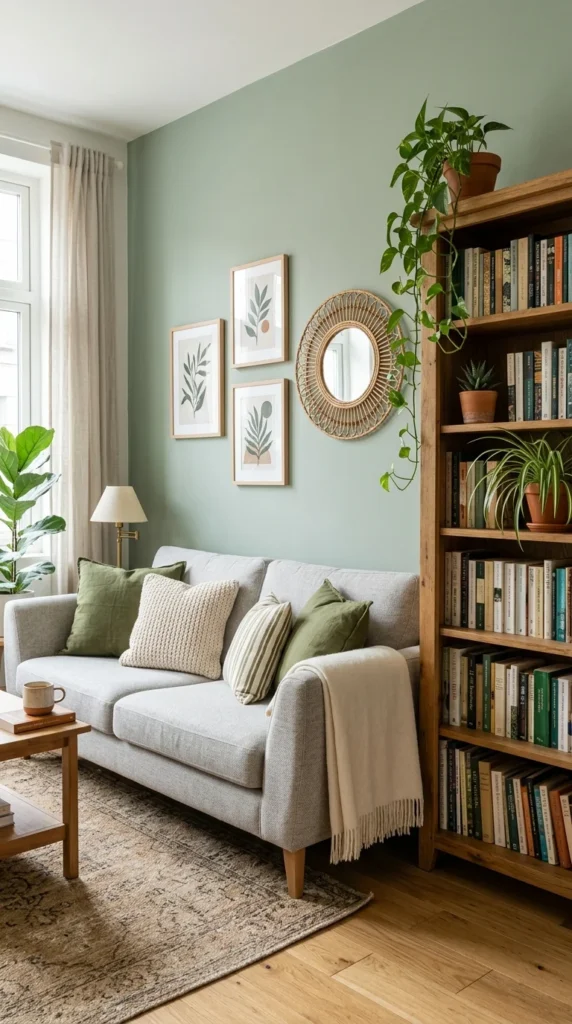
Sage green acts as a “neutral” within the world of color. It is a calming, desaturated green that mimics the underside of a leaf or a forest floor in the mist. Painting a focal wall in sage green can visually recede, making a small room feel larger and more tranquil. It serves as an excellent backdrop for botanical prints and light oak furniture, bridging the gap between the indoors and the outdoors.
3. Raw Wood
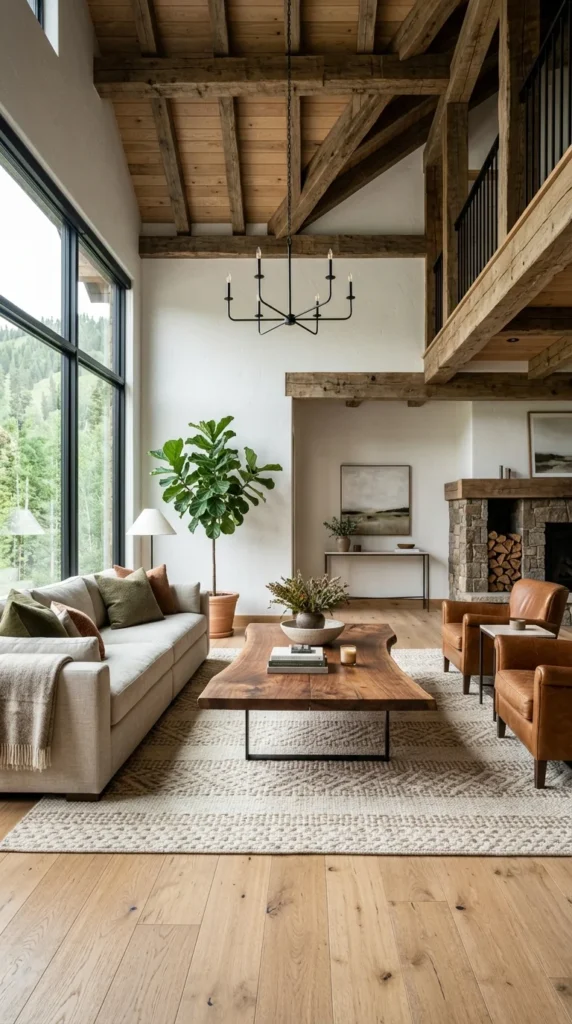
Nothing grounds a room quite like the presence of raw, unfinished wood. Whether it is through exposed ceiling beams, a reclaimed wood coffee table, or floating shelves, the visible grain and natural knots of timber provide a tactile connection to nature. Raw wood adds a sense of history and sturdiness to the living room, ensuring the space feels authentic rather than overly manufactured.
4. Woven Textures
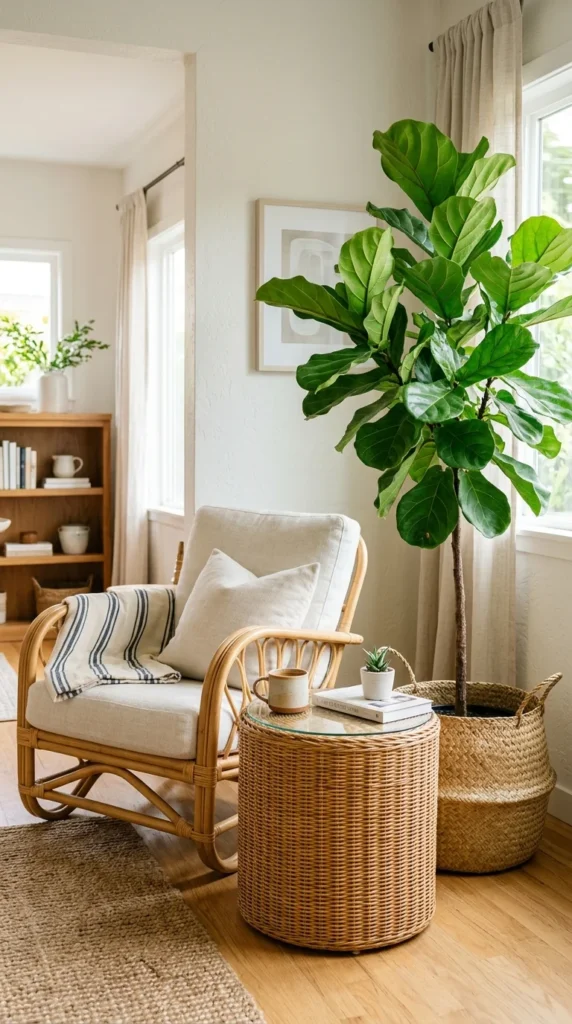
Texture is the secret ingredient to a successful earth-toned room. Woven materials like rattan, wicker, and seagrass introduce intricate patterns and a handmade feel. These elements break up flat surfaces and add visual interest. A rattan accent chair or a set of seagrass baskets for storage can soften the hard lines of modern furniture, lending a relaxed, bohemian vibe to the environment.
5. Layered Neutrals
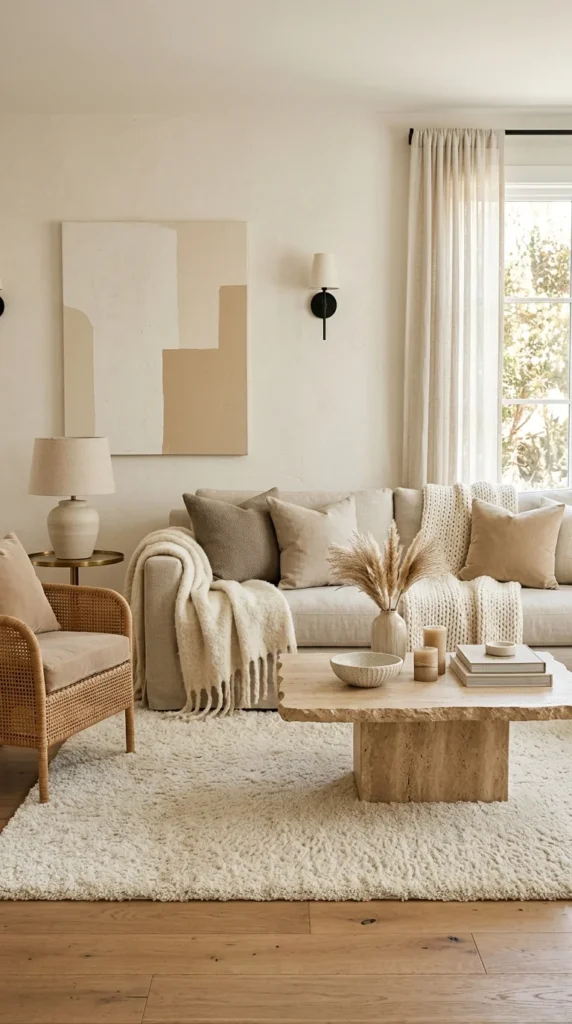
A monochromatic earth-tone palette doesn’t have to be boring. The key is layering different shades of the same color family. By mixing oatmeal, sand, ivory, and taupe, you create a rich, multidimensional look that feels luxurious. Focus on varying the weights of fabrics—pair a heavy wool throw with a light linen sofa to keep the eye moving and the atmosphere cozy.
6. Ochre Yellow
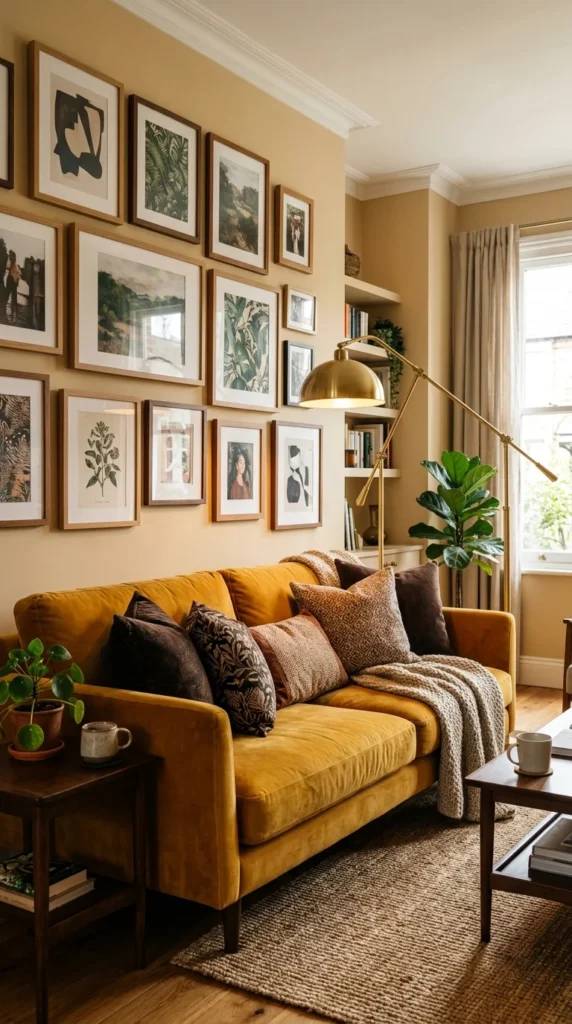
Ochre yellow captures the essence of late afternoon sunlight. It is a deep, earthy gold that adds a punch of pigment without being jarring. An ochre velvet sofa or a set of mustard-yellow curtains can brighten a room that lacks natural light. This color works exceptionally well alongside charcoal grays and deep browns, providing a sophisticated pop of color that feels rooted in the earth.
7. Clay Walls
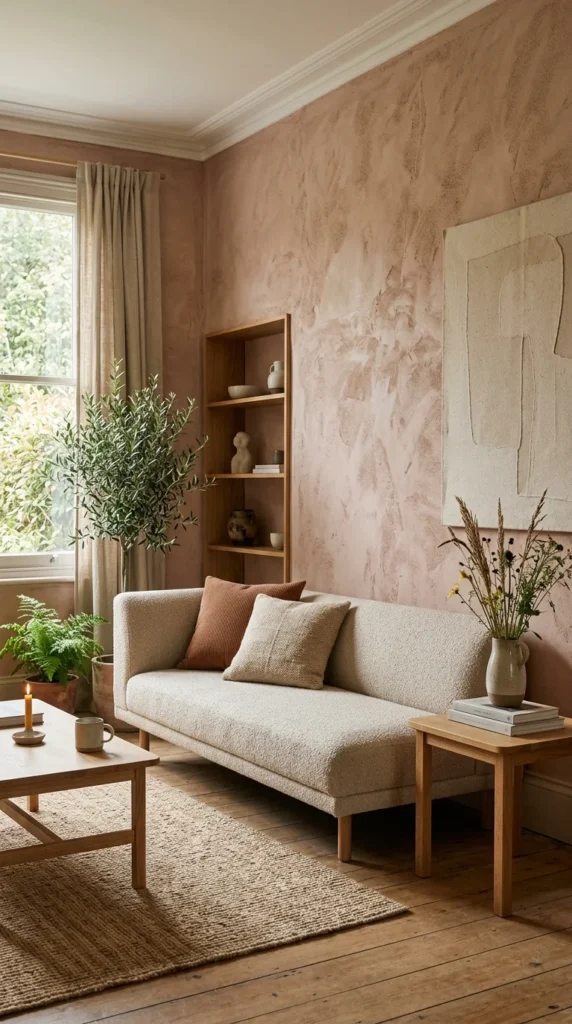
Moving away from flat paint, clay or lime-wash finishes offer a depth that standard matte paint cannot achieve. Clay walls have a subtle, chalky texture that reacts beautifully to light, creating soft shadows and highlights throughout the day. This finish gives a room an ancient, architectural feel, making it the perfect foundation for a minimalist or wabi-sabi inspired living space.
8. Stone Fireplace
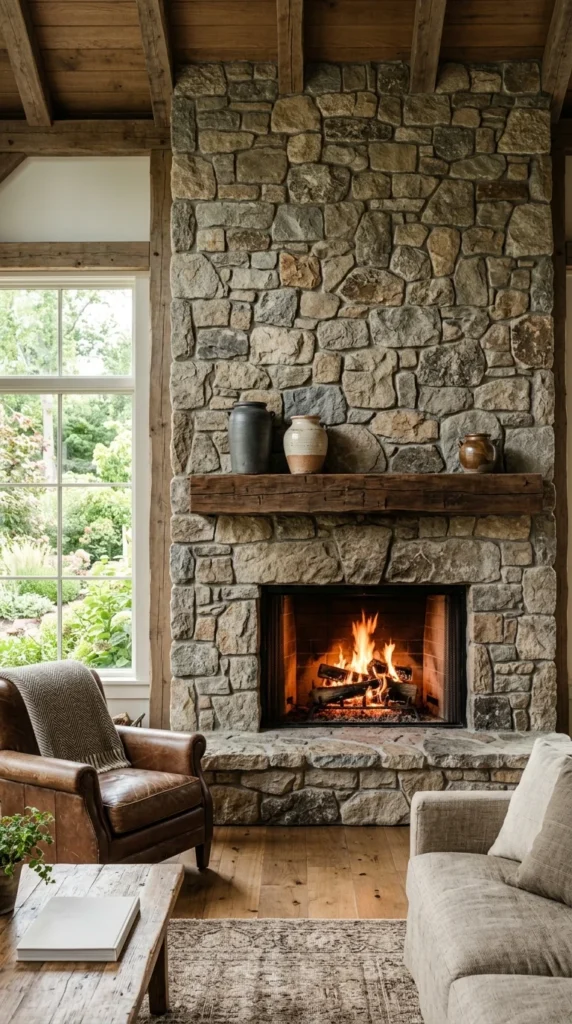
The fireplace is often the heart of the living room, and using natural stone reinforces the earth-tone theme. Whether you choose sleek slate, rugged fieldstone, or smooth river rocks, the geological variations in the stone provide a palette of grays and browns that are impossible to replicate with synthetic materials. It creates a powerful focal point that feels permanent and protective.
9. Velvet Upholstery
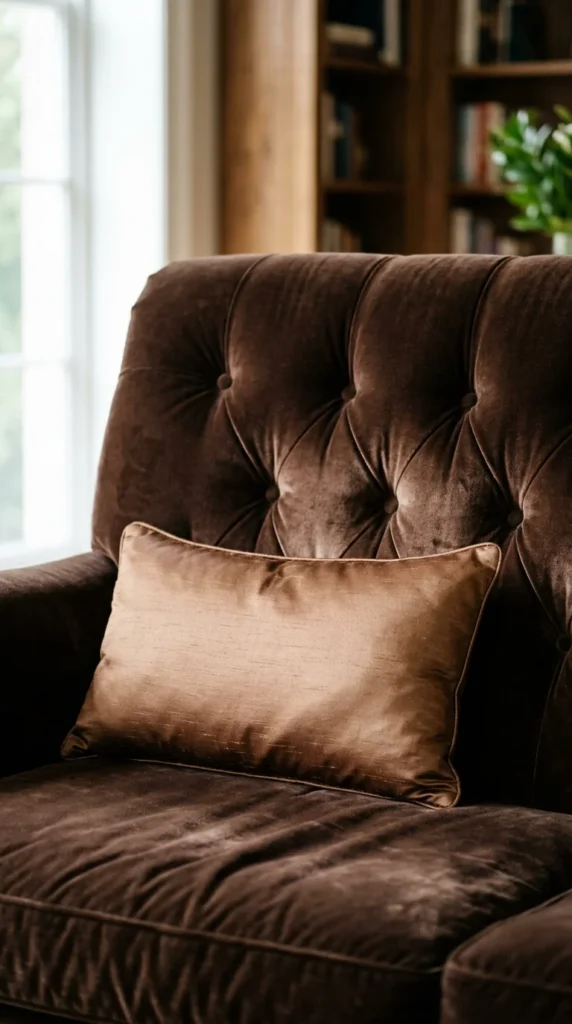
While earth tones are often associated with matte finishes, velvet introduces a touch of glamour and depth. A velvet sofa in a shade of forest green, chocolate brown, or rust catches the light differently than cotton or linen, showing off the complexities of the color. It adds a layer of tactile luxury that makes the living room feel like a high-end retreat while remaining warm and inviting.
10. Indoor Greenery
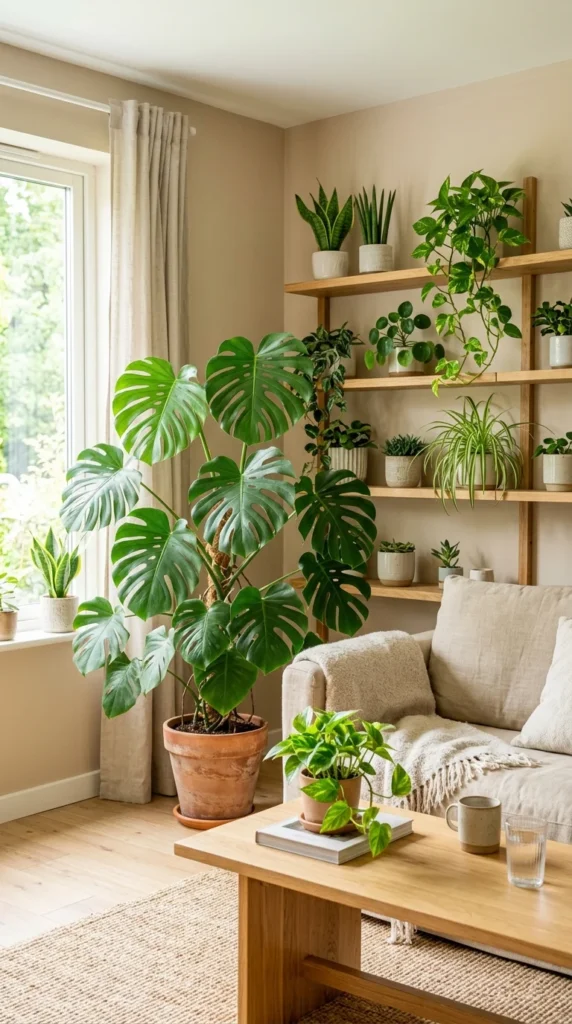
The most literal way to bring earth tones into your home is through living plants. The vibrant greens of a Monstera or the silvery hues of an olive tree provide a dynamic element that changes with the seasons. Plants not only clean the air but also provide a visual “rest” for the eyes, complementing the browns and tans of the furniture with the life-affirming color of nature.
11. Chocolate Brown
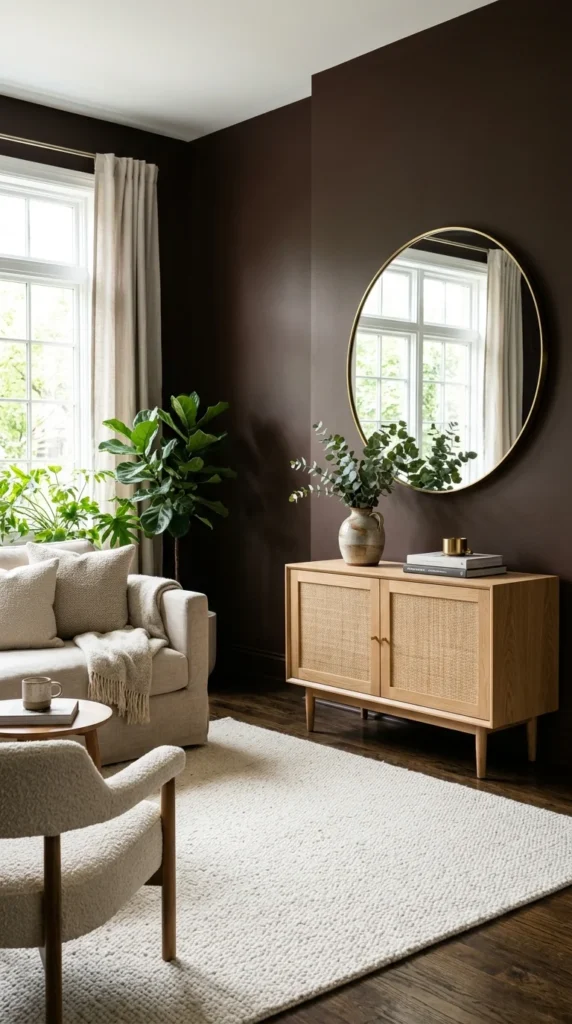
Chocolate brown is making a massive comeback as a sophisticated alternative to black or navy. It is a rich, enveloping color that creates a “cocoon” effect in a living room. When used on walls or for large pieces of furniture, it provides a sense of stability and warmth. To keep the room from feeling too dark, balance chocolate brown with metallic accents like brass or light-reflecting surfaces like glass.
12. Linen Drapes
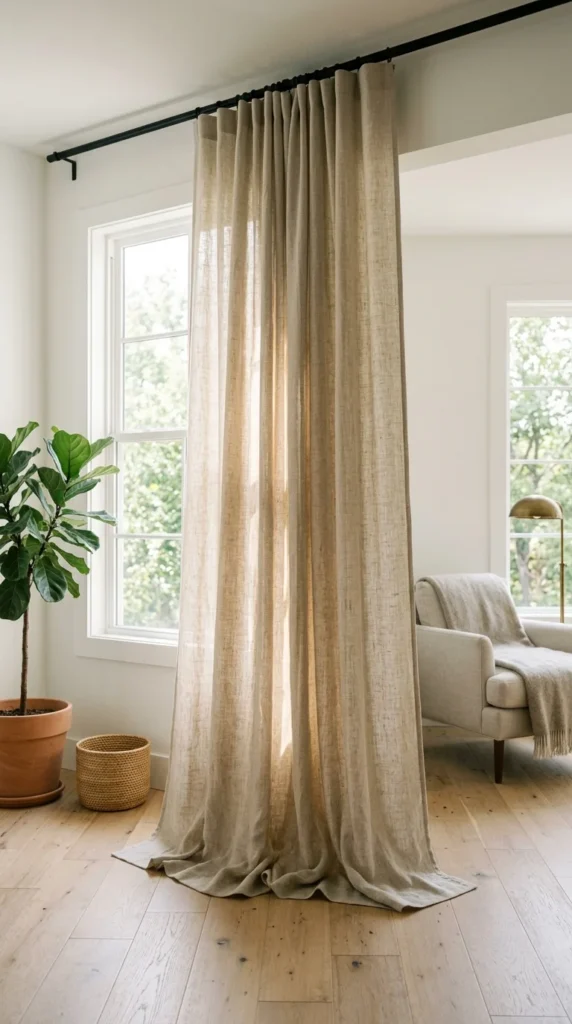
Linen is the quintessential earth-tone fabric. Its natural flax color and slightly wrinkled texture epitomize effortless elegance. Using floor-to-ceiling linen drapes softens the hard edges of windows and diffuses incoming light, creating a hazy, ethereal glow in the room. It’s a breathable material that feels cool in the summer and cozy in the winter, reinforcing the seasonal connection of the space.
13. Brass Details
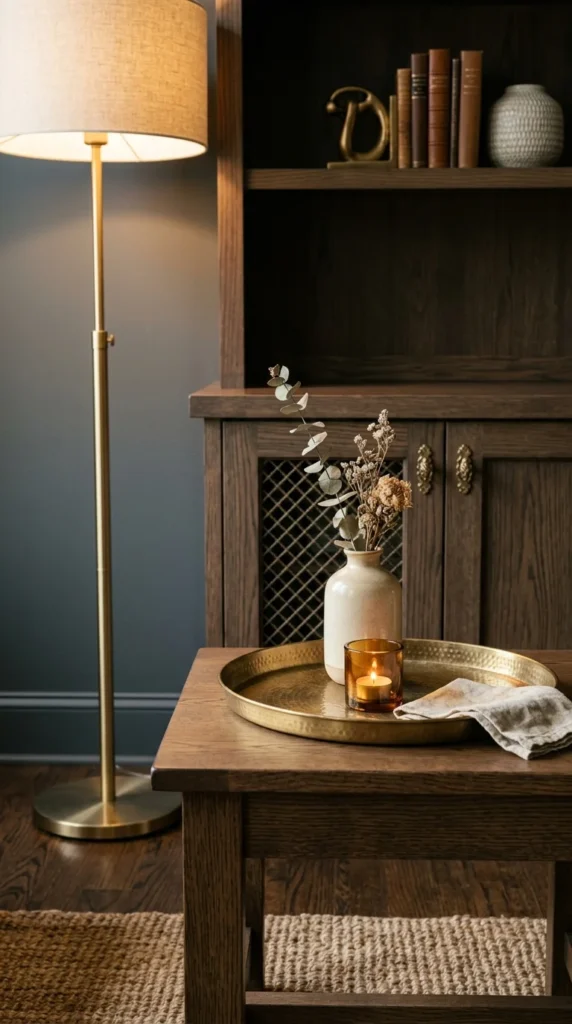
To prevent an earth-toned room from looking too flat, you need a hint of shine. Brass is the perfect metal for this palette because its yellow undertones complement warm browns and greens. Unlike chrome, which can feel cold and industrial, brass feels aged and sunny. Use it sparingly in light fixtures, picture frames, or cabinet hardware to add a “jewelry” effect to the room.
14. Rust Tones
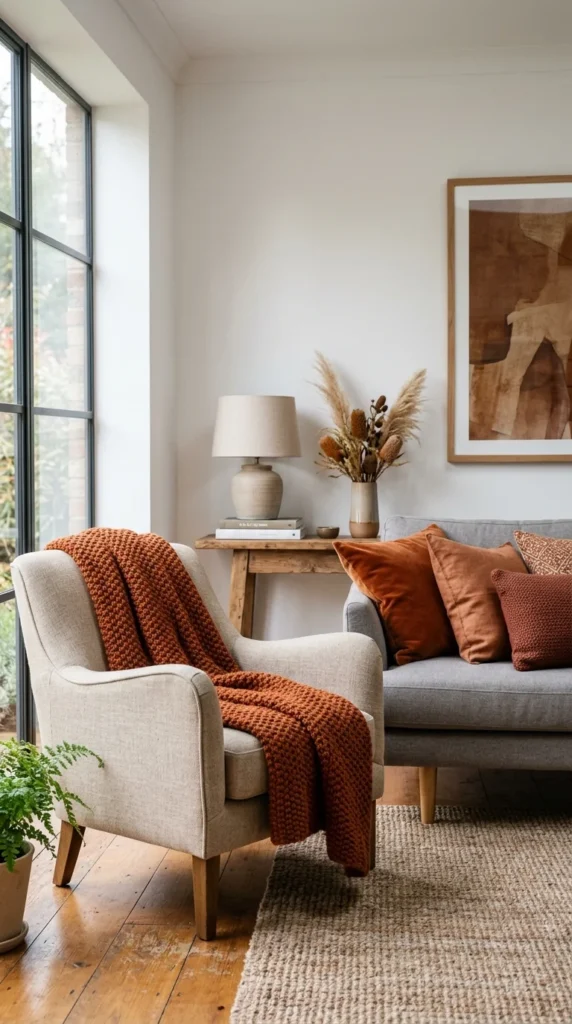
Rust is a deep, reddish-brown that evokes the feeling of autumn leaves and iron-rich soil. It is a passionate color that adds heat to a room without being as aggressive as true red. Rust-colored textiles, such as knit throws or Persian-style rugs with copper motifs, bring a sense of history and coziness, making the seating area feel particularly snug.
15. Jute Rugs
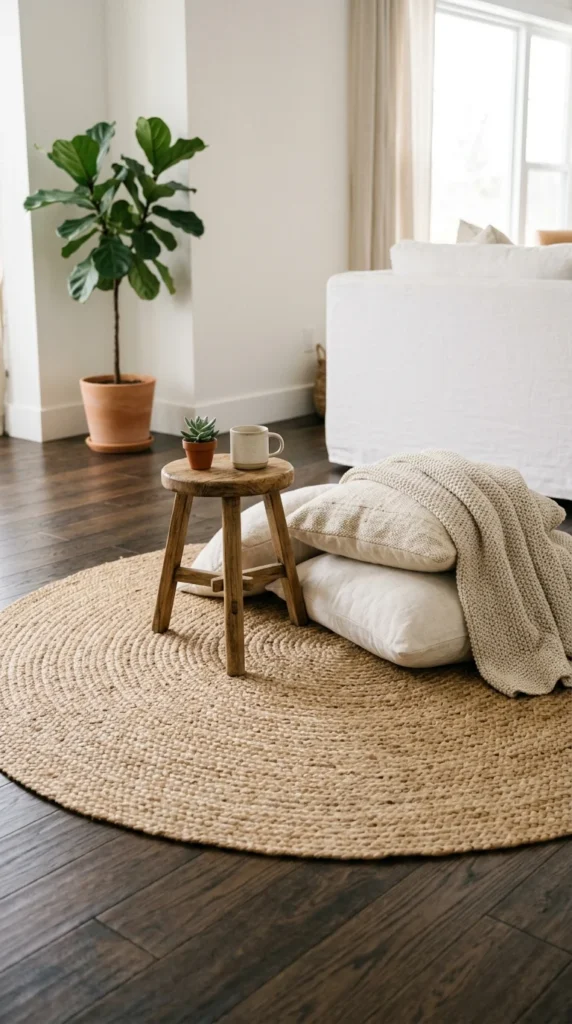
Underfoot, a jute or sisal rug provides a durable and incredibly textured foundation. The golden-brown fibers are harvested from plants, making them an eco-friendly choice that fits the earth-tone ethos perfectly. Jute rugs are excellent for high-traffic areas and provide a neutral base that allows more colorful furniture or art pieces to stand out.
16. Matte Ceramics
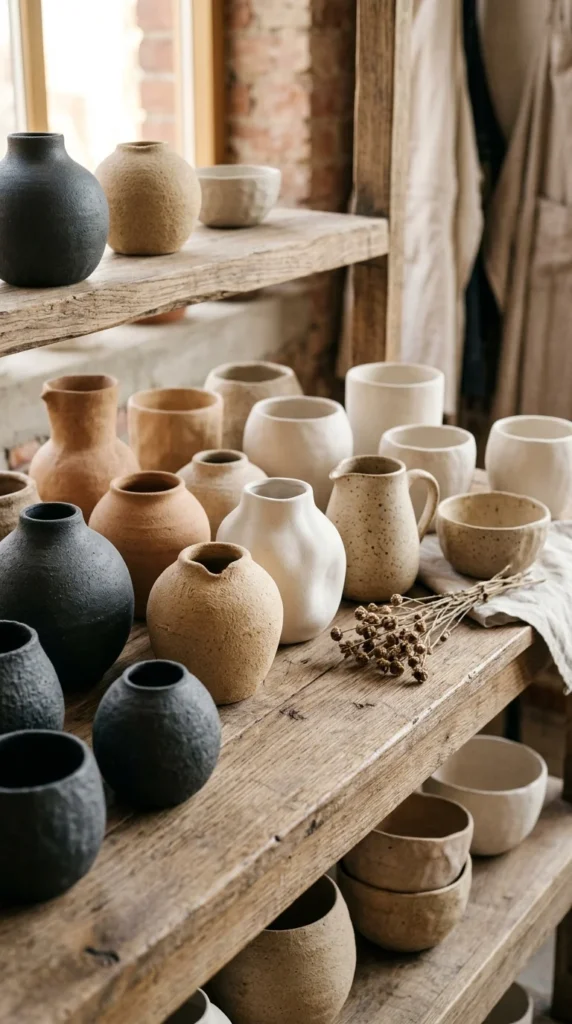
In an earth-toned living room, the finish is as important as the color. Matte ceramics, with their non-reflective surfaces, feel more like stone or bone. Arrange a collection of hand-thrown pottery on a mantel or coffee table to celebrate the beauty of imperfection. These pieces add a sculptural element that feels grounded in ancient craftsmanship.
17. Exposed Brick
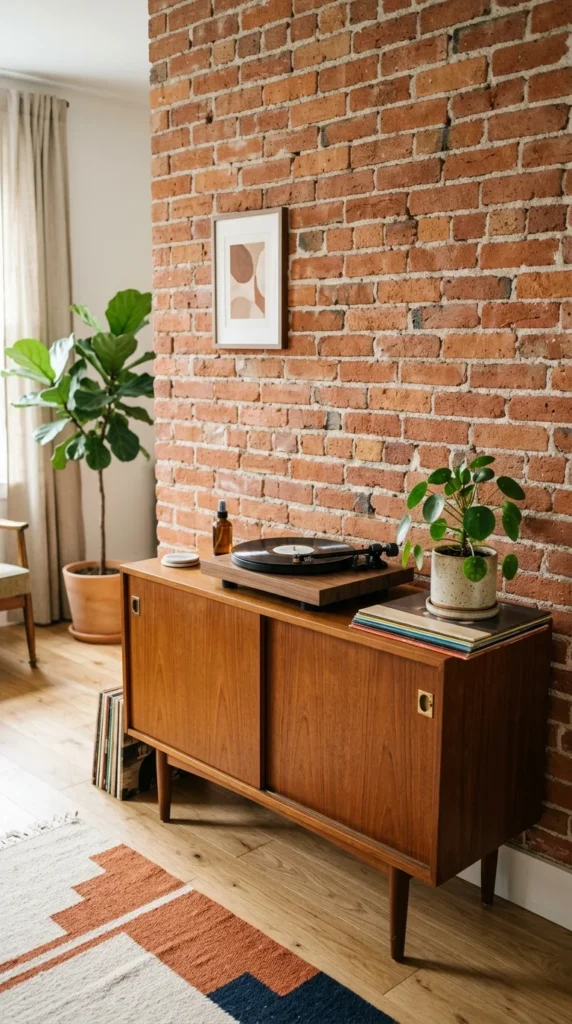
If your home has original brickwork, lean into it. The varied tones of fired clay provide a ready-made earth-tone palette. If you don’t have original brick, brick veneers or even high-quality wallpapers can replicate the look. Exposed brick adds an industrial yet warm character to the room, offering a sense of architectural honesty and rugged charm.
18. Soft Charcoal
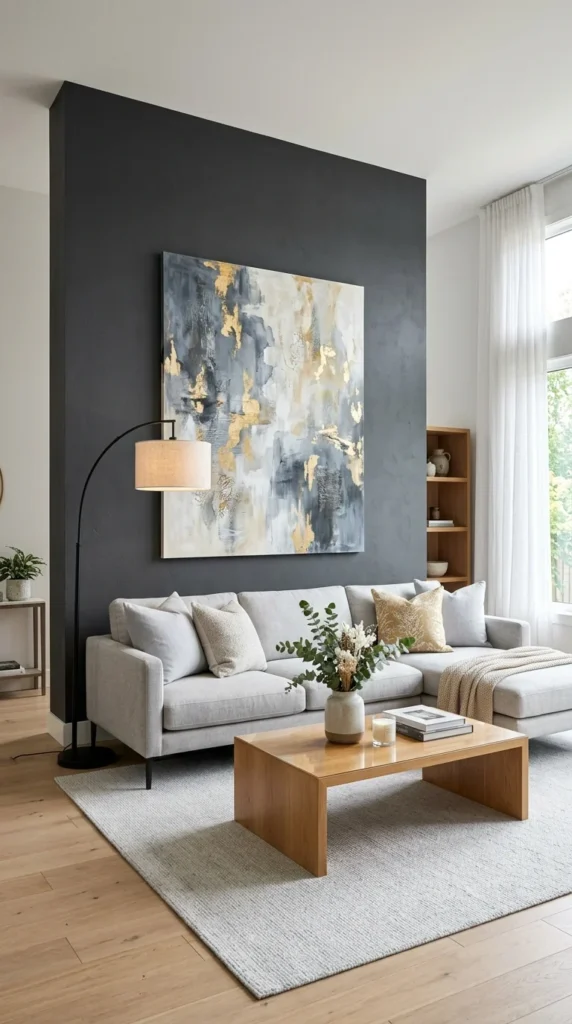
While often categorized as a cool tone, charcoal can be quite “earthy” when it has brown or blue undertones, mimicking volcanic rock or stormy skies. Using soft charcoal as an accent—perhaps in a rug or a set of armchairs—provides a necessary anchor for lighter tans and creams. It adds a modern edge to the organic palette, ensuring the room feels contemporary.
19. Sand Hues
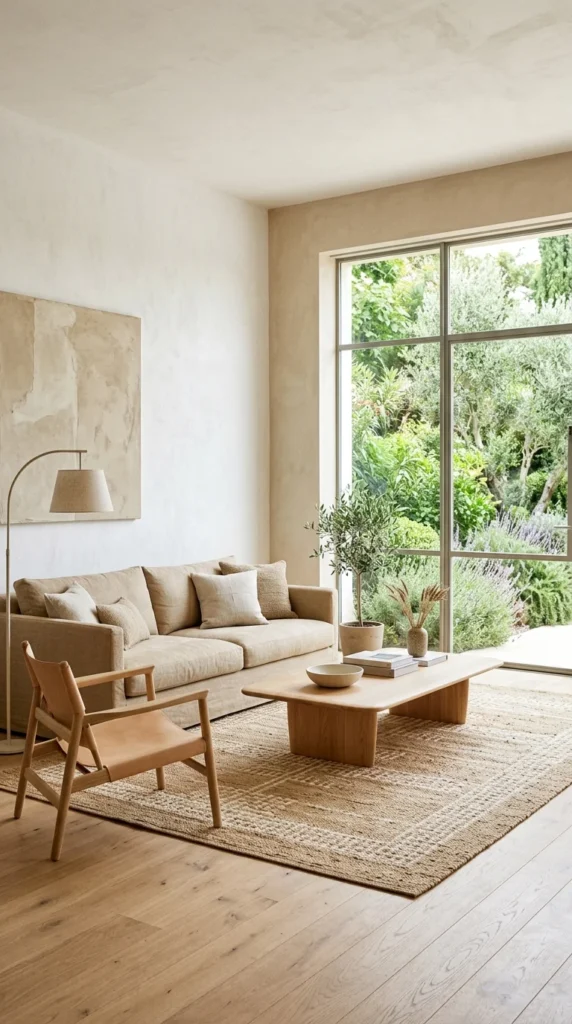
Sand is the ultimate neutral for a bright and airy living room. It is warmer than white but lighter than tan. Using sand hues on the walls and large furniture pieces creates a breezy, coastal-inspired version of the earth-tone aesthetic. This palette is particularly effective in rooms with plenty of natural light, as it reflects the sun and creates an uplifting, expansive atmosphere.
20. Wool Throws
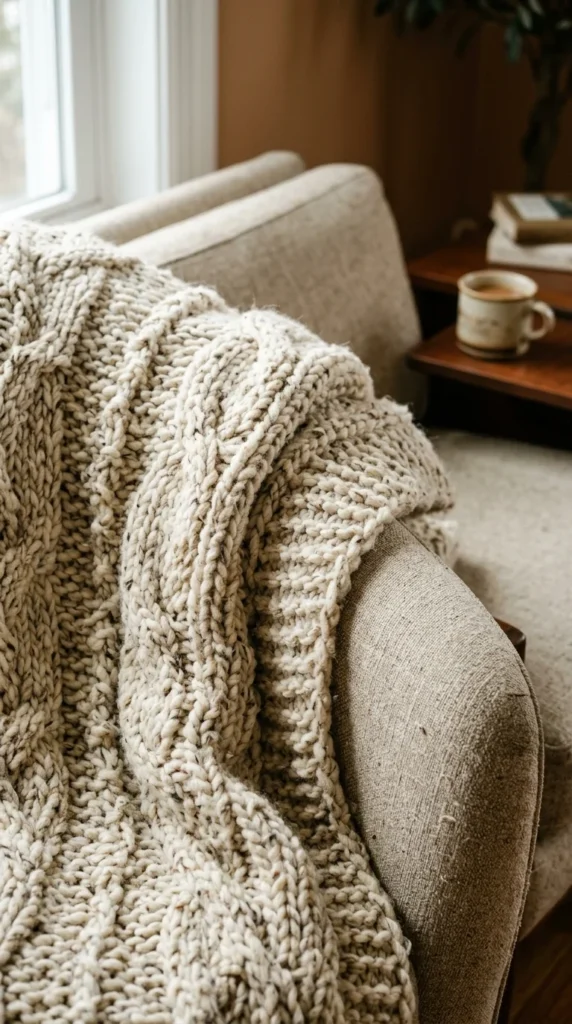
For ultimate comfort, nothing beats natural wool. A chunky knit throw in undyed wool showcases the natural colors of sheep’s fleece—whites, greys, and browns. These textiles bring a “hygge” quality to the living room, inviting you to curl up and relax. The heavy weight and visible fibers of wool add a layer of rustic luxury that is quintessential to the timeless earth-tone look.
21. Leather Seating
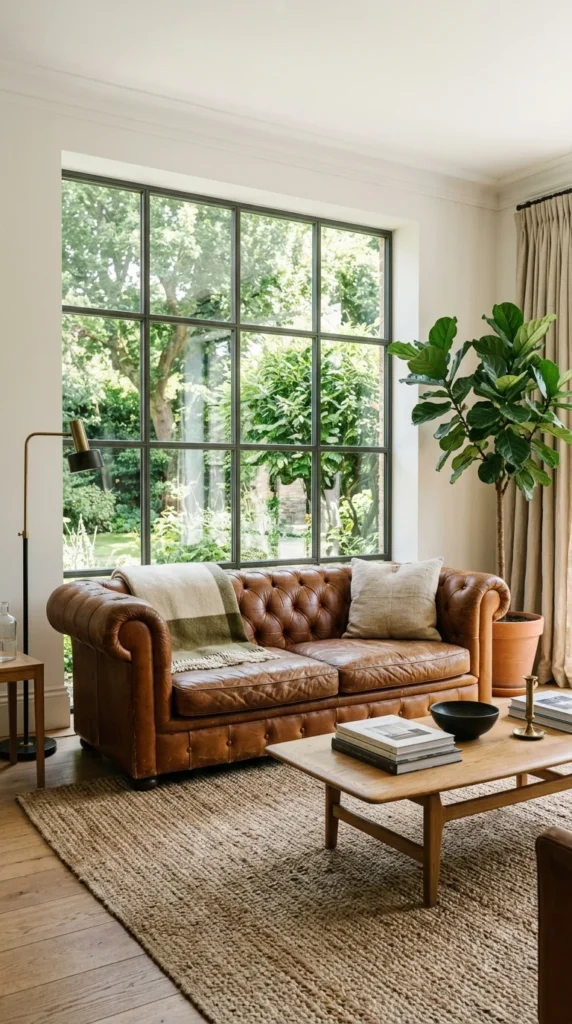
Leather is a classic earth-tone material that only gets better with age. A cognac or tobacco-colored leather sofa develops a patina over time, telling the story of the home. It is a durable, natural material that introduces a different texture—smooth and slightly cool—into a room filled with soft fabrics and rough woods. Leather acts as a bridge between masculine and feminine design elements, grounding the room with its timeless presence.