
The shift toward earth tones in interior design is more than just a passing trend; it is a return to nature that prioritizes tranquility, groundedness, and sophisticated comfort. Earth tones—ranging from deep clay reds and forest greens to sandy beiges and mushroom grays—create an environment that feels curated yet lived-in. By mimicking the colors found in the natural world, these hues tap into “quiet luxury,” a design philosophy that values quality and understated elegance over flashy displays.
Designing with an earthy palette allows for a seamless flow between rooms and provides a versatile backdrop for various architectural styles. Whether you live in a modern urban loft or a traditional countryside cottage, integrating these nine earth-tone ideas will elevate your living space, making it feel both sanctuary-calm and impeccably expensive.
1. Terracotta Accents
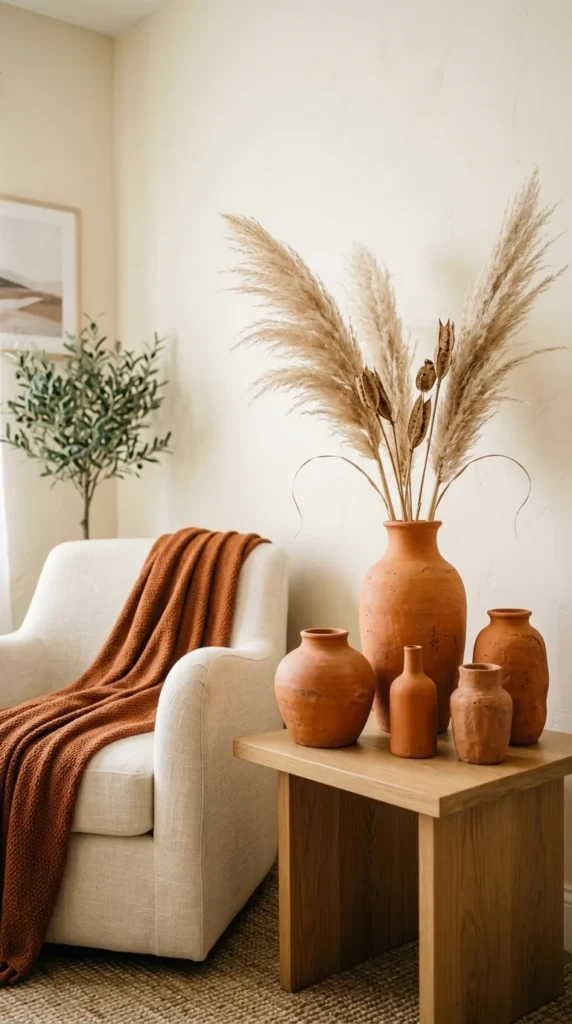
Terracotta is the quintessential earth tone, bringing the warmth of sun-baked clay into the home. To make this color feel expensive rather than rustic, focus on the finish and the silhouette. Hand-thrown ceramics with matte finishes add a sense of craftsmanship and history to a room.
When incorporating terracotta, use it as a grounding accent against a lighter base. A set of oversized clay planters or a collection of sculptural vases on a mantle provides a focal point that feels intentional. This hue works particularly well because it bridges the gap between orange and brown, adding energy without being overwhelming. To keep the look sophisticated, pair terracotta with black metal accents or dark wood to provide a modern contrast.
2. Sage Green
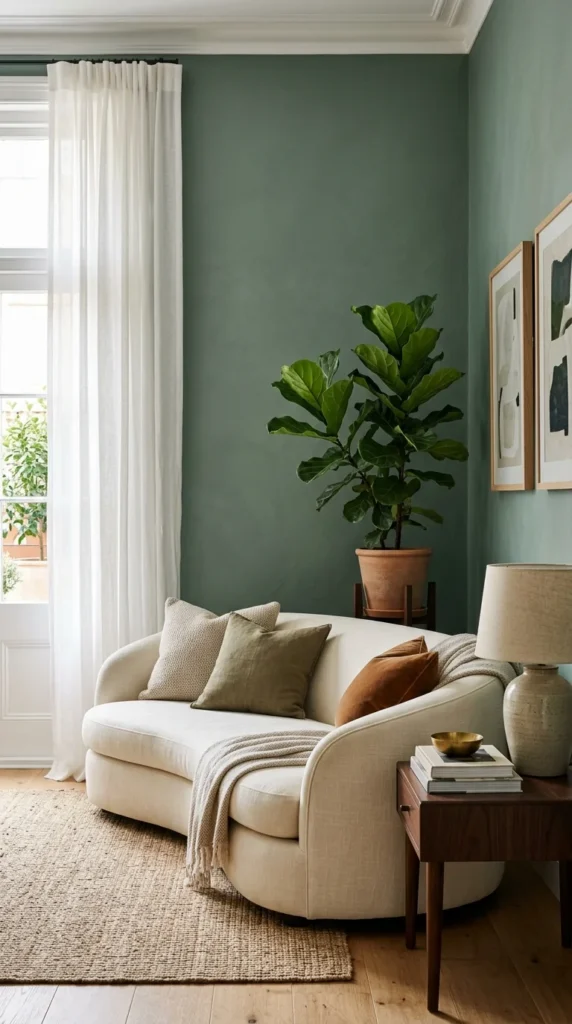
Sage green is often referred to as a “new neutral” because of its incredible versatility. It carries the calming properties of nature and serves as a soothing backdrop that doesn’t feel as stark as white or as heavy as navy. To achieve an expensive feel with sage, opt for high-quality paint with a velvet or eggshell finish that catches the light softly.
Sage green works best when layered with other organic elements. Consider velvet upholstery in this shade for a touch of opulence, or use it on cabinetry and built-in shelving. Because it is a cool-toned earth color, it balances out warmer woods like cherry or oak, creating a harmonious and balanced environment that encourages relaxation.
3. Layered Neutrals
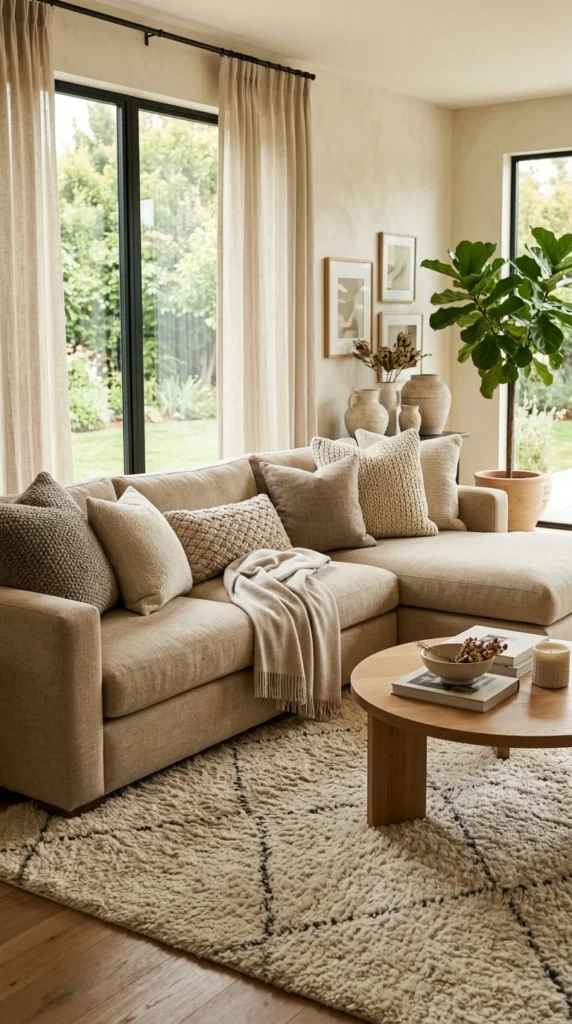
The key to making a neutral room feel expensive is texture. A monochrome room can easily feel flat if every surface is the same; however, by layering “shades of sand,” you create depth and visual interest. Think of a palette consisting of oatmeal, mushroom, ecru, and taupe.
In a layered neutral living room, combine different fabrics like bouclé, silk, linen, and wool. A chunky knit rug paired with a sleek linen sofa and silk cushions creates a sensory experience that feels high-end. This approach relies on the interplay of light and shadow on different surfaces, making the room feel expansive and airy while maintaining a cozy, cocoon-like atmosphere.
4. Natural Wood
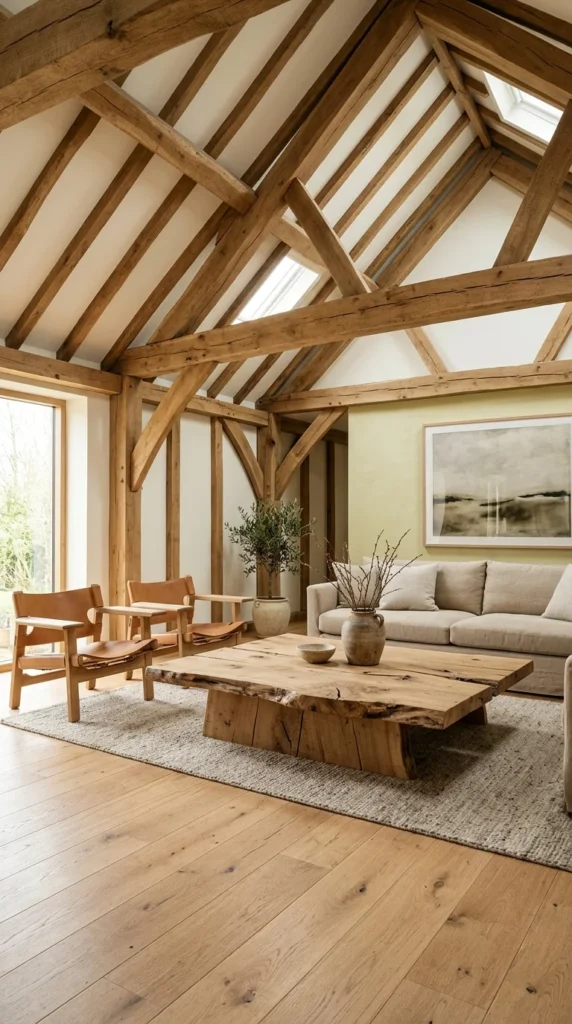
Wood is the backbone of the earth-tone aesthetic. To keep the look “expensive,” avoid highly varnished or orange-toned stains. Instead, opt for raw, matte, or oiled finishes that showcase the natural grain and texture of the timber. Species like European oak, walnut, and ash are favorites for high-end interiors because of their durability and timeless beauty.
Incorporate wood through large-scale architectural elements like ceiling beams or wall paneling, or through statement furniture pieces. A heavy, solid wood coffee table acts as an anchor for the room, providing a sense of permanence and stability. The organic imperfections in the wood—the knots, grains, and cracks—add character that mass-produced furniture simply cannot replicate.
5. Stone Textures
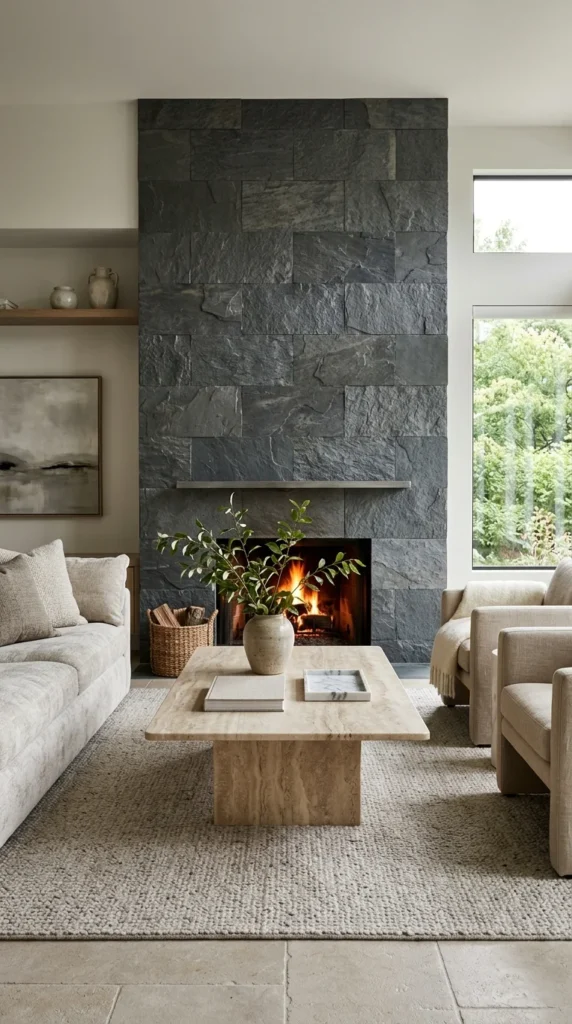
Incorporating stone is an excellent way to introduce “cold” earth tones like gray, charcoal, and slate, which provide a beautiful counterpoint to warm woods. Travertine and marble, particularly in honed or matte finishes, exude luxury. A travertine coffee table or side table adds a geological element to the room that feels ancient and sophisticated.
Stone can also be used on a larger scale, such as a fireplace surround or even stone-effect plaster walls (like Tadelakt or Marmorino). These finishes add a subtle shimmer and a tactile quality that transforms a standard wall into a work of art. The weight and coldness of stone, when balanced with soft textiles, create a balanced interior that feels grounded and curated.
6. Ocher and Mustard
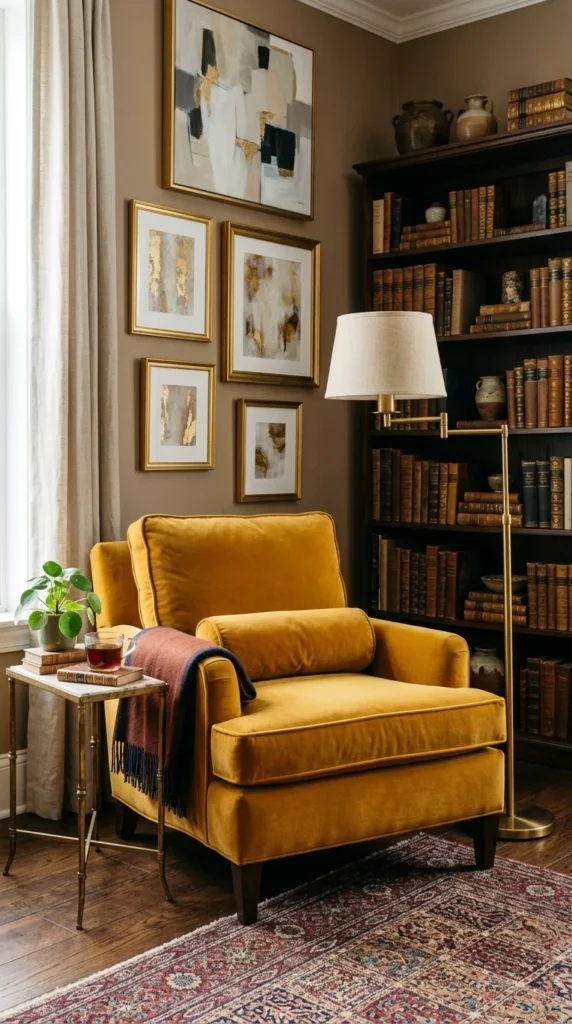
For those who want a bit more color while staying within the earth-tone family, ocher and mustard are the perfect choices. These colors represent the golden hour of nature—autumn leaves and sun-drenched fields. Because these hues are quite saturated, they are best used in “expensive” materials like velvet or heavy linen.
An ocher-colored accent chair or a set of mustard silk curtains can brighten a room without making it feel childish or overly bright. These tones pair beautifully with dark “chocolate” browns and deep greens, creating a moody, sophisticated palette reminiscent of a high-end boutique hotel library.
7. Linen Fabrics
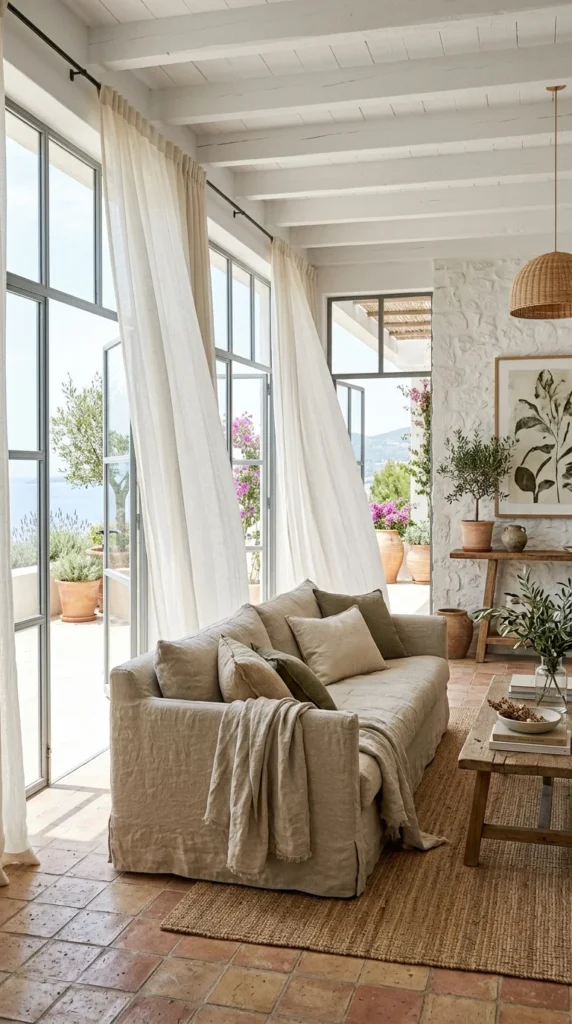
Linen is the ultimate fabric for a calm, expensive home. It is breathable, durable, and has a natural “slub” texture that gives it a relaxed elegance. In an earth-tone living room, linen works best in shades of flax, bone, and driftwood.
To achieve an expensive look with linen, go for “over-scaled” applications. Use extra-long linen curtains that puddle slightly on the floor or a deep-seated sofa with a loose slipcover. The beauty of linen is that it doesn’t need to be perfectly ironed; its natural wrinkles contribute to a sense of “undone luxury.” This fabric connects the interior to the outdoors, evoking the feeling of a coastal retreat or a summer villa.
8. Chocolate Brown
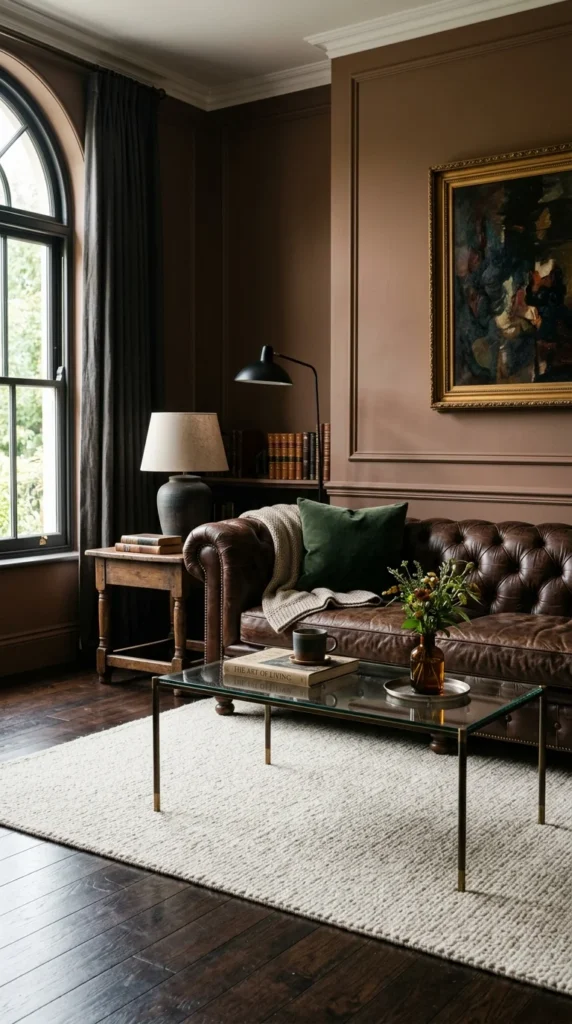
Brown is making a major comeback in high-end design, specifically in deep, rich shades like chocolate, espresso, and cocoa. Unlike the flat browns of decades past, today’s chocolate tones are used to create “enveloping” spaces that feel incredibly cozy and expensive.
Rich brown leather is a fantastic way to introduce this color. A well-made leather armchair or ottoman will patina over time, only looking better with age. If leather isn’t for you, consider chocolate brown mohair or velvet for cushions or a throw. When paired with metallic accents like bronze or brass, chocolate brown takes on a regal quality that makes the living room feel like a private sanctuary.
9. Woven Rattan
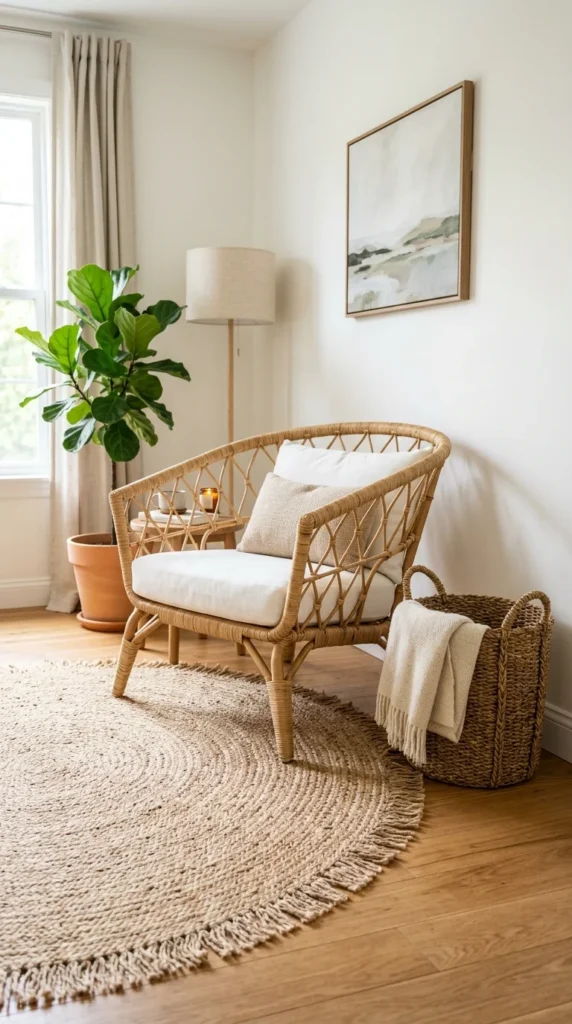
Woven materials like rattan, jute, seagrass, and cane add an essential layer of organic texture to an earth-tone room. These materials bring an artisanal, handmade quality that feels more expensive than synthetic alternatives. The key is to choose pieces with sophisticated silhouettes to avoid a “tiki” or overly casual look.
A large jute rug provides a durable, earth-colored foundation for the room, while a cane-back chair or rattan storage baskets add visual lightness. These elements introduce “micro-patterns” through their weaves, which add complexity to the room’s design without the need for loud prints. By mixing these woven textures with smoother surfaces like glass or polished stone, you create a rich, multi-dimensional space that feels both grounded and high-end.