
Creating a home that feels like a sanctuary is more than just an interior design trend; it is a lifestyle choice that prioritizes mental well-being and comfort. A “cozy” home—often referred to by terms like Hygge, Lagom, or Soft Minimalism—revolves around the harmony between aesthetics and sensory experience. By focusing on warmth, texture, and personal touches, you can transform any living space into a peaceful retreat.
1. Earthy Tones
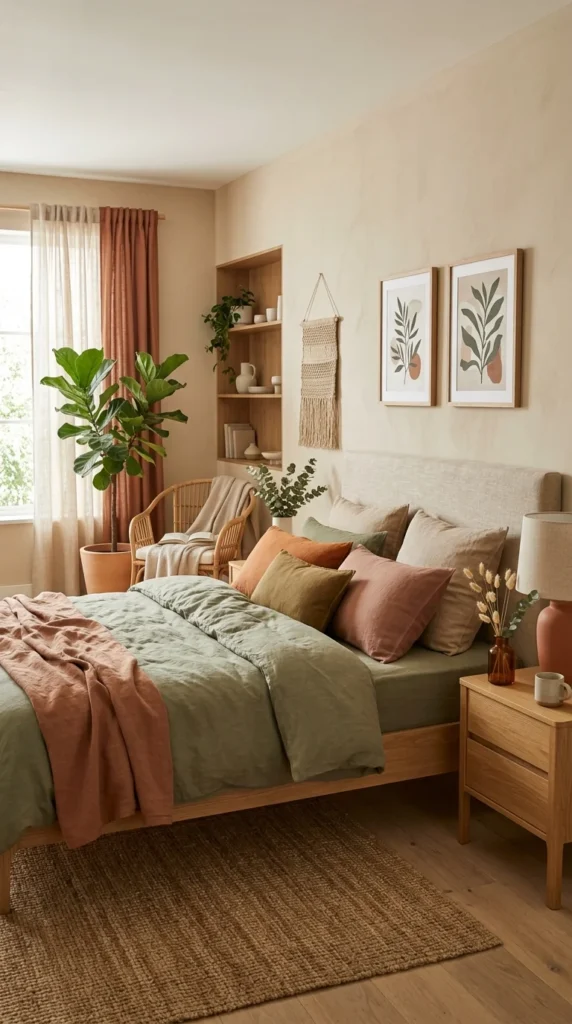
The foundation of a calm home begins with color. Earthy tones—such as terracotta, sage green, sand, and ochre—mimic the colors found in nature, which has a naturally grounding effect on the human psyche. Unlike stark whites or vibrant neon colors, these muted shades absorb light rather than reflecting it harshly, creating a soft, cocoon-like environment. When selecting paint or furniture, look for “undertones” of brown or grey to ensure the colors remain sophisticated and soothing.
2. Layered Textiles
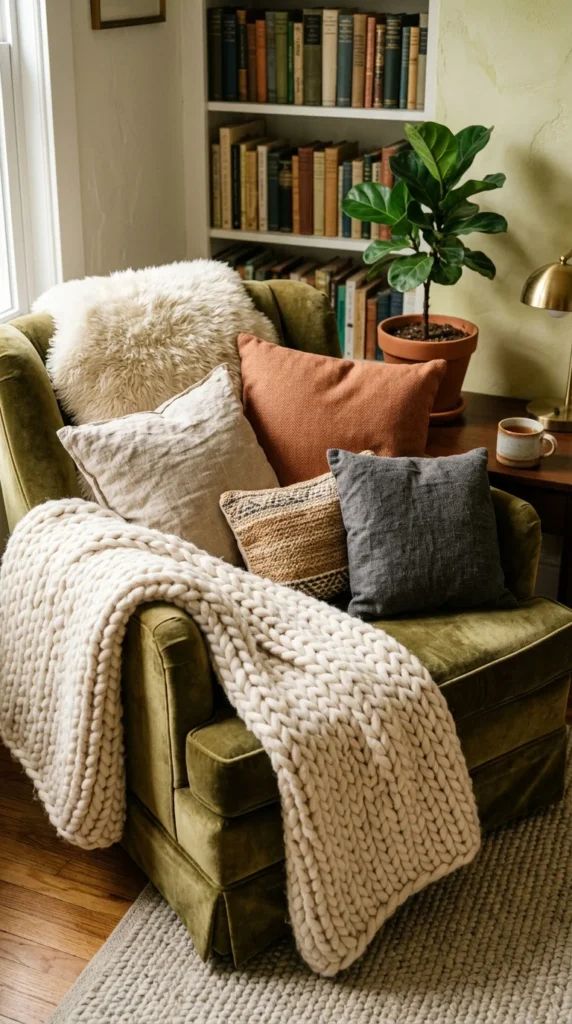
Texture is the secret ingredient to coziness. A room can look beautiful, but if every surface is hard and smooth, it won’t feel inviting. Layering textiles involves mixing different fabrics to create depth. Think of a linen sofa paired with a chunky wool throw and velvet pillows. This variety invites touch and provides physical warmth, making the space feel “lived-in” and cared for. Don’t be afraid to mix patterns, provided they stay within a similar color family.
3. Soft Lighting
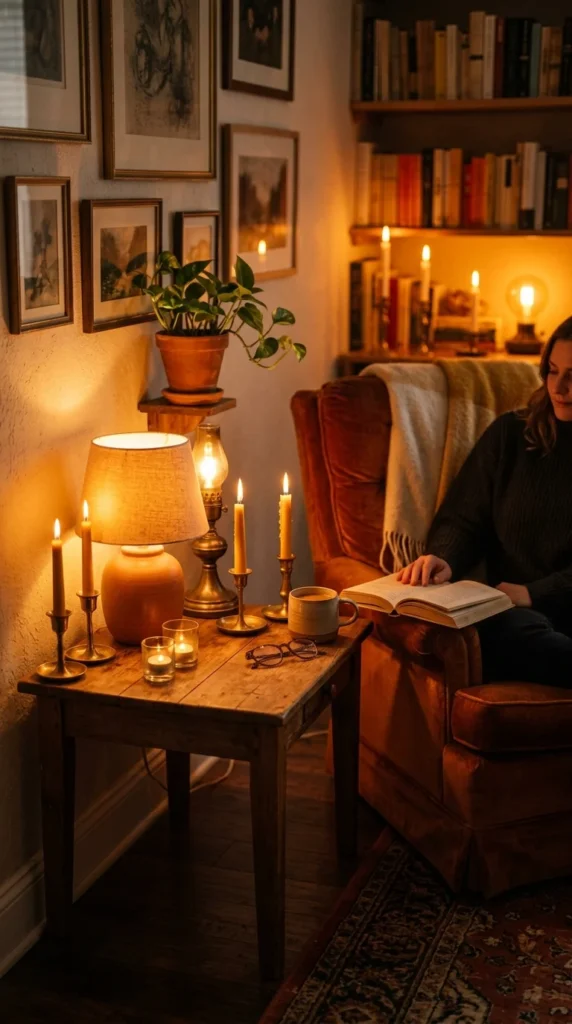
Harsh overhead lighting is the enemy of a calm aesthetic. To achieve a cozy vibe, switch to “layered” lighting. This means using floor lamps, table lamps, and wall sconces instead of the big ceiling light. Use warm-white bulbs (around 2700K) to replicate the golden hour glow. Task lighting, such as a small lamp on a desk or a reading light by the bed, creates “pockets” of light that make large rooms feel more intimate and manageable.
4. Indoor Plants
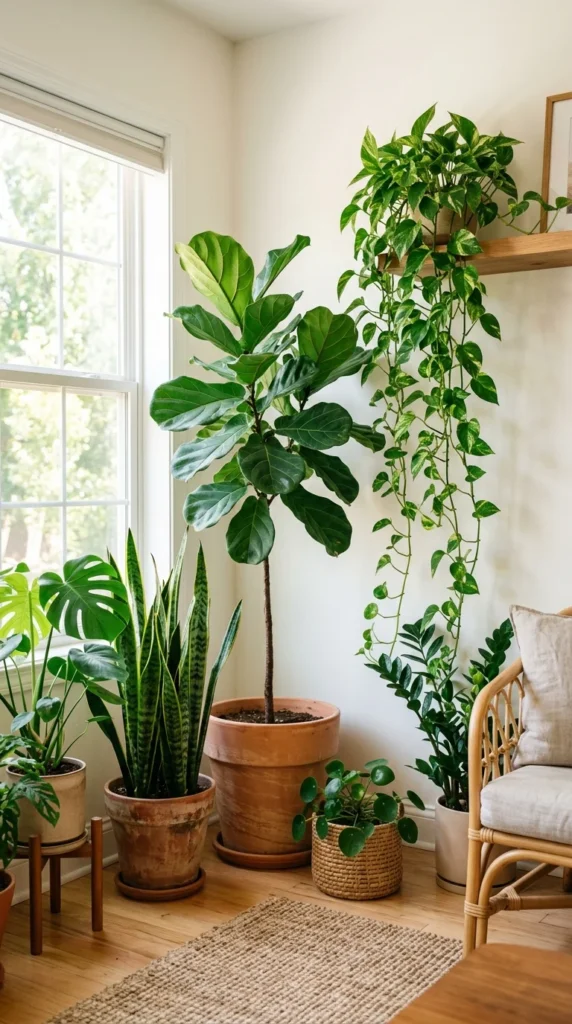
Bringing the outdoors in is one of the most effective ways to boost the “life” of a room. Plants add a vibrant pop of green that contrasts beautifully with neutral decor. Beyond their visual appeal, many indoor plants act as natural air purifiers. Large-leaf varieties like the Monstera Deliciosa add a touch of drama, while trailing vines like English Ivy provide a sense of softness and whimsy when draped over bookshelves or cabinets.
5. Natural Materials
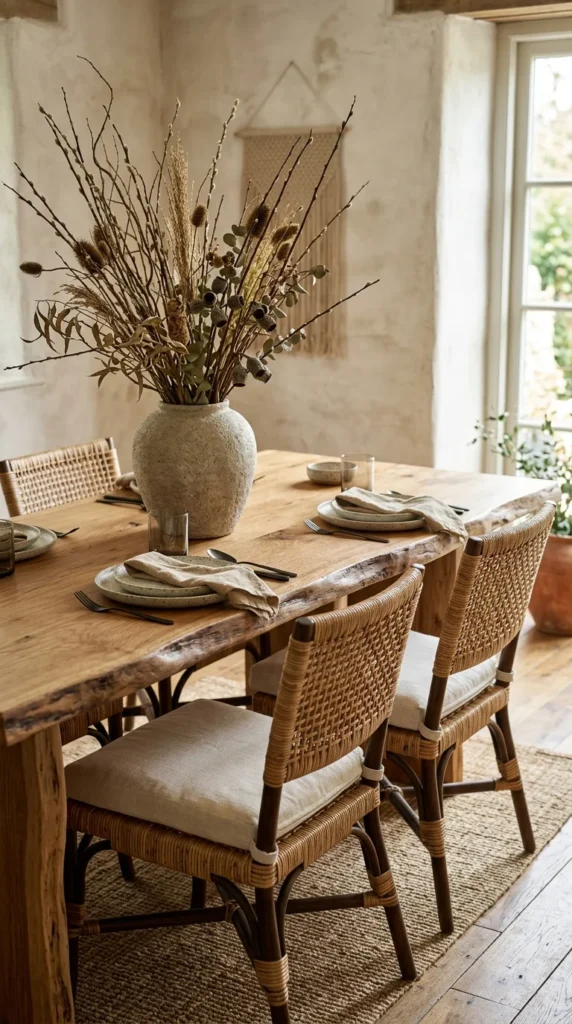
The use of organic materials like wood, stone, rattan, and jute connects a home to the physical world. A solid oak coffee table or a hand-woven seagrass basket introduces “imperfections” and grains that artificial materials lack. These materials age gracefully, developing a patina over time that adds character to your home. Incorporating natural elements also reduces the “plastic” feel that can make modern homes feel cold and impersonal.
6. Scented Candles
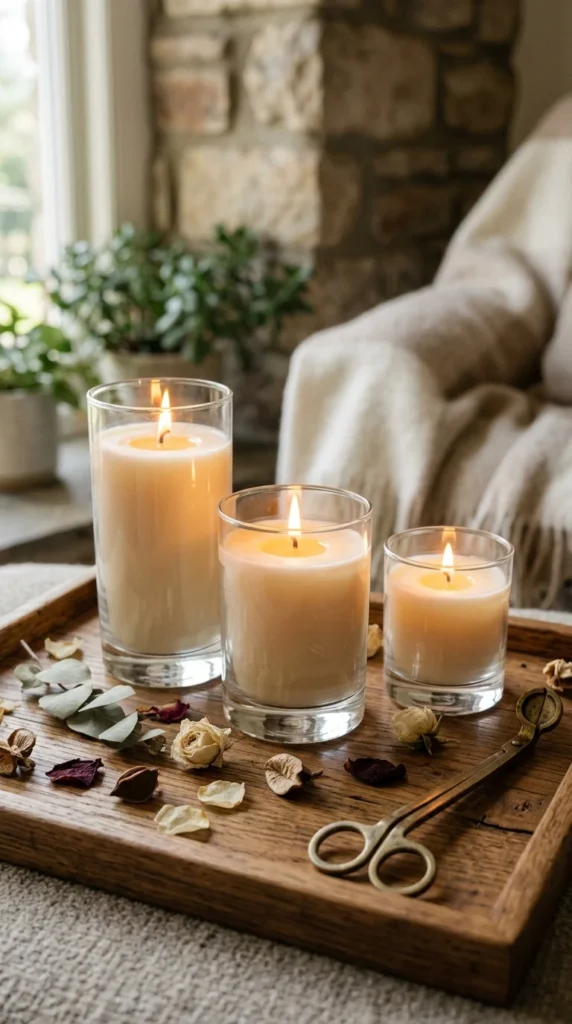
A cozy home is a multi-sensory experience. Fragrance has a direct link to the brain’s emotional center. To create a calm environment, choose scents like sandalwood, cedar, vanilla, or lavender. Tapered candles in elegant holders can add a touch of “old-world” charm to a dinner table, while thick jar candles provide a steady, comforting glow in a living room or bathroom. The flickering flame itself acts as a focal point for relaxation.
7. Reading Nooks
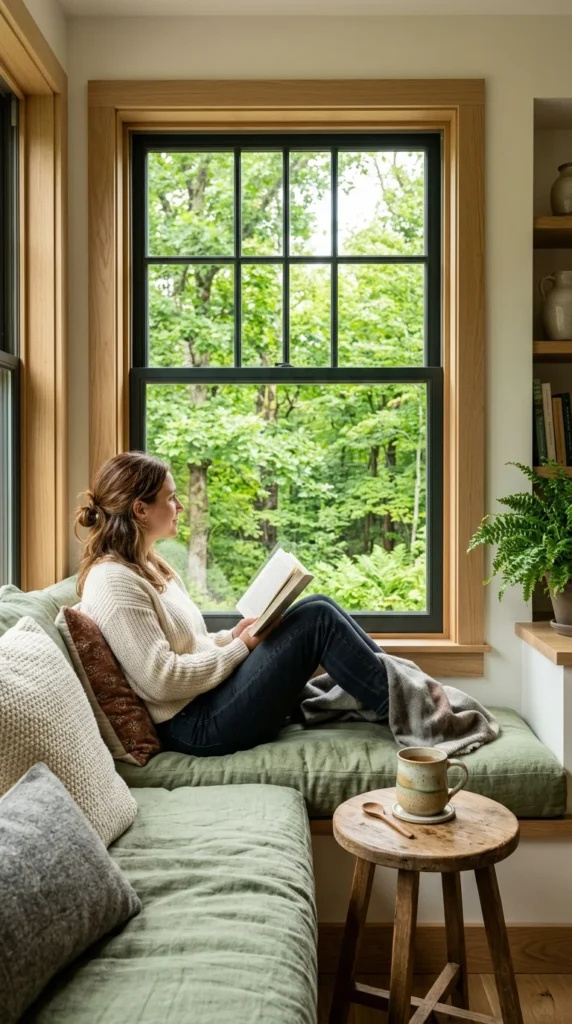
Designating a specific area for relaxation can significantly improve your daily routine. A reading nook doesn’t require much space—just a comfortable chair, a small side table for your tea, and good lighting. By creating a zone dedicated solely to unplugging and reading, you signal to your brain that this is a “no-phone” zone, fostering a deeper sense of peace and focus.
8. Wall Art
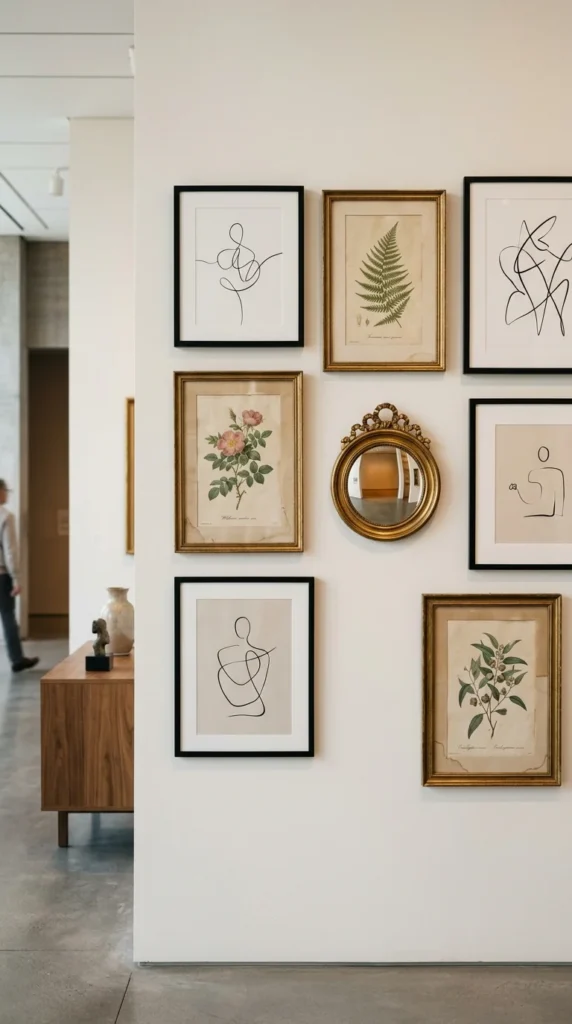
Empty walls can make a room feel cold, but cluttered walls can feel chaotic. The key is to curate art that resonates with your personal style. Abstract landscapes, botanical sketches, or black-and-white photography are excellent choices for a calm aesthetic. Consider the “weight” of your frames; light wood or thin metal frames keep the look airy, while ornate vintage frames add a sense of history and coziness.
9. Minimalist Decor
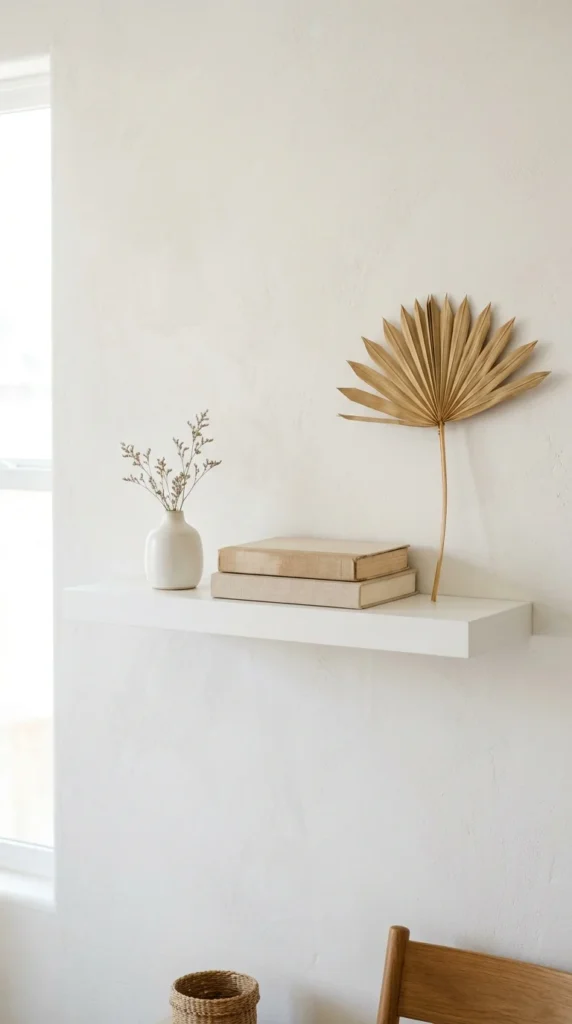
The “Calm” aesthetic relies heavily on the principle of “less is more.” Clutter creates visual noise, which can lead to subconscious stress. By practicing intentionality—choosing only items you love or find useful—you allow the architecture and the core pieces of your home to shine. Use closed storage for items you need but don’t want to see, and keep your surfaces clear to promote a sense of order and tranquility.
10. Dried Florals
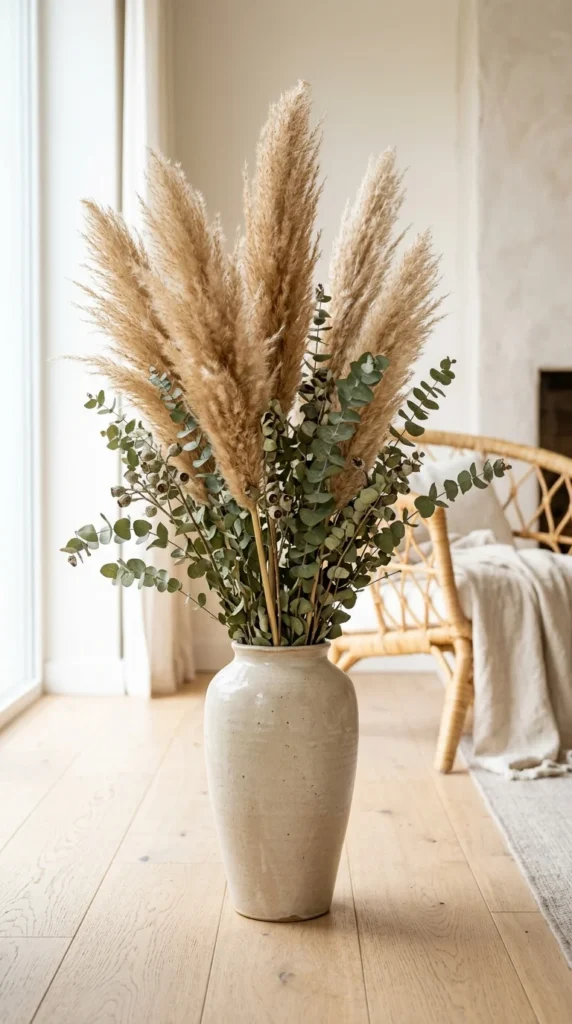
While fresh flowers are lovely, dried florals offer a long-lasting, low-maintenance alternative that fits perfectly with a rustic or bohemian cozy aesthetic. Pampas grass, dried lavender, and preserved eucalyptus add a soft, architectural element to a room. Their muted, faded colors blend seamlessly with earthy palettes, and they provide a sense of timelessness and stillness.
11. Textured Rugs
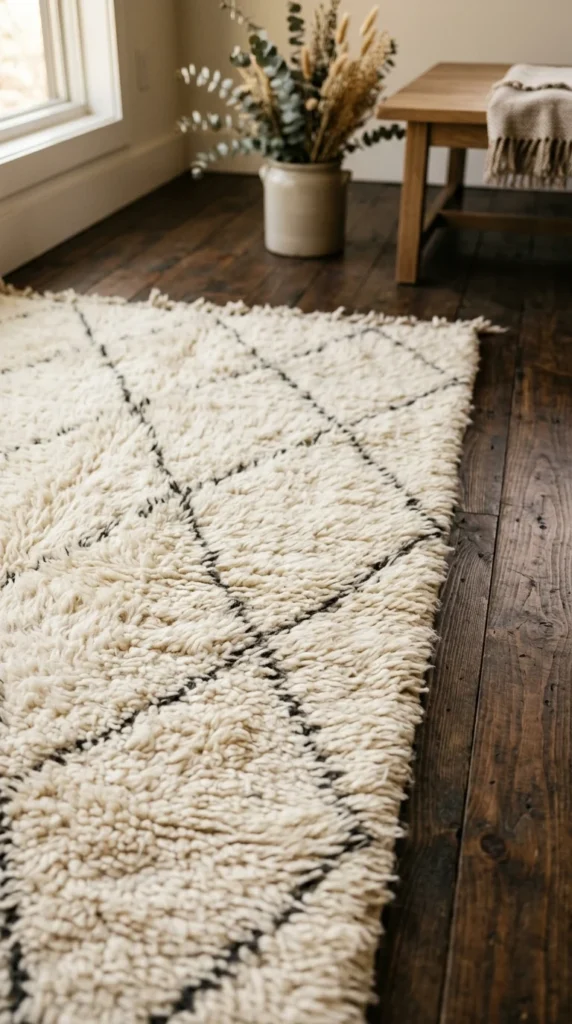
Hardwood or tile floors can be beautiful, but they aren’t particularly “cozy” for the feet. A large, high-quality rug anchors a room and defines the space. For a calm aesthetic, look for rugs made from natural fibers like wool, jute, or cotton. A thick, shaggy rug in a neutral cream or grey can instantly make a bedroom feel like a luxury hotel suite, providing a soft landing every morning.
12. Open Shelving
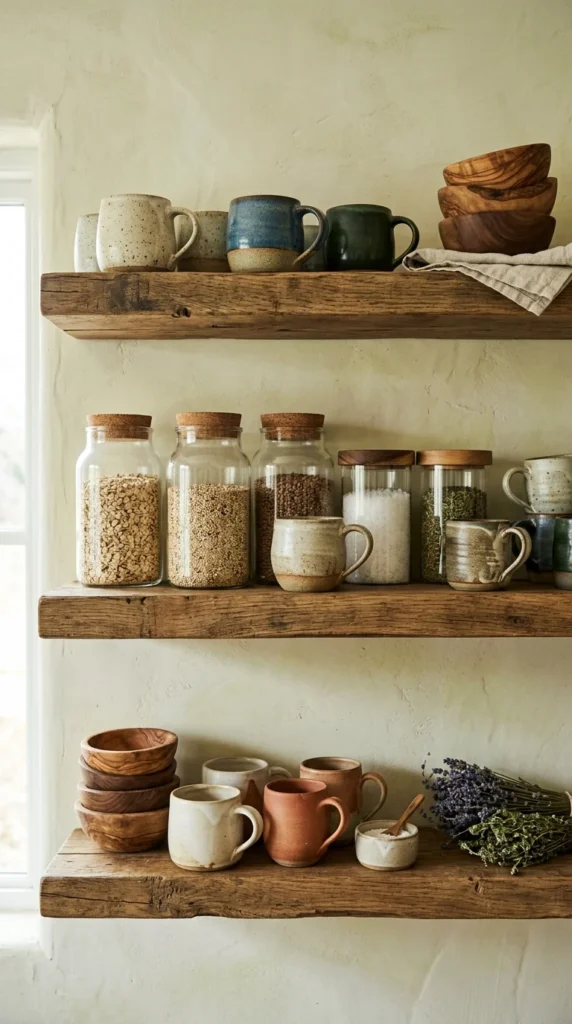
Open shelving allows you to display the items that tell your story. In a kitchen, this might be a collection of mismatched ceramic mugs or artisanal olive oils. In a living room, it might be your favorite books and travel souvenirs. The trick is to avoid overcrowding; leave plenty of “white space” between items so the eye can rest as it moves across the shelf.
13. Natural Light
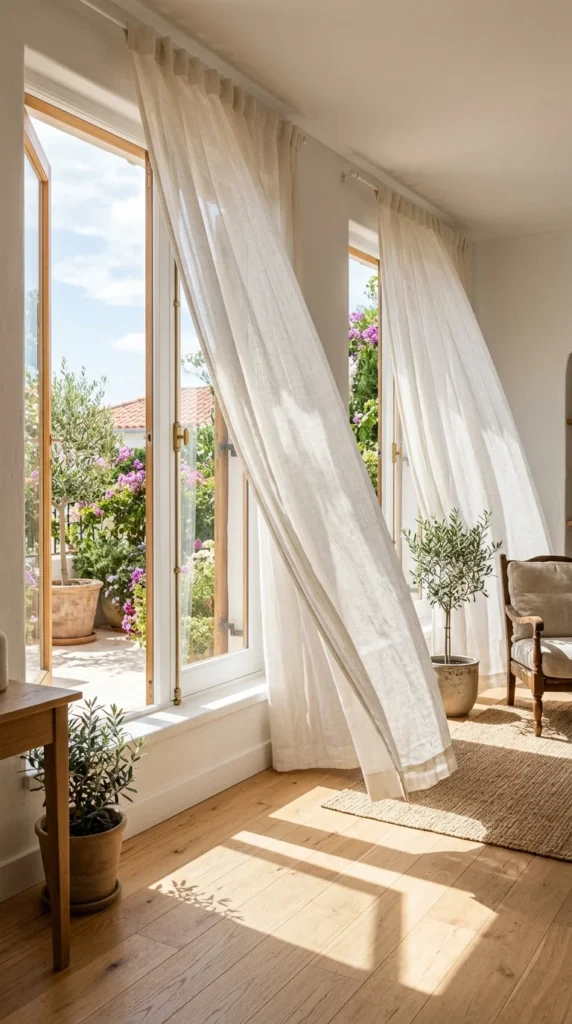
Maximized natural light is essential for a healthy, happy home. Heavy, dark curtains can make a room feel small and stifling. Instead, opt for sheer drapes or light-filtering blinds that allow the sun to brighten the space while maintaining privacy. Natural light changes throughout the day, providing a dynamic energy to the room that connects you with the rhythm of the outdoors.
14. Essential Oils
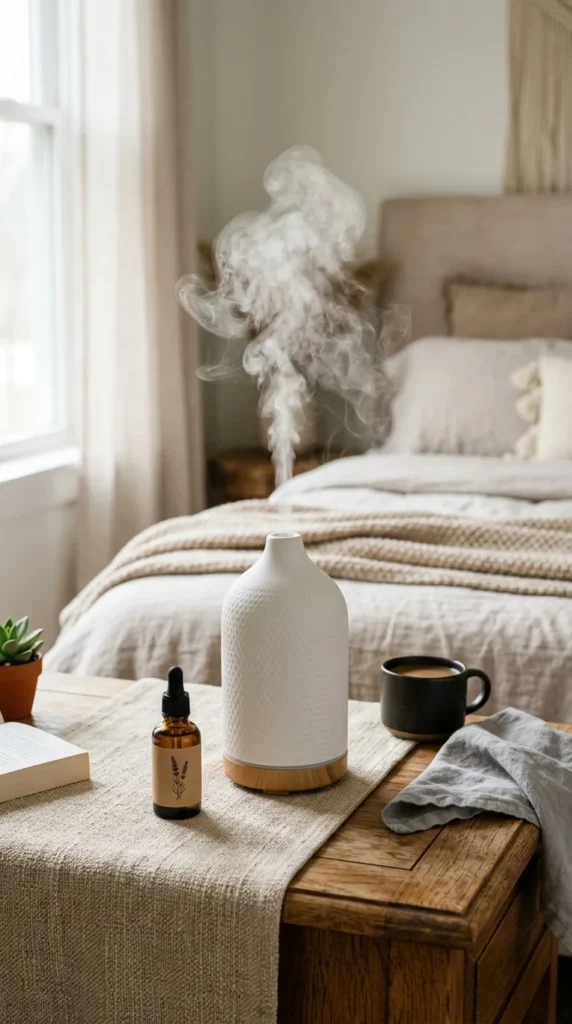
If candles aren’t your preference, an essential oil diffuser is a high-tech way to influence the “feel” of your home. Beyond the scent, the sight of the cool mist and the subtle sound of water can be very meditative. Scents like peppermint or lemon can energize a workspace, while chamomile and valerian can prepare a bedroom for a restful night’s sleep.
15. Vintage Finds
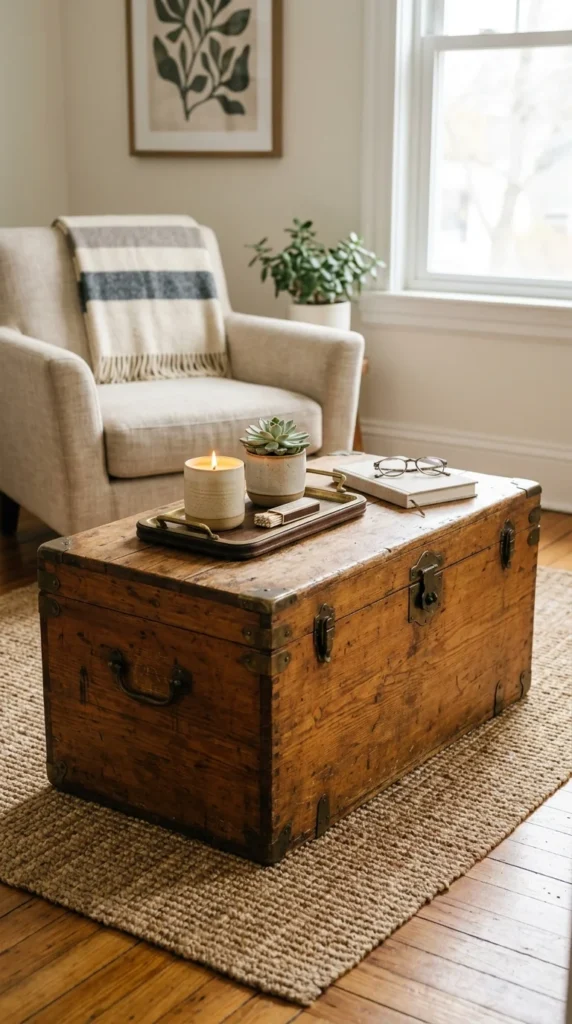
A home filled entirely with brand-new furniture can sometimes feel like a showroom—sterile and impersonal. Integrating vintage or antique pieces adds a layer of “soul.” A weathered wooden chest, a mid-century modern chair, or an old brass mirror carries a history that makes a space feel more grounded and authentic. These pieces often have unique textures and craftsmanship that are hard to find in modern mass-produced items.
16. Oversized Pillows
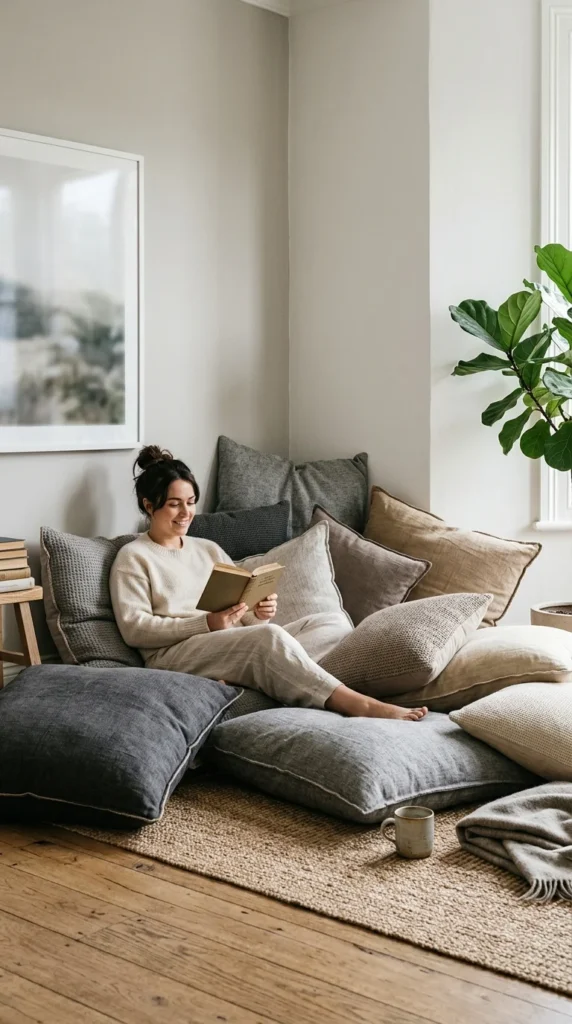
Floor seating is a great way to create an informal, cozy atmosphere. Oversized pillows and floor cushions invite guests to lounge and relax in a way that formal chairs do not. This setup is perfect for movie nights or deep conversations. Choose fabrics that are durable but soft, such as heavy cotton or faux suede, to ensure they are as practical as they are aesthetic.
17. Fireplace Focus
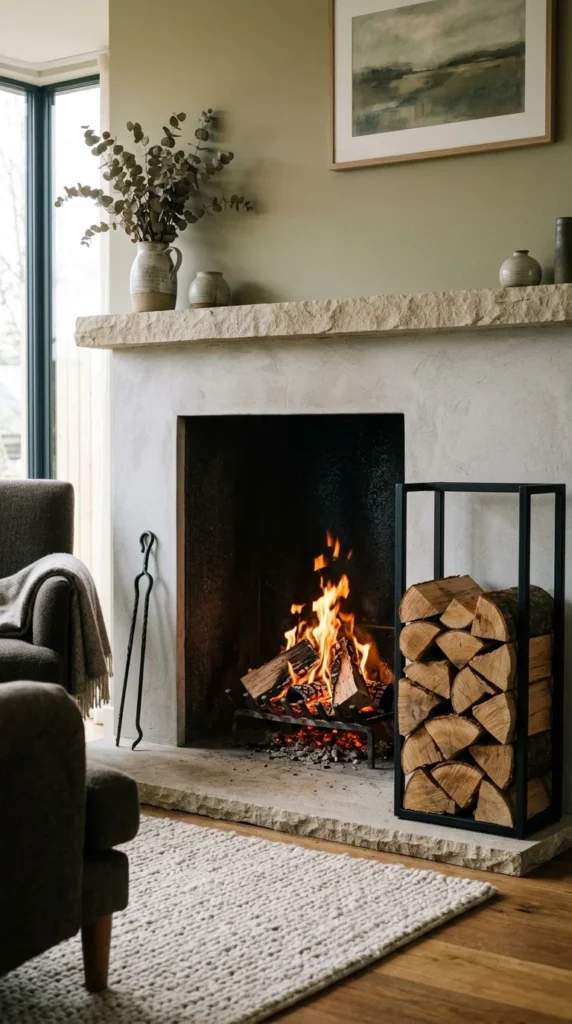
If you are lucky enough to have a fireplace, make it the heart of the home. The warmth, the sound of crackling wood, and the dancing light are the epitome of “cozy.” Even if you have a non-working fireplace, you can fill the hearth with large pillar candles or a stack of aesthetically pleasing logs to evoke the same feeling of warmth and hearth-centered living.
18. Woven Baskets
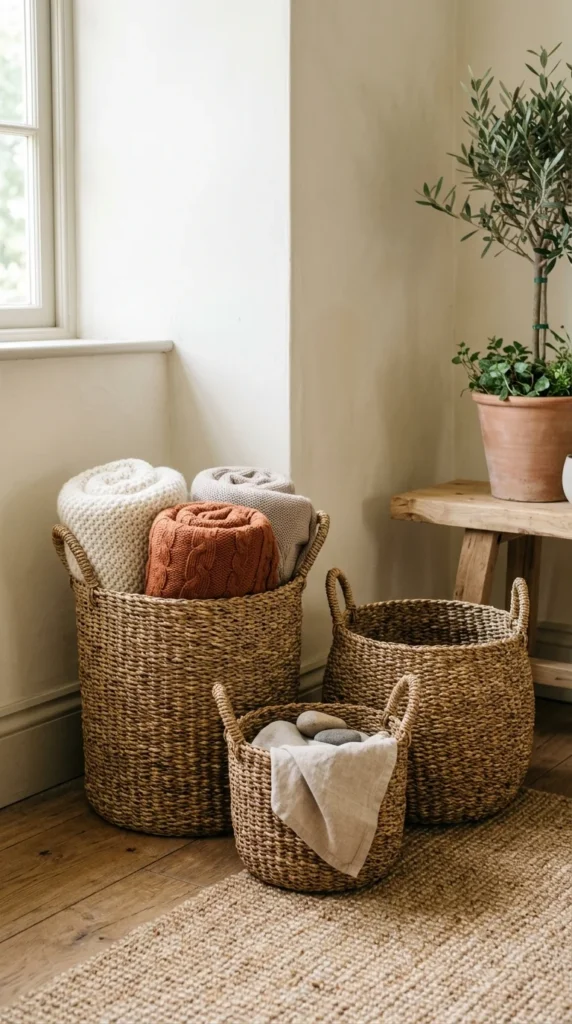
Baskets are the ultimate “functional decor.” They provide a way to hide clutter—like remote controls, toys, or laundry—while adding a beautiful organic texture to the room. Use large baskets to hold extra blankets by the sofa and smaller ones on tabletops to organize mail or keys. The natural variations in the weaving material add visual interest to any corner.
19. Gallery Walls
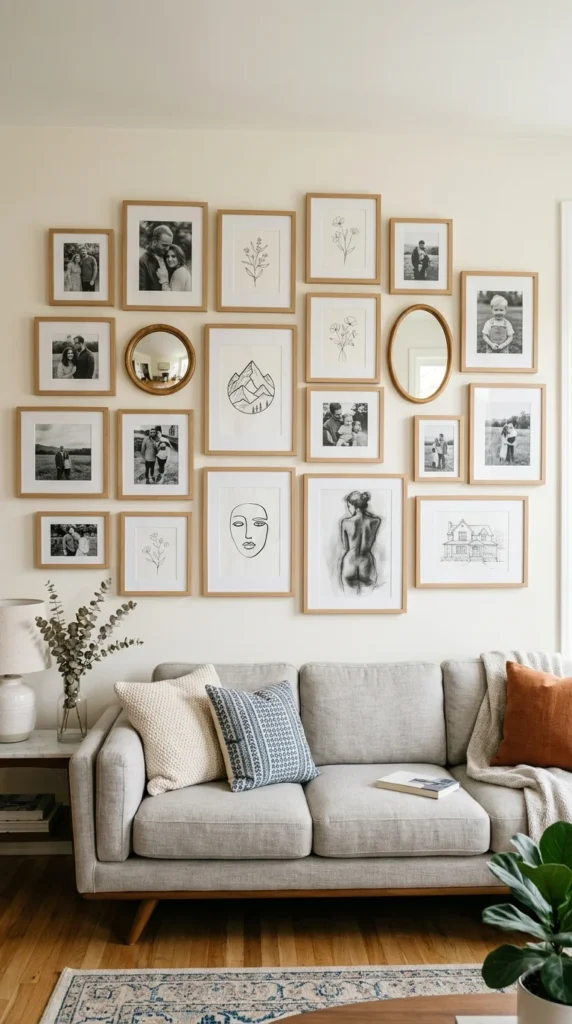
A gallery wall is a beautiful way to personalize a space and make it feel “full” without being cluttered. By choosing a cohesive theme—such as black-and-white family photos or a collection of nature prints—you create a focal point that draws people in. It makes a room feel more intimate and provides a conversation starter for guests.
20. Wood Accents
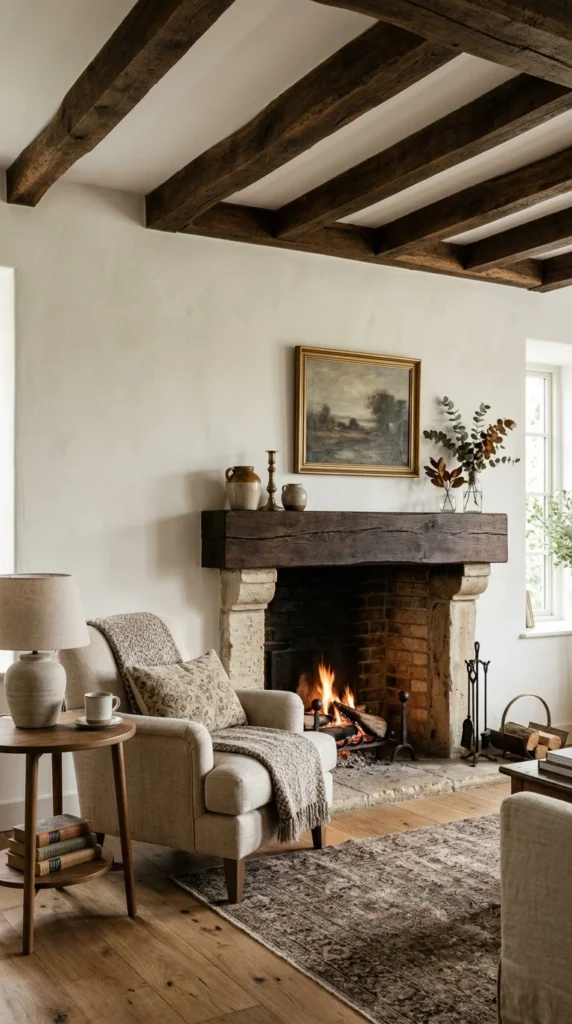
Wood brings a sense of sturdiness and timelessness. Whether it’s exposed ceiling beams, a thick wooden mantle, or just a collection of wooden picture frames, the presence of wood “warms up” a room instantly. Different types of wood can set different moods; light woods like birch or pine feel Scandinavian and modern, while dark woods like walnut or mahogany feel classic and cozy.
21. Book Stacks
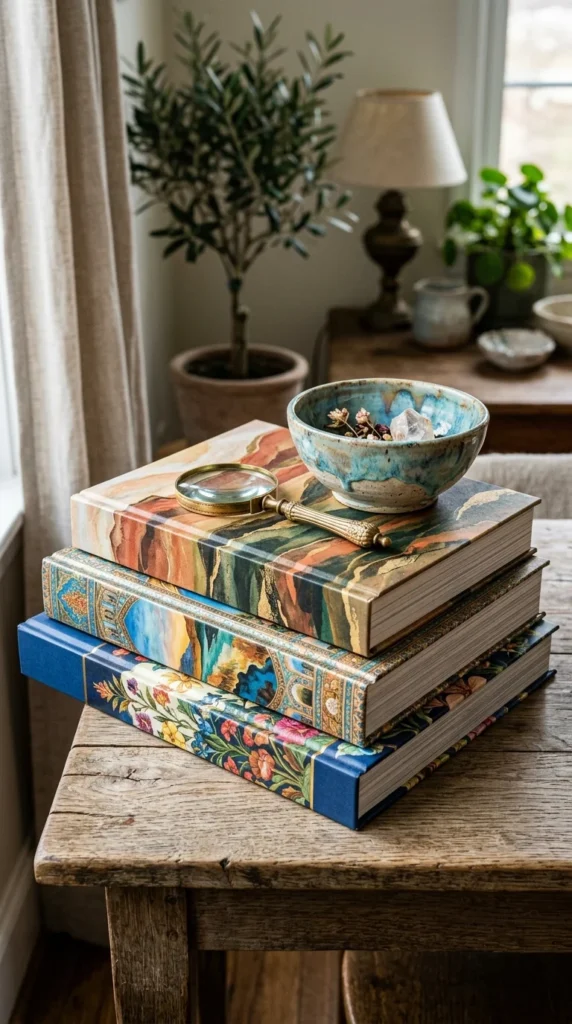
Books are one of the best ways to add personality and color to a room. Instead of just hiding them on shelves, use them as decor. A stack of books on a coffee table or a nightstand creates a “layered” look. Choose books with spines or covers that match your color palette, or turn the spines inward for a more monochromatic, minimalist “library” look.
22. Personal Mementos
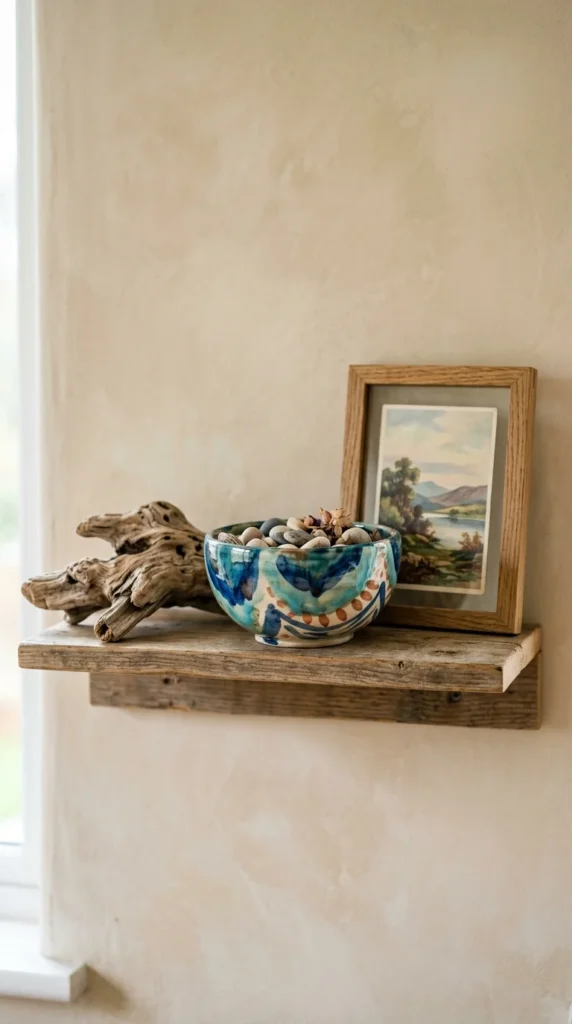
The final touch in any cozy home is the inclusion of things that mean something to you. Whether it’s a stone you found on a beach, a handmade bowl from a local potter, or a framed ticket from a favorite concert, these mementos turn a “house” into a “home.” They provide a sense of belonging and comfort that no designer furniture can replicate. Surround yourself with things that spark happy memories to ensure your space is truly your own.