

Creating a cozy home is about more than just interior design; it is about cultivating a feeling of safety, comfort, and serenity. The “cozy aesthetic”—often associated with terms like Hygge, Warm Minimalism, or Rustic Chic—focuses on sensory experiences that ground us. When a room feels warm, it invites you to slow down, breathe deeply, and linger a little longer. Whether you are dealing with a drafty old house or a modern apartment that feels a bit too clinical, these nine design strategies will help you transform your living space into a sanctuary of warmth.
1. Layered Textiles
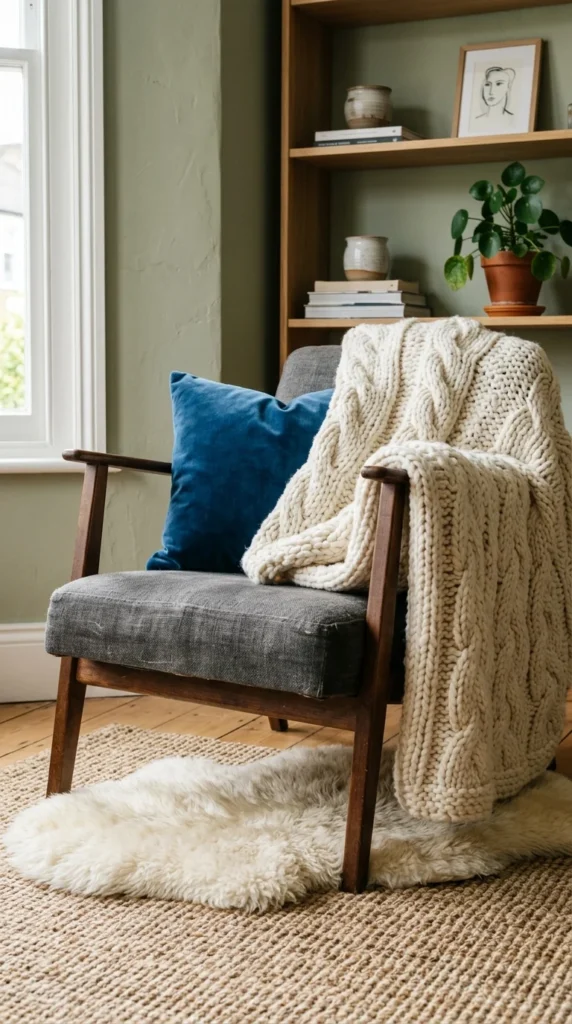
The secret to a cozy room lies in the layers. Thin, flat surfaces can feel cold and uninviting, but adding a variety of textiles introduces depth and physical warmth. Start from the ground up by layering rugs; a large, neutral sisal rug can serve as a base for a smaller, plush Persian or shag rug.
On seating areas, don’t stop at just one pillow. Mix and match different fabrics such as wool, linen, and velvet to create a tactile experience. A “blanket basket” kept in the corner of the room ensures that warmth is always within reach. The goal is to make every surface look like it is ready for a nap.
2. Warm Lighting
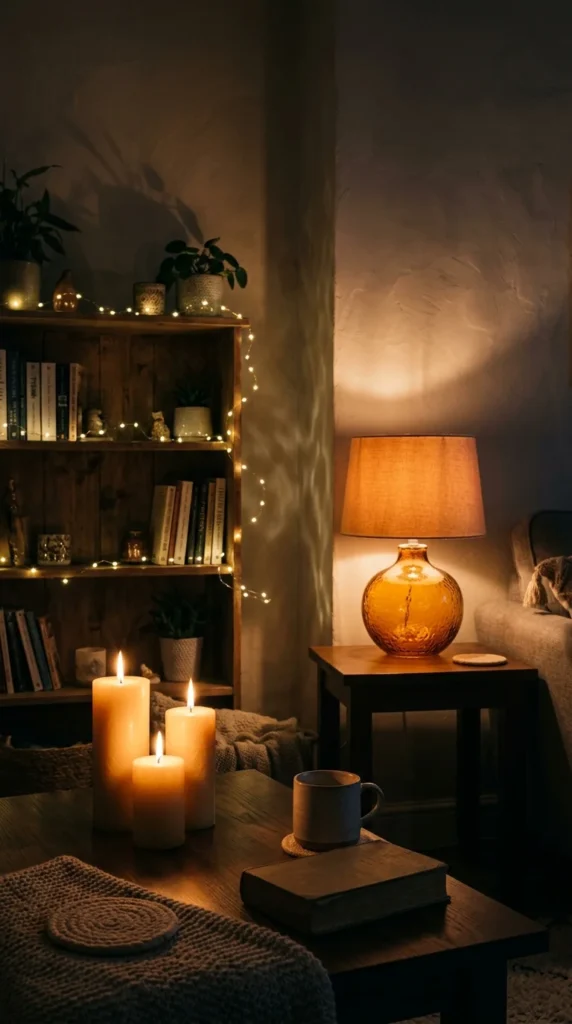
Nothing kills a cozy vibe faster than harsh, overhead fluorescent lighting. To make a room feel warm, you must switch to “scent-scape” lighting and warm-toned bulbs (around 2,700 Kelvin). Avoid using the “big light” and instead rely on a variety of smaller light sources placed at different heights.
Floor lamps with fabric shades, small accent lamps on bookshelves, and even battery-operated candles can transform the mood of a room instantly. During the evening, the goal is to create “pockets” of light that draw people in, leaving the corners of the room in soft, comforting shadows.
3. Earthy Palettes
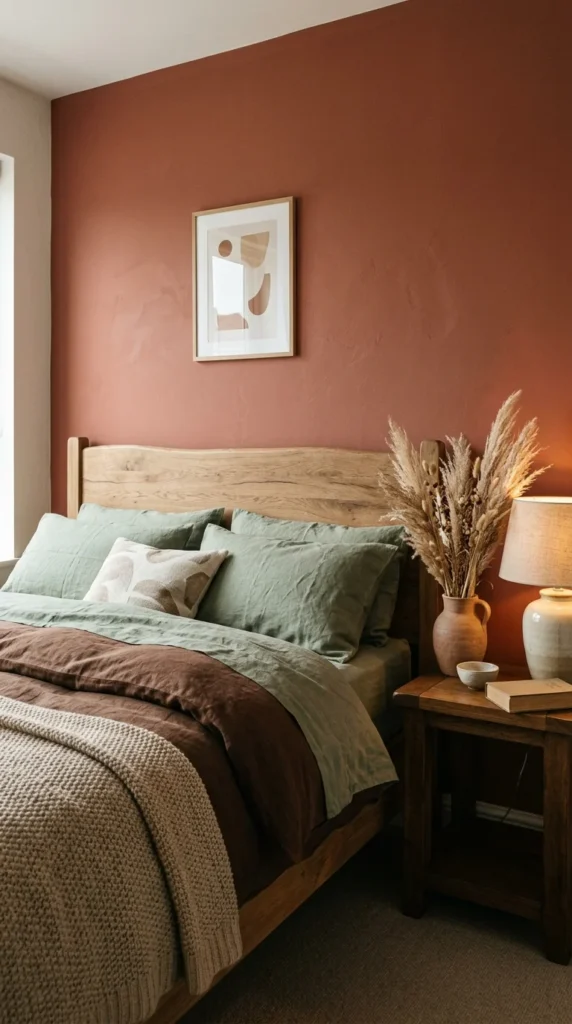
Color has a profound psychological impact on how we perceive temperature. While bright whites and cool blues can feel refreshing in the summer, they often feel “chilly” in a home environment. Transitioning to an earthy palette of ochre, terracotta, sage green, and warm taupe can make a space feel physically warmer.
These colors mimic the natural world, which our brains find inherently soothing. If you aren’t ready to paint the walls, you can introduce these tones through artwork, decorative vases, or even a stack of books with warm-colored spines. These hues absorb light rather than bouncing it around, creating a grounded, “cocoon-like” atmosphere.
4. Natural Wood
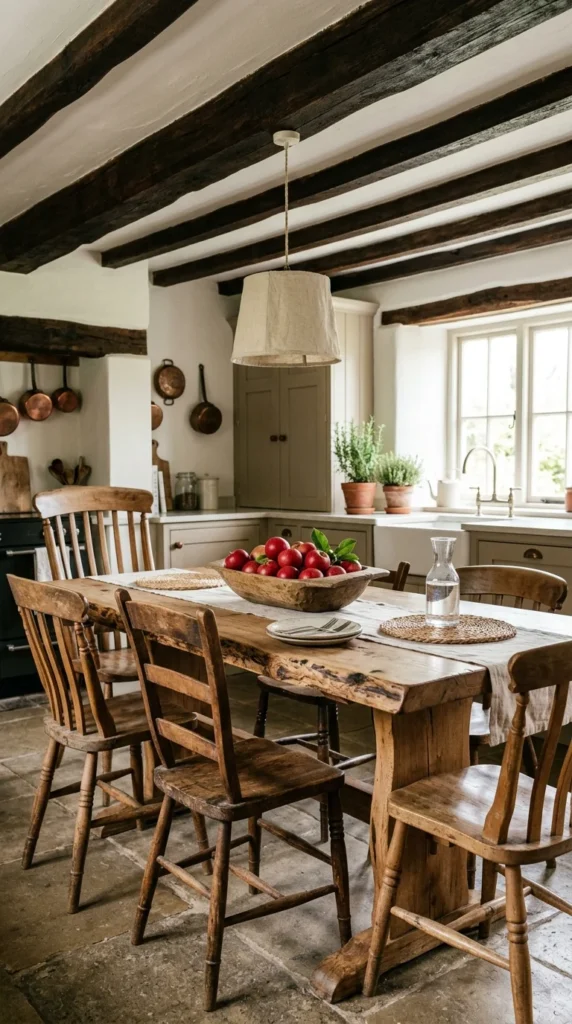
Wood is a living material that brings an organic soul to any room. The presence of natural wood—especially in raw or reclaimed forms—adds instant character and warmth. Whether it is a rustic coffee table, a set of floating oak shelves, or even just a wooden bowl on the counter, the texture of the grain provides a visual softness that metal or plastic cannot replicate.
To maximize the cozy factor, look for woods with warm undertones like walnut, cherry, or reclaimed pine. The slight imperfections in the wood, such as knots and cracks, tell a story and make the home feel lived-in rather than staged.
5. Reading Nooks
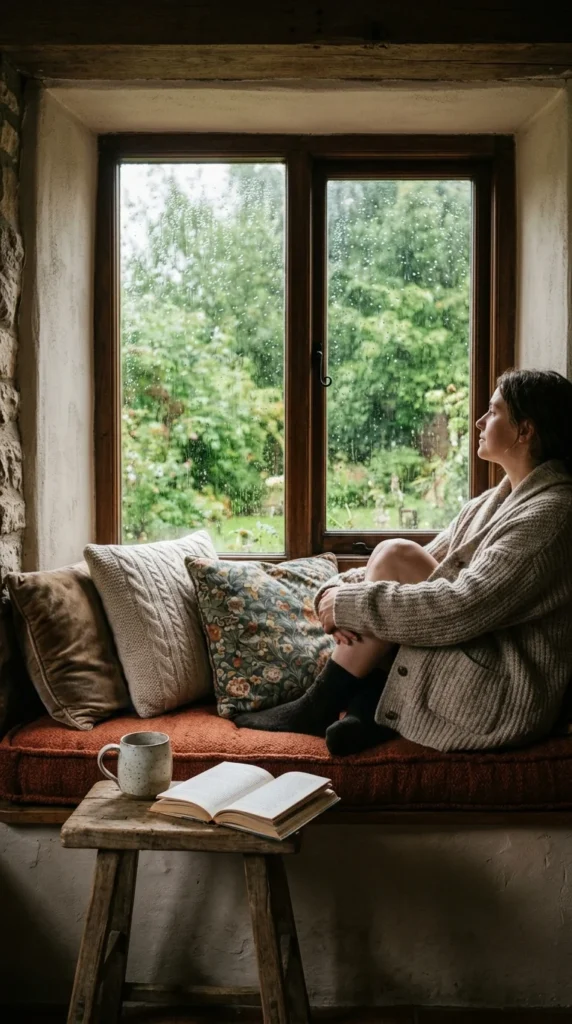
Every cozy home needs a dedicated space for relaxation that isn’t the bed or the sofa. A reading nook serves as a physical reminder to prioritize rest. This can be as simple as an armchair placed near a window or a built-in bench in a quiet corner.
To make the nook successful, it needs three things: comfortable seating, a dedicated light source, and a place to set down a drink. By carving out a small “zone” for quiet activities, you give the room a sense of purpose and intimacy.
6. Scent Scaping
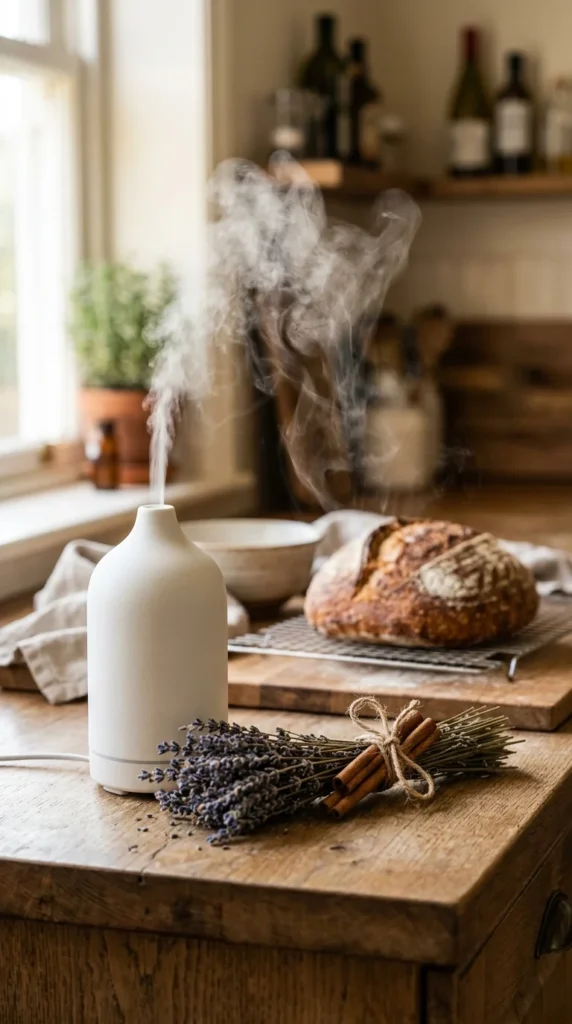
Warmth isn’t just a visual or tactile experience; it’s olfactory too. Scent-scaping involves using different fragrances to define the mood of your home. To make a room feel cozy, opt for scents that evoke nostalgia and comfort.
Notes of sandalwood, vanilla, amber, and cedarwood are excellent for creating an inviting atmosphere. You can achieve this through high-quality soy candles, essential oil diffusers, or even by simmering a “stovetop potpourri” of oranges and cinnamon sticks. The right scent acts as an invisible layer of decor that completes the aesthetic.
7. Vintage Touches
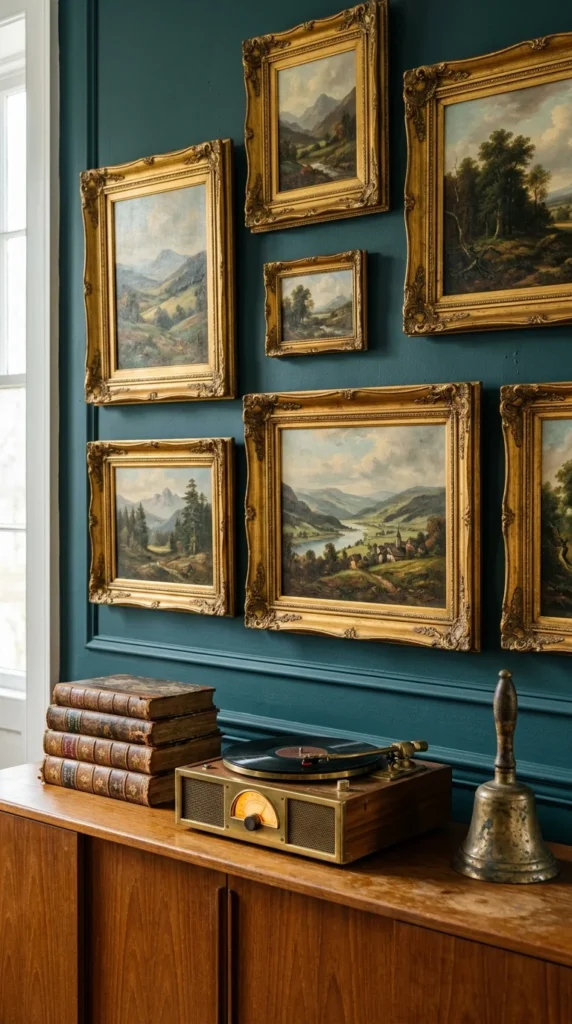
A home that is filled entirely with brand-new furniture can often feel sterile and “un-lived-in.” Introducing vintage or thrifted items adds a layer of history and “soul” to a room. Old items have a patina—a softening of edges and colors that happens over time—which makes a space feel more approachable.
Think about incorporating an antique brass mirror, a weathered trunk used as a coffee table, or old landscape paintings found at a flea market. These pieces don’t have to be expensive; their value lies in the unique character they bring to the room, making it feel like a space that has been lovingly curated over years.
8. Tactile Textures
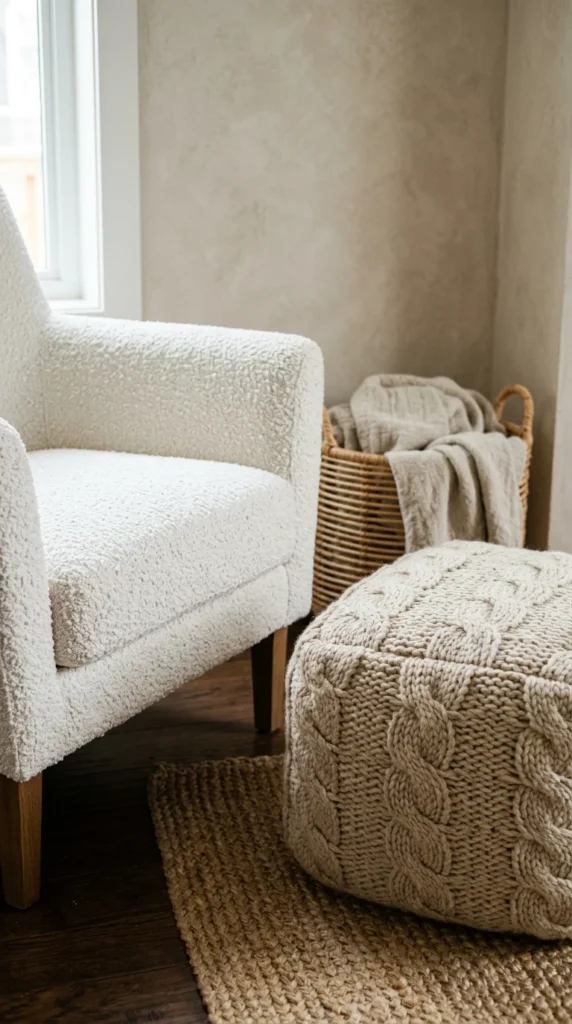
To make a room feel warm, you want to engage the sense of touch. “Flat” rooms are boring and cold. By introducing varied textures—the nubby feel of bouclé, the roughness of rattan, the smoothness of polished stone, and the softness of mohair—you create a rich sensory environment.
Texture adds “visual weight” to a room. A heavy, chunky-knit blanket draped over the back of a sleek leather sofa creates a beautiful contrast that feels balanced and warm. Even wall treatments, like lime wash paint or textured wallpaper, can contribute to this sense of depth.
9. Indoor Greenery
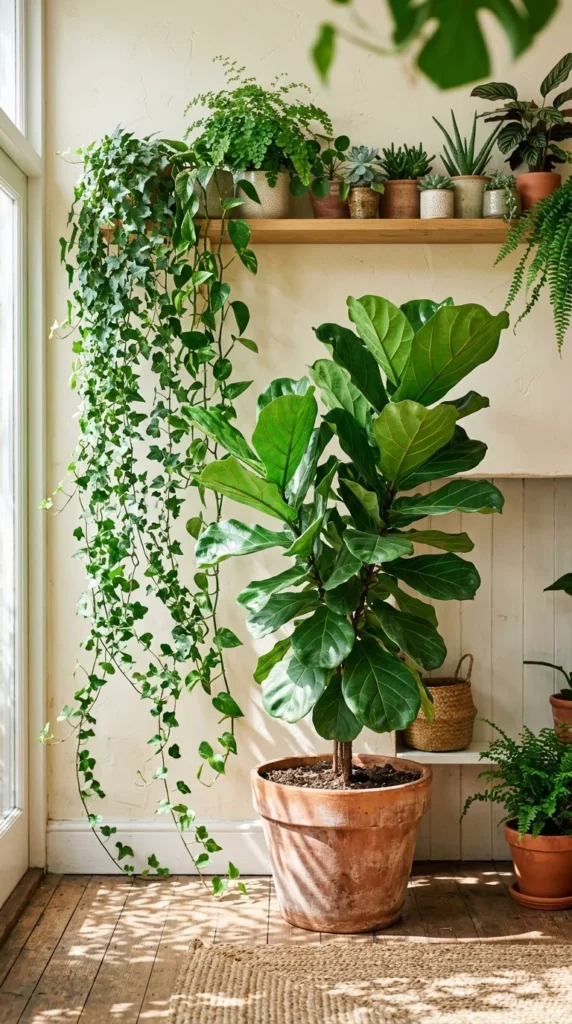
While plants are often associated with the outdoors, they are essential for a cozy indoor aesthetic. Plants breathe life into a room, literally and figuratively. The organic shapes of leaves break up the harsh straight lines of furniture and architecture, softening the overall look of a space.
For a warmer feel, choose plants with soft, trailing vines like Pothos or Heartleaf Philodendrons, or large, leafy plants like a Bird of Paradise. Grouping plants together in clusters of three or five creates a “miniature jungle” effect that makes a corner feel tucked-away and private. Use ceramic or terracotta pots in warm tones to tie the greenery into your overall color scheme.