
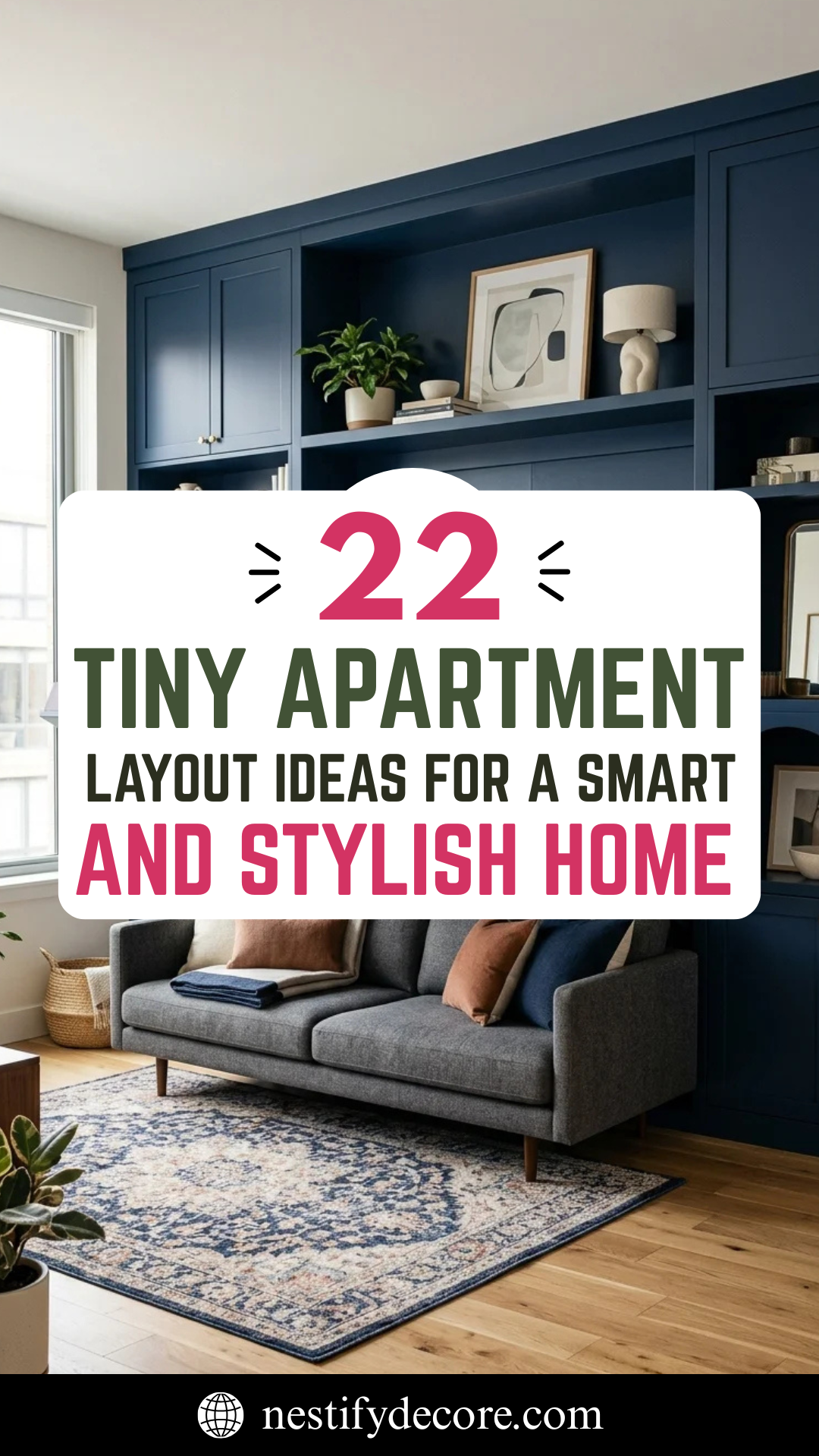
Living in a tiny apartment doesn’t mean sacrificing style or comfort. With the global shift toward urban living, the “tiny house” movement has transitioned into the “micro-apartment” revolution. Maximizing a small footprint requires a blend of architectural ingenuity, multi-functional furniture, and a keen eye for visual aesthetics. Whether you are dealing with a 200-square-foot studio or a cramped one-bedroom, the right layout can transform a claustrophobic box into a breathable, high-end sanctuary.
1. Vertical Zoning
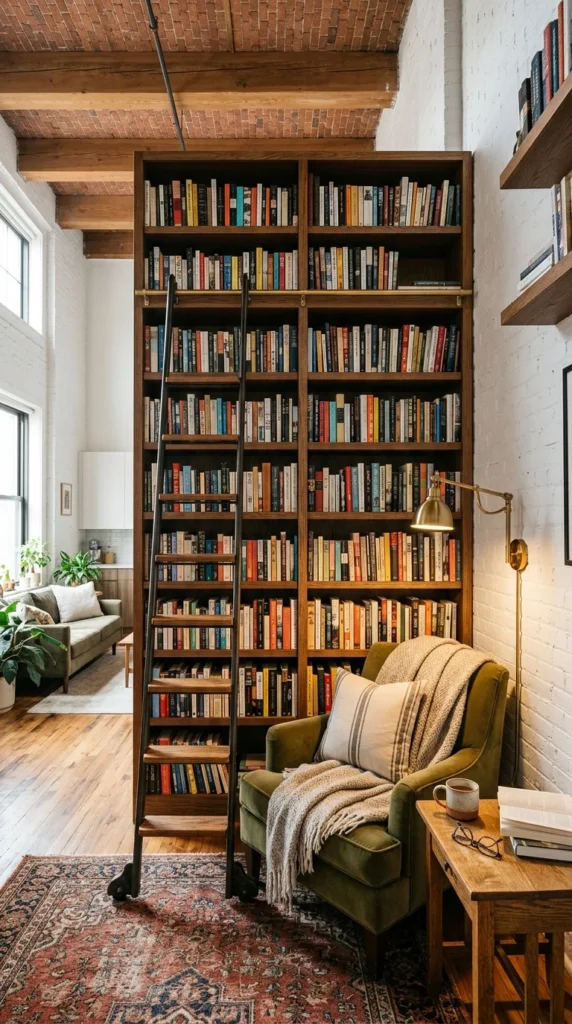
When floor space is at a premium, the only way to go is up. Vertical zoning involves using the height of your walls to create distinct functional areas. This can be achieved through tall shelving units that act as room dividers or by installing storage cabinets that reach the ceiling. By drawing the eye upward, you create an illusion of volume, making the room feel significantly larger than its actual square footage.
2. Glass Partitions
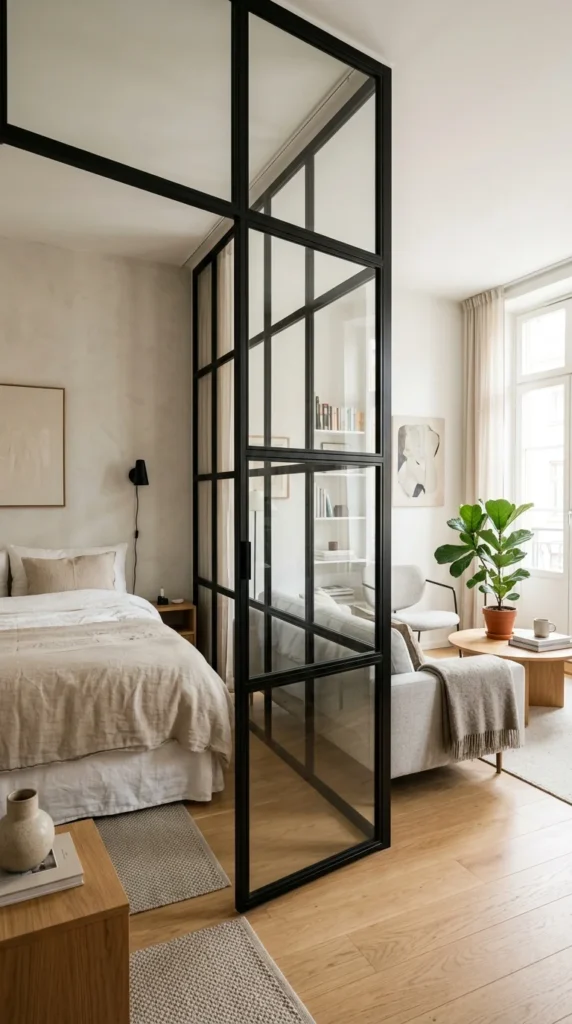
Solid walls are the enemy of small spaces because they block light and create hard boundaries. Glass partitions, particularly those with industrial steel frames, provide a physical barrier to separate the bedroom from the living area without sacrificing the flow of light. This maintains an airy, open-concept feel while providing the psychological comfort of having a designated “private” zone.
3. Convertible Furniture
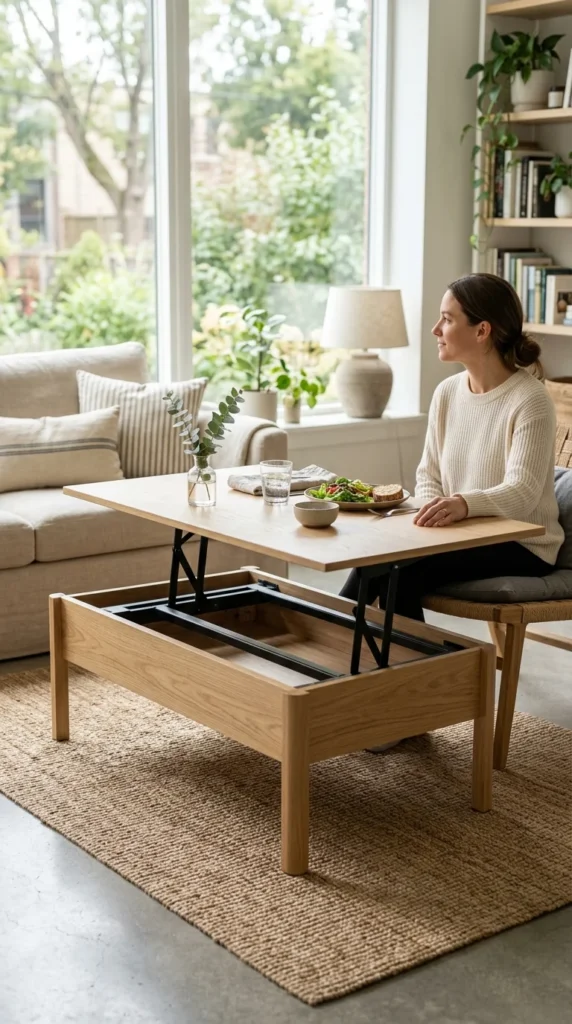
In a tiny apartment, every piece of furniture must earn its keep. Convertible furniture is the cornerstone of smart layouts. Look for coffee tables that lift up to become dining tables, or sofas that hide a pull-out guest bed. These pieces allow a single room to serve multiple purposes—acting as a lounge during the day and a dining room or guest suite at night—without requiring extra square footage.
4. Lofted Bedrooms
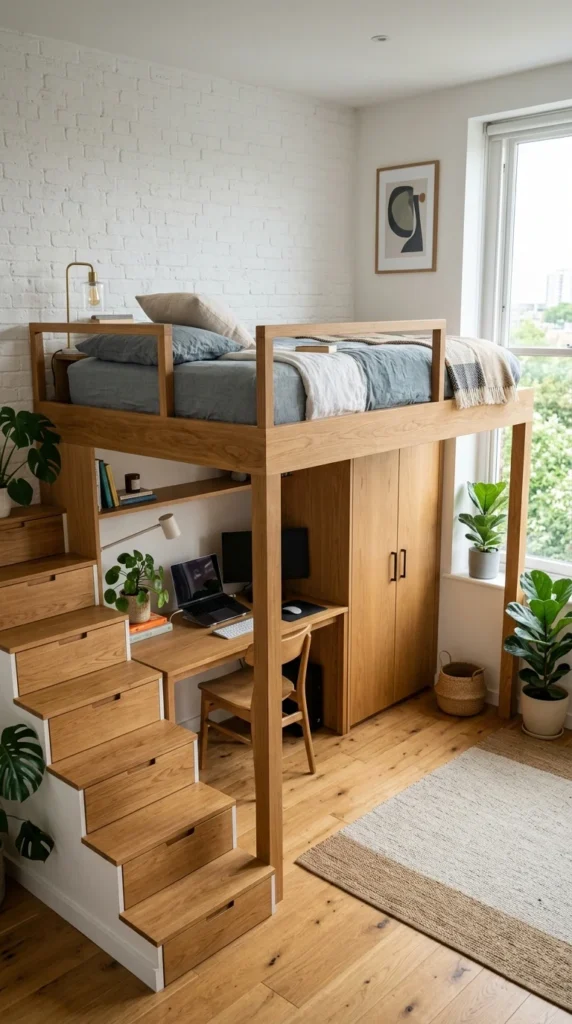
If your ceilings are at least nine feet high, a lofted bedroom is one of the most effective ways to double your usable space. By elevating the sleeping area, you free up the entire floor underneath for a home office, a walk-in closet, or an expanded living area. Using stairs instead of a ladder provides an opportunity for “stair-storage,” where each step acts as a deep drawer for clothes or linens.
5. Hidden Storage
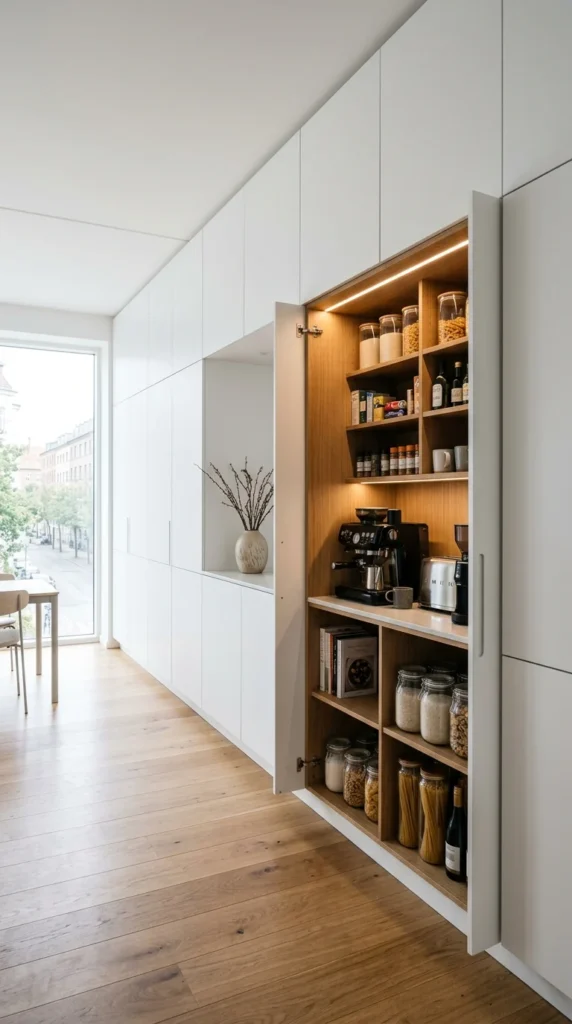
Clutter is the quickest way to make a small home feel tiny. Hidden storage solutions, such as handle-less “push-to-open” cabinets that blend into the walls, create a clean and streamlined look. Built-in wardrobes that match the wall color disappear into the architecture, providing ample space for belongings while keeping the visual landscape calm and organized.
6. Open Plan
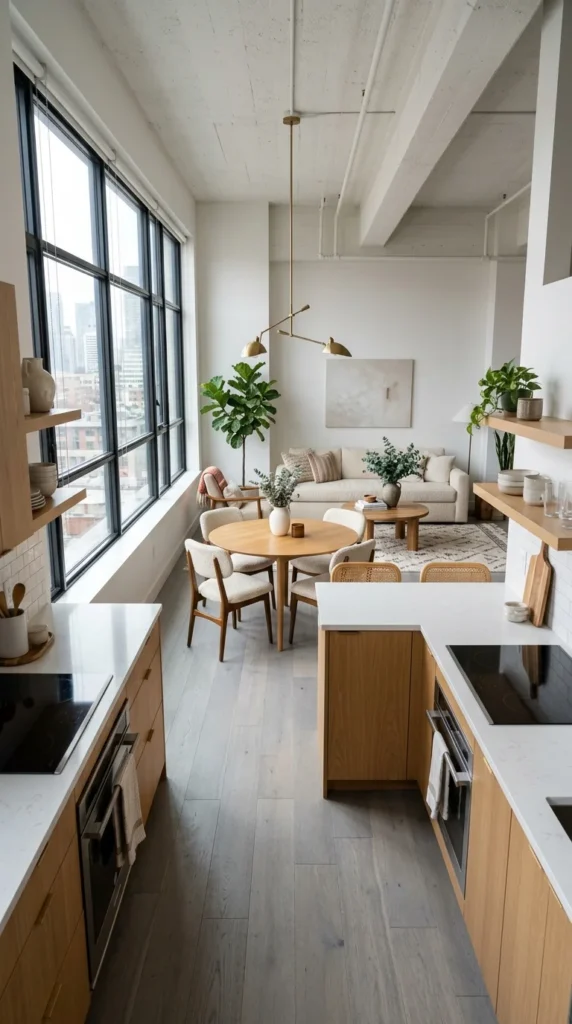
Removing unnecessary walls is a classic strategy for a reason. An open-plan layout allows for better air circulation and light distribution. To prevent the space from feeling like one giant, disorganized room, use rugs, different lighting fixtures, or subtle color shifts to define “zones” for cooking, eating, and relaxing without the need for physical barriers.
7. Murphy Beds
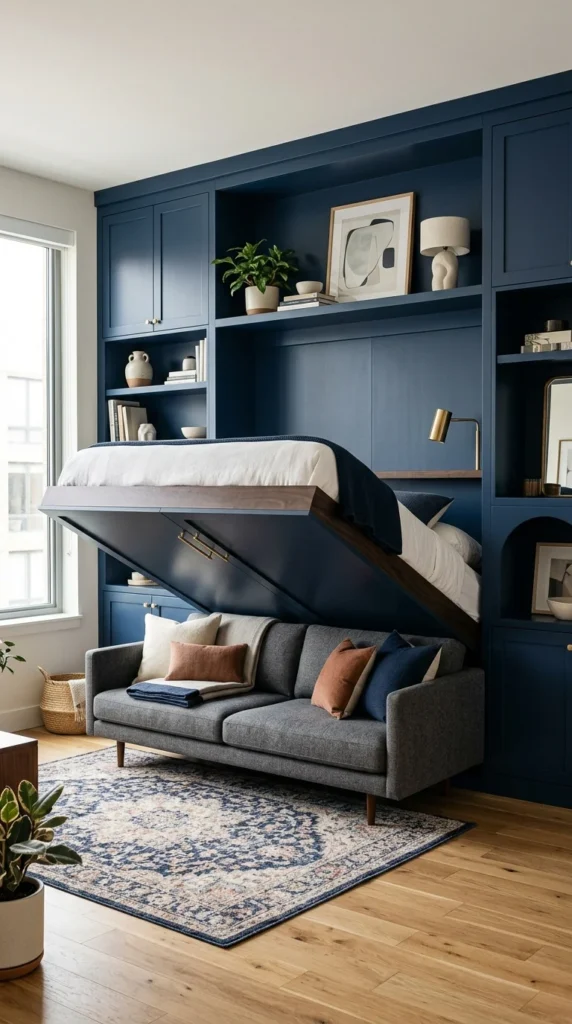
The Murphy bed remains the king of studio apartment layouts. Modern designs are far more sophisticated than their predecessors, often featuring built-in sofas or desks that remain usable even when the bed is tucked away. This allows you to have a full-sized bed for a good night’s sleep without losing 30 square feet of floor space during the daytime.
8. Sliding Doors
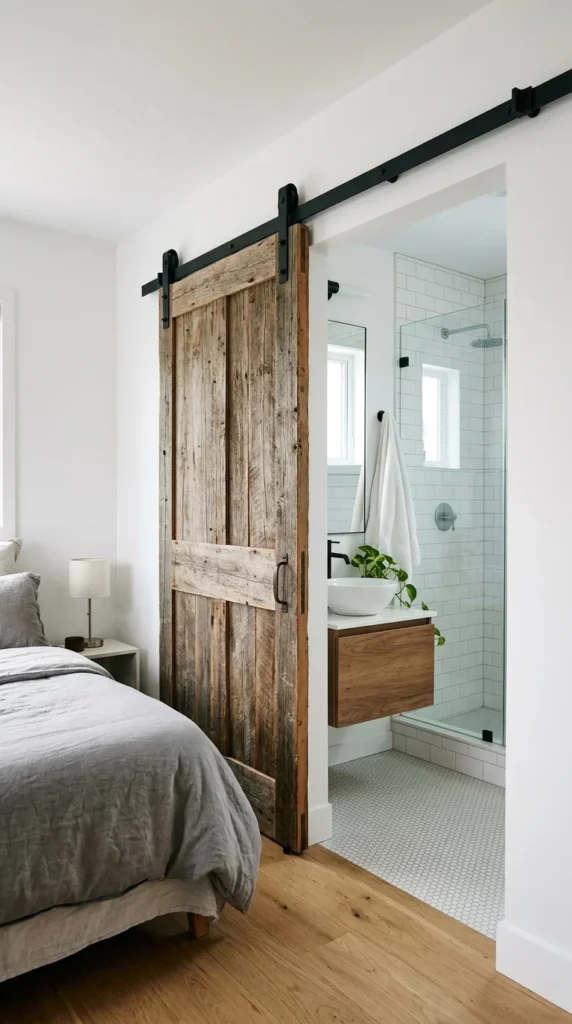
Standard swinging doors require a “swing radius” that consumes valuable floor space. Replacing traditional doors with sliding “pocket” doors or barn doors saves several square feet of room. This is particularly useful for bathrooms or closets located in narrow hallways where a swinging door would create a traffic jam.
9. Reflective Surfaces
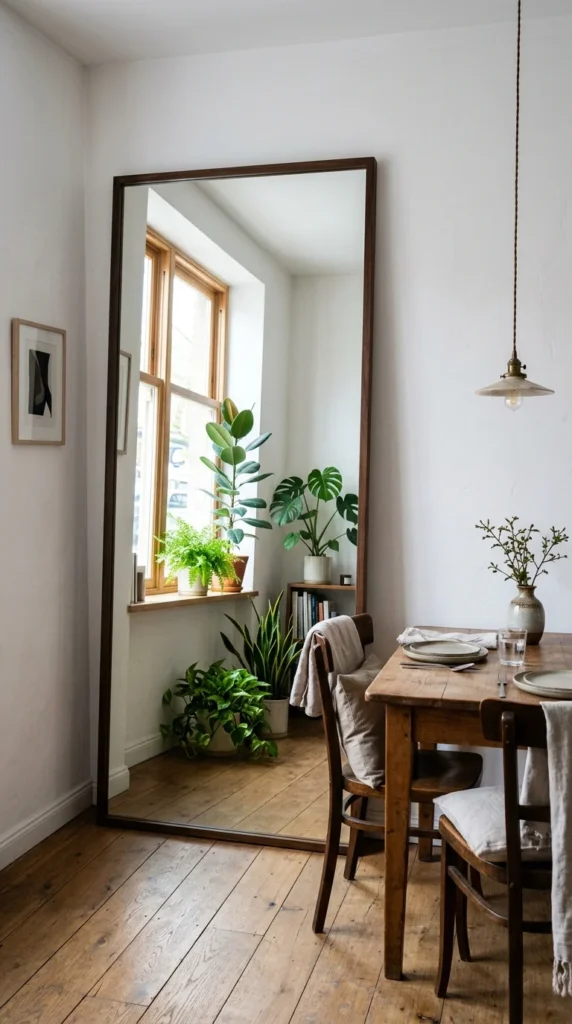
Mirrors are a designer’s secret weapon for small spaces. A large, well-placed mirror can visually double the size of a room by reflecting light and views. Beyond wall mirrors, consider using reflective materials like high-gloss kitchen cabinets, metallic accents, or glass coffee tables to bounce light around the room and create a sense of depth.
10. Multi-functional Islands
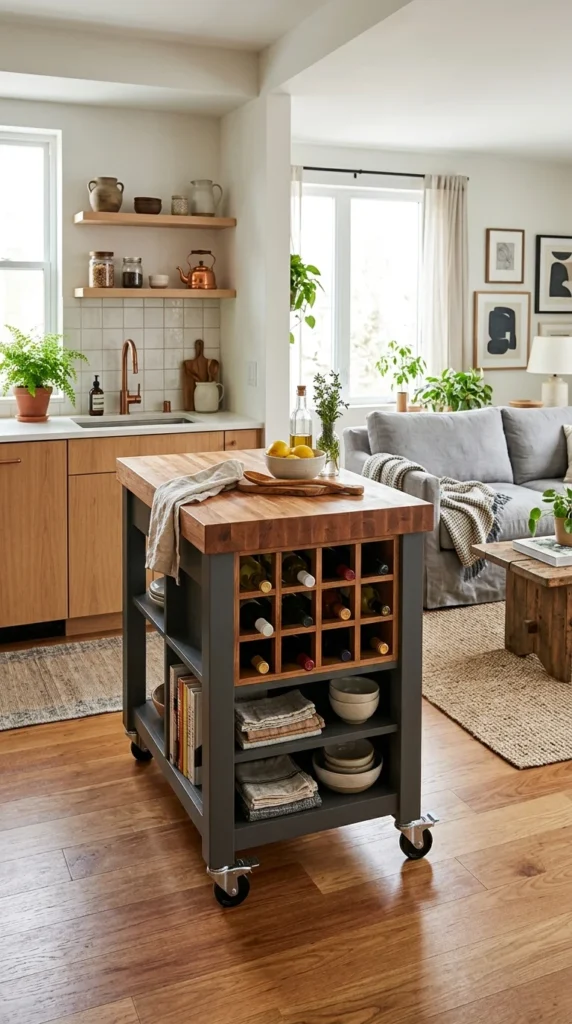
In a small kitchen, a permanent island might be too bulky. Instead, opt for a multi-functional, mobile island on casters. This piece can serve as a food prep station, a dining bar with two stools, or even a bar cart when hosting guests. When you need extra floor space for an activity, simply roll it against the wall.
11. Window Nooks
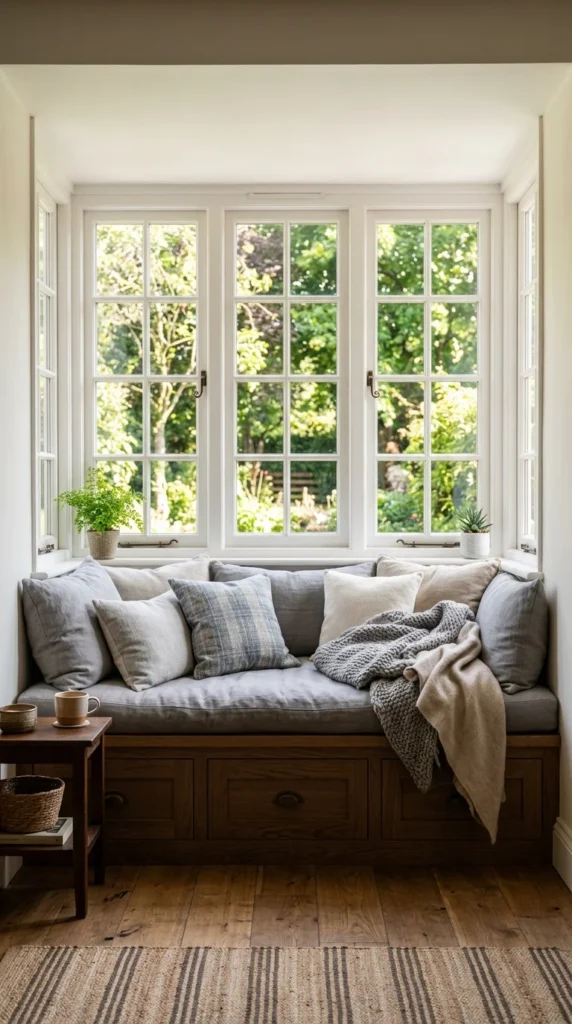
The space directly under a window is often underutilized. By building a custom bench or “daybed” into this area, you create a cozy reading nook and extra seating for guests. This layout utilizes “dead space” and adds a layer of architectural character to the apartment while providing additional hidden storage beneath the seat.
12. Under-bed Cabinets
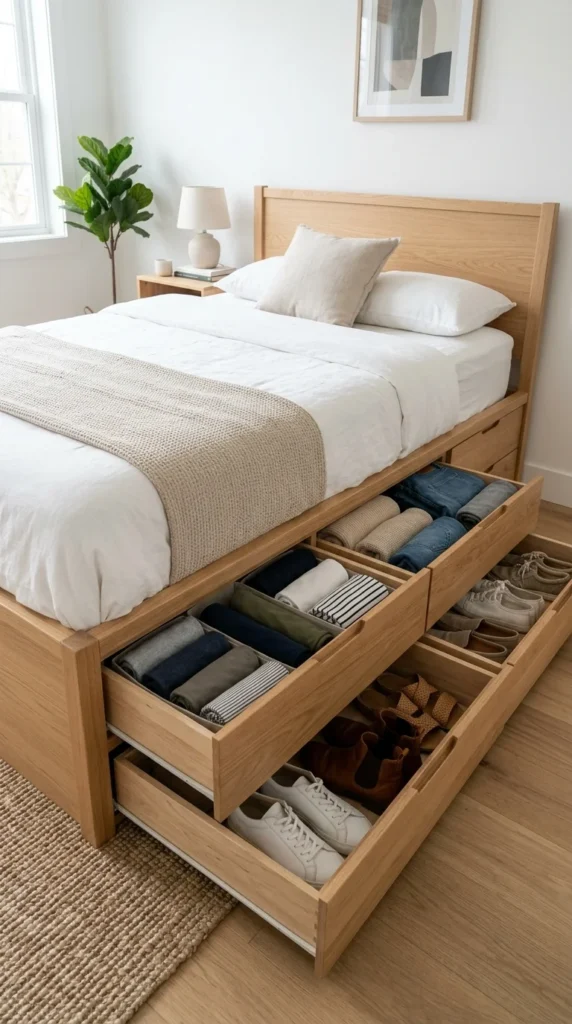
If a loft isn’t an option, a platform bed with integrated storage is the next best thing. Rather than using flimsy plastic bins under the bed, look for frames with built-in cabinetry and drawers. This creates a “dresser under the bed” effect, which can eliminate the need for a bulky freestanding chest of drawers in the room.
13. Curtained Dividers
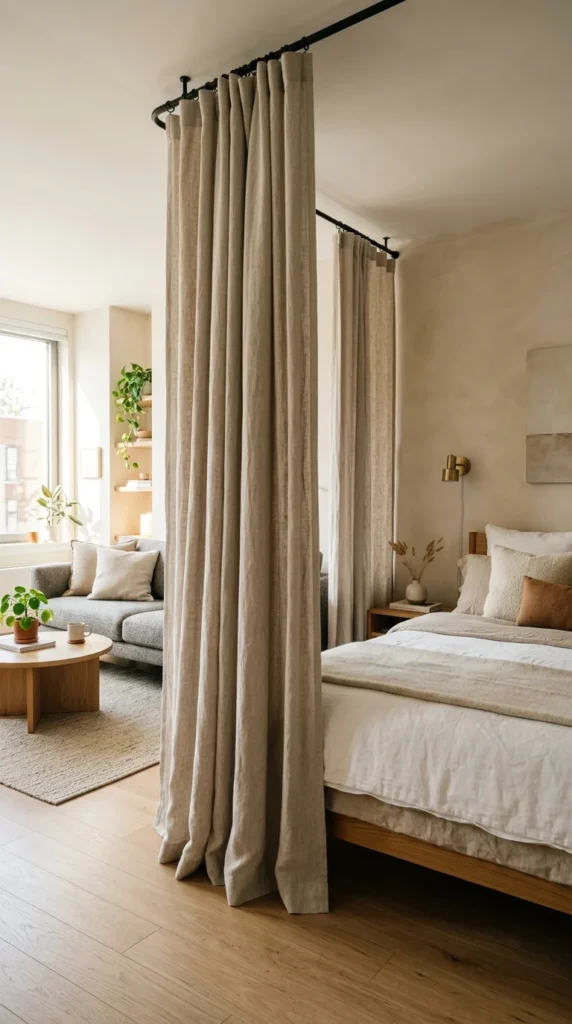
For those who want a flexible layout, curtains are a soft and affordable alternative to walls. They provide privacy and sound dampening without the permanence of a partition. Curtains can be drawn closed at night to create a “cocoon” for sleep and tucked away during the day to restore the apartment’s open-concept feel.
14. Corner Offices
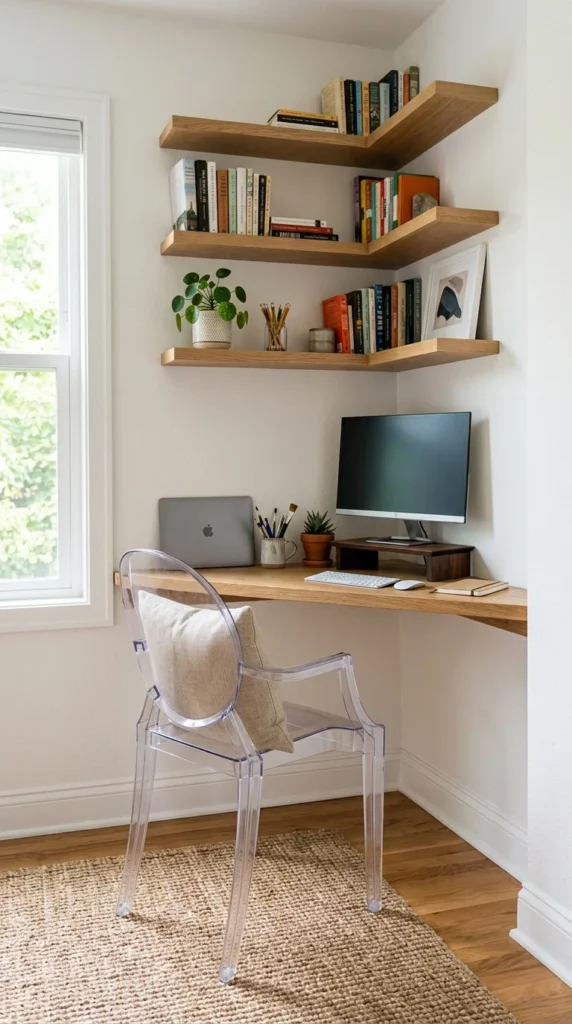
With the rise of remote work, a home office is essential, but it doesn’t need a dedicated room. A corner layout utilizes the often-wasted angles of a studio. Using a floating desk or a triangular corner unit keeps the center of the room clear, allowing you to maintain a professional workspace without cluttering the main living area.
15. Raised Platforms
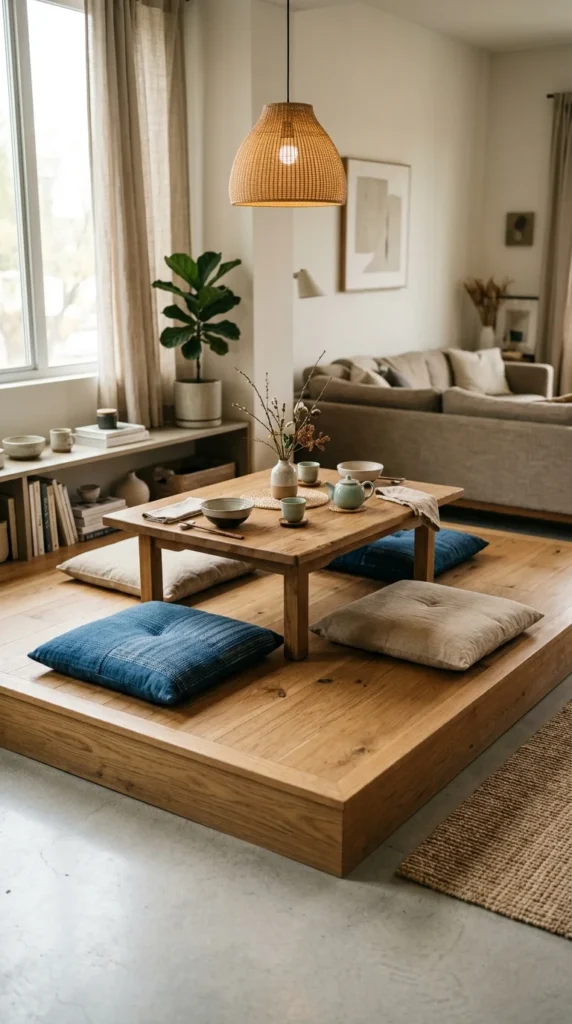
Creating different floor levels is a sophisticated way to define space. A slightly raised platform for a dining area or a bed creates a visual boundary that feels more permanent than a rug but less intrusive than a wall. The hollow space inside the platform can also be fitted with long, pull-out drawers for storing seasonal items like suitcases or holiday decorations.
16. Floating Shelves
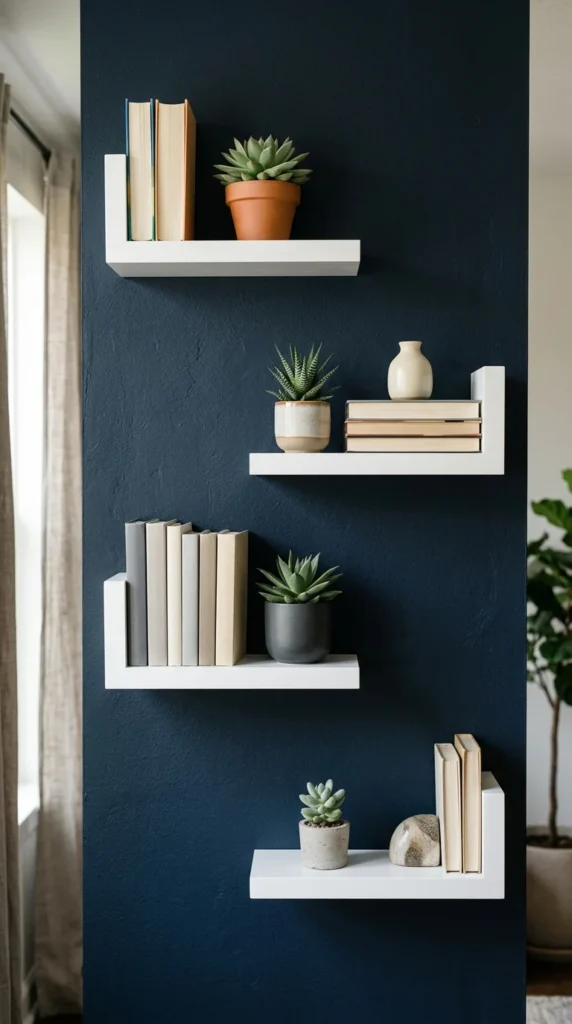
Legs on furniture take up visual floor space and can make a room feel crowded. Floating shelves and wall-mounted units keep the floor visible, which tricks the brain into thinking there is more room. This “off-the-floor” philosophy can be applied to bedside tables, desks, and even media consoles to create a light, airy aesthetic.
17. Monochromatic Palettes
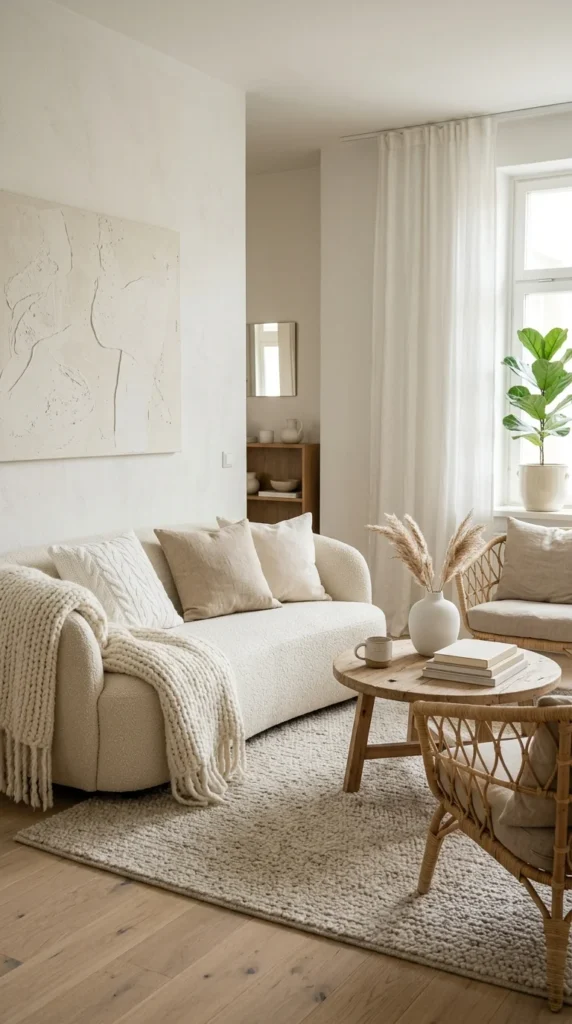
A busy color palette can make a small space feel chaotic. A monochromatic or tonal color scheme—using varying shades of the same color—creates a seamless transition between walls, furniture, and floors. This lack of visual “stops” allows the eye to glide across the room, making the boundaries of the apartment feel less restrictive.
18. Fold-down Desks
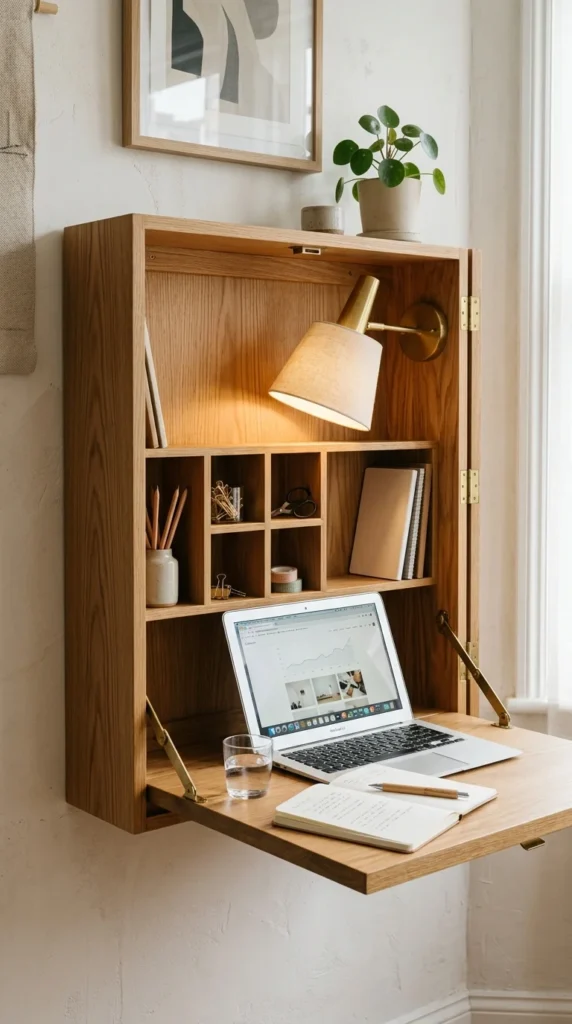
For the ultimate space-saver, consider a “murphy desk” or a secretary-style unit that folds flat against the wall when not in use. This is perfect for narrow hallways or the side of a living room. Once the workday is over, you can literally “fold away” your job, which helps maintain a healthy work-life balance in a small home.
19. High Ceilings
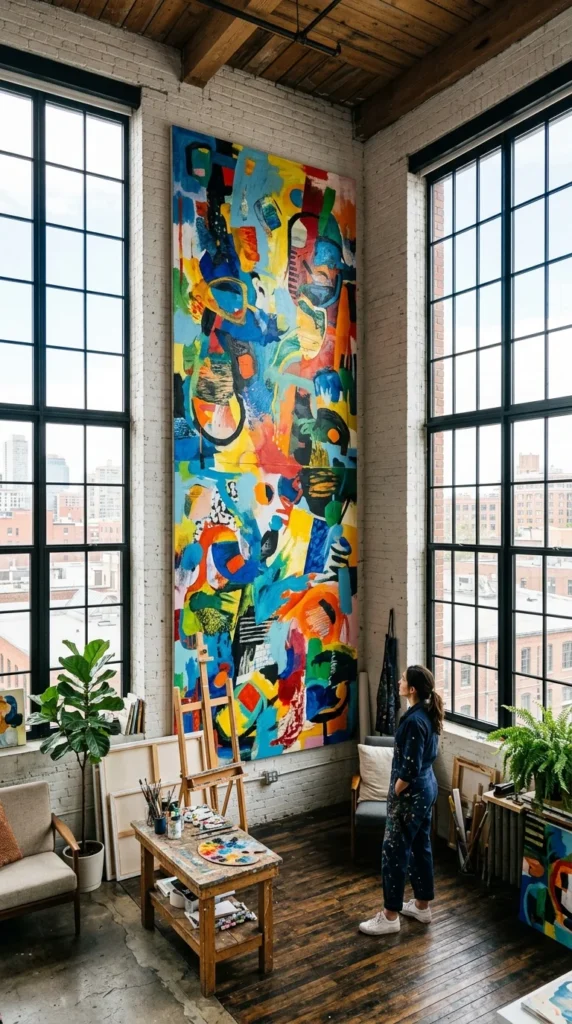
If you are lucky enough to have high ceilings, emphasize them. Use tall art pieces, long hanging plants, or vertical striped wallpaper to draw attention to the height. By emphasizing the vertical dimension, you distract from the narrow floor plan and give the apartment a “grand” feeling that belies its small footprint.
20. Compact Appliances
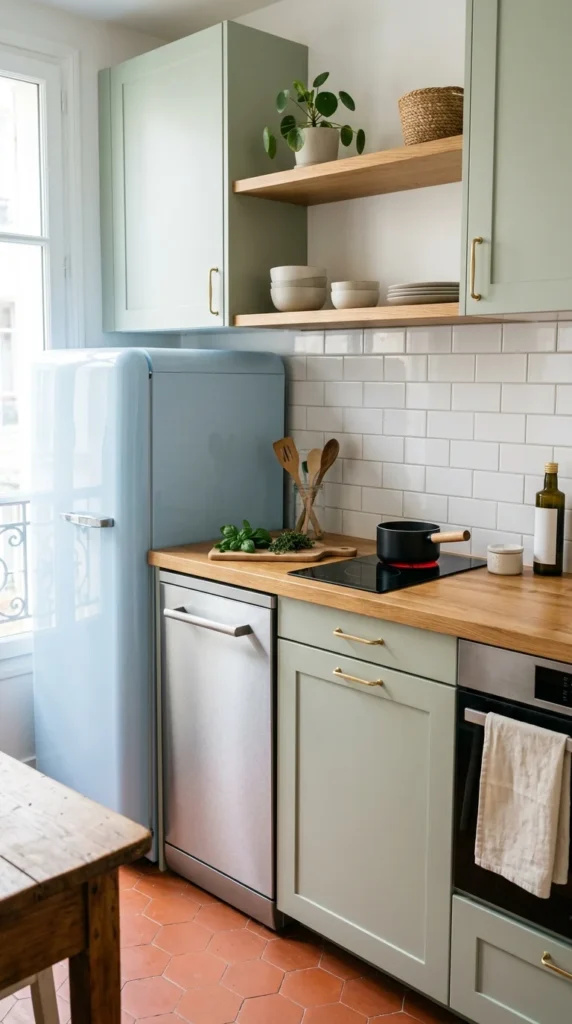
Traditional appliances are often too large for tiny kitchens. To maximize counter space, look for “apartment-sized” appliances. Slimline dishwashers, two-burner cooktops, and combination washer-dryer units allow you to have all the modern conveniences without sacrificing the workspace needed for actual cooking and living.
21. Defined Entryways
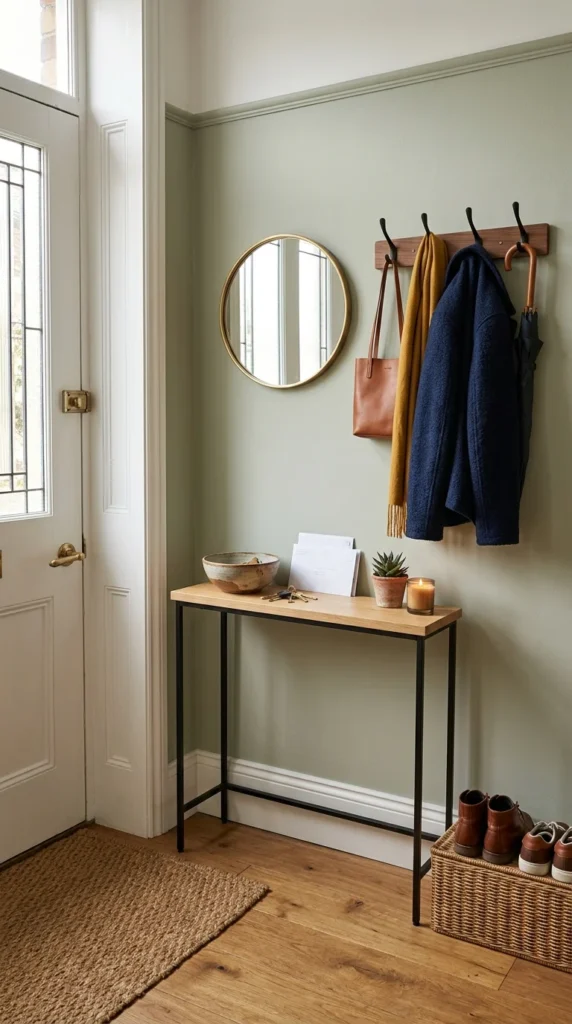
In many tiny apartments, you walk directly into the kitchen or living room. Creating a “micro-entryway” with a small rug, a few wall hooks, and a slim mirror helps establish a transition zone. This prevents the “clutter creep” of shoes and coats from entering the main living space and provides a psychological sense of “arriving” home.
22. Modular Sofas
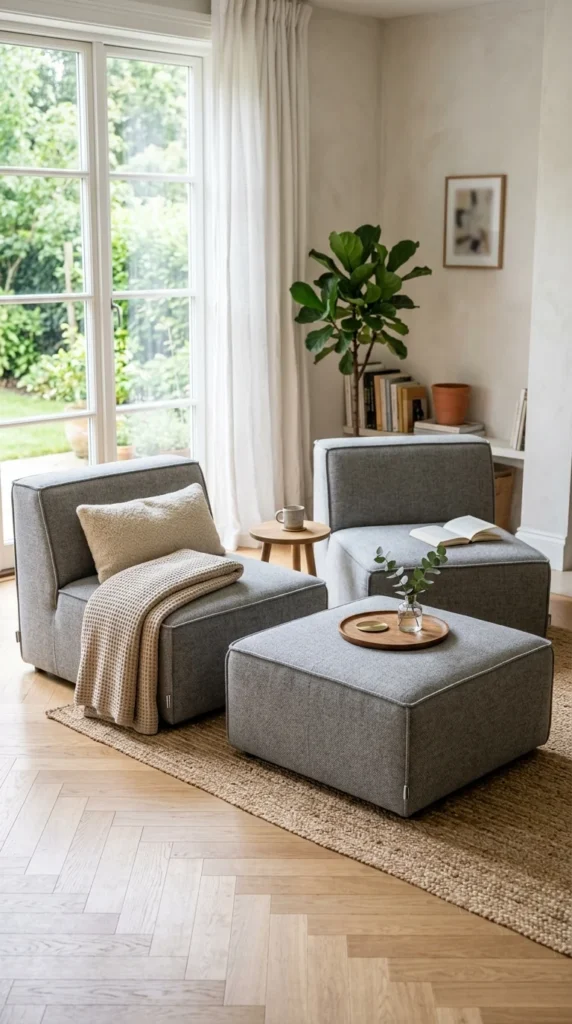
A standard sofa can be a rigid obstacle in a small room. Modular sofas, consisting of individual “blocks,” can be rearranged to fit your needs. You can push them together for a movie night, separate them into individual chairs for a social gathering, or even move a piece to serve as an ottoman or coffee table. This flexibility is key to making a small layout work for every occasion.