
Living in a small footprint doesn’t mean sacrificing style, comfort, or functionality. In the modern urban landscape, “micro-living” has evolved from a necessity into a design movement. The challenge of a tiny apartment lies in the geometry of the space—how to fit a kitchen, a bedroom, a living room, and a workspace into a square footage that often feels insufficient for even one of those functions.
The secret to success is a shift in perspective. Instead of seeing four walls, interior designers look for volume, hidden voids, and multifunctional opportunities. By utilizing vertical height, implementing “transformer” furniture, and creating psychological zones through texture and light, you can make a 300-square-foot studio feel like a sprawling suite. Here are ten innovative layout ideas to help you maximize every square inch of your home.
1. Vertical Lofts
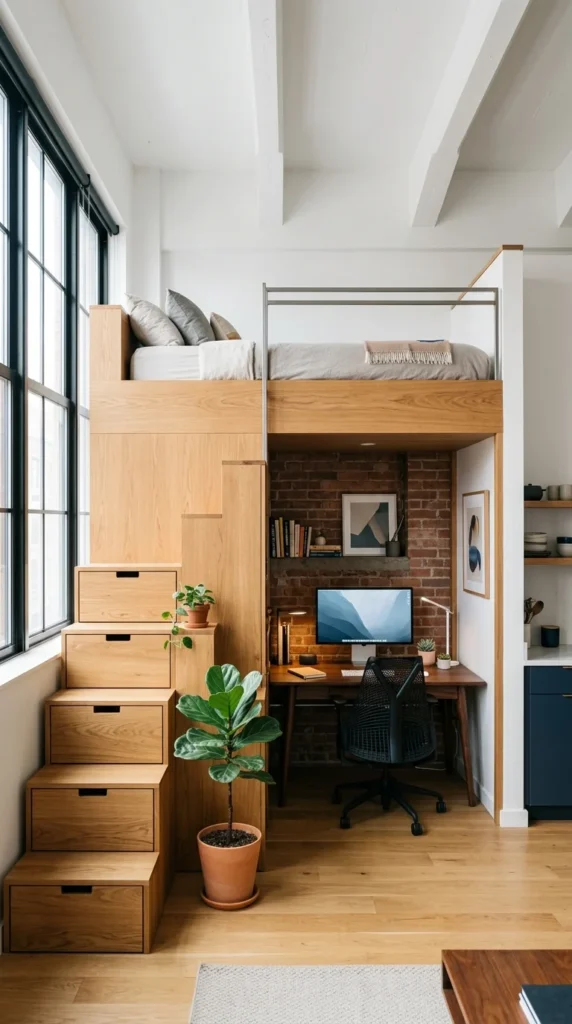
When floor space is at a premium, the only way to go is up. Vertical lofting is the ultimate solution for studio apartments with ceilings higher than nine feet. By elevating the sleeping area, you effectively double the usable square footage of that specific footprint.
The space beneath a loft can be repurposed into a walk-in closet, a cozy media nook, or a dedicated home office. To make the most of this layout, ensure the staircase isn’t just a ladder but a “stair-cabinet”—a series of steps that double as pull-out drawers. This eliminates the need for a bulky dresser elsewhere in the room, keeping the main floor clear for social activities.
2. Murphy Beds
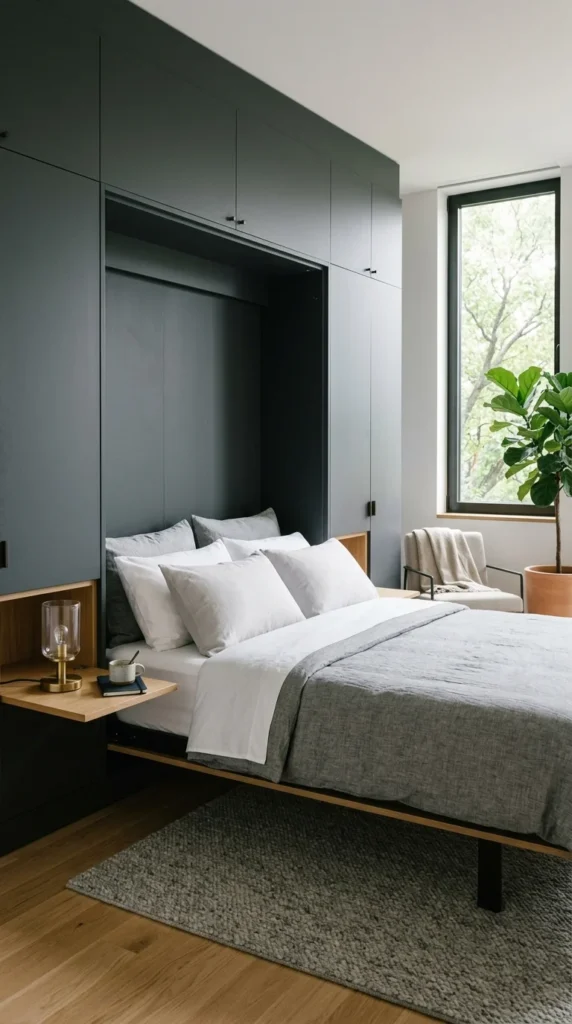
The Murphy bed, or wall bed, is the classic champion of small-space living, and for good reason. It allows a single room to serve as a professional living area by day and a restful sanctuary by night. Modern iterations have moved far beyond the clunky metal frames of the past; today’s designs are integrated into beautiful custom cabinetry.
Some of the most efficient layouts feature a sofa placed directly in front of the wall bed. When the bed is lowered, it rests over the sofa cushions, meaning you don’t have to move a single piece of furniture to go to sleep. This “transformer” approach ensures that your living room doesn’t feel like a bedroom during the day, maintaining a clear psychological boundary between “work/play” and “rest.”
3. Glass Partitions
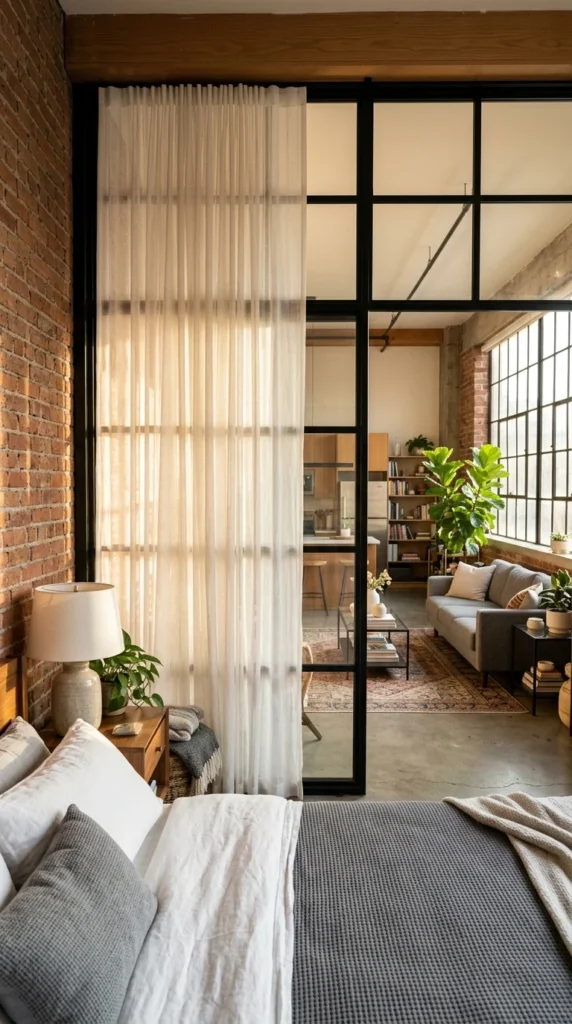
The biggest mistake in tiny apartment layouts is using solid walls to create separate rooms. Heavy dividers block light and make a small space feel like a series of claustrophobic boxes. Glass partitions—specifically those with thin steel frames—provide the necessary physical separation (blocking sound and kitchen odors) without the visual weight.
Using glass allows the eye to travel through the entire length of the apartment, creating the illusion of a much larger space. If privacy is a concern, you can install floor-to-ceiling curtains or use frosted glass. This layout is particularly effective for separating a bedroom from a living area, ensuring that the entire apartment benefits from the windows located in only one section of the unit.
4. Modular Storage
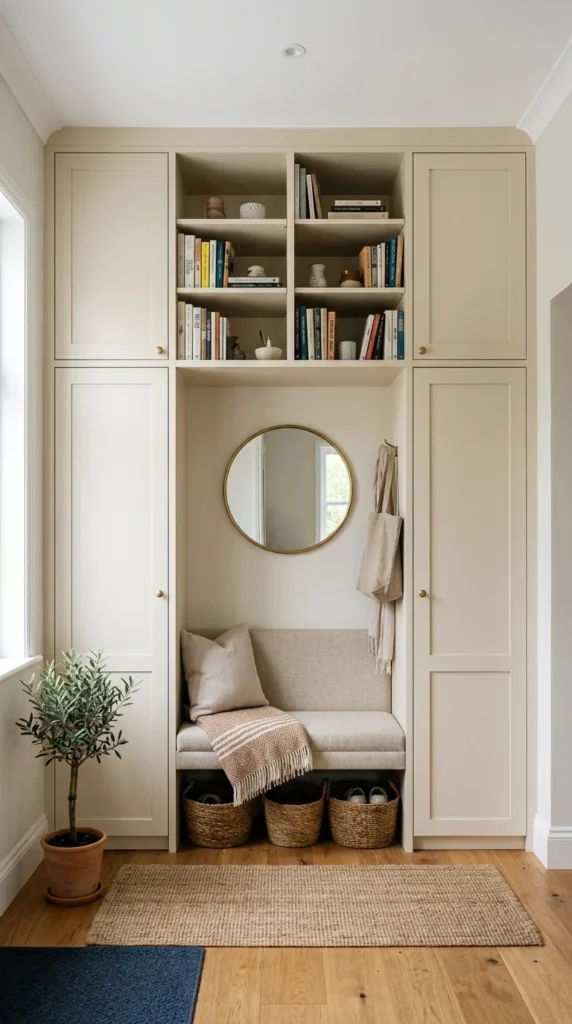
In a small apartment, clutter is the enemy of perceived space. Modular storage systems that occupy an entire wall from floor to ceiling are far more efficient than scattered pieces of furniture like standalone wardrobes or bookshelves. By concentrating all storage onto one “active wall,” you leave the rest of the floor plan open and airy.
These systems can be customized to hide everything from a vacuum cleaner to a fold-out dining table. The key is to mix closed cabinetry with a few open shelves. The closed doors hide the visual chaos of daily life, while the open shelves allow you to display curated decor, which adds personality and prevents the wall from feeling like a giant, imposing block.
5. Elevated Platforms
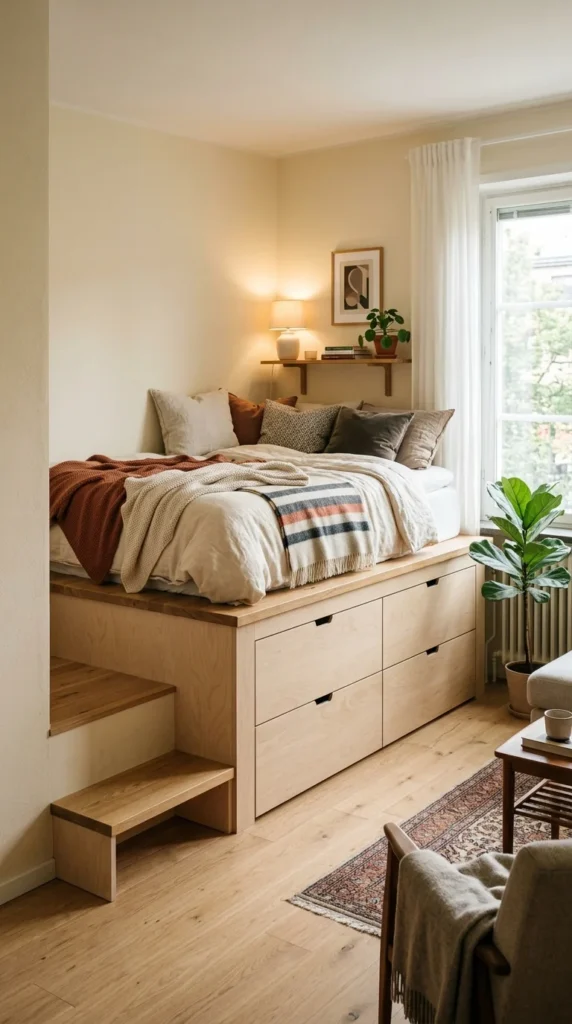
If your ceilings aren’t quite high enough for a full loft, an elevated platform is a brilliant compromise. Raising a section of the floor by just 12 to 18 inches creates a clear “zone” for the bed or a reading nook without cutting off the room’s volume.
The true magic of the platform layout is what lies beneath. The entire raised area can be hollowed out to create massive storage bins or long pull-out drawers. This is the perfect place to store off-season clothing, sports equipment, or extra linens. It provides the storage capacity of a massive closet without taking up any actual wall or floor space.
6. Sliding Doors
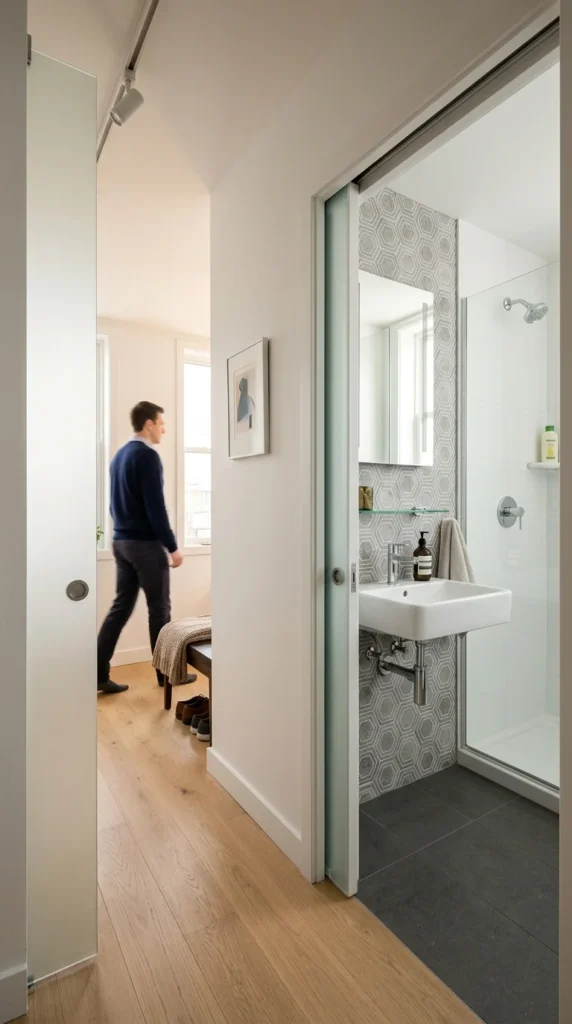
Traditional swing doors are a luxury that tiny apartments often cannot afford. A standard door requires about 10 to 12 square feet of “dead space” just to allow it to open and close. In a 300-square-foot apartment, that is a significant percentage of your usable area.
Replacing swing doors with sliding “barn” doors or pocket doors that disappear into the wall reclaims that floor space. This allows you to place furniture right up to the door frame. Additionally, sliding doors can be used as moving walls—allowing you to open up the bathroom or bedroom to the rest of the apartment when they aren’t in use, further enhancing the sense of flow and openness.
7. Transforming Furniture
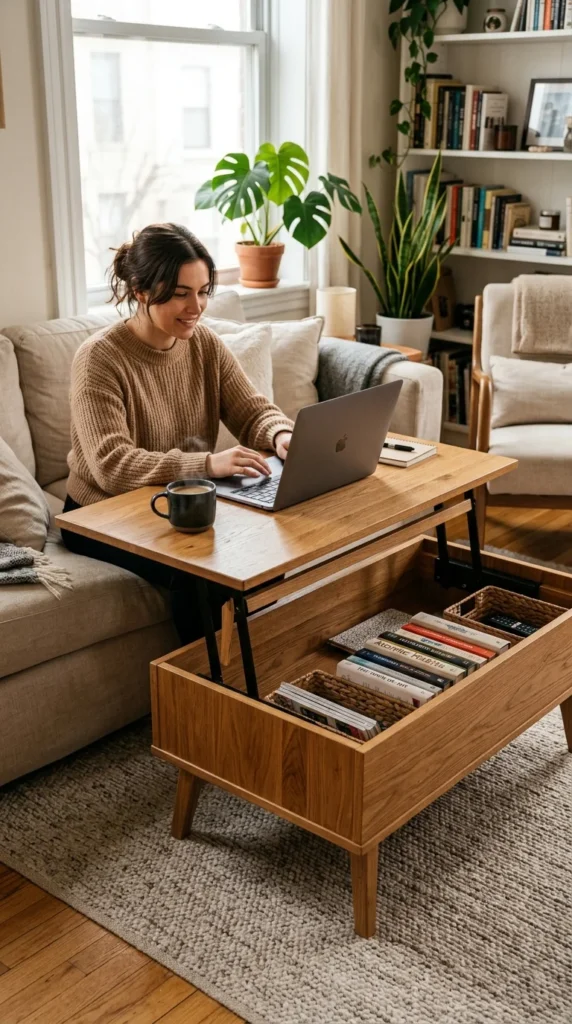
In a tiny apartment, every piece of furniture should have at least two jobs. The “transforming furniture” layout focuses on items that change shape based on the time of day or the number of guests.
Consider a console table behind a sofa that unfolds into a dining table for six, or a coffee table that rises to become a desk. By choosing furniture that can expand and contract, you avoid overcrowding the room with items that are only used occasionally. This keeps the daily layout lean and functional while ensuring you still have the capacity to host dinner parties or work from home comfortably.
8. Window Nooks
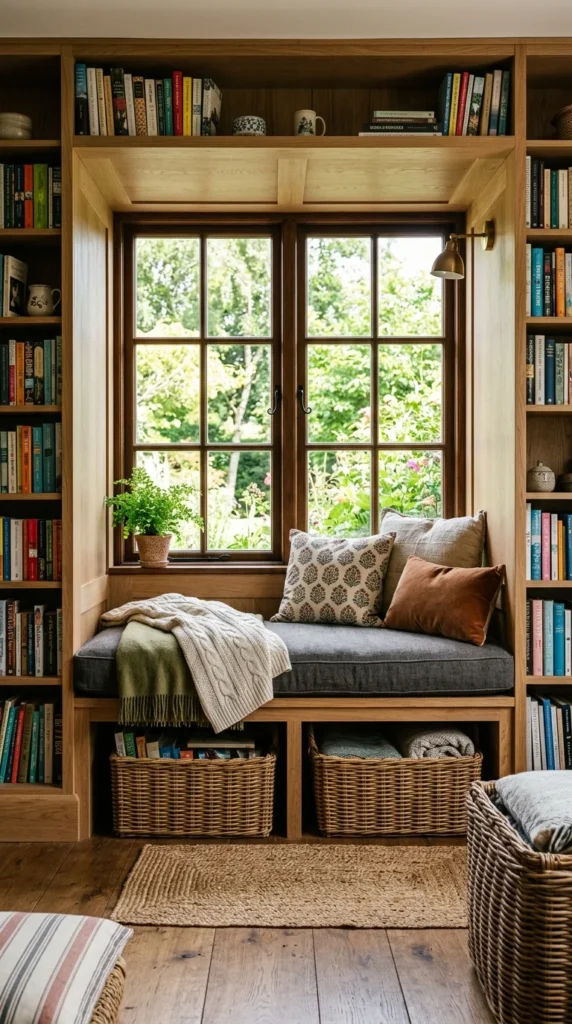
The area around a window is often underutilized. By building a custom nook into the window frame, you can create a dining banquette, a reading retreat, or even a small home office without encroaching on the center of the room.
This layout strategy utilizes the “periphery” of the apartment. A built-in window seat provides extra seating for guests and can include hidden storage under the cushions. Because it is bathed in natural light, the window nook often becomes the most inviting spot in the apartment, providing a “destination” within the single-room layout that feels distinct from the kitchen or bed area.
9. Mirrored Surfaces
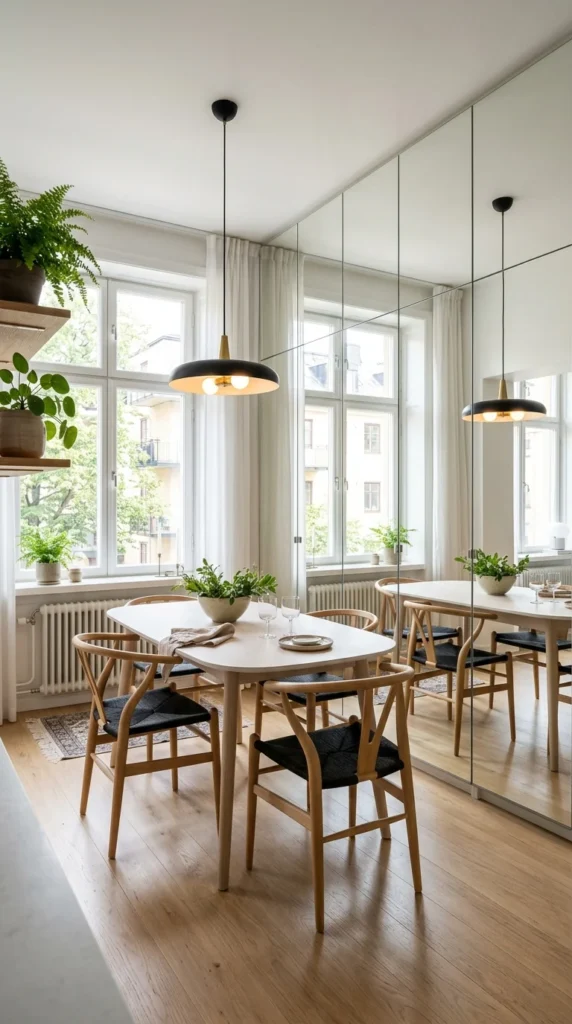
While not a physical structural change, a layout that incorporates mirrored walls is the oldest and most effective trick for doubling the perceived size of a room. Placing a large mirror—or a series of mirrored panels—opposite a window reflects both the light and the view, effectively creating a “second window.”
For the best results, use mirrors on the longest wall of the apartment or at the end of a narrow hallway to “push” the walls back. Mirrored closet doors are another practical way to implement this, serving a dual purpose by hiding your wardrobe and making the bedroom area feel twice as large.
10. Zone Rugs
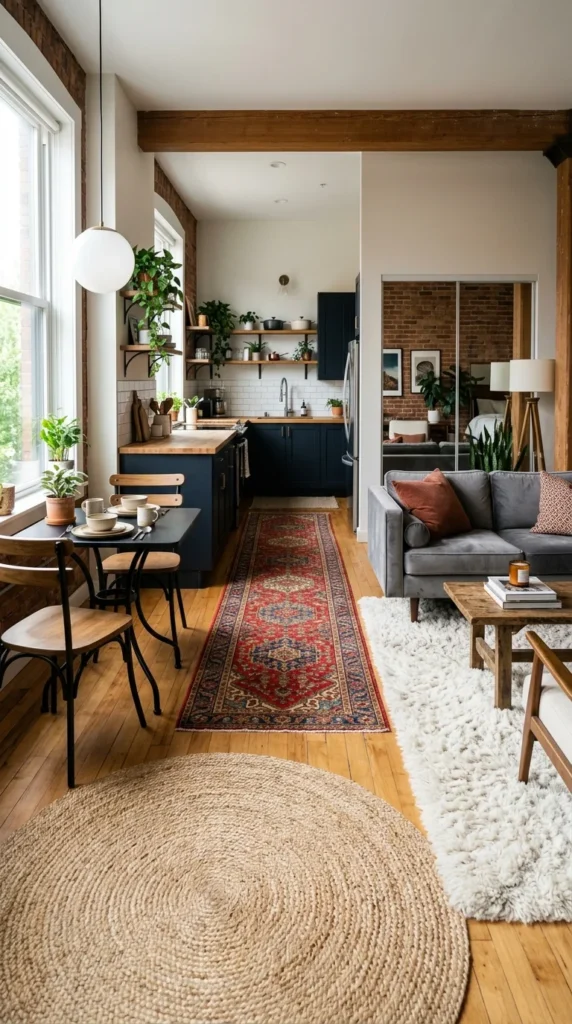
In a tiny apartment, you don’t always need physical barriers to create “rooms.” Rugs are an essential tool for “zoning”—the practice of visually grouping furniture to signal a change in function.
By placing a large rug under the sofa and coffee table, you tell the brain: “This is the living room.” A different rug under the dining table creates a “dining room.” This allows the eye to see several distinct living areas within one open space. The lack of walls keeps the apartment feeling large and connected, while the rugs provide the structural organization needed to prevent the layout from feeling like a cluttered furniture showroom.