

Living in an urban apartment often means making peace with limited square footage, and nowhere is this challenge more apparent than in the bedroom. However, a small bedroom doesn’t have to feel cramped or claustrophobic. With the right design strategies, you can trick the eye into perceiving more depth, height, and breathing room. Transforming a tiny sleeping quarters into a spacious sanctuary is less about the physical dimensions and more about how you manage light, scale, and organization. Here are nine expert-backed ideas to make your small apartment bedroom feel significantly larger.
1. Vertical Storage
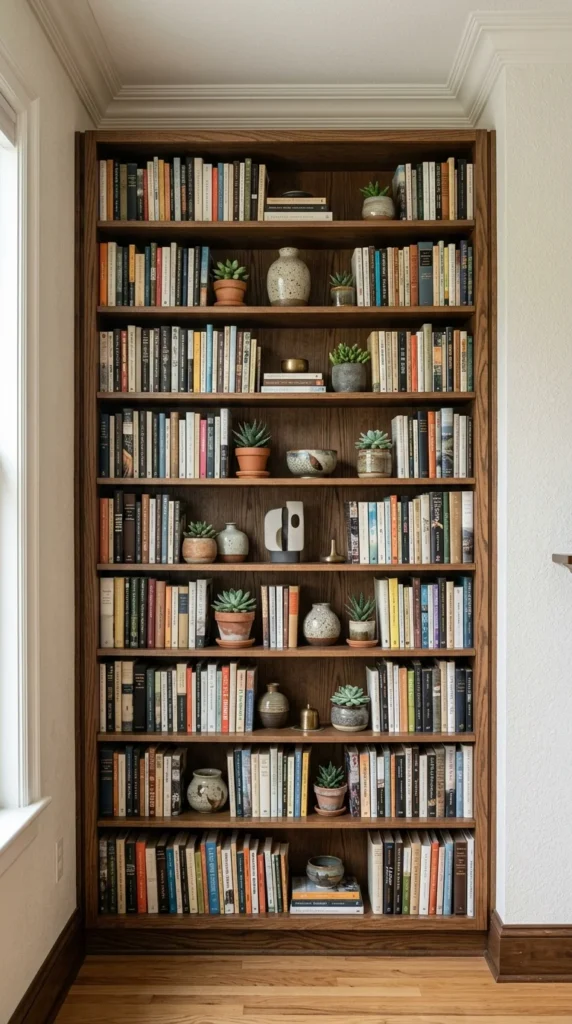
When floor space is at a premium, the only way to go is up. Utilizing the vertical plane is one of the most effective ways to reclaim your room. Instead of wide, bulky dressers that eat up precious walkway space, opt for tall, narrow shelving units or “chimney” cabinets.
By drawing the eye upward toward the ceiling, you emphasize the height of the room rather than its narrow width. Floor-to-ceiling shelving not only provides ample space for books, folded clothes, and decor, but it also creates a sense of architectural permanence that makes the room feel custom-designed and more expansive. Consider painting these units the same color as the walls to help them blend in seamlessly, preventing the visual “stutter” that occurs when furniture breaks up a small space.
2. Light Colors
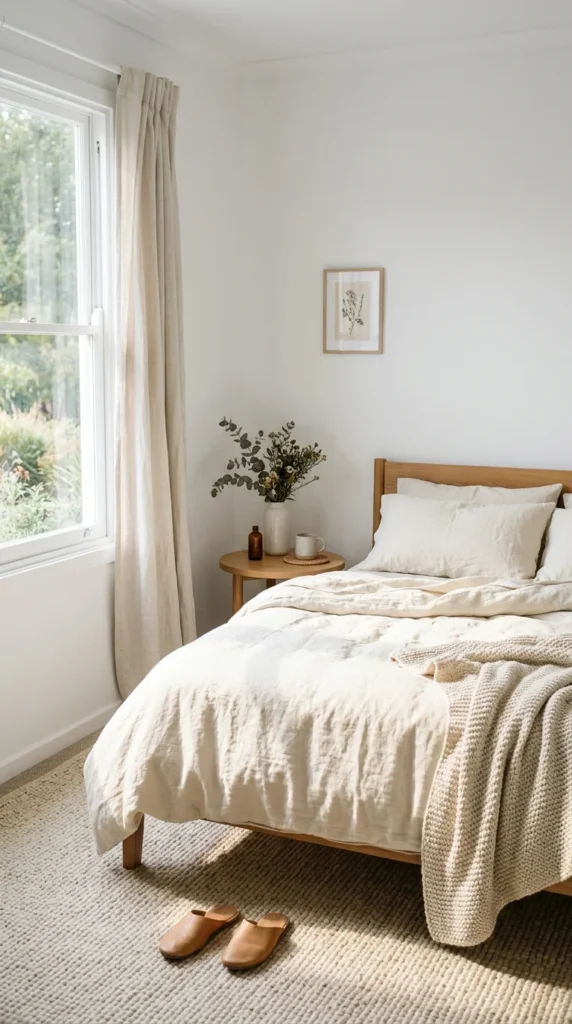
Color is perhaps the most powerful tool in an interior designer’s arsenal for manipulating the perception of space. Dark colors tend to absorb light and pull walls inward, creating a cozy but enclosed feeling. In contrast, light shades—such as soft whites, cool greys, pale blues, and light creams—reflect light, making the walls appear to recede.
A monochromatic or tonal color palette works best for small spaces. By using various shades of the same light color for the walls, bedding, and curtains, you eliminate harsh visual boundaries. When there is no stark contrast between where the wall ends and the bed begins, the eye moves smoothly across the room, which tricks the brain into thinking the space is much larger than it actually is.
3. Multi-functional Furniture
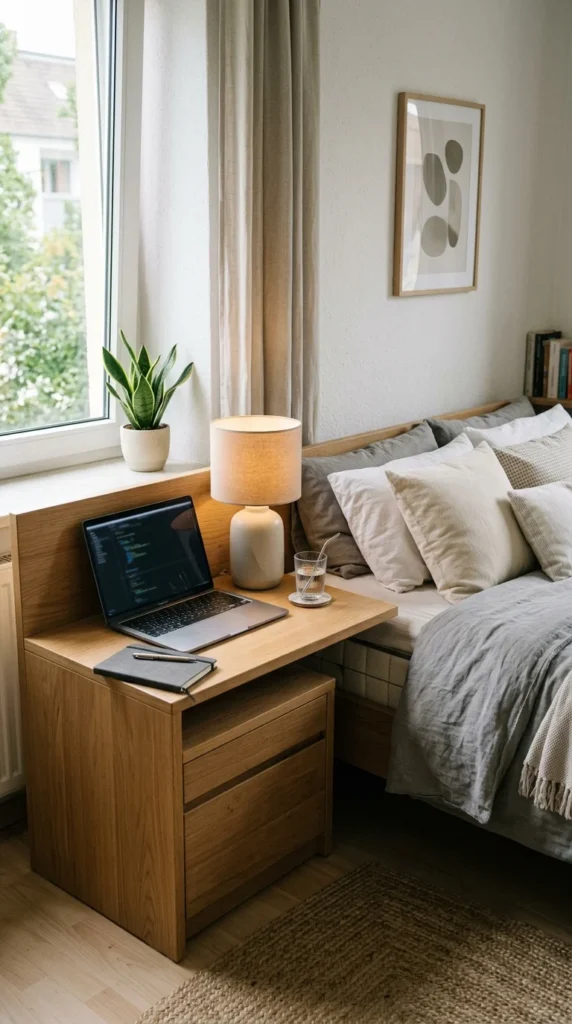
In a small apartment, every piece of furniture must earn its keep—ideally by performing more than one task. Multi-functional furniture reduces the total number of items needed in a room, which in turn clears up floor space and reduces visual clutter.
Consider a headboard with built-in niches for books and lamps, which eliminates the need for bedside tables. Alternatively, a small vanity can double as a desk for those who work from home. Another popular option is the storage ottoman at the foot of the bed, which provides seating, a place to set down a tray, and hidden storage for extra linens. By streamlining your furniture needs into fewer, more versatile pieces, you create a more open and navigable floor plan.
4. Mirror Placement
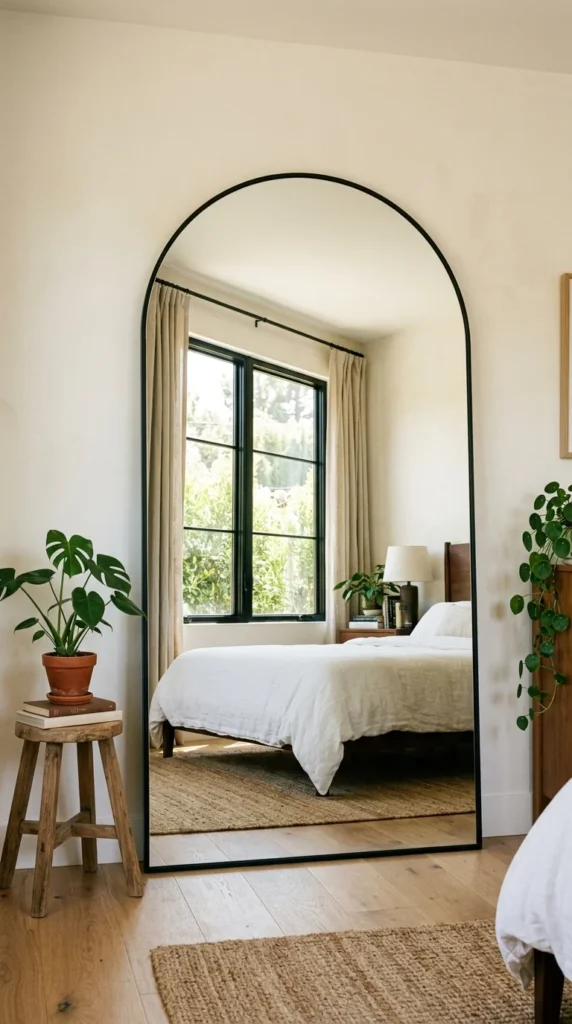
Mirrors are the classic “magic trick” of interior design. Because they reflect both light and the room itself, they effectively double the visual space. A well-placed mirror can make a windowless wall feel like it has an opening, or make a narrow galley-style bedroom feel twice as wide.
To maximize this effect, place a large mirror opposite a window. This catches the natural light and bounces it into the darker corners of the room. If you have a closet with sliding doors, consider replacing them with mirrored panels. This creates a “disappearing wall” effect that can make even the tiniest bedroom feel like a grand suite. For a more decorative touch, a gallery wall of smaller mirrors can also help break up a solid wall and add a sense of airiness.
5. Floating Shelves
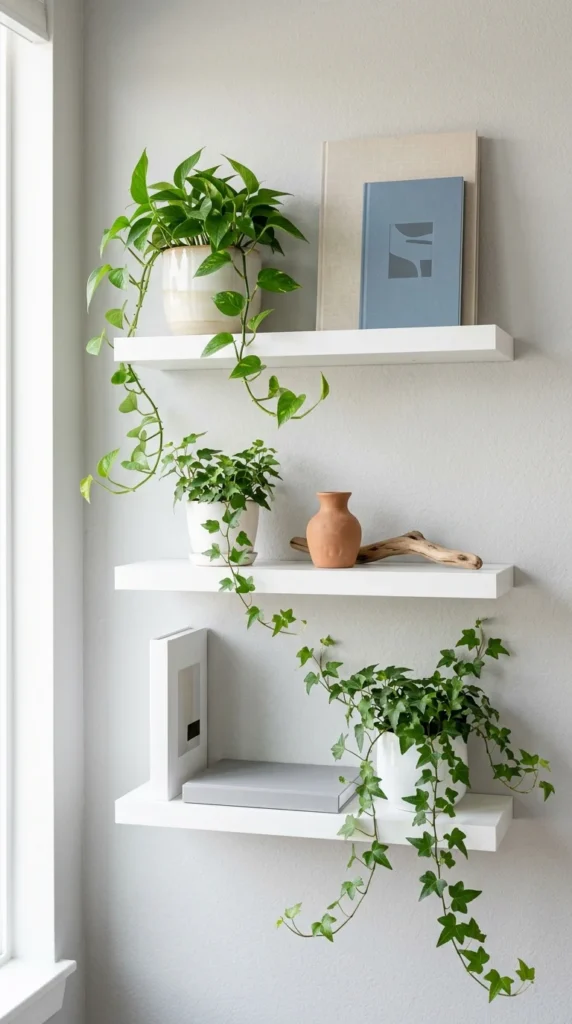
Leggy furniture and bulky cabinets create a “heavy” look at the base of a room, which can make a small space feel weighted down. Floating shelves offer a brilliant alternative by keeping the floor clear. When you can see the floorboards extending all the way to the baseboard, the room automatically feels larger.
Floating shelves can replace nightstands in tight corners where a traditional table won’t fit. They can also be used as a minimalist media console under a wall-mounted TV or as a display area for art. By keeping the floor visible and the walls relatively clear, you maintain a sense of flow and “white space” that is essential for a tranquil, expansive atmosphere.
6. Low-Profile Furniture
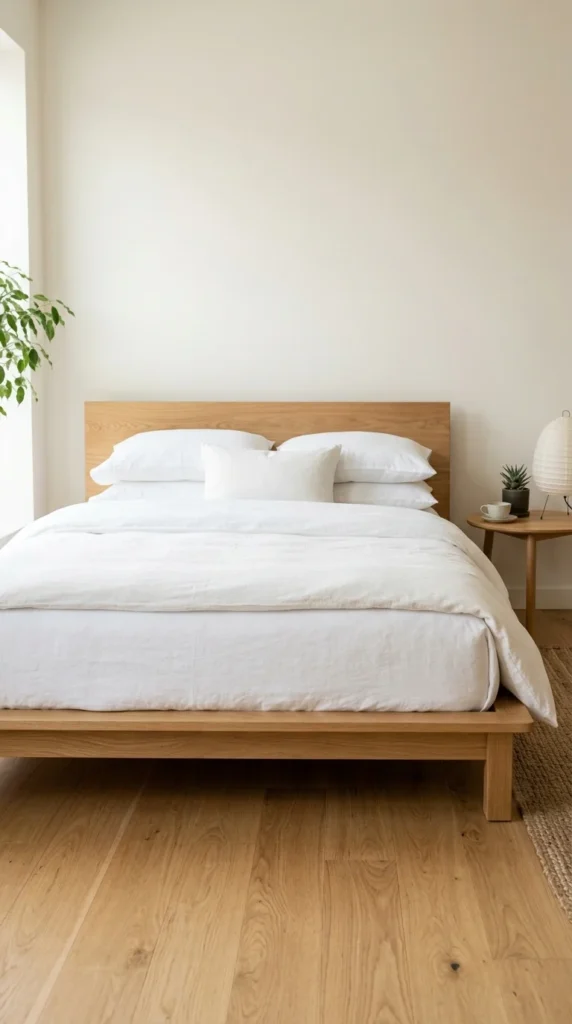
The height of your furniture significantly impacts how much “air” is left in a room. High-profile beds with tall headboards and thick mattresses can dominate a small room, making the ceiling feel lower than it actually is. By switching to low-profile furniture, you increase the distance between the top of the furniture and the ceiling.
A platform bed or a simple metal frame that sits low to the ground creates a more open vertical space. This aesthetic, often found in mid-century modern or Japanese-inspired design, emphasizes horizontal lines and keeps the visual weight of the room near the floor. This leaves the upper half of the room completely open, which provides a sense of liberation and prevents that “boxed-in” feeling.
7. Under-Bed Storage
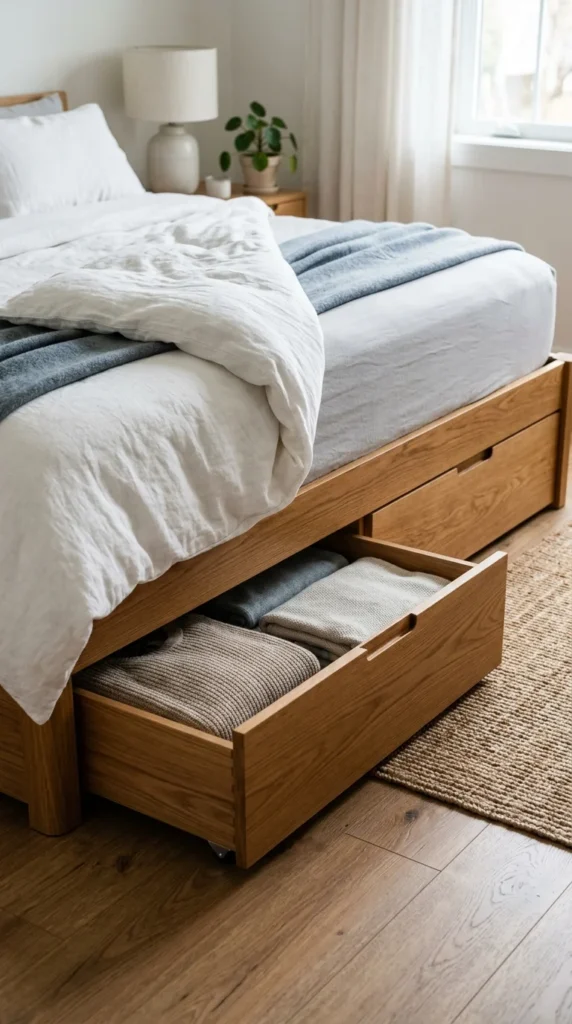
The area under your bed is often wasted space, but in a small apartment, it is prime real estate. Utilizing this “hidden” square footage allows you to move items out of your closet or dresser, potentially allowing you to size down your other furniture.
Invest in a bed frame with built-in drawers or use sleek, low-profile bins that slide easily underneath. The key to making this work without adding clutter is to keep the storage hidden. Using a tailored bed skirt or choosing a frame where the drawers match the wood finish ensures that your storage solution remains invisible. This keeps the room looking tidy and organized, which is a prerequisite for making any small space feel bigger.
8. Sheer Curtains
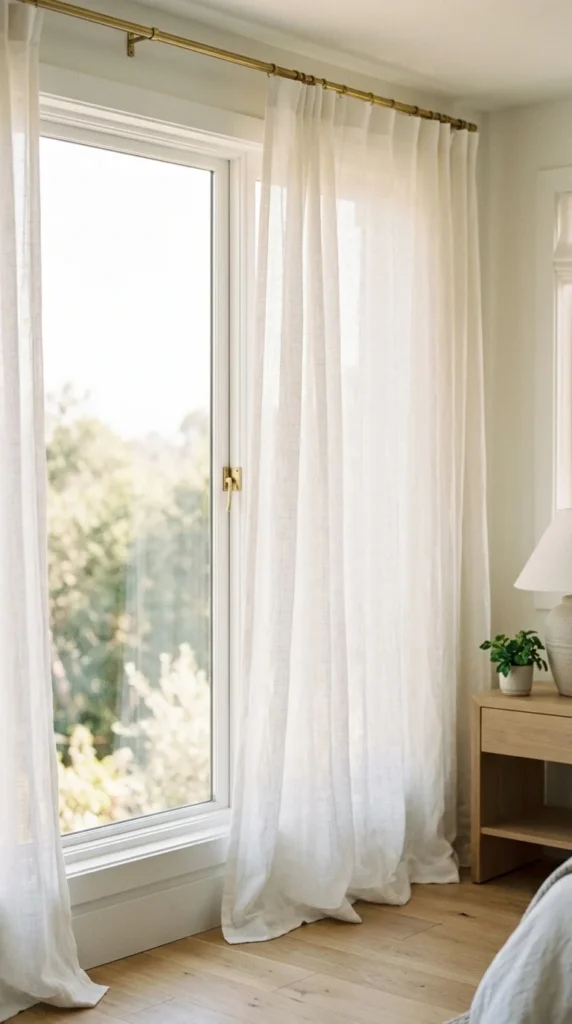
Heavy, dark drapes can act like a wall, cutting off the room and making it feel smaller and darker. To expand your space, you want to blur the line between the interior of your bedroom and the world outside. Sheer curtains are the perfect solution.
They provide privacy while still allowing the maximum amount of natural light to filter through. Light is the enemy of small spaces; the brighter a room is, the larger it feels. If you need total darkness for sleeping, consider a “layered” window treatment: a sheer curtain for the daytime and a discreet blackout roller shade that can be tucked away completely during the hours when you want the room to feel open and bright. Hanging your curtain rod higher and wider than the actual window frame also makes the window—and the room—appear much larger.
9. Decluttered Surfaces
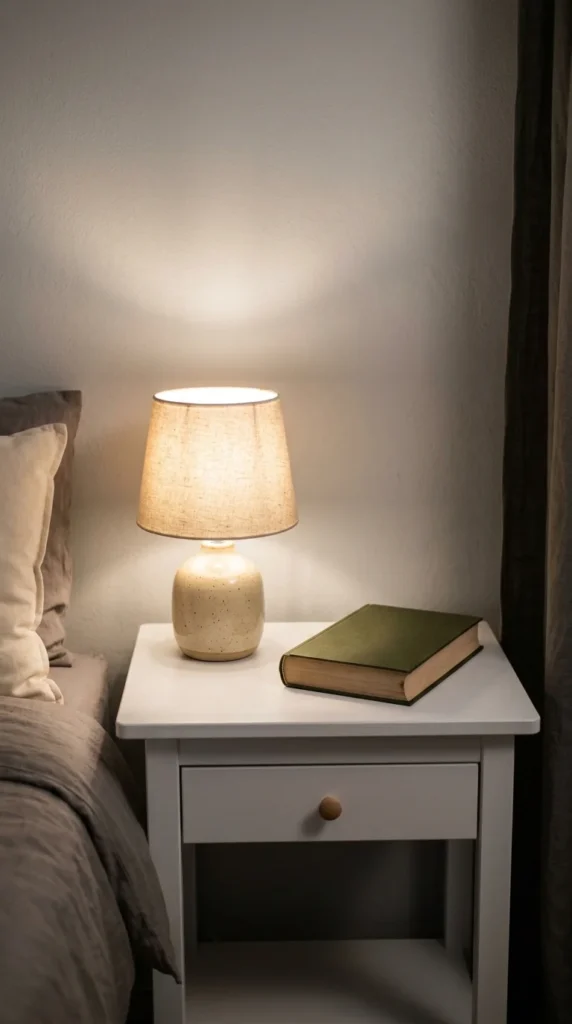
Nothing shrinks a room faster than clutter. In a large house, a few piles of mail or a collection of perfumes on a dresser might go unnoticed, but in a small apartment, every item has a high “visual cost.” When surfaces are covered in knick-knacks, the eye has nowhere to rest, which creates a sense of chaos and confinement.
Adopt a minimalist approach to your bedroom surfaces. Keep only one or two meaningful items on your nightstand or dresser. Use decorative trays or boxes to corral small necessities like jewelry or charging cables. By maintaining “negative space” on your furniture tops, you allow the room to breathe. A clean, streamlined environment feels lighter, calmer, and ultimately much more spacious than its physical dimensions might suggest.