
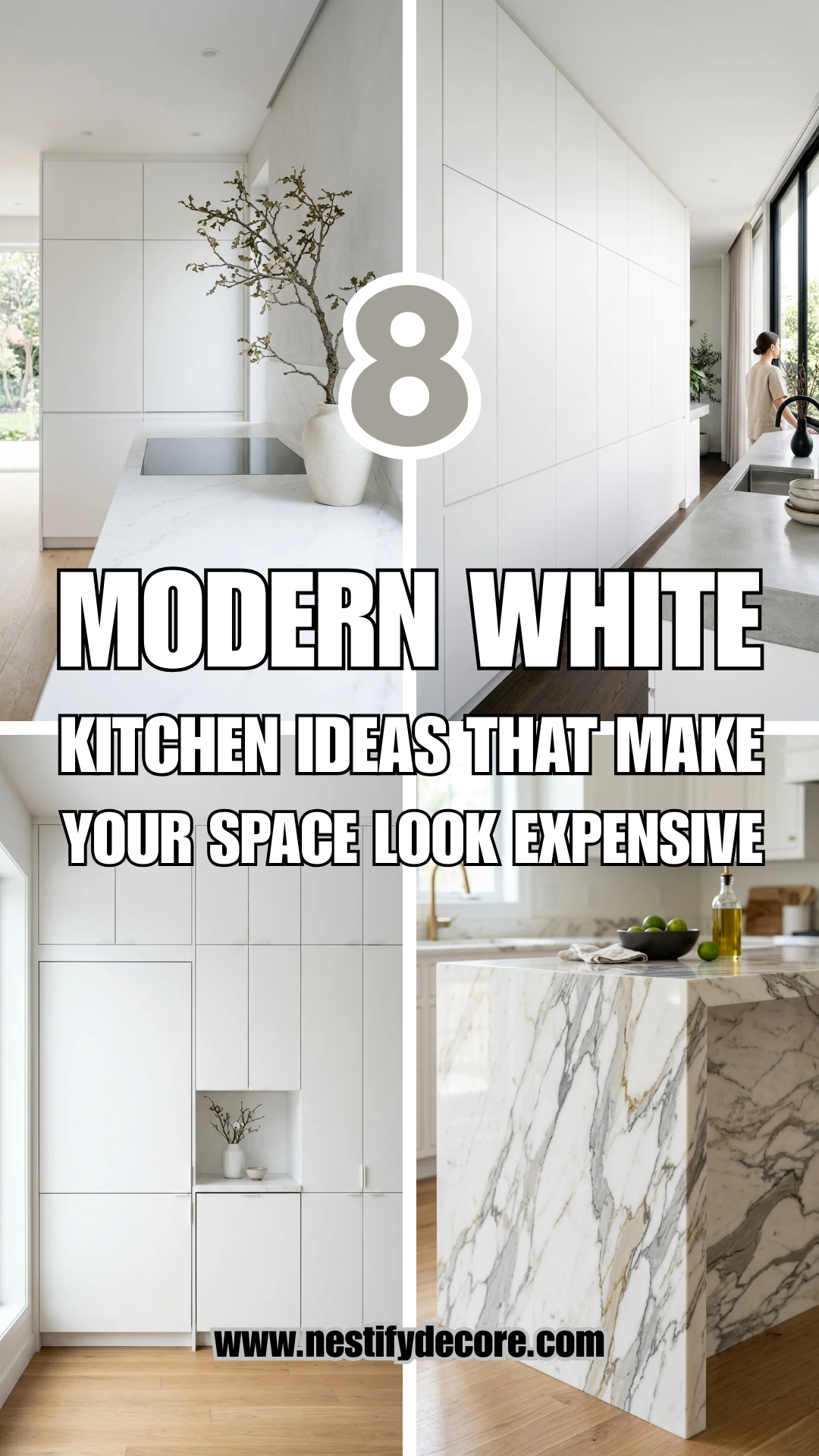
The white kitchen remains the gold standard for interior design, offering a timeless, clean, and versatile foundation. However, there is a fine line between a kitchen that looks “builder-grade” and one that exudes high-end, bespoke luxury. Achieving an expensive look in a white kitchen isn’t just about the color; it’s about the layering of textures, the quality of materials, and the intentionality of the details. By focusing on architectural elements and premium finishes, you can transform a monochromatic space into a high-value masterpiece.
1. Marble Accents
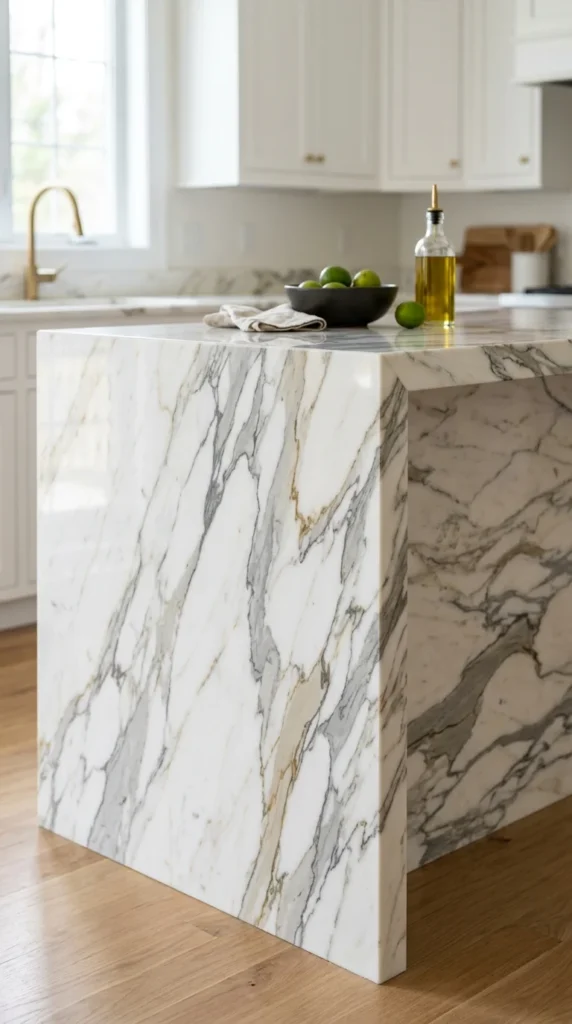
Nothing communicates luxury quite like natural stone. To make a white kitchen look expensive, swap standard quartz for high-honed marble or a premium porcelain slab that mimics the intricate veining of Calacatta or Carrara. The key to the “expensive” aesthetic is the application.
A waterfall island—where the stone continues from the countertop down the sides to the floor—creates a continuous, sculptural look that feels custom-built. Additionally, using the same marble for the backsplash (a “slab splash”) instead of traditional tile creates a seamless, high-end appearance that is much easier to clean and visually more impactful.
2. Mixed Metals
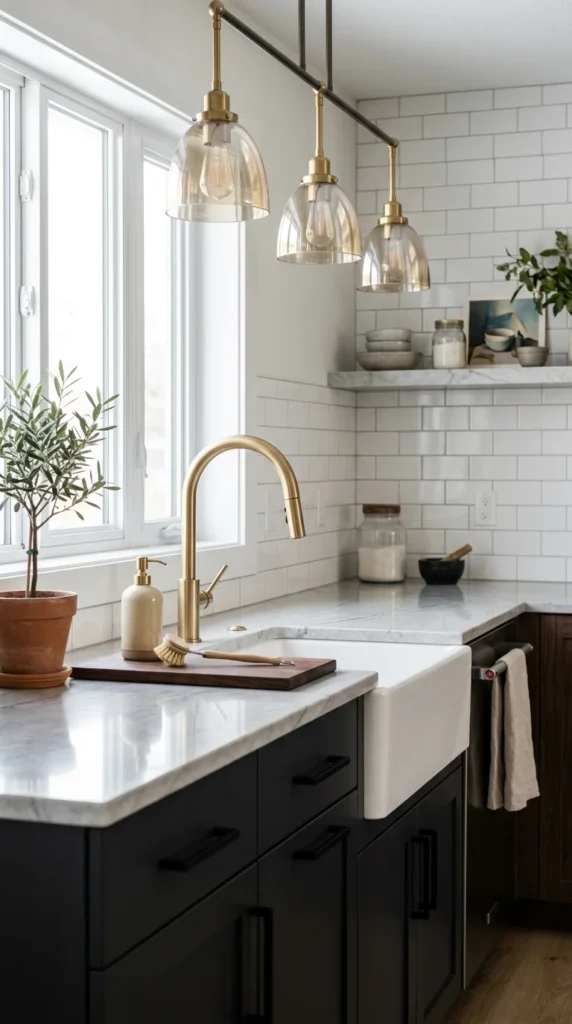
One of the most common mistakes in kitchen design is using the same finish for every piece of hardware. While a cohesive look is important, “matching” everything often looks dated and cheap. To elevate your white kitchen, introduce mixed metals.
Try pairing a polished nickel faucet with aged brass cabinet pulls. The coolness of the nickel complements the white cabinetry, while the warmth of the brass adds a layer of sophistication. The mix should feel intentional; for instance, use one metal for fixed elements (faucets and lighting) and another for “touch points” (knobs and handles). This depth of detail is a hallmark of professional interior design.
3. Integrated Appliances
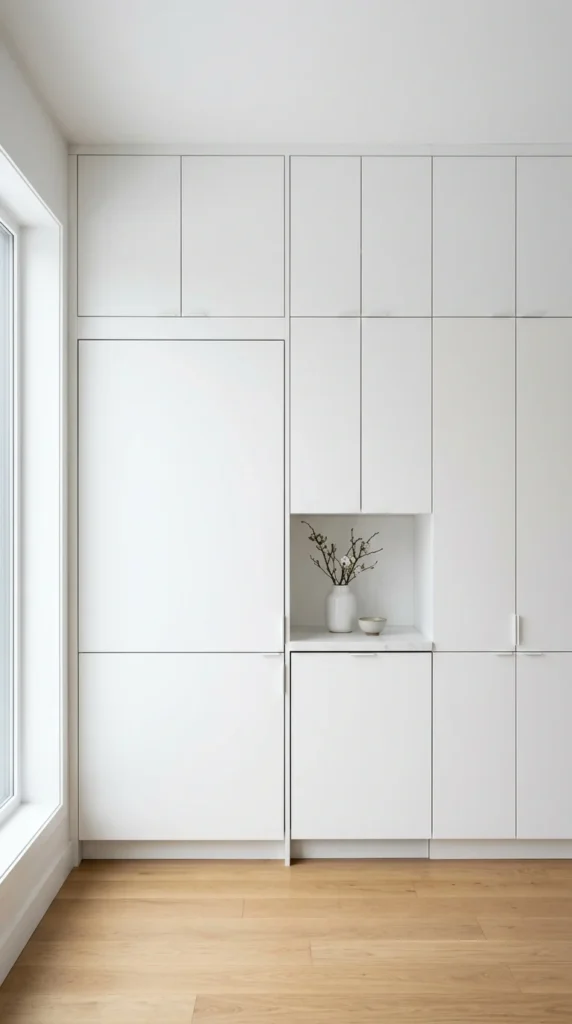
The quickest way to break the visual flow of a luxury kitchen is with a giant, stainless steel refrigerator protruding from the cabinetry. “Panel-ready” appliances are a staple in high-end homes. By covering your refrigerator, dishwasher, and even wine coolers with custom panels that match your white cabinetry, you create a “quiet” kitchen.
This integration allows the architectural lines of the room to take center stage. When the appliances are hidden, the kitchen feels more like a sophisticated living space rather than a utility room. For a truly modern touch, opt for “push-to-open” technology to eliminate the need for handles entirely.
4. Statement Lighting
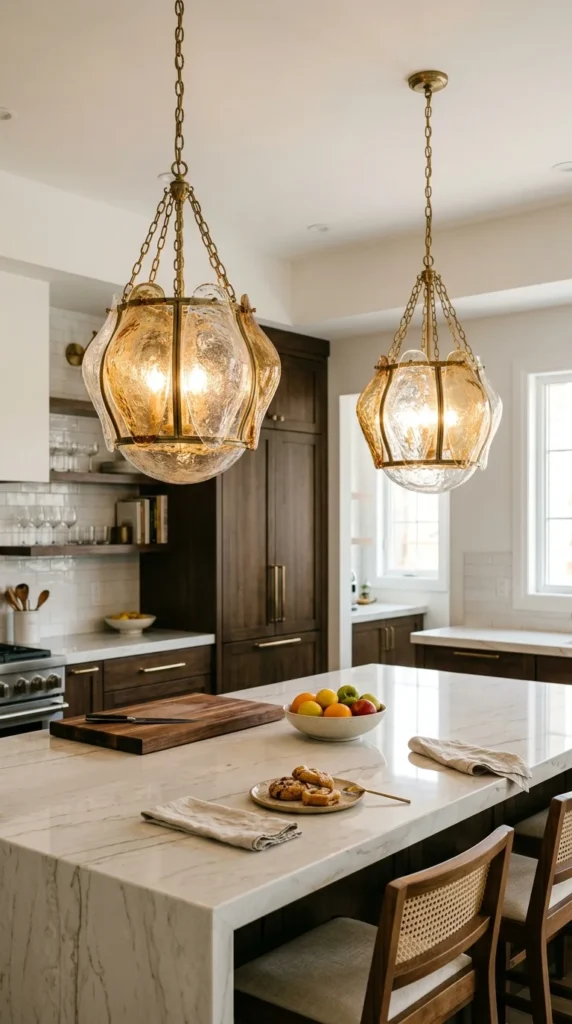
Lighting is often referred to as the “jewelry” of a room. In an all-white kitchen, lighting is your opportunity to introduce scale and drama. Small, flimsy pendant lights can make a large island look insignificant. To make the space look expensive, go larger than you think you need.
Oversized dome pendants, geometric lanterns, or even a singular linear LED fixture can define the zone and act as a focal point. Focus on materials like hand-blown glass, heavy metals, or plaster finishes. Additionally, don’t forget the “hidden” lighting: under-cabinet LEDs and toe-kick lighting add a layer of warmth that makes the white surfaces glow at night, mimicking the ambiance of a five-star hotel.
5. Custom Cabinetry
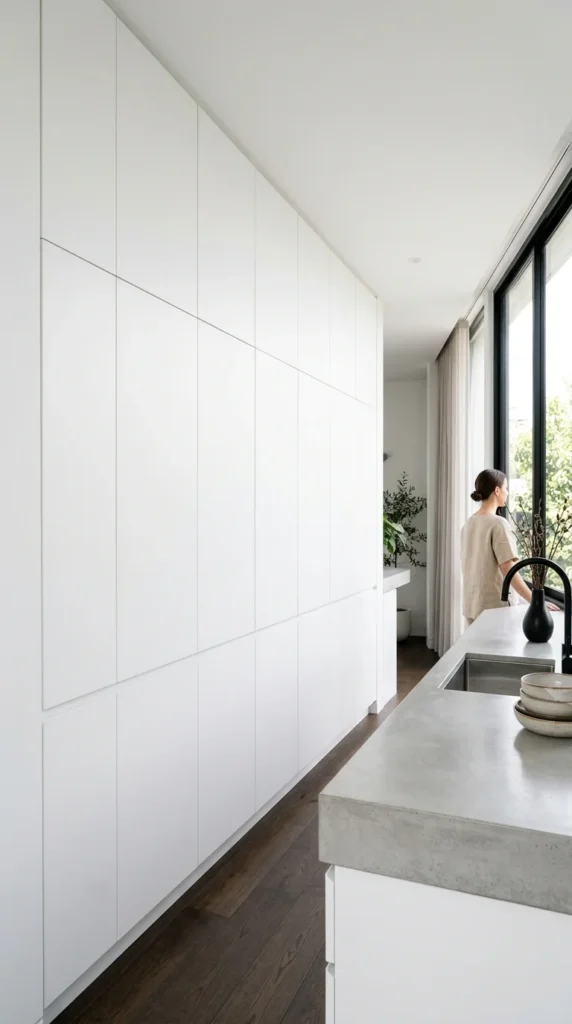
To achieve a high-end look, your cabinetry should look like it was built into the walls, not just hung on them. Taking your cabinets all the way to the ceiling eliminates the “dust-catcher” gap at the top and draws the eye upward, making the ceilings feel higher and the space more grand.
Inside the cabinets, luxury is defined by organization. Incorporating bespoke features like pull-out spice racks, integrated knife blocks, and “appliance garages” (hidden cubbies for toasters and coffee makers) keeps the white countertops clutter-free. A clean, minimalist surface is the ultimate sign of a luxury kitchen.
6. Texture Play
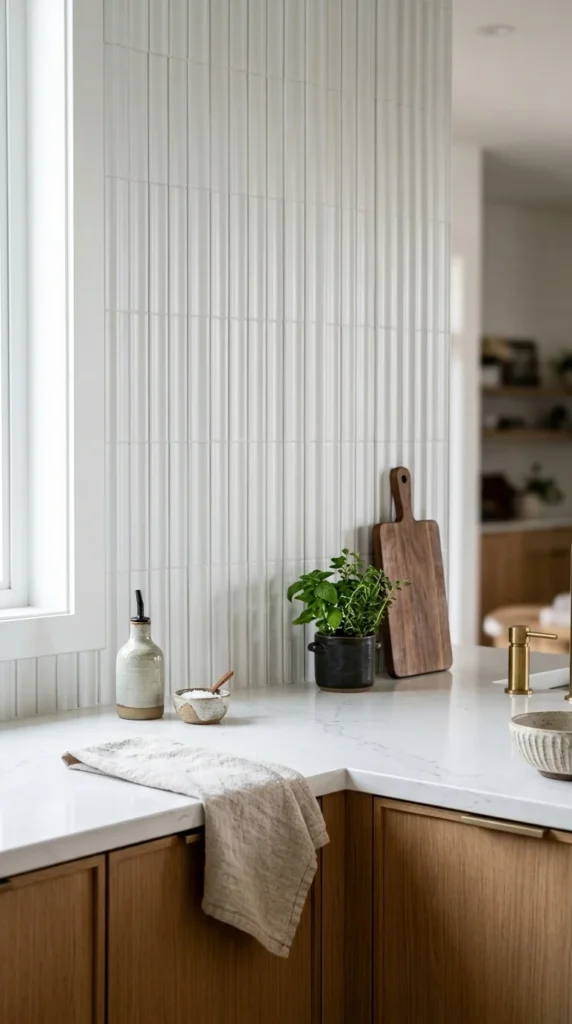
An all-white kitchen can easily feel clinical or flat if there isn’t enough texture. To make it look expensive, you must layer different “whites” and tactile surfaces. This is known as a monochromatic-textural approach.
Consider fluted or “reeded” details on the island cabinetry or the backsplash. You might also use a “Zellige” tile, which is a handmade Moroccan clay tile. Because each tile is slightly different in shape and tone, it reflects light unevenly, creating a shimmering, pearlescent effect that looks far more expensive than standard subway tile. The play of light and shadow on these textured surfaces adds a necessary soul to the white-on-white palette.
7. Minimalist Layouts
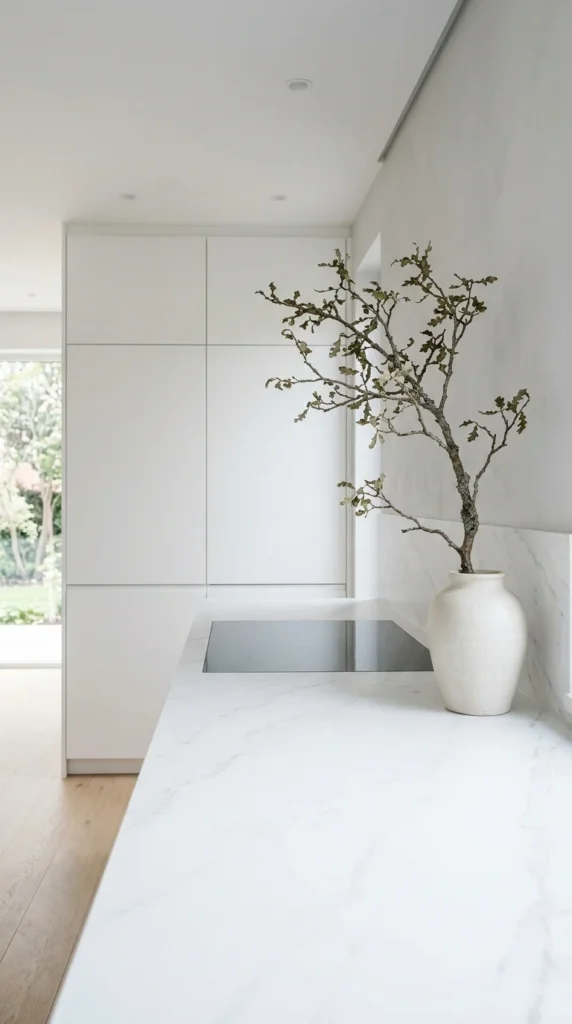
In luxury design, less is almost always more. An expensive-looking kitchen is one that prioritizes “negative space.” This means avoiding the urge to fill every wall with upper cabinets. Replacing some upper cabinets with a single, thick floating shelf (in white or a contrasting material) creates an airy, gallery-like feel.
Additionally, consider an induction cooktop that sits flush with the counter. This eliminates the bulky look of a traditional range and contributes to the sleek, uninterrupted lines of a modern kitchen. When the layout is simplified, the quality of the remaining materials—the stone, the paint finish, the flooring—is allowed to shine.
8. Wood Elements
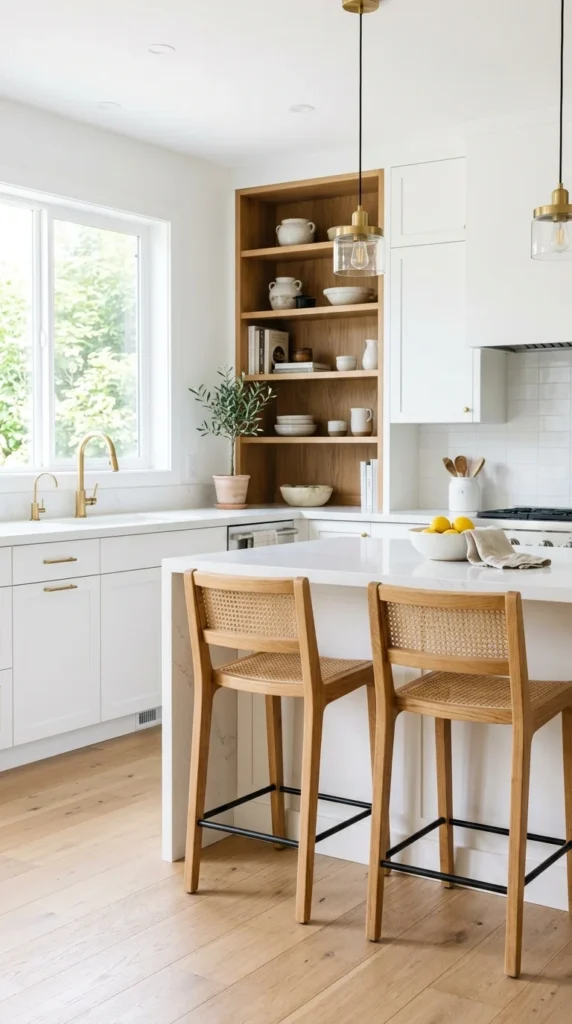
White is a cool color, and too much of it can feel cold. Designers often use natural wood tones to “ground” a white kitchen and give it an expensive, organic feel. The key is to use high-quality woods like light oak, walnut, or teak in small, strategic doses.
This could be in the form of wooden bar stools, a white oak ceiling beam, or the interior lining of open shelves. The contrast between the crisp white paint and the warm grain of the wood creates a balanced aesthetic that feels both modern and inviting. This “Warm Minimalism” is a hallmark of contemporary luxury homes and ensures that your white kitchen feels like a home, not a showroom.