
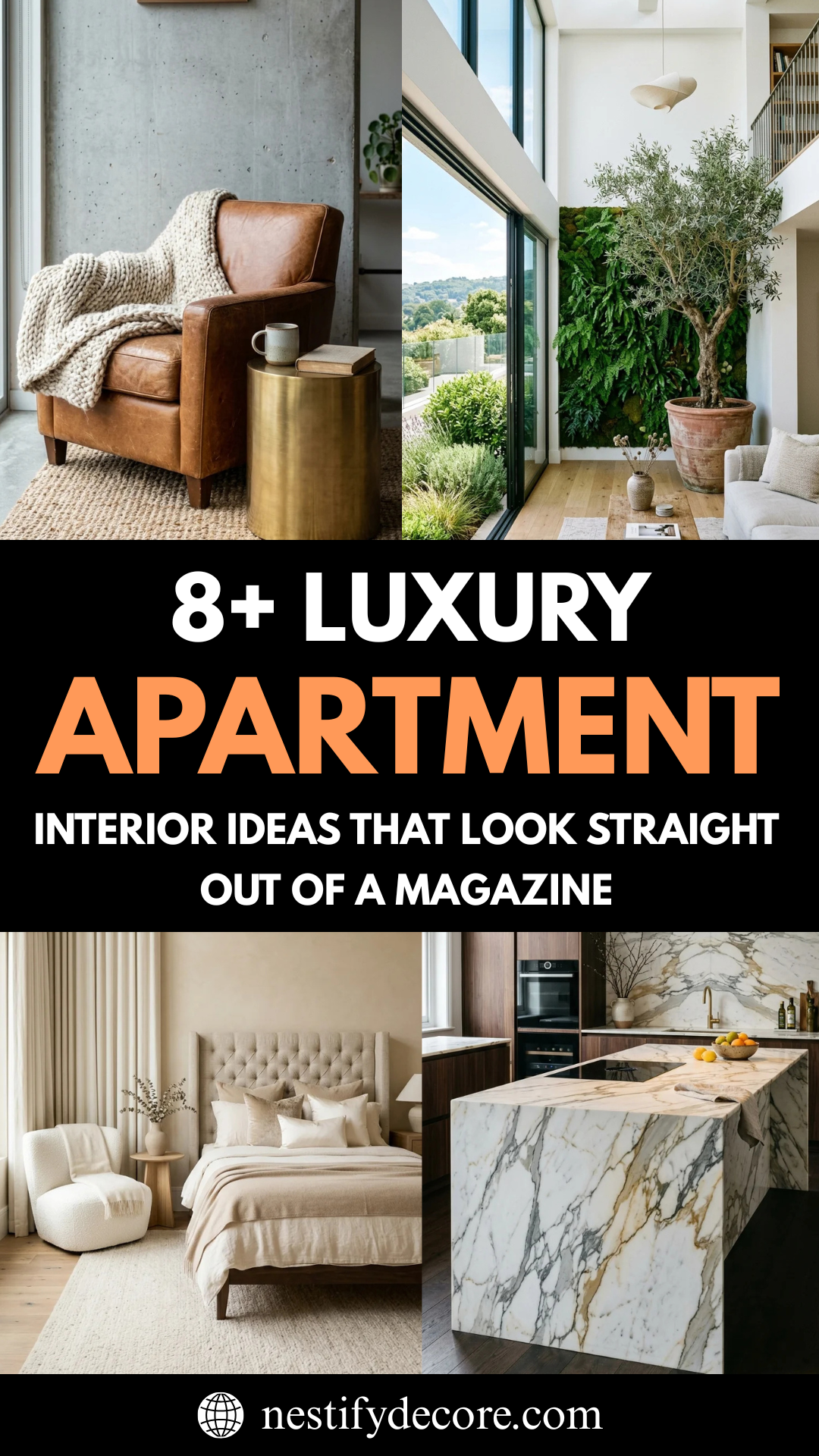
The definition of luxury in interior design has shifted from mere opulence to a sophisticated blend of comfort, curated aesthetics, and architectural innovation. Today’s magazine-worthy apartments aren’t just about expensive furniture; they are about creating a narrative through texture, light, and space. Whether you are moving into a high-rise glass tower or renovating a historic loft, achieving a high-end look requires a keen eye for detail and a commitment to quality over quantity.
Here are eight luxury apartment interior ideas that will transform your living space into a breathtaking sanctuary worthy of a glossy editorial.
1. Monochromatic Palettes
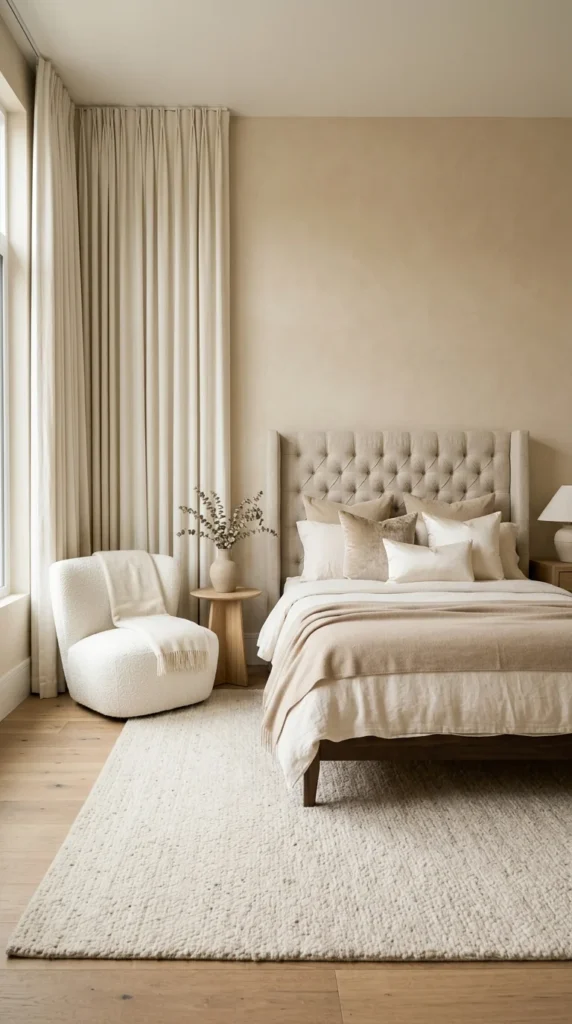
The “Quiet Luxury” aesthetic is best achieved through a monochromatic color scheme. By using various tones of a single color—typically neutrals like bone, charcoal, or warm taupe—you create a space that feels expansive and serene. The key to preventing a monochromatic room from feeling flat is the layering of textures.
In a luxury apartment, this might look like pairing a matte-finished wall with a high-gloss lacquered cabinet and a soft mohair rug. This play of light and shadow on different surfaces adds depth and sophistication. When the color palette is restrained, the quality of the materials and the precision of the architecture take center stage, creating an atmosphere of understated elegance.
2. Statement Lighting
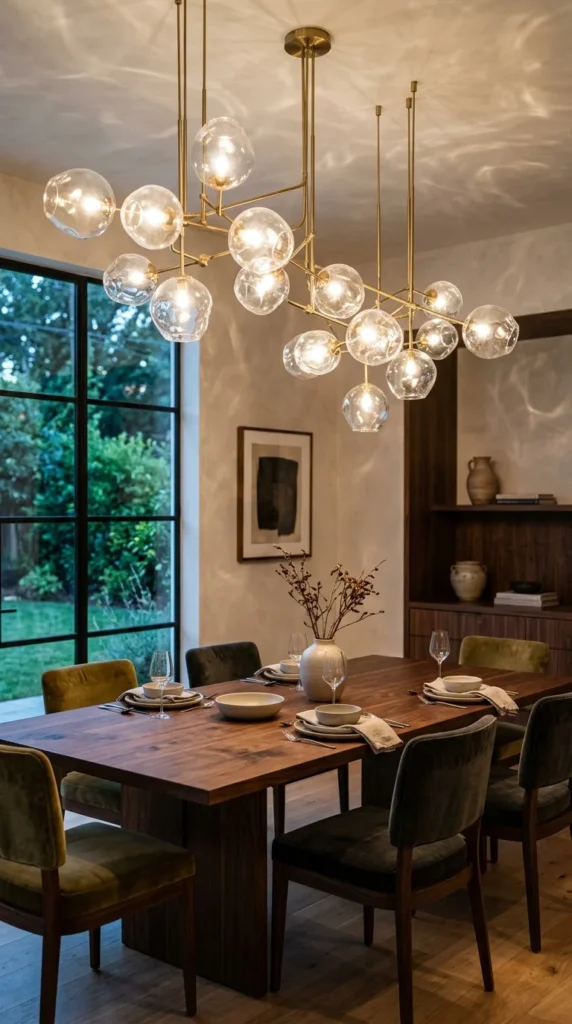
Lighting is often referred to as the “jewelry” of a room. In high-end apartment design, standard recessed lighting is treated only as a functional base; the real magic happens with statement fixtures. A large-scale chandelier or a sculptural floor lamp acts as a focal point, drawing the eye upward and defining the character of the space.
Magazine-ready interiors often feature oversized, architectural lighting in the entryways or over dining tables. Think hand-blown glass, brushed metals, or even organic shapes made of plaster. These pieces function as works of art during the day and provide atmospheric, mood-altering illumination at night. Smart lighting systems that allow you to “scene-set” for different times of day are also a hallmark of modern luxury.
3. Integrated Marble
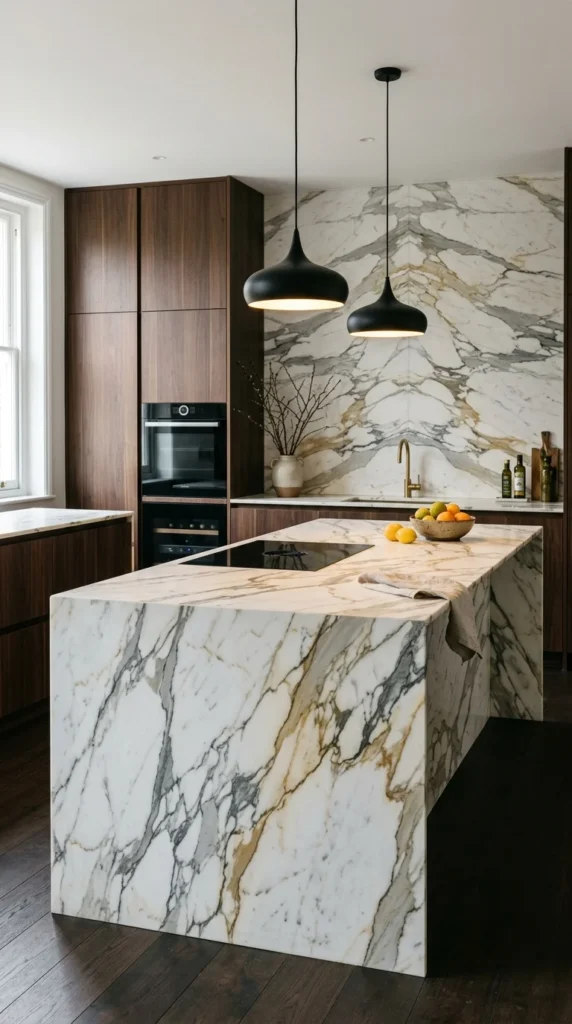
Nothing says luxury quite like natural stone. While marble countertops have been a staple for years, the modern luxury trend involves “integrated” stone. This means using the same slab of marble or quartzite for the countertops, the backsplash, and even the sink itself.
Waterfall islands, where the stone spills over the edge and continues down to the floor, create a sense of weight and permanence. Using stones with dramatic, high-contrast veining—such as Arabescato or Nero Marquina—turns functional surfaces into natural murals. In the bathroom, floor-to-ceiling stone slabs create a spa-like environment that feels both ancient and cutting-edge.
4. Biophilic Elements

Bringing the outdoors in is a hallmark of contemporary high-end design. Biophilic design focuses on the human connection to nature, which is particularly vital in urban apartment settings. This goes beyond a few potted plants; it involves integrating greenery into the architecture of the home.
Internal courtyards, living walls, or even a single, well-placed oversized tree can breathe life into a minimalist space. The contrast between organic, irregular plant shapes and the sharp, clean lines of a modern apartment creates a visual tension that is highly attractive to the eye. Furthermore, the use of natural materials like unpolished stone, raw wood, and clay pottery reinforces this connection to the earth, making the apartment feel like a private oasis amidst the concrete jungle.
5. Bespoke Millwork
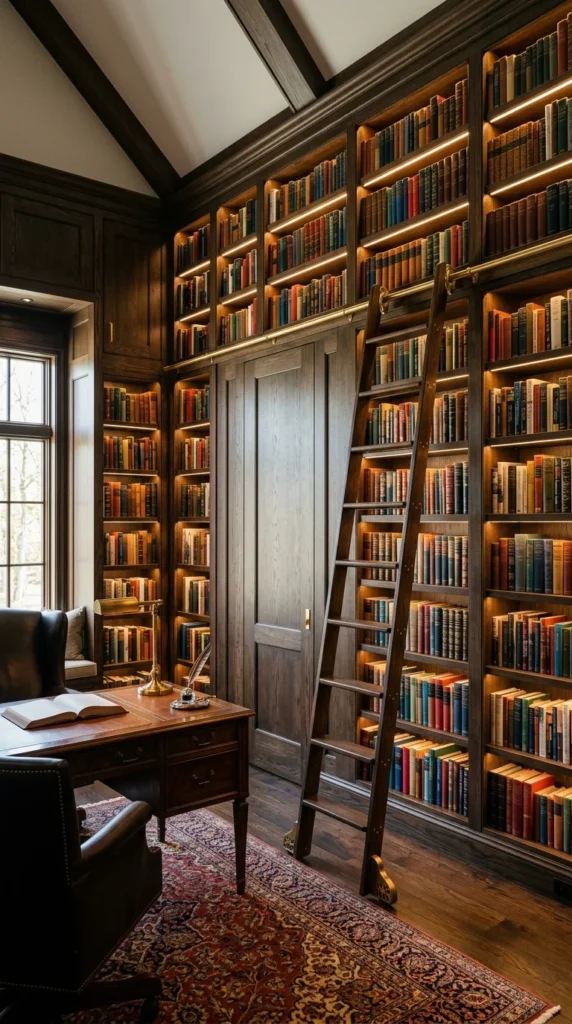
Custom cabinetry and millwork are what truly separate a standard apartment from a luxury one. Bespoke solutions allow for a seamless look where storage is hidden and the architecture feels intentional. Floor-to-ceiling bookshelves, hidden “speakeasy” bars, and walk-in closets with museum-style lighting are all ways to elevate the home.
In a luxury apartment, every inch of space is optimized. This might include a hidden media center where the television is concealed behind sliding art panels, or built-in bench seating that follows the curve of a window. When furniture is built into the room, it creates a sense of harmony and “flow” that free-standing pieces often cannot achieve.
6. Textural Contrast
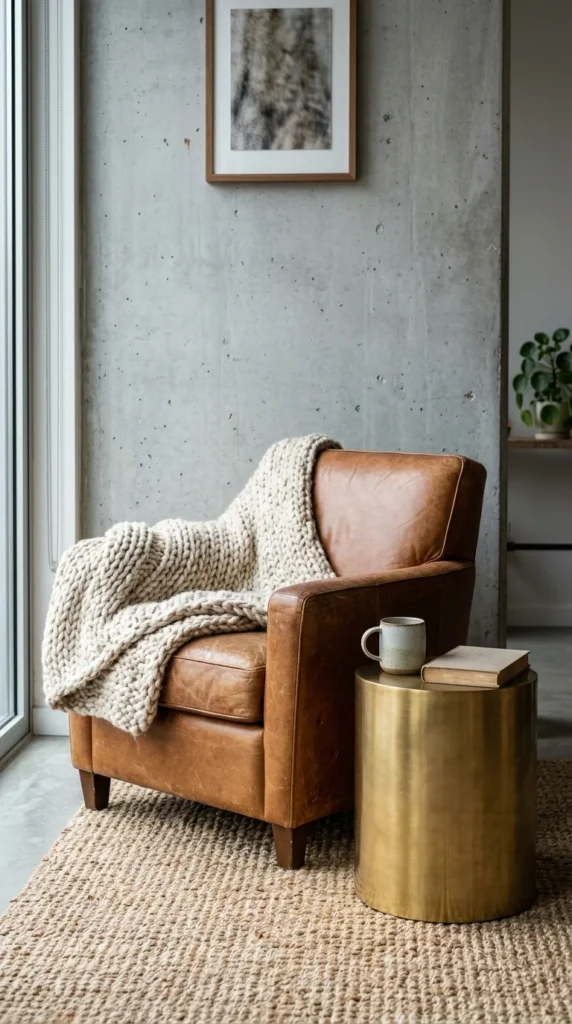
Luxury is a tactile experience. An interior that looks like it belongs in a magazine often plays with the “haptic” quality of materials—how things feel to the touch. The most successful designs mix hard and soft, smooth and rough, shiny and matte.
Consider the interplay of a cold, polished concrete floor with a deep-pile silk rug, or the combination of a raw timber ceiling with sleek glass walls. In the living room, you might layer velvet, linen, and leather to create a rich, sensory environment. These contrasts add a layer of complexity to the room that makes it feel curated over time rather than purchased from a single showroom.
7. Art Curation
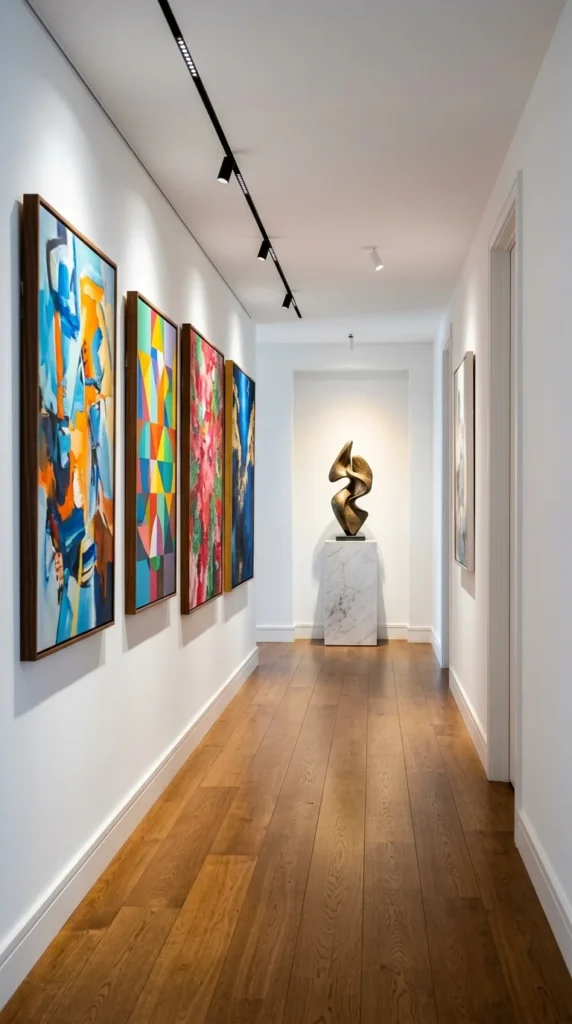
In a luxury apartment, art is never an afterthought. It is a fundamental component of the design process. High-end interiors often feature “gallery-style” curation, where large-scale pieces are given room to breathe on expansive walls.
Instead of a collection of small frames, luxury designers often opt for one massive, impactful piece that sets the tone for the entire room. Proper lighting is essential; art should be highlighted with dedicated gimbals or picture lights to enhance its presence. Whether it is a contemporary oil painting, a bold sculpture, or a collection of black-and-white photography, art provides the personality and soul that turns a beautiful room into a home.
8. Architectural Glass

Transparency is a key theme in modern luxury. Using glass as an architectural element—rather than just for windows—creates a sense of openness and light. Glass partitions, such as Crittall-style steel-framed doors, allow for “zoned” living without closing off rooms and making them feel small.
This idea extends to glass-enclosed wine cellars, transparent walk-in wardrobes, or even glass-bottomed mezzanine levels. By using glass, you maintain the “view”—both the view of the city outside and the view of your beautiful interior. It creates a seamless transition between different areas of the home, emphasizing the scale and grandeur of the apartment’s footprint.