
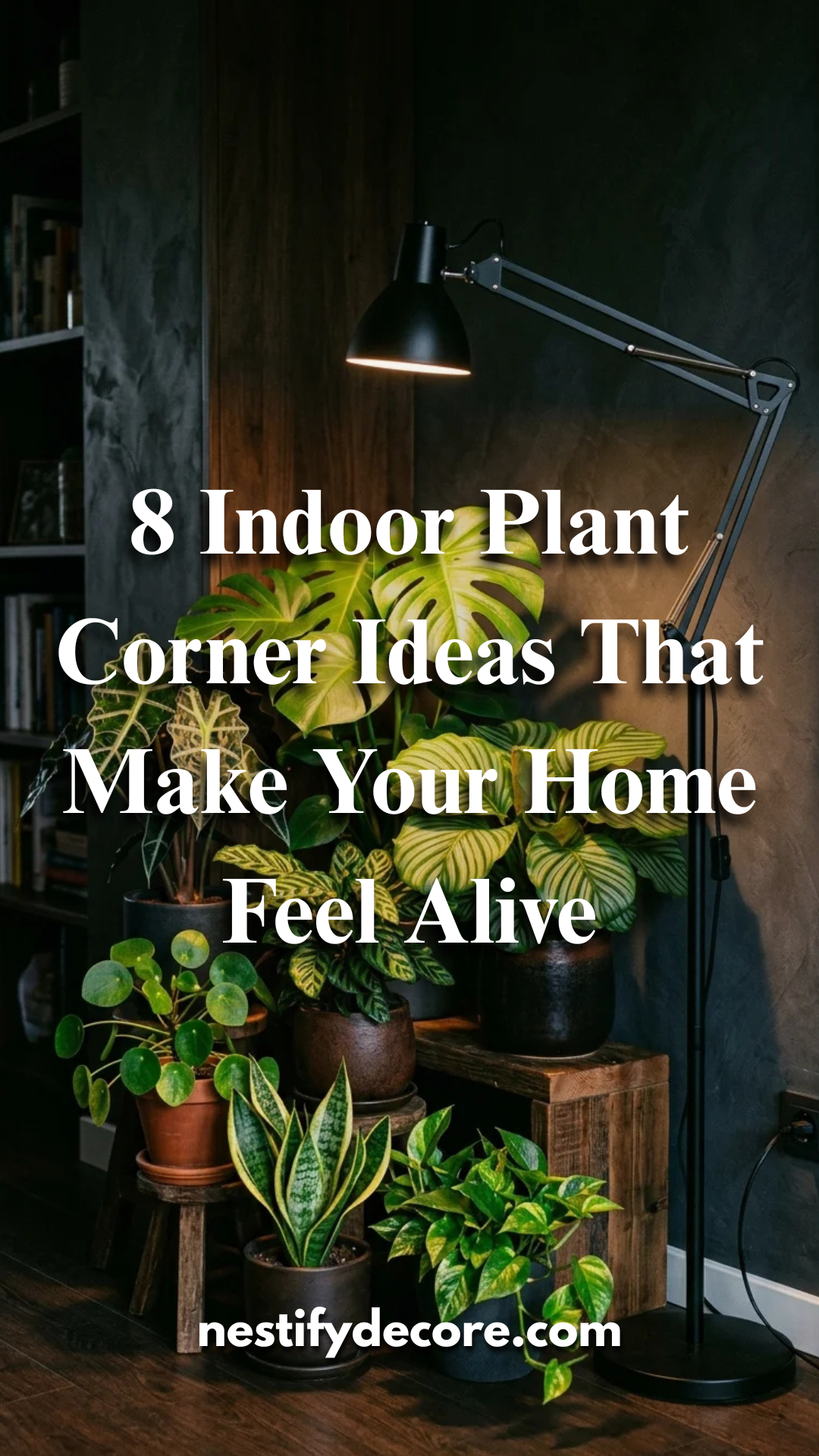
The concept of “biophilia”—our innate tendency to seek connections with nature—has transformed the way we approach interior design. No longer are plants just occasional accessories perched on a windowsill; they have become central pillars of a healthy, vibrant home. An empty corner is no longer a dead zone; it is an opportunity to create a micro-sanctuary that purifies the air, reduces stress, and adds a dynamic, living layer to your decor.
Creating a plant corner is about more than just buying a few pots. It involves understanding light, texture, and elevation to create a balanced aesthetic. Whether you live in a sprawling suburban house or a compact city apartment, these eight plant corner ideas will help you breathe life into your living space.
1. Layered Heights
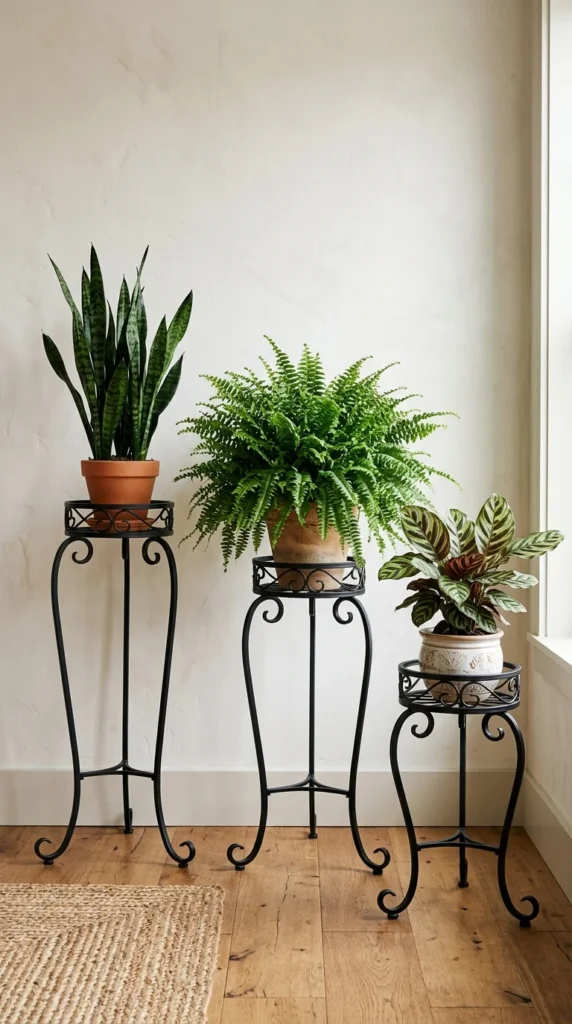
One of the most common mistakes in plant styling is placing everything at the same level. When all your pots sit directly on the floor, the corner can look cluttered and flat. To create a professional, “designer” look, you must utilize layered heights.
By using plant stands, stools, or even stacked vintage crates, you draw the eye upward and create a sense of depth. Place your tallest plant—perhaps a Bird of Paradise or a Dracaena—directly on the floor in the back. In front of it, place a mid-sized plant on a stand, and finish the look with a smaller, bushy plant on a low stool. This staggered approach mimics the natural growth patterns of a forest floor and makes the corner feel lush and intentional.
2. Hanging Gardens
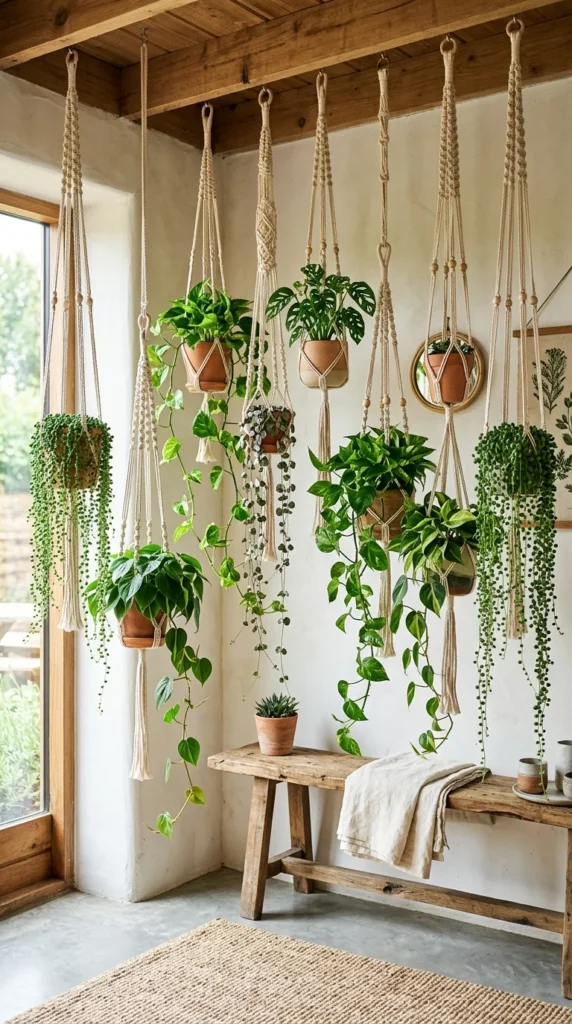
If you are dealing with limited floor space or have curious pets, the “hanging garden” approach is a game-changer. Utilizing the vertical space in a corner can transform a room without sacrificing a single square foot of walking area.
Using ceiling hooks or a wall-mounted bracket, you can suspend a variety of trailing plants. Species like the Pothos, String of Hearts, or Spider Plant are perfect for this because their foliage naturally drapes downward, creating a “living curtain” effect. To make this look cohesive, mix and match different textures of pots—such as ceramic, wicker, and terracotta—but keep them within a similar color palette to ensure the corner doesn’t feel chaotic.
3. Tropical Clusters
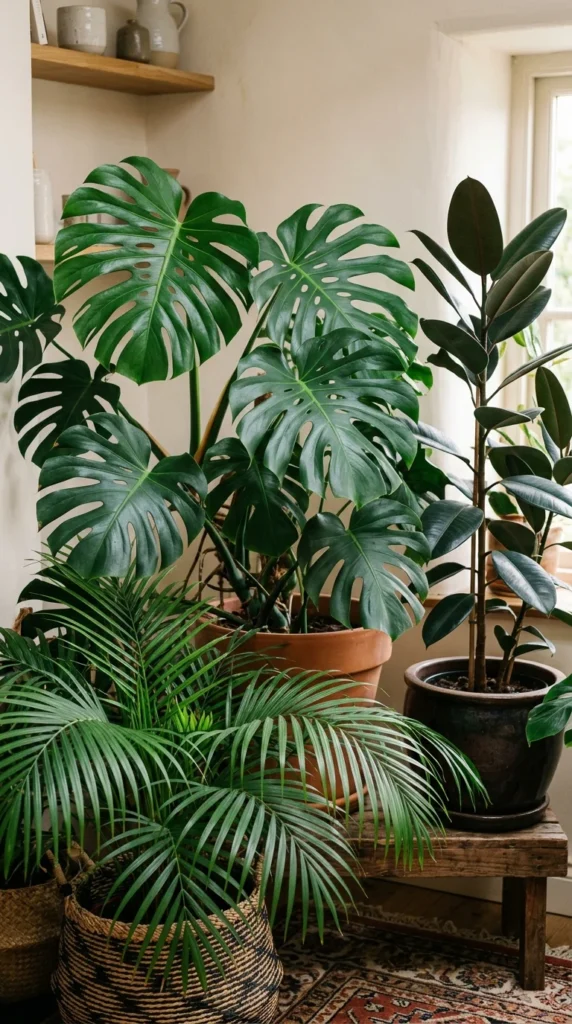
There is something inherently calming about the dense, vibrant green of a tropical forest. You can recreate this feeling by clustering large-statement plants together. This “jungalow” style works best when you choose plants with varying leaf shapes and shades of green.
The key to a successful tropical cluster is the “Statement Piece.” Start with a Monstera Deliciosa or a large Fiddle Leaf Fig as your anchor. Surround the base with “fillers” like Peace Lilies or Chinese Evergreens. Because these plants often thrive in similar humidity levels, grouping them together actually creates a beneficial microclimate, as the plants release moisture through transpiration, keeping each other healthy and hydrated.
4. Floating Shelves
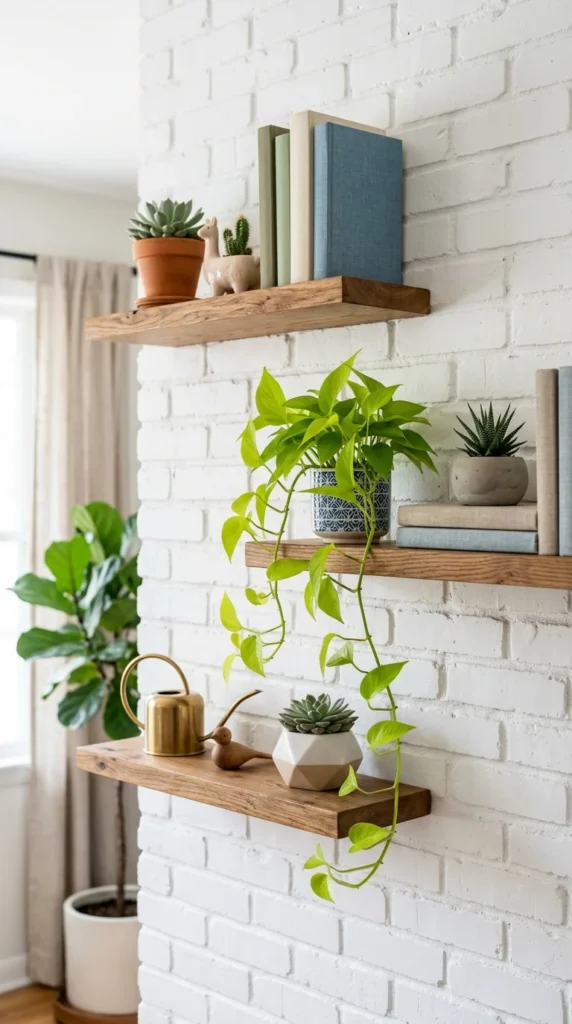
Floating shelves turn a plain corner into a curated gallery of botanical art. This is an ideal solution for collectors who love smaller, unique specimens like rare succulents, cacti, or air plants.
When styling floating shelves, think about “the spill.” Placing a trailing plant on the top shelf allows the vines to wander down across the lower shelves, visually connecting the entire display. Break up the greenery with non-plant elements like watering cans, botanical sketches, or small sculptures to give the eye a place to rest. This method keeps your plants organized and makes them feel like a deliberate part of your home’s architecture.
5. Minimalist Zen
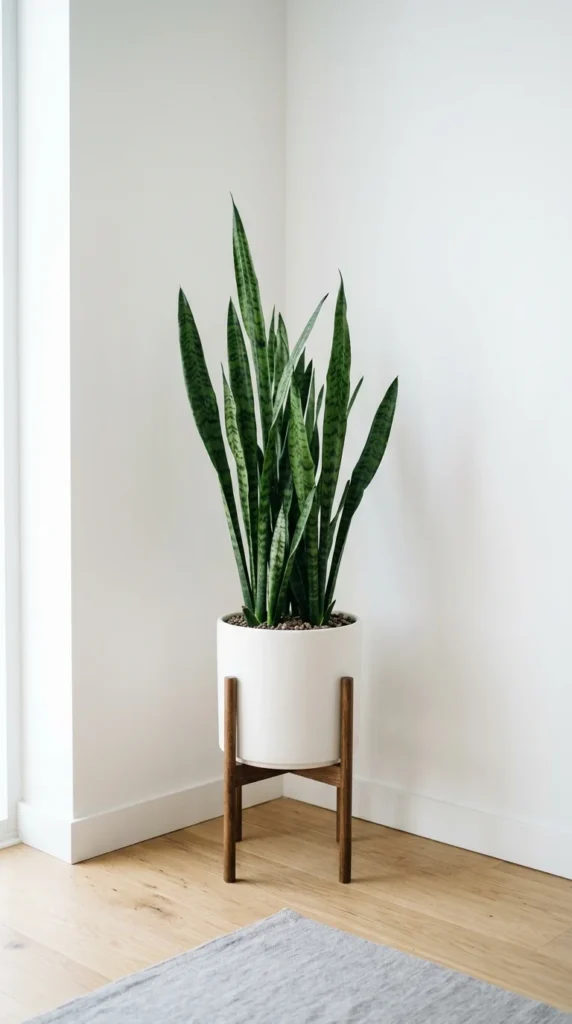
Sometimes, less is truly more. For those who prefer a modern, Scandinavian, or minimalist aesthetic, a single, high-impact plant can be more effective than a dozen smaller ones. The “Minimalist Zen” corner focuses on architectural form and clean lines.
Choose a plant with a strong silhouette, such as a Sansevieria (Snake Plant), a ZZ Plant, or a tall Cactus. The pot is just as important as the plant in this scenario; look for high-quality materials like matte ceramic, concrete, or polished stone. By giving the plant plenty of “white space” around it, you turn the botanical element into a living sculpture that commands attention without overwhelming the room.
6. Bohemian Jungalow
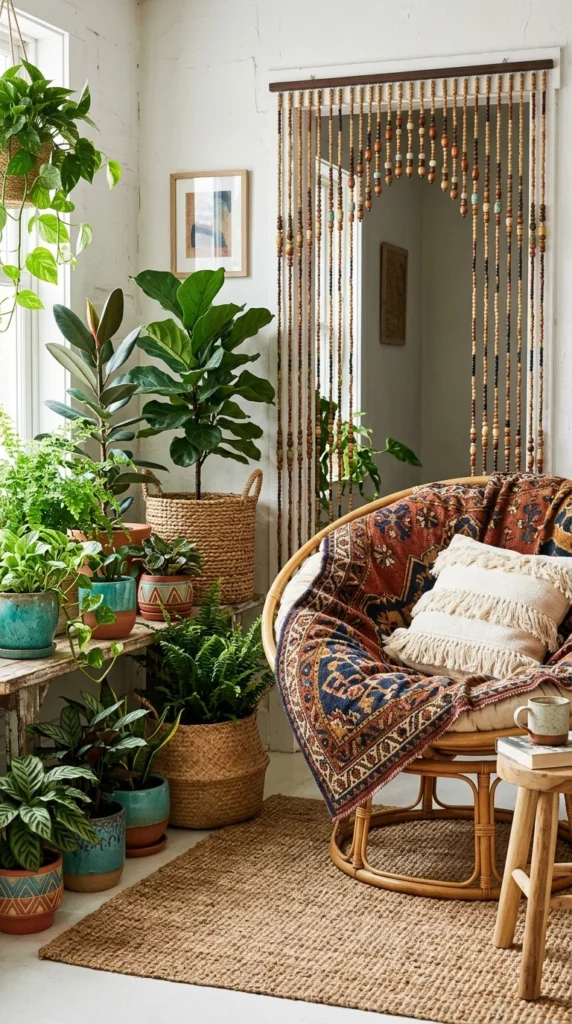
The Bohemian or “Jungalow” style is all about texture, warmth, and a “more is more” philosophy. This look is perfect for creating a cozy reading nook tucked away in a leafy embrace.
To achieve this, mix natural materials like rattan, jute, and seagrass. Use woven baskets as pot covers (hide the plastic nursery pots inside) to add an earthy, organic feel. Incorporate textiles like Moroccan rugs or fringed pillows to soften the space. The goal is to make the plant corner feel like an extension of your furniture—a place where you can physically sit and relax among the leaves.
7. Propagation Stations
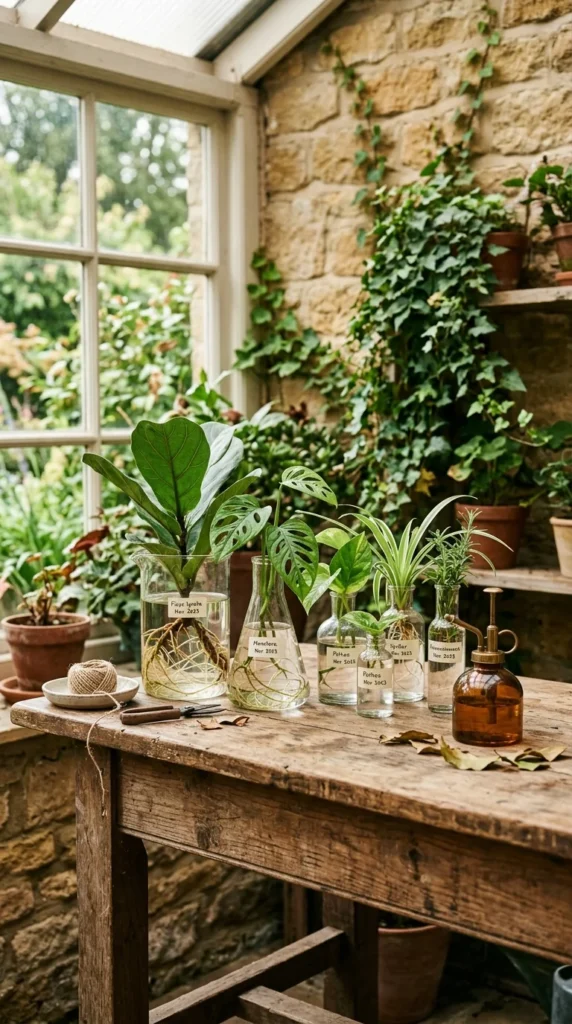
A plant corner doesn’t always have to be about fully grown specimens; it can also be a place of growth and experimentation. A propagation station is a functional and beautiful way to fill a corner, especially if you have a bright window.
Using clear glass vessels—like test tubes, old amber bottles, or sleek vases—allows you to see the roots as they develop. This adds a scientific, “botanical lab” aesthetic to your home. It’s incredibly rewarding to watch a single leaf turn into a new plant. Arrange these vessels on a narrow console table or a dedicated wall rack. This corner becomes a conversation starter and a constant source of new, free plants for the rest of your home.
8. Light Integration
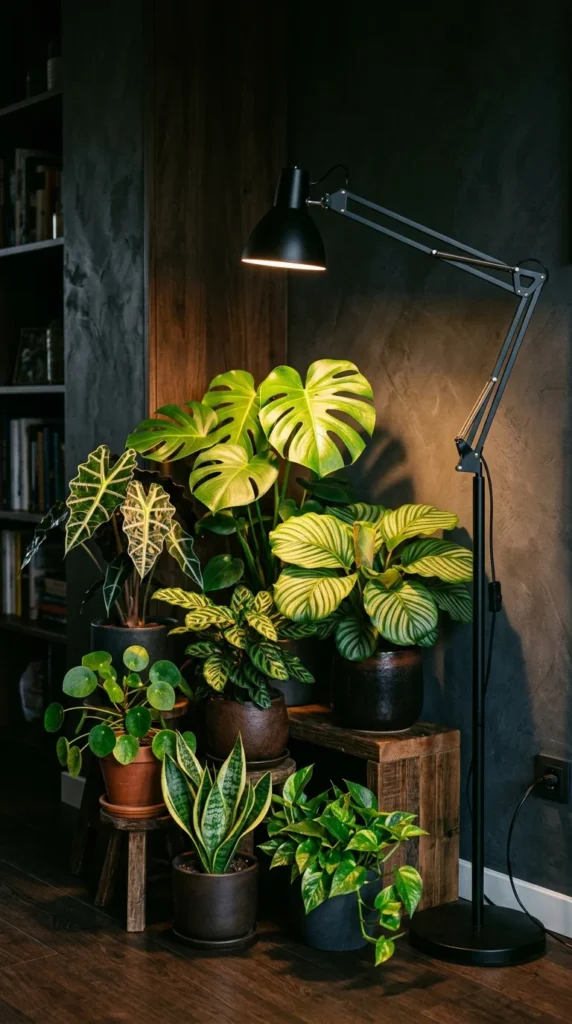
One of the biggest hurdles to a successful plant corner is a lack of natural light. However, you shouldn’t let a dark corner stop you from going green. Integrating artificial lighting is a practical and stylish solution.
Modern grow lights come in many forms, from sleek pendant lights to minimalist floor lamps that look like high-end decor. By installing a grow light in a dim corner, you can keep light-hungry plants like Ficus or Crotons happy where they otherwise wouldn’t survive. Additionally, the light itself adds a warm, dramatic glow to the room in the evening, highlighting the textures and colors of the foliage and making the corner a focal point even after the sun goes down.
Tips for a Thriving Plant Corner
To ensure your new green sanctuary stays “alive” and healthy, keep these final tips in mind:
- Rotate Regularly: Plants naturally grow toward the light. Rotate your pots a quarter-turn every few weeks to ensure even growth and prevent them from becoming “leggy” or leaning.
- Check the Humidity: Corners can sometimes have stagnant air. If you have tropical plants, consider a small, stylish humidifier or mist them occasionally to mimic their natural environment.
- Mind the Drainage: Always ensure your pots have drainage holes, or use the “cachepot” method (keep the plant in its plastic nursery pot and place that inside the decorative pot). This prevents root rot, the number one killer of indoor plants.
- Dust the Leaves: In a corner, dust can settle on leaves quickly. Wipe them down with a damp cloth every month; this doesn’t just make them look better—it helps the plant photosynthesize more efficiently.