
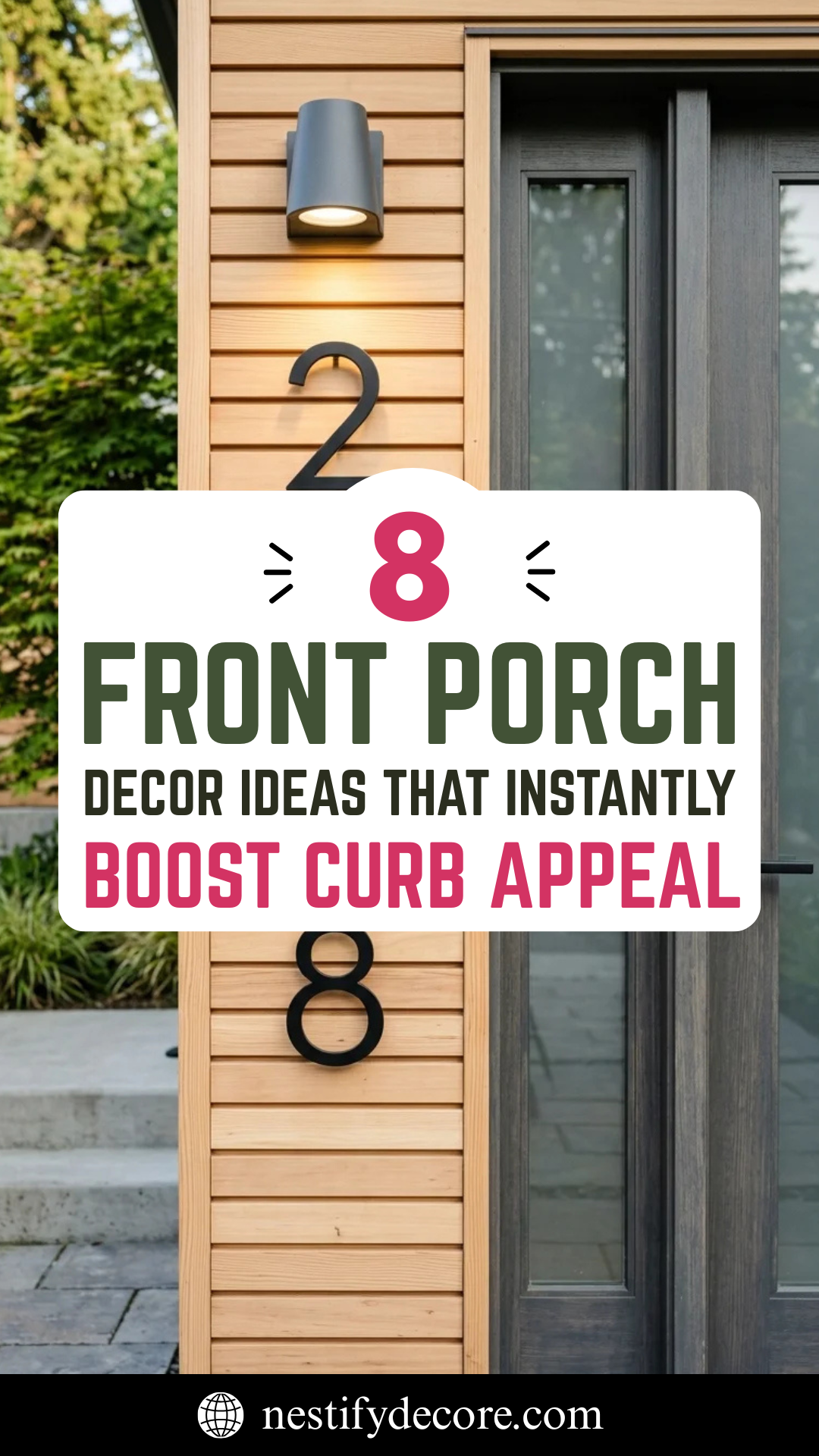
Your front porch is more than just an entryway; it is the “handshake” of your home. It provides the first impression for guests and serves as a transition space between the public world and your private sanctuary. Enhancing this area doesn’t necessarily require a full architectural renovation. Often, the most significant impact comes from thoughtful styling and the strategic use of decor. By focusing on elements that balance aesthetics with comfort, you can transform a neglected stoop into an inviting gateway that significantly boosts your property’s curb appeal.
1. Statement Doors
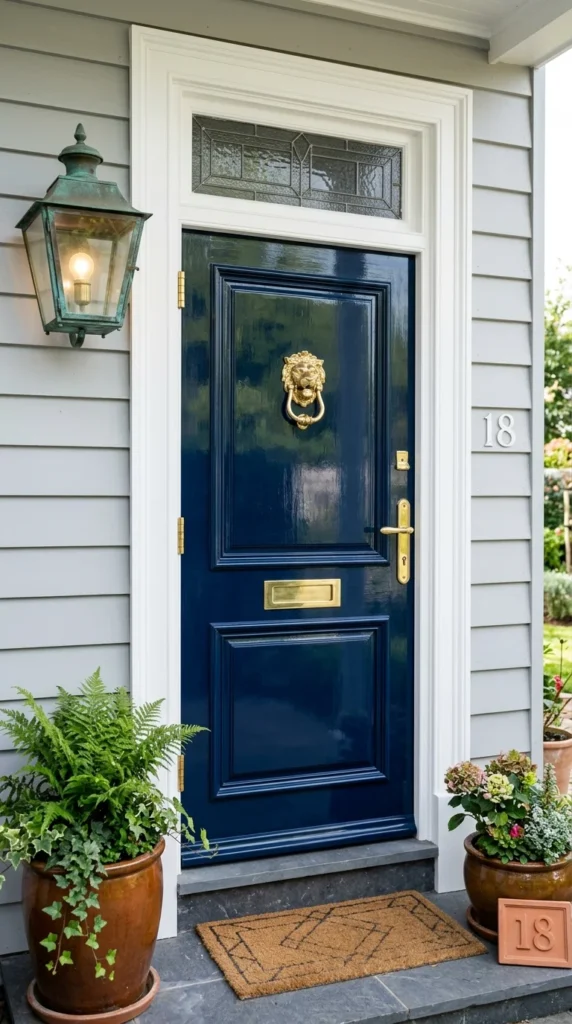
The front door is the focal point of your home’s exterior. If your entry feels lackluster, a fresh coat of paint is the most cost-effective way to make a dramatic change. Choosing a color that contrasts with your home’s siding creates a visual “pop” that draws the eye. While classic black and deep navy offer timeless elegance, many homeowners are opting for “personality colors” like sage green, dusty rose, or even a cheerful buttery yellow.
Beyond color, the hardware acts as the jewelry of the door. Swapping out a weathered, dated handle set for a modern matte black or a classic oil-rubbed bronze piece can instantly modernize the look. Consider the architectural style of your home: a sleek, long-bar handle fits a contemporary build, while a heavy brass knocker complements a traditional colonial or craftsman style.
2. Strategic Lighting
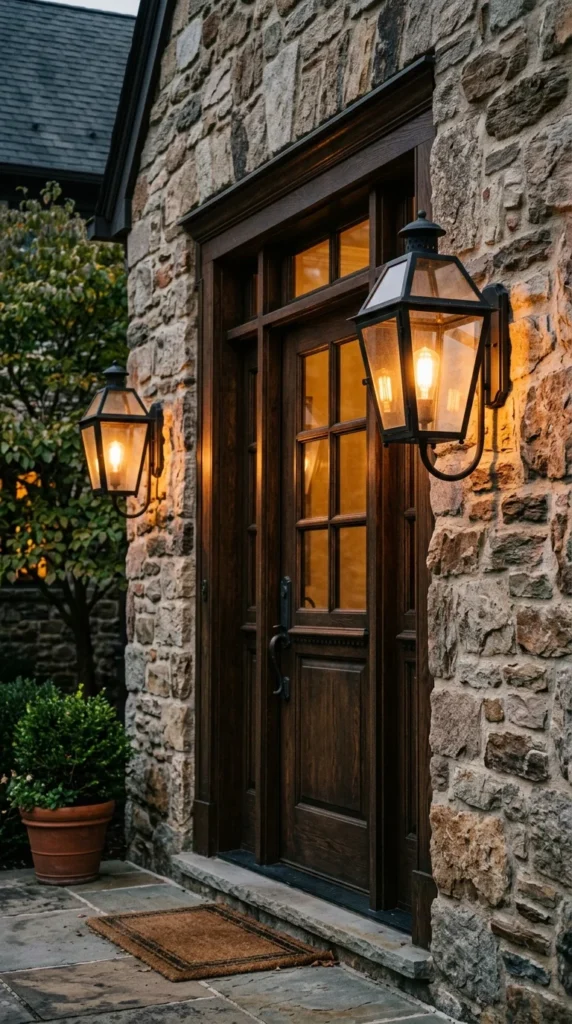
Proper lighting is essential for both safety and ambiance. A single, small builder-grade light fixture often fails to scale correctly with the rest of the porch. To boost curb appeal, consider the “rule of replacement”: choose fixtures that are roughly 1/4 to 1/3 the height of the front door. This ensure the lights look substantial and intentional.
Wall-mounted sconces are the standard, but you can add layers of light to create a high-end look. If you have a high porch ceiling, a hanging pendant or a chic outdoor chandelier can add a touch of luxury. For the walkway leading up to the porch, solar-powered path lights or recessed “uplighting” in the flower beds can highlight the architecture of the house long after the sun goes down, creating a welcoming glow that can be seen from the street.
3. Layered Rugs
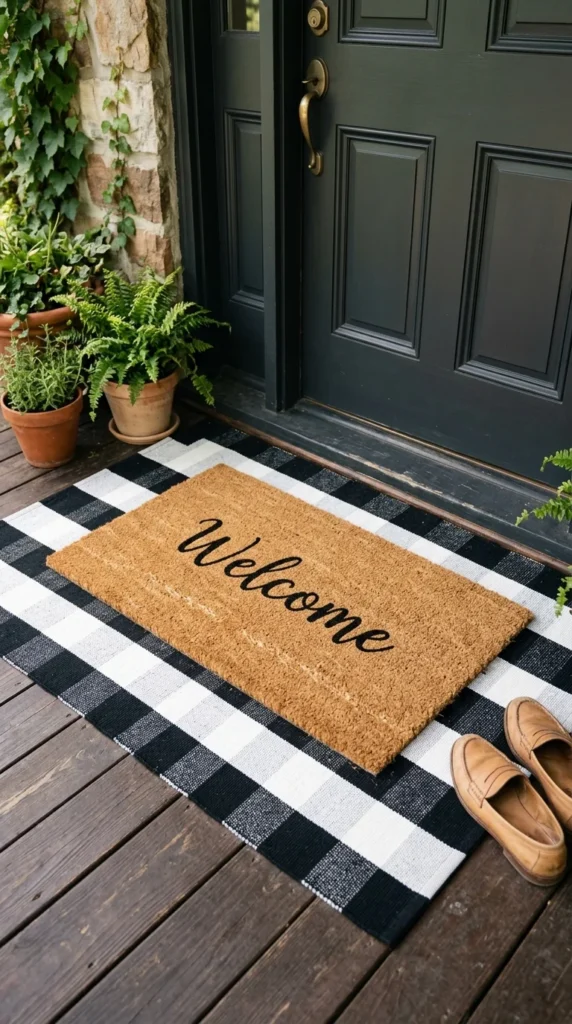
The “double rug” look has become a staple in modern exterior design because it adds texture, color, and a sense of coziness to a hard surface. The technique involves placing a larger, patterned outdoor rug (usually made of durable polypropylene) underneath a standard-sized coir doormat.
The base rug should ideally be about 24″x36″ or 30″x48″, depending on the width of your door. Classic patterns like buffalo check, stripes, or subtle geometric weaves work best as they provide a frame for the top mat without being distracting. This layering technique not only catches more dirt and debris but also grounds the entryway, making the porch feel like a finished room rather than just an outdoor platform.
4. Comfortable Seating
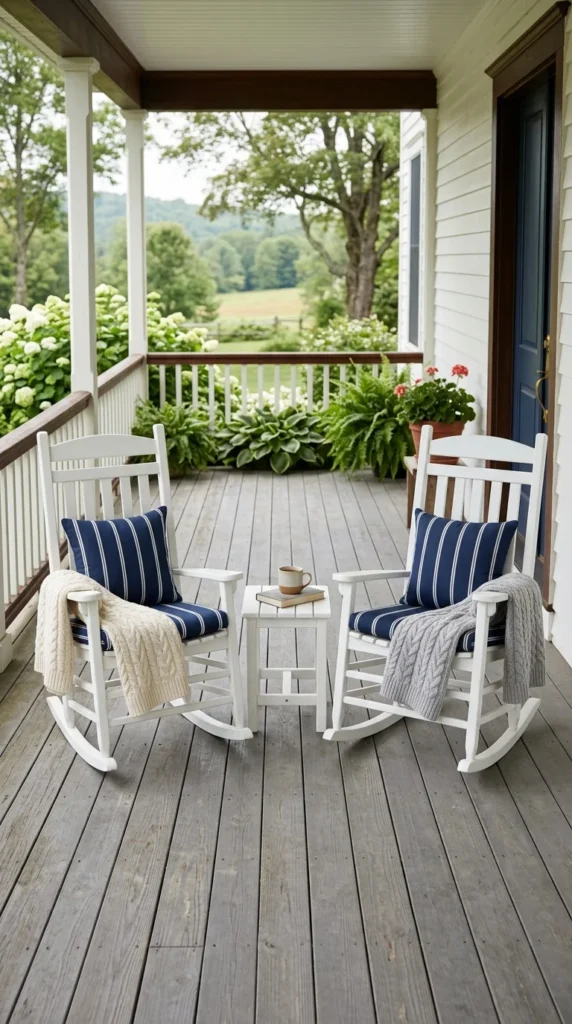
Nothing says “welcome home” quite like a dedicated place to sit. Even on a small porch, incorporating some form of seating creates an atmosphere of relaxation and neighborly charm. If space allows, a pair of Adirondack chairs or traditional rocking chairs are iconic choices that bridge the gap between vintage and modern styles.
For those with limited square footage, a slim garden bench or a single bistro chair tucked into a corner can suffice. To elevate the look, add outdoor-grade textiles. High-quality pillows in weather-resistant fabrics like Sunbrella add a pop of color and comfort. Ensure the seating is scaled appropriately; you want the furniture to look inviting, not like it is overcrowding the walkway or blocking the door.
5. Lush Planters
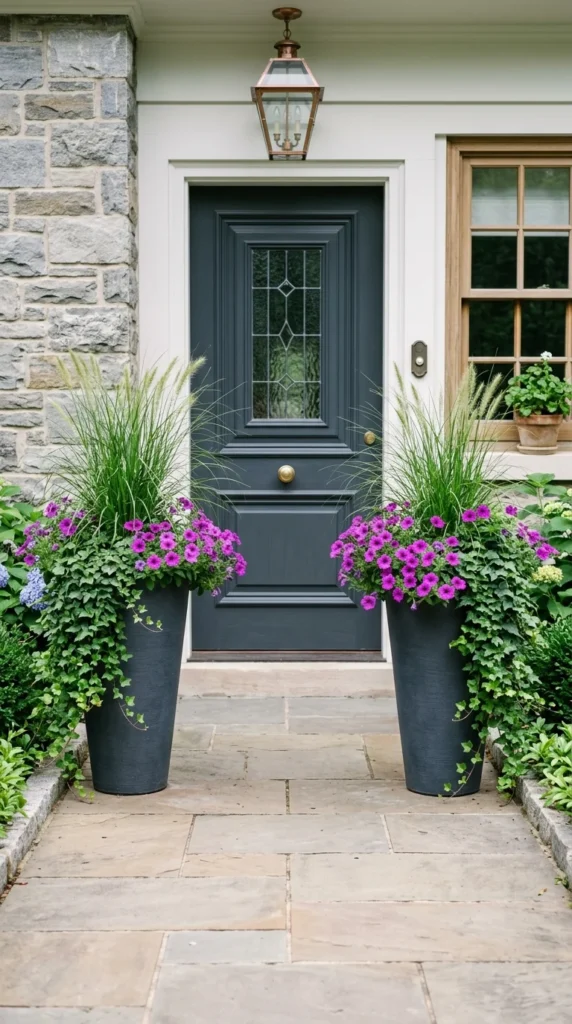
Greenery is the secret weapon of curb appeal. It softens the hard lines of the house and connects the structure to the surrounding landscape. To achieve a professional “designer” look, follow the “Thriller, Filler, Spiller” rule when potting your plants:
- Thriller: A tall, eye-catching plant in the center (like a Dracaena, Canna Lily, or ornamental grass).
- Filler: Mounded plants that fill the space around the center (like Geraniums, Marigolds, or Begonias).
- Spiller: Plants that hang over the edge of the pot (like Creeping Jenny, Sweet Potato Vine, or Lobelia).
Symmetry is particularly effective for boosting curb appeal. Placing identical planters on either side of the door creates a formal, balanced look that is highly pleasing to the eye. For a more relaxed, farmhouse vibe, grouping three pots of varying heights in a corner creates a curated, organic aesthetic.
6. Seasonal Wreaths
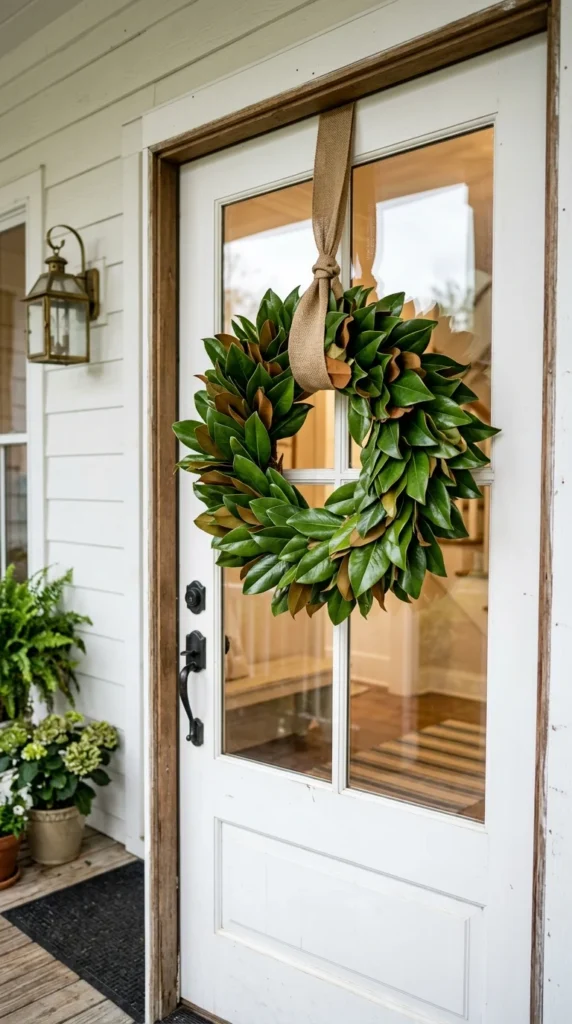
A wreath is a simple yet powerful accessory that acts as a focal point for the front door. While often associated with the holidays, a year-round wreath strategy keeps your porch looking fresh and updated. In the spring, opt for faux or dried florals like lavender or eucalyptus. During the summer, a boxwood or magnolia leaf wreath offers a crisp, green look that stands up to the heat.
When choosing a wreath, size is critical. A common mistake is choosing a wreath that is too small for the door. Aim for a diameter that covers about half to two-thirds of the width of the door. This ensures the wreath is visible from the street and feels proportional to the entry.
7. Modern Signage
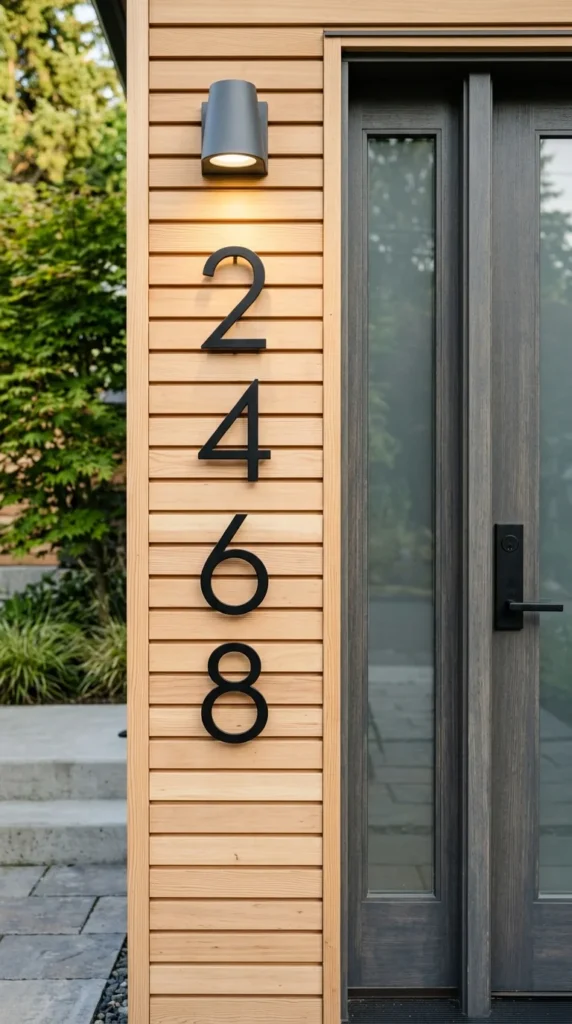
Your house numbers serve a functional purpose for mail delivery and emergency services, but they are also a major design opportunity. Standard, small plastic numbers can look cheap and dated. Upgrading to large, high-contrast numbers in a modern font can instantly change the personality of your porch.
Floating house numbers—which sit slightly off the wall to create a shadow effect—are currently very popular for their clean, architectural look. Consider the placement as well. Instead of the traditional spot above the door, try mounting them vertically on a porch pillar or on a custom wooden plaque. Ensuring the font matches the style of your home (e.g., San Serif for modern, Roman for traditional) creates a cohesive visual language.
8. Practical Tables
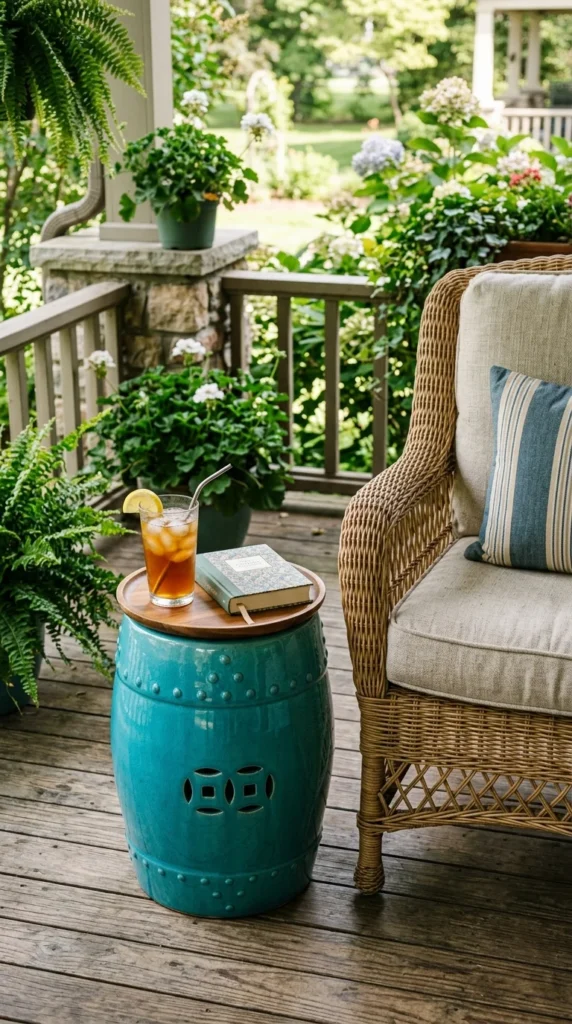
An accent table is the finishing touch that makes a porch functional. Whether it’s a place to set a morning cup of coffee or a spot for a delivery driver to leave a package, a small table adds a layer of “lived-in” charm. Ceramic garden stools are a favorite among designers because they are virtually indestructible, come in a vast array of colors, and double as extra seating if needed.
If your style is more rustic, a small wooden end table or a repurposed vintage crate can serve the same purpose. The key is to keep the scale small so it doesn’t obstruct the flow of traffic. Adding a small tray or a decorative lantern on top of the table can further enhance the curated look, making the porch feel like a true extension of your interior living space.