
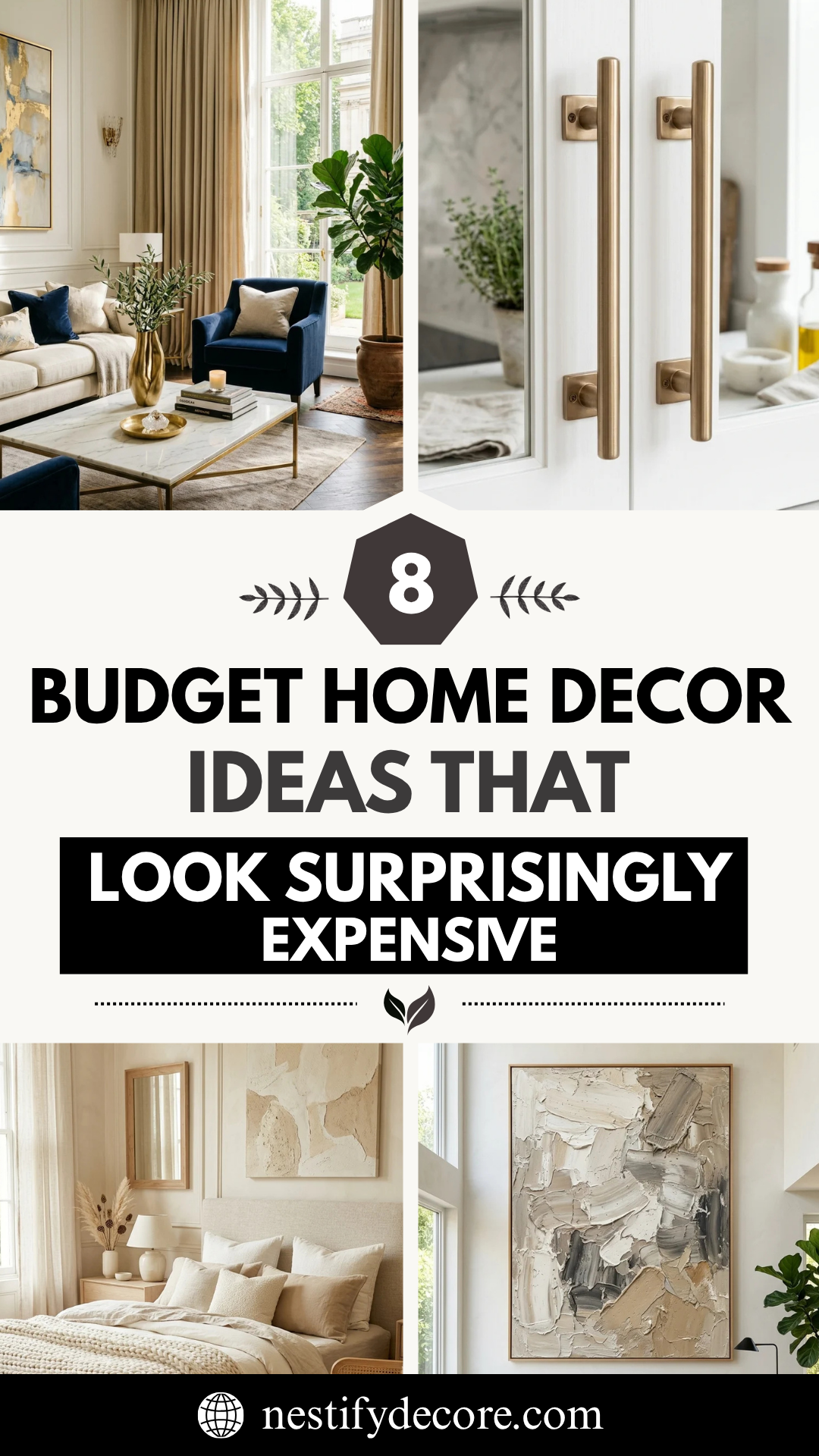
Creating a home that feels curated, sophisticated, and expensive does not require a massive bank account. The “high-end” look is often less about the price tag of individual items and more about the principles of design: scale, texture, lighting, and intentionality. By making strategic choices and focusing on high-impact areas, you can transform a standard living space into a luxury sanctuary.
Here are eight budget-friendly home decor ideas that will make your home look like it was styled by a professional interior designer.
1. Wall Molding
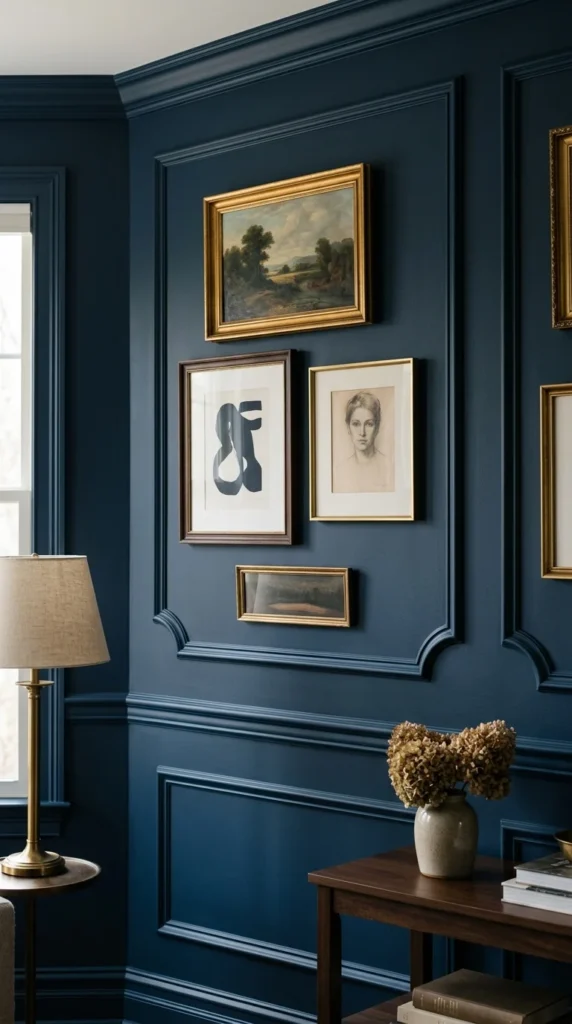
Architectural interest is the hallmark of luxury homes. Plain, flat walls can often feel “builder-grade” or temporary. Adding DIY wall molding—specifically picture frame molding or wainscoting—instantly elevates the character of a room.
- Materials: You can use inexpensive pine or PVC molding strips from a local hardware store.
- The Trick: Use a miter box to cut 45-degree angles and liquid nails to secure them to the wall.
- The Finish: Paint the molding the exact same color as your wall in a satin or semi-gloss finish. This “monochromatic architectural” look creates shadows and depth that mimic the craftsmanship of historic estates.
2. Statement Art
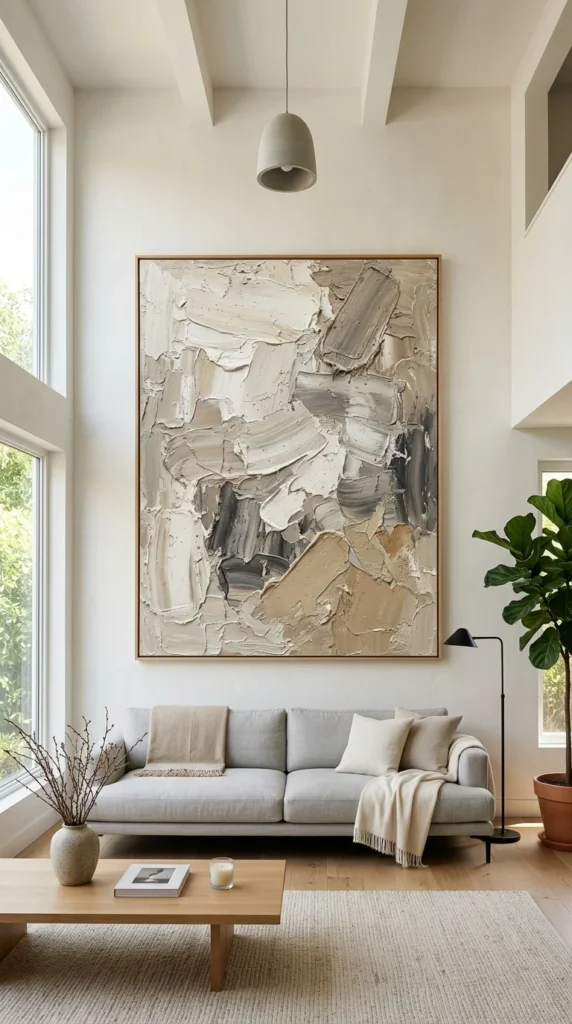
One of the most common mistakes in budget decorating is using art that is too small for the space. Tiny frames scattered across a large wall can look cluttered. Expensive homes often feature “hero” pieces—large-scale art that commands attention.
- The Budget Hack: Instead of buying an expensive original painting, buy a large canvas and create your own abstract piece using drywall compound for texture and a neutral paint palette.
- Alternative: Use “engineer prints” from a local print shop. You can print high-resolution black-and-white photos for a few dollars and place them in a large, thin-profile frame with a wide white mat. The wide matting is a secret designer trick that makes any photo look like a gallery piece.
3. Metallic Accents
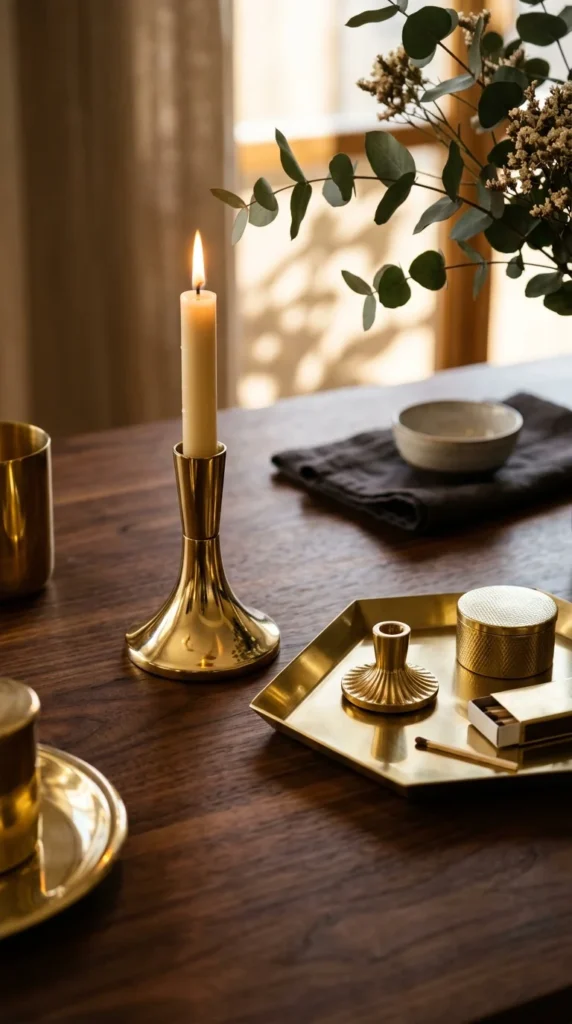
Metal finishes, particularly brass, gold, and matte black, add a jewelry-like quality to a room. However, the key to making metallics look expensive rather than “tacky” is the finish. Avoid overly shiny, yellow-gold plastics.
- Rub ‘n Buff: This metallic wax is a miracle product for budget decorators. You can take a cheap thrift store lamp or a plastic picture frame and apply a thin layer of “Antique Gold” Rub ‘n Buff to give it the weight and sheen of real forged metal.
- Consistency: Try to coordinate your metals within a single room. If your coffee table has gold legs, try to incorporate a gold tray or gold-framed mirrors to create a cohesive, intentional look.
4. Layered Lighting
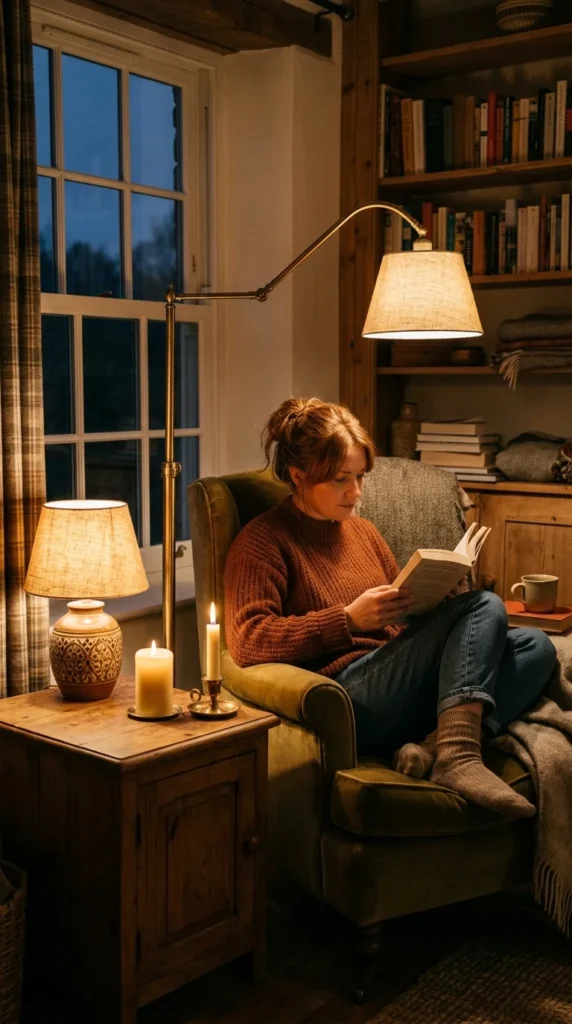
Nothing kills a high-end vibe faster than a single, harsh overhead “boob light.” Luxury spaces utilize “layered lighting,” which includes ambient, task, and accent lighting to create warmth and dimension.
- Ditch the Overhead: Switch off the ceiling light and instead use a combination of floor lamps, table lamps, and sconces.
- Puck Lights: You can buy battery-operated LED puck lights and stick them inside cabinets or under bookshelves. For a truly expensive look, install wireless wall sconces on either side of a bed or a piece of art without the need for an electrician.
- Warm Bulbs: Always opt for “warm white” (2700K) bulbs. Cool, blue-toned lighting can make even expensive furniture look cheap and clinical.
5. Hardware Upgrades
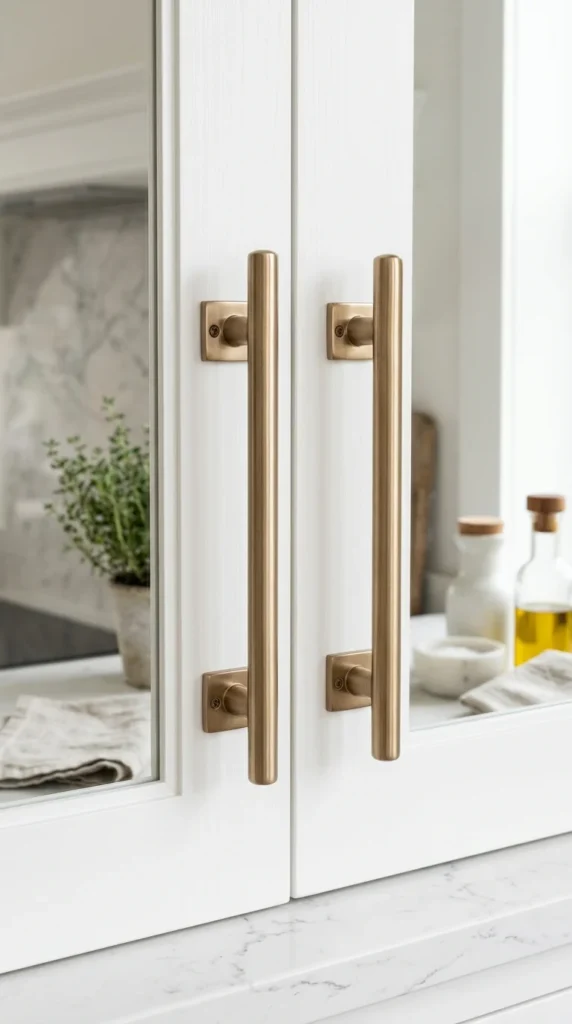
One of the fastest ways to make a kitchen or bathroom look like a custom renovation is to swap out the standard hardware. Most rental units and budget homes come with generic chrome or plastic pulls.
- Heavier Weights: Look for hardware that has a bit of weight to it. Solid metal handles in matte black, oil-rubbed bronze, or brushed brass feel substantial in the hand, which translates to a “luxury” experience.
- The Scale: Don’t be afraid to go slightly larger than the original hardware. Long, sleek pulls can make cabinets look taller and more modern. This is a reversible change, making it perfect for renters who want a high-end look without losing their security deposit.
6. High Curtains
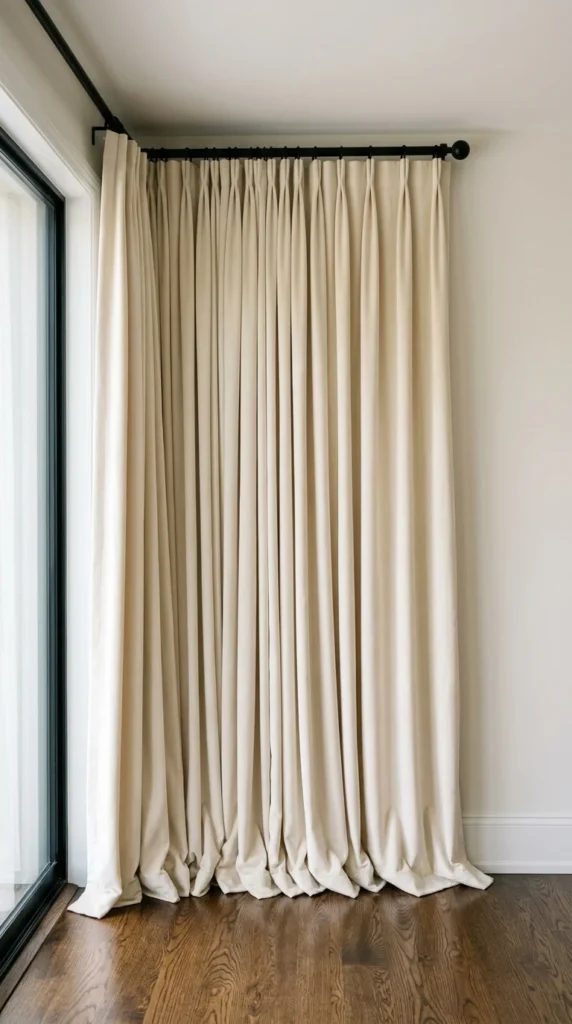
Window treatments are often an afterthought, but they occupy a massive amount of visual real estate. To make your ceilings look higher and your room more grand, follow the “high and wide” rule.
- Placement: Mount your curtain rod as close to the ceiling as possible, rather than right above the window frame. This draws the eye upward, creating the illusion of height.
- Width: Extend the rod 6–12 inches beyond the window frame on both sides. This makes the window appear larger and allows the fabric to frame the glass without blocking the light.
- Fabric: Look for “heavyweight” fabrics like velvet or thick linen blends. If your curtains are thin, sew or clip a blackout liner to the back. The extra weight makes the fabric drape beautifully, mimicking custom-made drapes.
7. Monochromatic Palettes
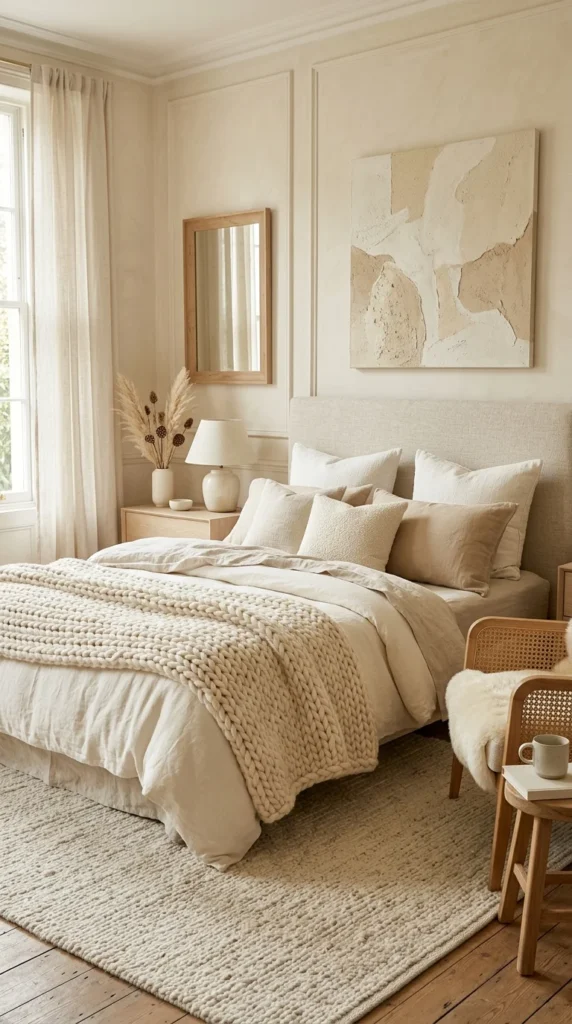
Color can be tricky; too many bright colors can make a space feel chaotic and cheap. Professional designers often use a monochromatic or tonal color palette to create a sense of serenity and “quiet luxury.”
- Texture is Key: If you are decorating with mostly beige, gray, or white, you must vary the textures. Mix a smooth leather chair with a chunky wool throw and a jute rug.
- The “Expensive” Neutral: Shades of off-white, mushroom, and “greige” tend to look more expensive than stark white or muddy browns. Painting your baseboards and trim the same color as your walls (but in a different sheen) is another way to achieve a high-end, custom-built look on a budget.
8. Indoor Greenery
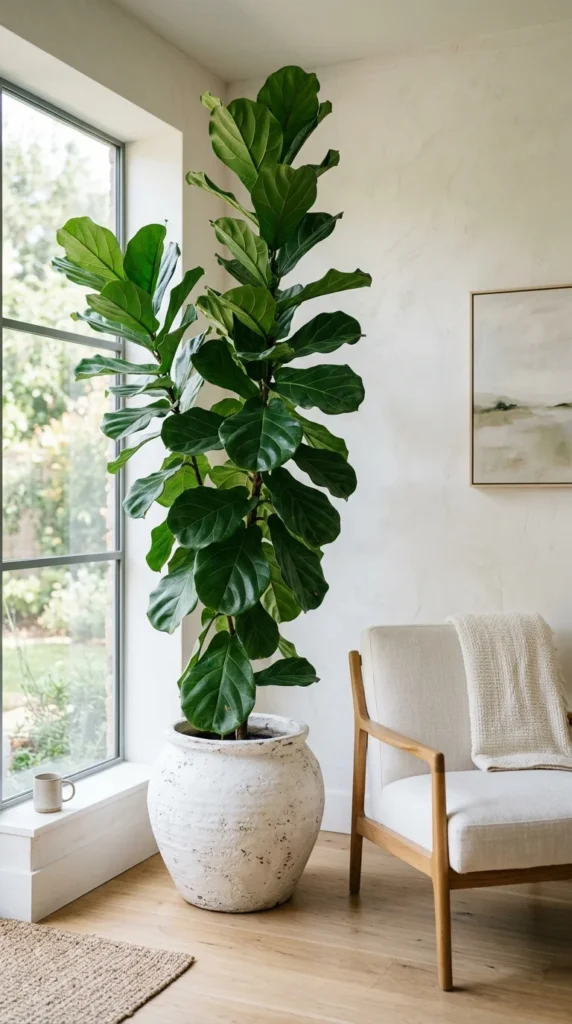
Nature is the ultimate luxury. A large, healthy plant acts as a living sculpture, adding color, organic shapes, and a sense of life to a room.
- Go Big: Instead of five small succulents on a windowsill, invest in one large “statement” plant like a Fiddle Leaf Fig, an Olive Tree, or a Monstera.
- The Pot Matters: The plastic nursery pot the plant comes in is a giveaway of a budget setup. Move your plant into a large ceramic, stone, or high-quality resin planter.
- The Hack: If you don’t have a green thumb, high-quality “real-touch” silk plants have come a long way. Place a faux tree in a heavy pot and cover the base with real dried moss or river rocks to bridge the gap between fake and high-end.