
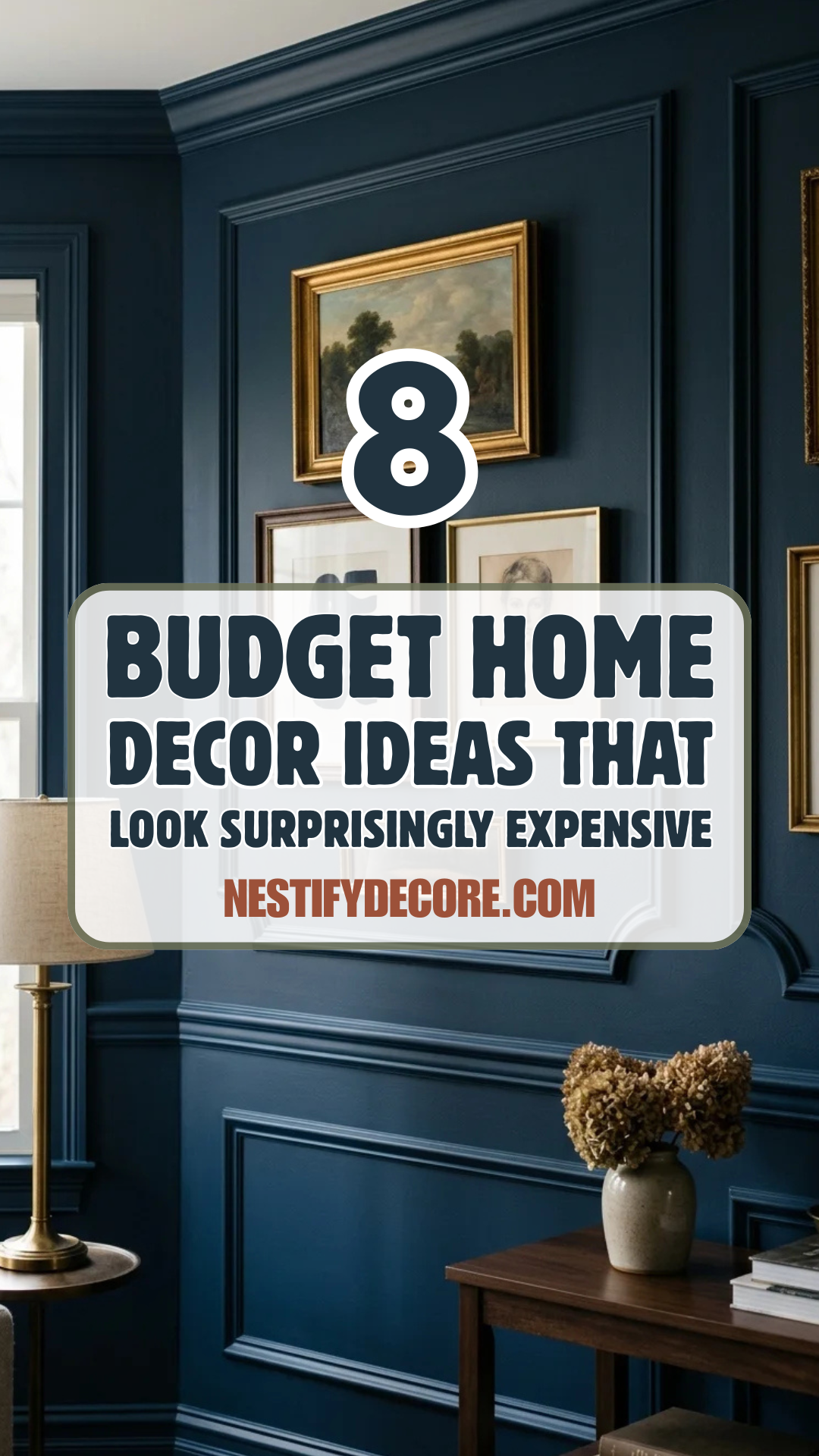
Achieving a high-end, editorial look for your home doesn’t require a massive renovation budget or a designer’s bank account. Often, the difference between a space that feels “cheap” and one that feels “expensive” lies in the details—scale, lighting, and texture. By focusing on strategic upgrades that mimic luxury finishes and architectural interest, you can transform your living space into a sanctuary of style.
Here are eight budget-friendly home decor ideas that deliver maximum visual impact without the premium price tag.
1. Large Art
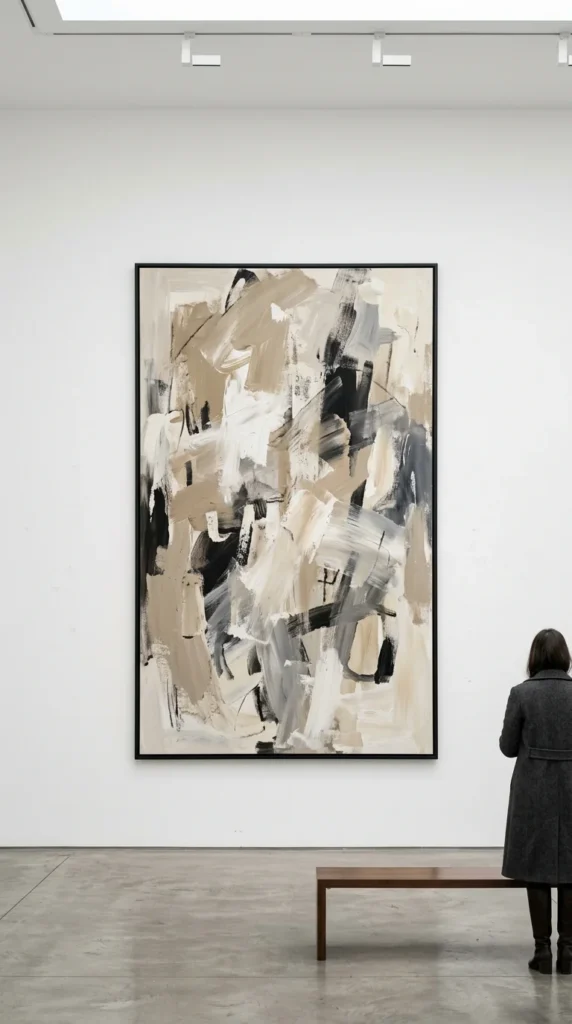
One of the most common mistakes in budget decorating is using art that is too small for the wall. Tiny frames scattered across a large surface can make a room feel cluttered and disjointed. Expensive homes often feature “hero” pieces—large-scale artwork that commands attention and acts as a focal point.
You don’t need to spend thousands at a gallery to achieve this. Look for oversized thrift store canvases and paint over them with a simple DIY abstract design using a limited color palette. Alternatively, you can download high-resolution digital prints from independent artists and have them printed as “engineer prints” at a local shop for a few dollars. The secret to making it look expensive is the framing. Use a large, clean-lined frame with a wide mat to give even a simple print a professional, museum-quality feel.
2. Metal Hardware
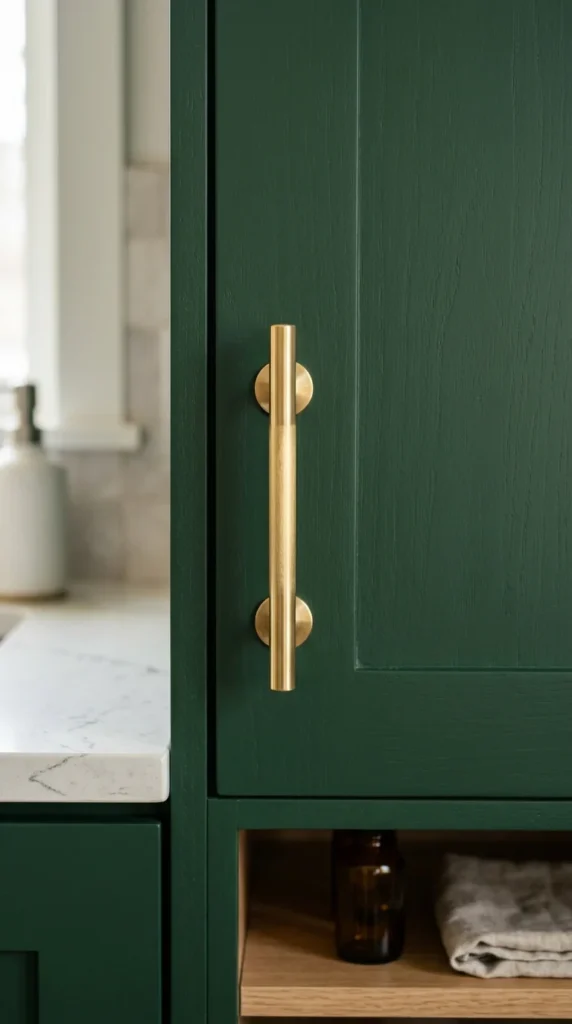
The builder-grade hardware that comes standard in many homes is often functional but visually uninspiring. Swapping out cheap plastic or dated chrome knobs and pulls for high-quality metal hardware is one of the fastest ways to “elevate” your kitchen, bathroom, or furniture.
Choose finishes that feel timeless and substantial, such as brushed brass, matte black, or polished nickel. When updating a dresser or a kitchen, consistency is key. Even a basic IKEA cabinet can look like a custom-made piece of furniture when outfitted with heavy, solid metal pulls. This “jewelry for the home” adds a tactile sense of quality that guests will notice immediately.
3. Layered Lighting
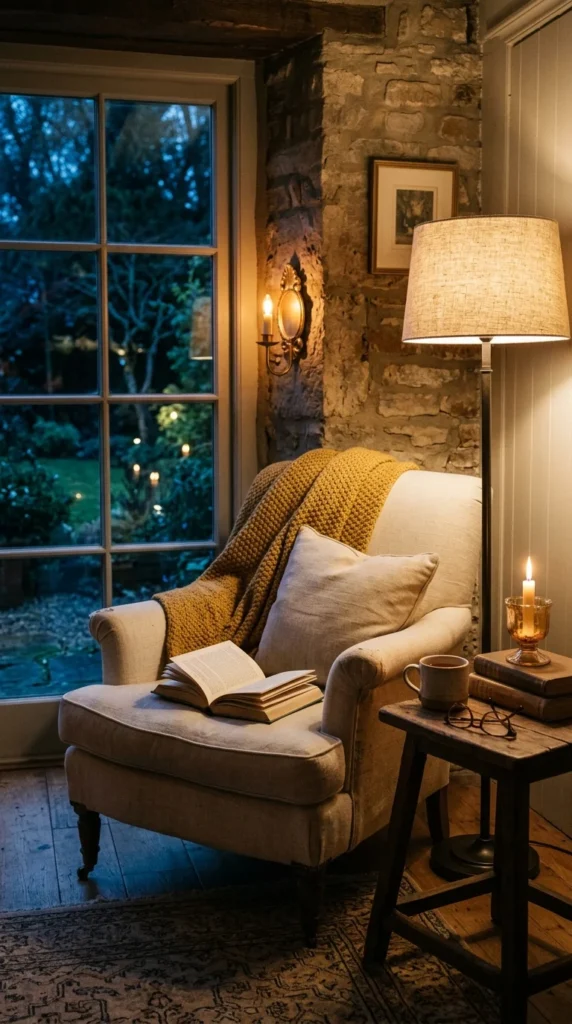
Harsh overhead lighting is the enemy of an expensive-looking home. To create an atmosphere of luxury, you must layer your lighting. Professional interior designers use three types: ambient, task, and accent lighting.
Instead of relying on the “big light” on the ceiling, dot your room with various light sources at different heights. Place a sophisticated floor lamp next to a chair, a pair of matching table lamps on a sideboard, and even small “puck lights” inside bookshelves to highlight decor. For a truly high-end look, install wireless, battery-operated wall sconces. These provide the look of custom electrical work without the need for a professional electrician or messy wiring.
4. Oversized Rugs
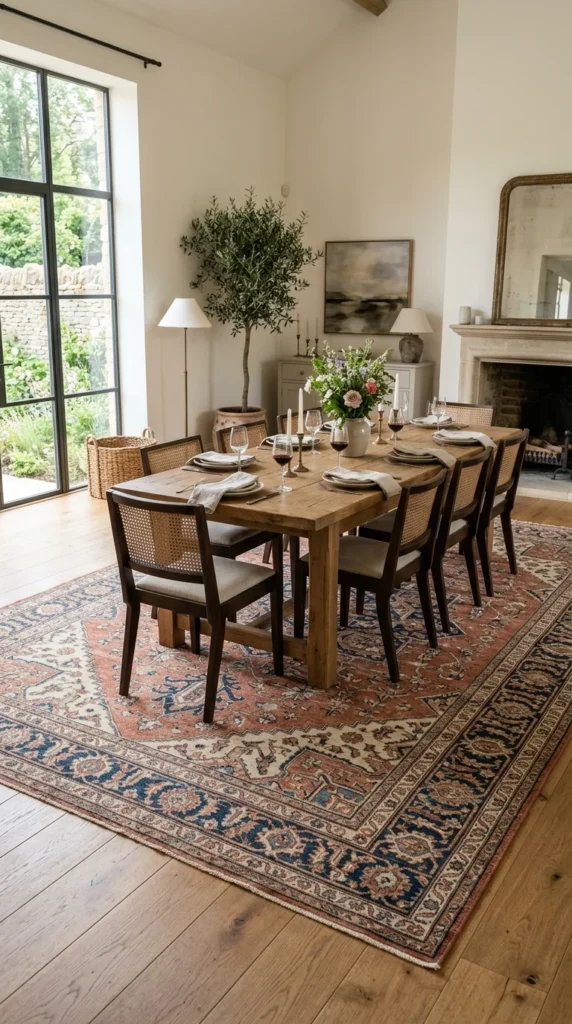
A rug that is too small acts like an island in the middle of a room, making the entire space feel cramped and poorly planned. In contrast, an oversized rug that fits all the furniture legs comfortably on top creates a “grounded” and expansive feeling associated with luxury estates.
If a large, high-quality rug is out of your budget, use the “layering” trick. Buy a large, inexpensive natural fiber rug, such as jute or sisal, to cover the majority of the floor space. Then, layer a smaller, more decorative or vintage-style rug on top. This adds texture, depth, and the illusion of a much more expensive floor covering while keeping costs low.
5. Wall Molding
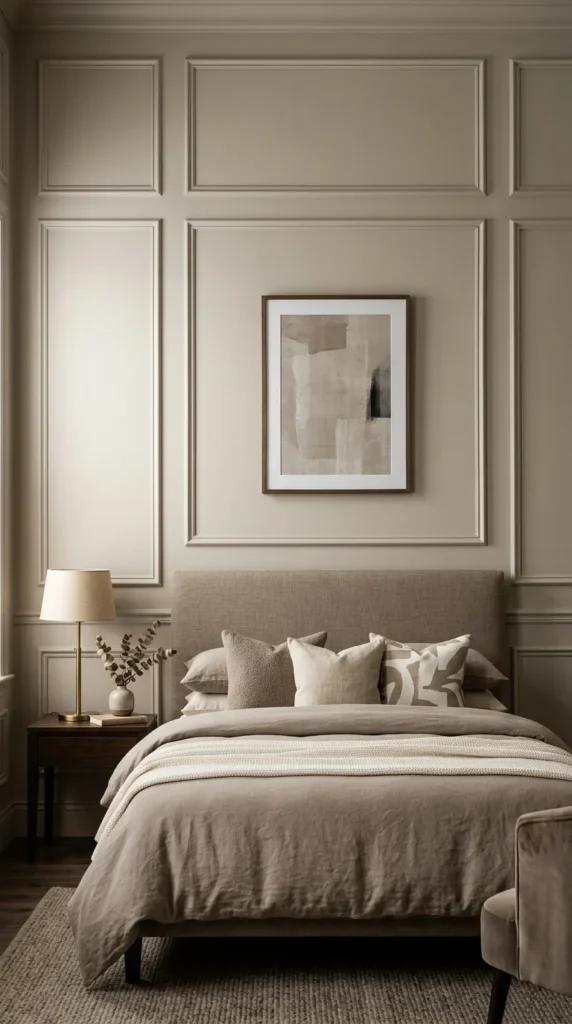
Architectural interest is often what separates a standard boxy room from a high-end interior. Adding wall molding—such as wainscoting, crown molding, or simple picture frame molding—adds a sense of history and “bones” to a home.
This is a surprisingly accessible DIY project. Using inexpensive pine or MDF strips, you can map out a grid or picture frame pattern on your walls. Once nailed and caulked, painting the molding the same color as the wall creates a seamless, sophisticated look that mimics the craftsmanship found in historic luxury homes. For renters, there are even “peel and stick” molding options that provide a similar aesthetic without permanent changes.
6. Tall Greenery
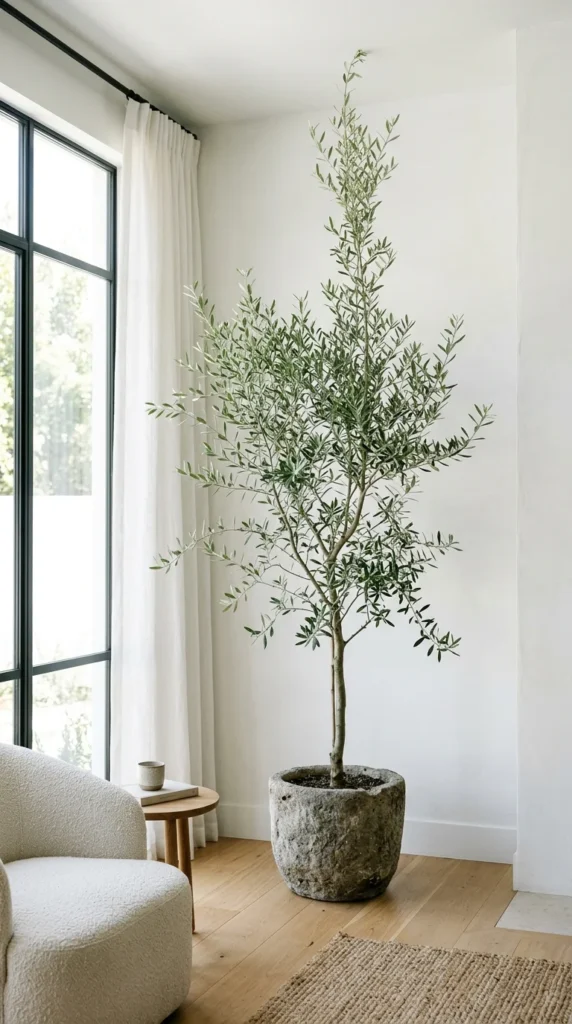
Cheap, small plastic plants can often look cluttered. To achieve an expensive look, go for height and organic shapes. A single, large-scale plant—like a Fiddle Leaf Fig, an Olive Tree, or a Birds of Paradise—adds life and a sculptural element to a room.
The height of a tall plant draws the eye upward, emphasizing the vertical space and making ceilings feel higher. If you don’t have a green thumb, invest in one high-quality “real-touch” faux tree rather than five small, obvious fakes. Place your plant in a large, heavy pot made of natural materials like terracotta, stone, or ceramic to ground the look and hide the plastic nursery pot.
7. Neutral Textiles
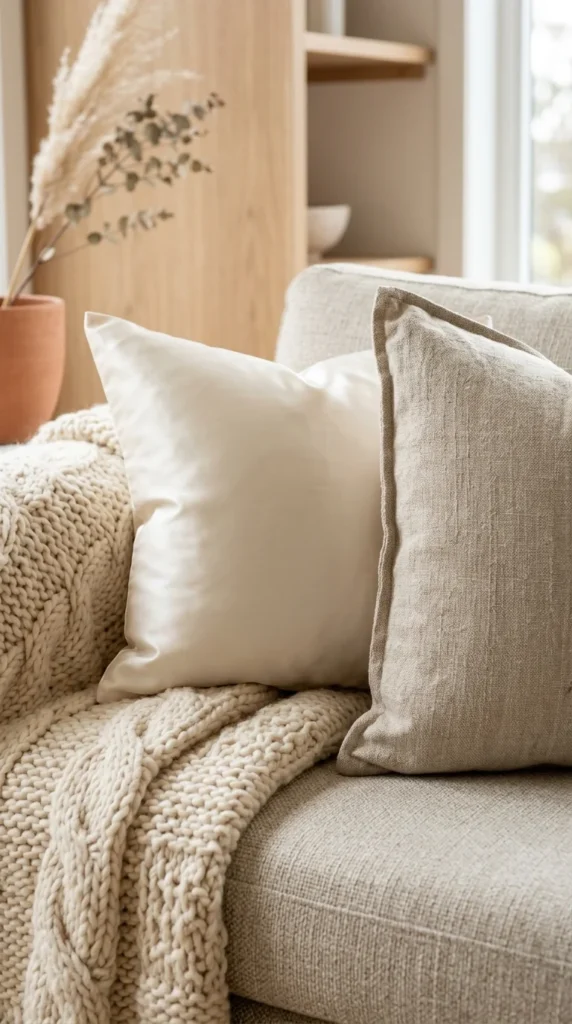
A “busy” color palette with too many clashing patterns can often look chaotic and inexpensive. Luxury spaces often lean into “Quiet Luxury,” which relies on a monochromatic or neutral color palette emphasized by a variety of rich textures.
To make your home look more expensive, stick to a base of whites, creams, greys, or earth tones. The key to preventing a neutral room from looking flat is texture. Mix a velvet pillow with a linen sofa and a chunky wool throw. This tactile variety creates a sophisticated, multi-layered environment that feels curated and intentional rather than haphazard.
8. Statement Mirrors
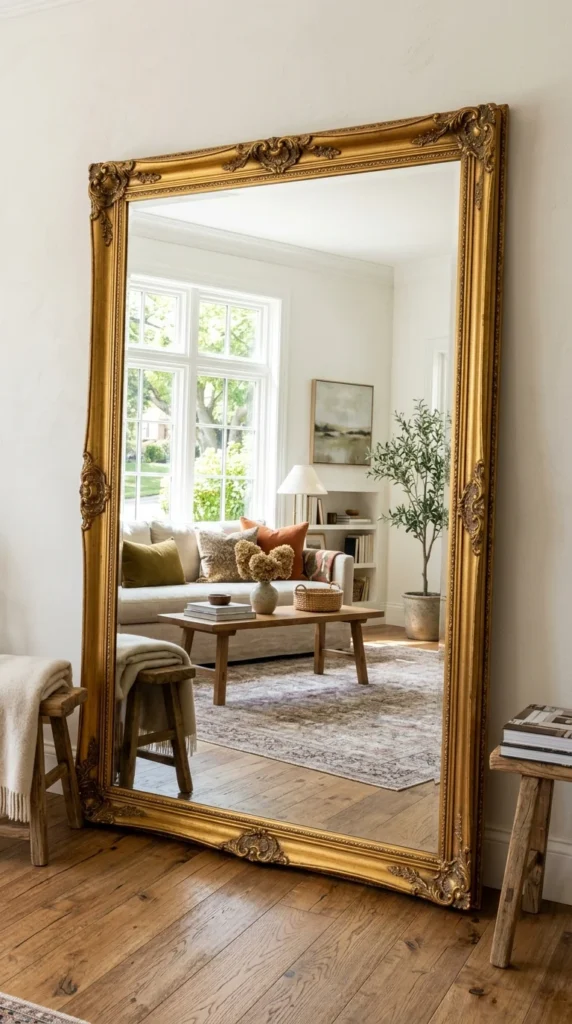
Mirrors are a classic designer secret for a reason. They reflect light, making a room feel brighter, and they create the illusion of more square footage. A small, thin mirror can look like an afterthought, but a statement mirror functions as a piece of furniture.
Look for large floor mirrors with interesting frames—either vintage ornate gold or modern arched black metal. Leaning a large mirror against a wall instead of hanging it adds a casual, “undone” elegance that is common in high-end Parisian apartments. By reflecting the most attractive parts of your room, the mirror doubles the visual impact of your other decor efforts.