
The allure of a neutral living room lies in its ability to provide a serene sanctuary from the chaos of the outside world. However, there is a fine line between a room that feels “beige and boring” and one that exudes the “Quiet Luxury” aesthetic. Creating a space that feels both calm and expensive requires a strategic approach to texture, scale, and materiality.
When you strip away bold colors, the eye becomes more sensitive to the quality of the materials and the nuances of the architecture. An expensive-looking neutral room is never flat; it is a masterclass in layering. By focusing on the interplay of light and shadow and the tactile nature of the surfaces, you can design a living room that feels like a high-end boutique hotel. Here are seven inspiration ideas to elevate your neutral living space into a sophisticated haven.
1. Monochromatic Layers
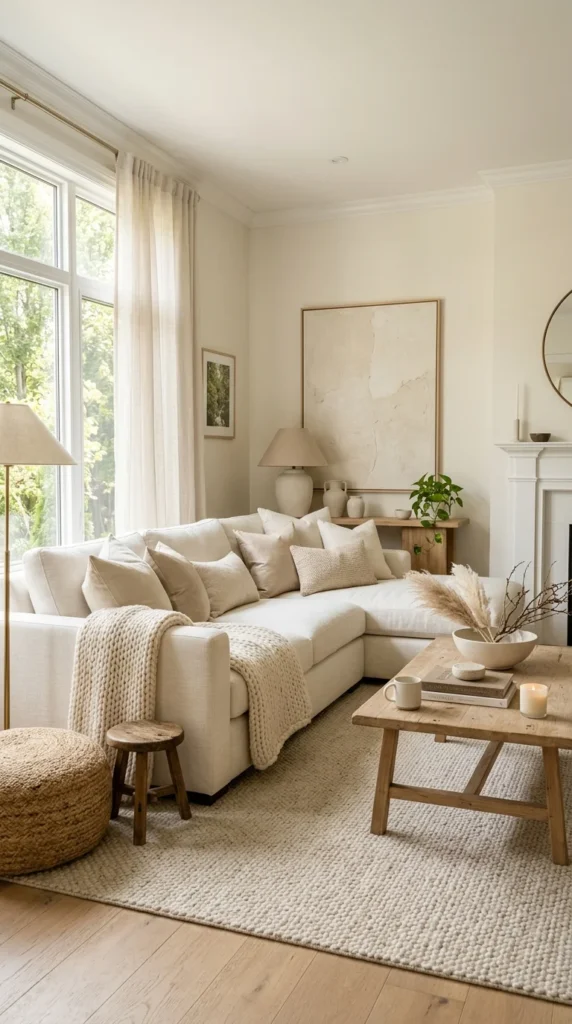
The secret to a neutral room that looks expensive is “tonal depth.” Instead of picking one shade of beige and applying it to everything, designers use a spectrum of related tones. This might include ivory, sand, biscuit, taupe, and mushroom. When these shades are layered together, they create a visual richness that feels intentional and curated.
To achieve this look, start with your largest pieces—like the sofa or the rug—in a mid-tone neutral. From there, layer lighter and darker shades through cushions, drapery, and decorative objects. This prevents the room from looking “washed out” and instead gives it a three-dimensional quality. The lack of high-contrast colors allows the brain to relax, promoting that signature sense of calm.
2. Texture Play
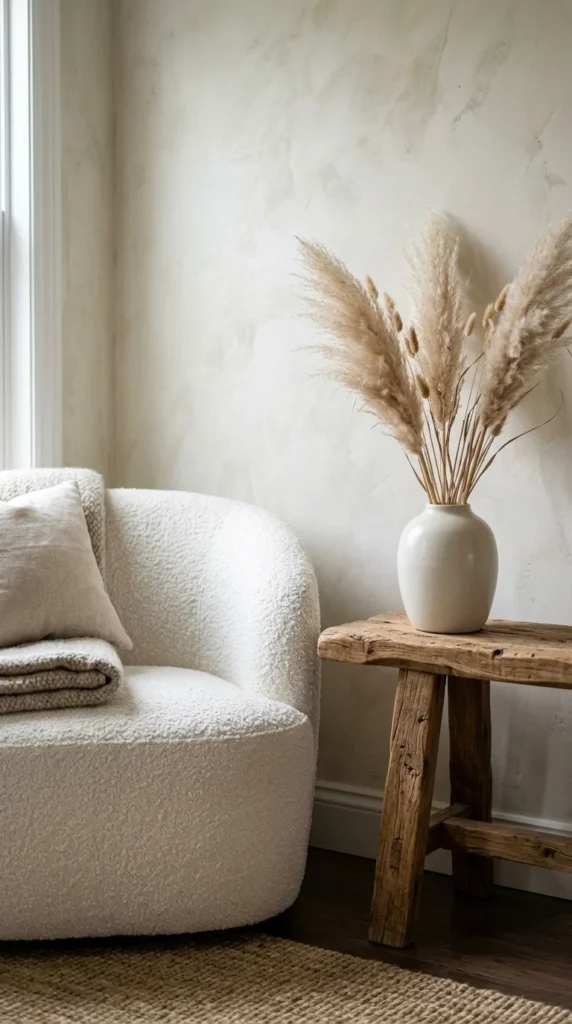
In the absence of color, texture becomes the “pattern” of the room. An expensive-looking space often features a mix of tactile surfaces that invite you to touch them. Think of the contrast between a smooth, cold marble coffee table and a soft, nubby bouclé chair. Or the way a heavy linen curtain hangs against a matte, lime-washed wall.
Incorporating natural fibers is key to this aesthetic. Materials like wool, silk, mohair, and jute add an organic warmth that synthetic fabrics often lack. For an expensive feel, look for “high-low” textures: a sleek, polished metal floor lamp standing next to a rustic, hand-knotted rug. This juxtaposition suggests a space that has been thoughtfully assembled over time.
3. Organic Silhouettes
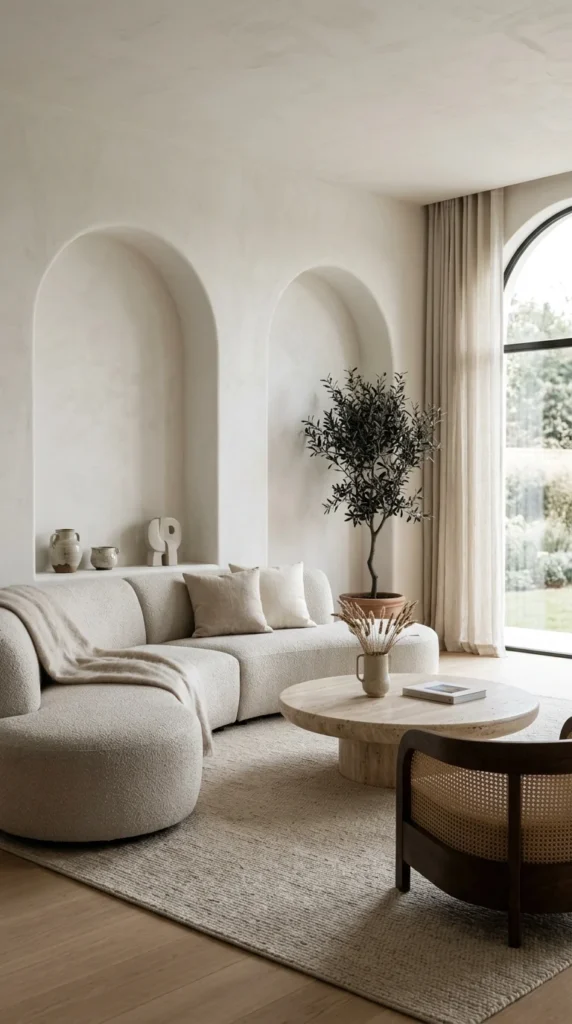
Sharp angles and rigid lines can sometimes feel clinical or mass-produced. To make a neutral living room feel more “designer,” incorporate organic, soft silhouettes. Curved sofas, arched doorways, and circular coffee tables mimic the shapes found in nature, which inherently feels more soothing to the human eye.
Sculptural furniture acts as functional art in a neutral space. A “kidney” shaped sofa in a soft taupe velvet doesn’t need a bright color to stand out; its shape provides all the visual interest required. These softened edges also improve the flow of the room, making the environment feel more fluid and expensive.
4. Natural Stone
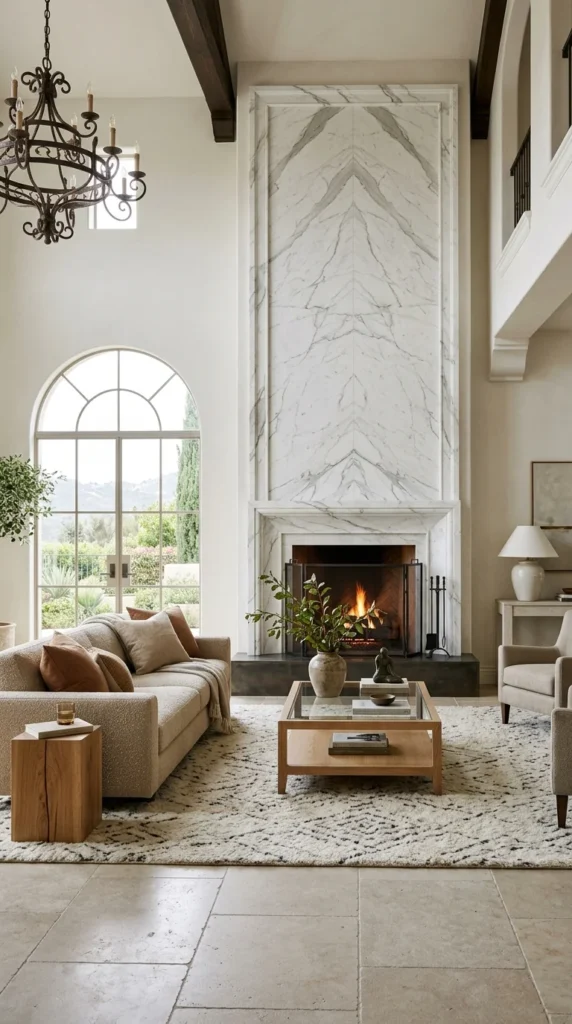
Nothing says “luxury” quite like natural stone. While marble is the classic choice, other stones like travertine, limestone, and alabaster are currently trending in neutral interior design for their matte finishes and earthy tones. These materials bring a sense of permanence and weight to a living room.
If a full marble fireplace isn’t in the budget, you can incorporate stone through smaller high-impact pieces. A solid travertine coffee table or a set of alabaster bookends can ground a room. The natural veining and imperfections in the stone provide a unique “pattern” that breaks up the neutrality of the walls and floors without introducing jarring colors.
5. Oversized Minimalism
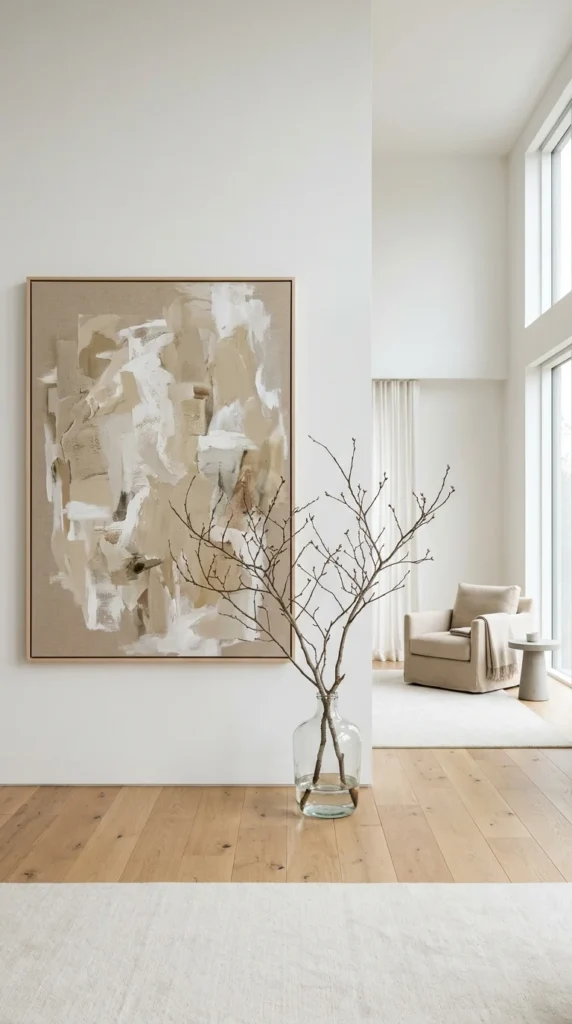
One mistake many people make is using too many small items, which can make a neutral room feel cluttered and “cheap.” To achieve an expensive look, follow the “fewer, better” rule. Choose furniture and decor with a larger scale. One massive, floor-to-ceiling piece of abstract art is far more impactful—and looks much more expensive—than a gallery wall of small prints.
Scale also applies to lighting and greenery. A single, oversized pendant light in a woven or paper material can act as a stunning focal point. Likewise, instead of multiple small potted plants, opt for one large, structural tree, like a Fiddle Leaf Fig or an Olive Tree, placed in a handmade ceramic pot. This creates a sense of grandeur and breathing room.
6. Mixed Metallics
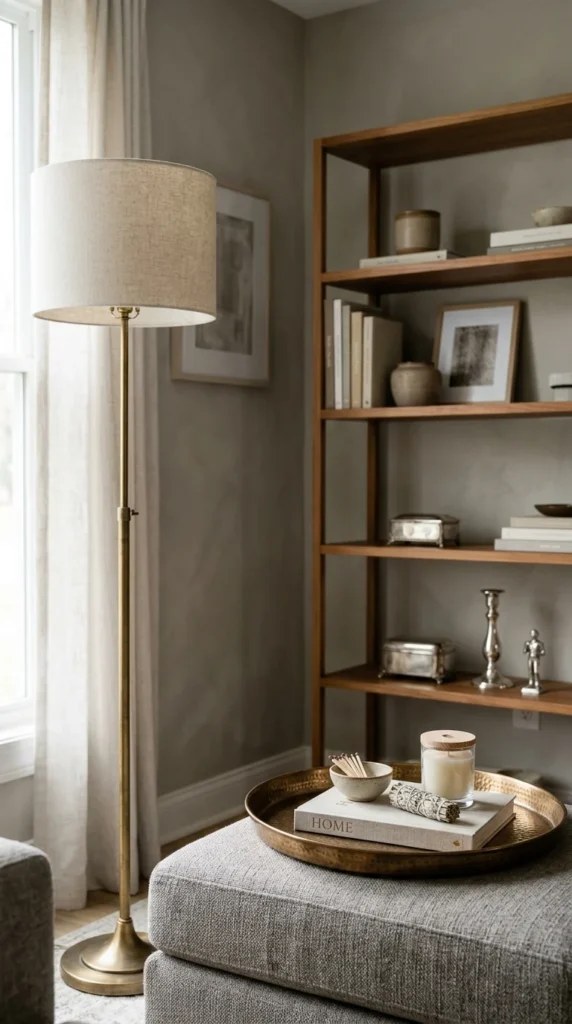
While the palette remains neutral, adding metallic accents provides the “jewelry” for the room. To keep it feeling modern and expensive, don’t be afraid to mix your metals. The combination of warm brass or gold with cooler tones of polished nickel or aged bronze adds a layer of sophistication.
The key is to keep the finishes matte or brushed rather than high-shine, which can sometimes look dated. Metallics reflect light and prevent a neutral room from feeling too “flat.” Look for subtle ways to integrate them: the legs of a chair, the hardware on a built-in cabinet, or the frame of a mirror. These small glints of light catch the eye and signal a high level of finish.
7. Architectural Focus
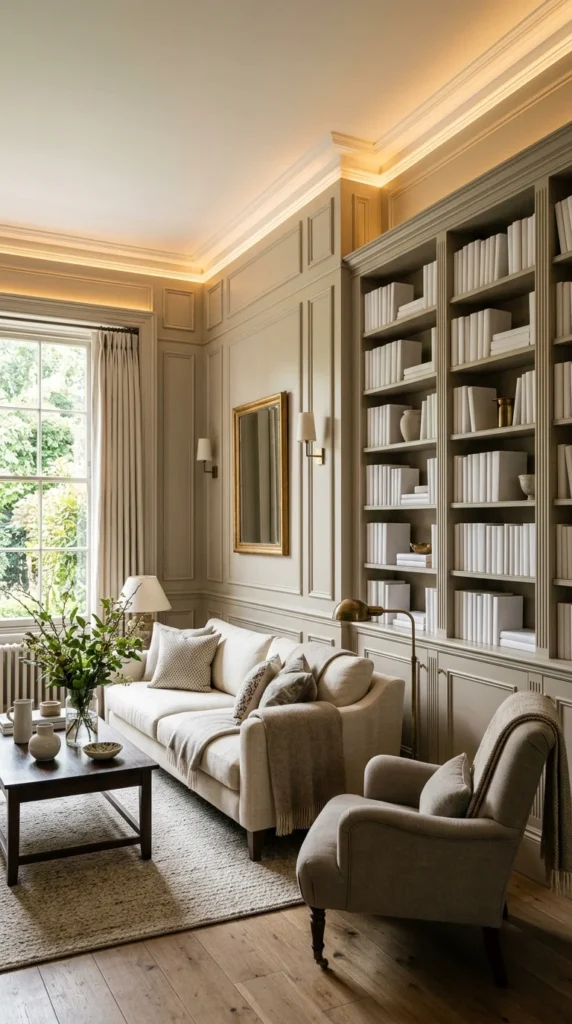
In a neutral room, the “bones” of the space are on full display. Investing in architectural details like crown molding, wall paneling, or coffered ceilings can transform a standard room into a luxury suite. When these details are painted in the same neutral tone as the walls (a technique known as “color drenching”), it creates a seamless, high-end look that highlights the play of shadows on the trim.
Lighting also plays a critical role in highlighting these features. Use “layered lighting”—a mix of overhead architectural lighting, task lighting (like floor lamps), and ambient lighting (like wall sconces). Soft, warm light washing over a textured wall or highlighting a piece of molding adds a theatrical, expensive quality that elevates the entire living room experience.