
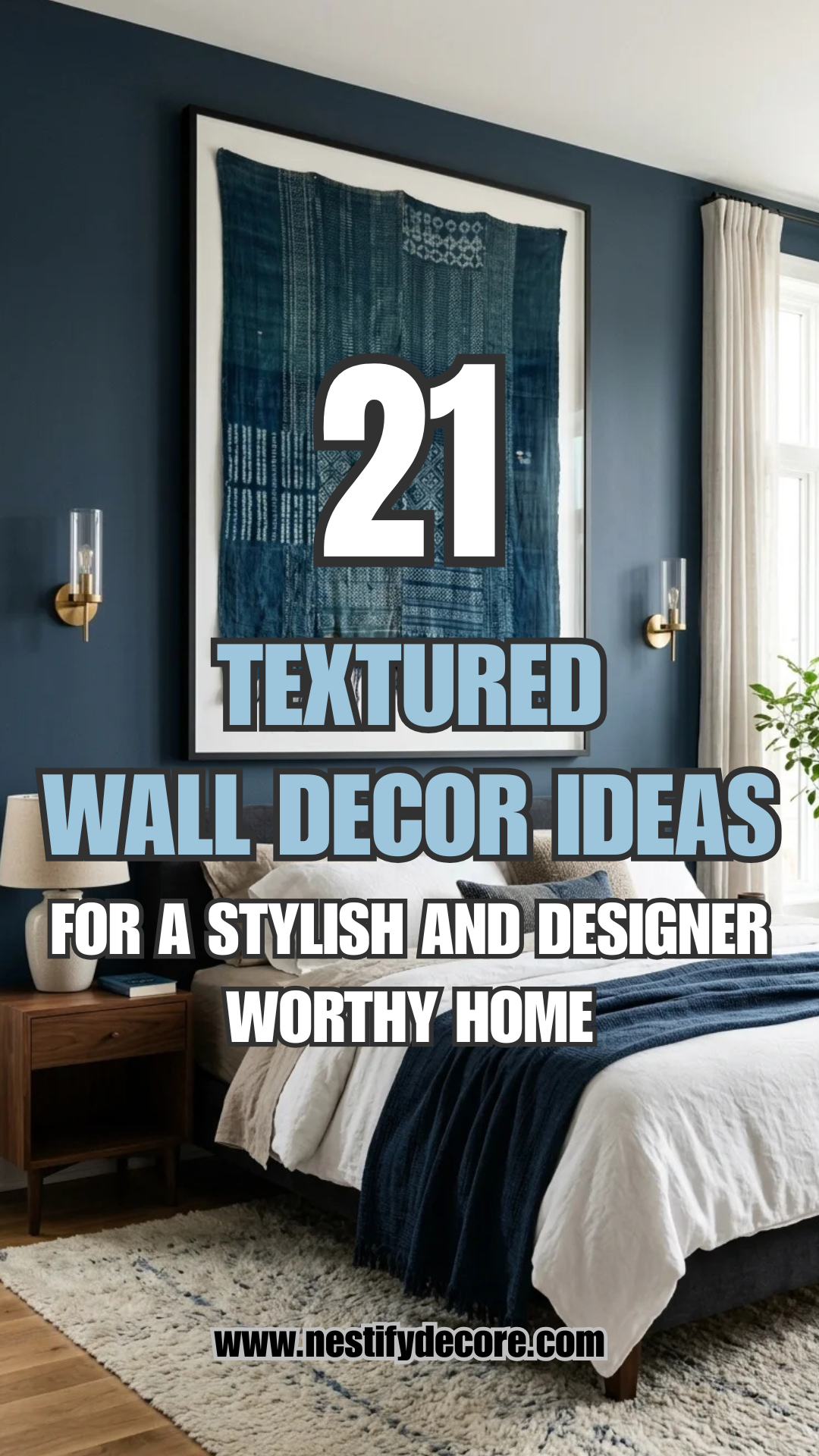
In the world of interior design, texture is often referred to as the “invisible element” that transforms a house into a home. While color and light are crucial, texture provides the tactile depth and visual weight necessary to make a space feel sophisticated and curated. Textured wall decor, in particular, breaks the monotony of flat surfaces, creating shadows, highlights, and a sense of history or craftsmanship. From organic fibers to architectural wood slats, adding dimension to your walls is the fastest way to achieve a designer-worthy aesthetic.
1. Macramé Hangings
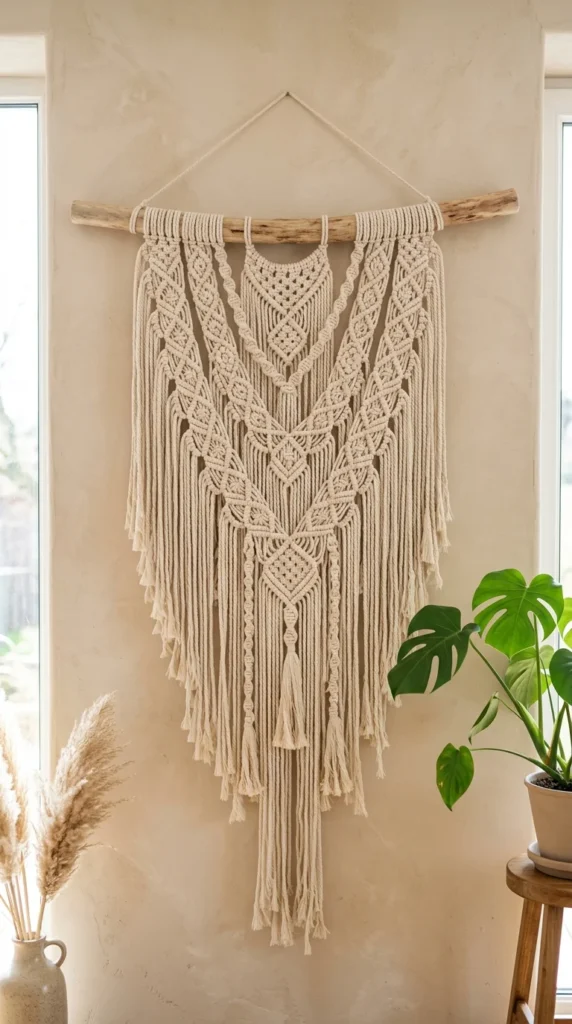
Macramé has evolved far beyond its bohemian roots to become a staple in modern, Scandinavian, and coastal interiors. These hand-knotted textile pieces provide a soft, organic contrast to hard surfaces like glass or metal. To keep the look designer-worthy, opt for oversized pieces that span at least half the width of your sofa or headboard. Look for high-quality cotton or hemp cord in neutral tones like cream, charcoal, or terracotta to maintain a sophisticated palette.
2. Wood Slats
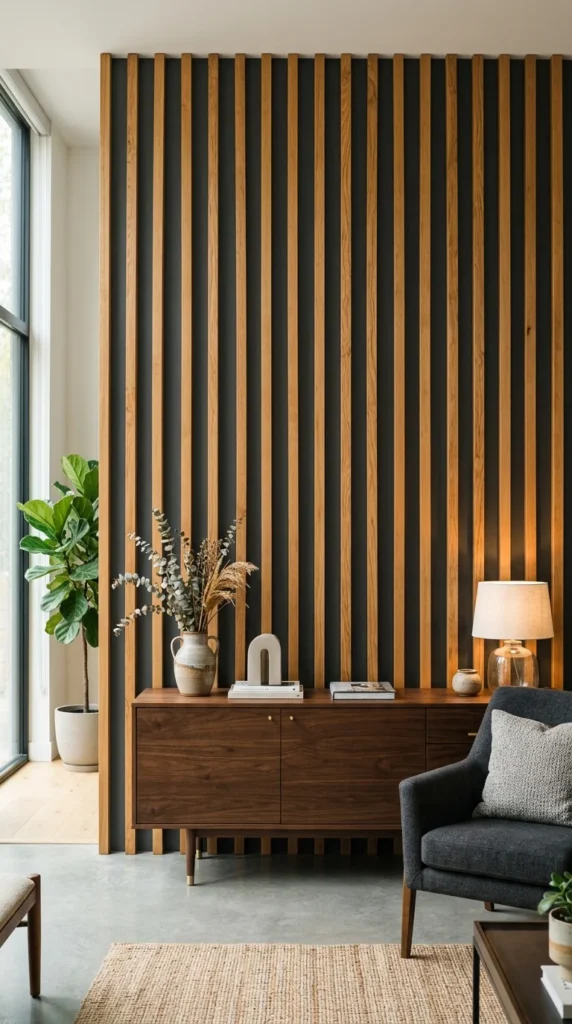
Wood slats, often referred to as “tambour” or “slat walls,” offer a linear, architectural texture that is perfect for contemporary homes. This treatment adds height to a room by drawing the eye upward. Beyond their visual appeal, wood slats can also improve the acoustics of a room by diffusing sound waves. For a seamless look, extend the slats from the floor all the way to the ceiling, or use them to define a specific zone, such as a dining nook or a home office.
3. Plaster Art
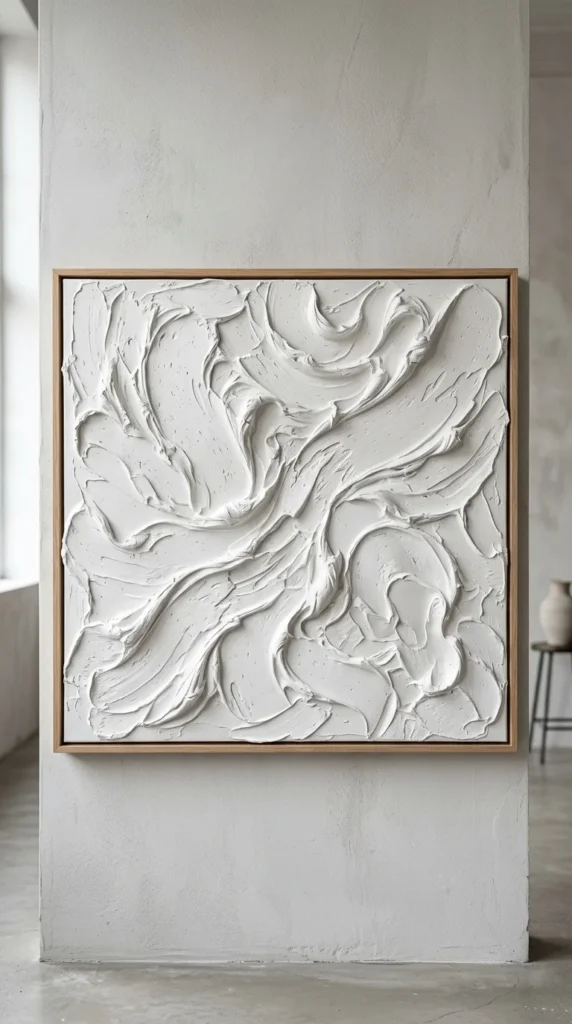
Textured plaster art is the epitome of “quiet luxury.” Often monochromatic, these pieces rely entirely on the movement of the material to create interest. You can find professional pieces or even create your own using joint compound and a variety of notched trowels. The beauty of plaster art lies in its imperfection; the ridges catch the light differently throughout the day, ensuring the wall decor looks dynamic as the sun moves.
4. Woven Baskets
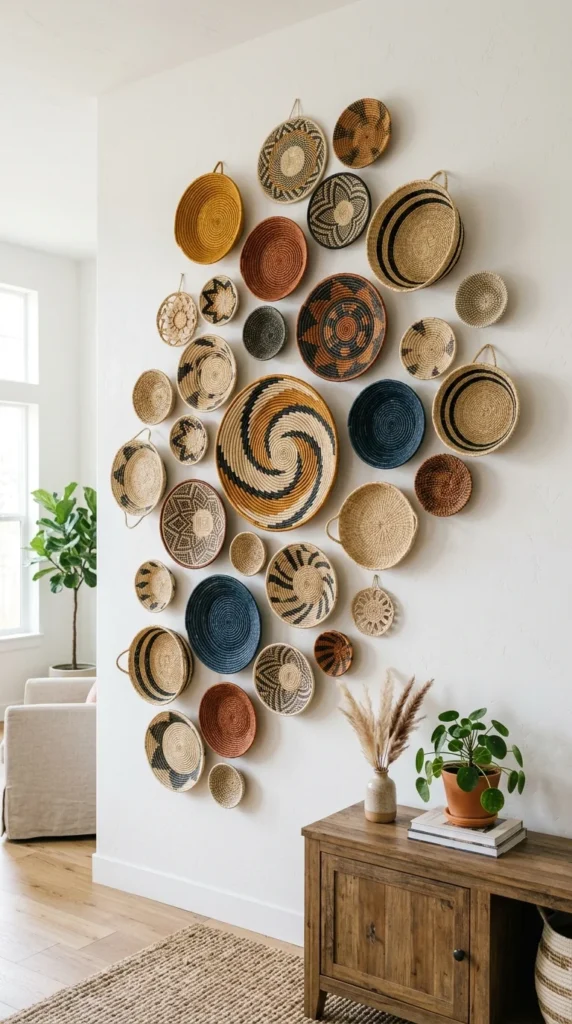
A collection of woven baskets is a fantastic way to introduce global influence and earthy textures. This approach works best when you mix different weaving techniques and patterns. Look for baskets from different regions—such as Tonga, Rwanda, or the American Southwest—to create a story. Arrange them in a loose, asymmetrical cluster to create a sense of movement across the wall.
5. Framed Textiles
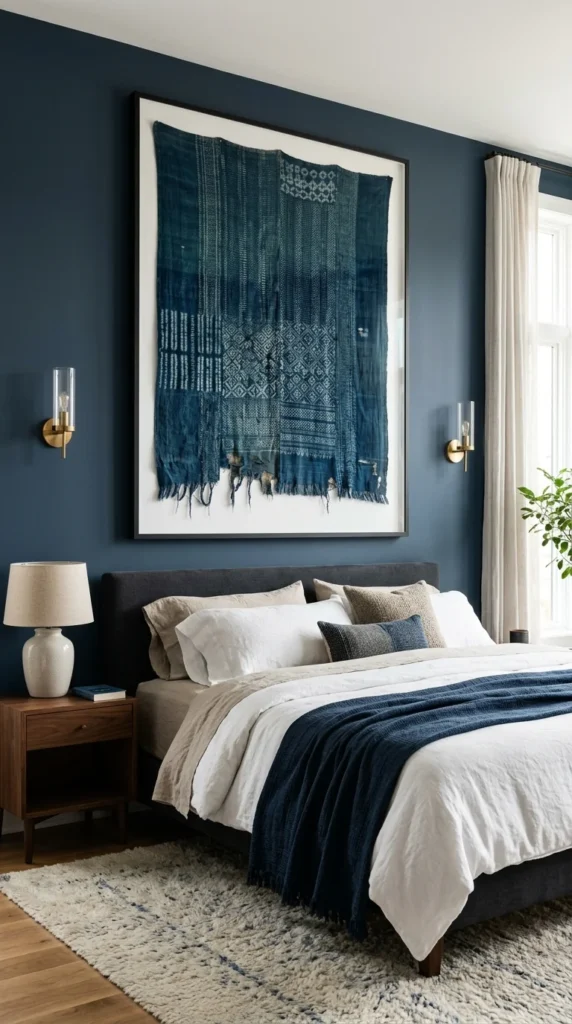
Framing textiles is a brilliant way to preserve heritage fabrics while adding soft texture to a room. Whether it’s a vintage silk scarf, a piece of mudcloth, or a fragment of an antique rug, the fabric’s weave provides a tactile quality that paper prints simply cannot replicate. Using a deep shadow box frame allows the texture of the fabric to stand out without being compressed against the glass.
6. Grasscloth Wallpaper
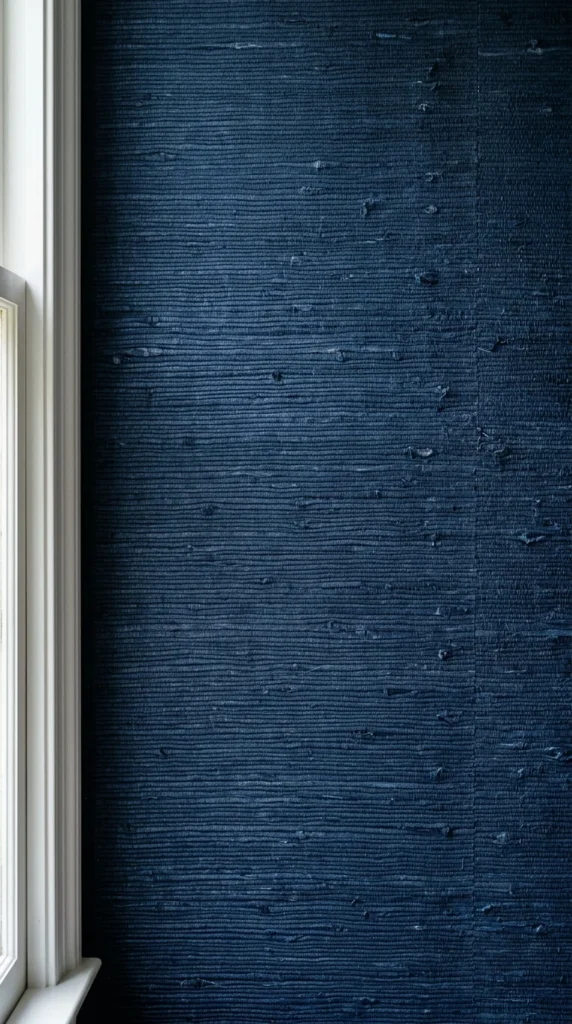
For those who want texture across an entire surface rather than a single focal point, grasscloth is the gold standard. Made from natural fibers like sisal, jute, or sea grass, this wallpaper features inherent irregularities that create a beautiful, hand-crafted look. It adds a layer of warmth and “soul” to a room, making even a new construction home feel established and expensive.
7. 3D Wall Panels
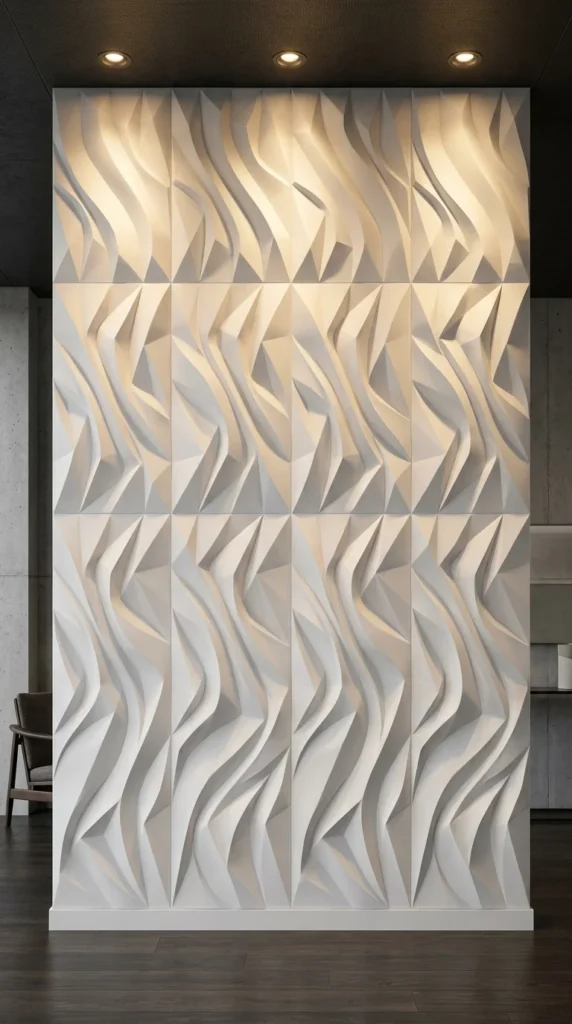
3D wall panels are a bold, modern choice for homeowners looking to make a statement. These panels are often made from lightweight materials like plant fiber, PVC, or gypsum. When installed correctly, they create a seamless, sculptural surface that mimics the look of high-end architectural installations. They are particularly effective in media rooms or entryways where you want to create immediate visual impact.
8. Floating Shelves
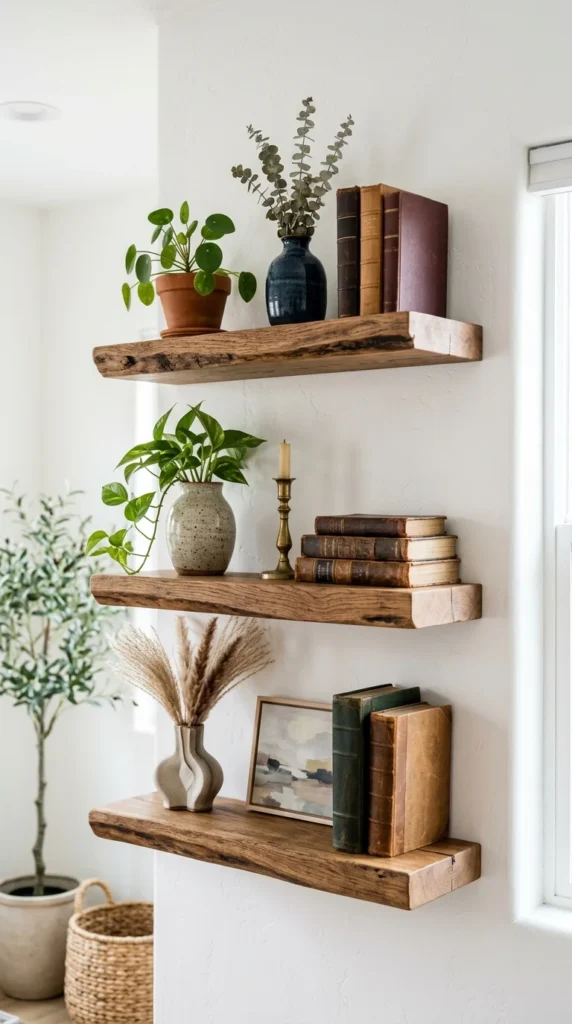
While shelves are functional, they also act as a vehicle for texture. By choosing “live-edge” wood or reclaimed timber, you introduce raw, organic edges into your space. The texture is then doubled by the items you place on the shelves—think matte ceramics, glass jars, and trailing plants. This creates a “living wall” of texture that can be updated seasonally.
9. Exposed Brick
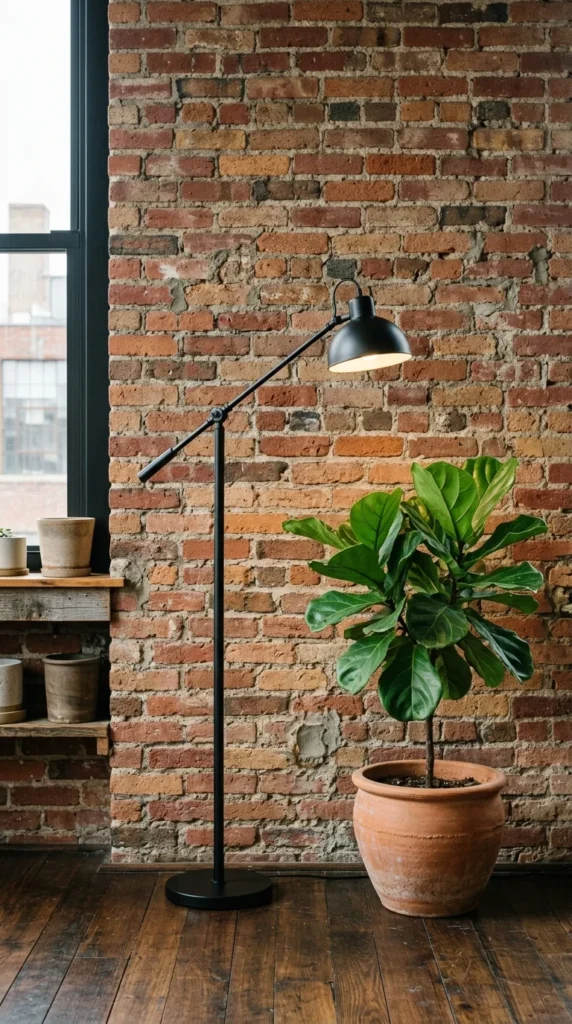
If you are lucky enough to have original brick, stripping away drywall to reveal it is the ultimate texture upgrade. If not, high-quality brick veneers can replicate the look. The rough, porous surface of brick adds an industrial or rustic charm that anchors a room. Painting the brick white (the “German Schmear” technique) can soften the look while retaining the tactile bumps and grooves.
10. Metal Sculptures
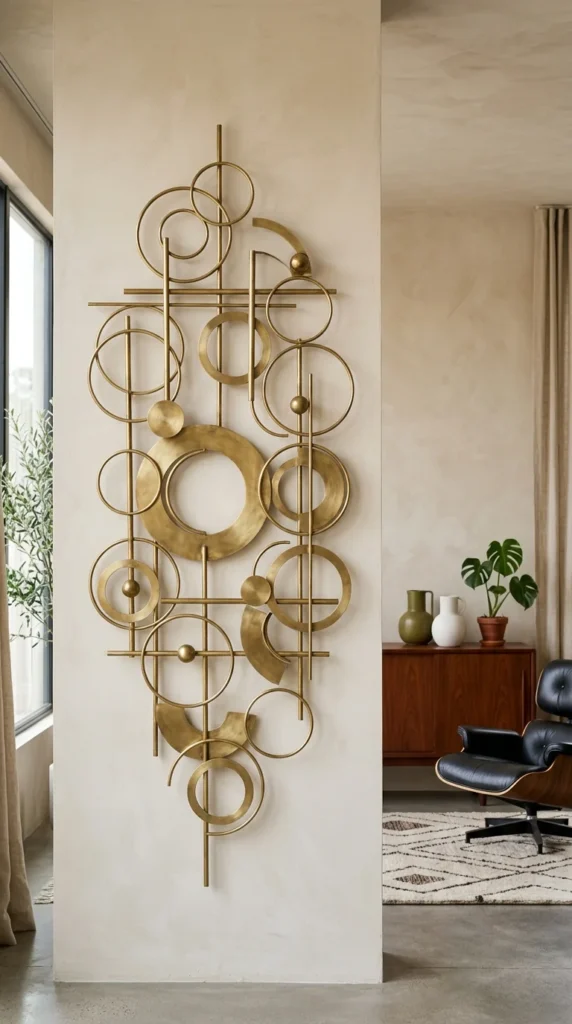
Metal wall decor adds a different kind of texture—one that is sleek, cool, and reflective. Look for pieces that utilize wirework, hammered finishes, or layered metal sheets. These sculptures often feel “light” because of the negative space between the metal components, making them ideal for smaller rooms where a solid piece of art might feel too heavy.
11. Moss Walls
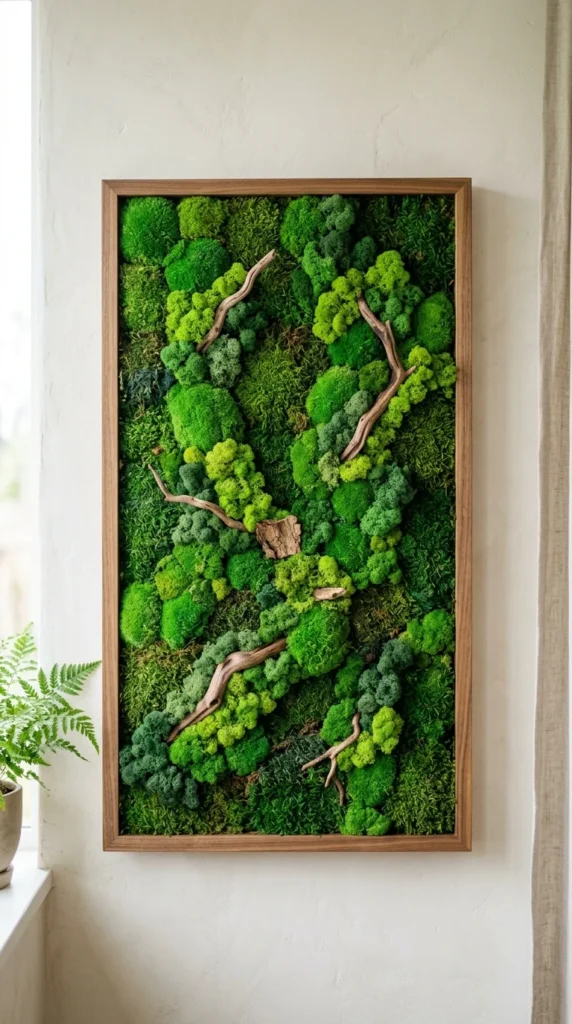
Biophilic design is a major trend, and nothing brings the outdoors in quite like a preserved moss wall. These “living” artworks require no watering or sunlight but provide an incredibly rich, soft texture that mimics a forest floor. They are excellent for adding a pop of vibrant color and a soft, organic feel to minimalist or industrial spaces.
12. Venetian Plaster
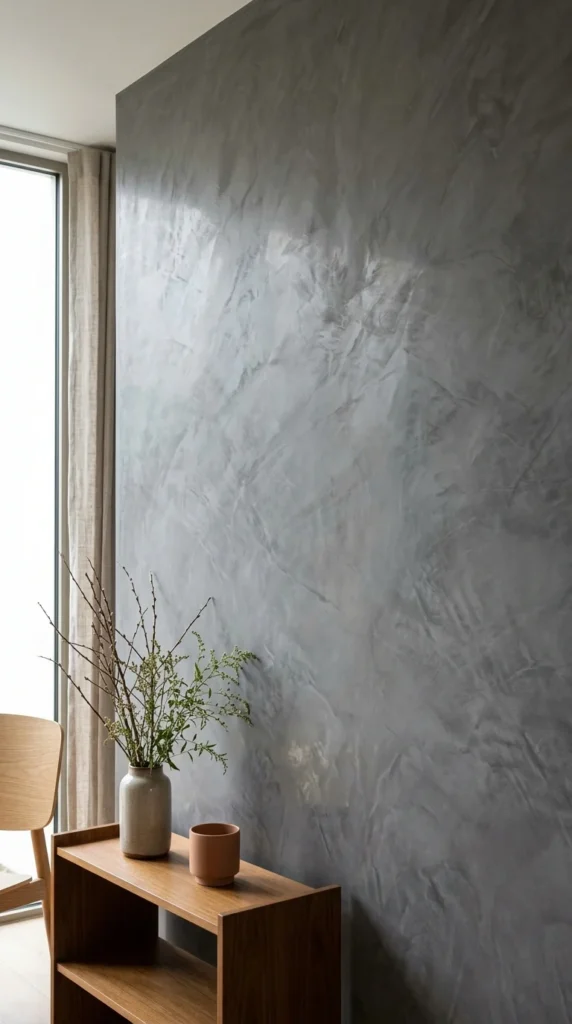
Venetian plaster is a centuries-old technique that involves applying multiple thin layers of plaster mixed with marble dust. The result is a wall that looks like solid stone but feels as smooth as silk. The texture here is visual—a play of translucency and depth that changes depending on the angle of the light. It is the height of sophisticated wall treatments.
13. Shiplap Accents
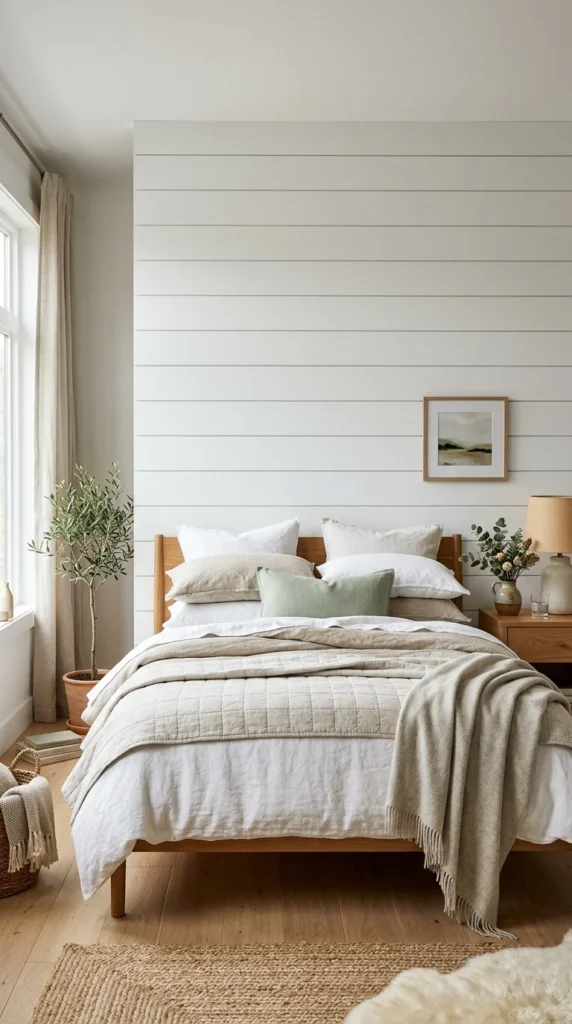
While often associated with farmhouse style, shiplap can be adapted for modern homes by painting it in dark, moody colors like forest green or navy. The horizontal lines create a rhythmic texture that makes a room feel wider and more grounded. For a more contemporary twist, try installing the boards vertically or in a herringbone pattern.
14. Tapestry Art
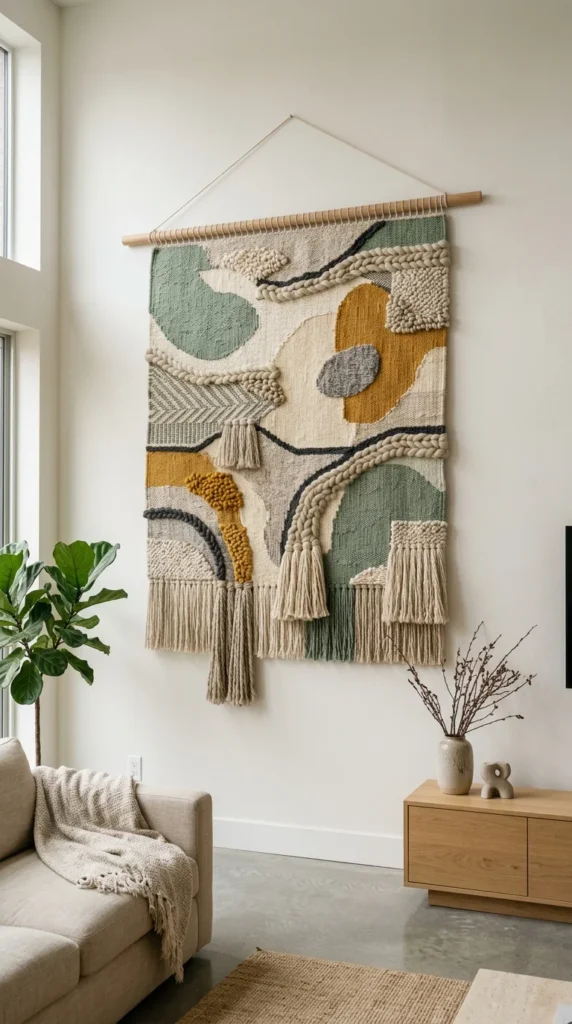
Modern tapestries are a far cry from the thin, printed sheets of the past. Today’s designer-worthy tapestries feature heavy weaves, tufted sections, and even hanging threads. They add significant “visual softness” to a room, which is especially helpful in spaces with lots of hard flooring or large windows. They also act as an excellent acoustic dampener.
15. Stone Veneer
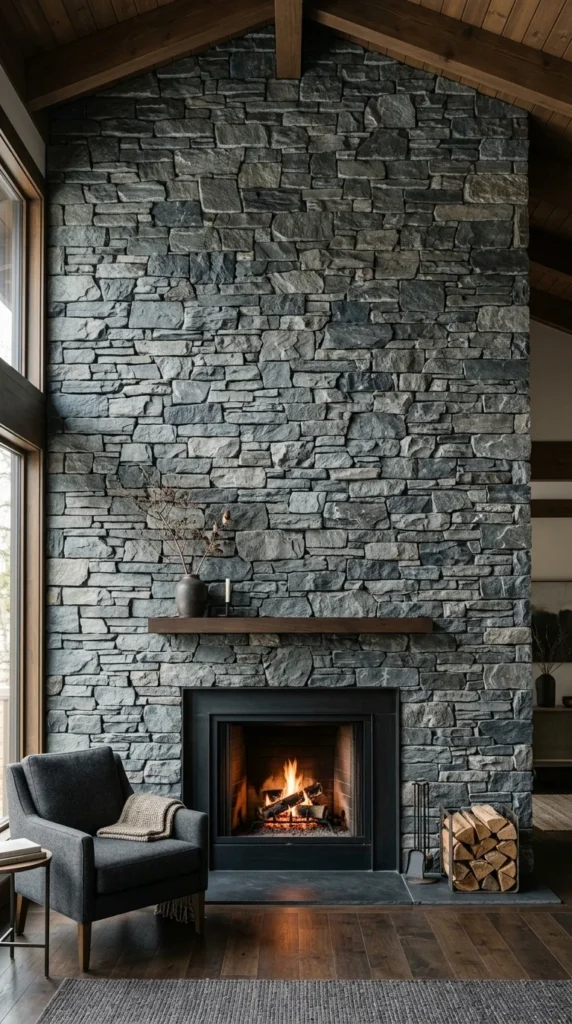
Bringing stone inside creates an immediate sense of permanence and luxury. Stacked stone or fieldstone veneers can be used on accent walls to provide a rugged, earthy texture. In a modern setting, choosing a stone with clean, linear cuts creates a more tailored look, while irregular “river stones” lean into a cozy, cottage aesthetic.
16. Mirrored Tiles
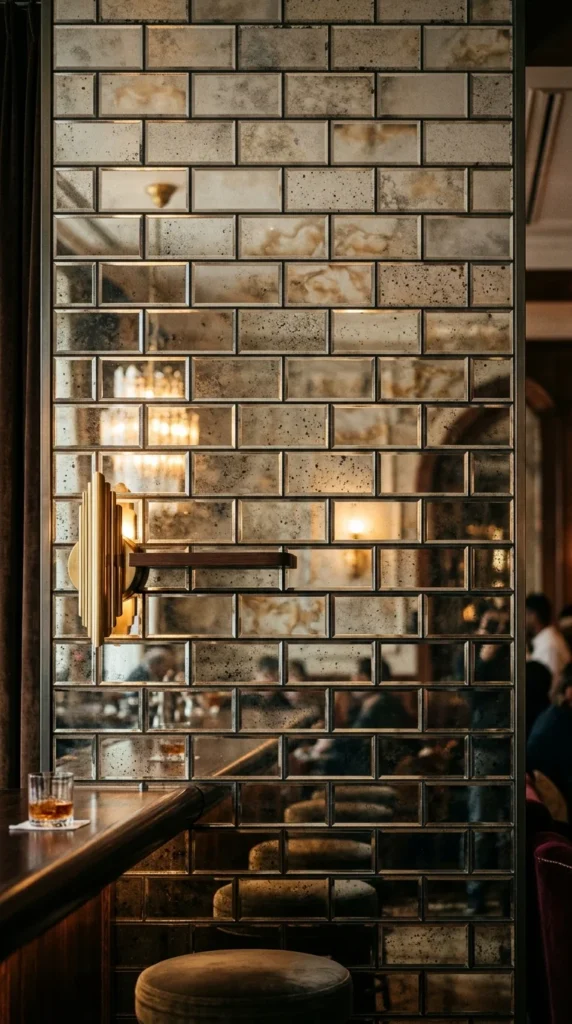
Texture doesn’t always have to be rough or soft; it can also be a play on light and reflection. Antiqued mirrored tiles provide a “distressed” texture that adds vintage glamour to a space. Unlike clear mirrors, these tiles have a smoky, foxed appearance that breaks up reflections, making the wall feel like a piece of art rather than just a functional object.
17. Leather Panels
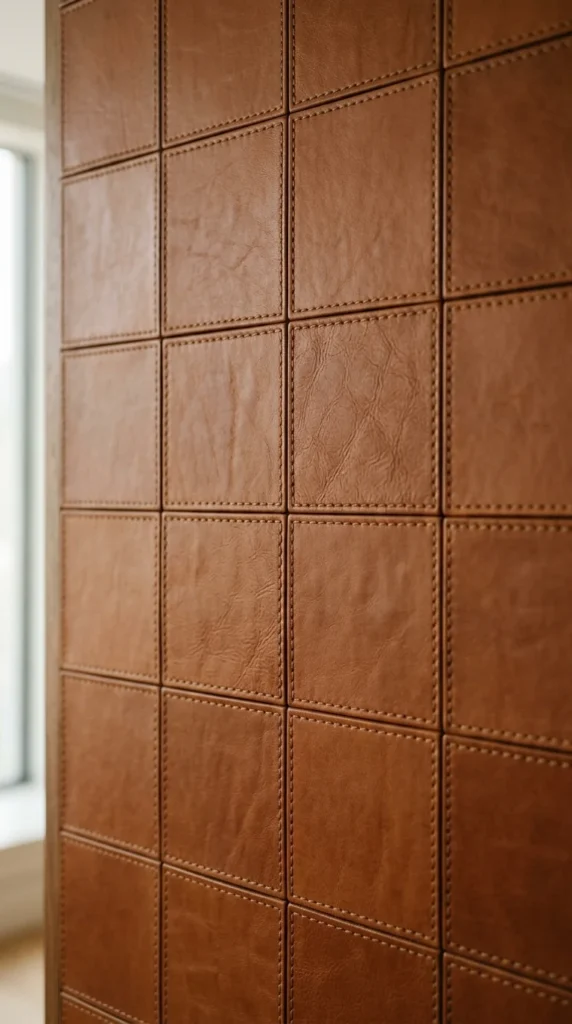
For a truly masculine and luxurious feel, leather wall panels are unmatched. Whether used in a library, a home bar, or as a headboard, leather adds a warmth and scent that no other material can provide. Over time, the leather will develop a patina, adding even more character and “story” to the wall’s texture.
18. Cork Boards
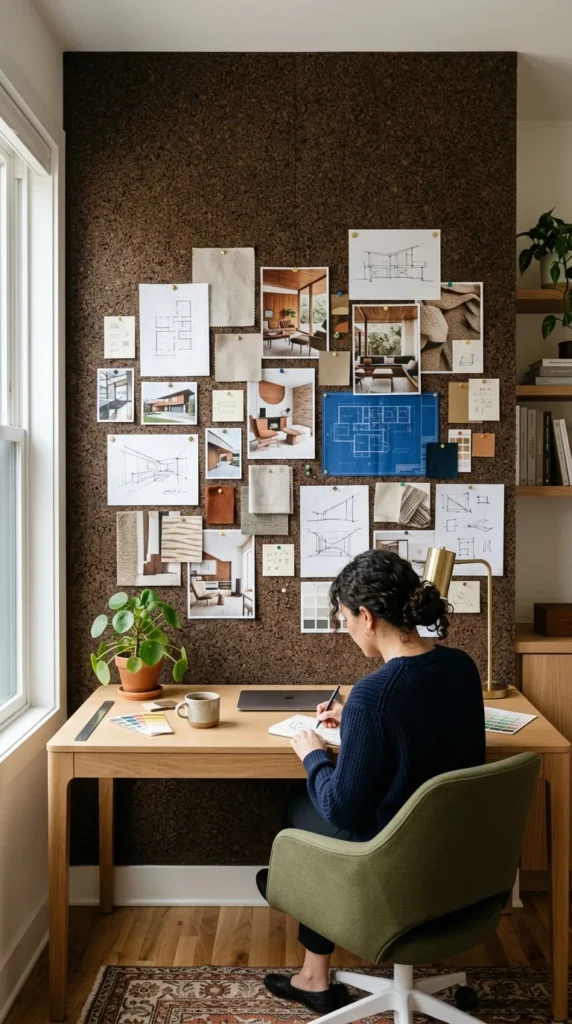
Cork is making a massive comeback in interior design, not just for its sustainability but for its unique, pebbled texture. A full cork wall provides a warm, honey-toned backdrop that is both functional and acoustic-friendly. Designers are now using oversized cork tiles in geometric shapes to create sophisticated, modern patterns that look more like art than office supplies.
19. Ceramic Plates
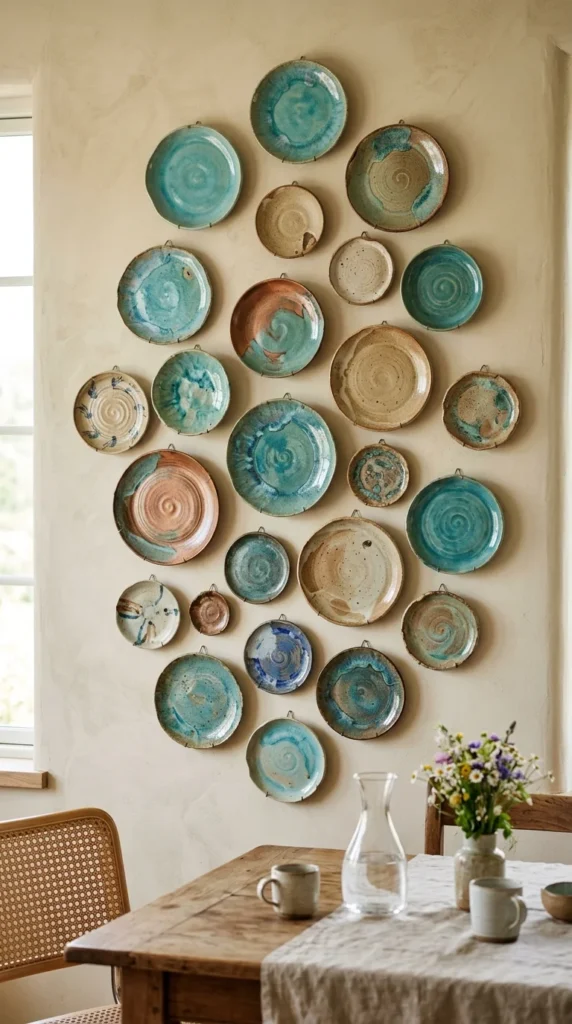
Using three-dimensional objects like ceramic plates is a classic way to add texture. To make this look designer-worthy, move away from traditional floral patterns and toward handmade, artisanal ceramics with reactive glazes and irregular shapes. The varying heights of the plates as they sit off the wall create a layered effect that adds instant charm to a kitchen or dining area.
20. Velvet Panels
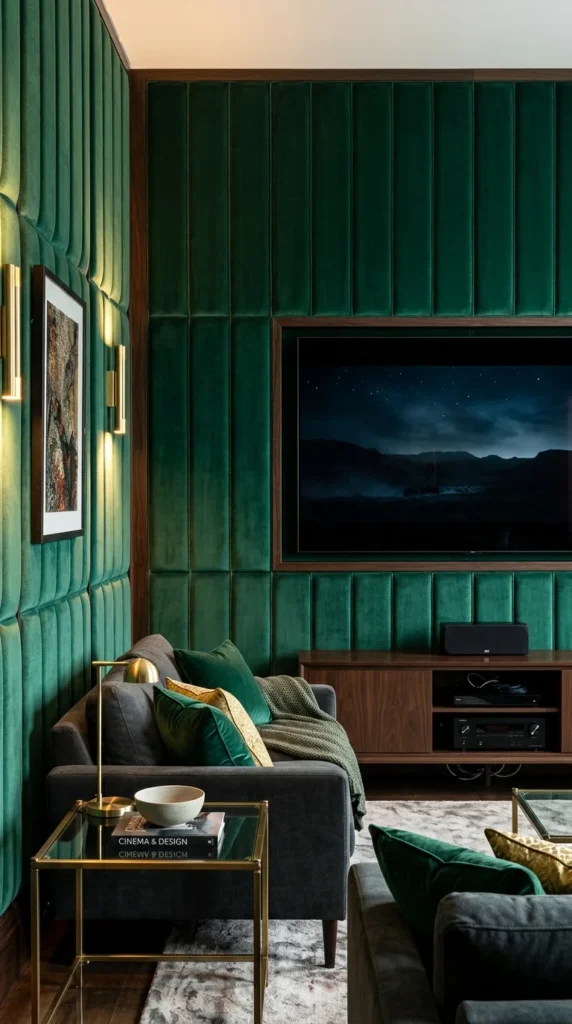
Upholstered walls, particularly in velvet, offer the ultimate in acoustic and tactile comfort. This technique is often used in high-end theaters or primary suites to create a “cocoon” effect. The way velvet catches the light—shifting from dark to light as you move past it—provides a dynamic visual texture that feels incredibly opulent.
21. Abstract Canvas
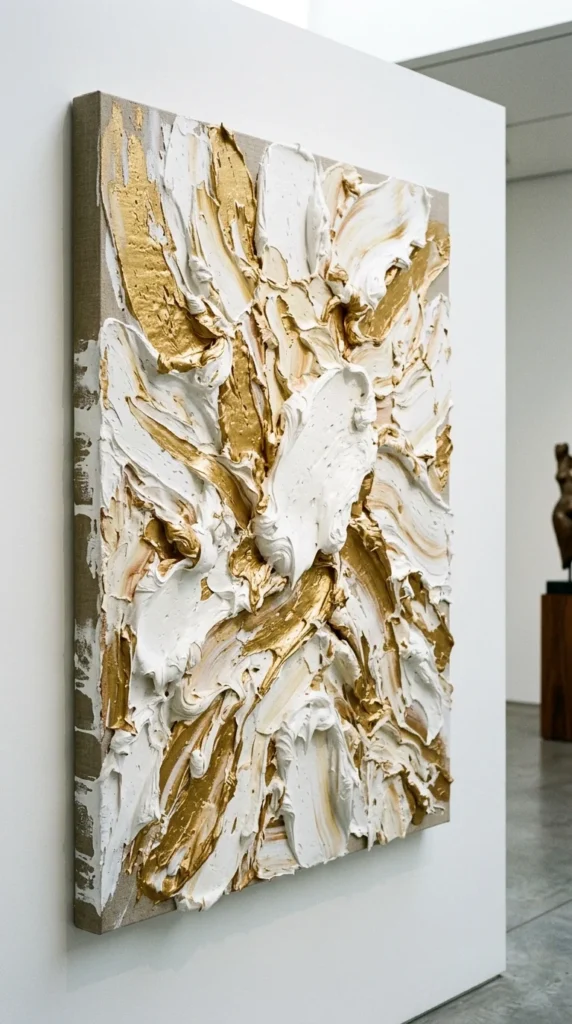
Finally, one of the most accessible ways to add texture is through heavy impasto paintings. This technique involves applying paint so thickly that it stands out from the surface, creating visible brush or palette knife marks. An oversized abstract canvas with significant “peaks and valleys” of paint acts as a sculptural element, providing a focal point that invites the viewer to look closer at the craftsmanship.