
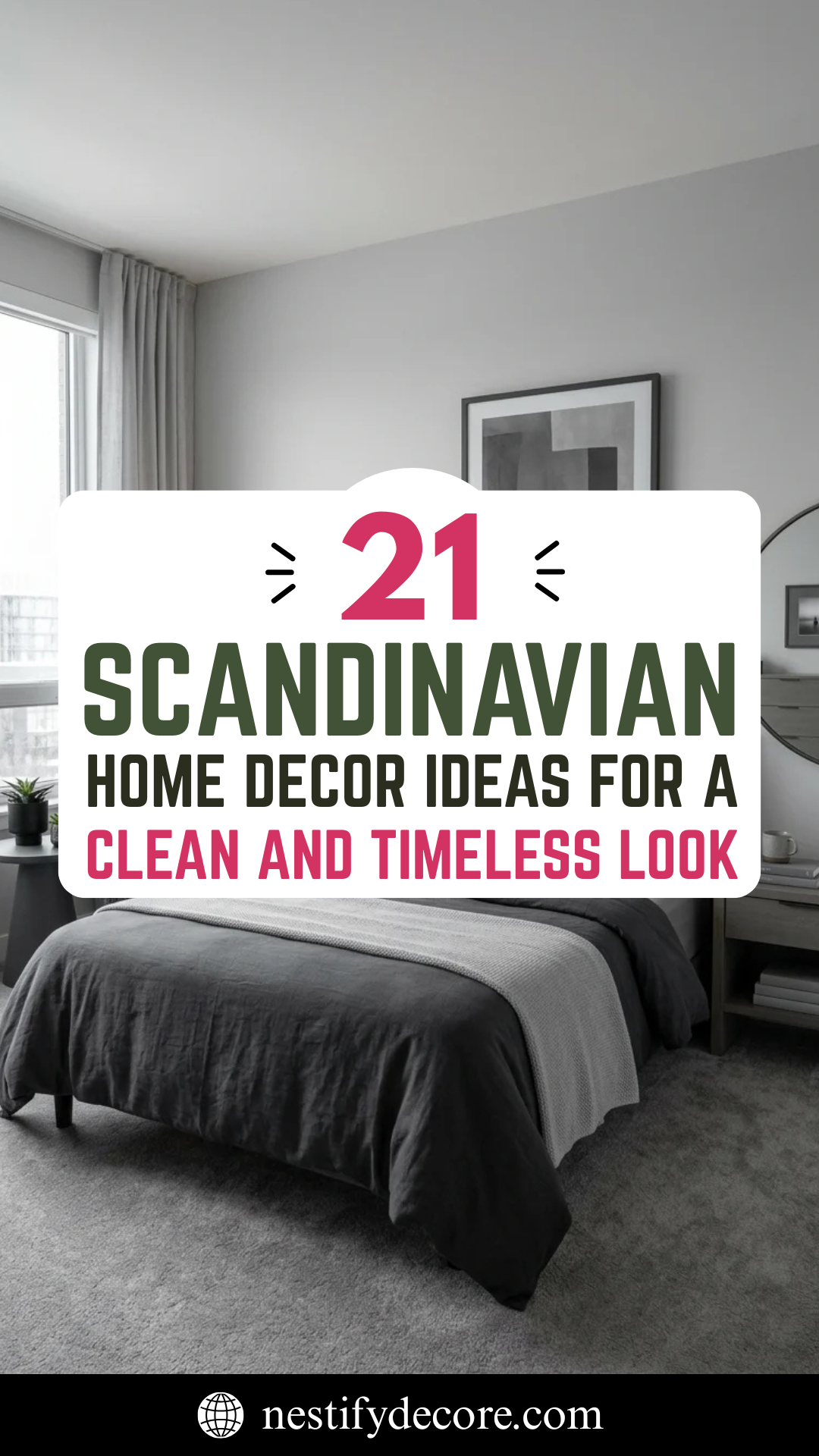
Scandinavian design, often referred to as “Scandi” style, is more than just a trend; it is a philosophy rooted in the balance of functionality, simplicity, and a deep connection to nature. Originating from the Nordic countries of Denmark, Norway, Sweden, Finland, and Iceland, this aesthetic prioritizes “hygge” (coziness) and “lagom” (just the right amount). Whether you are living in a small apartment or a sprawling house, these 21 ideas will help you cultivate a space that feels airy, intentional, and timeless.
1. Neutral Palettes
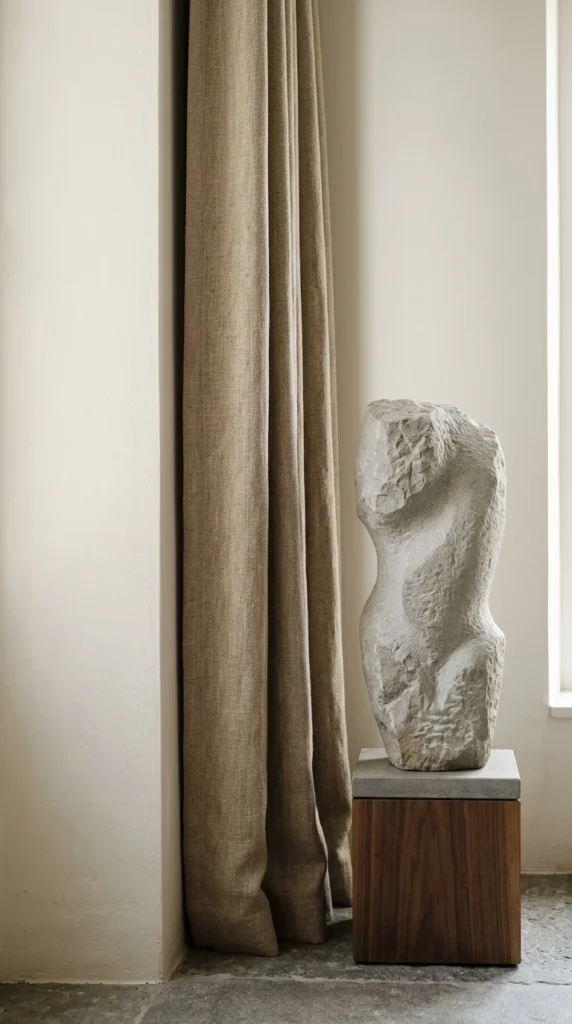
The foundation of any Scandinavian home is its color story. To maximize the reflection of natural light—a precious commodity in Northern Europe—Scandi interiors lean heavily on whites, creams, soft grays, and muted beiges. This neutral backdrop creates a sense of serenity and makes even the smallest rooms feel more expansive. By keeping the walls and large furniture pieces neutral, you create a versatile canvas that allows smaller decorative elements to stand out.
2. Light Wood
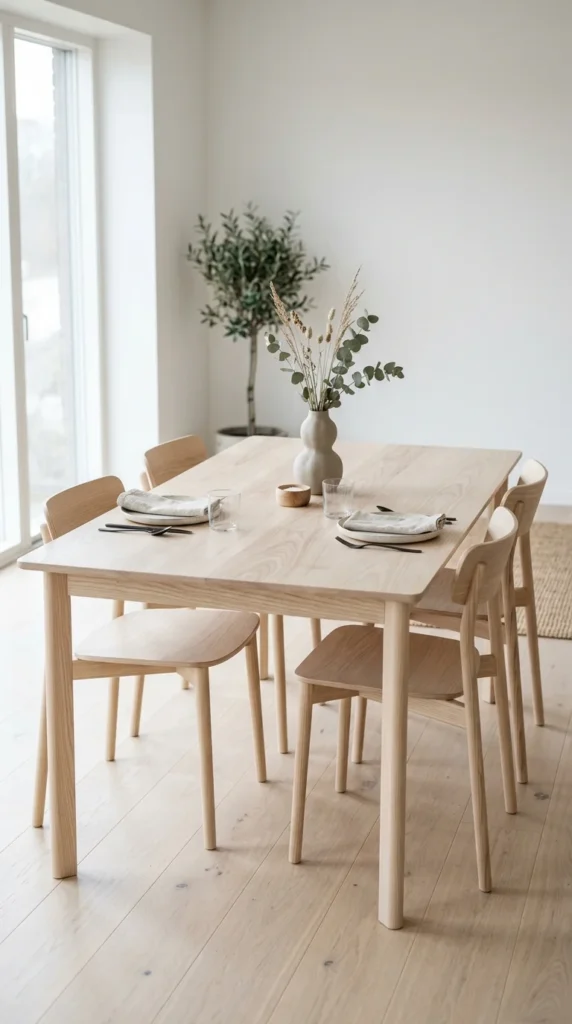
Wood is an essential element in Nordic design, but specifically light-toned woods like ash, beech, pine, and light oak. Unlike dark, heavy mahogany or cherry wood, light woods keep the atmosphere bright and cheerful. Use these materials for flooring, cabinetry, and furniture. The organic texture of wood also provides a necessary warmth that balances the coolness of white walls.
3. Functional Furniture
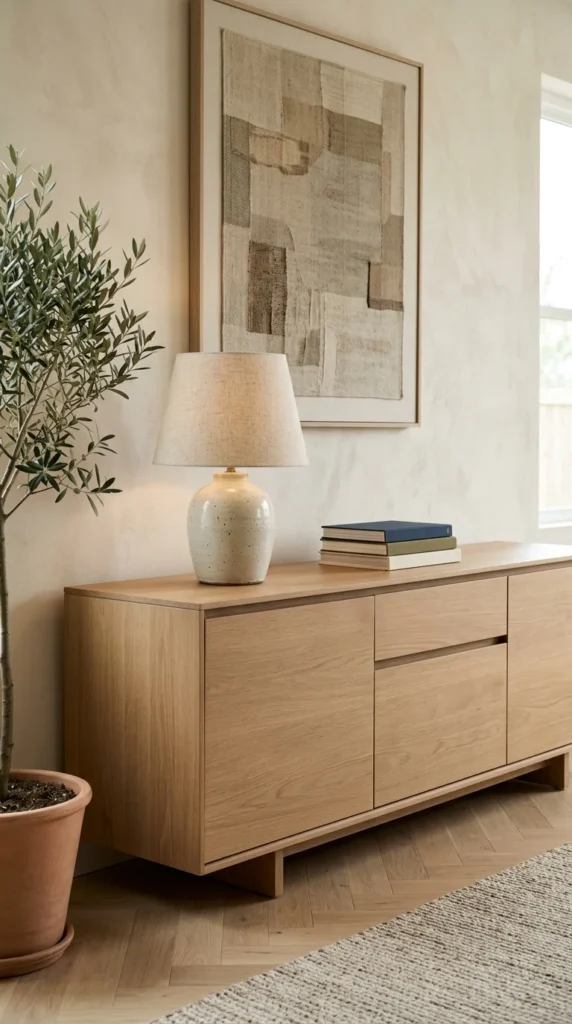
In a Scandinavian home, every piece of furniture serves a purpose. The design language is characterized by clean lines, tapered legs, and a lack of ornate detailing. Multi-functional pieces, such as nesting tables or storage benches, are highly valued. The goal is to avoid excess while ensuring that every item is as useful as it is beautiful.
4. Layered Textiles
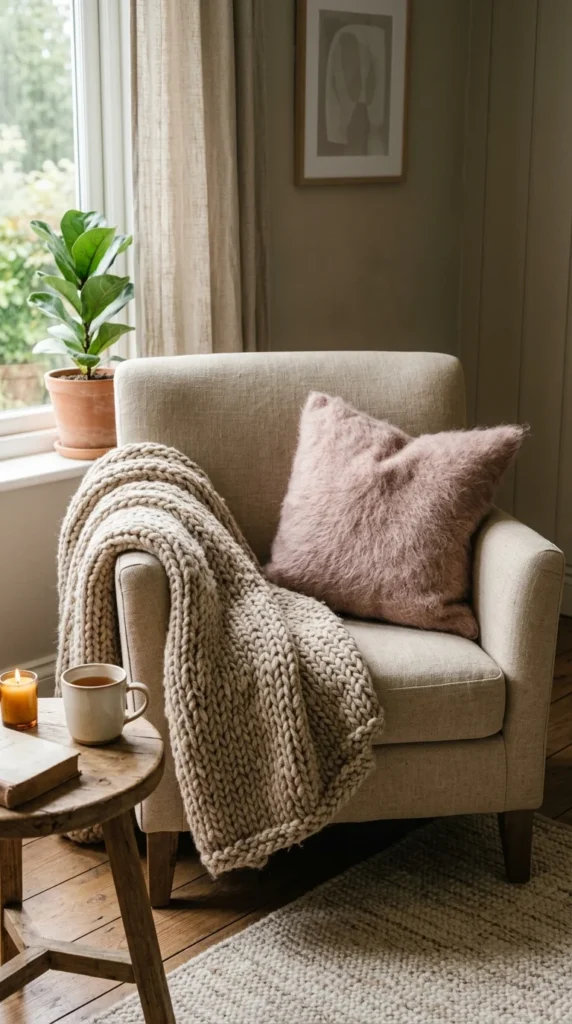
While the Scandi look can be minimalist, it should never feel cold. This is where textiles come in. Layering different fabrics like wool, linen, and cotton adds depth and tactile comfort. Mix a chunky knit throw with smooth linen cushions to create a rich, sensory experience that invites you to sit down and relax.
5. Indoor Greenery
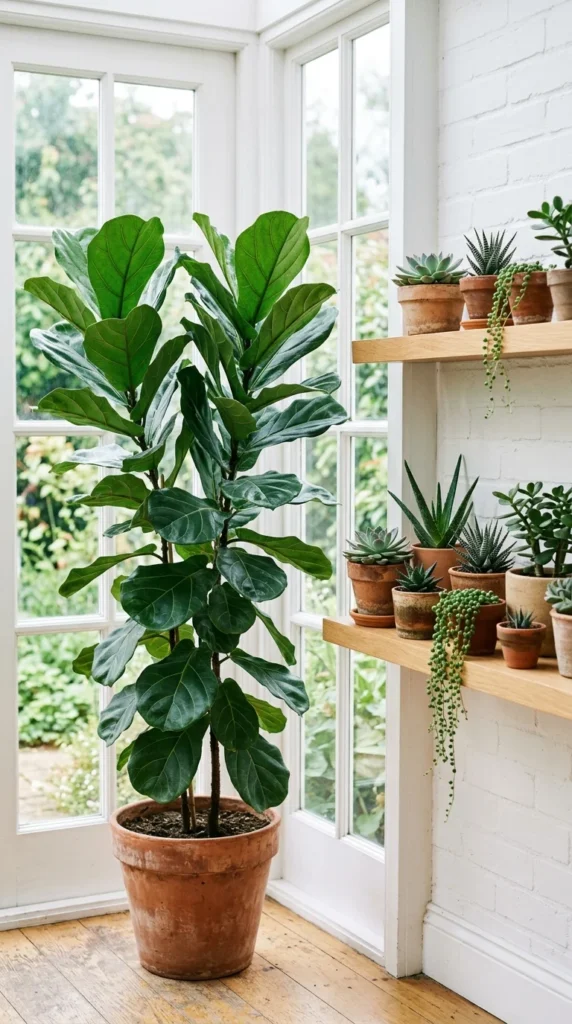
Bringing the outdoors in is a hallmark of Scandinavian living. Since the winters are long and dark, Nordic homeowners use indoor plants to maintain a connection with nature. Large leafy plants like the Monstera or Fiddle Leaf Fig add a vibrant pop of color, while smaller herbs in the kitchen provide both beauty and utility.
6. Statement Lighting
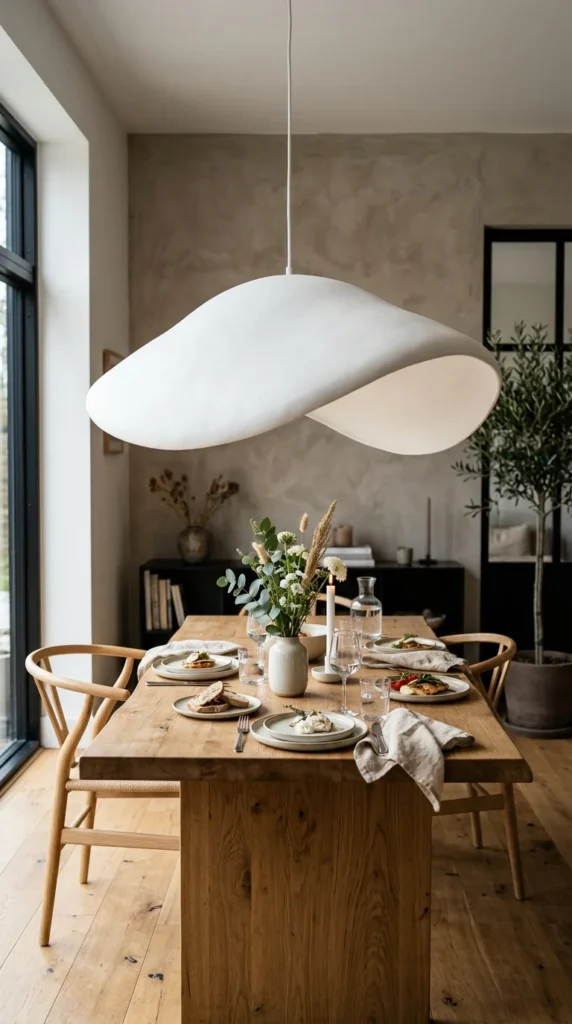
Lighting is considered an art form in Scandinavia. Because natural light is limited for much of the year, artificial light sources are chosen with great care. Look for sculptural pendant lights, iconic floor lamps, and sleek wall sconces. The light should be warm and diffused, avoiding harsh overhead glares to create an inviting evening ambiance.
7. Minimalist Art
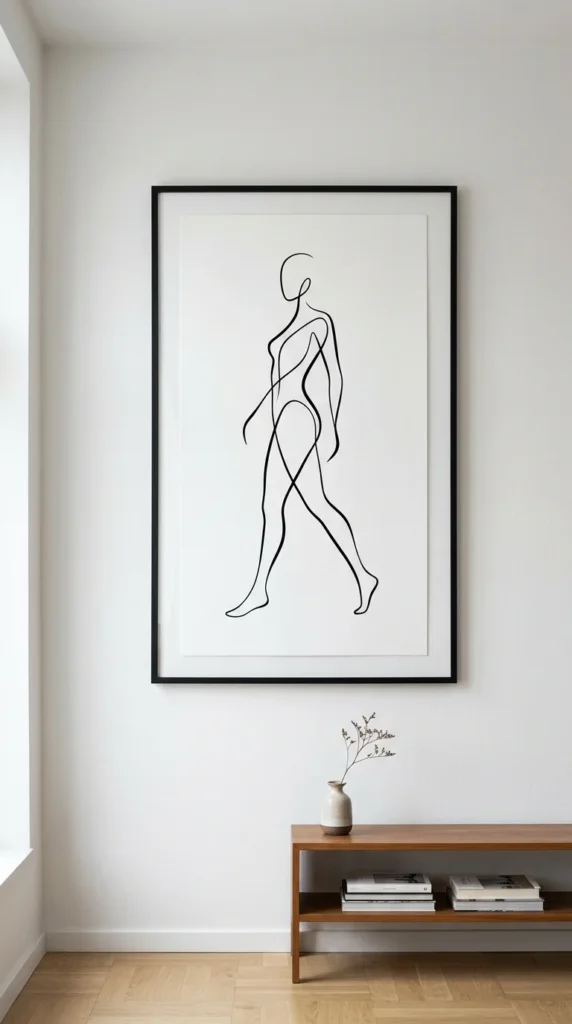
Wall decor in a Scandi home is often sparse but impactful. Instead of a cluttered gallery wall, consider one or two large-scale pieces of art. Abstract line drawings, black-and-white photography, or botanical prints are popular choices. The use of thin, simple frames (often in black or light wood) ensures the focus remains on the artwork itself.
8. Clutter-Free Spaces
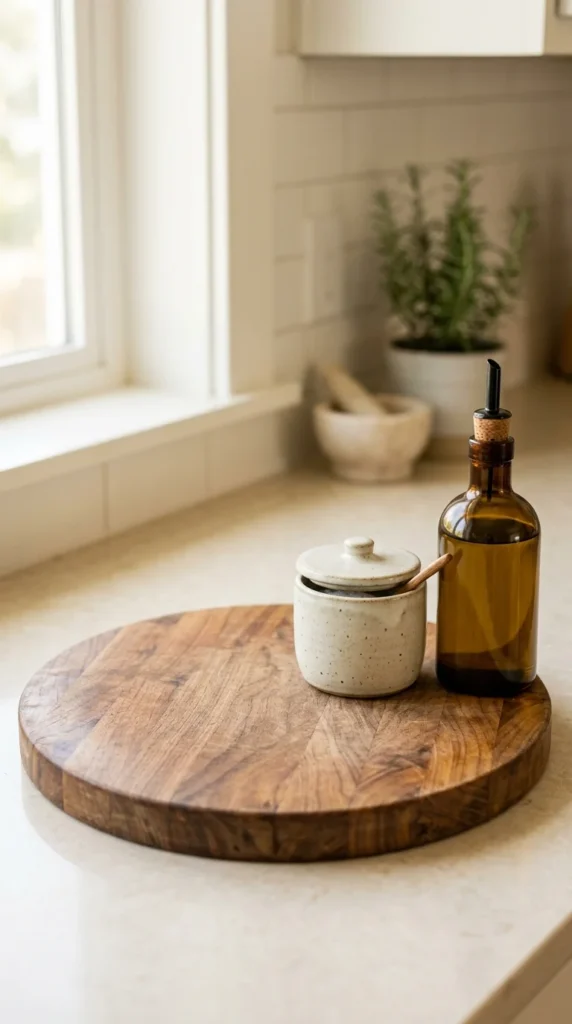
The mantra “less is more” is central to this aesthetic. Scandi homes prioritize organization and hidden storage to keep surfaces clear. This doesn’t mean the home is devoid of personality, but rather that only a few cherished items are kept on display. A clean space leads to a clear mind, reinforcing the peaceful nature of the design.
9. Cozy Hygge
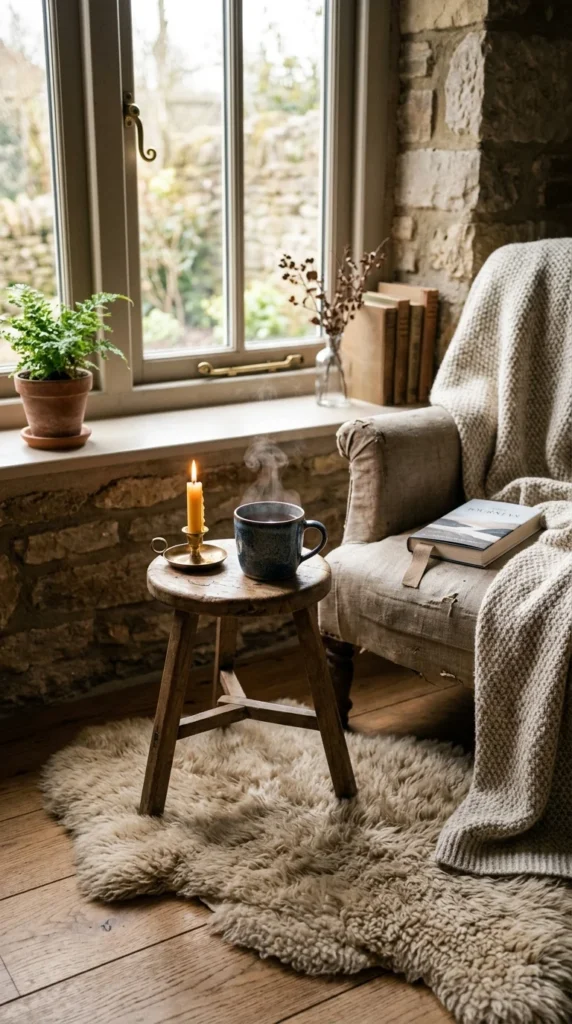
Hygge is the Danish concept of finding joy in the small, cozy moments of life. To incorporate this into your decor, create “nooks” throughout your home. A window seat with a view, a reading corner with a soft lamp, or a fireplace surrounded by floor cushions all contribute to a home that feels lived-in and loved.
10. Geometric Patterns
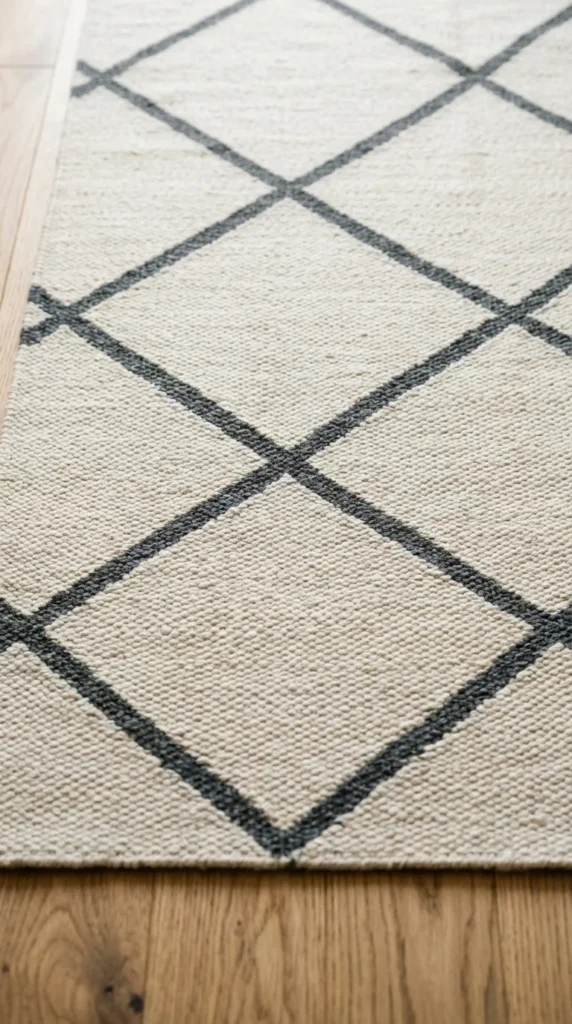
While solids dominate Scandi design, subtle geometric patterns add visual interest without being overwhelming. Look for clean, repetitive shapes in rugs, throw pillows, or even tiled backsplashes. The key is to keep the pattern colors muted and the lines crisp.
11. Open Shelving
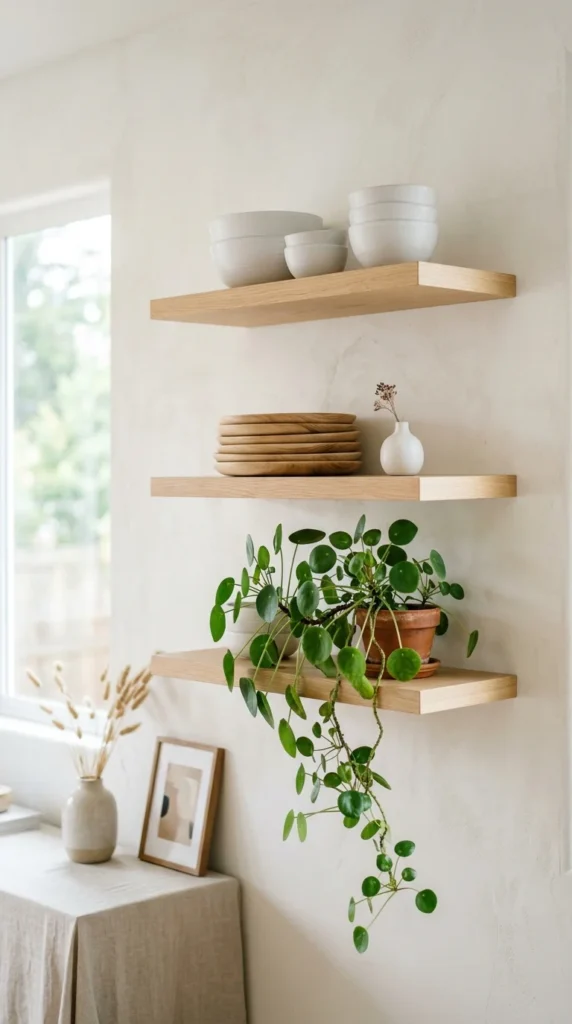
Open shelving in the kitchen or living room allows you to display functional items as decor. In a Scandi kitchen, you might see rows of uniform glass jars, ceramic mugs, and wooden bowls. This approach makes the space feel more open and accessible while encouraging you to keep your belongings organized.
12. Natural Light
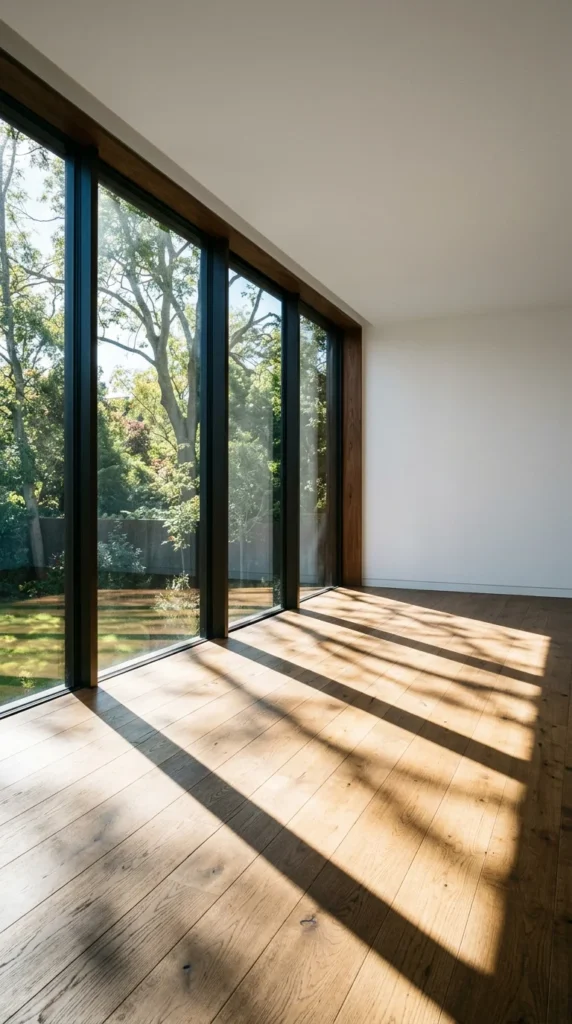
Maximized natural light is perhaps the most important element of Scandinavian design. Avoid heavy, dark curtains that block the sun. Instead, opt for sheer fabrics, light-filtering blinds, or even bare windows. Mirrors can also be strategically placed opposite windows to bounce light further into the room.
13. Black Accents
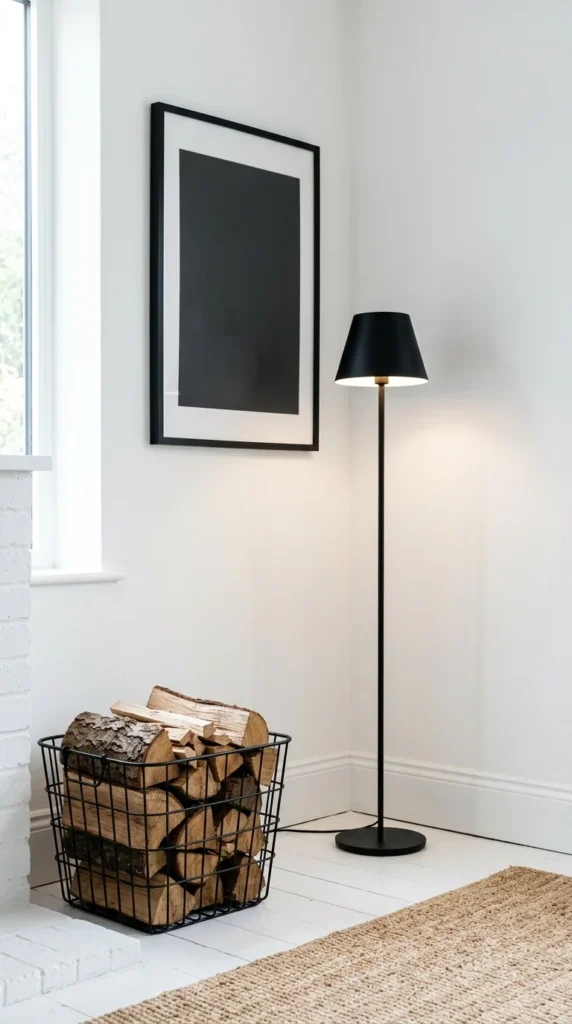
To prevent a neutral room from looking washed out, Scandi designers often use black accents to ground the space. Black metal legs on a table, a dark picture frame, or a charcoal-colored vase provide contrast and a modern edge. These “pops” of black act as an anchor, giving the eye a place to rest.
14. Woven Baskets
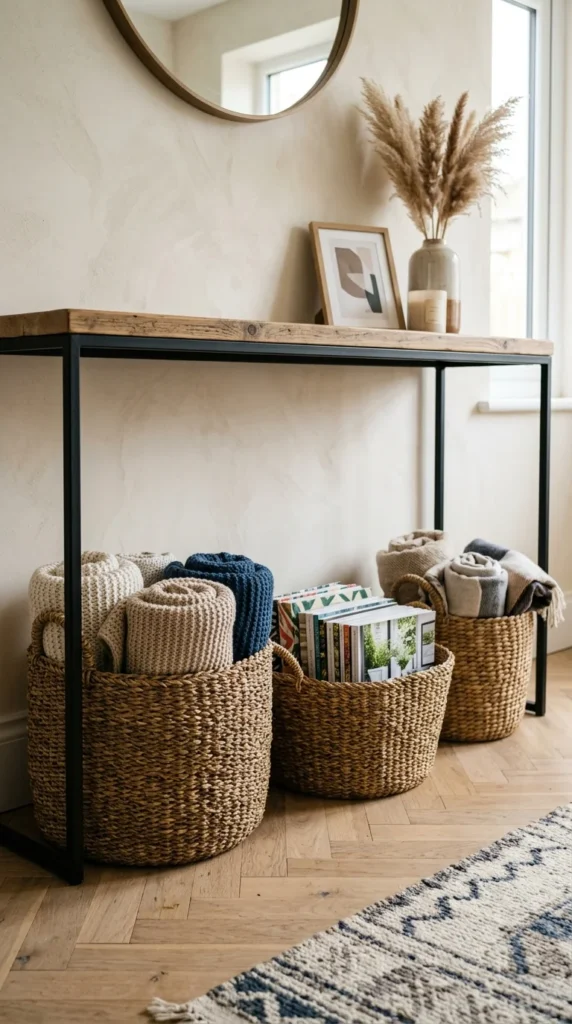
Natural fibers like seagrass, jute, and wicker add texture and a rustic touch. Woven baskets are perfect for hiding toys, storing extra pillows, or acting as a decorative cover for plastic plant pots. They reinforce the organic, earthy feel that is so vital to the Nordic look.
15. Taper Candles
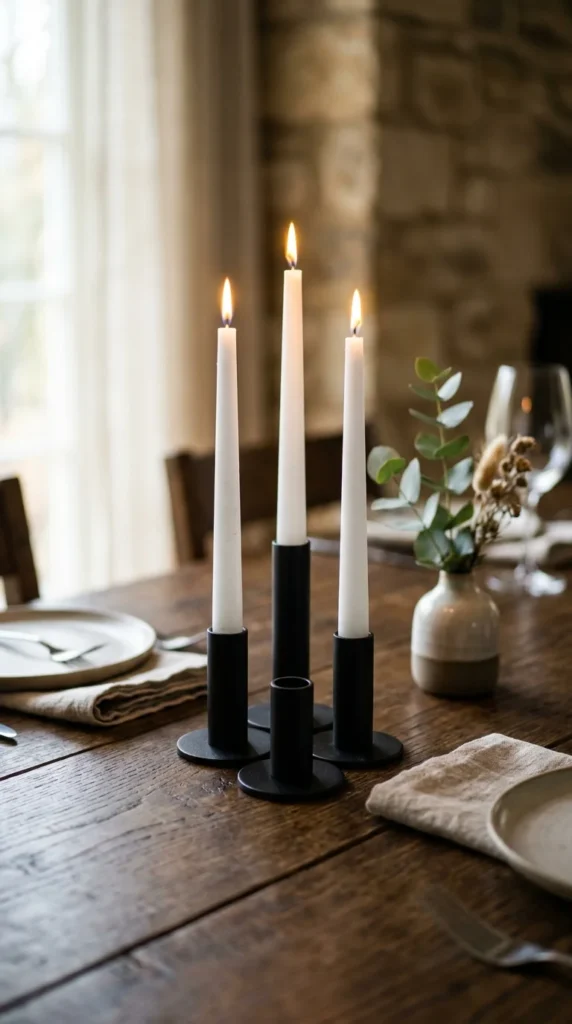
Candles are essential for creating an atmosphere of warmth. In Scandinavia, candles are lit even during breakfast to combat the morning gloom. Simple taper candles in minimalist holders or thick pillar candles in glass lanterns add a soft, flickering glow that instantly makes a room feel more intimate.
16. Mixed Textures
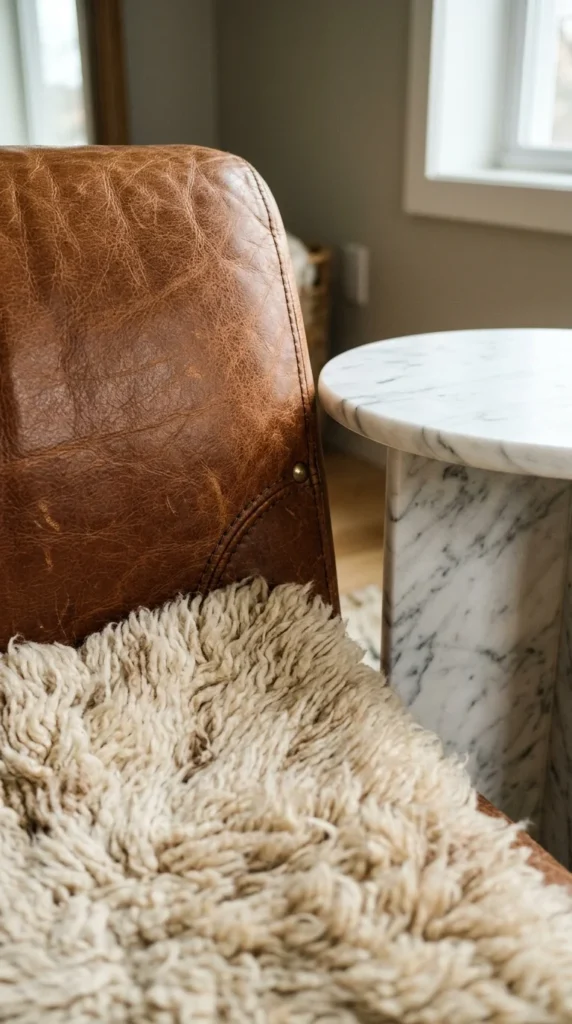
Since the color palette is limited, interest is created through a variety of textures. Combining smooth marble, rough-hewn wood, soft leather, and coarse linen creates a sophisticated and layered look. The juxtaposition of these materials prevents the minimalist aesthetic from appearing flat.
17. Sheepskin Throws
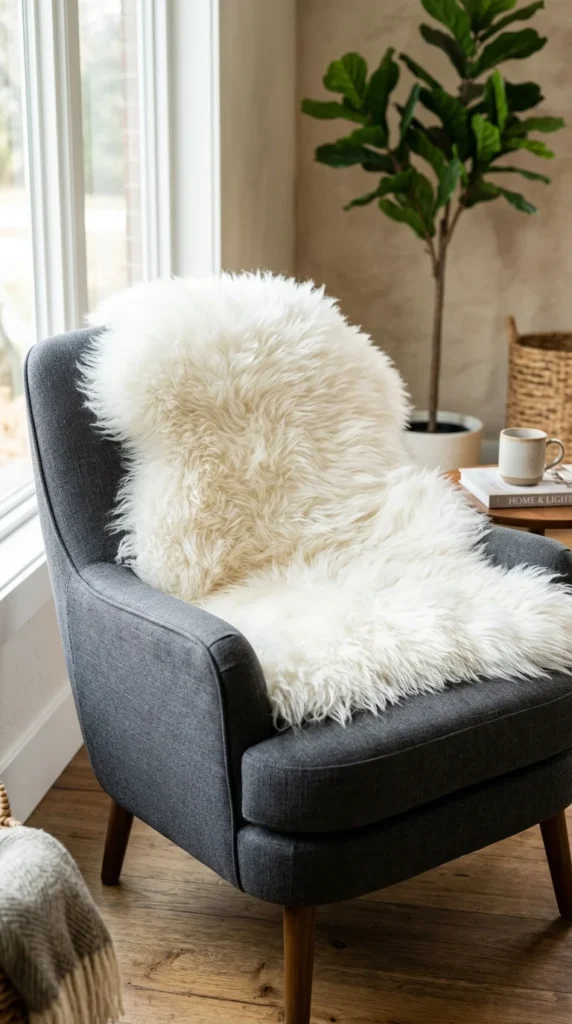
A classic staple of Nordic homes, a sheepskin throw (either real or high-quality faux) adds instant luxury and warmth. Draping one over a chair, a bench, or at the foot of the bed adds a soft, organic shape to the room’s clean lines. It is the ultimate “cozy” accessory for the colder months.
18. Monochromatic Schemes
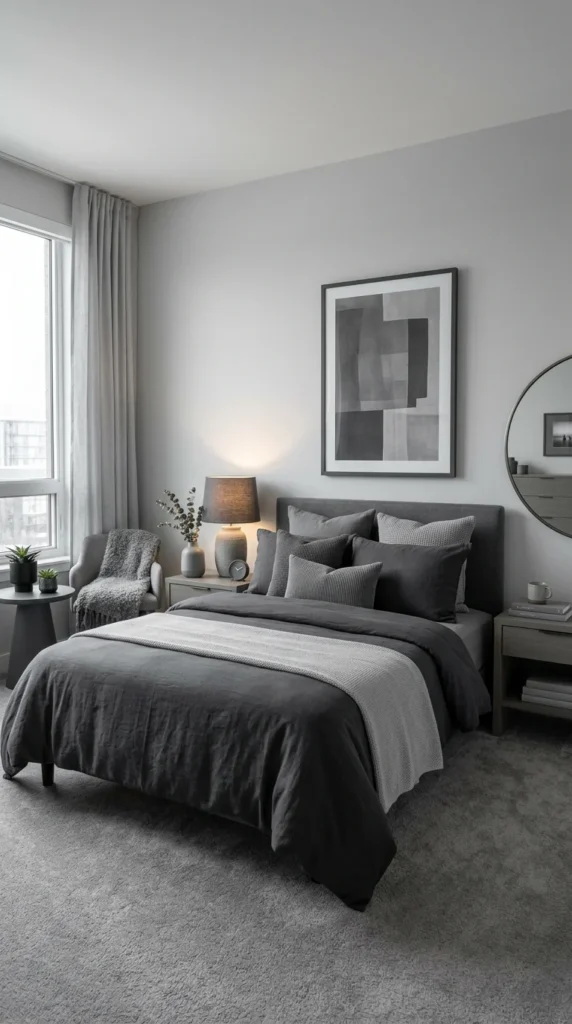
For those who want a truly cohesive look, a monochromatic color scheme is very effective. By using varying shades of a single color—like gray or beige—you create a space that feels incredibly harmonious and sophisticated. This approach relies on different textures and subtle shifts in tone to provide depth.
19. Paper Lanterns
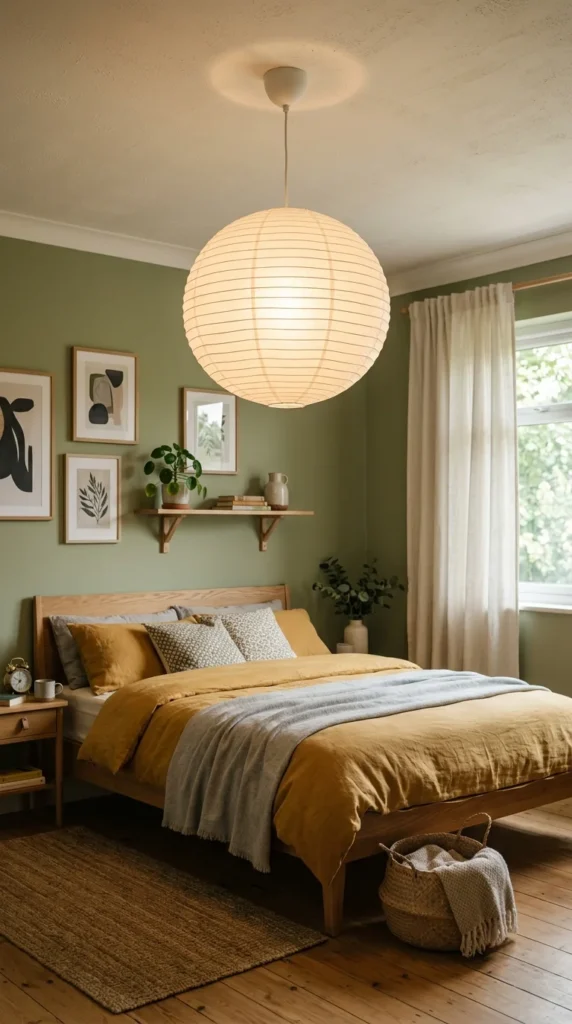
Paper lanterns, particularly the large “Akari” style globes, are a favorite in Scandinavian interiors. They are lightweight, affordable, and provide a soft, even light. Their spherical shape provides a nice contrast to the sharp, straight lines of Scandi furniture, adding a touch of whimsy and softness.
20. Mid-Century Lines
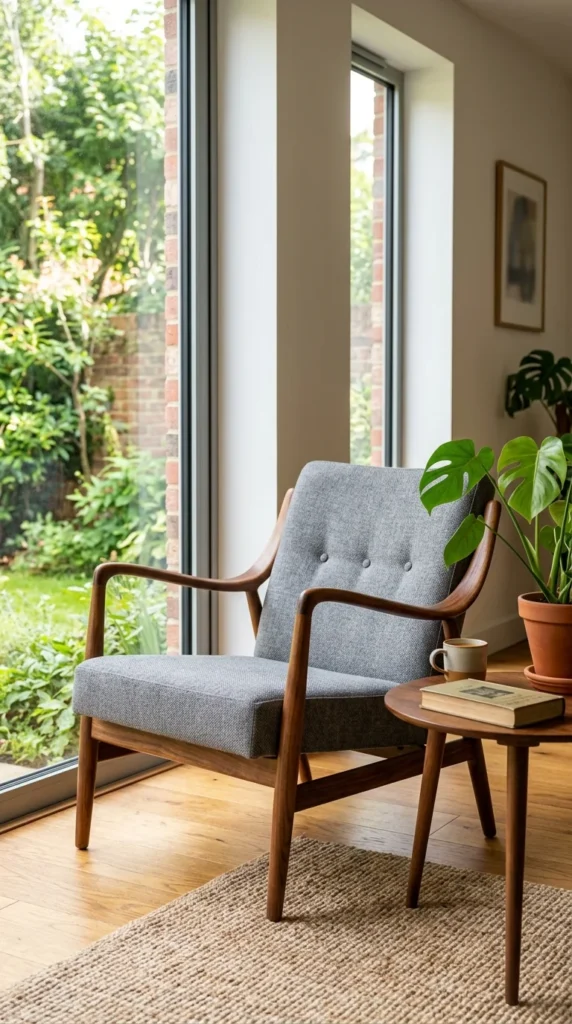
Scandinavian design and Mid-Century Modern style are closely linked. Incorporating pieces with iconic silhouettes—like tapered legs, curved backs, and low profiles—helps achieve that timeless look. Look for vintage-inspired pieces that prioritize form and ergonomics.
21. Sustainable Materials
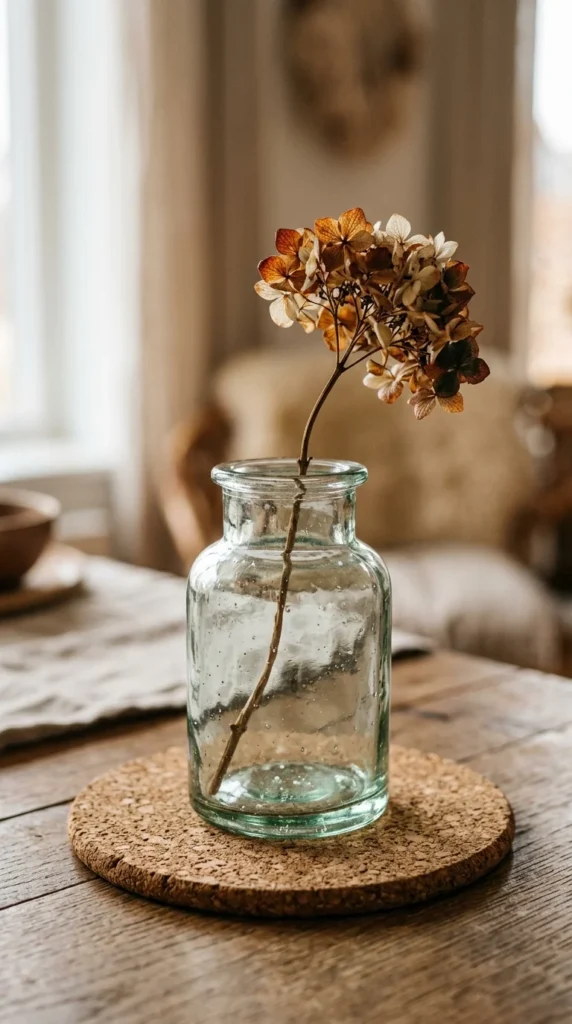
Sustainability is a core value in Nordic culture. Choosing furniture and decor made from recycled materials, sustainably harvested wood, or natural fibers like cork and hemp is a great way to honor this tradition. A timeless look is not just about how it looks today, but about choosing quality pieces that are built to last a lifetime.