
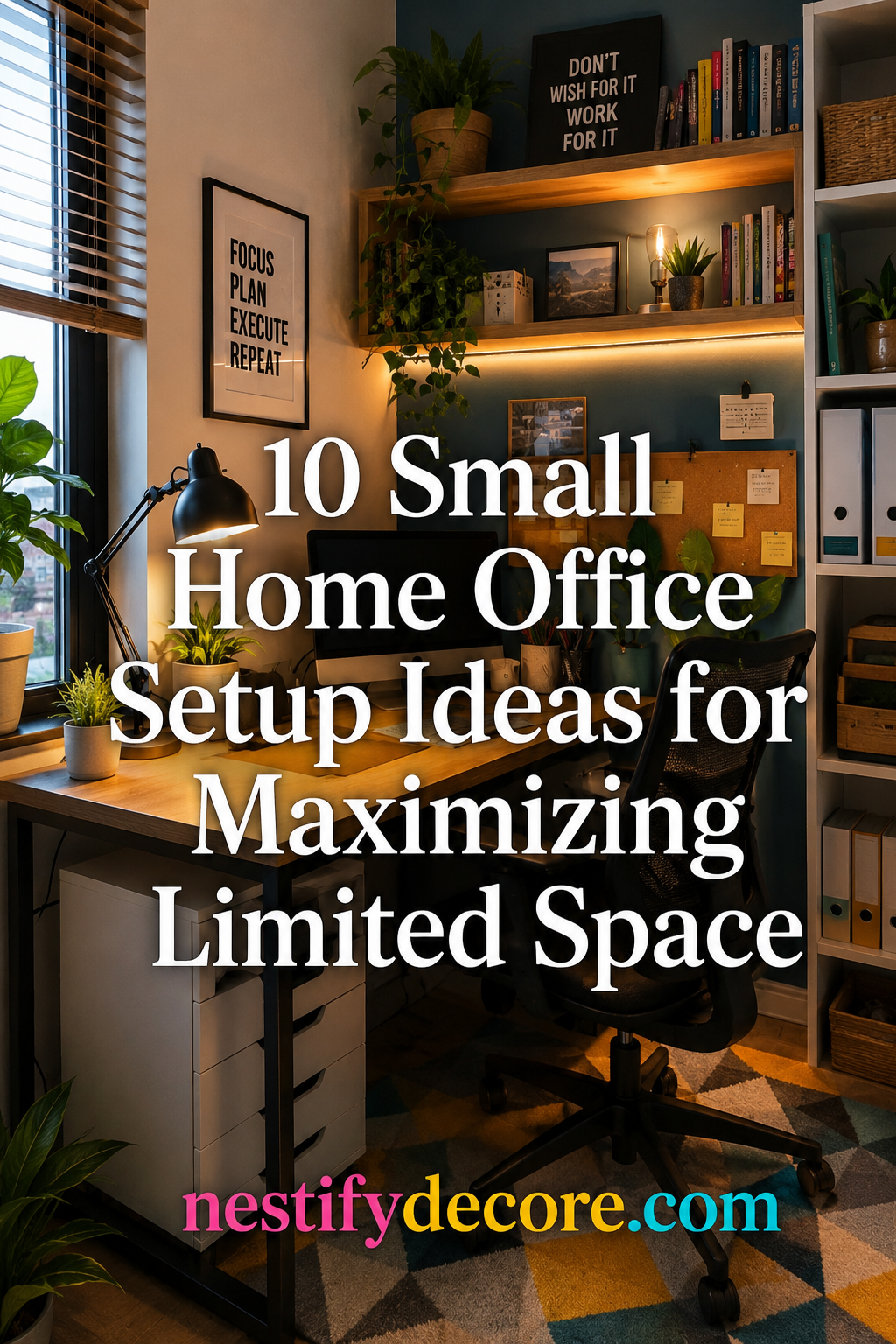
In the modern landscape of remote work, creating an efficient and professional workspace within a limited floor plan has become an essential skill for professionals. A small home office does not need to sacrifice productivity or style for size. By utilizing strategic design principles, innovative furniture, and underused areas of the home, you can cultivate an environment that fosters deep focus and creativity. This guide explores ten expert-level ideas to transform even the most compact area into a high-functioning professional hub.
1
1. The Closet Office Transformation
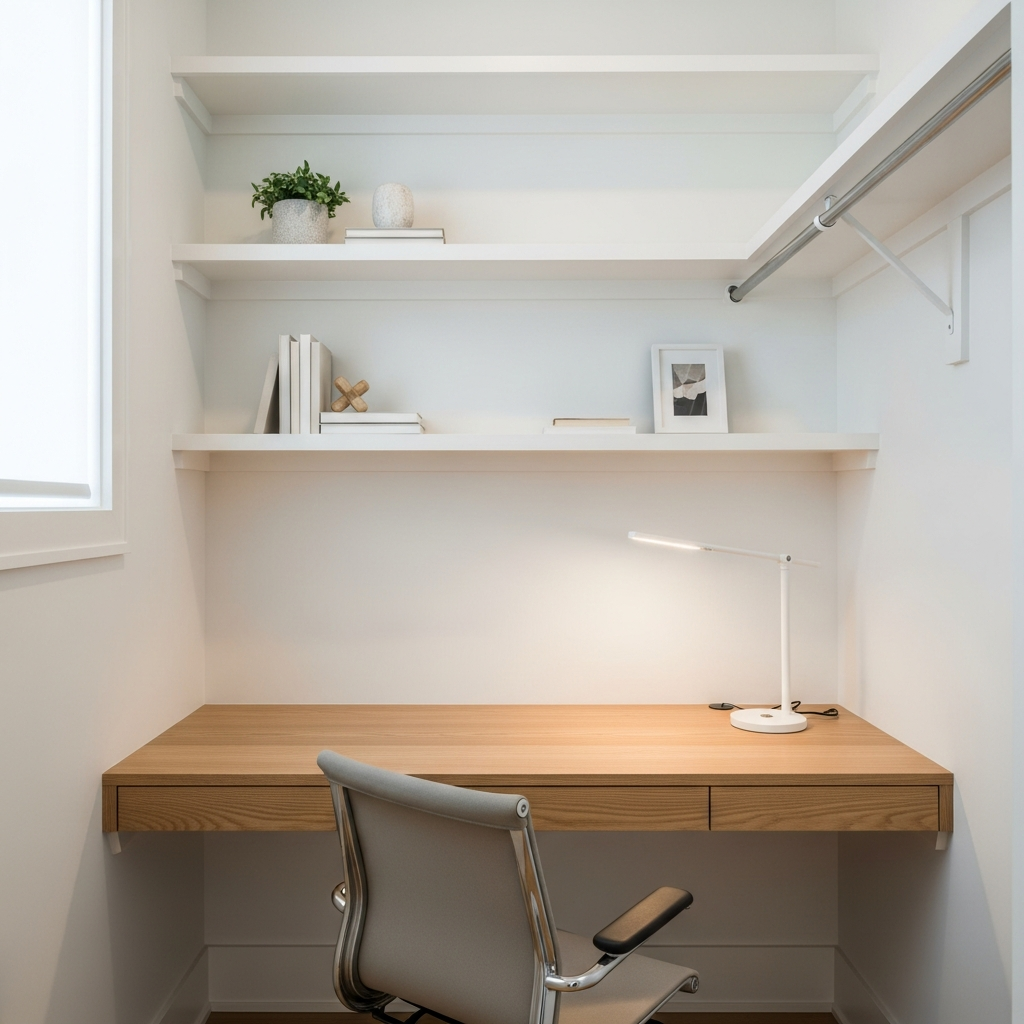
One of the most effective ways to save space is the closet office, commonly known as a cloffice. By removing the doors of a standard reach-in closet and installing a custom desktop and shelving, you create a dedicated work zone that remains tucked away from the main living area. This setup is particularly beneficial for those who wish to maintain a strict boundary between their professional tasks and personal life, as the workstation can be physically separated or visually hidden.
2
2. Strategic Vertical Storage Integration
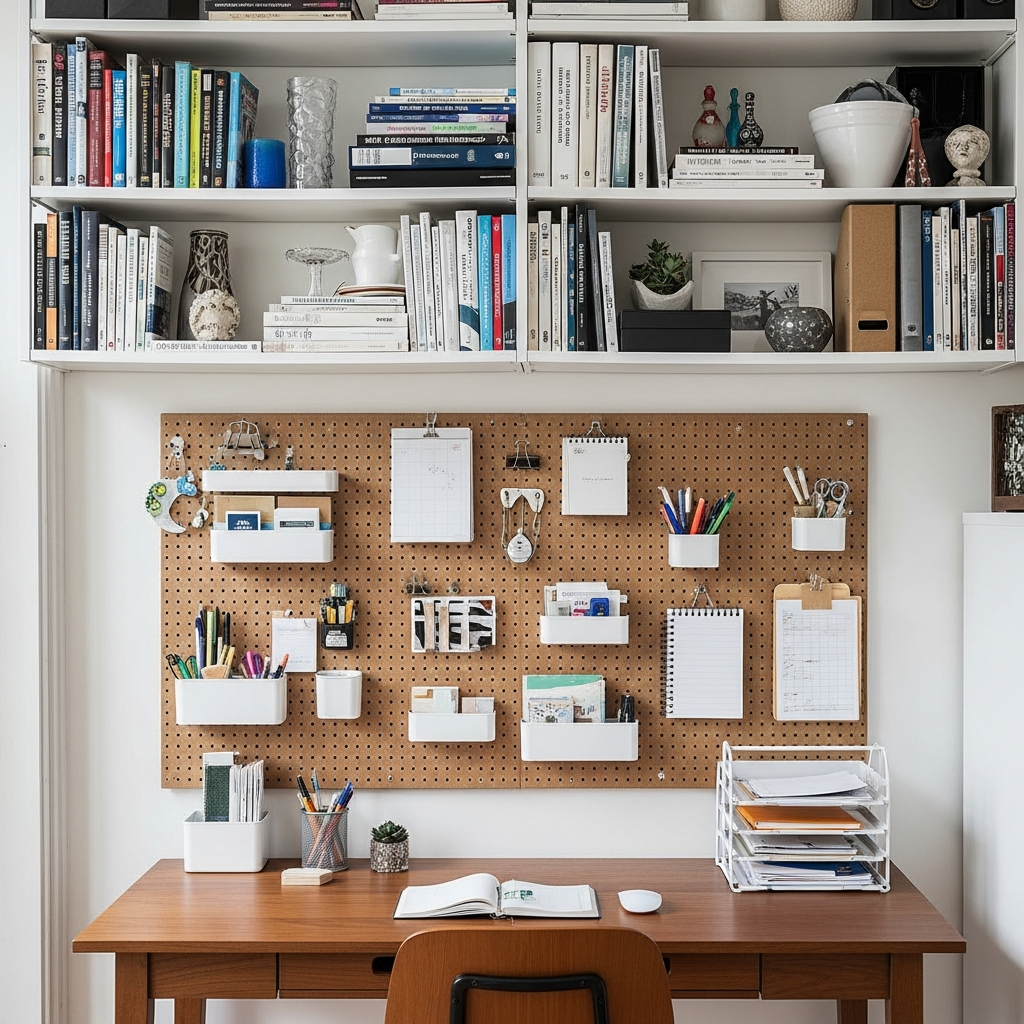
When square footage is restricted, the most valuable real estate is on your walls. Implementing vertical storage solutions, such as wall-mounted cabinets, pegboards, and high-reaching bookshelves, allows you to clear the desk surface of clutter. This approach ensures that essential documents and tools are within reach while maintaining a clean and organized aesthetic that is conducive to professional concentration.
3
3. Corner Desk Optimization
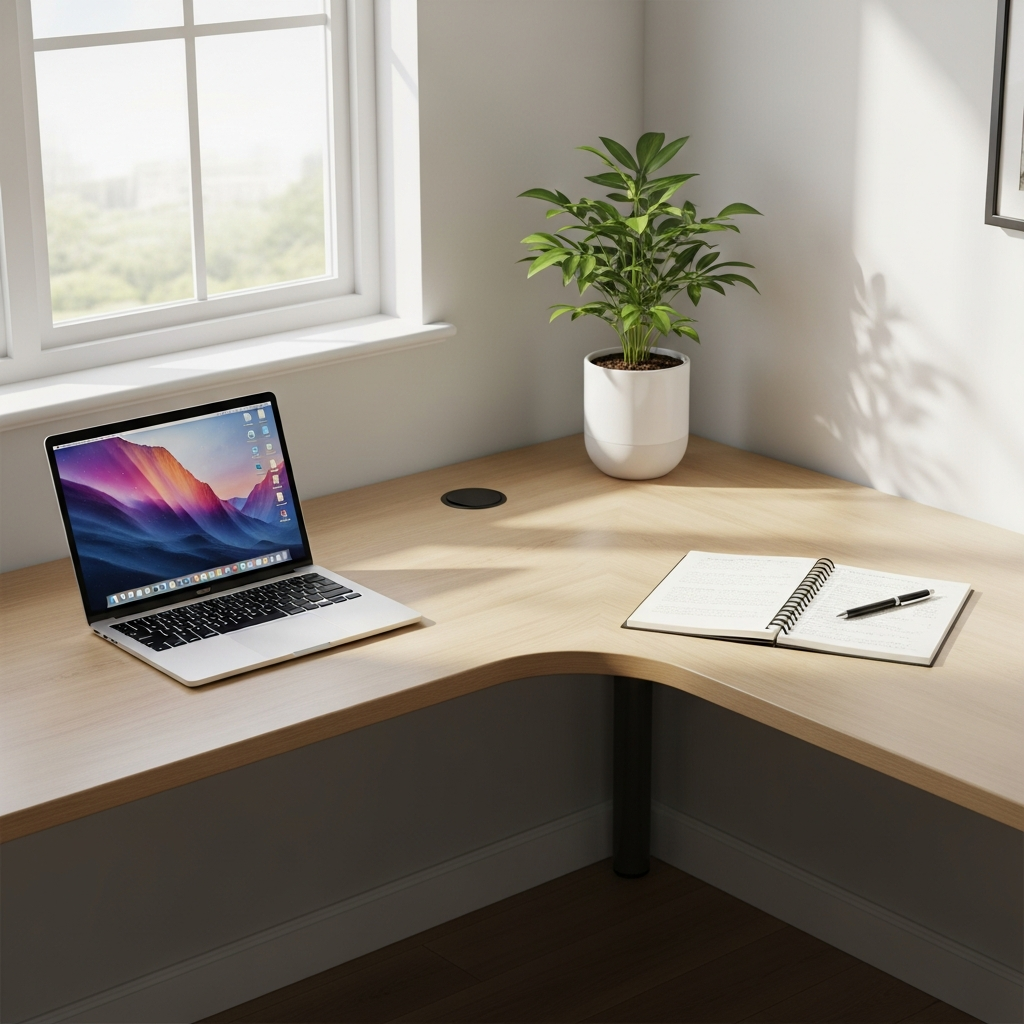
Corners are frequently overlooked in interior design, yet they offer the perfect footprint for a compact office. A triangular or L-shaped corner desk fits snugly into dead zones, providing ample surface area for a laptop and monitor without encroaching on the center of the room. This configuration maximizes floor space and can make a small room feel significantly more open and functional.
4
4. Multifunctional and Secretary Desks
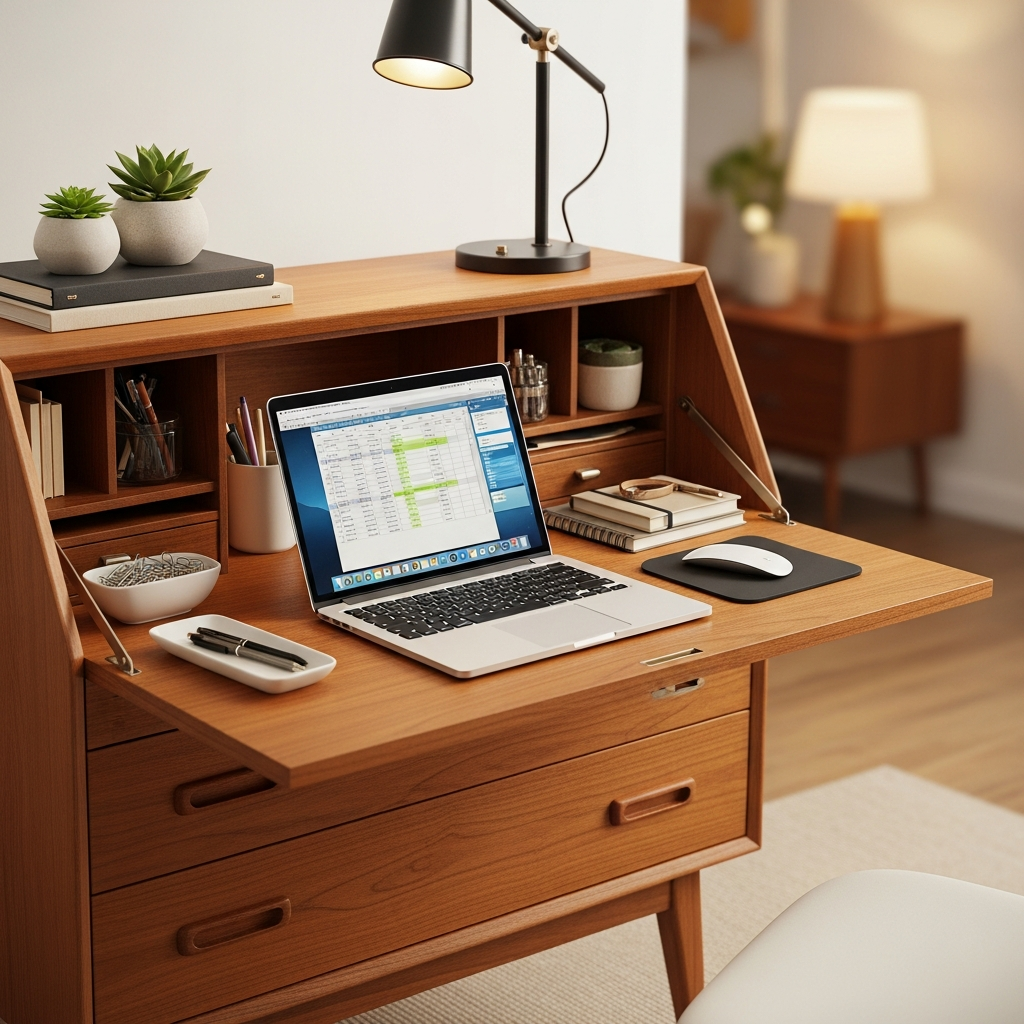
In multipurpose rooms like a bedroom or living area, furniture must be versatile. A secretary desk features a drop-down front that serves as a workspace and can be closed to hide work materials at the end of the day. This keeps the professional environment contained and prevents work stress from bleeding into your relaxation areas, maintaining a healthy work-life balance.
5
5. Minimalist Floating Desk Installations
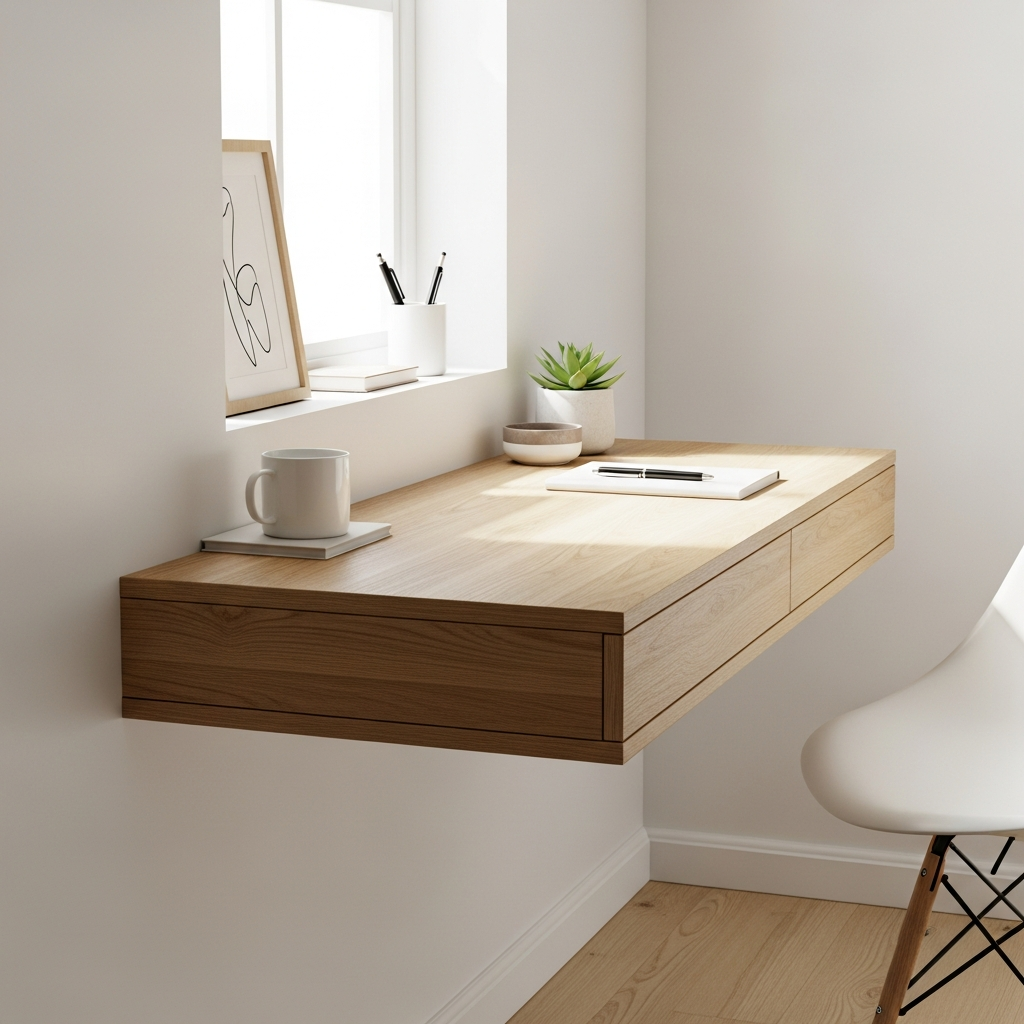
Floating desks are mounted directly to the wall, eliminating the need for bulky legs. This creates a sense of airiness and makes the floor area easier to clean. Floating desks are ideal for narrow hallways or small alcoves. Their minimalist design promotes a distraction-free environment, allowing the user to focus entirely on their digital tasks without the weight of heavy furniture.
6
6. Natural Light and Window Placement
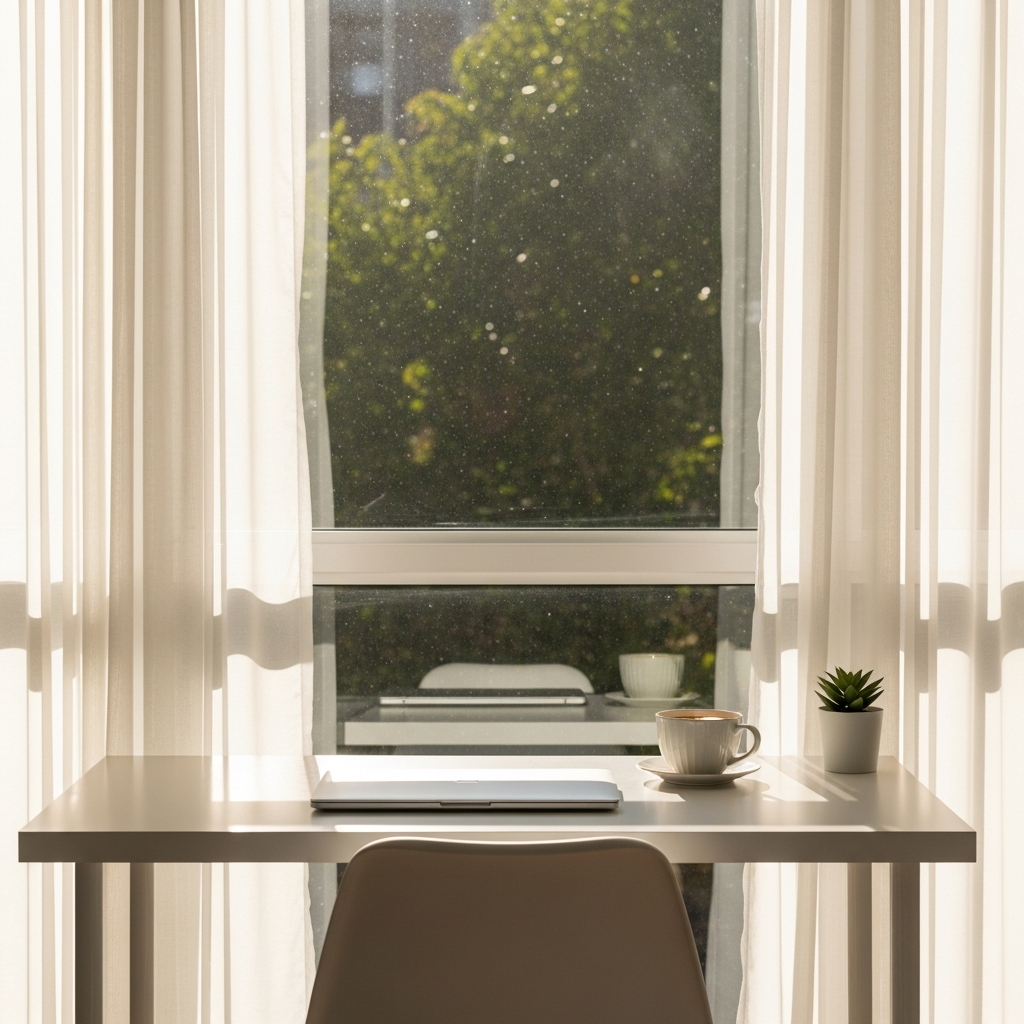
Positioning a small desk directly in front of or perpendicular to a window can drastically improve your work experience. Natural light is proven to enhance mood and energy levels, which are critical for long-term productivity. Using a slim console table as a desk in front of a window allows for a scenic view while minimizing the physical footprint of the office furniture.
7
7. The Under-Stair Office Nook
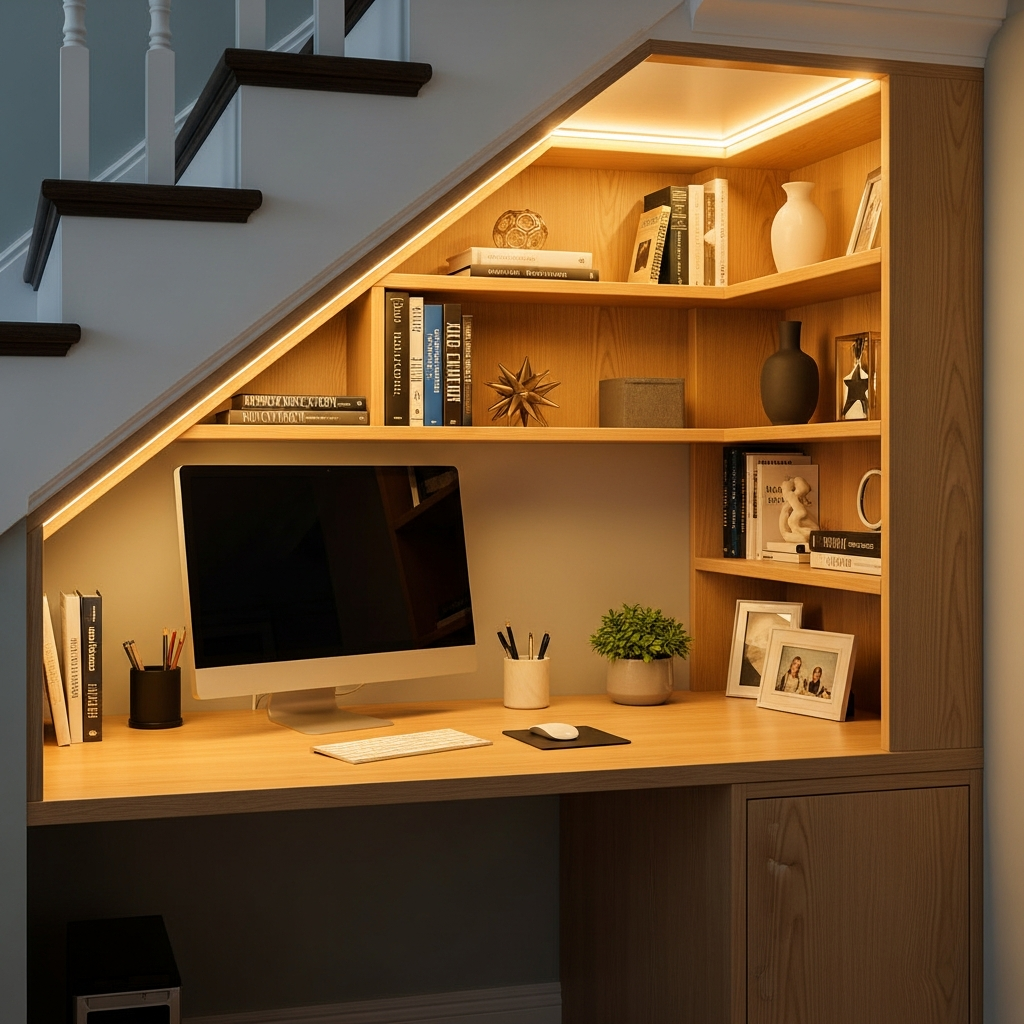
The space beneath a staircase is often an untapped resource. This architectural nook can be converted into a cozy and private workstation. By installing a custom-fitted desk and task lighting, you can turn a previously wasted area into a highly efficient office that is naturally shielded from the main household traffic, providing the privacy needed for video calls and deep work.
8
8. Rolling Utility Carts for Flexibility
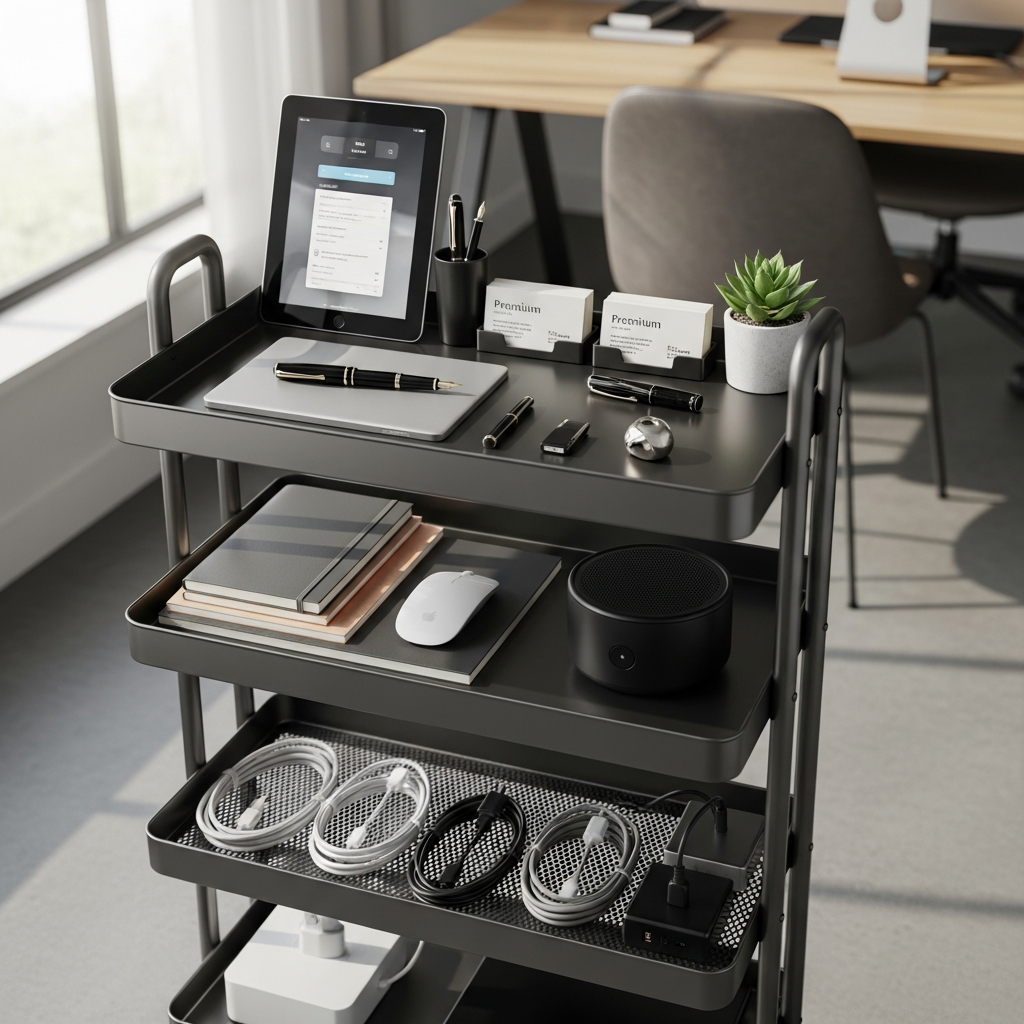
For those who require a mobile or flexible setup, a rolling utility cart is an excellent organizational tool. It can house printers, stationery, and charging stations, and can be moved to the dining table during work hours and rolled into a pantry or corner when work is finished. This mobility is key for professionals who live in studio apartments where spaces must be redefined throughout the day.
9
9. Visual Zoning with Room Dividers
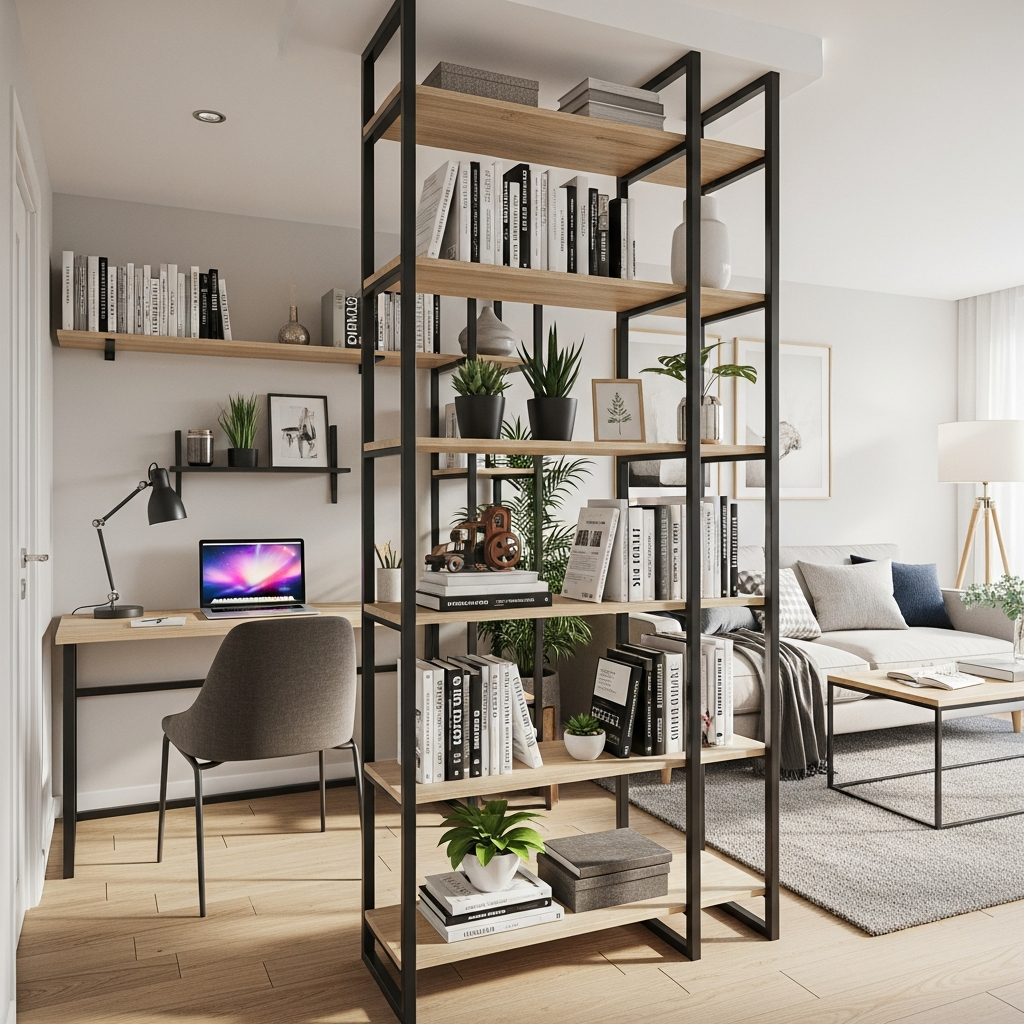
Even in a very small room, creating a visual boundary can improve focus. Using a bookshelf or a modern screen to partition your desk area creates a ‘mental zone’ for work. This spatial division helps signal to the brain that it is time to focus, reducing the distractions that often come with working in a shared living environment.
10
10. Advanced Cable Management Solutions
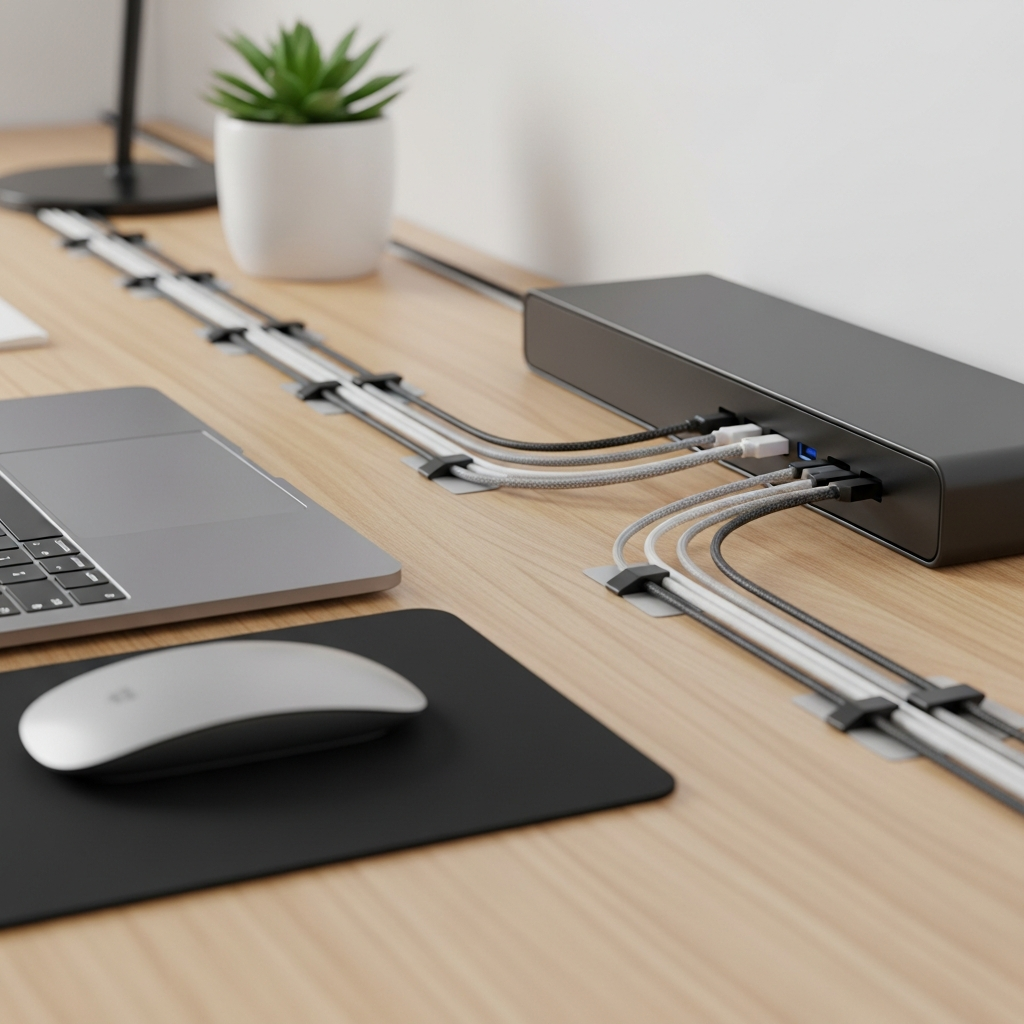
A common issue in small offices is the visual chaos caused by tangled wires. Visible cables can make a compact space feel cluttered and stressful. Utilizing cable management boxes, under-desk trays, and adhesive clips ensures a clean, streamlined look. An organized cable system is not only aesthetic but also functional, protecting your equipment and simplifying your daily setup.
Conclusion
Designing a professional home office in a small space requires a thoughtful balance of ergonomics, aesthetics, and organization. By employing these ten strategies, you can transform any modest area into a powerhouse of productivity. Whether it is through the use of vertical storage or the clever conversion of a closet, the goal is to create a space that supports your professional ambitions without overwhelming your home. A well-organized office is an investment in your career and your overall well-being