

Creating a luxury living room isn’t merely about spending a fortune on designer labels; it’s about the strategic curation of materials, scales, and textures that evoke a sense of sophistication and comfort. An expensive-looking home is defined by its attention to detail and the intentionality behind every piece of furniture and decor. By focusing on architectural elements and high-quality finishes, you can transform a standard living space into a high-end sanctuary.
1. Oversized Art
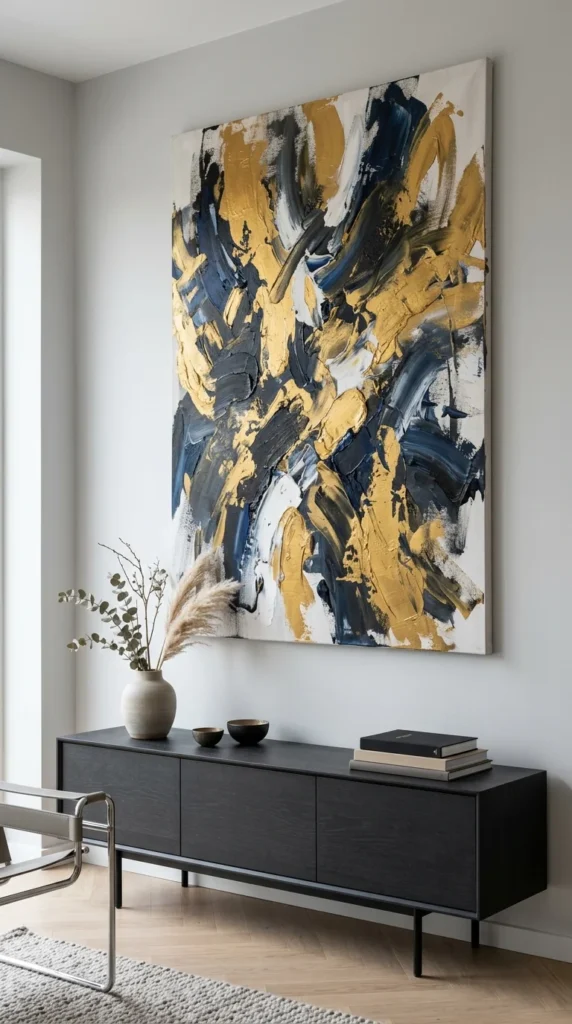
One of the quickest ways to command attention in a living room is through the use of oversized art. A single, large-scale piece creates a powerful focal point that mimics the feel of a professional gallery or a high-end hotel lobby. Small, cluttered gallery walls can often feel busy and dated, whereas one significant canvas suggests confidence and curated taste.
- Scale Matters: The artwork should take up a significant portion of the wall to create an immersive experience.
- Minimalist Framing: Opt for thin, professional frames in black, gold, or natural wood to let the art speak for itself.
- Strategic Placement: Center the piece above the sofa or on a primary feature wall to anchor the room’s design.
2. Layered Lighting
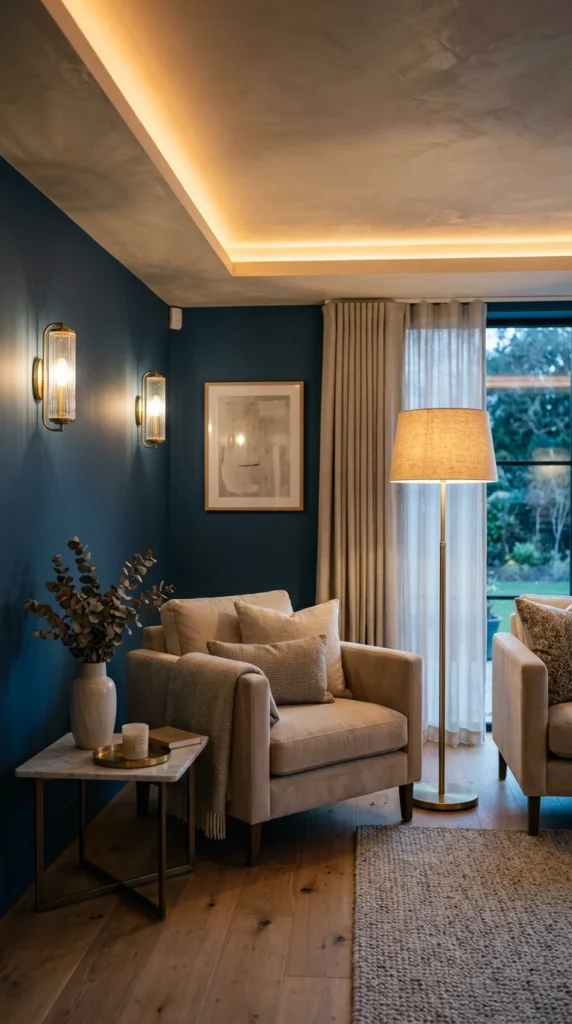
Luxury is often defined by atmosphere, and nothing dictates atmosphere more than lighting. Expensive homes move beyond the basic overhead “boob light” and instead utilize a “layered” approach. This involves combining different types of light—ambient, task, and accent—to create depth and warmth.
- Dimmers: Installing dimmer switches allows you to control the mood, instantly transitioning the room from a bright morning space to a moody evening lounge.
- Warm Color Temperatures: Stick to warm white bulbs (2700K to 3000K) to avoid a clinical, cold feeling.
- Decorative Sconces: Adding hardwired or even high-quality battery-operated wall sconces adds an architectural element that feels custom-built.
3. Velvet Textures
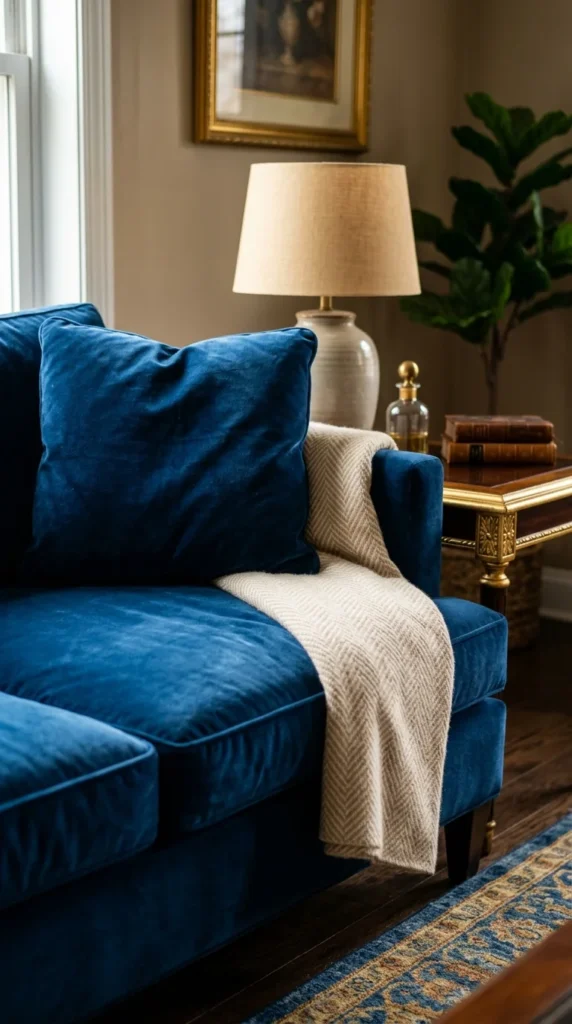
Texture plays a massive role in the perceived value of a room. Velvet is a staple in luxury design because of its rich sheen and tactile appeal. It catches the light beautifully and adds a layer of “visual weight” that makes the furniture look more substantial and expensive.
- Jewel Tones: Velvet looks particularly high-end in deep colors like emerald green, navy blue, or charcoal gray.
- Contrast Fabrics: Pair velvet with contrasting textures like smooth leather or bouclé to create a sophisticated, multi-dimensional look.
- Durability: Modern performance velvets offer the same look as traditional silk velvet but are resistant to stains, making luxury practical for everyday living.
4. Marble Accents
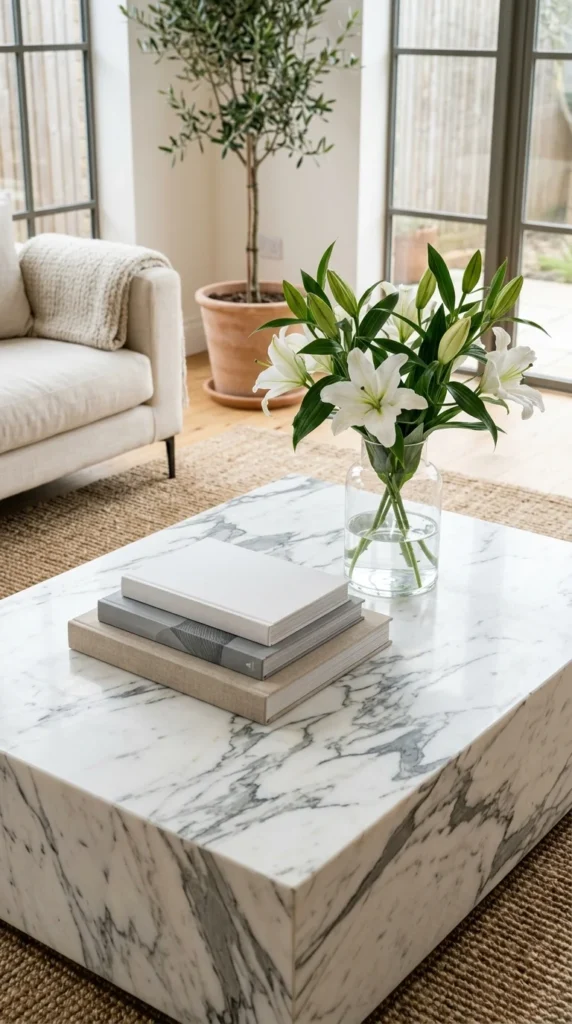
Marble has been a symbol of luxury for centuries. Its natural veining ensures that every piece is unique, adding an artisanal quality to your home. You don’t need a full marble fireplace to achieve this effect; smaller, intentional accents can be just as impactful.
- Coffee Tables: A solid marble coffee table serves as a heavy, grounding centerpiece that screams “custom design.”
- Decorative Trays: Use marble trays on ottomans or consoles to organize smaller items while adding a high-end material to the mix.
- Stone Variety: While white Carrara is classic, exploring darker marbles like Nero Marquina or green marbles like Forest Green can add a unique, bespoke touch.
5. Statement Chandeliers
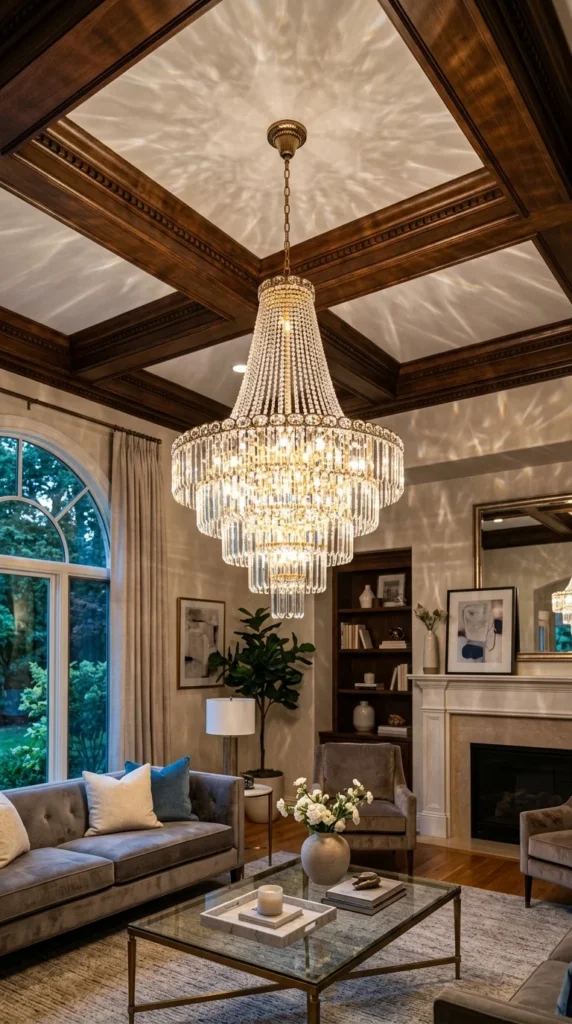
The ceiling is often referred to as the “fifth wall,” and in luxury homes, it is never ignored. Replacing a standard ceiling fan or builder-grade light fixture with a statement chandelier can completely redefine the room’s aesthetic.
- Architectural Interest: Choose a fixture that acts as a sculpture, whether it’s a mid-century modern sputnik design or a traditional tiered crystal piece.
- Scale Balance: Ensure the fixture is large enough for the room; a light that is too small will make the space look disjointed.
- Materials: Look for high-quality materials like hand-blown glass, brushed brass, or iron rather than plastic or cheap alloys.
6. Built-in Shelving
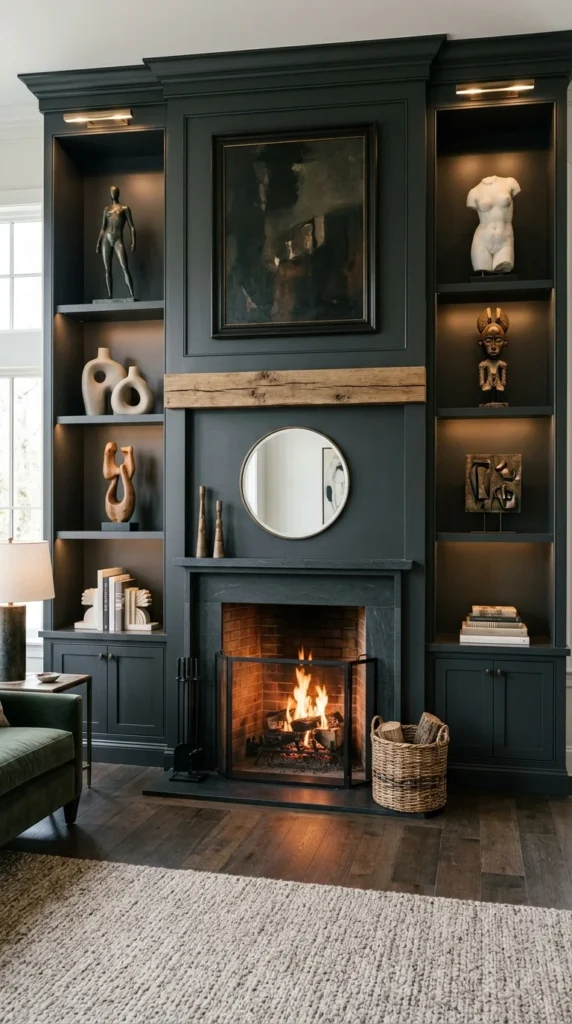
Custom millwork is a hallmark of expensive real estate. Built-in shelving makes a room look finished and architecturally significant. It provides a dedicated space to showcase curated collections, books, and art, which adds a personal yet polished feel.
- Color Matching: Painting your built-ins the same color as the walls (color drenching) creates a seamless, designer look.
- Integrated Lighting: Adding LED strip lights or puck lights inside the shelves provides a high-end “museum” display effect.
- Styling the “Shelfie”: Avoid clutter. Use the 70/30 rule: 70% decor/books and 30% empty space to let the eyes rest and the pieces shine.
7. Neutral Palettes
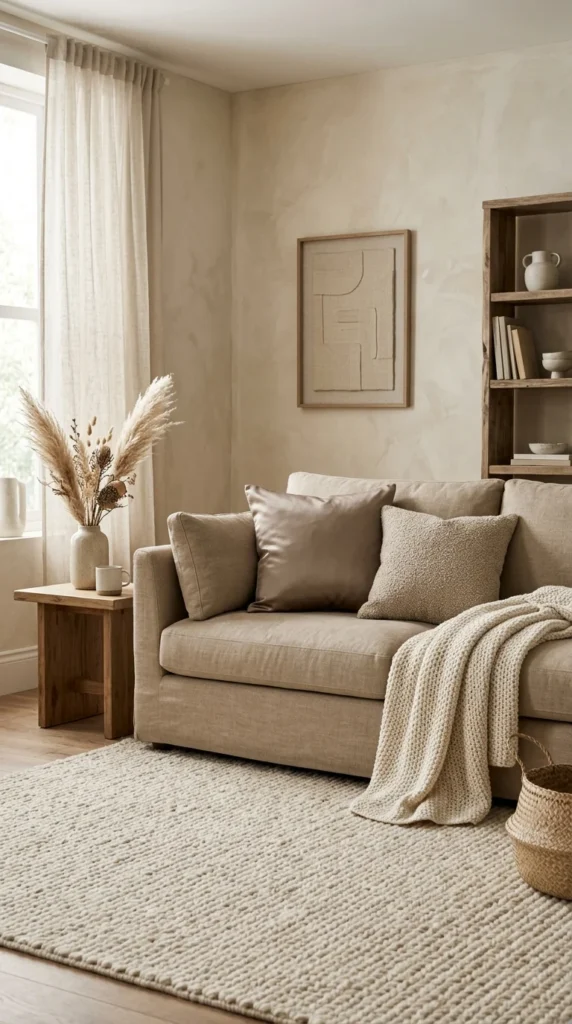
While color can be luxurious, a monochromatic or neutral palette often feels more “expensive” because it emphasizes form and texture over distracting hues. A room bathed in varying shades of cream, beige, and taupe feels serene, sophisticated, and timeless.
- Tonal Variation: To keep a neutral room from looking flat, use different shades of the same color family.
- Texture Over Color: In the absence of bright colors, use heavy knits, smooth stones, and grained woods to provide visual interest.
- Natural Light: Neutral palettes maximize natural light, making the space feel larger and more airy.
8. Metallic Finishes
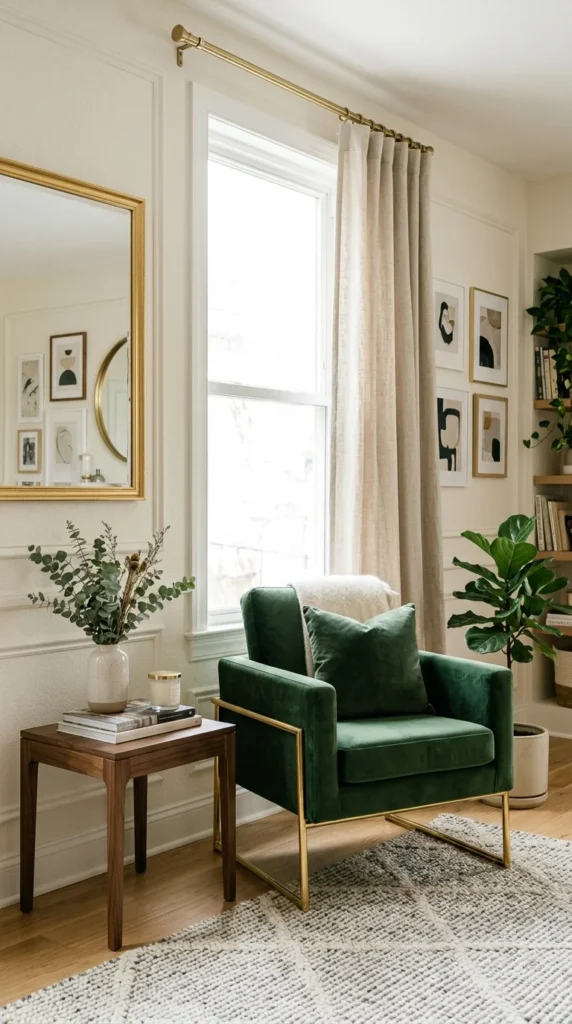
A touch of shine can elevate a room from ordinary to extraordinary. Metallic finishes—specifically brass, gold, and polished nickel—add a jewelry-like quality to the living room. The key is moderation; too much can look gaudy, but the right amount looks like “quiet luxury.”
- Mixed Metals: Don’t be afraid to mix metals. Pairing black iron with aged brass can create a more layered, lived-in luxury look than perfectly matching everything.
- Hardware Upgrades: Swap out standard cabinet knobs or furniture legs for high-quality metal versions to instantly upgrade the piece.
- Reflective Surfaces: Use metallic finishes on items that catch the light, such as picture frames, lamps, or the base of a coffee table.
9. High-End Rugs
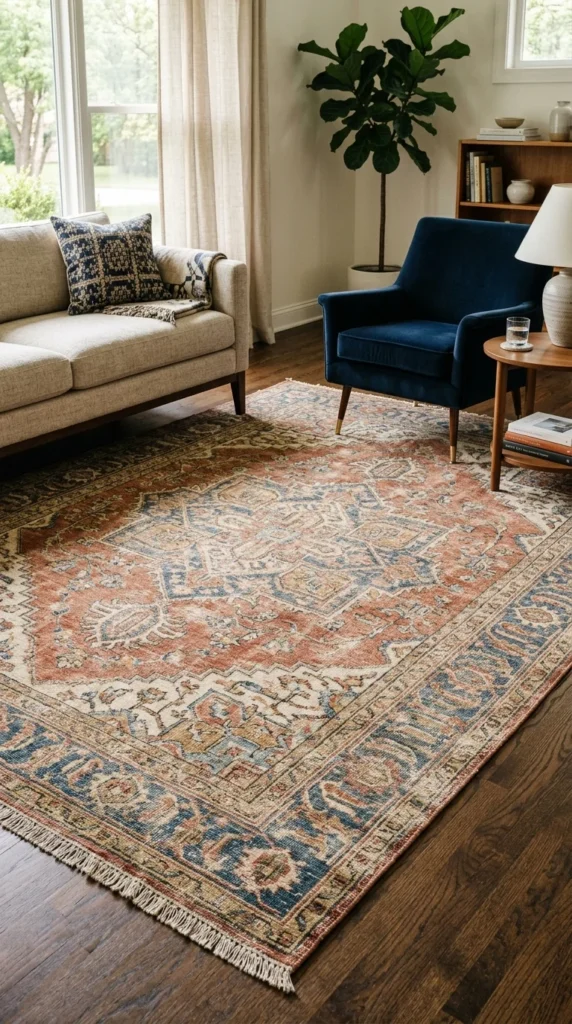
An undersized rug is one of the most common mistakes that make a home look cheap. In a luxury living room, the rug should be large enough to anchor all the furniture pieces. High-quality materials like wool or silk blends not only feel better underfoot but also age gracefully.
- Size Matters: At a minimum, the front legs of all seating furniture should rest on the rug. Ideally, all legs should be on the rug.
- Natural Fibers: Avoid synthetic “shiny” rugs. Stick to wool, jute, or silk for a more authentic and durable luxury feel.
- Subtle Patterns: Choose patterns that are woven into the fabric rather than printed on top for a more sophisticated appearance.
10. Sculptural Furniture
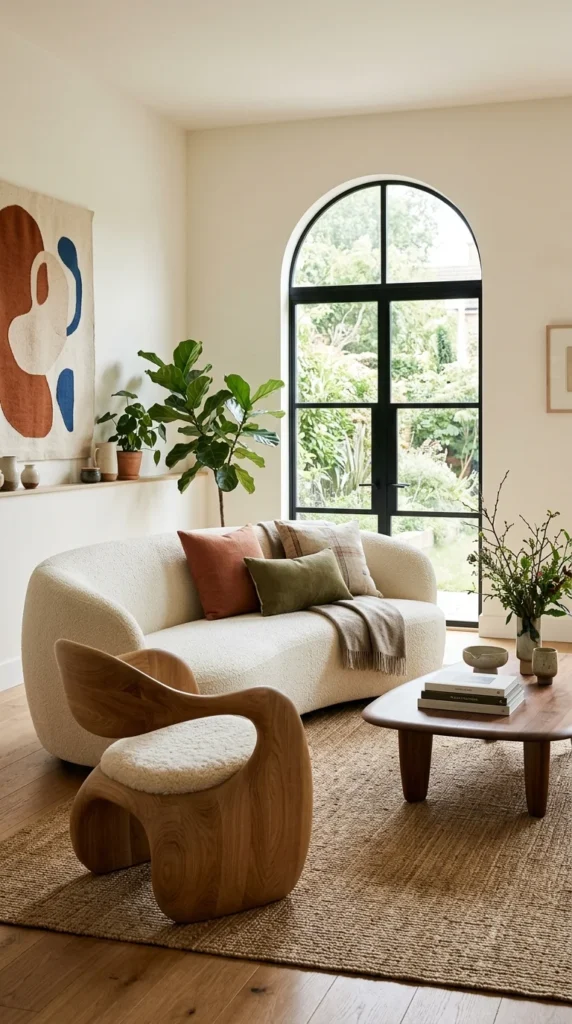
Standard, boxy furniture is functional, but sculptural furniture is art. Incorporating pieces with unique silhouettes—curved backs, organic shapes, or avant-garde structures—gives the room a bespoke, designer-commissioned atmosphere.
- Curved Lines: Curves are currently a major trend in luxury design as they break up the harsh straight lines of walls and windows, creating a more organic flow.
- Statement Seating: You don’t need a whole set of sculptural furniture. One iconic accent chair can be enough to elevate the entire room.
- Negative Space: Sculptural pieces often look best when they have a bit of “breathing room” around them to highlight their unique shape.