
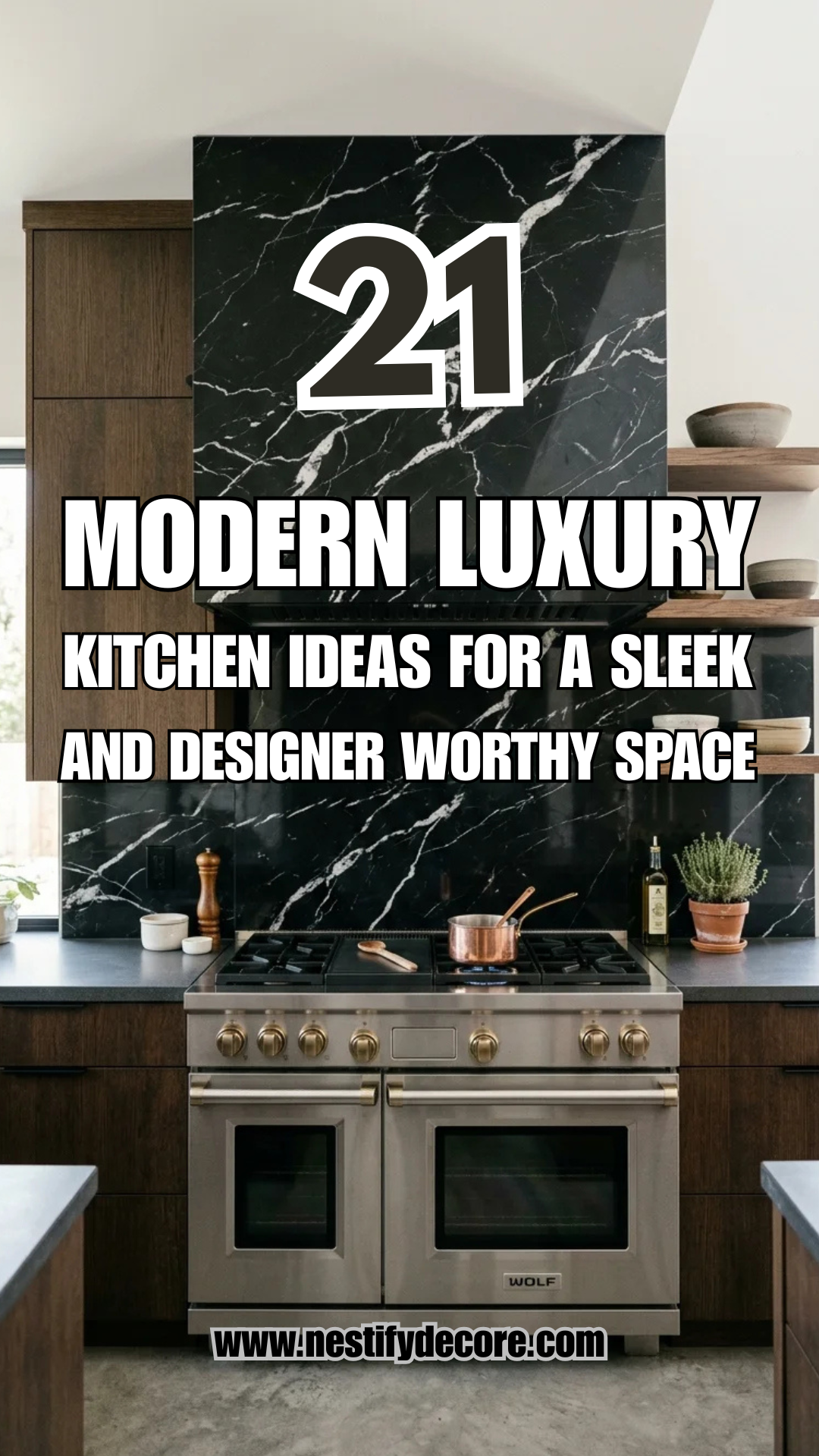
The modern luxury kitchen has evolved from a mere utility room into the architectural heart of the home. It is a space where high-end technology meets artisanal craftsmanship, creating an environment that is as functional as it is breathtaking. To achieve a designer-worthy look, one must balance minimalism with opulence, focusing on clean lines, premium materials, and innovative layouts.
1. Waterfall Islands
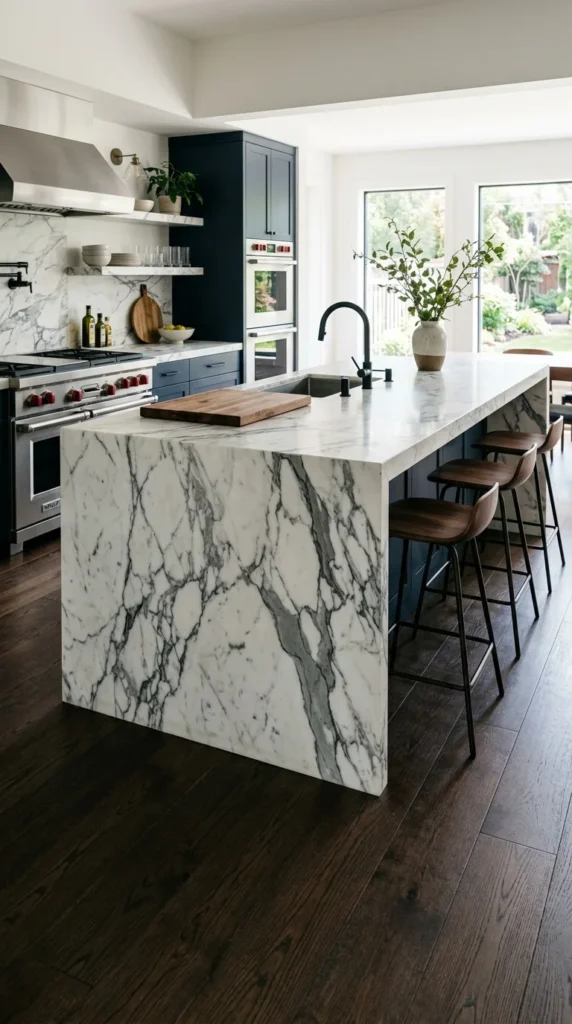
The waterfall island is a hallmark of modern luxury. By extending the countertop material down the sides of the cabinetry to the floor, you create a continuous, sculptural look that highlights the beauty of the stone. This design choice eliminates sharp corners and provides a sleek, monolithic appearance that serves as a focal point for the entire room.
2. Integrated Appliances
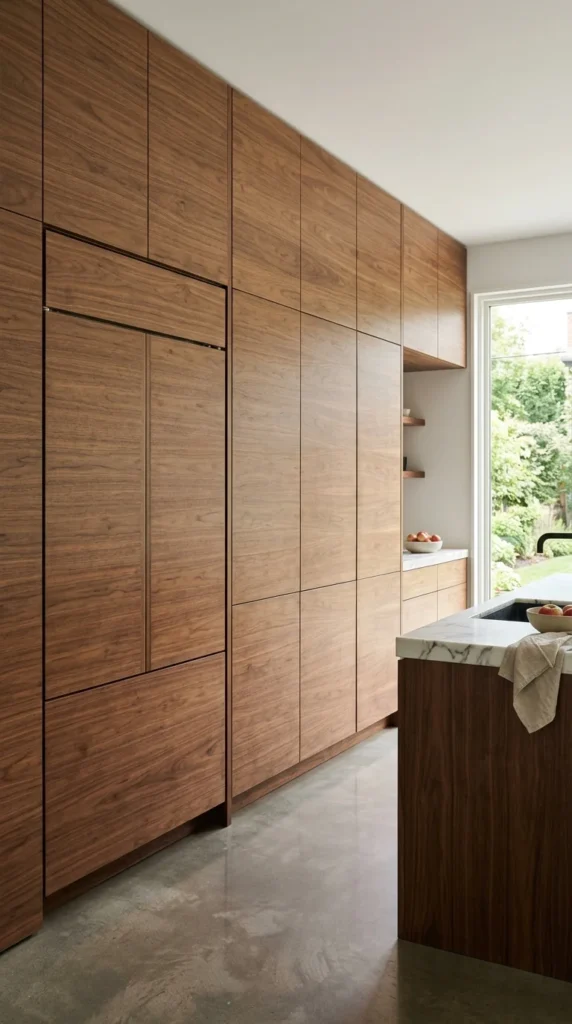
True luxury is often found in what you cannot see. Integrated appliances are built into the cabinetry with custom front panels that match the surrounding cupboards. This creates a seamless, “un-kitchen” look, allowing the architectural elements of the space to shine without the visual interruption of bulky stainless steel boxes.
3. Statement Lighting
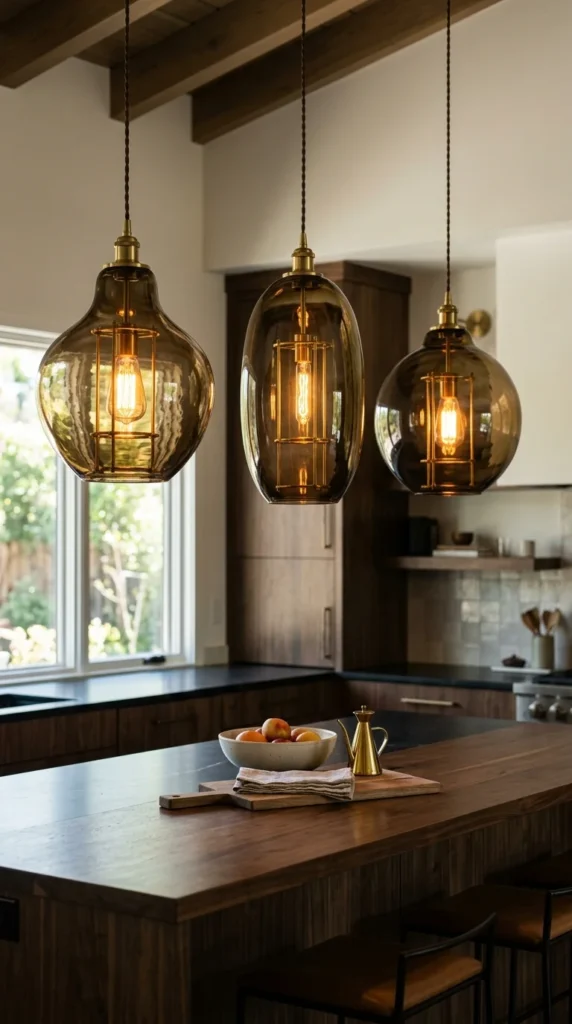
Lighting in a luxury kitchen serves as the “jewelry” of the room. Moving beyond basic recessed cans, designers are opting for oversized, sculptural pendants or linear chandeliers. These fixtures should be bold enough to define the dining or prep area while providing a warm, layered glow that enhances the textures of the materials below.
4. Marble Backsplashes
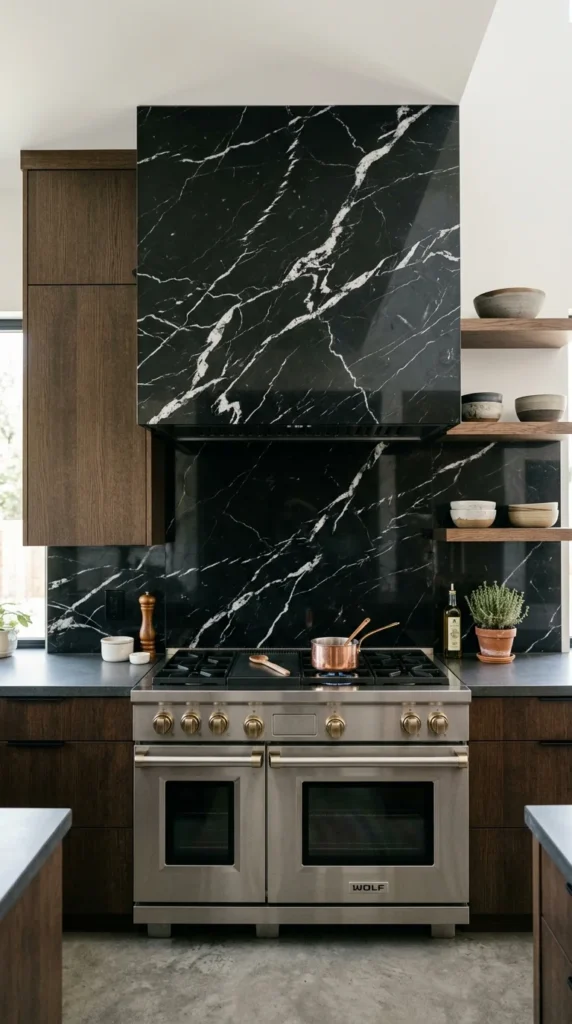
Replacing traditional tile with a solid slab backsplash is a high-impact design move. Using the same stone as the countertop—or a contrasting dramatic marble—creates a sense of visual continuity. Because there are no grout lines, the natural patterns of the stone are allowed to flow uninterrupted, creating a gallery-like atmosphere.
5. Smart Tech
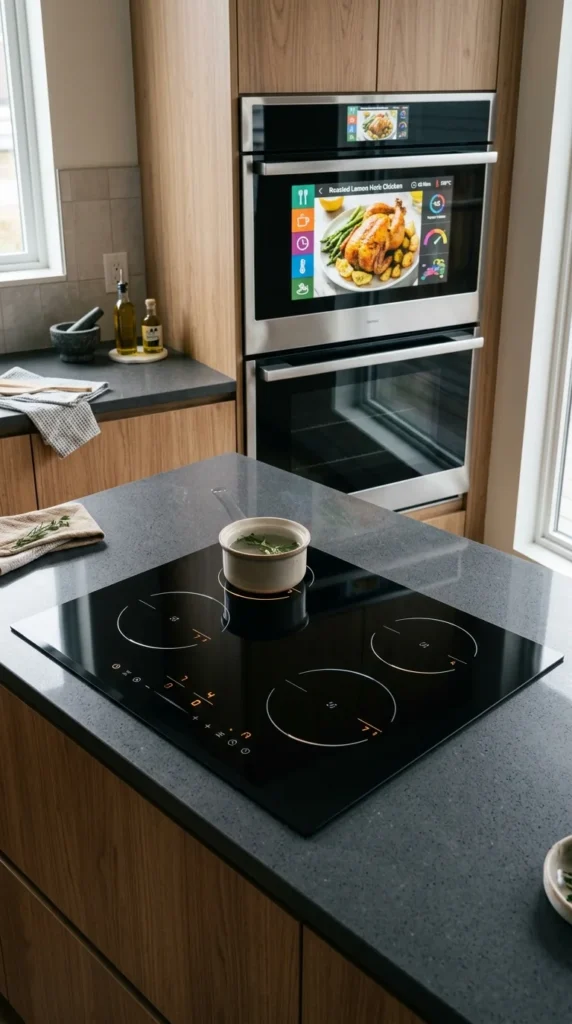
The modern luxury kitchen is a hub of innovation. From voice-activated faucets and smart ovens that can be controlled via smartphone to refrigerators with internal cameras and climate-controlled wine columns, technology is used to simplify the culinary process while maintaining a sophisticated aesthetic.
6. Dark Cabinetry
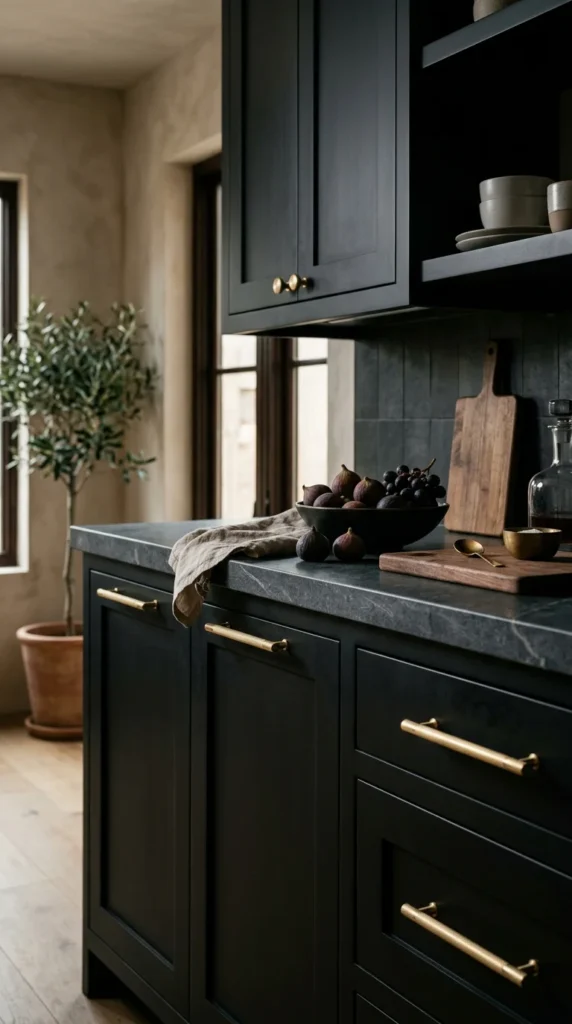
While white kitchens are classic, dark cabinetry—in shades of charcoal, navy, or forest green—radiates a moody, sophisticated luxury. When finished in matte or “soft-touch” lamination, these dark surfaces absorb light beautifully and provide a stunning backdrop for metallic accents and light-colored stone.
7. Gold Accents
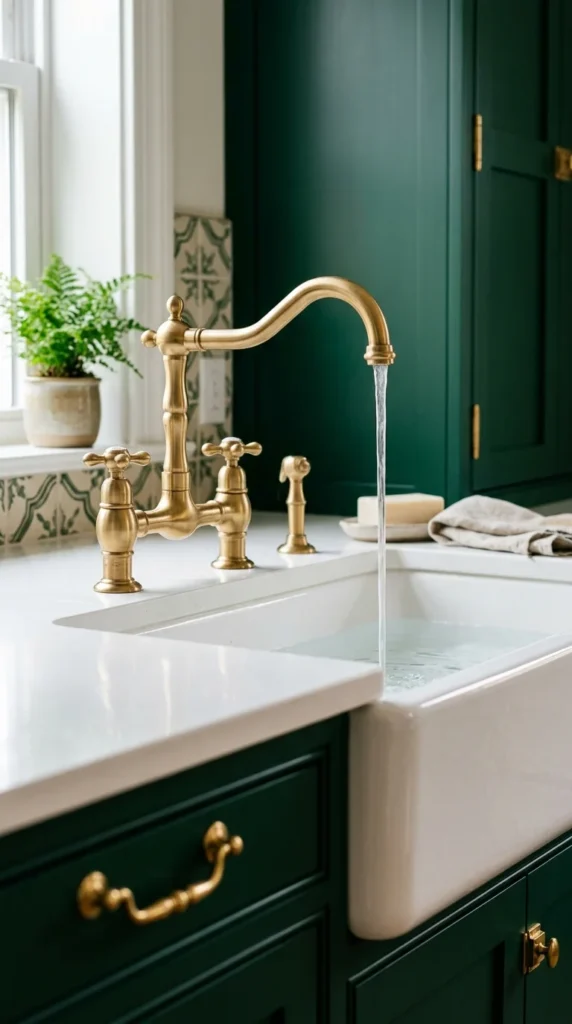
Incorporating warm metals like brass, gold, or copper adds a layer of richness to the kitchen. These accents can be introduced through faucets, cabinet hardware, or even the inlay strips between cabinets. The key is to use a consistent finish across all elements to ensure a cohesive, curated look.
8. Walk-in Pantries
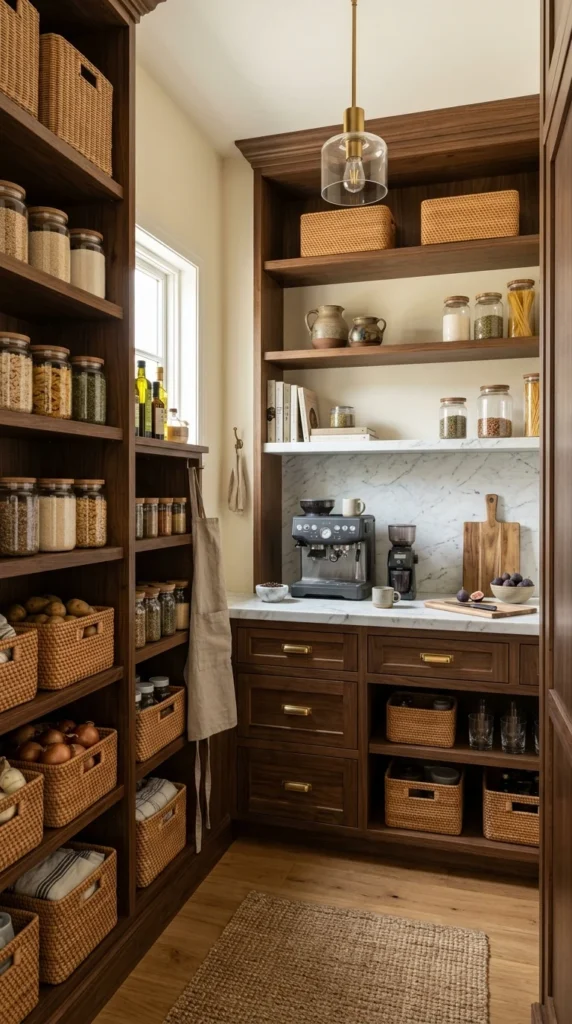
A luxury kitchen isn’t just about what’s on display; it’s about organization. A hidden walk-in pantry, or “scullery,” allows the main kitchen to remain clutter-free. These spaces often include secondary sinks, additional refrigeration, and dedicated zones for small appliances like blenders and toasters.
9. Handleless Cabinets
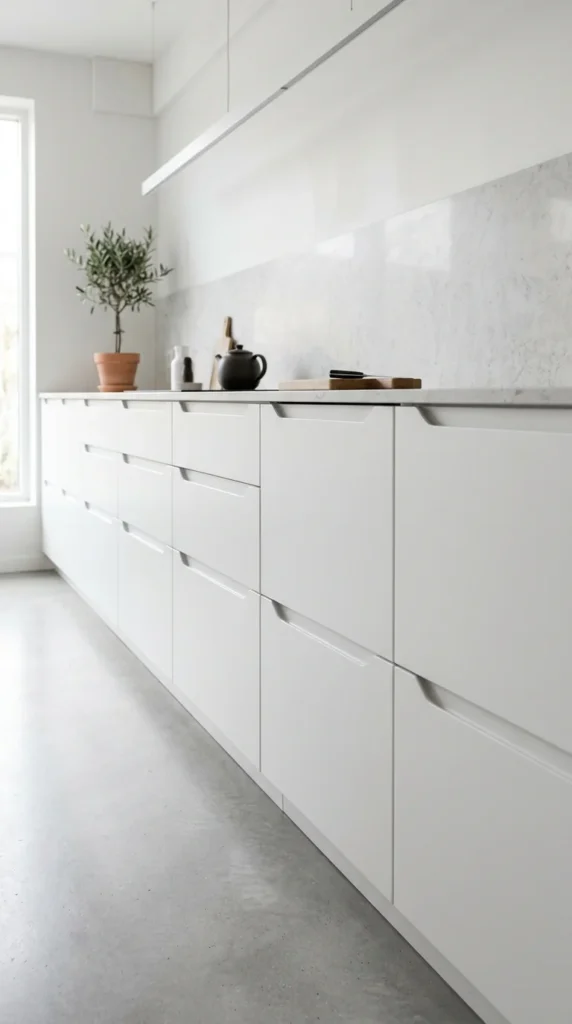
To achieve the ultimate sleek aesthetic, many designers opt for handleless cabinetry. Utilizing “push-to-open” mechanisms or recessed finger grooves (J-pulls), this style emphasizes the geometry of the kitchen. It creates a streamlined silhouette that is easy to clean and visually calming.
10. Dual Islands
In large-scale homes, two islands are better than one. This layout separates the functional “work” zone of the kitchen from the social “entertainment” zone. One island might house the sink and dishwasher, while the other provides a vast surface for serving cocktails or casual dining.
11. Natural Wood
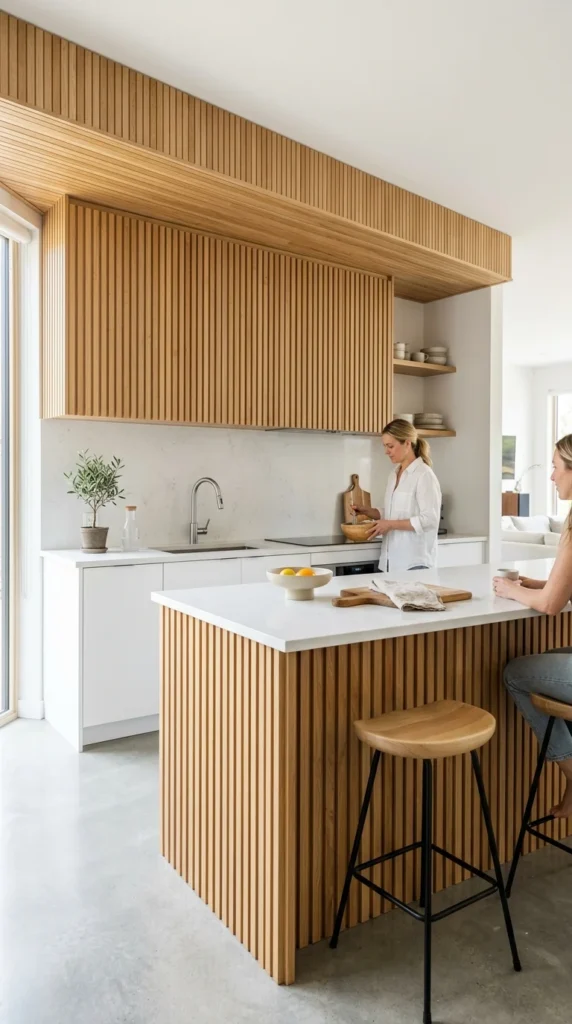
Introducing natural wood elements brings warmth and organic texture to a modern space. Whether it’s a walnut breakfast bar or white oak cabinetry, the use of high-quality timber prevents a sleek kitchen from feeling too clinical. It grounds the design and connects the interior to the natural world.
12. Metallic Finishes
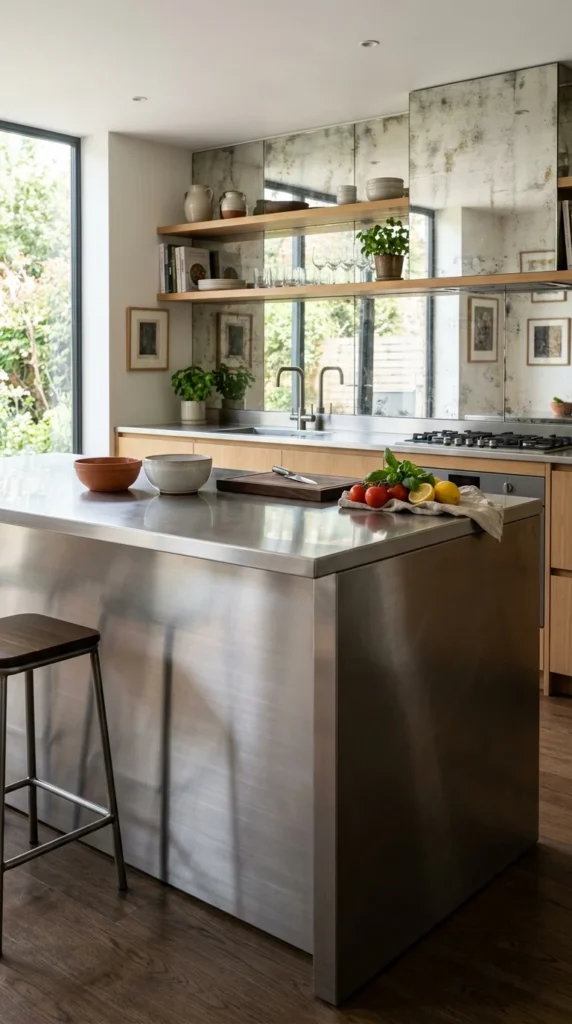
For a more industrial-chic take on luxury, metallic finishes are a bold choice. Brushed steel, ribbed aluminum, or even liquid metal coatings on cabinet doors can create a futuristic, high-end look. These surfaces are incredibly durable and offer a unique play of light throughout the day.
13. Floor-to-Ceiling Windows
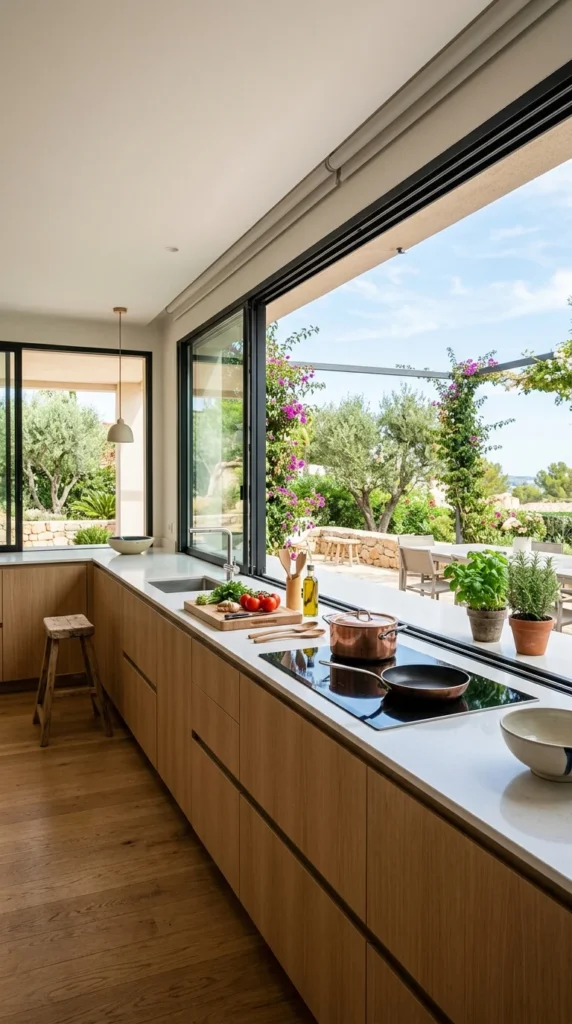
Luxury is often defined by a connection to the outdoors. Replacing walls with expansive glass allows for panoramic views and an abundance of natural light. This architectural feature makes the kitchen feel twice as large and turns the shifting outdoor scenery into a living piece of art.
14. Floating Shelves
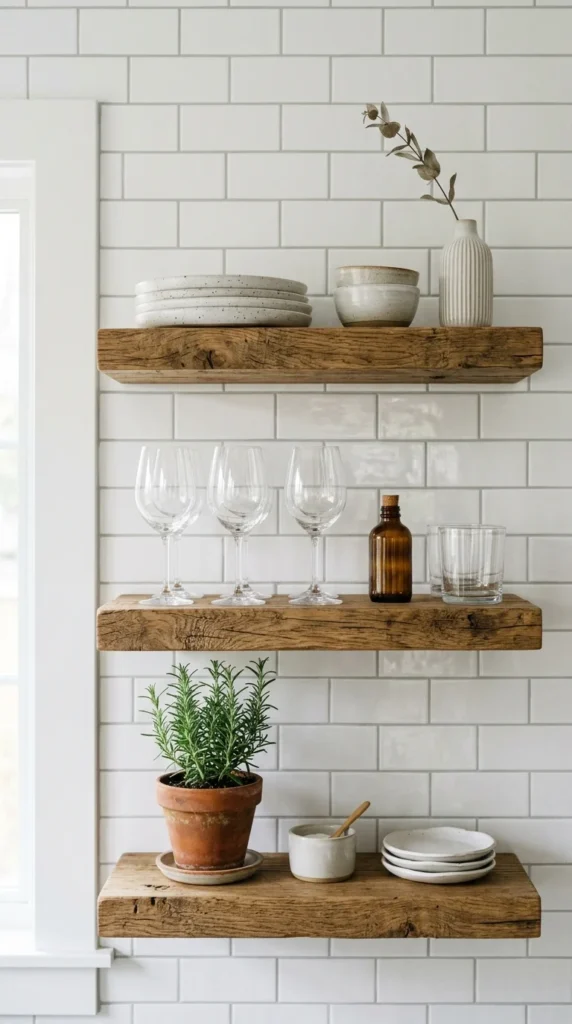
While traditional upper cabinets can make a kitchen feel heavy, floating shelves offer an airy, open alternative. Made from heavy timber or sleek metal, these shelves provide a place to display curated cookbooks, artisanal pottery, or designer glassware, adding a personal touch to the professional-grade space.
15. Wine Cellars
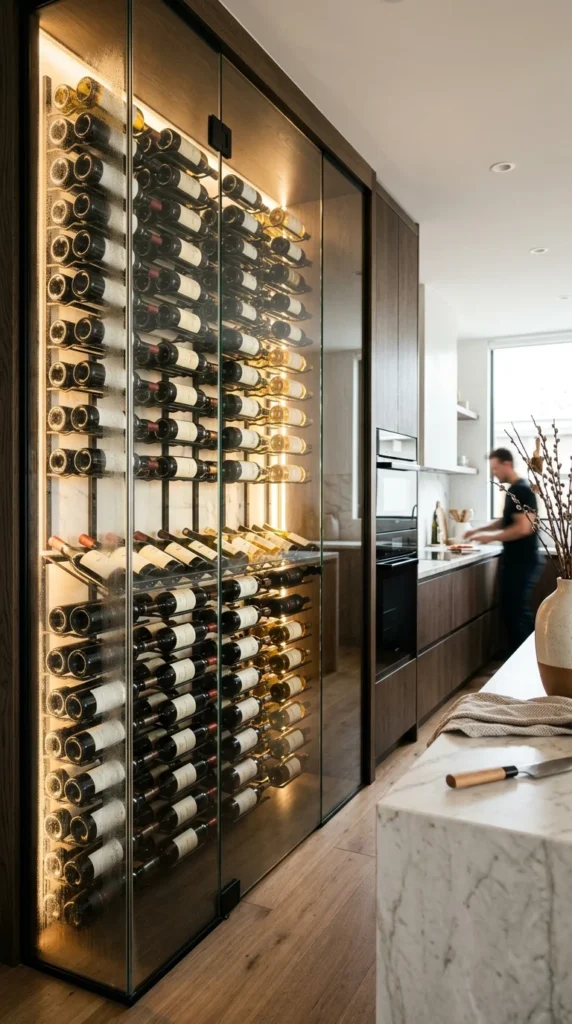
For the connoisseur, a dedicated wine storage area is a must-have luxury. Modern designs often feature glass-fronted “wine walls” that serve as a transparent room divider. With precision climate control and sophisticated LED lighting, these installations turn a wine collection into a visual masterpiece.
16. Mixed Textures
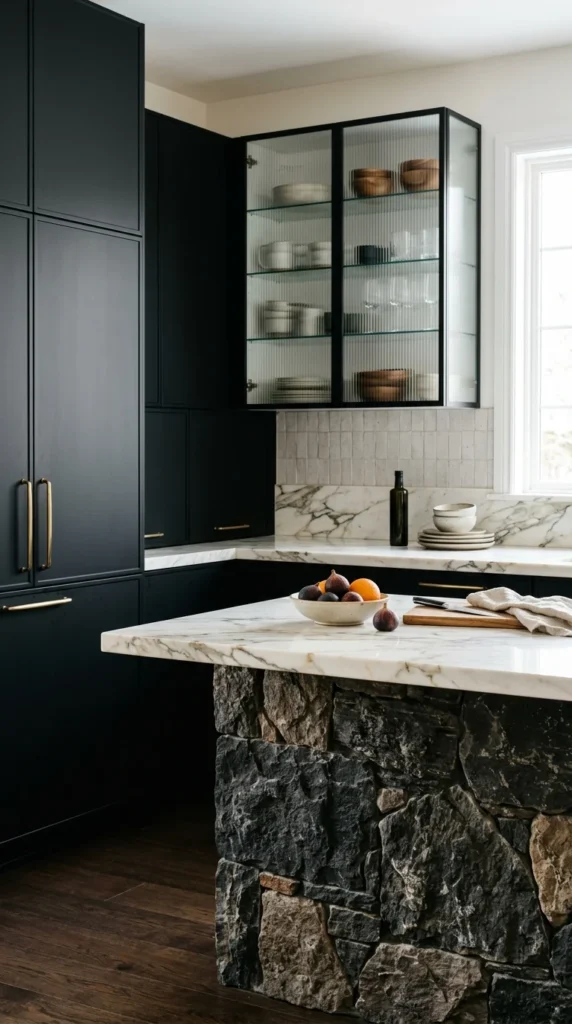
The most interesting luxury kitchens utilize a variety of textures to create depth. Combining smooth polished stone with matte cabinetry, ribbed glass, and brushed metals prevents the design from feeling flat. This tactile variety engages the senses and creates a more sophisticated, layered environment.
17. Architectural Hoods
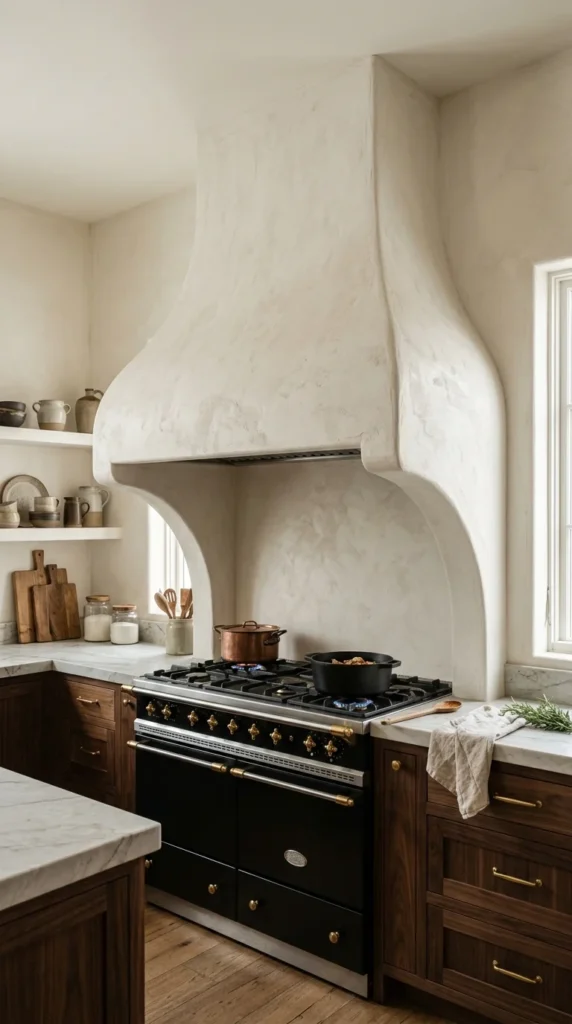
The range hood is no longer just a functional exhaust; it is a major design element. Custom hoods finished in plaster, stone, or metallic wraps can be shaped into dramatic architectural statements. Whether it’s a minimalist box or a curved plaster sculpture, the hood helps define the kitchen’s character.
18. Hidden Sockets
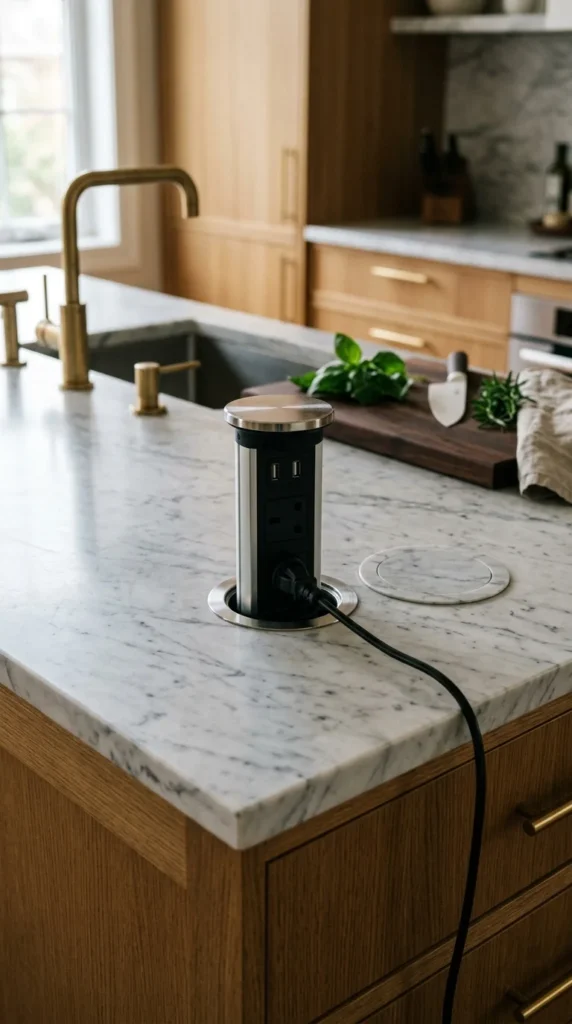
Nothing ruins a clean backsplash or a beautiful island like a row of plastic power outlets. Luxury designs incorporate “pop-up” sockets that hide inside the countertop or “flip-down” outlets hidden beneath the upper cabinets. This keeps the lines of the kitchen clean while ensuring power is available exactly where it’s needed.
19. Indoor Greenery
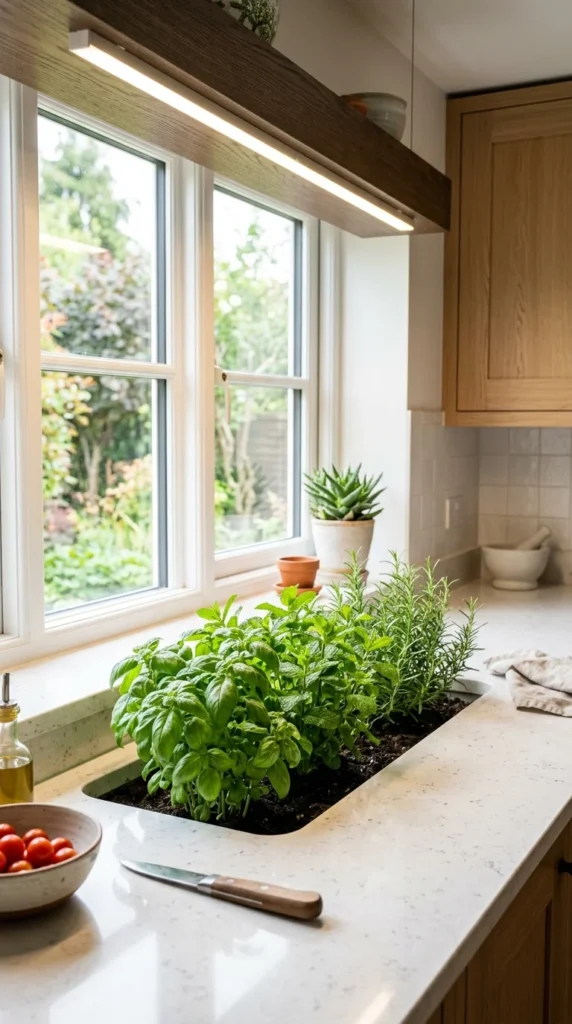
Bringing life into the kitchen is a hallmark of modern design. This can be achieved through a built-in herb garden in the island, a living “green wall,” or simply large-scale potted trees in the corners. Greenery adds a pop of natural color and a sense of freshness that complements high-end materials.
20. Minimalist Hardware
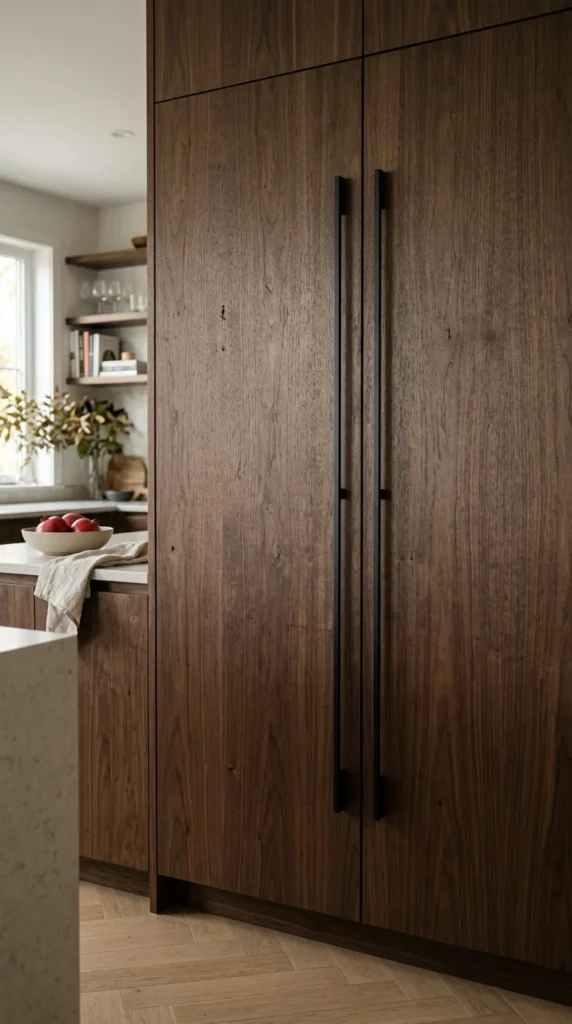
If handles are used, they should be as sleek as possible. Long, slender “edge pulls” or minimalist bars in matte finishes offer a modern look that doesn’t distract from the cabinetry. These small details are what separate a standard kitchen from a truly designer-worthy space.
21. Bold Color Pops
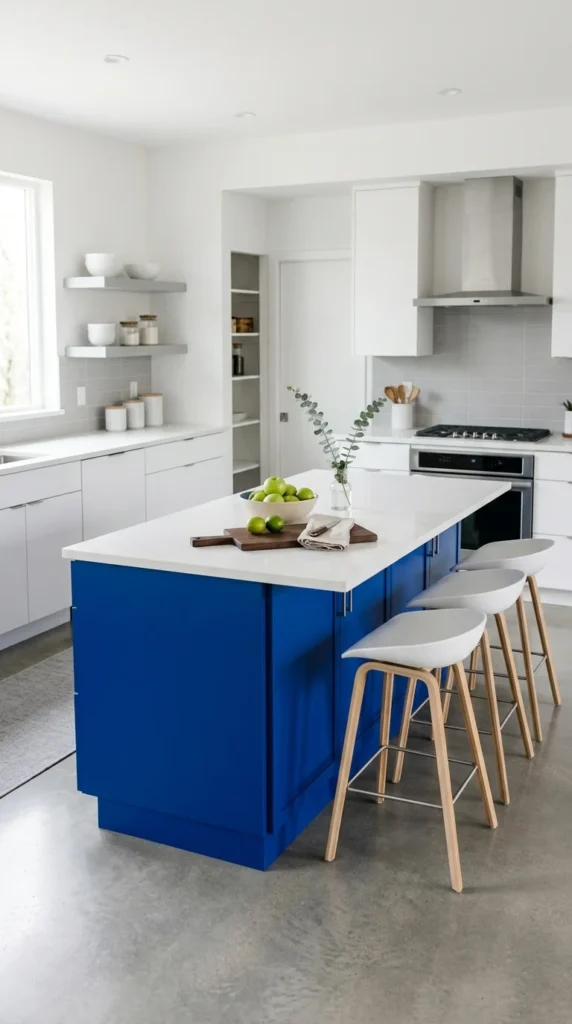
While neutrals dominate the luxury market, a strategic pop of color can elevate a kitchen to new heights. A single element—such as the island base, the interior of a glass cabinet, or a professional range—in a bold hue like terracotta, deep teal, or burgundy adds personality and a “wow” factor to the home.