
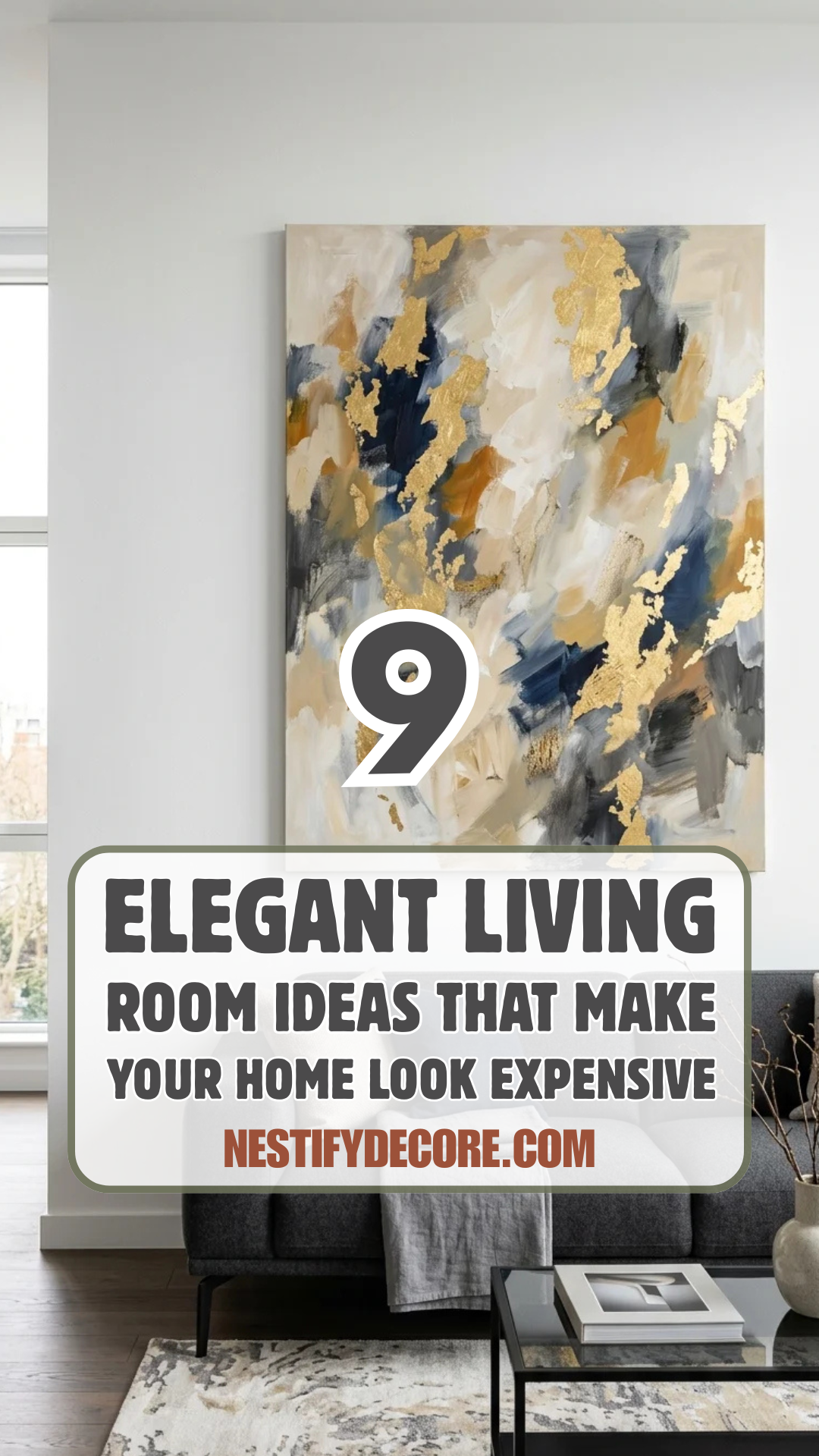
Achieving a high-end, expensive look in your living room doesn’t necessarily require a massive renovation budget or designer price tags. More often than not, the difference between a standard room and a luxurious one lies in the details—the scale of the furniture, the layers of lighting, and the intentionality of the decor. By focusing on classic design principles and strategic upgrades, you can transform your living space into an elegant sanctuary that exudes opulence. Here are nine expert-approved ideas to elevate your home.
1. Monochromatic Palettes
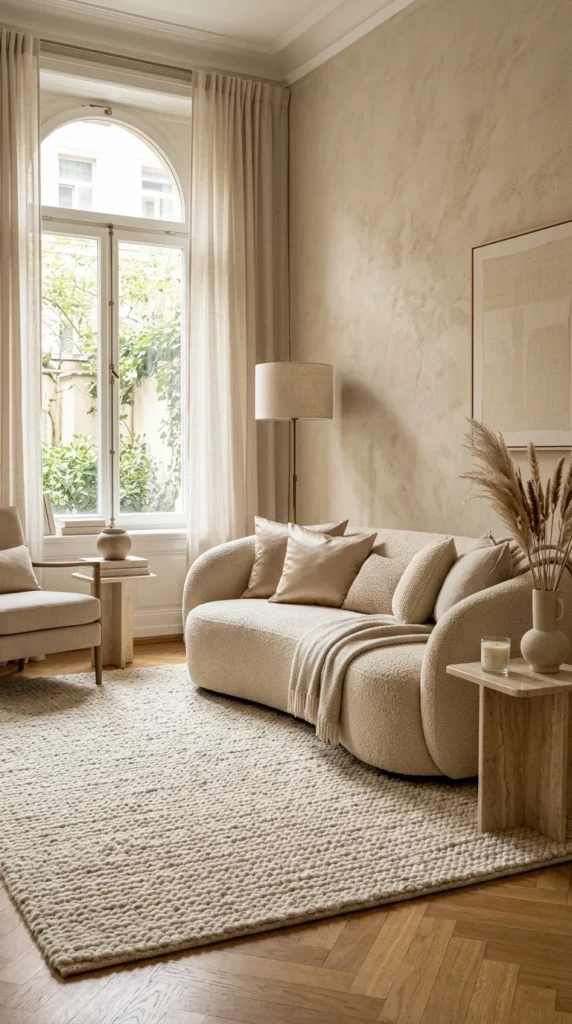
One of the fastest ways to make a room look expensive is to lean into a monochromatic color scheme. When you stick to a single color family—such as warm whites, soft greys, or moody navy—the space feels immediately more cohesive and intentional. This design strategy, often seen in high-end hotels and luxury penthouses, removes visual “noise” and allows the architectural features of the room to shine.
To prevent a monochromatic room from feeling flat, you must master the art of layering textures. Pair a matte-finished wall with a glossy marble coffee table, a chunky wool rug, and silk or velvet throw pillows. The subtle shift in how light hits these different surfaces creates depth and richness that feels incredibly premium.
2. Oversized Art
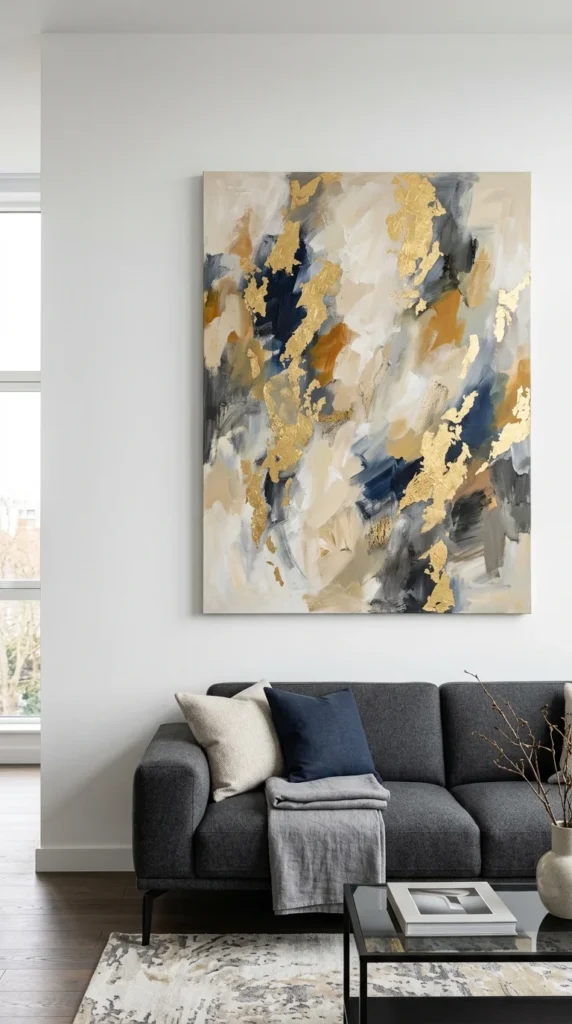
Small, cluttered gallery walls can often make a room feel busy and cramped. In contrast, a single piece of oversized artwork creates a dramatic focal point that screams luxury. Large-scale art provides a sense of “gallery-style” curation, suggesting that the piece was specifically chosen for the space.
Whether it’s a bold abstract canvas, a large-scale landscape, or a dramatic black-and-white photograph, the key is the scale. Aim for a piece that takes up about two-thirds to three-quarters of the wall space above your sofa. If you are on a budget, you can frame a large textile or use a high-quality DIY canvas to achieve this high-impact look without the gallery price tag.
3. Layered Lighting
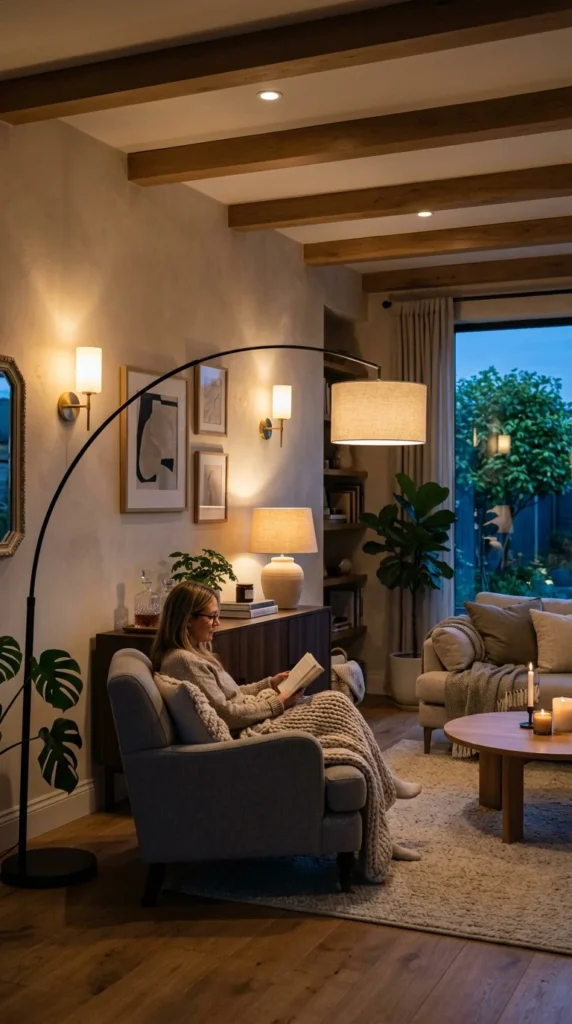
Standard overhead lighting (often referred to by designers as “the big light”) can be harsh and unflattering, instantly cheapening the look of your furniture. Expensive-looking homes almost always utilize “layered lighting.” This involves combining three types of illumination: ambient, task, and accent lighting.
To achieve this, move away from the single ceiling fixture. Incorporate a sculptural floor lamp in a corner, add a pair of elegant table lamps on a sideboard, and use battery-operated picture lights above your artwork. Using warm-toned bulbs (2700K to 3000K) creates an inviting, golden-hour glow that makes every material in the room look more refined.
4. Statement Rugs

The size of your rug can make or break the perceived value of your living room. A common mistake is buying a rug that is too small, which makes the room look disjointed and “floating.” In a truly elegant living room, the rug acts as an anchor that unites all the furniture pieces.
For an expensive look, ensure that at least the front legs of all seating furniture (sofas and chairs) are resting on the rug. Ideally, a large-scale rug should leave only about 12 to 18 inches of bare floor around the perimeter of the room. Natural fibers like wool, silk, or high-quality jute add a tactile element that synthetic rugs simply cannot replicate.
5. Velvet Textures
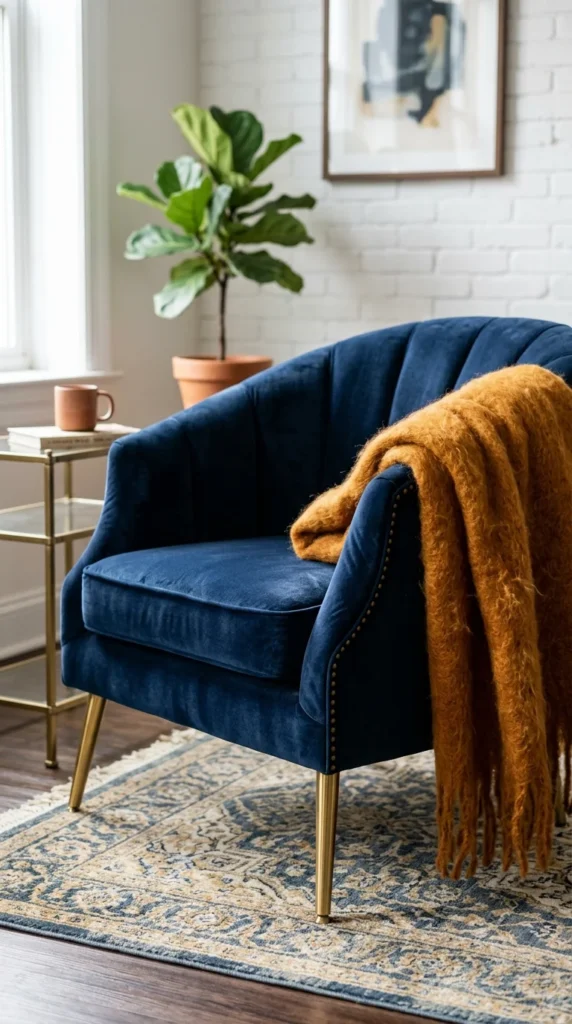
Velvet has long been associated with royalty and high-end fashion, and it carries that same prestige into interior design. Integrating velvet into your living room adds an instant sense of weight and luxury. Because velvet reflects light differently depending on the angle, it creates a dynamic, shimmering effect that feels much more expensive than flat cotton or polyester blends.
If you aren’t ready to commit to a velvet sofa, start small. A pair of velvet armchairs or even high-quality velvet cushion covers in jewel tones—like emerald, sapphire, or amethyst—can elevate the entire room’s aesthetic.
6. Metallic Accents
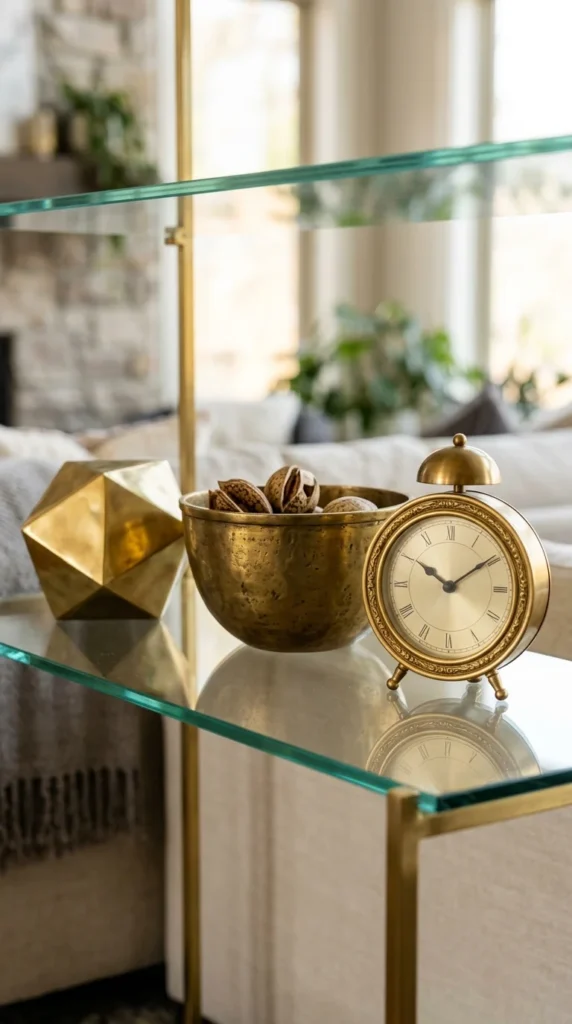
A touch of shine is essential for a polished, expensive-looking home. Metals like brass, gold, and polished chrome act as “jewelry” for a room. They catch the light and provide a contrast to the softer fabrics used in sofas and curtains.
The key to keeping metallic accents elegant rather than gaudy is moderation and consistency. Instead of mixing five different types of metal, stick to two that complement each other, such as brass and black iron, or chrome and nickel. Look for metallic elements in coffee table legs, picture frames, tray handles, or even the hardware on your media console.
7. Custom Moldings
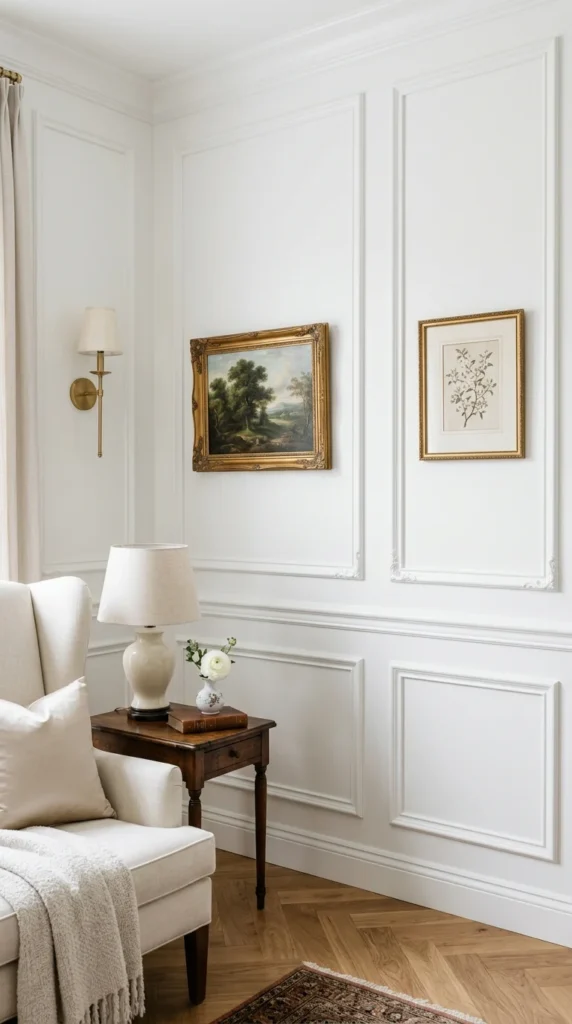
Architectural details are a hallmark of luxury real estate. If your home is a “white box” with flat walls, adding custom moldings like wainscoting, crown molding, or picture frame molding can completely change the character of the space. These details create shadows and lines that give the room a sense of history and craftsmanship.
Fortunately, this is a relatively accessible upgrade. You can find lightweight polyurethane molding kits that are easy to install and can be painted to match your walls. For a contemporary take on this classic look, paint the walls and the molding the same color to create a seamless, sophisticated texture.
8. Window Treatments
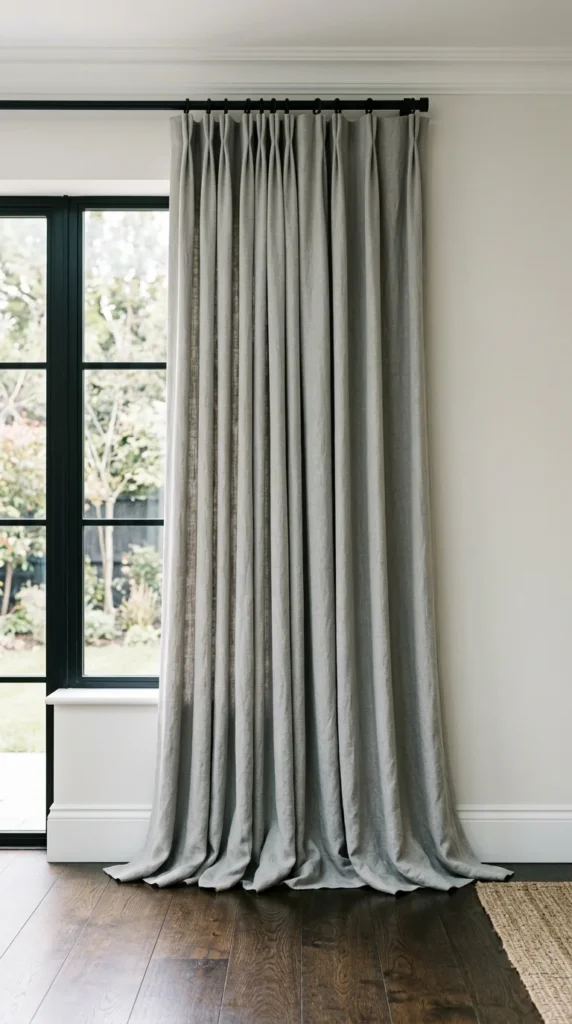
High-end interior designers use a specific trick for curtains: “high and wide.” To make your ceilings look taller and your windows look larger, mount your curtain rod as close to the ceiling as possible, rather than right above the window frame. Extend the rod several inches beyond the sides of the window so that when the curtains are open, they don’t block the glass.
For the most expensive look, choose “floor-to-ceiling” drapes made from heavy fabrics like linen or velvet. Ensure they are long enough to “kiss” the floor or even “puddle” slightly (about 1-2 inches of extra fabric). Avoid flimsy, sheer fabrics unless they are paired with a heavier outer drape, as thin materials can often look unfinished.
9. Decluttered Surfaces
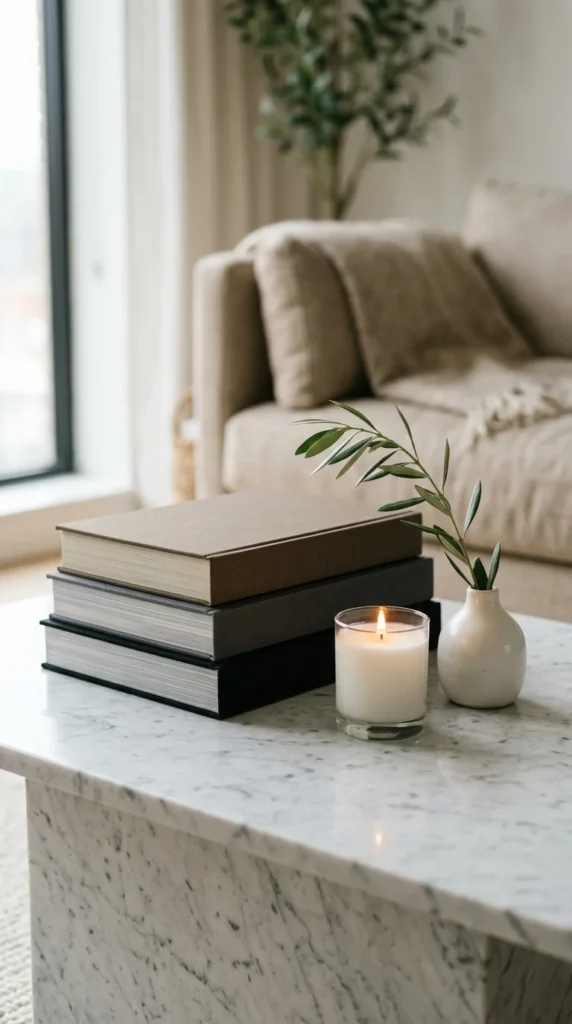
The most expensive rooms are rarely cluttered. Luxury is often defined by “breathing room”—the space between objects that allows each piece to be appreciated. To achieve this, adopt a “less is more” approach to your styling.
Instead of filling every shelf with small knick-knacks, choose a few high-quality “hero” objects. A large, beautiful coffee table book, a hand-poured candle, and a single sculptural vase with fresh greenery can look far more sophisticated than a dozen small figurines. Keeping your surfaces clear not only makes the room look more expensive but also creates a calmer, more serene environment for you to enjoy.