
The pantry is the heart of the kitchen’s efficiency. Often, it becomes a catch-all for half-empty pasta boxes, hidden spice jars, and expired canned goods. However, a well-organized pantry does more than just look beautiful for social media; it reduces food waste, saves money by preventing duplicate purchases, and streamlines the cooking process. Transforming a chaotic cupboard into a streamlined masterpiece requires a blend of smart storage solutions and a commitment to categorization. Here are eight transformative ideas to elevate your pantry from a cluttered mess to a designer-level sanctuary.
1. Glass Jars
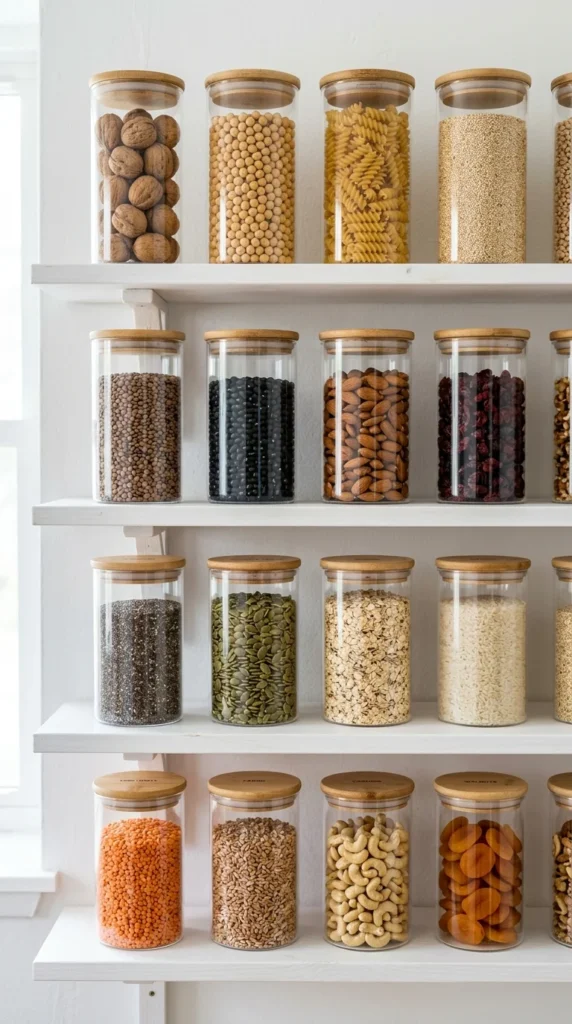
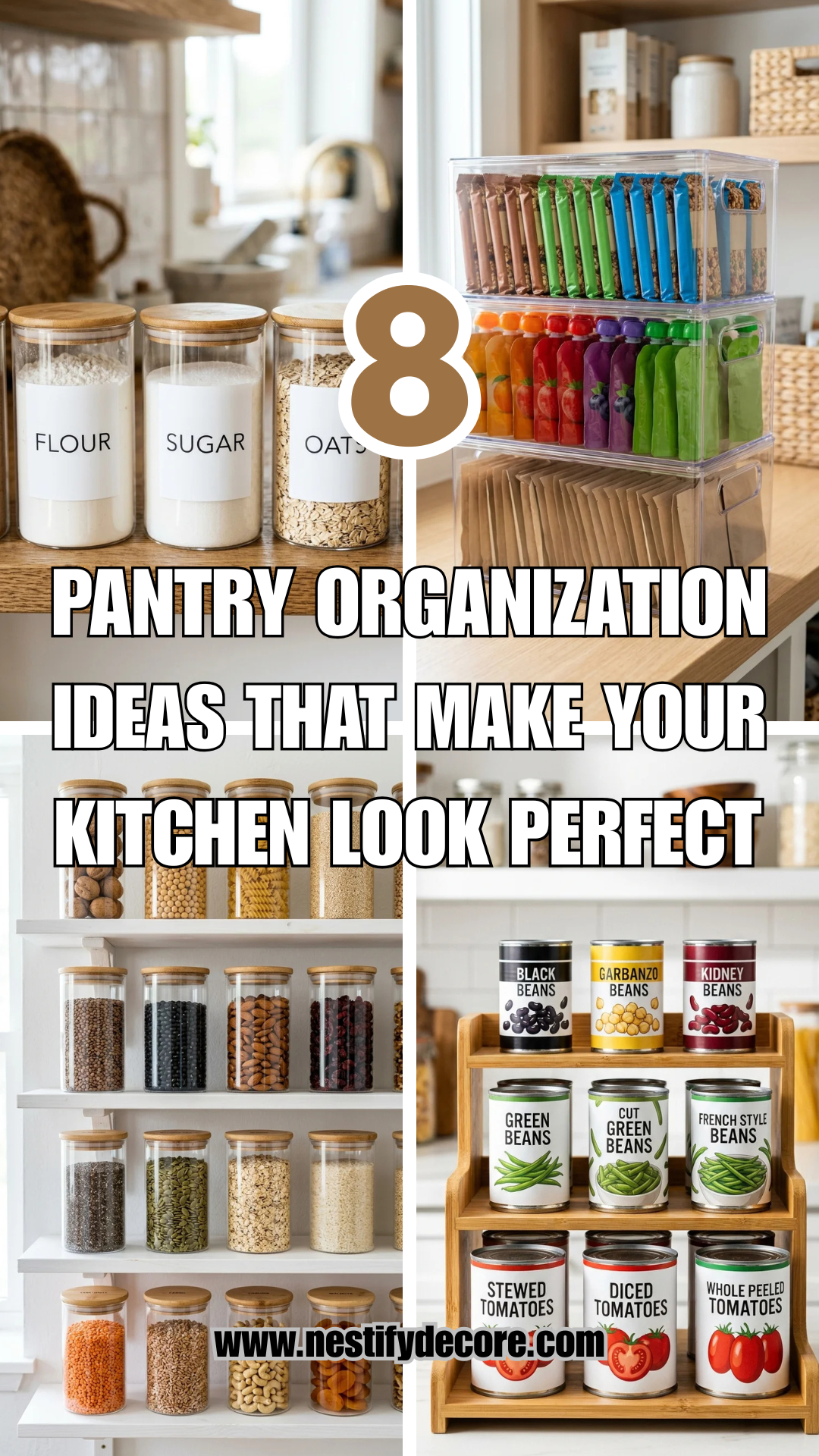
Decanting dry goods into uniform glass jars is perhaps the most significant step toward a “perfect” look. Original packaging is often bulky, brightly colored, and inconsistently sized, which creates visual noise. By transferring items like flour, sugar, pasta, and grains into clear glass containers, you create a cohesive aesthetic that feels intentional and calm.
Beyond the aesthetics, glass jars offer functional benefits. They provide an airtight seal that keeps food fresher for longer than cardboard boxes or plastic bags ever could. Furthermore, because they are transparent, you can see exactly how much of a staple you have left at a glance, making grocery list creation effortless. Opt for a variety of heights but keep the brand or style consistent to maintain a streamlined silhouette across your shelving.
2. Tiered Risers
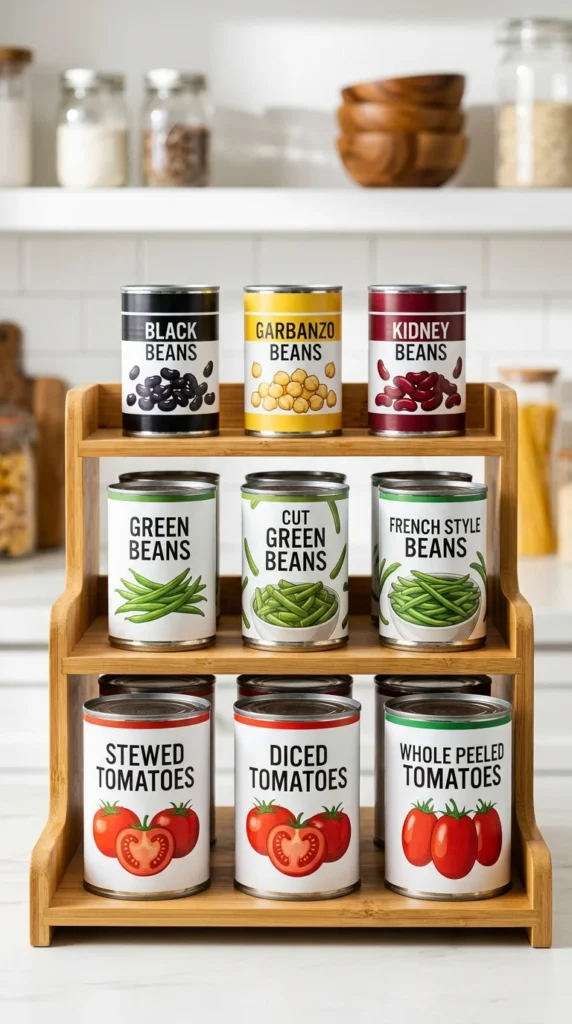
The “lost in the back” phenomenon is a common pantry struggle. Canned goods and small jars often get pushed behind larger items, leading to expired food and forgotten ingredients. Tiered risers, often referred to as “stadium seating” for your pantry, solve this by elevating the items in the back so they are visible over the items in the front.
This simple vertical solution maximizes shelf depth without sacrificing accessibility. Whether you choose expandable plastic risers or elegant bamboo versions, they allow you to scan your inventory in seconds. This is particularly effective for canned soups, beans, and small condiment jars. When every label is facing forward and every item is visible, you are far more likely to use what you have.
3. Lazy Susans
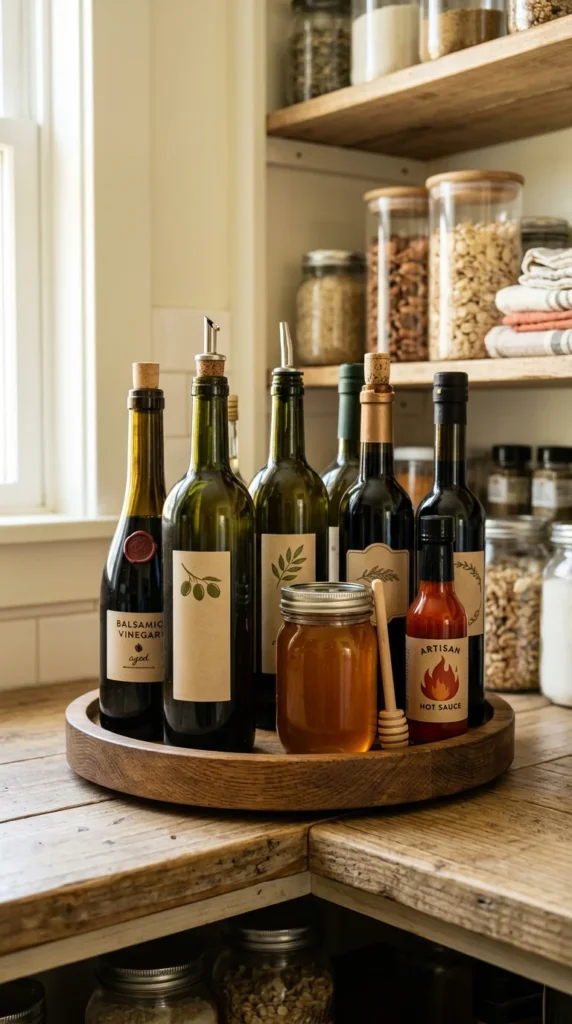
Corners are notoriously difficult to organize, often becoming “dead zones” where jars go to die. Lazy Susans (turntables) are the ultimate solution for these awkward spaces. With a simple flick of the wrist, the items at the very back are brought to the front, eliminating the need to dig through rows of bottles.
Turntables are exceptionally useful for “leaky” items like oils, vinegars, and syrups. If a spill occurs, it’s much easier to wipe down a plastic or wooden turntable than it is to scrub the actual pantry shelf. Many organizers also use them for baking sprinkles, vitamins, or peanut butter jars. For deeper shelves, consider a “D-shaped” Lazy Susan or a multi-tiered version to capitalize on vertical space.
4. Woven Baskets
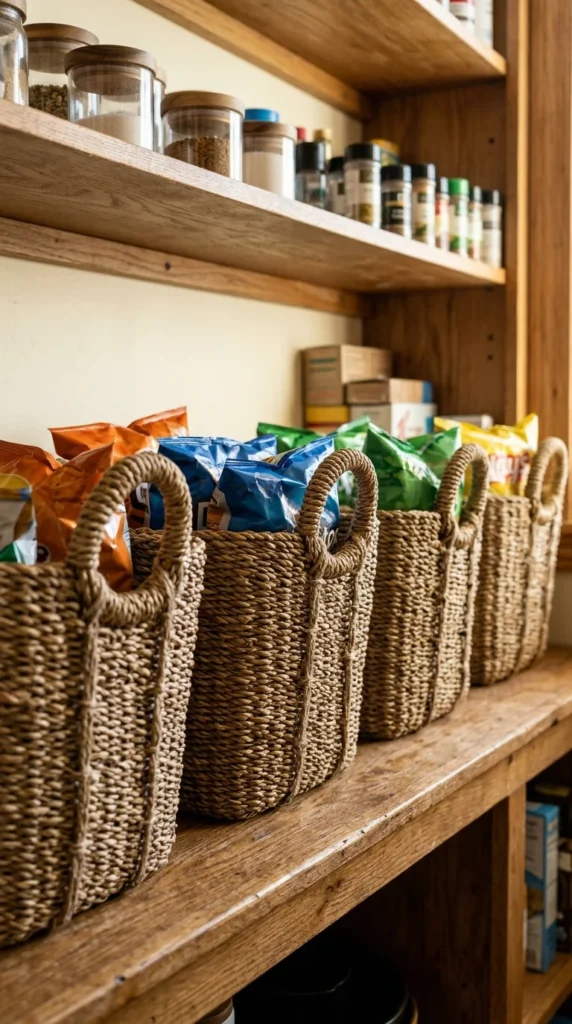
Not everything in a pantry is “decantable.” Some items, like bagged snacks, root vegetables, or extra rolls of paper towels, are inherently messy. This is where woven baskets become essential. They act as “drawers” for your shelves, allowing you to hide the visual clutter of mismatched packaging while keeping everything grouped by category.
Seagrass, water hyacinth, or wicker baskets add a layer of texture and warmth to the kitchen, softening the hard lines of shelves and jars. Use them for “backstock”—the extra items you bought in bulk that don’t fit into your primary containers yet. They are also perfect for kids’ snacks; simply pull the basket out, let the children choose their snack, and slide it back in to hide the remaining crinkly bags.
5. Clear Bins
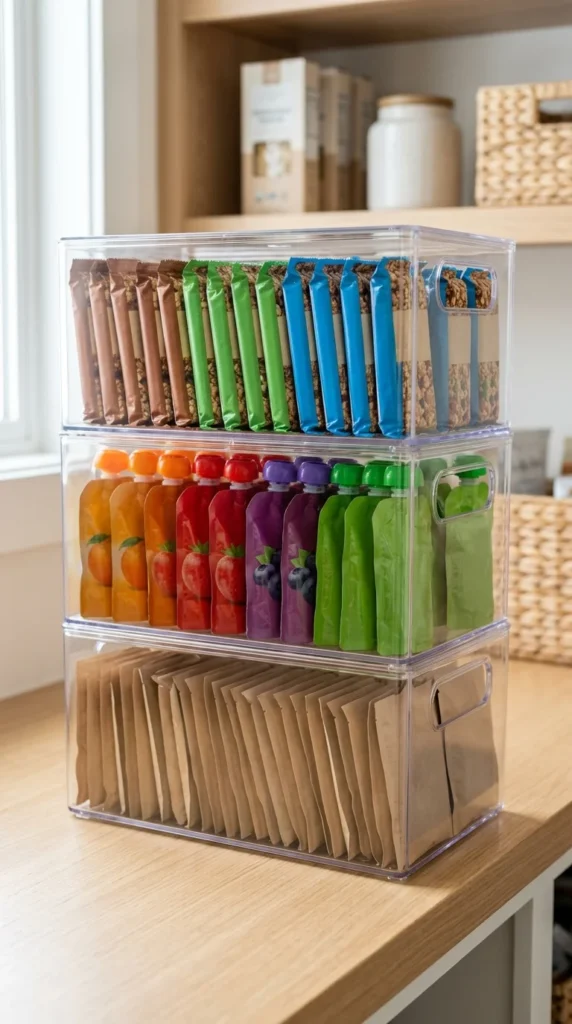
If you prefer a more modern, “clean” look, clear acrylic bins are the gold standard. Unlike baskets, which hide their contents, clear bins celebrate visibility while maintaining strict boundaries. They are ideal for “pantry zones,” such as a baking zone, a breakfast zone, or a school lunch zone.
Acrylic bins are particularly effective in the refrigerator and pantry for items that need to be grouped but remain visible. Many versions come with built-in handles, making them easy to slide out like a drawer. They are also washable, which is a major plus for items that might leave crumbs or sticky residue. By grouping like-items together in these bins, you prevent the “drift” of items across the shelf, ensuring that every category has a dedicated home.
6. Door Racks
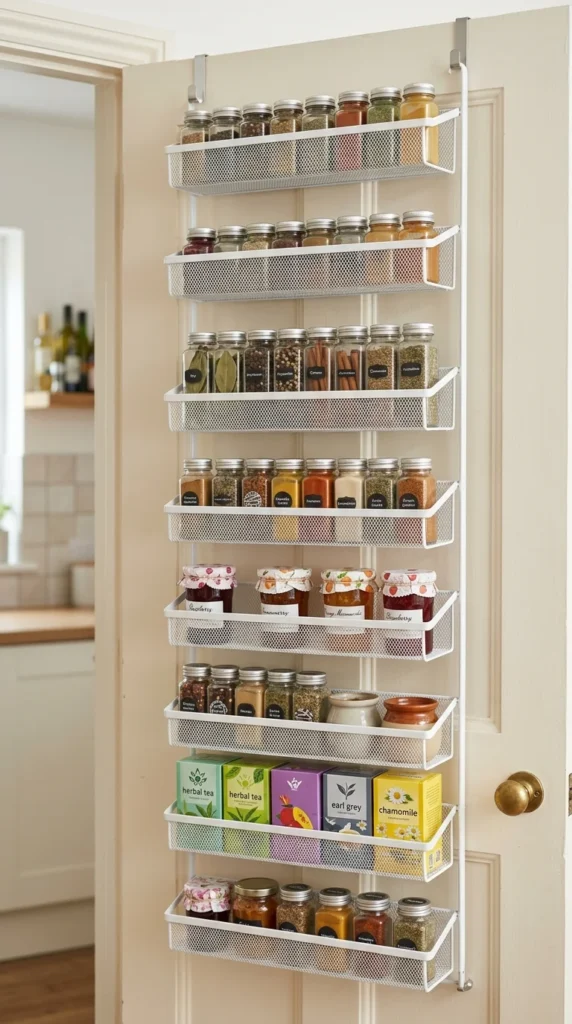
When shelf space is at a premium, look to the door. Over-the-door racks are an underutilized real estate goldmine. These systems can add significant storage capacity without taking up any additional footprint in the kitchen. They are best suited for smaller, lighter items that might otherwise get lost on deep shelves.
A well-installed door rack can hold your entire spice collection, boxes of tea, rolls of foil and plastic wrap, or even small jars of preserves. This keeps these frequently used items at eye level and within reach. For a more permanent and high-end look, consider a wall-mounted wood or metal track system that can be adjusted as your storage needs change over time.
7. Minimalist Labels
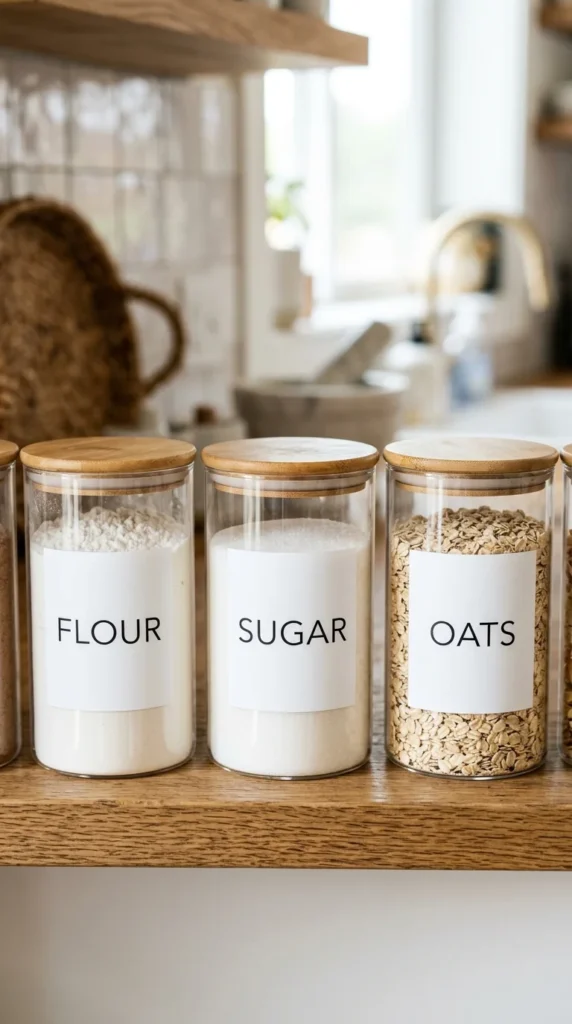
Labels are the “secret sauce” of pantry organization. They are the final touch that transforms a collection of jars into a professional-looking system. More importantly, they provide a roadmap for every member of the household, ensuring that things actually get put back where they belong.
The most popular trend in pantry design is the minimalist vinyl label. These are waterproof, durable, and offer a high-end look. You can choose chalkboard labels for a rustic feel or embossed tape labels for a vintage aesthetic. Whatever style you choose, consistency is key. Labeling not just the jars, but also the edges of shelves or the fronts of baskets, creates a sense of order that makes maintaining the pantry much easier in the long run.
8. Floor Baskets
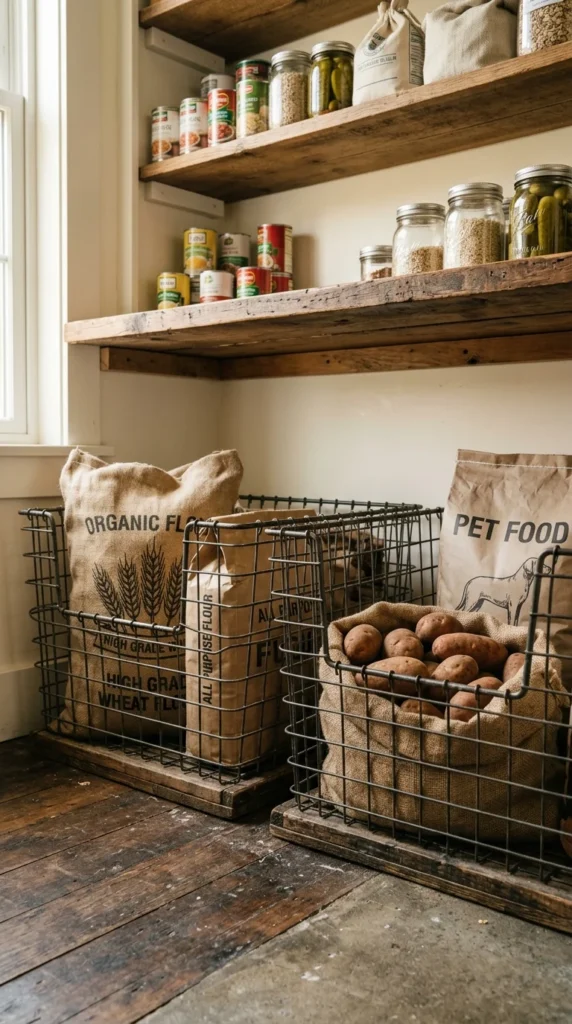
The floor of the pantry is often a wasted space or a landing zone for heavy, awkward items. To keep the floor looking tidy, utilize large, sturdy floor baskets or bins on wheels. These are perfect for bulk items like 20-pound bags of rice, large sacks of potatoes, or pet food containers.
Using baskets on the floor keeps these heavy items off the primary shelves, preventing bowing or damage to the cabinetry. If you choose bins with casters (wheels), you can easily roll them out to clean the floor underneath or to move heavy ingredients to the kitchen island during a big baking session. Sticking to wire or heavy-duty wood crates ensures they can handle the weight while still fitting into the overall design theme of the space.
Maintaining the Perfection
Achieving a perfect pantry is a project, but maintaining it is a habit. To keep your pantry looking as good as the day you organized it, implement the “One-In, One-Out” rule. Before adding a new item to the pantry, ensure there is a designated spot for it. Additionally, do a quick “sweep” once a month to check for expired goods and to wipe down any dust or crumbs. With these eight strategies in place, your kitchen will not only look like a designer showroom but will function with effortless precision.