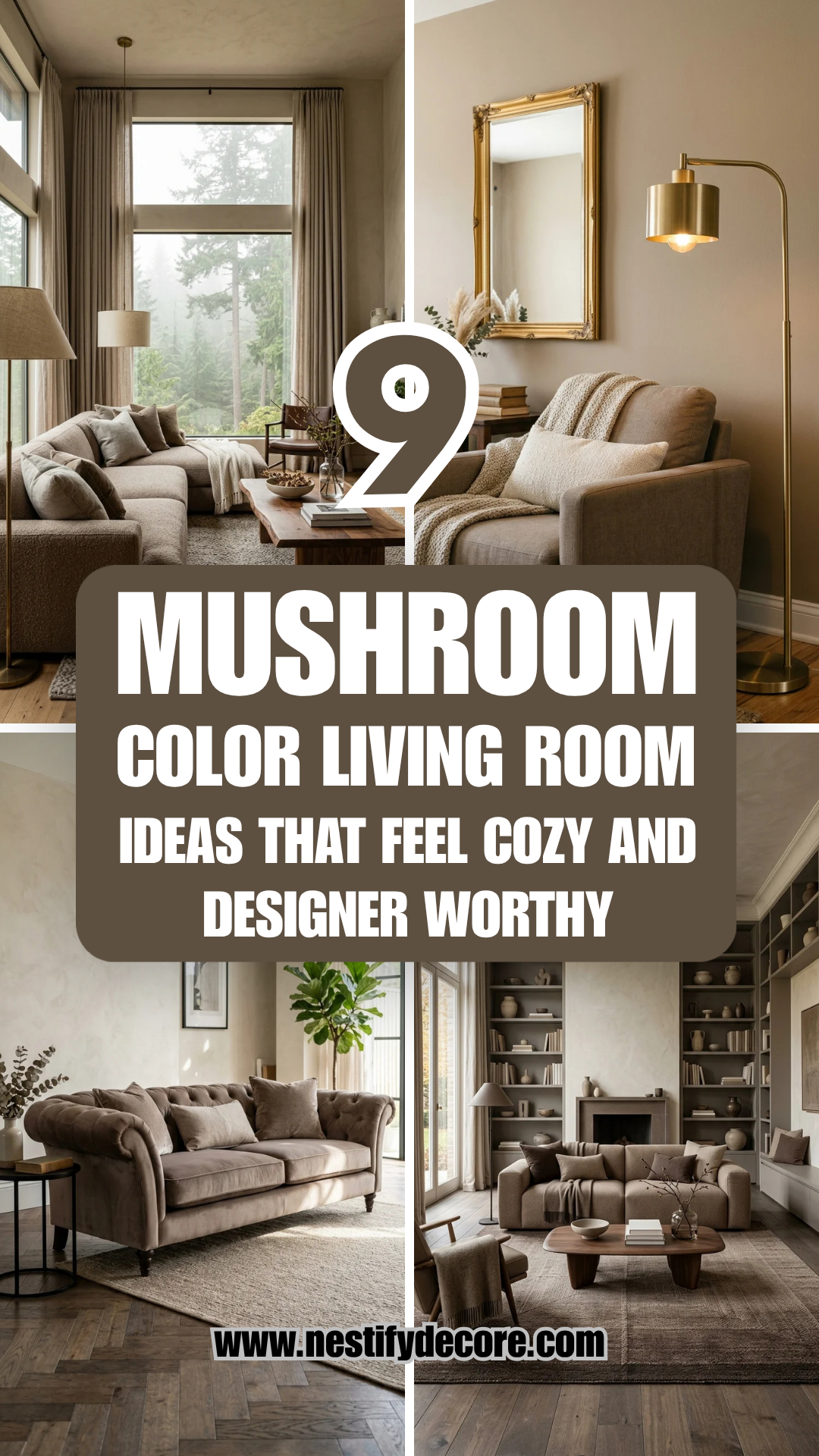
The design world has moved away from the stark, clinical whites and the cold, industrial grays of the last decade. In their place, a more nuanced, organic neutral has emerged: Mushroom. This sophisticated hue—a perfect hybrid of taupe, beige, and gray—offers a sense of grounded tranquility that few other colors can match. It evokes the quiet beauty of the forest floor and the understated elegance of “quiet luxury.”
Mushroom is a versatile chameleon. In morning light, it may lean toward a crisp, stony gray; by candlelight, it transforms into a warm, enveloping cocoa. If you are looking to elevate your living space into a sanctuary that feels both curated and incredibly comfortable, here are nine designer-worthy ways to embrace the mushroom color trend.
1. Layered Textures
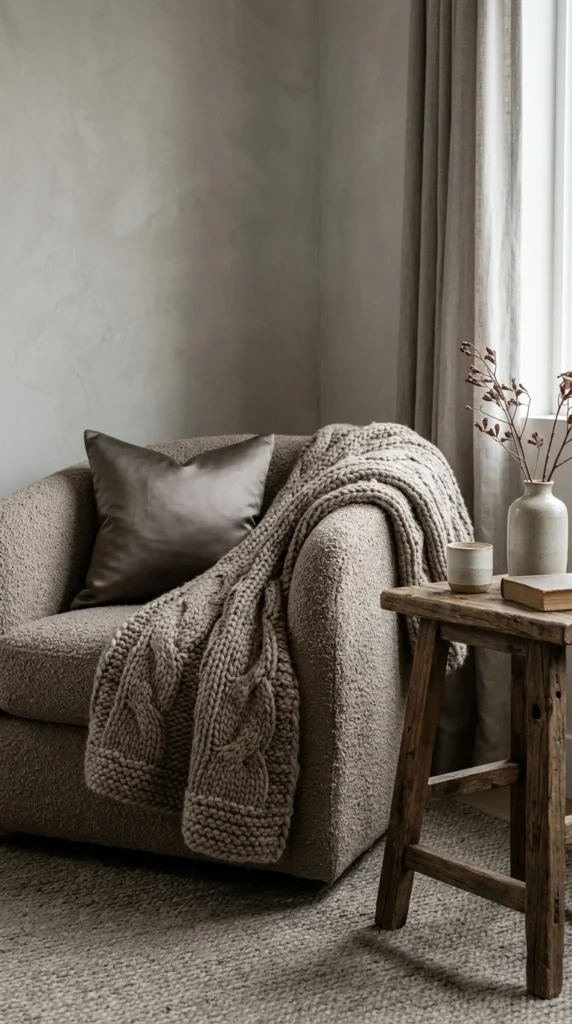
The key to preventing a neutral room from feeling flat is texture. Because mushroom is an understated color, it relies on tactile variation to create visual interest. When designing a mushroom-themed living room, think of “layering” as your primary tool. Combine a smooth, matte-painted mushroom wall with a chunky wool rug and a nubby bouclé sofa.
Designers often use the rule of three: try to incorporate at least three distinct textures in every seating area. A velvet pillow against a linen sofa, placed next to a stone coffee table, creates a sensory experience that feels expensive and intentionally styled. These layers catch the light differently, revealing the hidden undertones of the mushroom palette throughout the day.
2. Monochromatic Depth
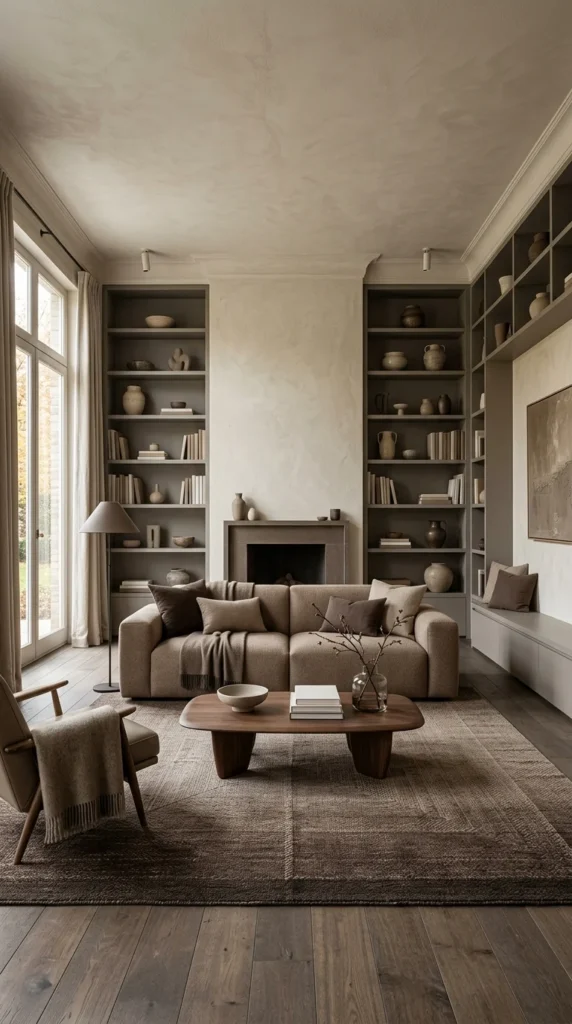
A monochromatic mushroom room is the epitome of modern sophistication. Rather than matching every item to the exact same paint swatch, the goal is to use a spectrum of tones within the same color family. Start with a medium-toned mushroom on the walls and ground the space with a darker, earthier rug.
To make this work, pay attention to the “temperature” of the colors. Mushroom can lean cool (more violet-gray) or warm (more yellow-brown). For a cohesive monochromatic look, stick to one side of the temperature scale. When you layer these varying shades, the room gains an architectural quality that feels like a high-end boutique hotel suite.
3. Velvet Sophistication
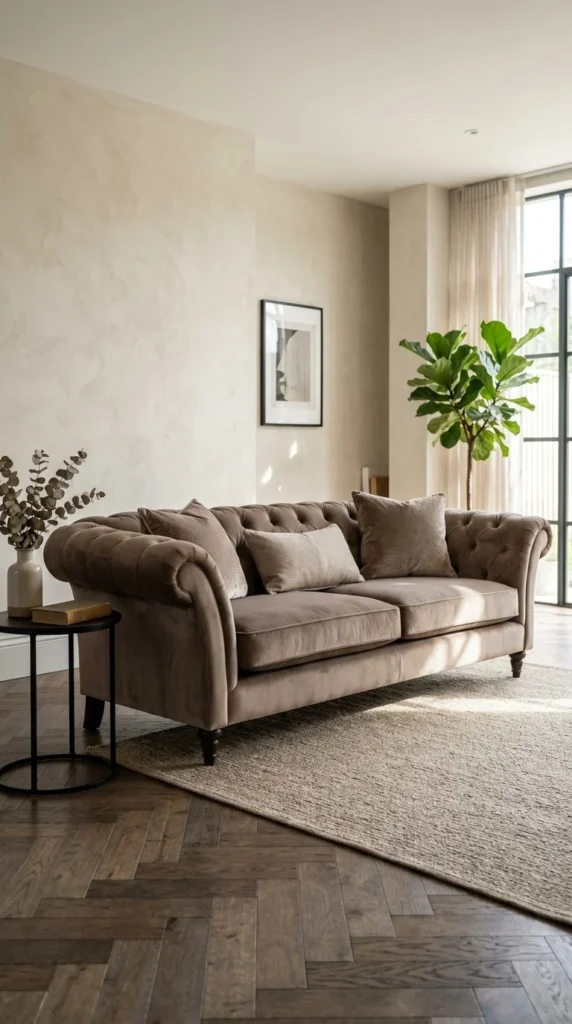
Mushroom takes on an entirely new personality when applied to velvet. While cotton or linen versions of this color feel casual and organic, velvet mushroom feels decadent. The natural sheen of velvet allows the color to shift as you move around the room, showcasing the complex blend of gray and brown.
A mushroom velvet sofa acts as a soft focal point. It’s less aggressive than a black or navy sofa but far more interesting than a standard beige one. Pair a velvet sofa with sleek, modern lines to keep the look contemporary, or choose a tufted Chesterfield style for a more traditional, “old-money” aesthetic.
4. Wood Elements
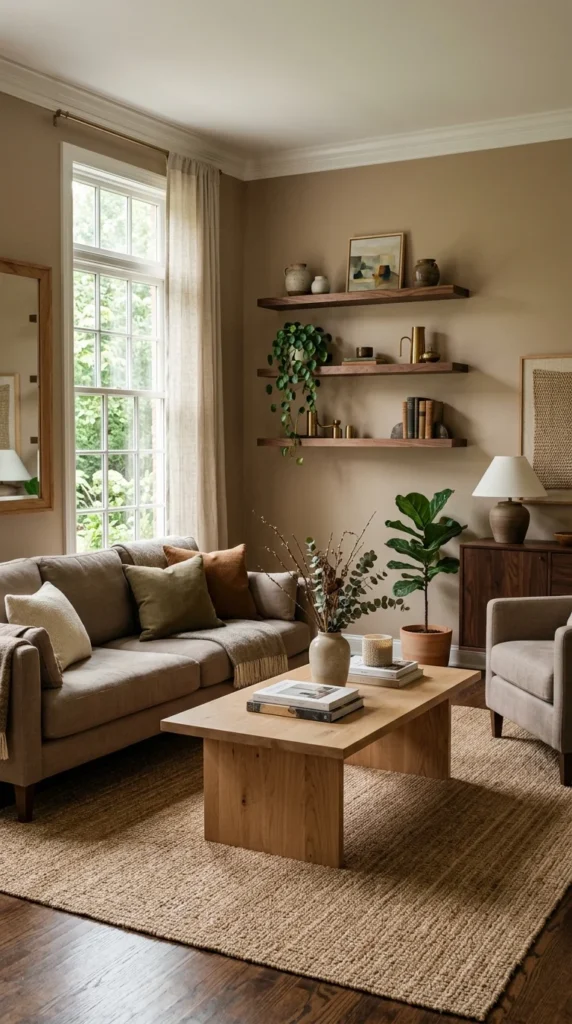
Mushroom is an “earth” tone, which means it has a natural affinity for wood. To create a designer-worthy space, use wood to provide contrast and warmth. Light woods like white oak, ash, or birch bring out the airy, “greige” side of mushroom, making the room feel Scandinavian and bright.
Conversely, dark woods like walnut or charred oak bring out the moodier, “taupe” side of the color. Using wood transitions the mushroom palette from a simple paint color to a full-room ecosystem. Consider a mushroom-colored limewash on the walls paired with a reclaimed wood mantel to achieve a rustic-modern balance that feels timeless.
5. Brass Accents
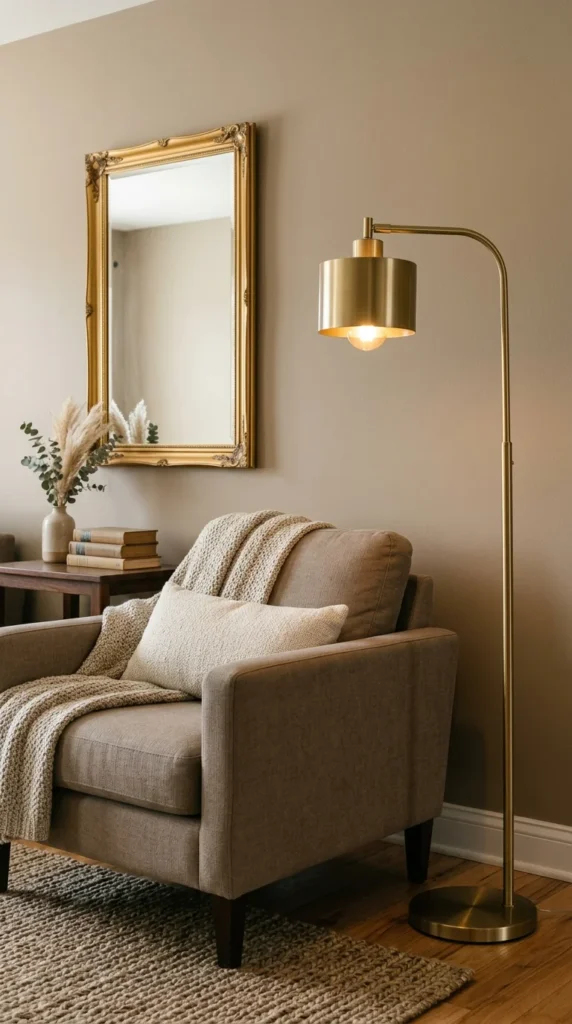
If you want your mushroom living room to feel “designer,” look to your metals. While silver or chrome can make mushroom look a bit cold or muddy, brass and gold elevate it instantly. The yellow undertones in brass provide a beautiful counterpoint to the muted nature of mushroom.
Introduce brass through floor lamps, picture frames, or furniture legs. Even small details, like brass cabinet pulls on a built-in media center or a gold-rimmed tray on the coffee table, can act as “jewelry” for the room. The metallic glimmer adds a touch of necessary “polish” to the otherwise matte and earthy palette.
6. Dark Contrast
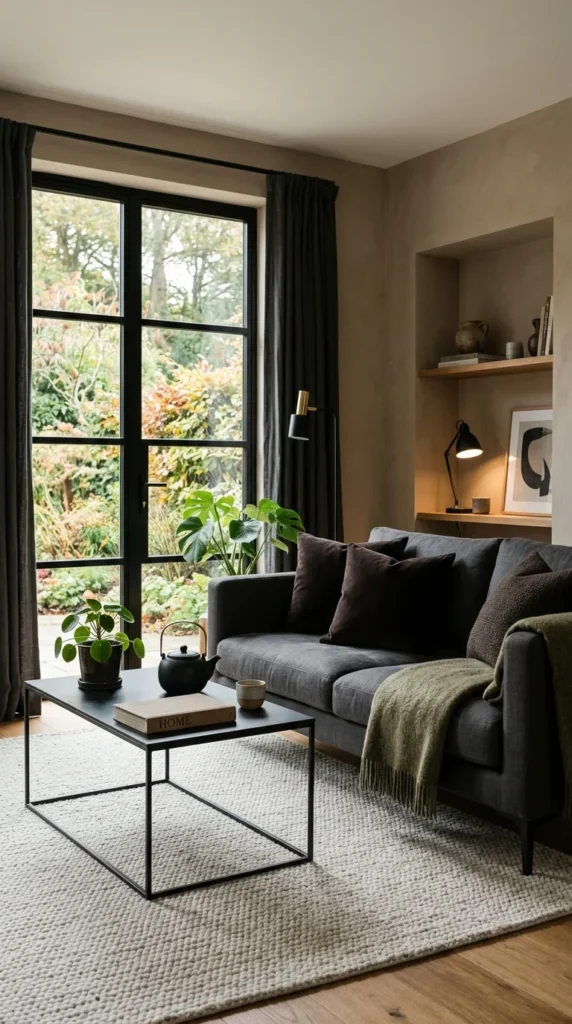
While mushroom is often used to create light and airy spaces, it also serves as a fantastic middle ground for high-contrast rooms. Adding “hits” of black or charcoal prevents the room from feeling too “mushy” or indistinct.
Think of black as the eyeliner of the room—it defines the shapes and creates boundaries. A black iron curtain rod, a dark charcoal accent chair, or even a gallery wall with black frames will ground the soft mushroom tones. This contrast adds a modern edge and ensures that the cozy elements don’t feel overly sentimental or dated.
7. Organic Shapes
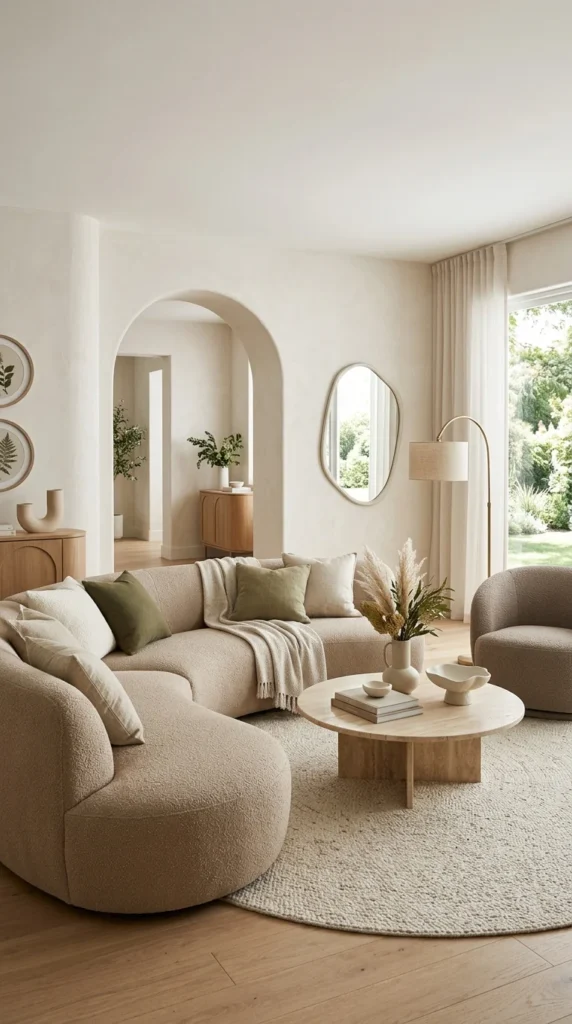
Since mushroom is a color inspired by nature, it works best when paired with organic, soft shapes. The “curvy furniture” trend fits perfectly with this palette. Instead of sharp-edged, rectangular coffee tables and boxy sofas, opt for pieces with rounded corners, arched silhouettes, and fluid lines.
An arched wall niche painted in a slightly darker shade of mushroom can create a stunning display area for ceramics. A round bouclé ottoman or a kidney-shaped sofa encourages a sense of flow and relaxation. These shapes mimic the soft forms found in nature, reinforcing the “forest floor” inspiration behind the color.
8. Botanical Prints
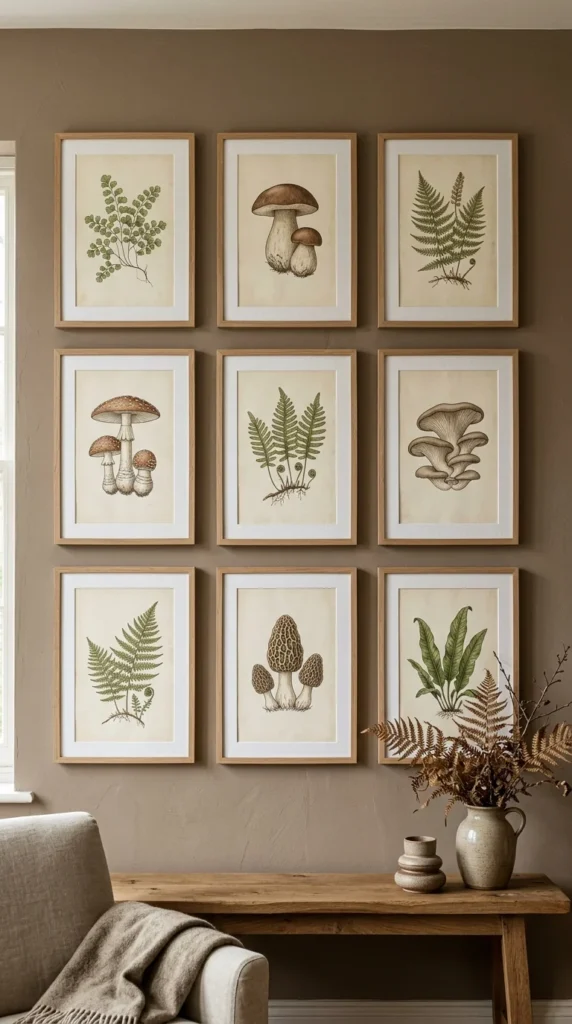
Lean into the “fungi” inspiration by incorporating botanical elements. This doesn’t mean you need literal mushroom patterns everywhere, but rather a nod to the natural world. Muted sage greens, mossy olives, and terracotta browns are the natural neighbors of mushroom.
You can introduce these through vintage-style botanical prints, landscape paintings, or even a subtle floral wallpaper in a mushroom colorway. This adds a layer of storytelling to the room, making it feel like a curated collection of natural history rather than just a decorated space.
9. Indoor Greenery
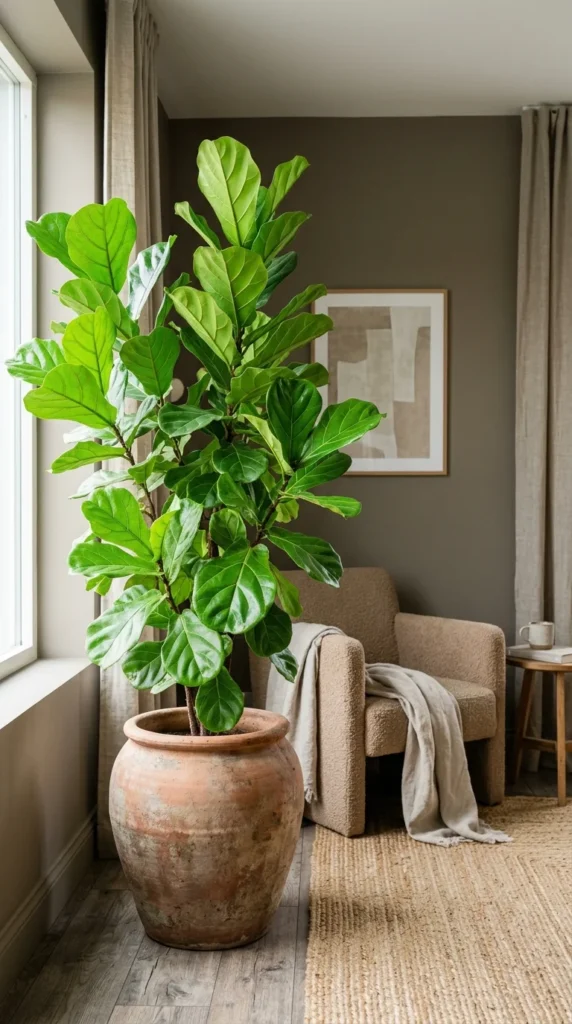
There is no better way to bring a mushroom-colored room to life than with living plants. The muted, desaturated nature of mushroom acts as the perfect backdrop for vibrant chlorophyll. The green of the leaves looks more intense and “alive” against a taupe wall than it does against a white one.
Large-scale plants like a Monstera or a Fiddle Leaf Fig can fill empty corners and provide architectural height. For a more “cottagecore” or cozy vibe, try trailing plants like Pothos or Ivy draped over mushroom-colored shelving. The combination of the “dead” neutral of the soil/mushroom tones and the “living” green of the plants creates a balanced, harmonious environment that is scientifically proven to reduce stress.