
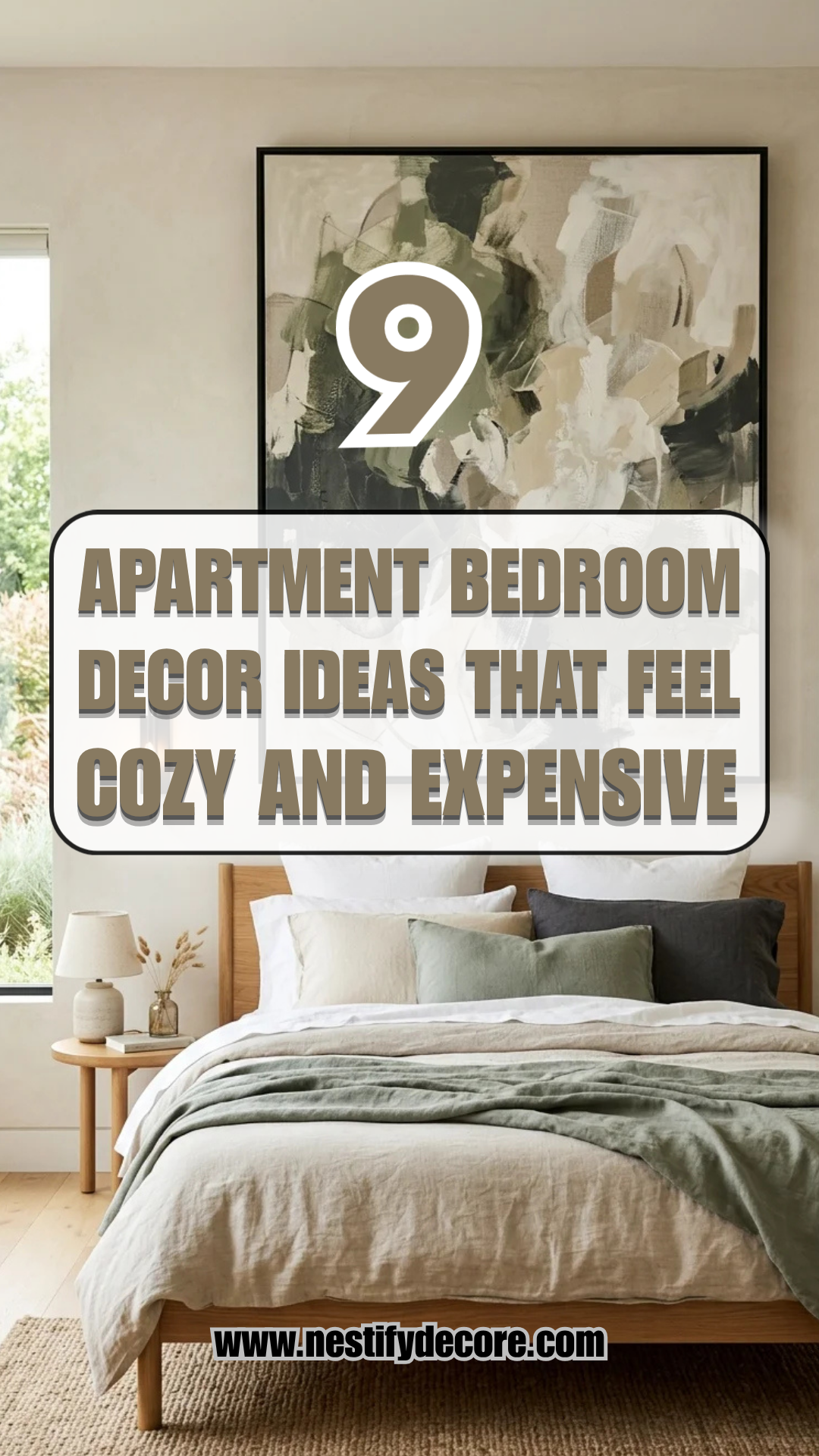
Transforming an apartment bedroom into a sanctuary that feels both high-end and incredibly inviting is an art form. It’s not just about spending money; it’s about strategic choices in texture, light, and scale. In a smaller space, every detail counts. To achieve that “quiet luxury” aesthetic—where the room feels curated, intentional, and expensive—you need to focus on elements that provide visual depth and tactile comfort.
Here are nine design strategies to elevate your apartment bedroom into a five-star retreat.
1. Layered Bedding
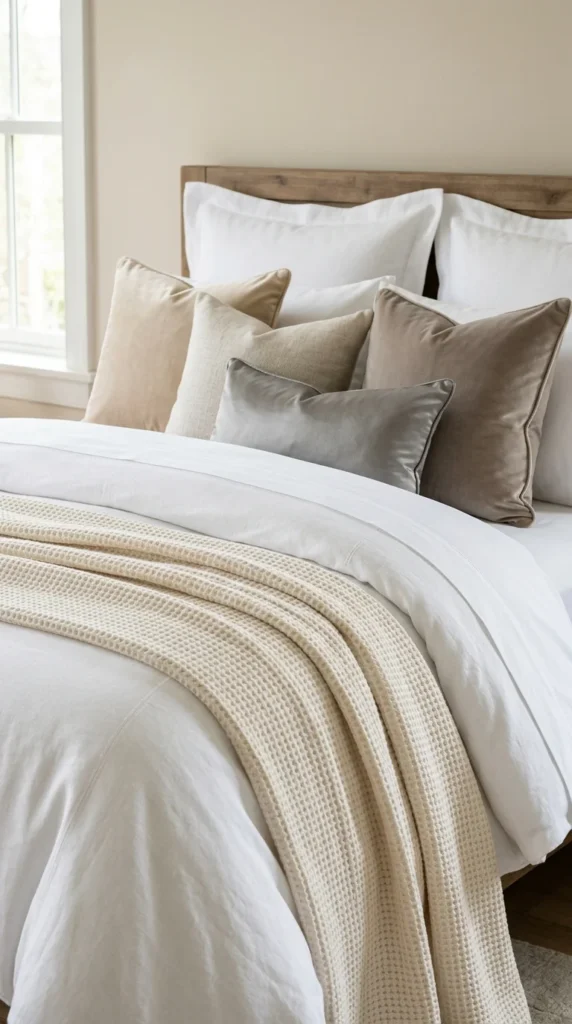
The bed is the focal point of the room, and nothing says “expensive” like a bed that looks like a cloud. To achieve this look, ditch the thin, flat comforter. Start with high-quality cotton or linen sheets, then add a heavy, oversized duvet. The trick to the “hotel look” is using a duvet insert that is one size larger than your duvet cover for a stuffed, plump appearance.
Layering is key for the cozy factor. Add a weighted throw blanket at the foot of the bed in a contrasting texture, such as chunky wool or faux fur. Finally, stack your pillows. Use two large European shams against the headboard, followed by your standard sleeping pillows, and finish with one or two smaller decorative lumbar pillows. This creates a vertical height that feels regal and curated.
2. Statement Lighting
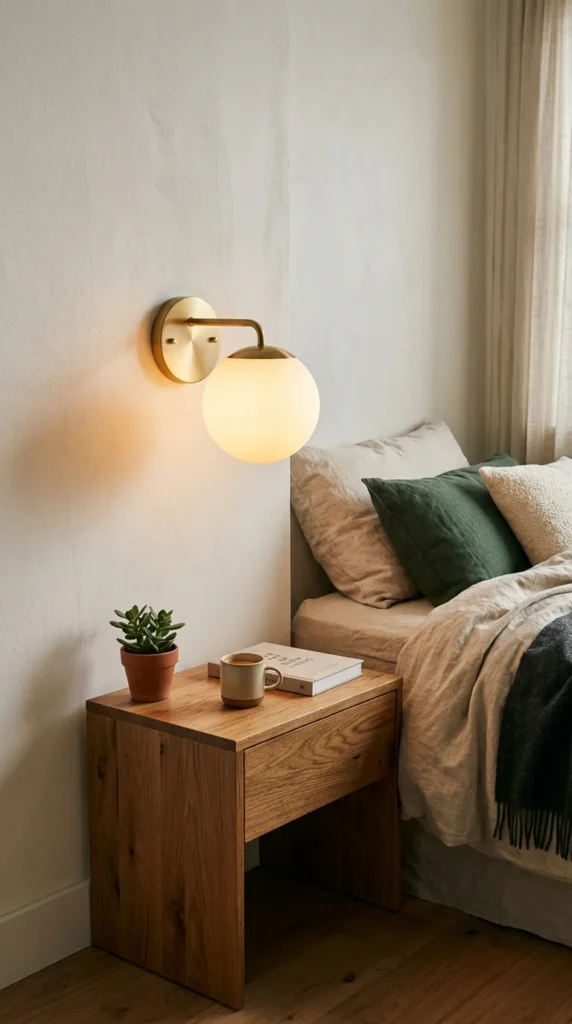
Builder-grade “boob lights” or overhead fluorescent fixtures are the enemy of an expensive-feeling bedroom. Lighting should be layered and warm. To elevate your apartment, replace your main light fixture with a statement chandelier or a drum pendant. If you are renting and cannot change the ceiling fixture, focus on secondary lighting.
Swap out standard table lamps for something with architectural interest—think ceramic bases, pleated shades, or sleek metallic finishes. For a truly high-end feel, install “plug-in” wall sconces on either side of the bed. This frees up space on your nightstand and mimics the custom-built look of a luxury hotel suite. Always use “warm white” bulbs (2700K) to ensure the room feels cozy rather than clinical.
3. Large Art
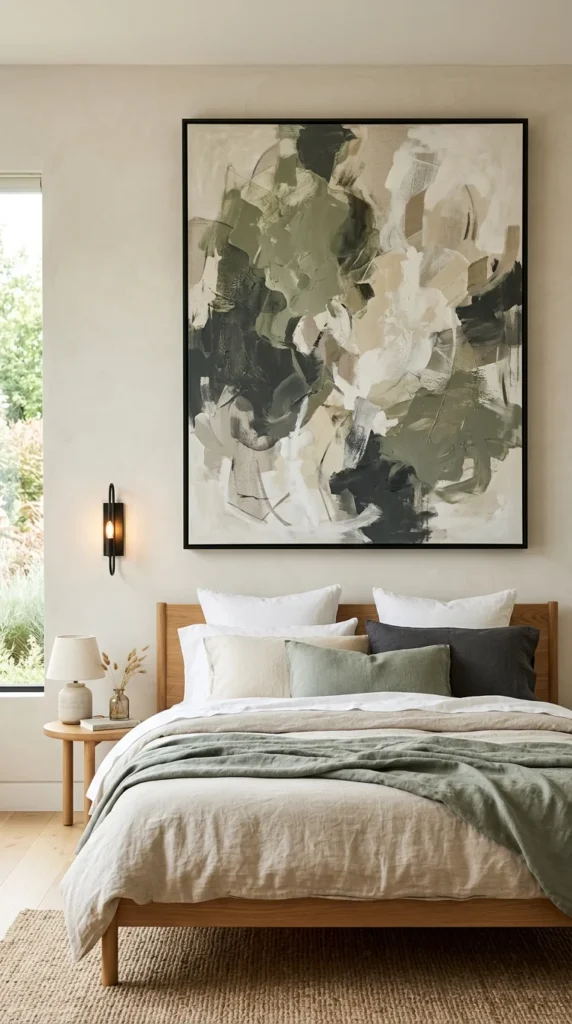
One of the most common mistakes in apartment decorating is using art that is too small for the wall. A collection of tiny frames can look cluttered and cheap. Instead, opt for one massive, oversized piece of art above the headboard.
A large canvas or a framed print creates a singular focal point that anchors the room. If you are on a budget, you can buy large-scale digital downloads and have them printed at a local shop, then place them in a simple, thin frame. The goal is to fill at least two-thirds of the width of the bed. This creates a sense of grandeur and makes the ceiling feel higher.
4. Velvet Accents
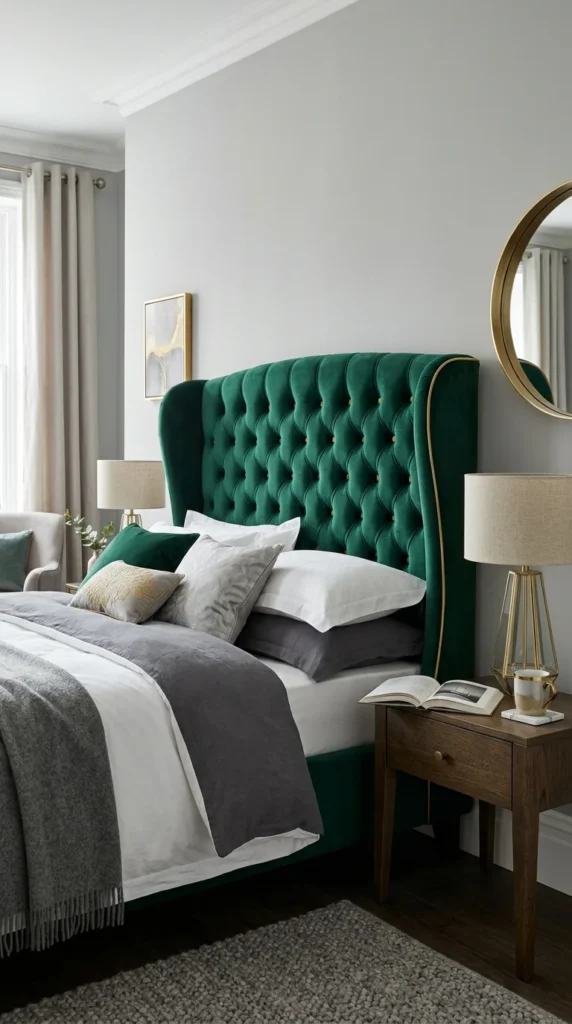
Texture is the secret language of luxury. Velvet is a material that instantly signals opulence because of its weight and the way it catches the light. Incorporating velvet doesn’t mean you need a full velvet sofa; subtle touches are often more effective in a bedroom.
Consider a velvet upholstered headboard, which provides a soft surface to lean against while reading and adds a rich visual weight to the room. If you already have a bed frame, introduce velvet through heavy blackout curtains or a pair of throw pillows. Deep jewel tones like navy, forest green, or burgundy look particularly expensive in velvet, but even neutral tones like champagne or charcoal can add a sophisticated shimmer.
5. Metallic Details
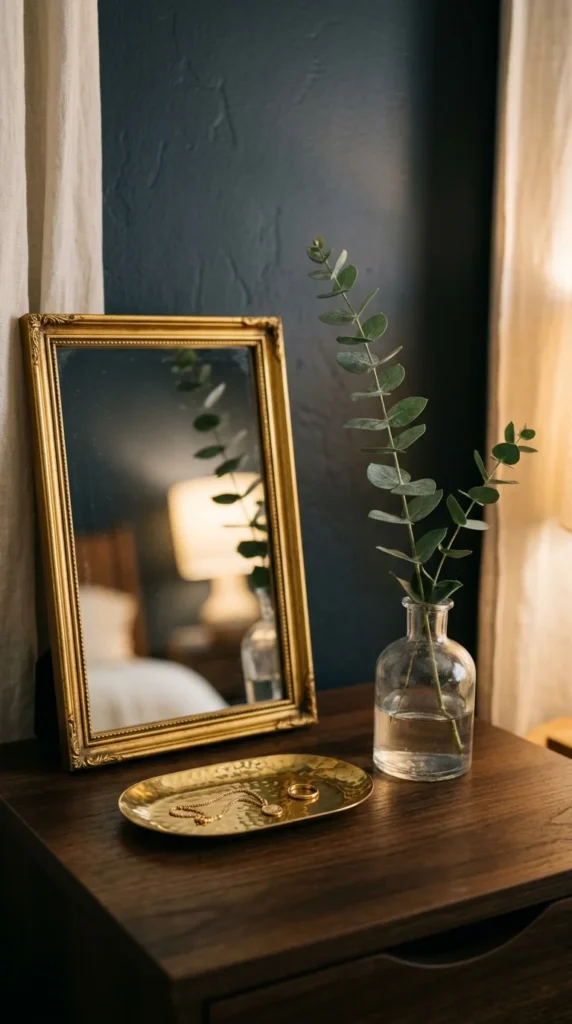
To give your bedroom a “polished” look, incorporate mixed metals. Brass, gold, and blackened steel are hallmarks of high-end interior design. These materials add a reflective quality that makes the space feel brighter and more “finished.”
Look for small ways to integrate these finishes: the handles on your dresser, the legs of a bench at the end of the bed, or the frame of a floor mirror. The key is consistency. While you can mix metals (like brass and black), try to keep them in the same finish family (e.g., all matte or all brushed) to maintain a cohesive, expensive vibe.
6. Plush Rugs
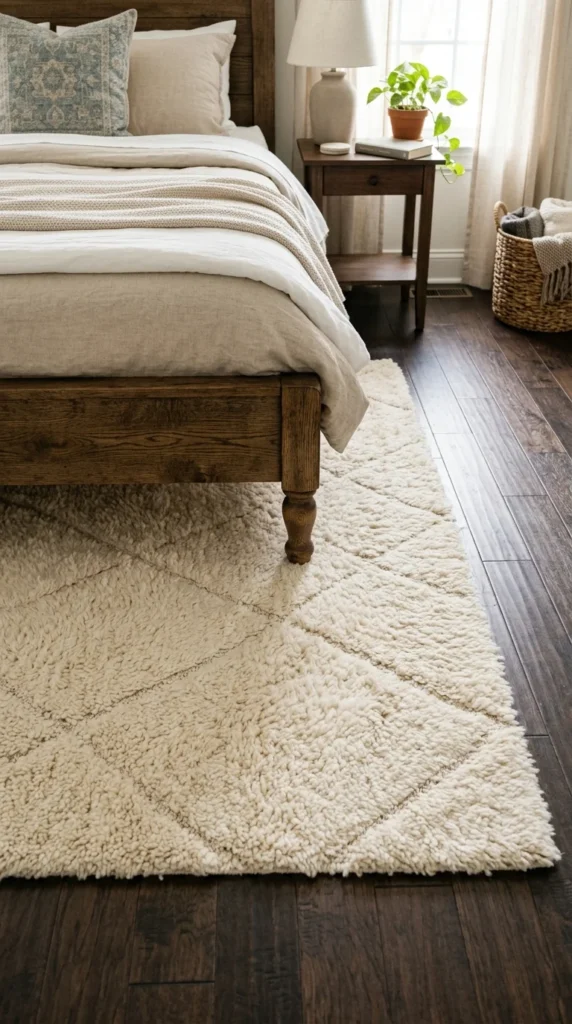
An apartment bedroom often comes with standard-issue carpeting or cold laminate flooring. Adding a large area rug is the fastest way to add warmth and a “designer” touch. The rug should be large enough that it extends at least 24 inches beyond the sides and foot of the bed.
For a cozy, expensive feel, look for rugs with a high pile or interesting textures, such as a Moroccan wool rug or a plush shag. If you already have carpet, don’t be afraid to layer a rug on top of it. This defines the sleeping area as a separate “zone” and adds an extra layer of soundproofing, which is essential for a peaceful apartment environment.
7. Tall Drapes
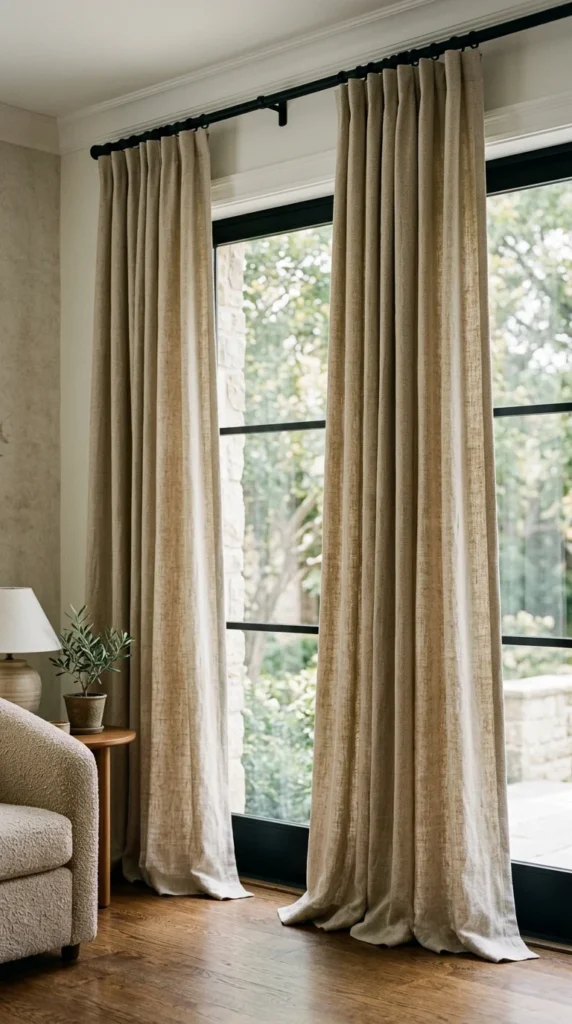
Most apartment windows are standard sizes, but you can make them look like grand architectural features by changing how you hang your curtains. The “high and wide” rule is the gold standard of luxury design: hang your curtain rod as close to the ceiling as possible and extend it 6-10 inches beyond the window frame on each side.
This trick makes your windows look massive and your ceilings feel infinitely higher. Choose fabrics with some weight, like linen or velvet, and ensure they touch the floor (or even “puddle” slightly). Avoid sheer curtains alone; instead, layer them behind heavy drapes for a multi-dimensional look that offers both privacy and a high-end aesthetic.
8. Sleek Nightstands
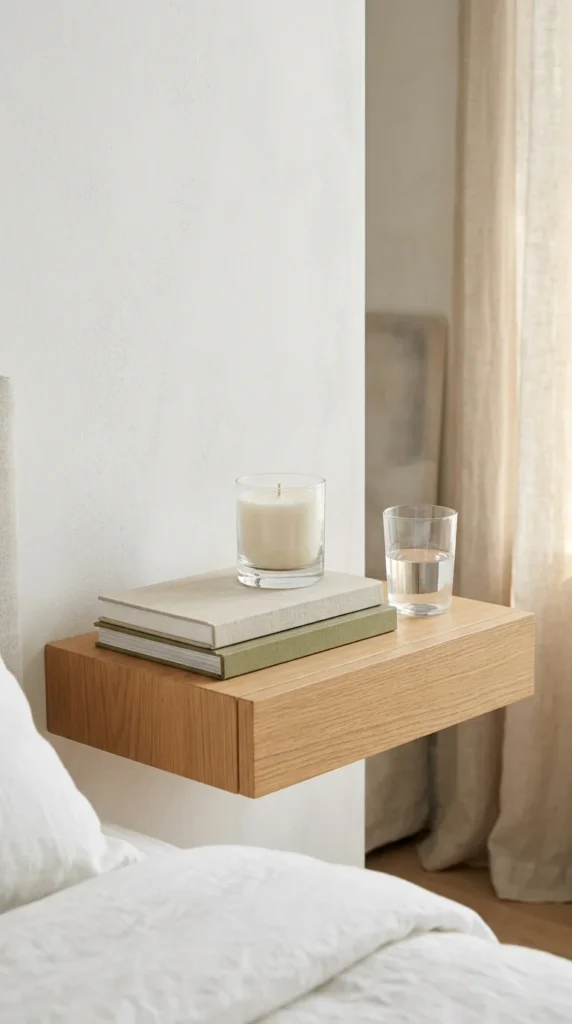
Clutter is the enemy of a luxury aesthetic. In many apartments, nightstands become a “catch-all” for tech cables, books, and miscellaneous items. To make your room feel expensive, choose nightstands with drawers to hide the clutter, or go for a very intentional, minimalist look.
A “staged” nightstand should follow the rule of three: something tall (like a lamp or a tall vase), something flat (like a stack of books), and something organic (like a small plant or a bowl of crystals). Keeping the surface clear of daily debris creates a sense of calm and order that is typical of high-end living spaces.
9. Architectural Plants
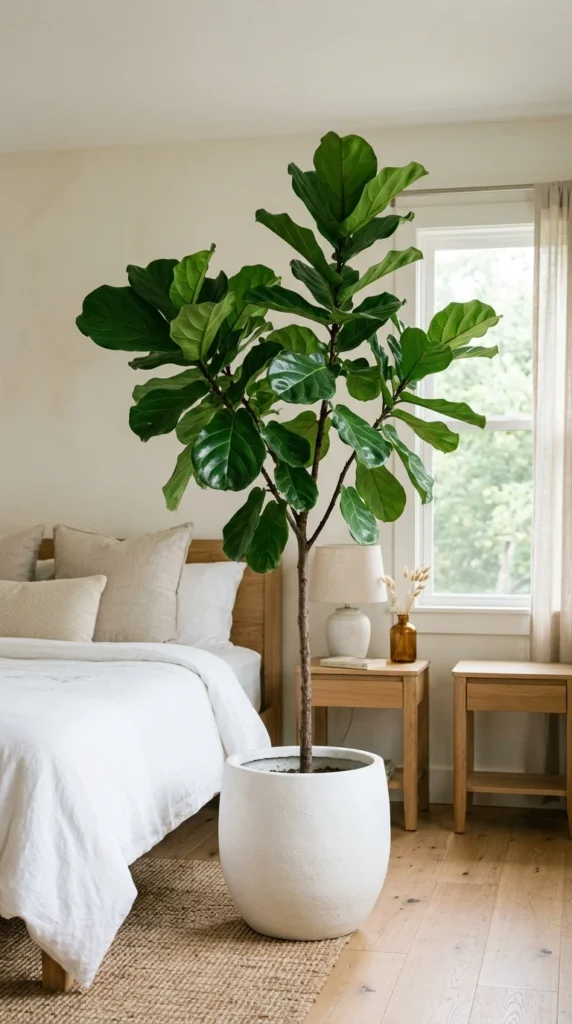
Living things bring a sense of freshness and vitality that artificial decor cannot replicate. However, instead of a dozen small succulents, choose one or two large, “architectural” plants. A Fiddle Leaf Fig, an Olive Tree, or a Bird of Paradise can act as a living sculpture in the corner of your room.
The pot you choose is just as important as the plant itself. Avoid cheap plastic pots. Instead, invest in a heavy ceramic or stone planter that complements your color scheme. The height of a large plant draws the eye upward, filling “dead” corners and making the room feel more expansive and thoughtfully designed.