

Living in a studio apartment presents a unique set of design challenges. When your bedroom, living room, and office all occupy the same four walls, the boundary between relaxation and productivity can easily blur. However, a small footprint does not mean you have to sacrifice style or utility. By employing smart zoning, multi-functional furniture, and clever visual tricks, you can transform a cramped box into a sophisticated, multi-purpose sanctuary.
The following 22 ideas provide a comprehensive guide to maximizing every square inch of your studio, ensuring your home is as functional as it is beautiful.
1. Open Shelving
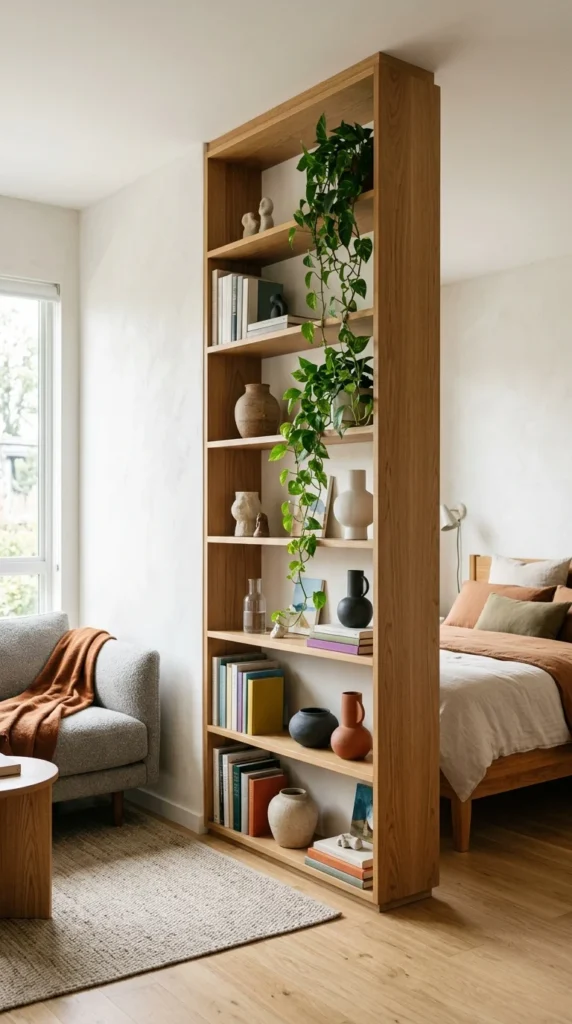
Open shelving is one of the most effective ways to create “rooms” within a studio without blocking natural light. Unlike a solid wall, a double-sided bookshelf allows the eye to travel through the space while physically demarcating different zones. Use it to separate your sleeping area from your living space. By styling it with a mix of books, baskets for hidden storage, and plants, you create a functional partition that adds character and depth to the room.
2. Murphy Beds
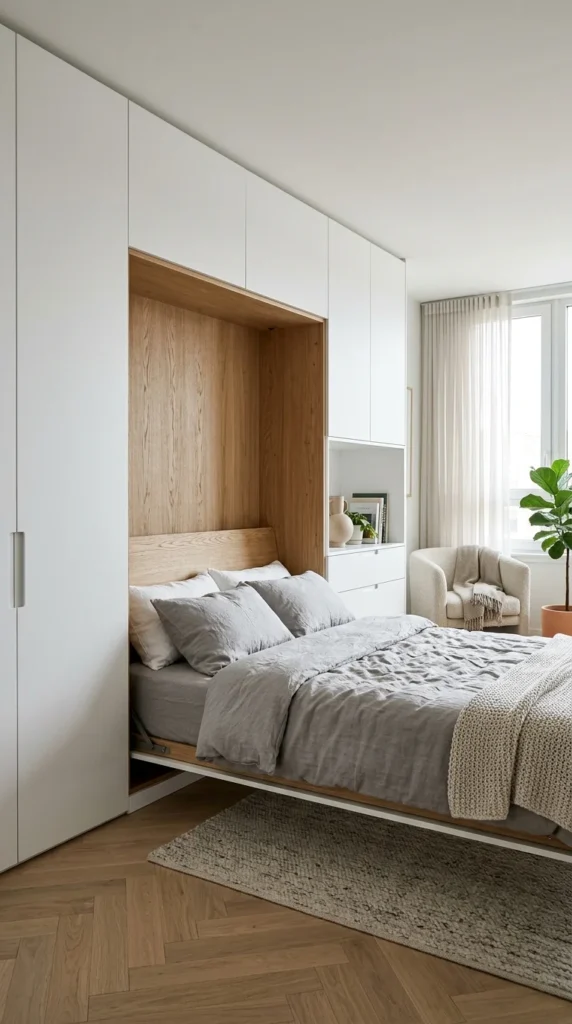
The Murphy bed is the ultimate space-saving classic for a reason. Modern designs have evolved far beyond the clunky models of the past. Today’s Murphy beds often feature integrated desks or sofas when folded up, allowing your bedroom to vanish completely during the day. This transformation is essential for those who host guests or work from home, as it physically and mentally separates “sleep mode” from “active mode.”
3. Zoned Rugs
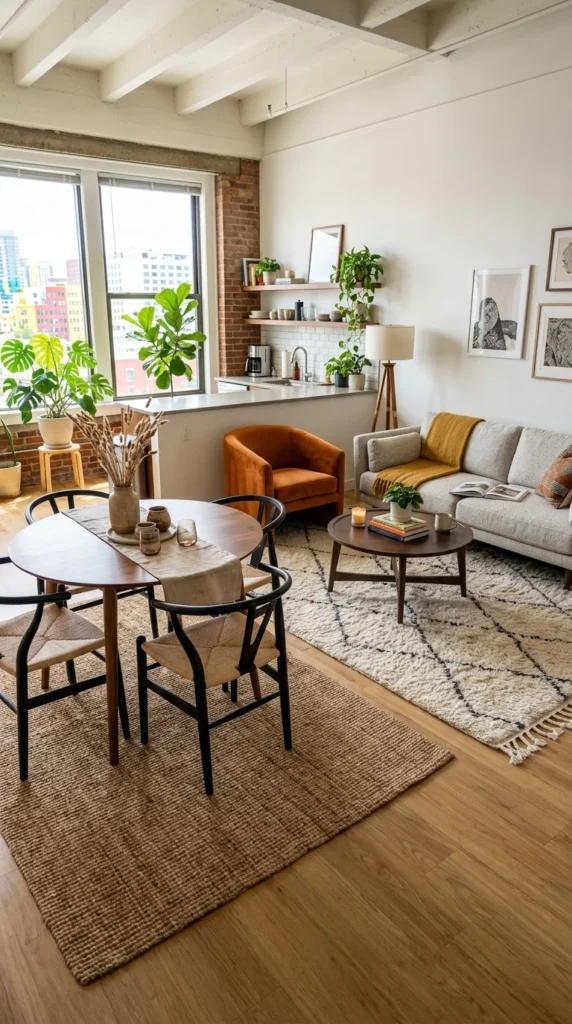
Rugs act as the “anchors” of a room. In a studio, using different rugs for different areas creates a psychological boundary between zones. A soft, high-pile rug in the living area communicates comfort and relaxation, while a flat-weave rug under a dining table or desk signals a more utilitarian space. Ensure there is a small gap of flooring between the rugs to emphasize the separation of these “islands.”
4. Loft Beds
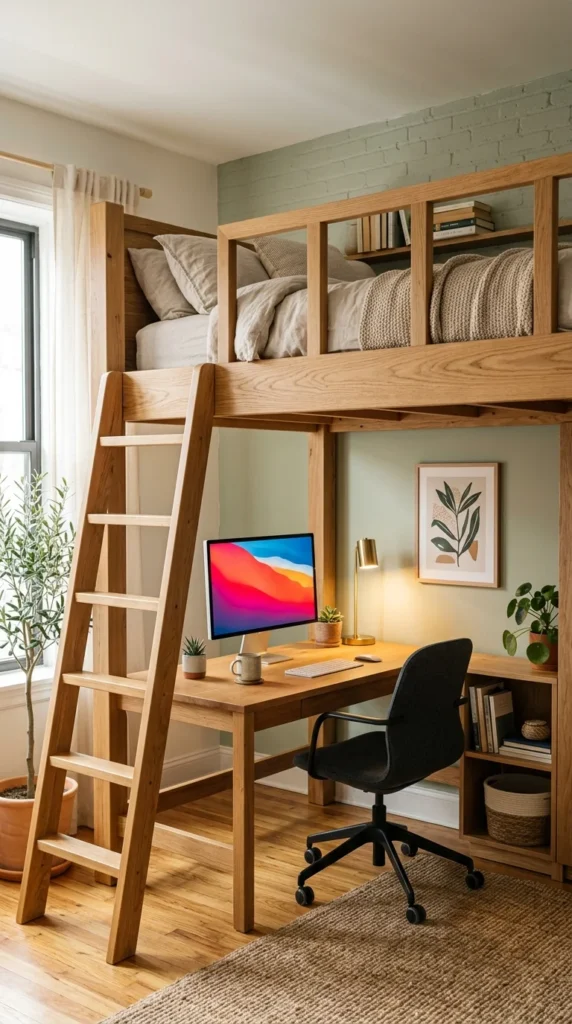
If your studio boasts high ceilings, the best way to gain square footage is to move upward. A loft bed lifts the sleeping area off the floor, freeing up significant real estate for a home office, a walk-in closet, or a cozy reading nook beneath. This layout mimics the feel of a traditional one-bedroom apartment by separating the sleeping quarters from the main living floor.
5. Oversized Mirrors
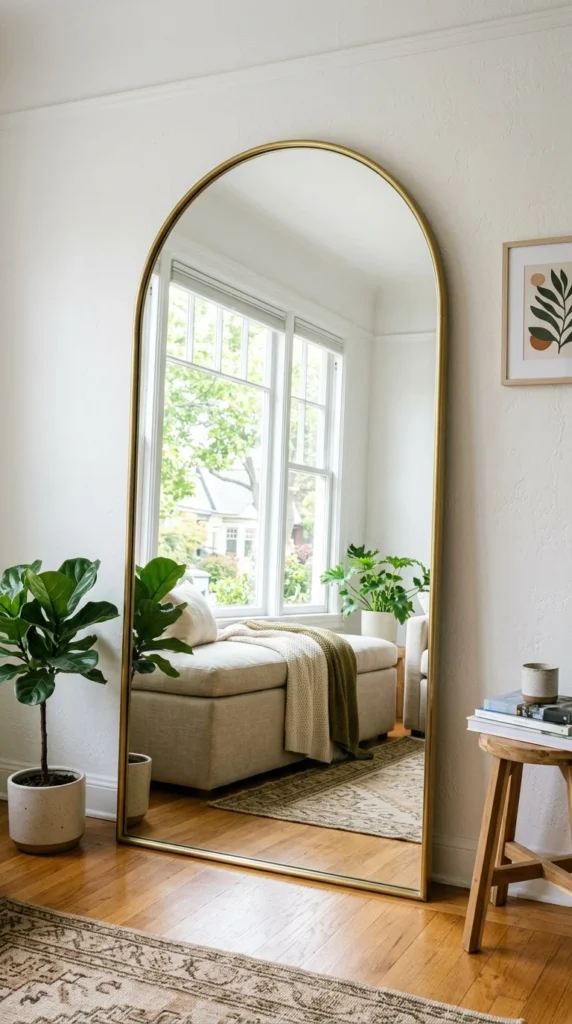
Mirrors are the oldest trick in the designer’s handbook for a reason: they work. A large floor mirror or a wall-to-wall mirror installation reflects light and the surrounding decor, tricking the brain into perceiving more depth than actually exists. Placing a mirror opposite a window is particularly effective, as it bounces natural light into the darker corners of the apartment.
6. Ottoman Storage
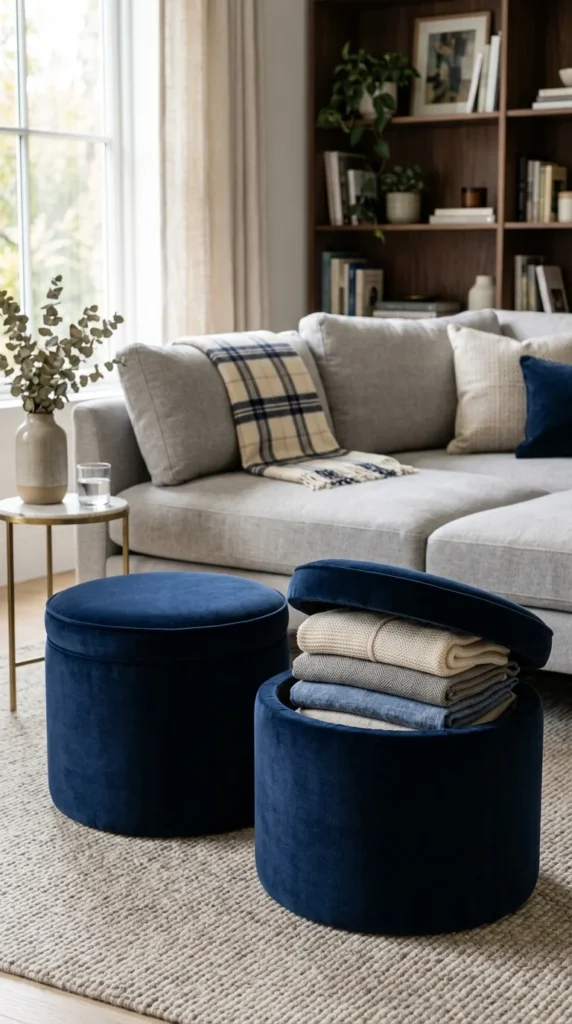
In a small home, every piece of furniture must work twice as hard. Ottomans with hidden storage compartments are perfect for stashing away extra linens, seasonal clothing, or board games. They serve as footrests, extra seating for guests, and even coffee tables when topped with a sturdy tray. Choosing a fabric that complements your sofa adds a layer of cohesive style.
7. Floating Desks
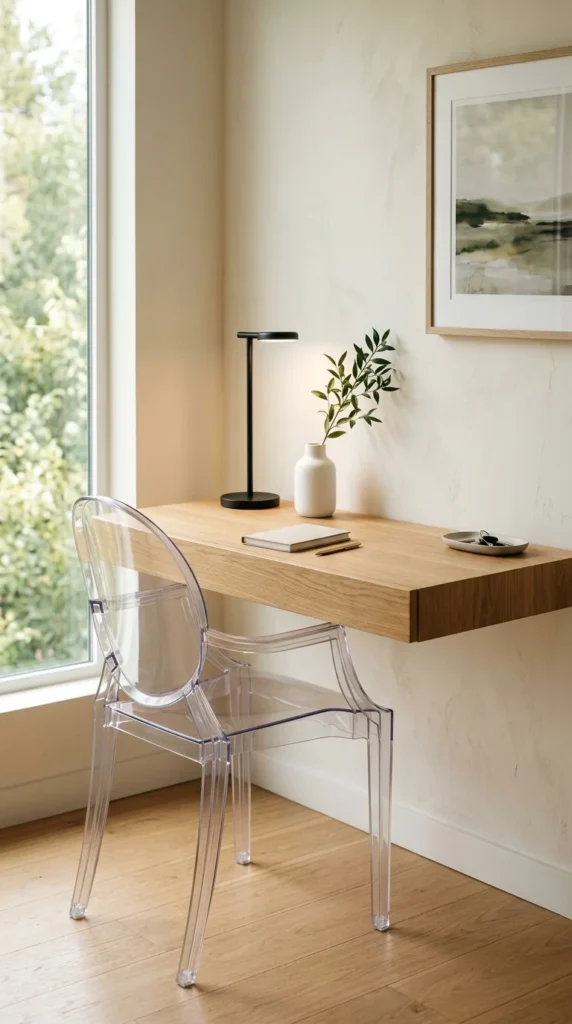
Traditional desks can feel heavy and intrusive in a tight space. A floating desk, mounted directly to the wall, maintains “visual floor space,” which makes the room feel airier. Because there are no legs to clutter the floor, the area remains open and easy to clean. Pair it with a few floating shelves above for a complete home office that occupies virtually no footprint.
8. High Curtains
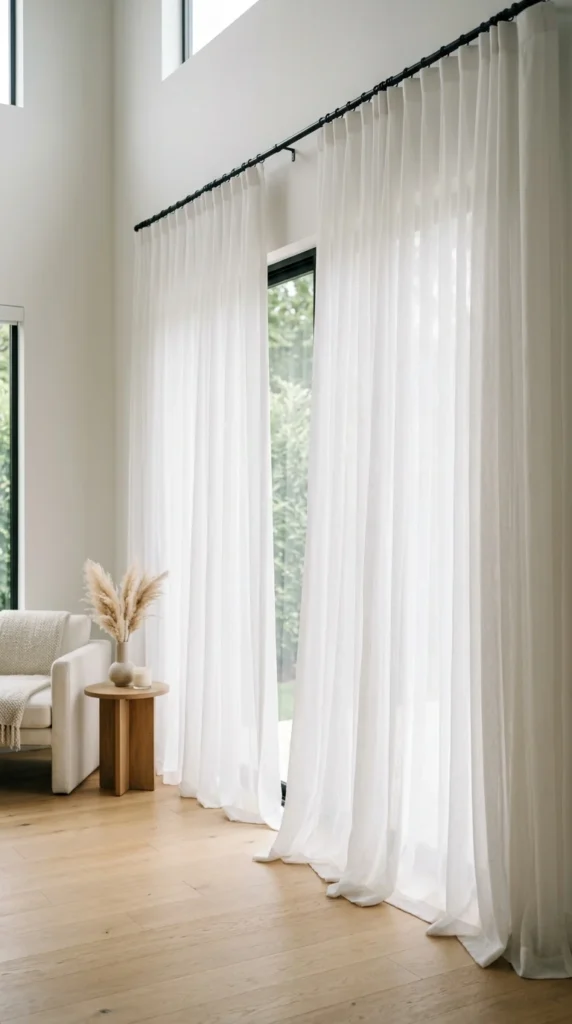
To make a studio feel grander, hang your curtain rods as high as possible—ideally just below the ceiling line—rather than right above the window frame. This draws the eye upward, emphasizing the height of the walls and making the windows appear larger. Using light, breathable fabrics like linen or sheer cotton allows light to filter through while maintaining privacy.
9. Acrylic Furniture
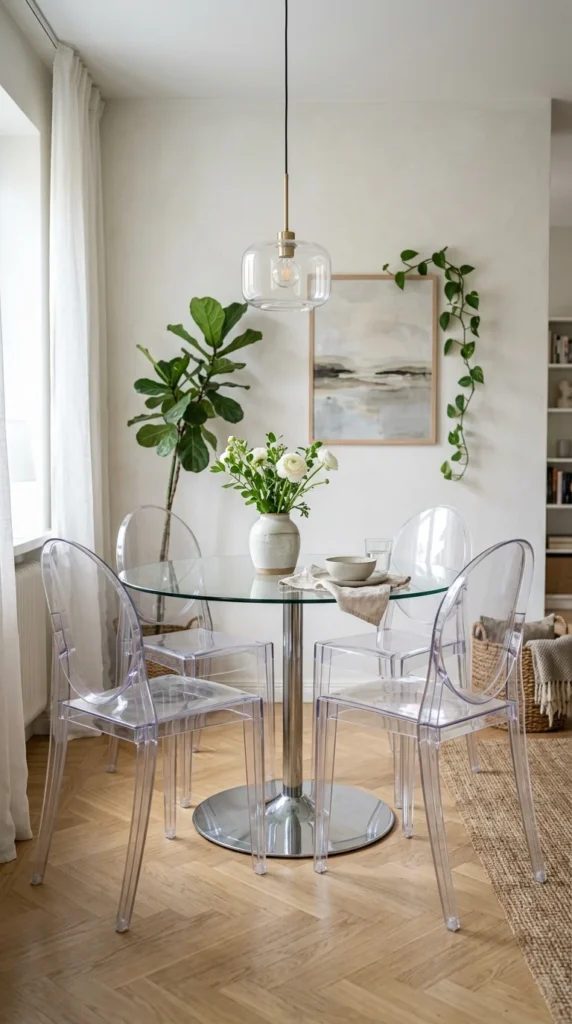
Furniture made from acrylic or glass—often called “ghost furniture”—is a game-changer for small apartments. Because these pieces are transparent, they don’t take up any “visual weight.” You get the functionality of a coffee table or dining chair without the visual clutter. This is particularly helpful in narrow studios where solid furniture might make the space feel like an obstacle course.
10. Vertical Gardens
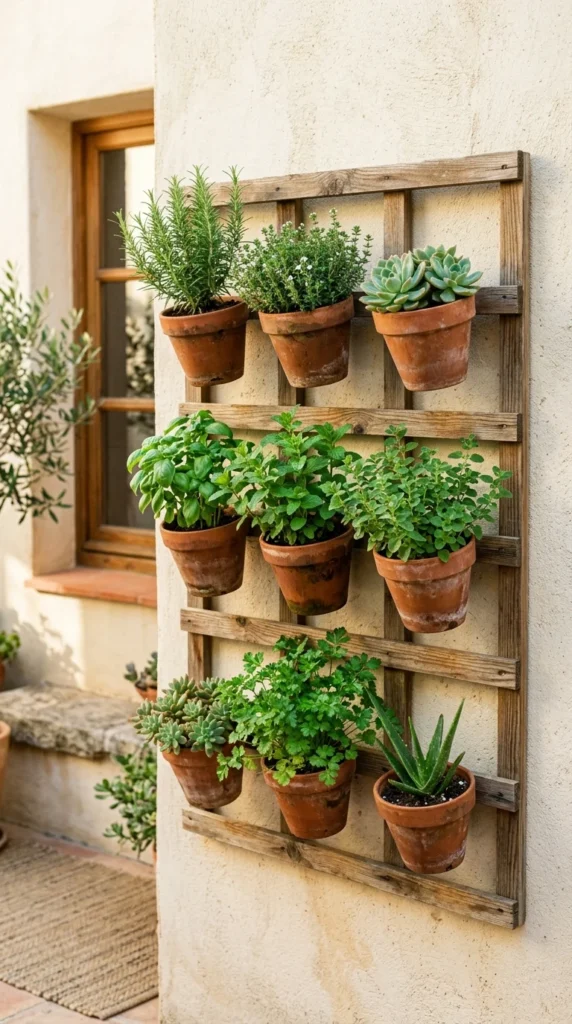
When floor space is at a premium, don’t give up on greenery. Use your walls to bring nature indoors. Vertical gardens or hanging planters allow you to enjoy the air-purifying benefits and aesthetic beauty of plants without occupying a single square inch of floor. This “living wall” can also serve as a stunning focal point or a natural divider between zones.
11. Built-in Seating
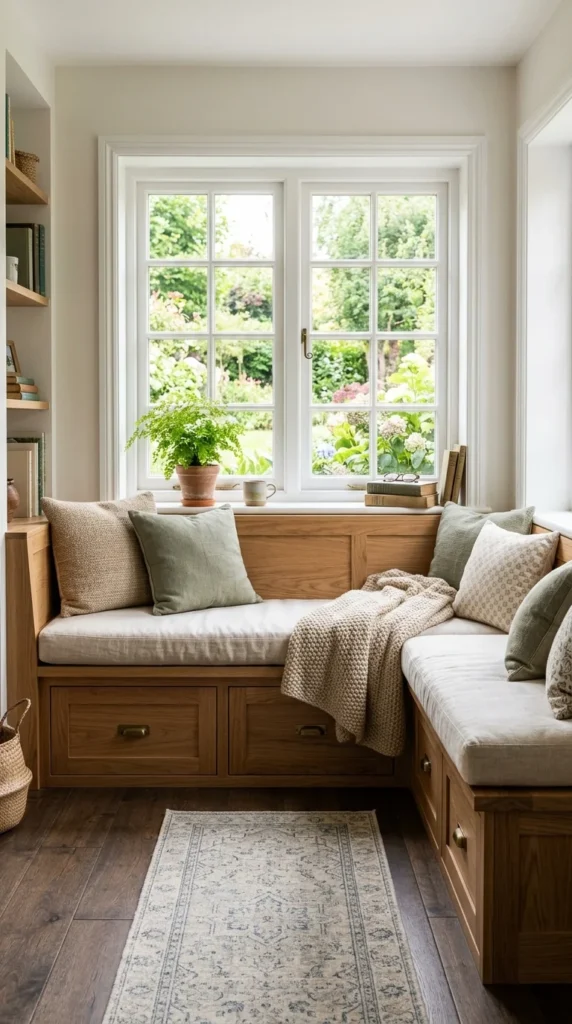
Built-in banquettes or window seats are incredibly efficient. They utilize corners and wall space that might otherwise go to waste. By building seating directly into the architecture of the room, you eliminate the need for bulky chairs and can often incorporate deep storage drawers beneath the cushions—perfect for kitchen gadgets or heavy winter coats.
12. Glass Partitions
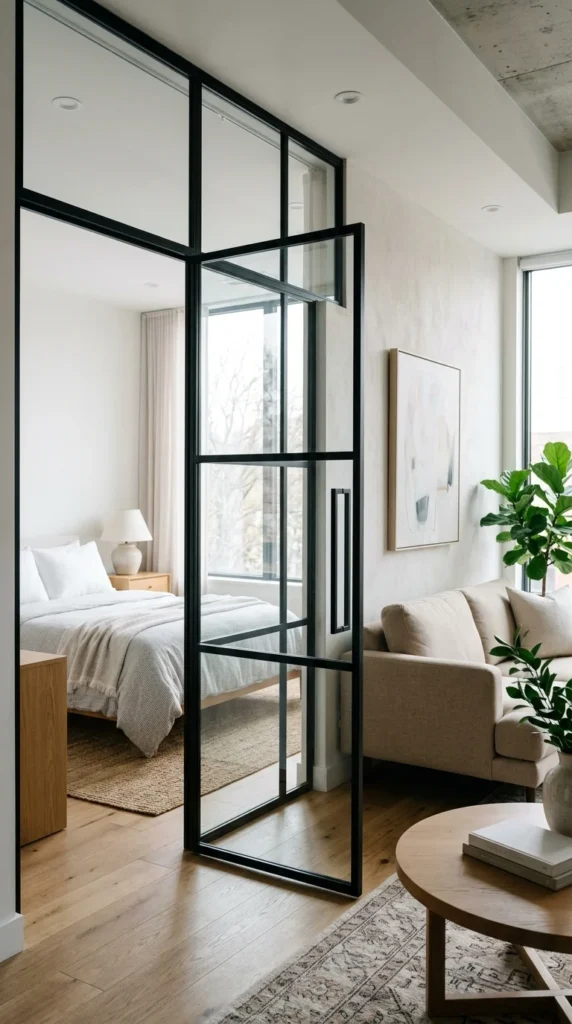
If you want a more permanent division than a bookshelf can offer, consider a glass partition. Crittall-style black-framed glass walls are a popular choice for modern studios. They provide sound dampening and a clear physical boundary for the bedroom while allowing light to flow through the entire apartment. This prevents the “closed-in” feeling that solid walls can create in small spaces.
13. Under-bed Storage
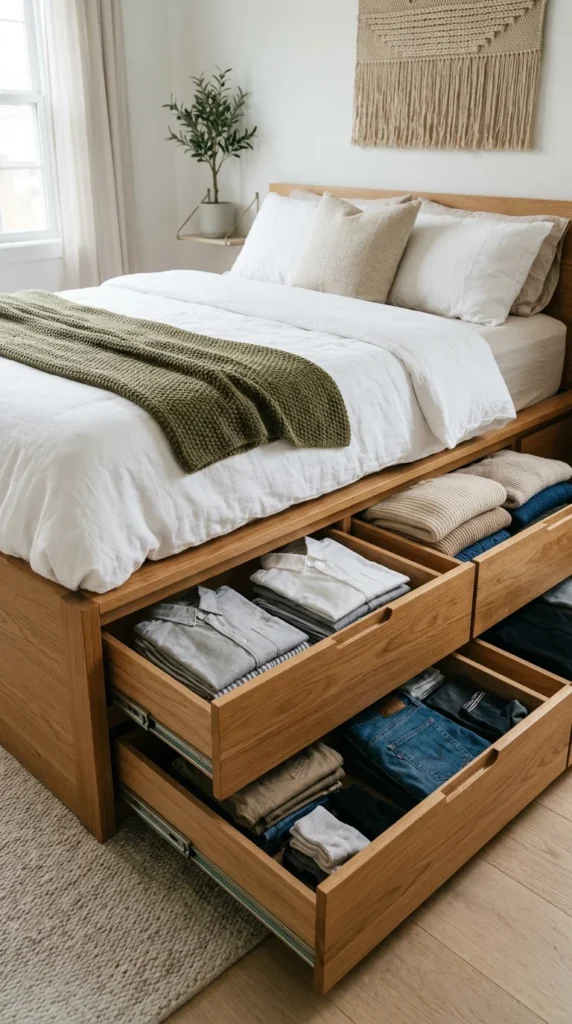
The space under your bed is often the largest unused area in a studio. Invest in a platform bed with built-in drawers or use high-quality, matching bins that slide underneath. This is the ideal spot for items you don’t need every day, such as luggage, shoes, or seasonal decorations. Keeping this storage organized and hidden is key to maintaining a clutter-free environment.
14. Light Palettes
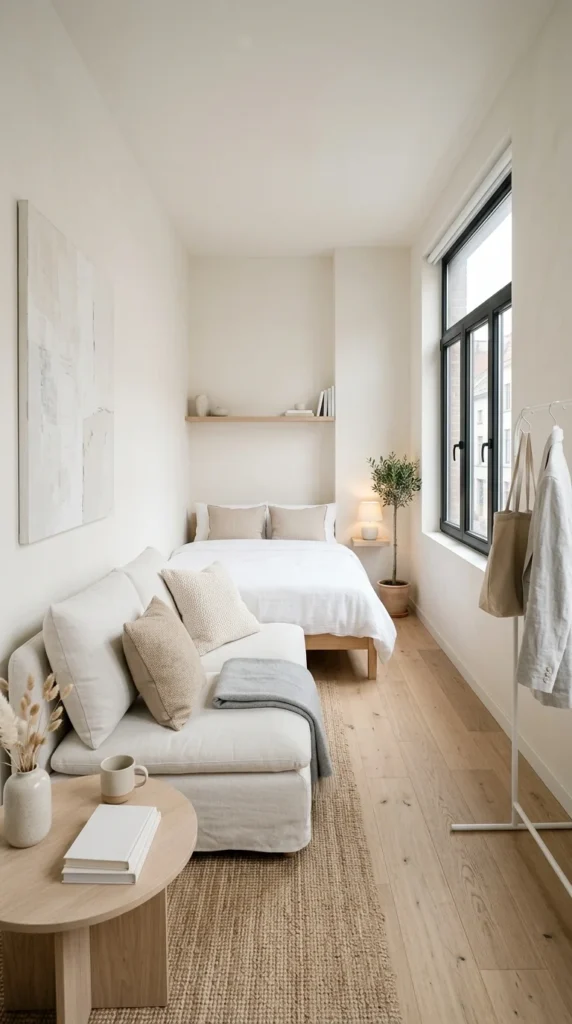
While dark colors can be cozy, they tend to absorb light and make walls feel closer together. For a studio, a palette of whites, creams, and soft pastels will reflect light and make the space feel expansive. If you love color, use it in your accessories—pillows, art, and rugs—while keeping the large surfaces like walls and cabinets light and neutral.
15. Statement Lighting
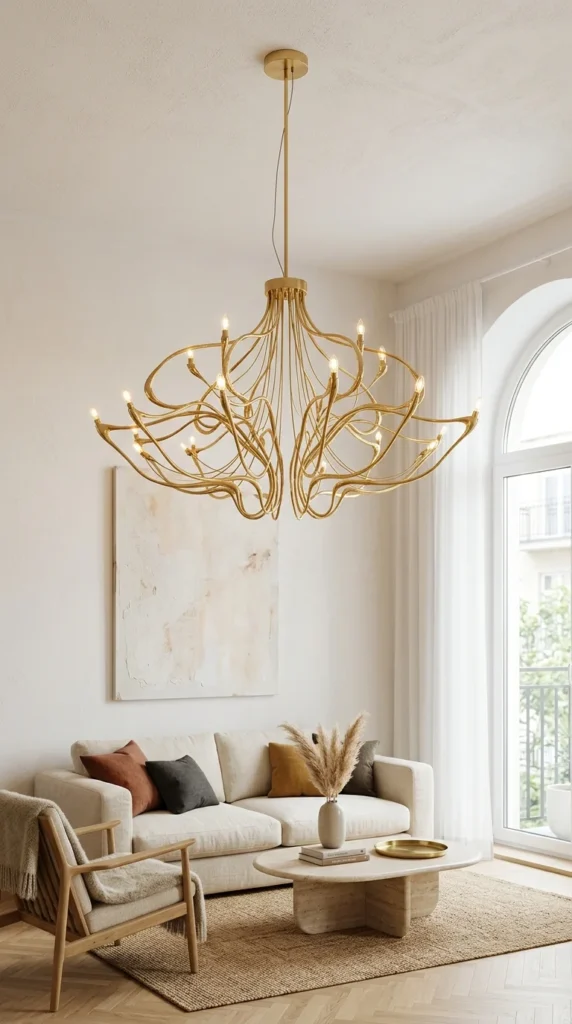
In a small space, you might not have room for much decor. Statement lighting allows you to add a “wow” factor without taking up floor space. A dramatic pendant light or a sculptural chandelier can define a specific zone, such as a dining nook, and elevate the entire design of the apartment. Layered lighting—combining overhead, task, and ambient lights—is also crucial for making a studio feel homey.
16. Sliding Barn Doors
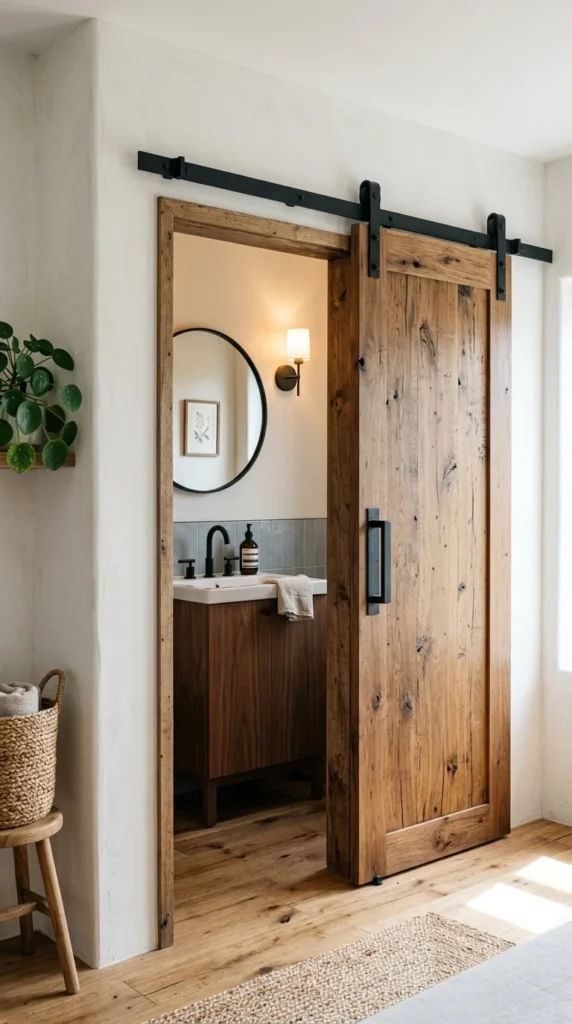
Traditional doors require “swing space,” which can be a massive waste of square footage in a studio. Sliding barn doors or pocket doors move parallel to the wall, requiring zero clearance. They are an excellent way to hide a closet, a bathroom, or even a laundry nook while adding a touch of architectural interest to the room.
17. Mobile Carts
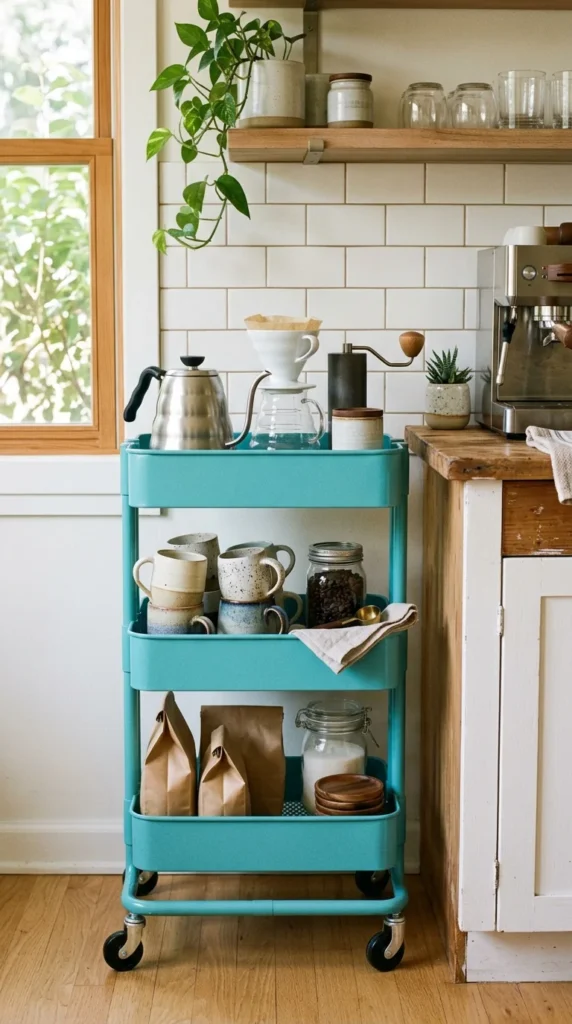
Flexibility is key in a small home. Furniture on wheels, like bar carts or kitchen islands, can be moved depending on your needs. A cart can serve as a coffee station in the morning, a workspace side table during the day, and a cocktail bar in the evening. When you need extra floor space for a workout or a guest, you can simply wheel it into a corner.
18. Pegboard Walls
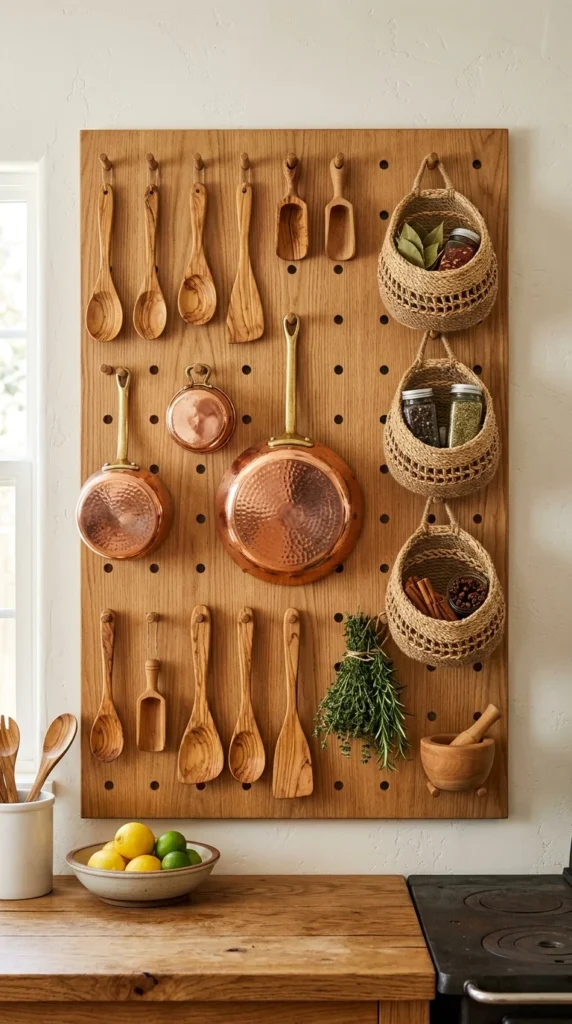
Pegboards are a highly customizable storage solution that turns your walls into a functional grid. In the kitchen, they can hold pots and pans; in an office, they can hold supplies and gadgets; in an entryway, they can hold keys and bags. Because you can move the pegs and shelves around, the storage evolves as your needs change, keeping everything off your counters.
19. Defined Entryways
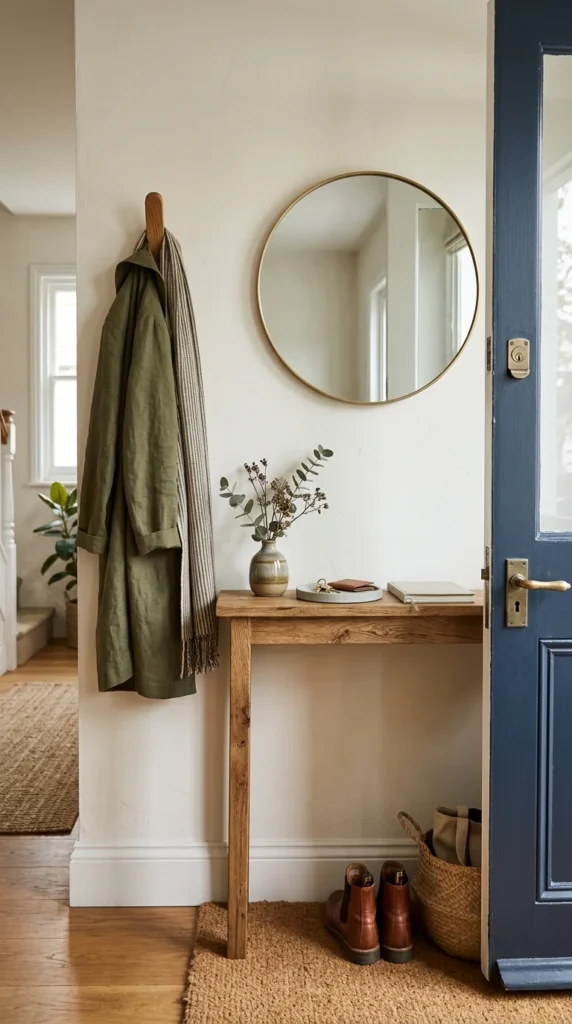
Even in a studio where the front door opens directly into the living space, creating a “landing strip” is important. A slim console table, a few wall hooks, and a small rug can define an entryway. This gives you a dedicated place for keys, mail, and coats, preventing “entryway clutter” from migrating into your living and sleeping areas.
20. Fold-down Tables
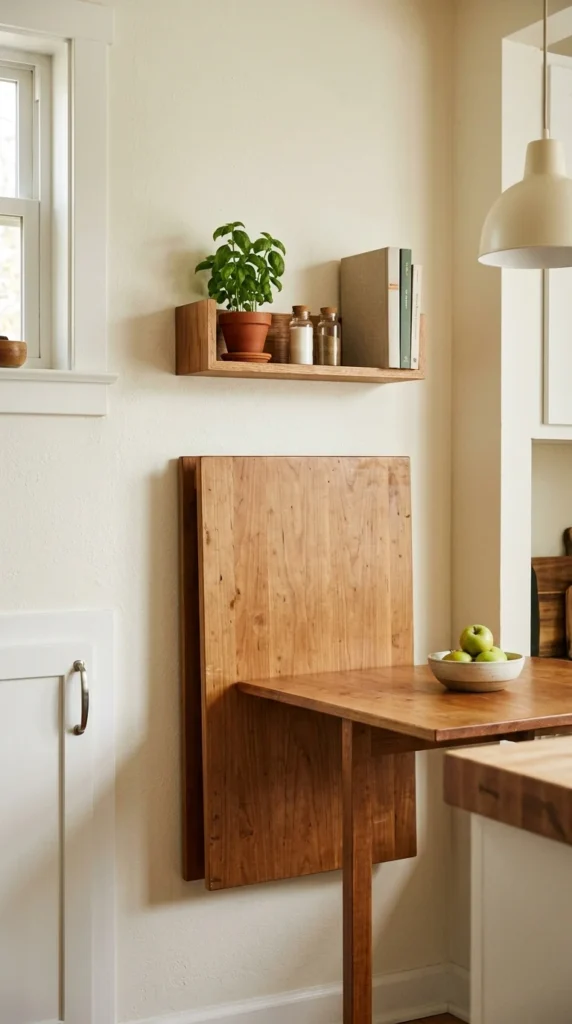
A dining table that folds down when not in use is a lifesaver for narrow studios. These can be wall-mounted or part of a kitchen island. When you’re dining or working, you have a full-sized surface; when you’re done, you regain the floor space. It’s a simple mechanical solution that makes the apartment feel much more versatile.
21. Corner Shelves
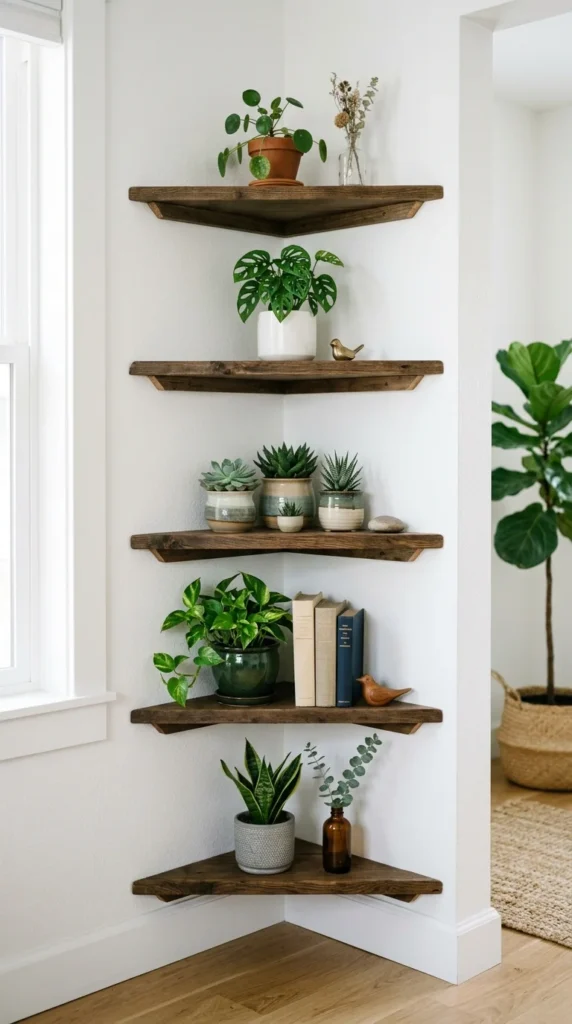
Corners are often overlooked in interior design, but in a studio, they are valuable real estate. Corner shelving units or floating triangular shelves utilize these awkward spots for storage or display. This is a great way to house a library or a collection of decorative objects without encroaching on the main walls or floor area.
22. Unified Flooring
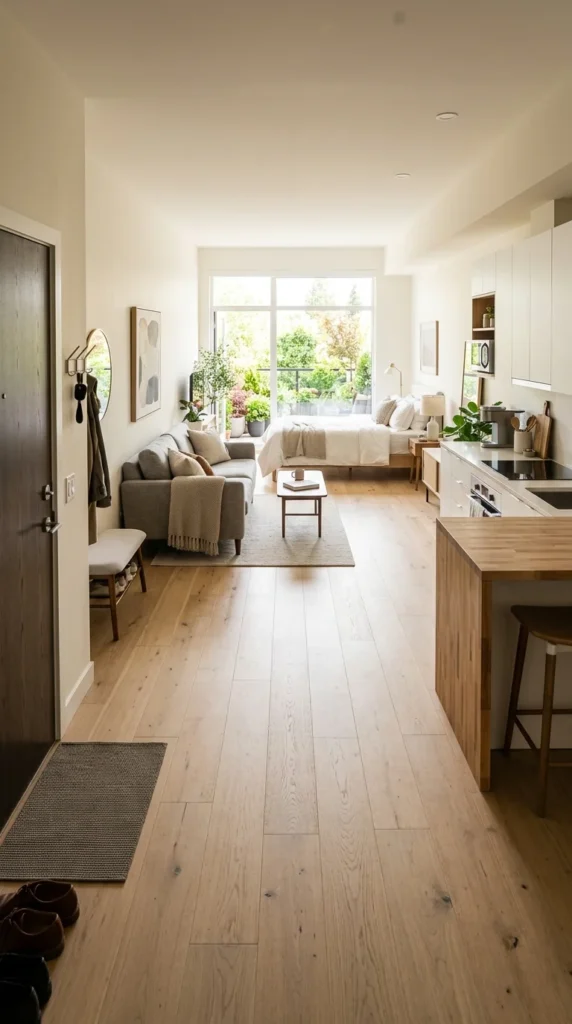
To make a small apartment feel like one large, cohesive space rather than a series of chopped-up boxes, keep the flooring consistent throughout. Using the same material—whether it’s hardwood, laminate, or tile—across the entire floor plan creates a visual flow that makes the boundaries of the apartment seem to disappear. This continuity is a subtle but powerful way to enhance the sense of scale in a studio home.